Are you looking for a seamless way to connect your physical marketing materials to your digital content? When customers have to manually type a web address, you risk losing their interest before they even reach your site. This guide explains how to generate and add a QR code directly within Canva to improve your engagement.
Finding the QR Code Tool in Canva
Canva integrates QR generation directly into its design interface, allowing you to create a code without leaving your project. To begin, open any existing design or create a new one. On the left-hand sidebar, navigate to the Apps tab. In the search bar at the top of the Apps panel, type “QR Code” to reveal several available generator options. Selecting the native Canva QR tool will open a simple menu where you can input your destination data.
Once the tool is open, you will see a field to enter the URL or information you want the code to link to. It is important to ensure your link is correct before proceeding, as the default codes generated in this manner are static. This means that if you make a mistake in the URL or need to change the destination later, you will have to generate a new code and reprint your materials.
Customizing Your Design for Scannability
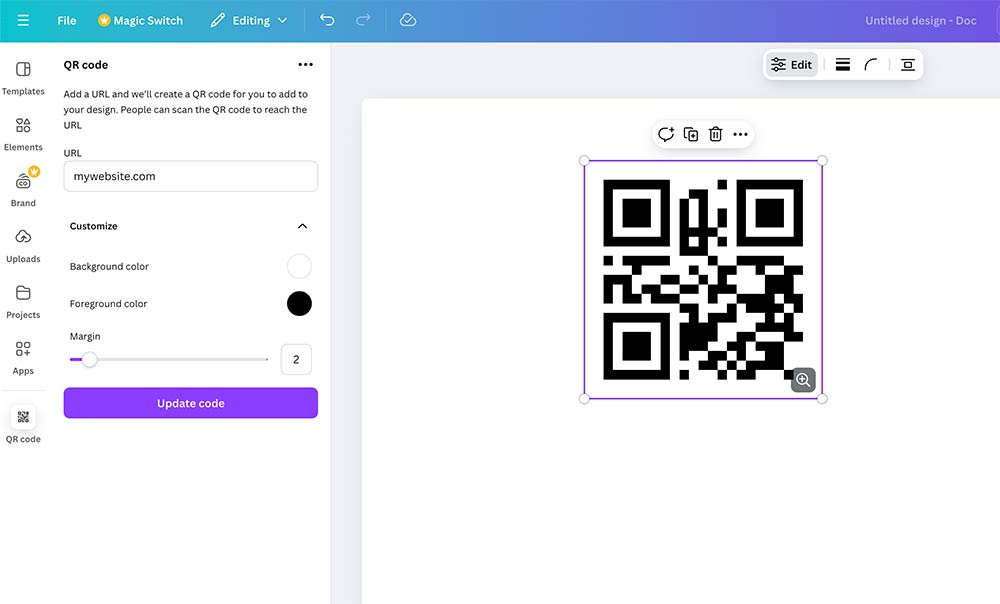
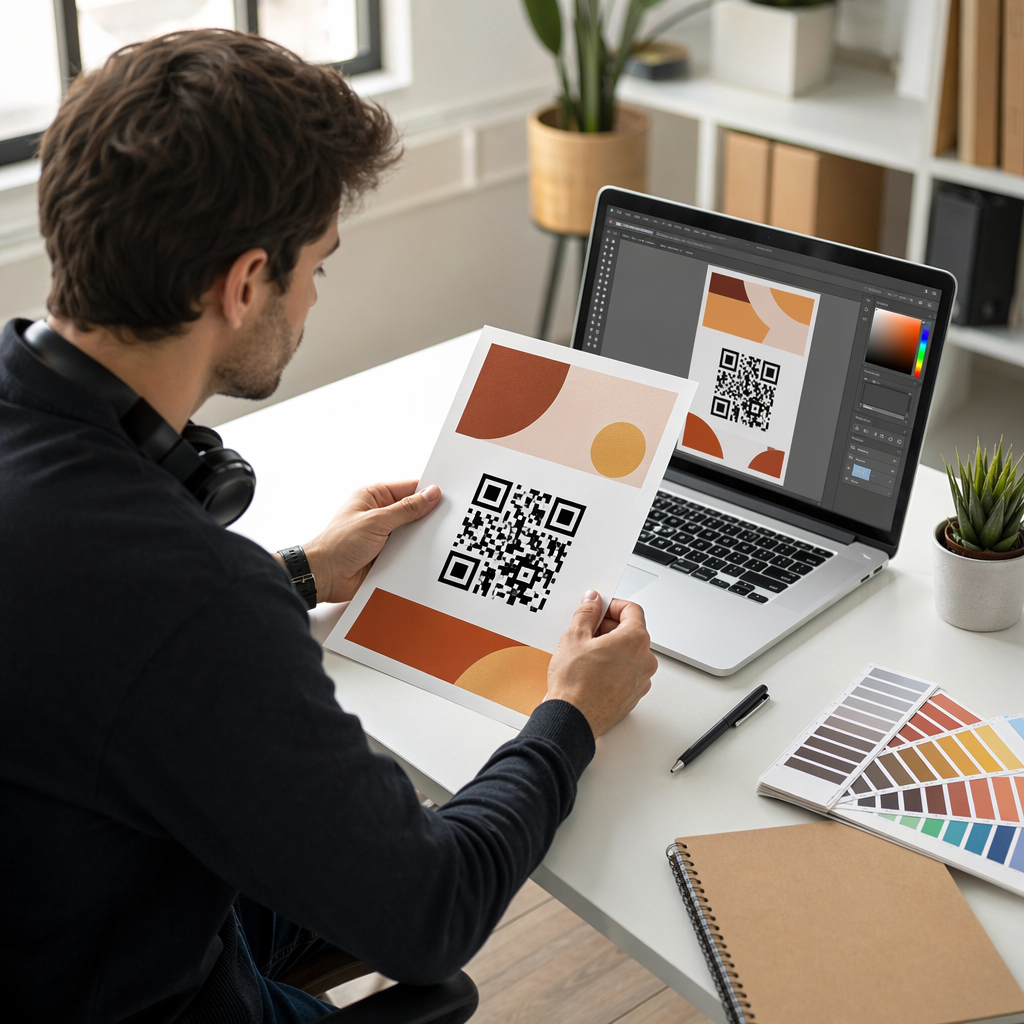
After entering your URL and generating the code, Canva allows for basic aesthetic adjustments to help the square blend with your branding. You can modify the background color and the size of the code to fit your layout. However, the foreground color typically remains black by default in the native tool. For more advanced visual branding, such as changing the color of the data modules or adding logos to QR codes, you may need to use a more specialized custom QR code generator.
While customizing, keep in mind that the primary goal is scannability. Scanners rely on the ability to distinguish the dark modules from the light background. Following color contrast best practices ensures that your design remains functional regardless of the lighting conditions. High-contrast pairings, such as dark blue on a light gray or the classic black on white, provide the most reliable results across different smartphone models.
Essential Design Standards and Placement
To ensure your audience can actually use the code, you must adhere to specific sizing and placement guidelines. A QR code should be at least 0.8 x 0.8 inches for close-range materials like business cards or flyers. If your design is meant to be scanned from a distance, such as a poster or window display, you should increase the size by approximately 0.3 inches for every foot of distance. Following these design tips for better scans prevents the modules from becoming too small for a standard camera to decode.
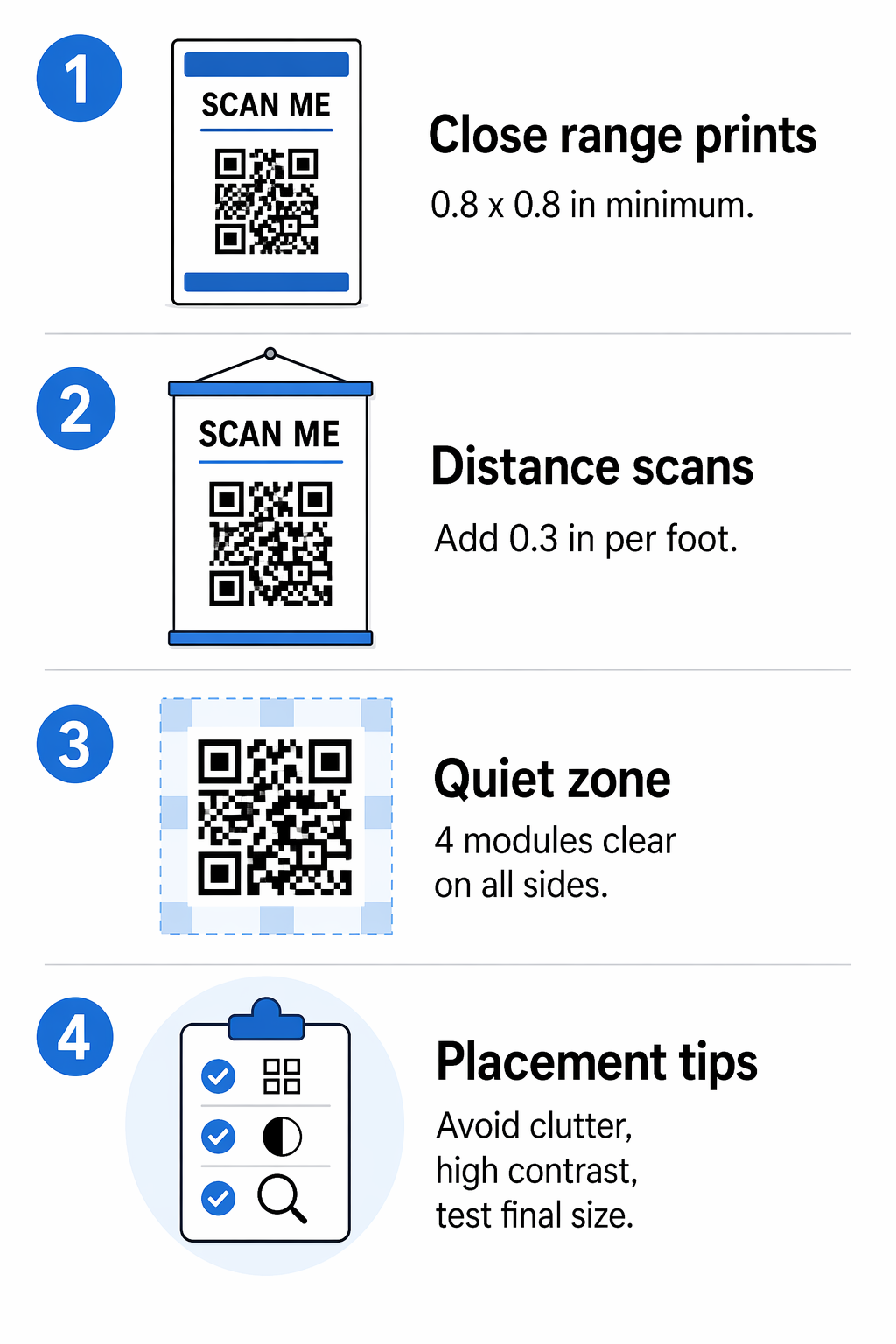
Another critical technical requirement is the quiet zone, which is the empty margin surrounding the code. This border allows the scanner to identify where the QR pattern begins and ends without interference from nearby text or graphics. According to QR code usability best practices, this margin should be at least four modules wide on all sides. Keeping this area clear is just as important as the contrast ratio for maintaining a high scan success rate.
Monitor Your Campaign in Real-Time Want to see exactly where and when your customers are scanning your materials? Use the Dynamic QR Code Generator to create trackable codes and access a full performance dashboard today.
Enhancing Campaigns with Dynamic QR Codes
While the native Canva tool is convenient for quick projects, it creates static codes that cannot be edited once they are live. This is a significant limitation for businesses that need to update their content or track engagement metrics. In contrast, using a dynamic QR code generator allows you to change the destination URL at any time without reprinting your flyers, menus, or business cards. This flexibility is essential for long-term marketing strategies where promotions or landing pages might change frequently.
The differences between static vs dynamic QR codes also extend to data collection. Dynamic codes provide real-time analytics, showing you the geographical location, device type, and time of each scan. This data helps you measure the ROI of your Canva designs and optimize your physical touchpoints. If you need advanced features like these, you can generate a dynamic code on a dedicated platform and then upload the QR code as a PNG file into your Canva design.
Testing and Finalizing Your Design
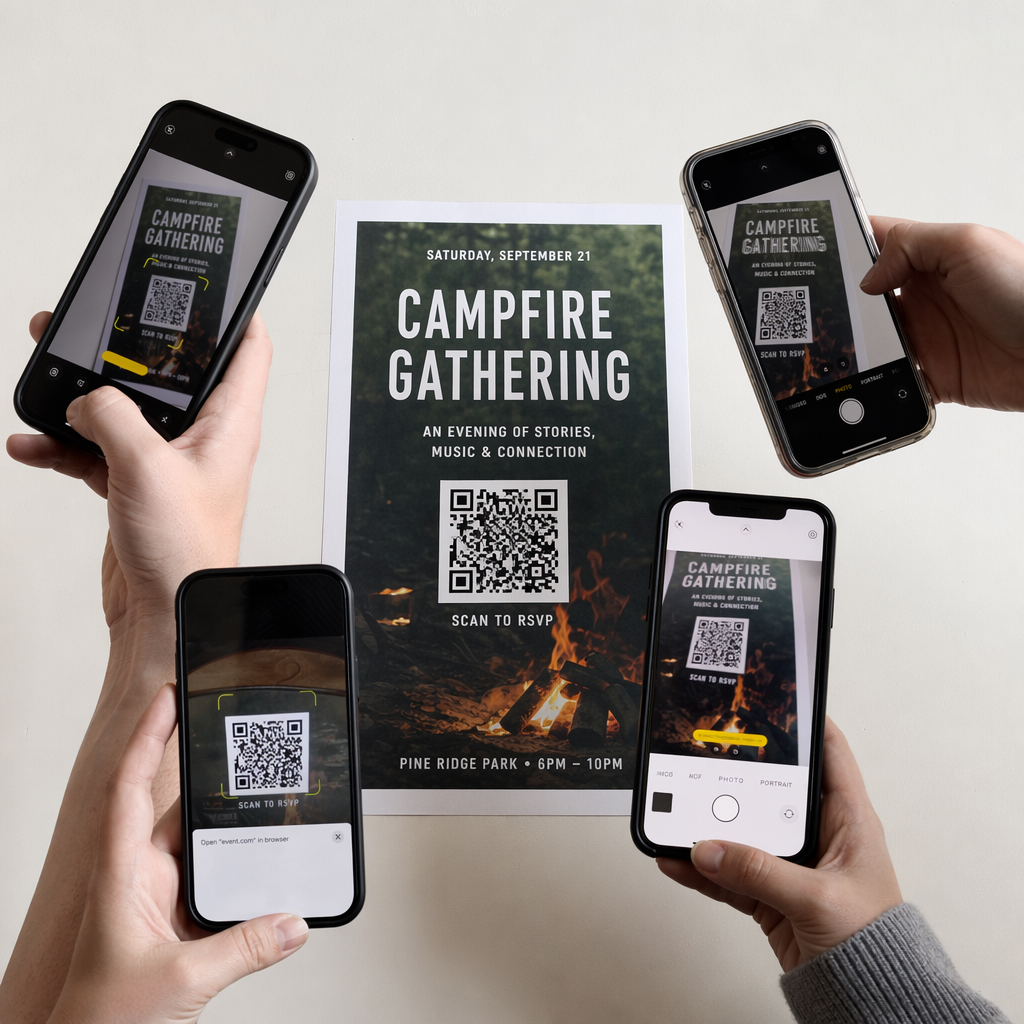
Before you send your design to a printer or share it digitally, you must test the QR code in a variety of environments. Use multiple devices, including both older and newer iOS and Android smartphones, to verify that the code scans quickly. It is also helpful to test the code under different lighting conditions and at the actual size it will be printed. If the code takes more than a second to scan, consider increasing the contrast or enlarging the quiet zone.
Once testing is complete, export your design from Canva in a high-resolution format. For printed materials, using a high-quality PNG or a vector-based export is recommended to ensure the edges of the QR modules remain sharp. A blurry or pixelated code is one of the most common causes of scanning failure. By combining Canva’s design flexibility with professional QR standards, you can create marketing materials that are both visually striking and technically reliable.
Frequently Asked Questions
No, the native QR codes created in Canva are static, meaning the data is fixed in the pattern. To have the ability to edit QR codes after printing, you must use a dynamic QR code generator.
Common issues include low color contrast, a missing quiet zone, or a size that is too small for the scanning distance. Ensure you have a clear margin around the code and use dark colors on a light background.
Canva’s basic QR tool does not support logo integration directly. You should use a QR code generator with a logo to create the branded code first, then upload that image into your Canva project.
By following these steps, you can successfully integrate functional and branded QR codes into your designs. If you need to manage multiple campaigns or require detailed scan analytics, consider starting with a professional generator to maximize the impact of your offline-to-online marketing. For more advanced customization options, you can use the Pageloot QR Code Generator to create your codes before importing them into your Canva designs.