Have you ever printed thousands of marketing brochures only to find a broken link in your QR code? This simple error can lead to wasted materials and lost customer engagement. This guide shows you how to use dynamic QR codes to update your links instantly without reprinting a single page.
Understanding the Difference Between Static and Dynamic QR Codes
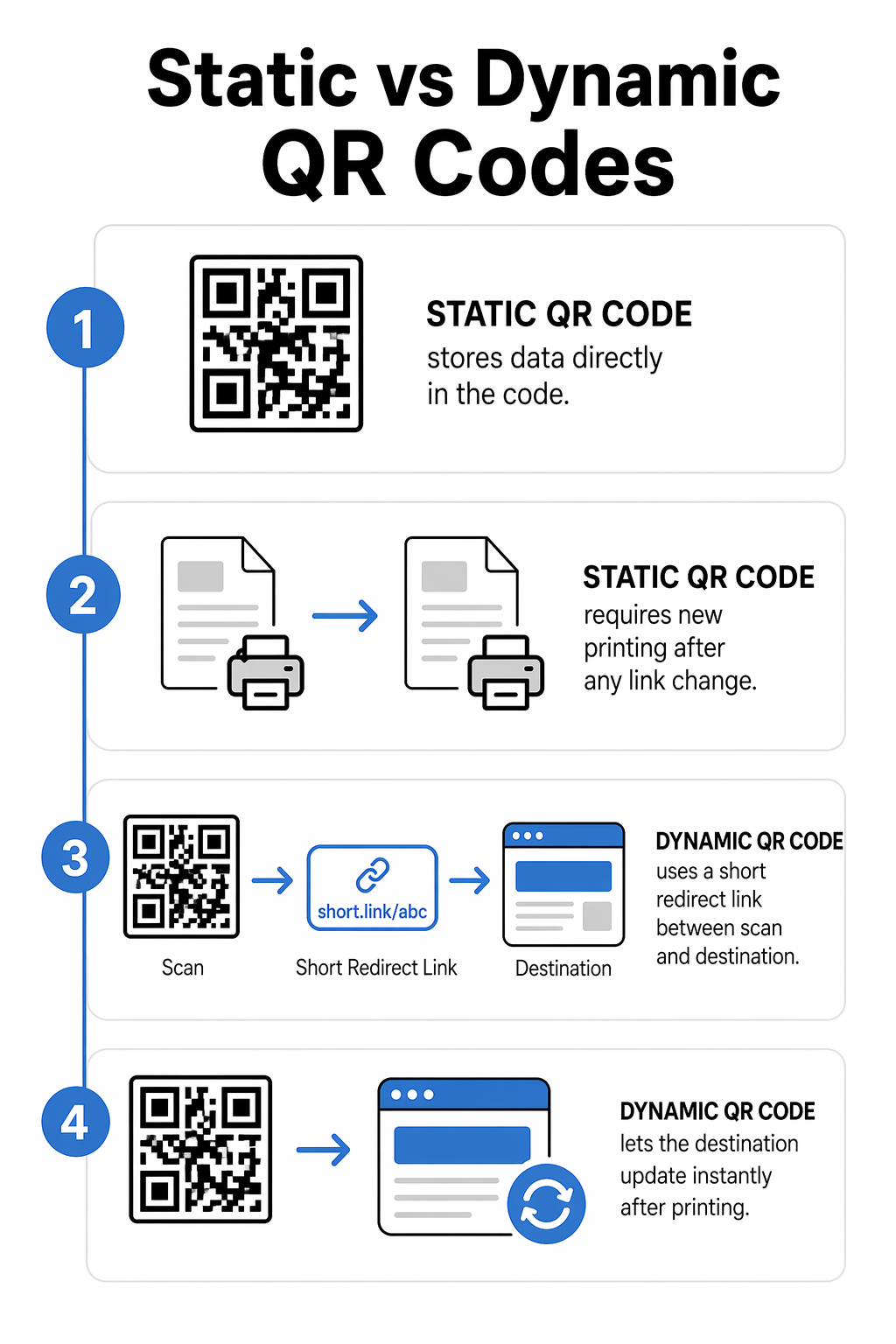
The ability to edit a QR code depends entirely on its original configuration. A static QR code stores information directly within its pixel pattern, meaning the data is permanent once generated. Because the visual pattern is the data itself, any change to the link would require a completely new design and a new print run.
In contrast, dynamic QR codes utilize a short redirect link that sits between the scanner and the final destination. This architecture allows you to update or modify the destination link even after the code has been distributed on physical packaging or signage. This distinction is the primary reason why professional marketing teams prefer dynamic technology for long-term campaigns. For a deeper look at these technical differences, you can read our guide on static vs dynamic QR codes.
How to Edit Your Dynamic QR Code Destination
The process of updating a dynamic QR code is straightforward and happens entirely within your management dashboard. First, you must log in to the platform where the code was originally created. Once you are in your dashboard, locate the specific QR code you wish to modify and select the edit option. You can then replace the existing URL or file with your new content and save the changes.
Because the printed code points to a permanent redirect URL, the scanner is automatically sent to the new destination as soon as you hit save. This allows businesses to manage editable QR codes at scale across multiple locations without physical intervention. It is always a best practice to perform a test scan after saving to ensure the redirect functions exactly as intended.
Monitor Your Campaign in Real-Time Want to see exactly where and when your customers are scanning your materials? Use the Dynamic QR Code Generator to create trackable codes and access a full performance dashboard today.
Strategies for Managing Existing Static QR Codes
If you discover that you have already printed a static QR code that needs an update, your options are more limited. Since the data is hardcoded into the image, you cannot change the underlying pattern. However, there are a few technical workarounds if you own the destination website.
If the static code points to a specific URL on your own domain, you can set up a server-side redirect. This tells the web browser to automatically send anyone visiting the “old” link to a “new” page. Another strategy is to ensure your QR codes always point to a central landing page that you control. By updating the content or links on that landing page, you can effectively change what the user sees without ever touching the QR code itself. If these options are not available, you will likely need to generate a new code using a link QR code generator and reprint your materials.
Why Flexibility Matters in Print and Digital Marketing
The ability to edit content post-print provides significant economic and strategic advantages. Large-scale operations often face high costs when errors occur or when promotional details change. For example, Marriott Aruba saved approximately $150,000 in printing costs by replacing traditional menus with dynamic QR codes that could be updated digitally.
Beyond cost savings, dynamic codes help you connect print and digital marketing by providing real-time data. Unlike static codes, dynamic versions allow you to track scan rates, user locations, and device types. This was evident at Hong Kong’s M+ museum, which recorded over 148,000 visitor engagements through their QR code implementations. This level of insight allows marketers to adjust their strategy on the fly, perhaps by changing a link to a more high-performing landing page based on the time of day or the scanner’s geographic location.
Creative Use Cases for Editable QR Codes
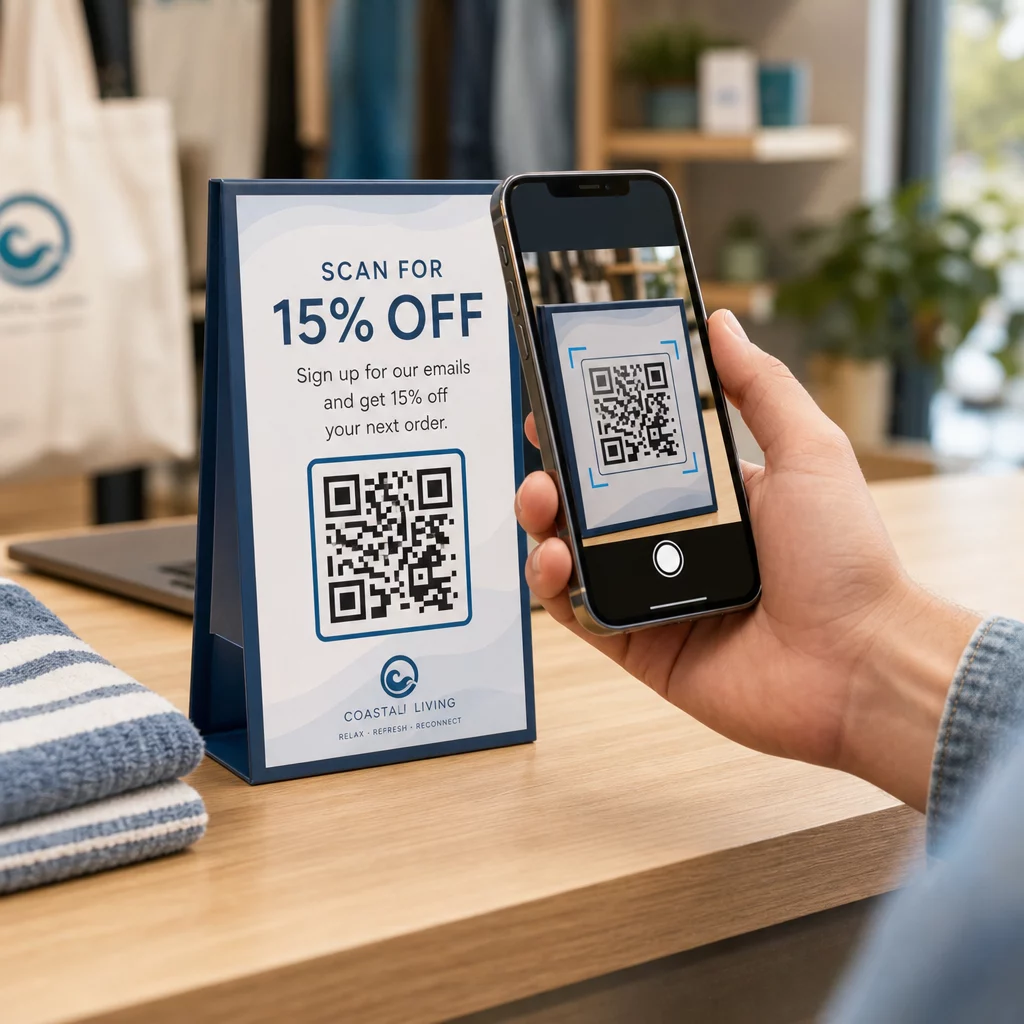
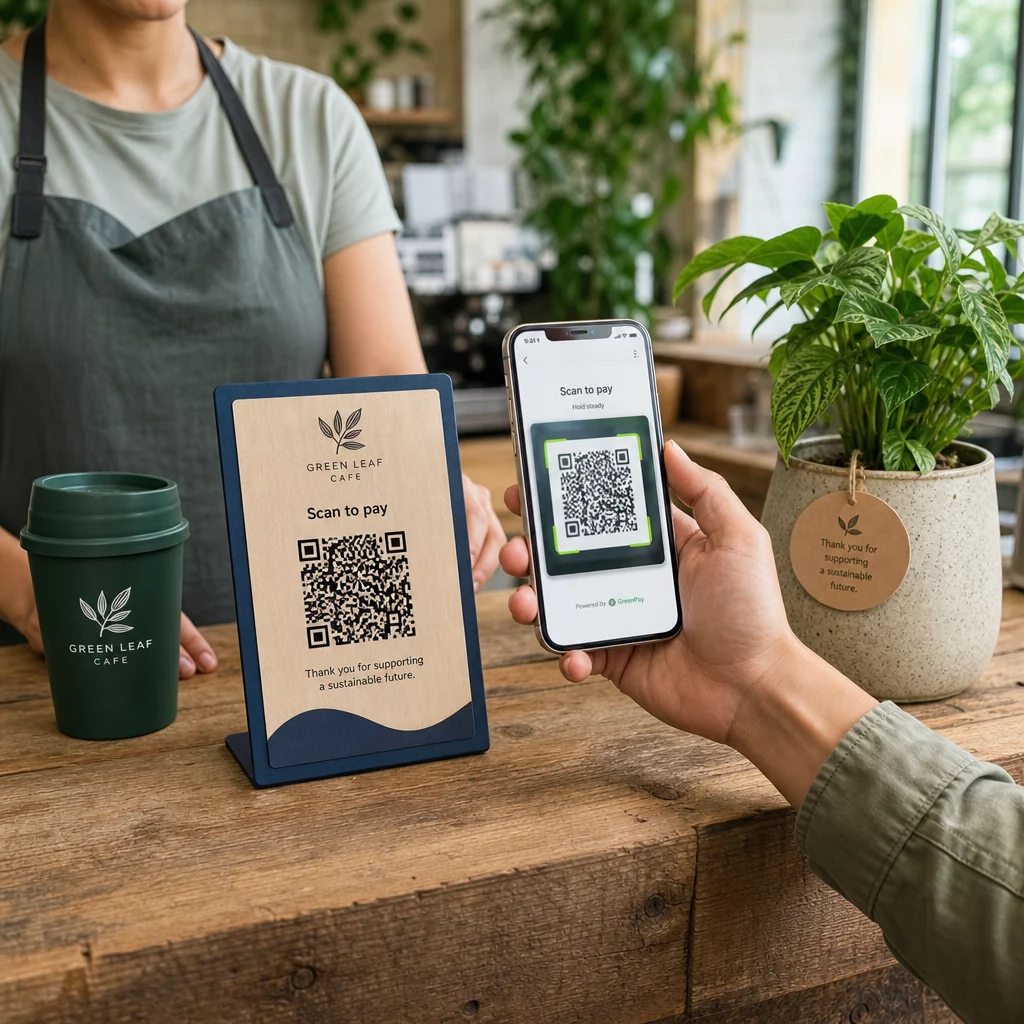
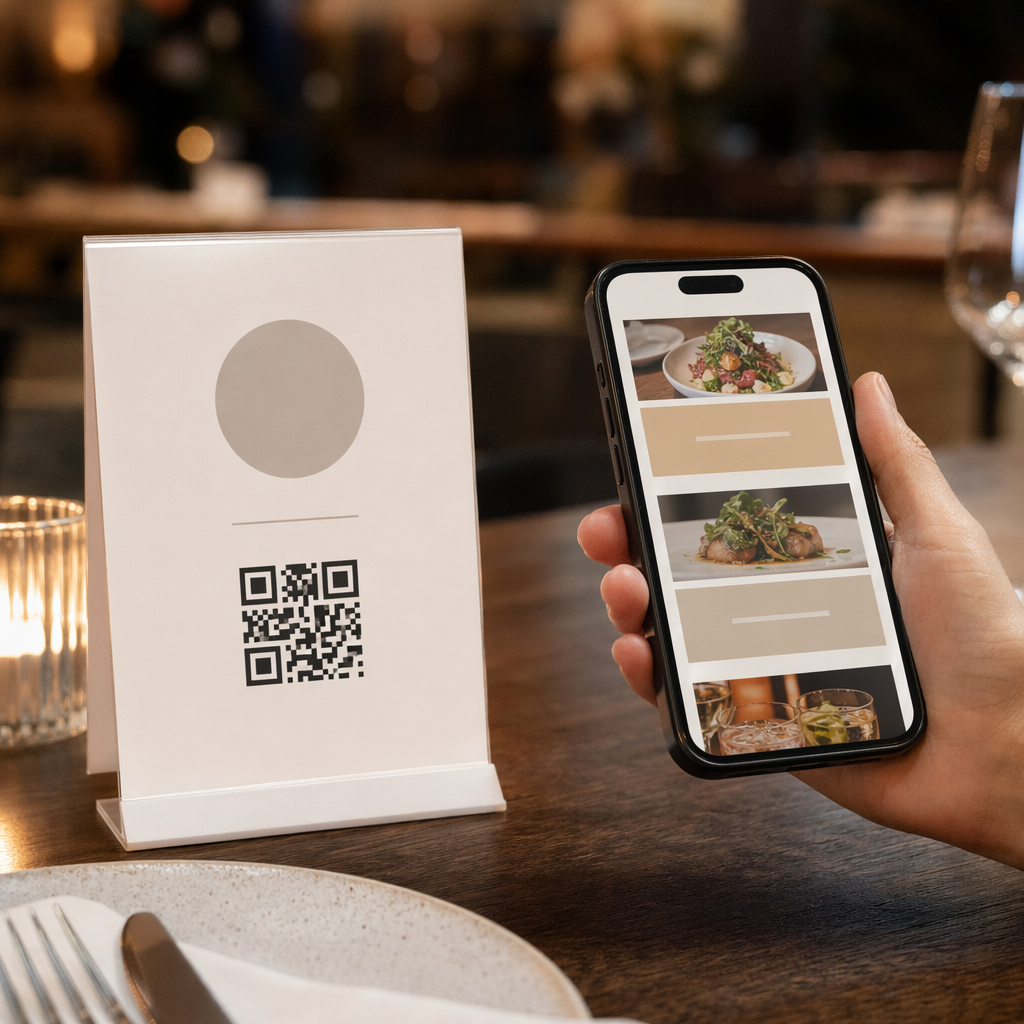
Dynamic QR codes are particularly effective in industries where information changes frequently. In a restaurant setting, daily specials or seasonal menu changes can be updated in seconds without replacing physical table tents. For event organizers, a single QR code on a printed ticket can redirect from a registration page to a live event schedule or a post-event feedback form.
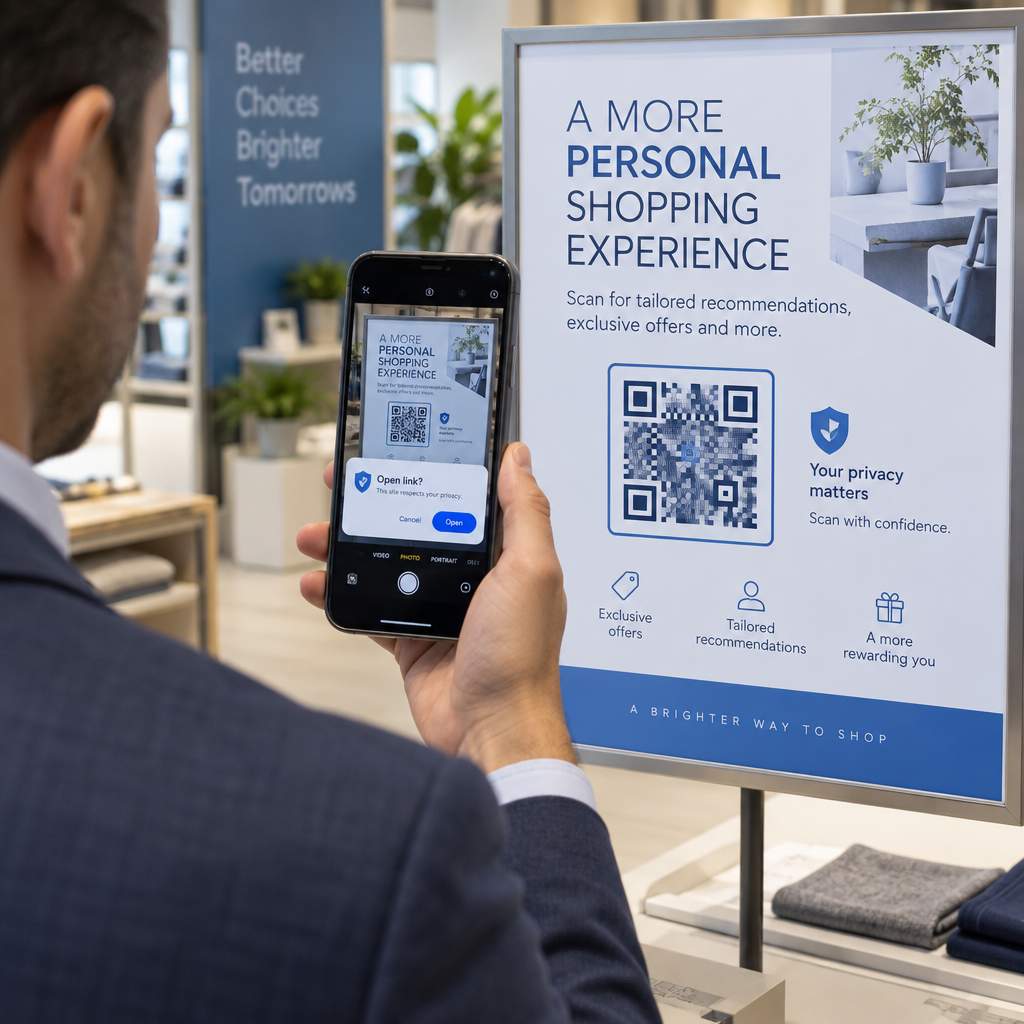
Retailers also benefit from this flexibility by updating product promotions or discount codes based on inventory levels. Instead of reprinting packaging for every new sale, a business can simply update the destination URL in their dashboard. This ensures that the customer always reaches the most relevant and current information, improving the overall user experience and preventing the frustration of “404 Not Found” errors on printed materials.
Frequently Asked Questions
No, you cannot convert a static code to a dynamic one because the data is hardcoded into the square pattern. You would need to create a new dynamic code and reprint it.
No, the visual pattern of a dynamic QR code remains exactly the same even if you change the destination URL. This is why you do not need to reprint your materials.
Yes, once you save the changes in your management dashboard, the redirect is updated immediately. Anyone who scans the code after that moment will be sent to the new destination.
Maintaining a successful campaign requires the ability to adapt to changing information and fix errors quickly. By choosing dynamic QR codes for your marketing materials, you protect your investment and gain the power to manage your digital touchpoints with total flexibility. If you are ready to create your own editable links, start with our Dynamic QR Code Generator to ensure your print materials remain relevant for years to come.