Are your offline marketing efforts failing to drive measurable online traffic? Without a clear bridge between physical products and your digital store, you lose valuable data and potential sales. Learn how leading ecommerce brands use QR codes to boost engagement, streamline logistics, and maximize conversion rates across every customer touchpoint.
How Tesco Homeplus Created a Virtual Subway Store
Tesco Homeplus in South Korea faced a significant challenge: they wanted to become market leaders without the high cost of opening new physical locations. To solve this, they transformed subway platforms into virtual grocery stores. Commuters scanned high-resolution images of products on the station walls using their smartphones while waiting for their trains. This innovative campaign bridged the gap between daily transit and grocery shopping, resulting in a 130% increase in online sales.
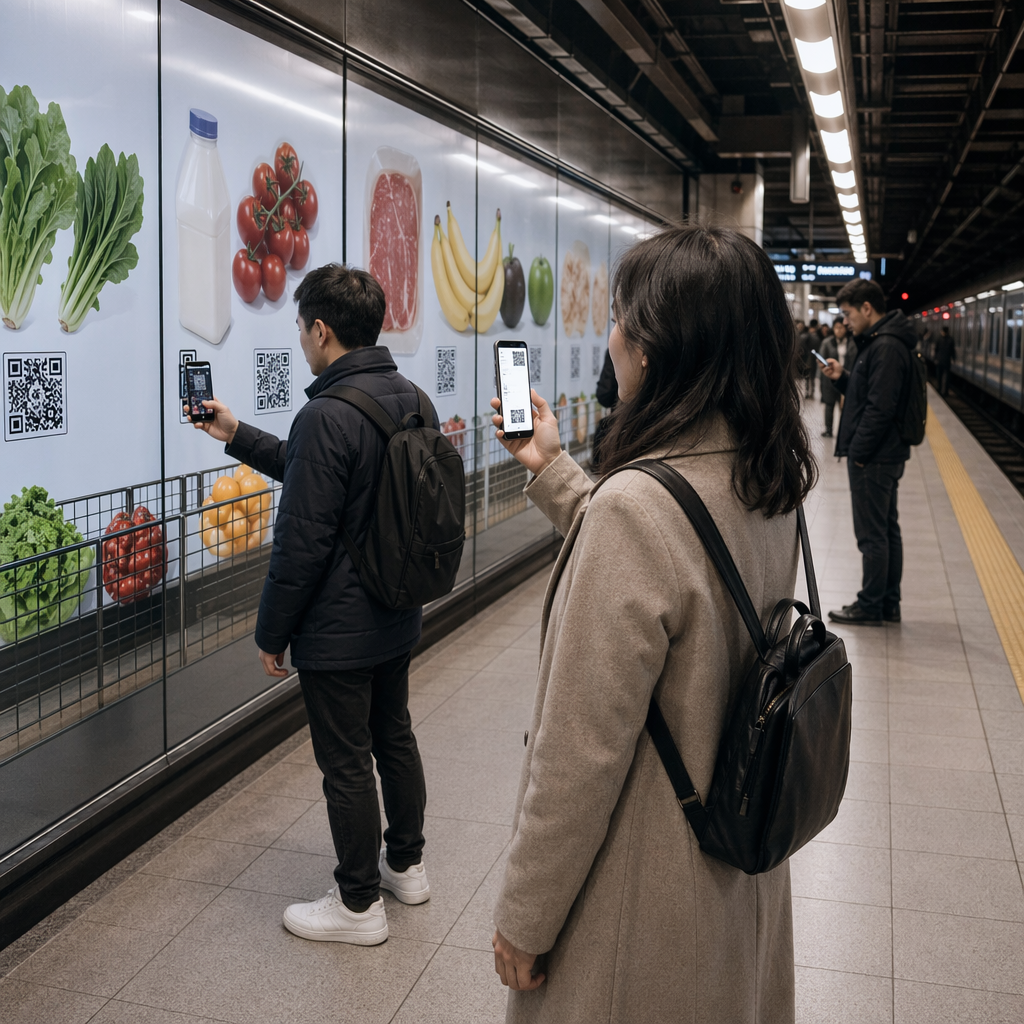
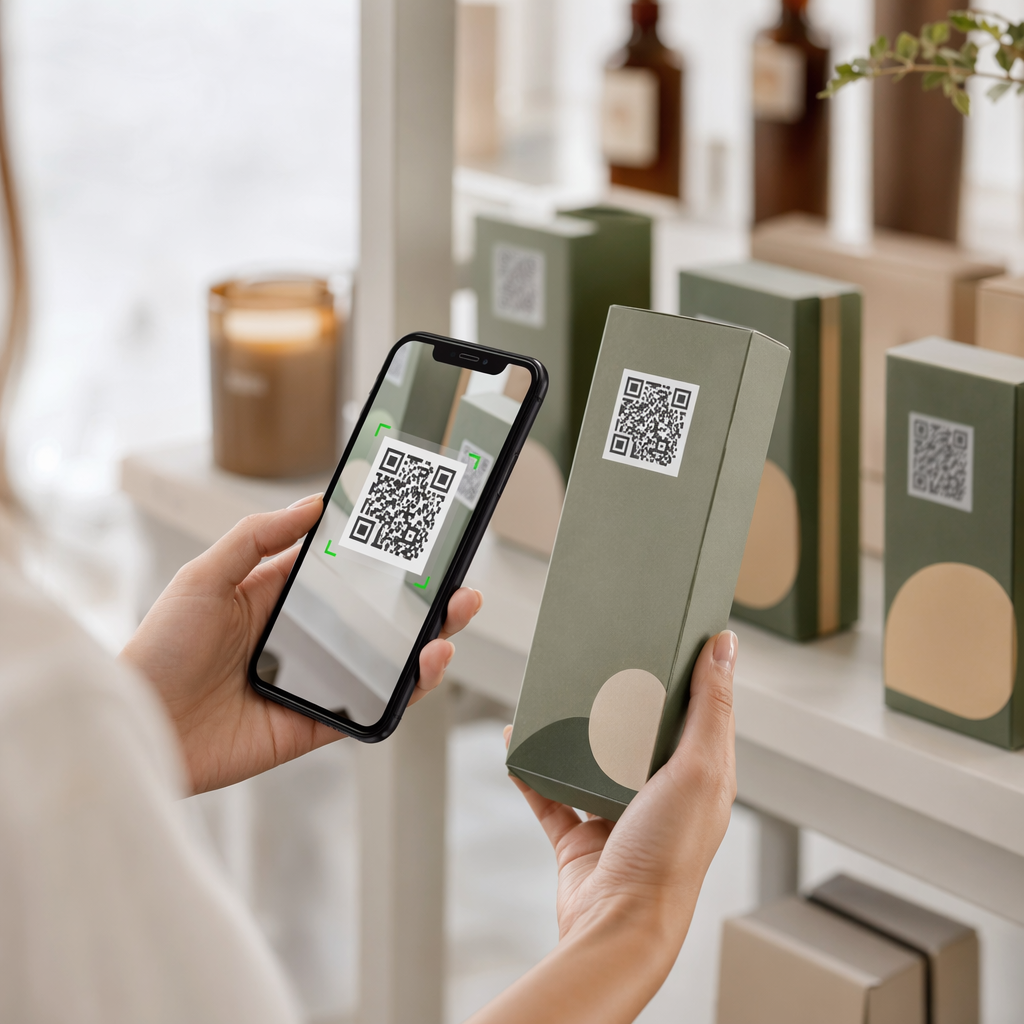
The success of the campaign was driven by making the technology accessible and solving a real problem for time-constrained professionals. Beyond the sales boost, the brand saw a 76% increase in new customer registrations and generated over 3 million scans in the first year. This demonstrates that QR codes on product packaging and public displays can effectively transition customers from physical browsing to digital checkout without requiring a physical storefront.
Boosting Mobile App Engagement with New Look
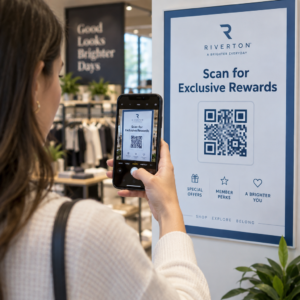
Fashion retailer New Look sought to increase its app usage and overall digital engagement within its brick-and-mortar stores. By deploying over 400 unique in-store QR codes, the brand offered shoppers a direct path to its mobile platform. This strategy allowed customers to access styling tips, reviews, and stock information that was previously unavailable on physical garment tags.
The results highlighted the growing importance of QR code scanning trends by industry, particularly in the retail sector where younger shoppers prefer mobile-first interactions. New Look reported a 113% increase in app downloads and a staggering 239% increase in app engagement. By providing a clear value proposition at the point of interest, the brand successfully integrated its mobile experience into the physical shopping journey.
Massive Reach via High-Impact Marketing
One of the most notable examples of QR code reach occurred during the Super Bowl when Coinbase aired a minimalist ad featuring a bouncing code for 60 seconds. This simple approach generated 20 million scans in a single minute, briefly crashing the brand’s website due to the sheer volume of traffic. This shows that when curiosity and a clear focal point are combined, QR codes can drive unprecedented levels of attention.
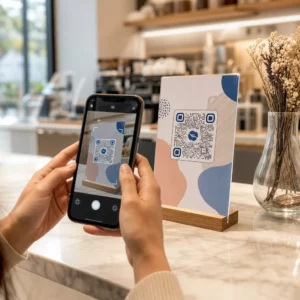
To achieve similar professional results, brands should focus on visibility and contrast. Adding a logo to your QR code ensures that the scan point is easily identifiable as a branded asset rather than a generic utility. Branded codes often see higher scan rates because they build trust with the consumer before the scan even occurs.
Monitor Your Campaign in Real-Time Want to see exactly where and when your customers are scanning your materials? Use the Dynamic QR Code Generator to create trackable codes and access a full performance dashboard today.
Streamlining Returns and Delivery for Better Service
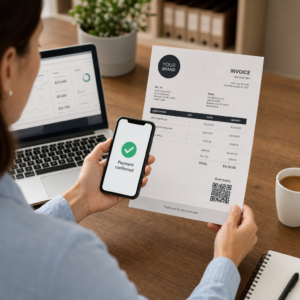
Delivery challenges can severely impact customer loyalty if the post-purchase experience is frustrating. Ecommerce brands are increasingly using QR codes to solve logistics hurdles like unclear tracking and complicated return processes. For instance, including codes on shipping labels allows customers to view real-time package updates instantly. This reduces the burden on customer support teams and improves transparency throughout the fulfillment process.
IKEA has streamlined its return logistics by sending QR codes via email or SMS once a customer registers a return online. This allows for “printerless” returns at drop-off points, removing the need for customers to own a printer to send items back. These improvements to ecommerce deliveries create a self-service environment that saves time for both the retailer and the consumer while reducing operational costs.
Leveraging Dynamic Data for Scalable Growth
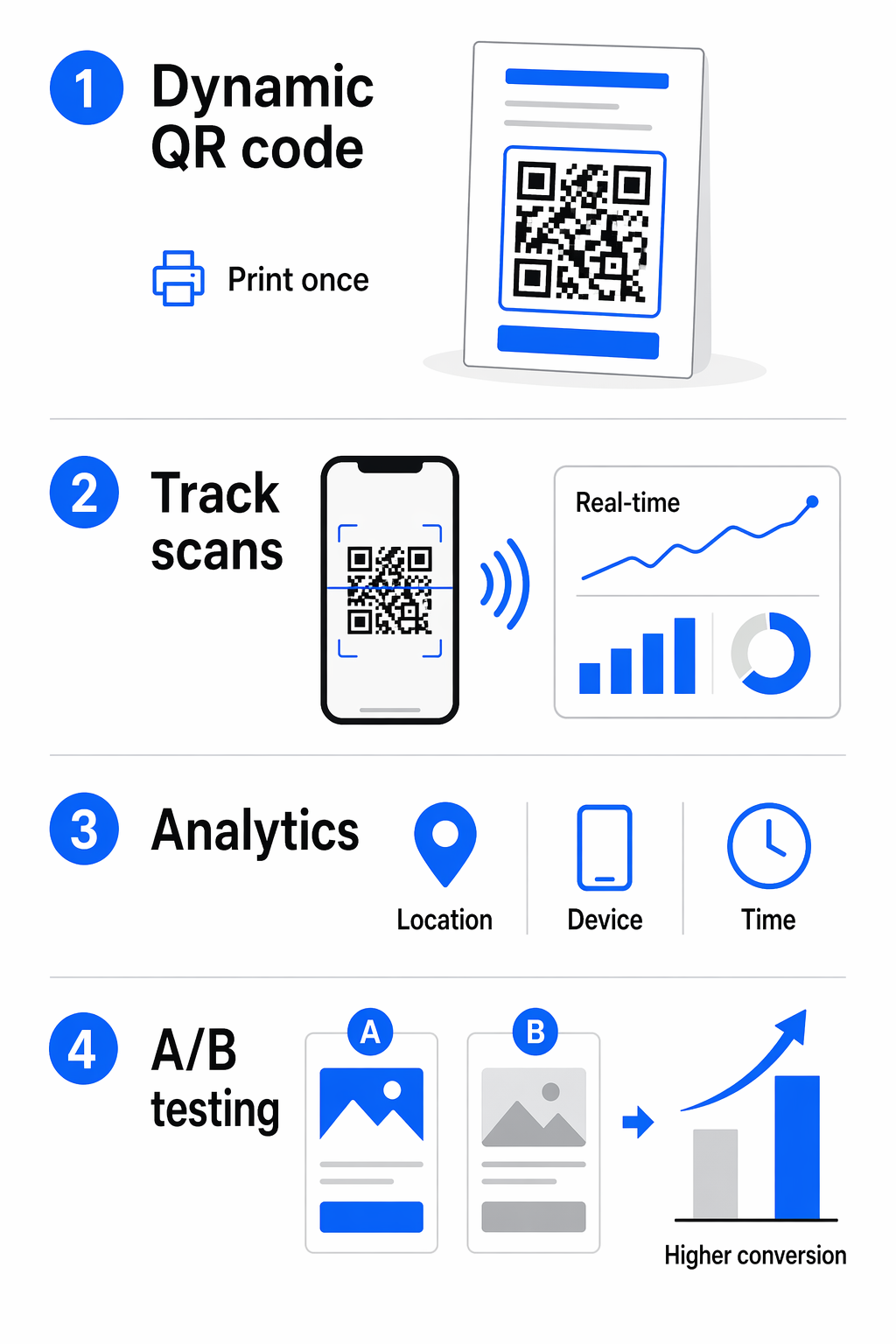
The difference between a static campaign and a high-performing strategy often lies in the choice of technology. Dynamic QR codes allow you to update the destination URL or content even after the codes have been printed and distributed. This flexibility is vital for seasonal promotions where marketing assets must stay current without the cost of reprinting packaging.
By using QR code tracking and analytics, you can monitor scan frequency, location, and device types in real-time. This data allows for A/B testing to improve conversions, enabling you to refine your designs and messaging based on what actually resonates with your audience. Given that 89 million people in the U.S. used QR codes in 2022 – a number expected to surpass 100 million by 2025 – having access to these metrics is essential for data-driven growth.
Frequently Asked Questions
Dynamic QR codes allow you to change the destination link or content at any time without reprinting your materials. They also provide detailed analytics on scan locations, times, and device types, which static codes cannot offer.
You can link QR codes to AR virtual try-on experiences or detailed product manuals. This helps customers feel more confident in their purchase and ensures they know how to use the product correctly, reducing the likelihood of a return.
To ensure high scannability, a QR code should be at least 0.8 x 0.8 inches (2 x 2 cm). You should also ensure a high contrast ratio between the code and its background so that smartphone cameras can easily detect the pattern.