Are long check-in lines and ticket fraud slowing down your event entry? These bottlenecks frustrate guests and compromise your venue security. By implementing a digital QR code ticketing system, you can accelerate entry times and gain real-time insights into your event performance.
Transforming Entry Management with QR Codes
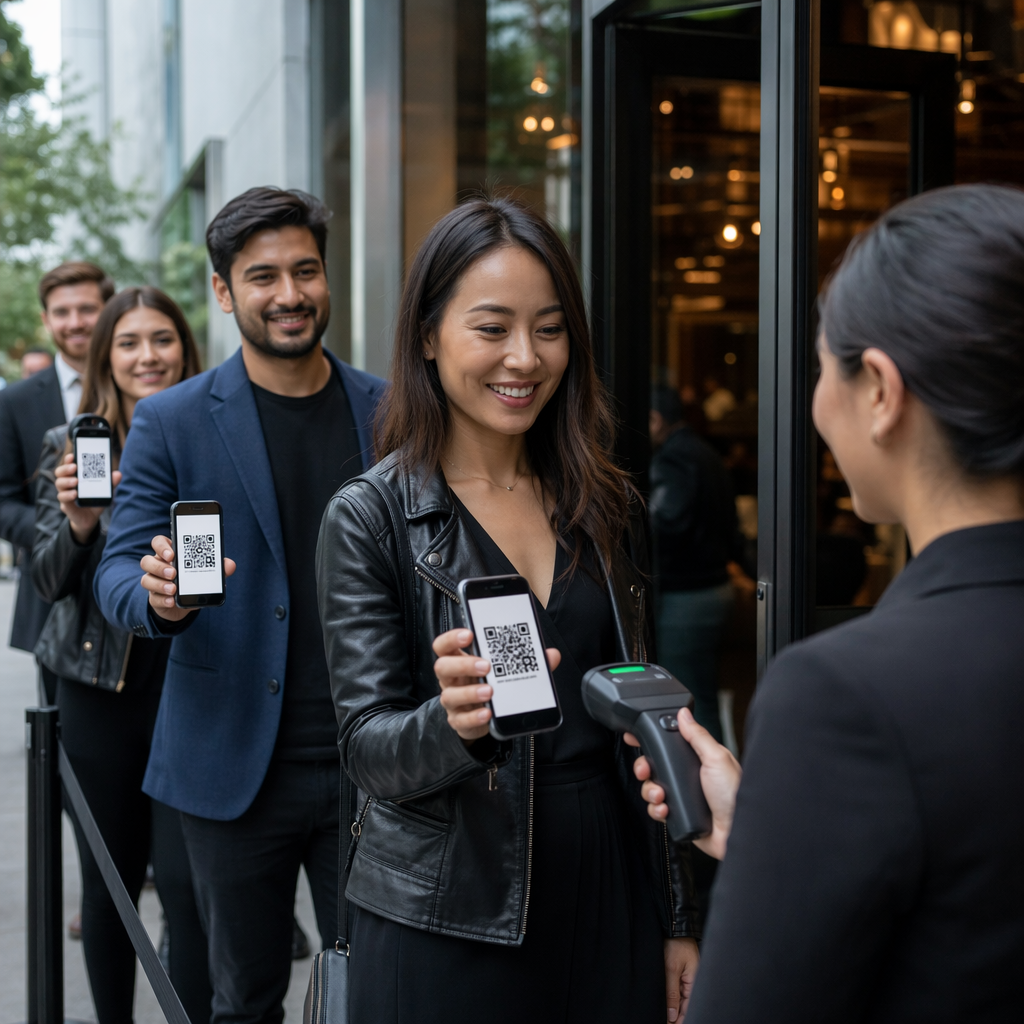
Traditional entry methods often lead to congestion and human error. Transitioning to QR-coded tickets allows you to streamline the check-in process, reducing the average processing time to under two seconds per person. This efficiency can cut total entry duration by up to 50% compared to manual methods.
When a guest arrives, staff can use a smartphone or a free QR code scanner to instantly validate the ticket against a live database. This provides a contactless experience that is both professional and secure. For large-scale events like concerts or conferences, these digital scans offer immediate confirmation of authenticity, ensuring that only verified ticket holders gain access to the venue.
Creating and Customizing Secure Digital Tickets
Generating tickets begins with selecting the right tools to handle your specific event data. You can use an event QR code generator to create landing pages that host all relevant details, such as schedules, venue maps, and registration links.
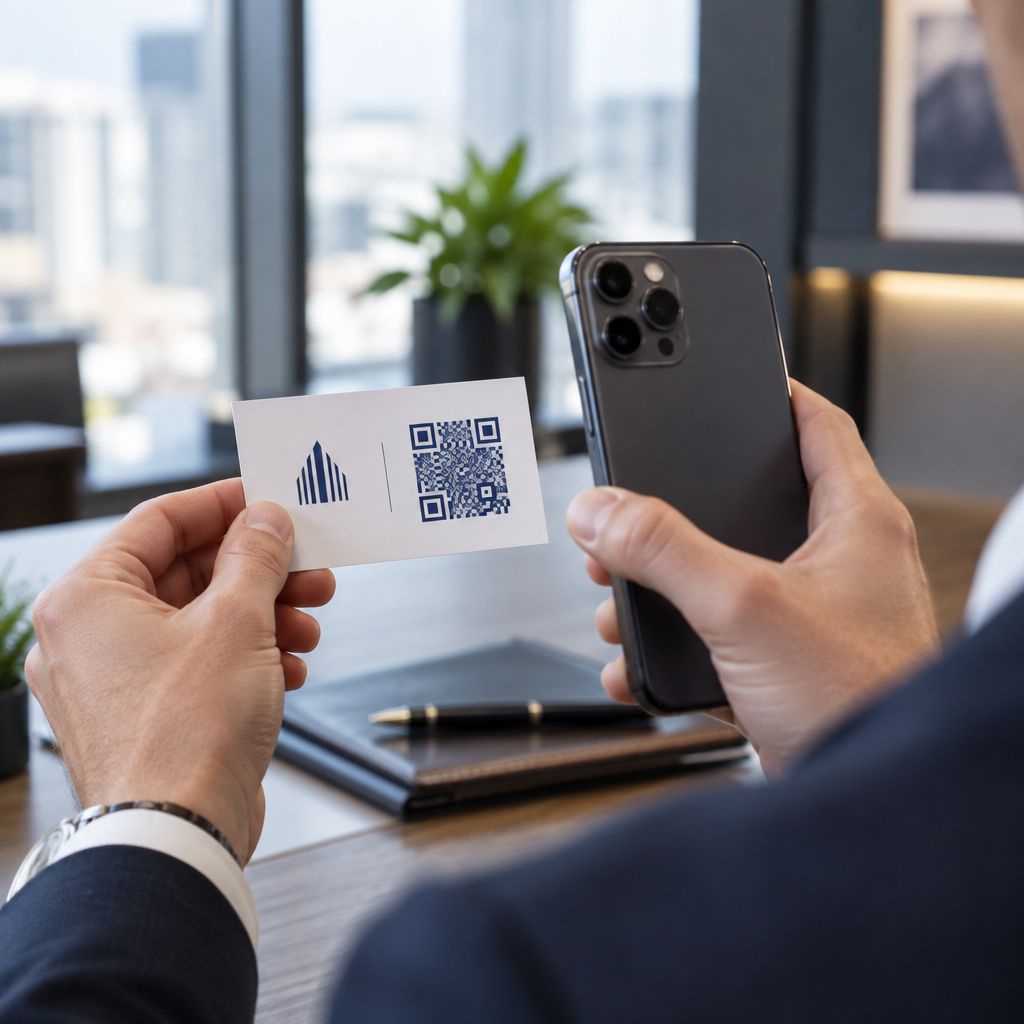
Customization is a vital step for maintaining brand trust. Professional generators allow you to incorporate your organization’s logo, select brand colors, and choose from various shapes like squares or rounded modules. These design choices make the ticket visually appealing while signaling to the attendee that the ticket is an official document. Beyond aesthetics, you must ensure the QR code is at least 0.8 by 0.8 inches to remain easily scannable on all smartphone models.
Why Choose Dynamic Over Static QR Codes?
The choice between static and dynamic codes determines how much control you have over the ticket after it is issued. Static codes are fixed, meaning the information they contain cannot be changed once printed. In contrast, using a dynamic QR code generator allows you to update the destination URL or event details even after the tickets have been distributed to attendees.
Dynamic codes are essential for modern event management for several reasons:
- Organizers can update event locations or times without reprinting thousands of physical tickets.
- The system can track real-time analytics, showing exactly when and where a code was scanned.
- Compromised or canceled tickets can be deactivated instantly in the system to prevent unauthorized entry.
- The same QR code can be reused for future events by simply updating the linked content.
Security Features to Prevent Ticket Fraud
Ticket fraud and unauthorized duplication are significant risks for high-demand events. To combat this, secure ticketing systems use layered defenses such as encryption and tokenization. Many professional platforms employ AES-256 encryption, the same standard trusted by financial institutions, to protect the data embedded within the code.
For events requiring the highest level of security, you can implement one-time-use validation. Once a ticket is scanned, the system marks it as used, blocking any further attempts to enter with the same code. Some advanced systems even use rolling time codes or refreshing barcodes that change every few seconds, making screenshots or printed copies useless for entry. You can find more detailed strategies in the guide on how to create secure QR code event tickets to protect your revenue and guest safety.
Technical Best Practices for Scannability
A QR code is only effective if it scans quickly under various conditions. Lighting at event entrances can be unpredictable, so maintaining a high contrast ratio – ideally at least 4:1 – between the dark modules and the light background is critical. You should also follow a 10:1 size-to-distance ratio, ensuring that a code intended to be scanned from 10 inches away is at least 1 inch wide.
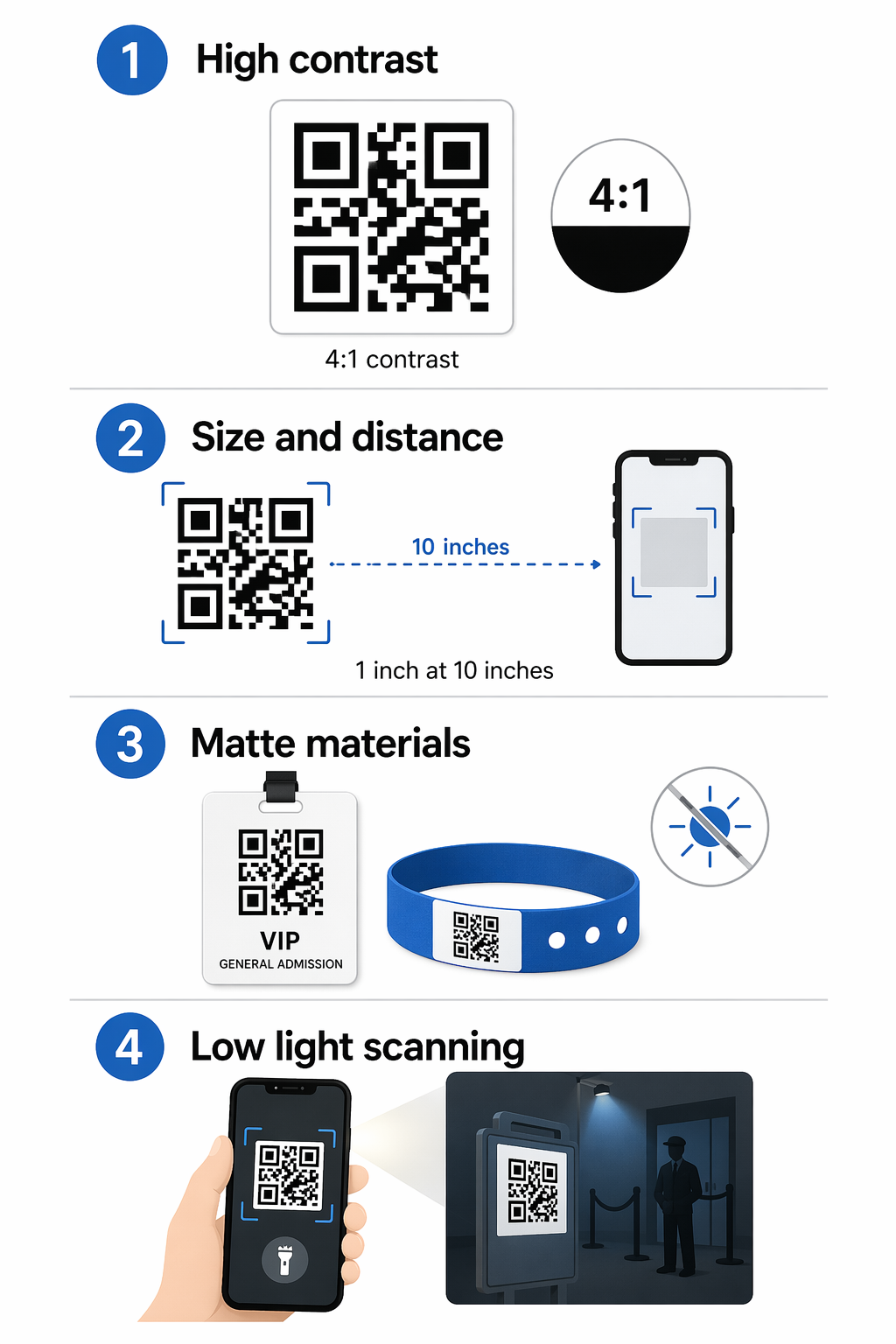
When printing codes on physical materials like badges or wristbands, the choice of finish matters. Matte materials are generally superior to glossy finishes because they reduce glare, which can otherwise blind the scanner. If your staff is scanning in low-light environments, they should be trained to use the camera flash or dedicated scanning apps that can compensate for poor visibility.
Real-Time Analytics and Attendance Tracking
One of the greatest advantages of digital ticketing is the ability to monitor your event as it happens. By using the top tools for QR code event tracking, organizers can access a central dashboard to see total scans, unique attendee counts, and peak entry times.

This data allows for immediate operational adjustments. If analytics show a bottleneck at a specific entrance, you can relocate staff to balance the flow. Furthermore, tracking the geographical location of scans helps marketing teams understand where their audience is coming from, providing valuable insights for future promotional campaigns. This level of oversight ensures that you are not just managing an entry point, but optimizing the entire attendee experience.
Simplify Your Event Entry Today Ready to reduce wait times and secure your tickets? Use our Event QR Code Generator to create customized, trackable tickets for your next event.
Frequently Asked Questions
Yes, most modern smartphones can scan QR codes directly through the native camera app. Attendees simply need to open their camera and point it at the code to receive a notification that opens their ticket or validation page.
Standard barcodes are linear and store limited data, usually just a serial number. QR codes are two-dimensional, allowing them to store more complex information, support branding with logos, and offer better scannability from various angles.
By using dynamic QR codes linked to a secure management system, each ticket is marked as “used” the moment it is first scanned. Any subsequent attempts to scan the same code or a screenshot of it will result in an error message for the entry staff.