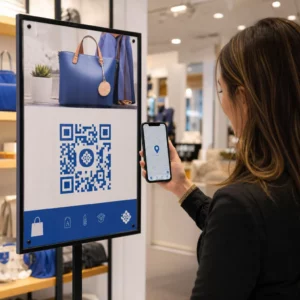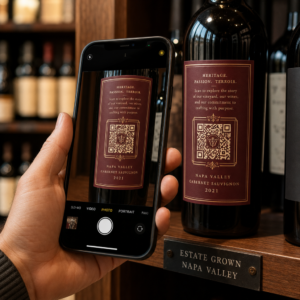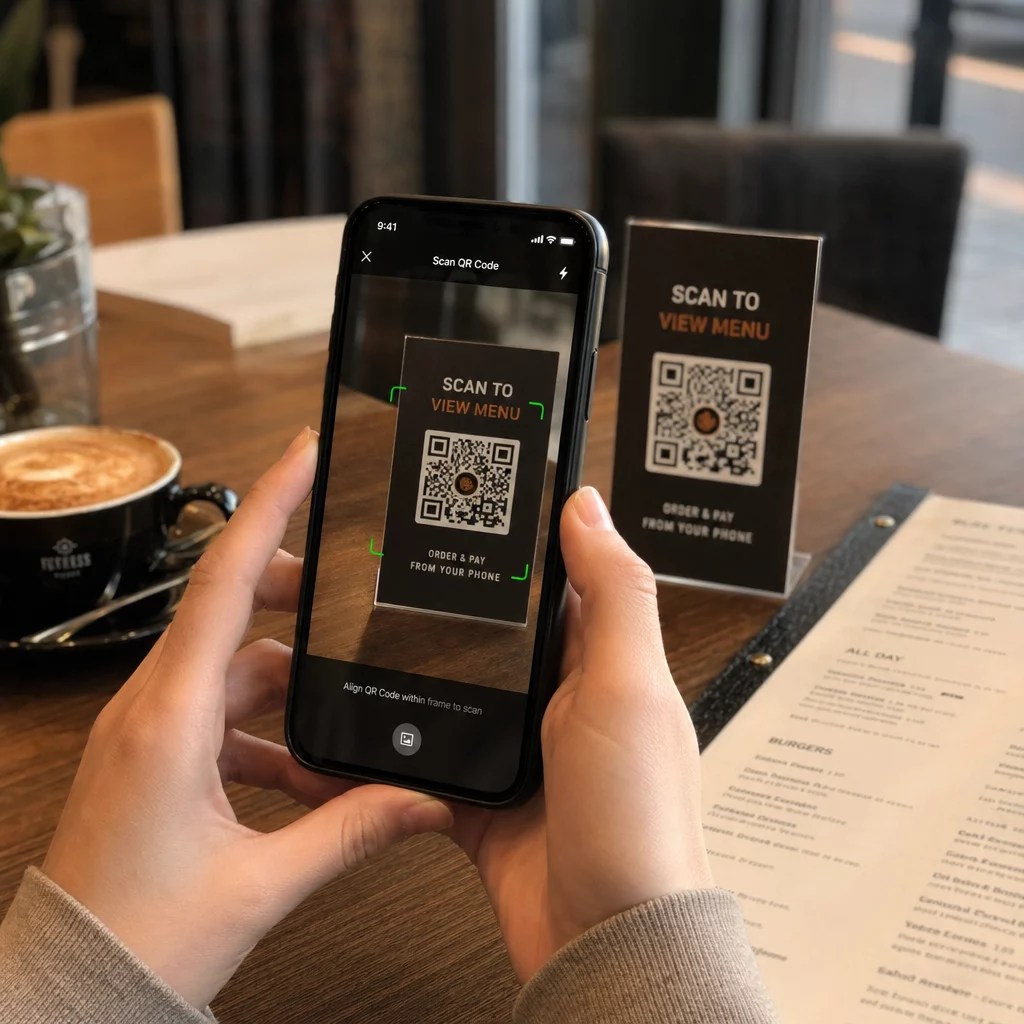
Have you ever struggled to get your phone to recognize a QR code at a restaurant table or checkout line? Scanning should take seconds, but the wrong settings or environment can turn it into a frustrating ordeal. This guide walks you through the built-in scanning features on both iPhone and Android, plus how to fix the most common problems.
How to Scan QR Codes with an iPhone
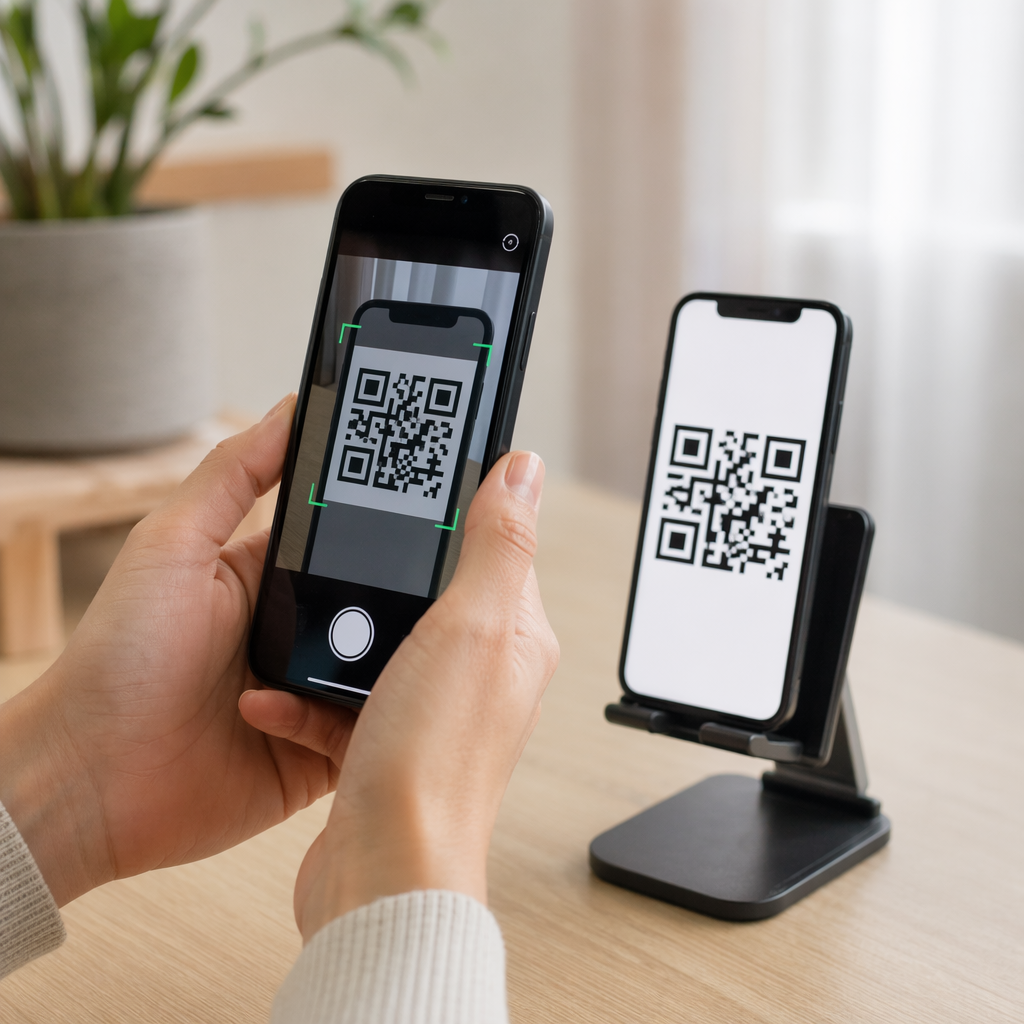
Any iPhone running iOS 11 or later can scan QR codes using the native Camera app – no additional software required. To scan, open the Camera app in Photo mode, point it steadily at the code, and ensure all four corners are visible within the frame. A notification banner will appear at the top of the screen; tapping it will direct you to the encoded website, app, coupon, ticket, or document.
If you are in a dimly lit environment, the Code Scanner in the Control Center is a better option. Unlike the standard camera, it includes a built-in flashlight to illuminate the code so the sensor can distinguish the dark pattern from the background. To add it, open Settings, navigate to Control Center, and add the Code Scanner to your shortcuts. For a full walkthrough of each method, see the step-by-step guide to scanning QR codes on iPhone and iOS.
How to Scan QR Codes on Android
Modern Android smartphones offer built-in scanning options that work without downloading third-party apps. The quickest route is to swipe down from the top of the screen to open Quick Settings, tap the QR scanner icon, and point the camera at the code. The action triggers automatically once the code is in frame.
Google Lens is another reliable option built into most Android cameras. Open the camera app and tap the Lens icon, or long-press the home button on supported devices. Beyond QR codes, Lens can identify objects and translate text in real time. A few manufacturer-specific shortcuts are also worth knowing:
- Google Pixel users can enable Lens suggestions in the “More” tab within Google Camera settings.
- Samsung users will find QR scanning integrated directly into the default camera mode or accessible via the Quick Settings toggle.
- Sony device owners can tap the “i” button in the built-in camera app to focus on a QR code.
Note that QR scanning is not available in portrait mode or video mode on Camera from Google – switch to standard photo mode if the scanner does not respond. For a detailed breakdown by Android device type, visit the guide to scanning QR codes on Android.
Fixing Common QR Code Scanning Problems
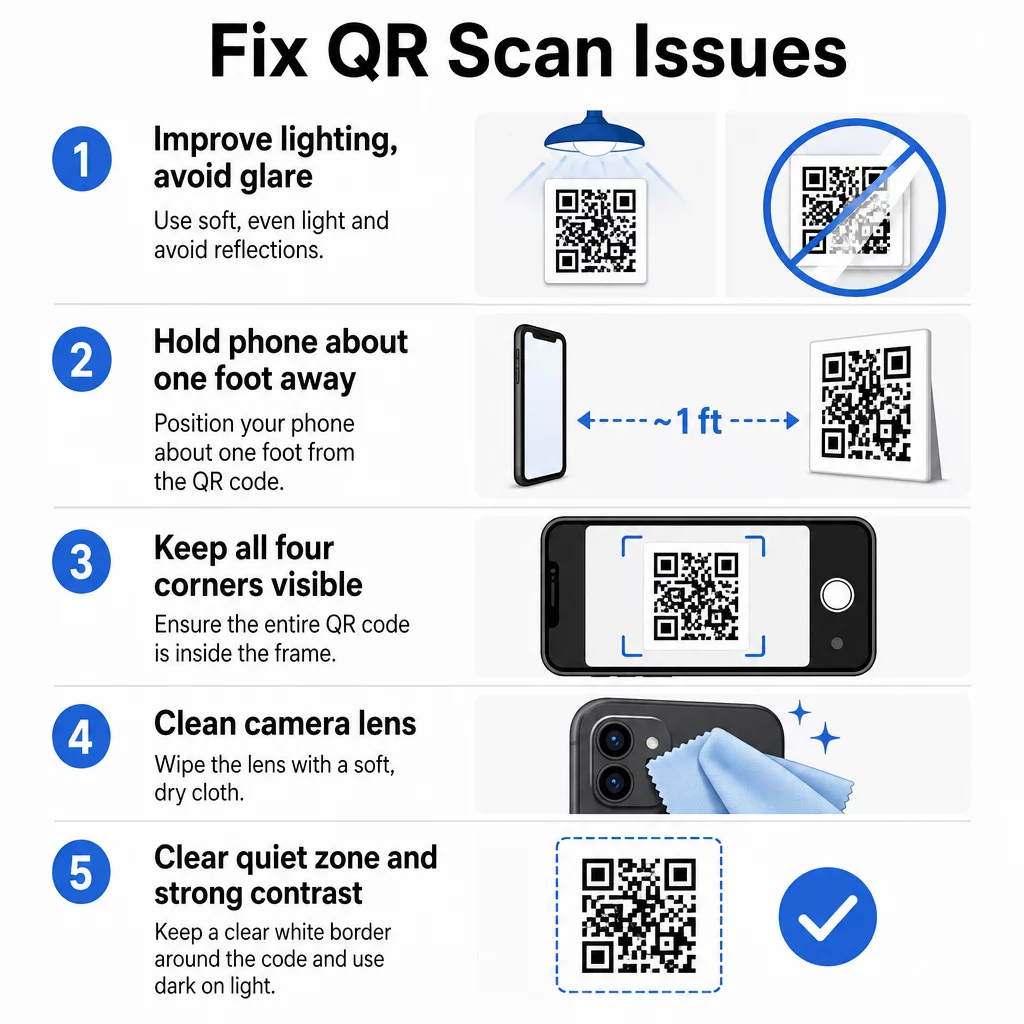
If a code refuses to scan, environmental and design factors are usually responsible.
Lighting and positioning are the most frequent culprits. Harsh shadows or glare from a reflective surface can confuse the camera sensor. Hold your phone approximately one foot away from the code – this gives the autofocus enough room to resolve the dense data pattern. Keep the phone steady and level, and make sure the camera lens is clean before you try again.
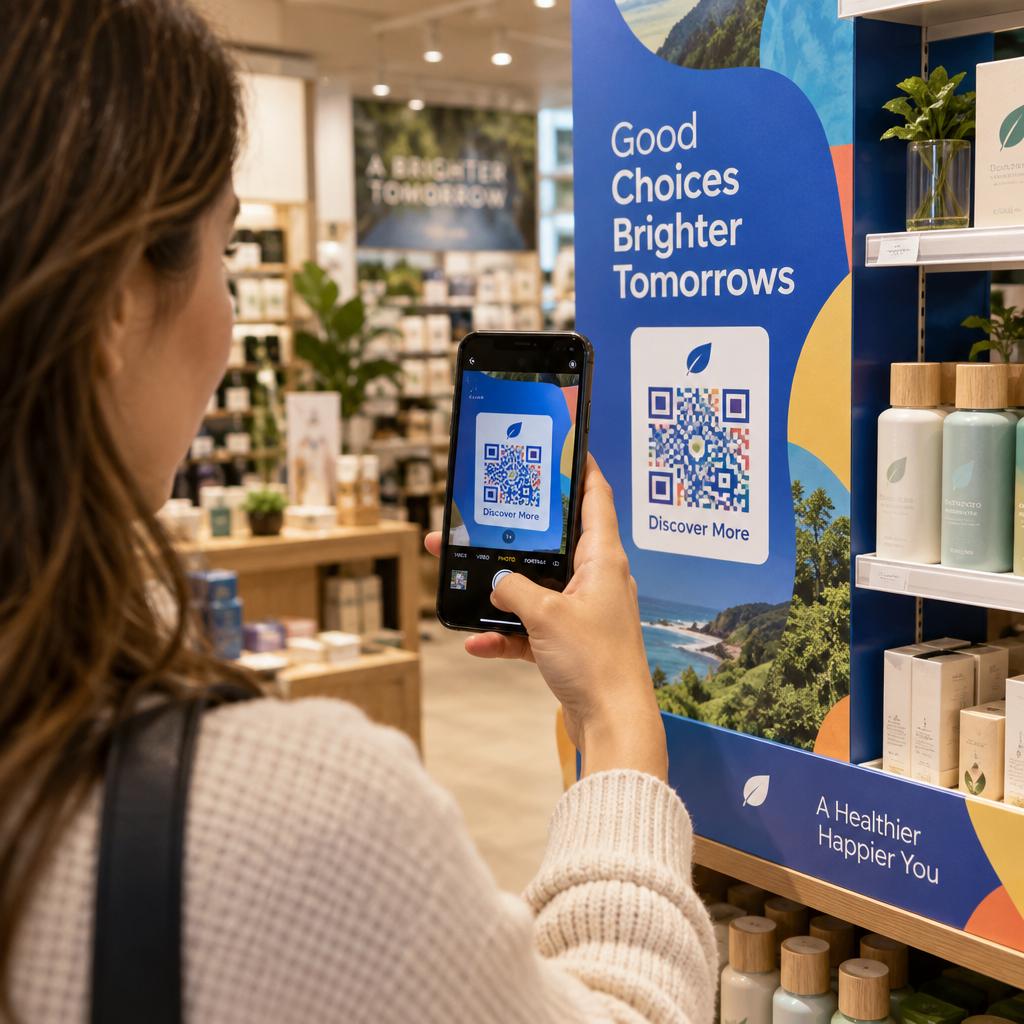
Code design and print quality also affect readability. Every QR code requires a clear quiet zone – the white border surrounding the pattern – that visually separates it from nearby design elements. If the border is cropped, the contrast is too low, or the code is printed smaller than about 0.8 × 0.8 inches, many camera sensors will fail to recognize it. For more detail on sizing, contrast, and placement, the best practices guide for QR code readability covers the technical standards behind each requirement.
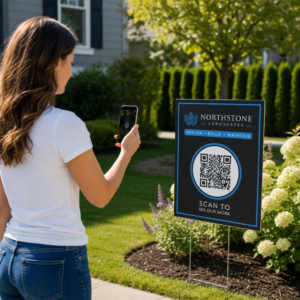
For business owners, adding a descriptive call-to-action frame around the code – such as “Scan to view the menu” – helps users understand the purpose of the scan and has been shown to increase average scan rates by up to 238%.
If your phone still cannot read the code after adjusting lighting and distance, try using a dedicated QR code scanner that lets you upload a screenshot or image file directly from your gallery. This is especially useful when you receive a QR code by email or in a chat message.
Going Beyond Basic Scanning
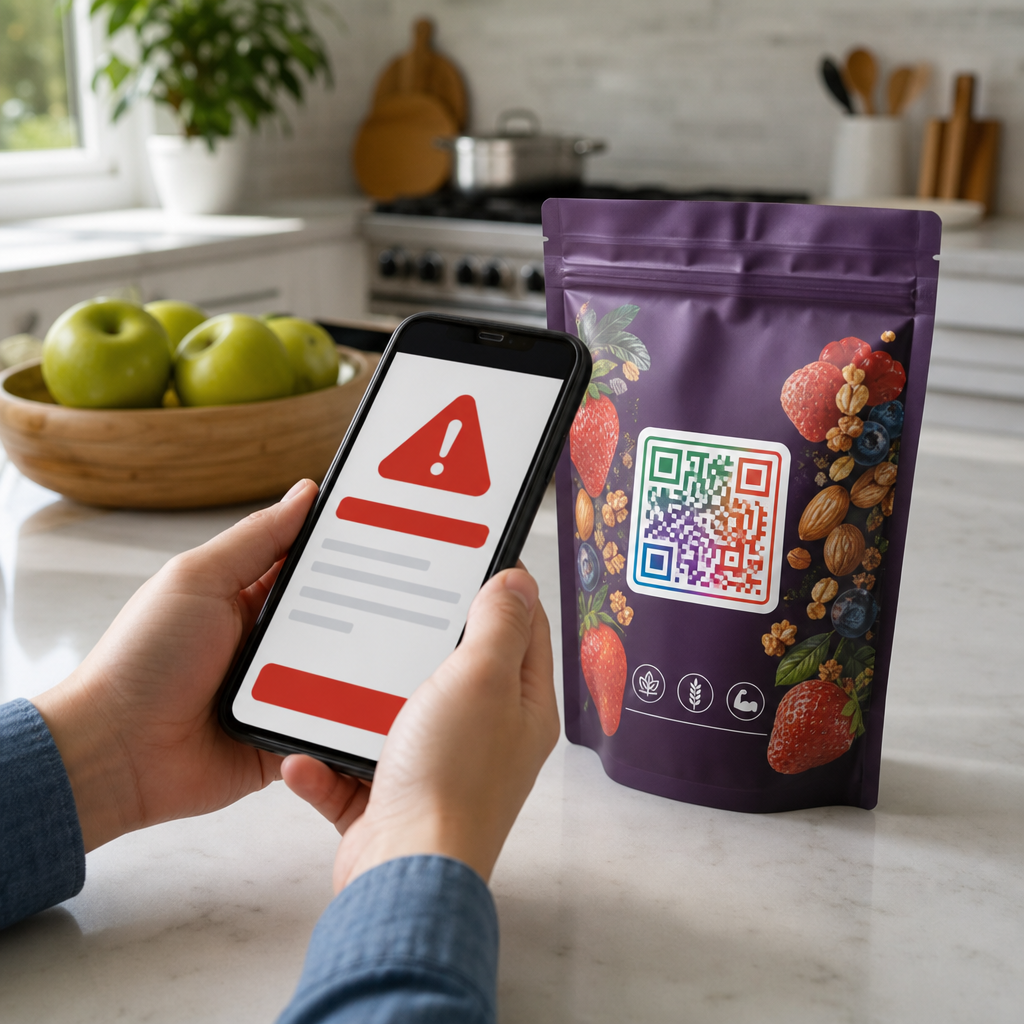
Built-in camera scanners are convenient but limited. They do not save a scan history, and they open links immediately without any safety check. A dedicated scanner app gives you more control – logging previous scans, flagging suspicious URLs, and letting you decode codes from saved images. The comparison of the best QR code scanning apps lays out the key differences to help you choose the right tool.
For businesses that print QR codes on physical materials, dynamic QR codes solve the biggest long-term problem: a destination that changes. Unlike static codes, dynamic codes let you update the linked URL at any time from a dashboard – without reprinting. If a campaign URL changes or a page moves, you update the destination rather than replace every poster, package, or menu card. Dynamic codes also record real-time scan data, so you can see which locations and materials are driving the most engagement.
Track Every Scan from One Dashboard Want to see exactly where and when customers are scanning your materials? The Dynamic QR Code Generator lets you update destinations without reprinting and monitor performance in real time.
Scanning a QR code takes seconds when your device settings and the code itself are properly configured. Use the built-in camera tools for everyday scans, address lighting and framing first when something goes wrong, and consider dynamic codes when you need lasting reliability and measurable results.
Frequently Asked Questions
No. Most modern iPhones and Android phones can scan QR codes using the built-in camera app or Quick Settings menu without any additional software.
The most common causes are poor lighting, a dirty camera lens, or holding the phone too close to the code. Try stepping back to about one foot, cleaning the lens, and ensuring the code is evenly lit without shadows or glare.
Yes. A web-based QR code scanner lets you upload an image file to decode the information without pointing your camera at a physical code – useful when you receive a QR code by email or in a messaging app.