Have you ever discovered a typo in a marketing campaign only after thousands of flyers were already printed? A broken link or an expired offer on physical materials can waste your entire budget and stifle customer engagement. Dynamic QR codes solve this by allowing you to update content instantly and track every scan to measure true campaign performance.
Bridging the Gap Between Static and Dynamic Technology
To leverage these tools strategically, you must first understand the functional difference between the two types of technology. Static QR codes embed information directly into the pixel pattern, making the data permanent once the code is generated. This lack of flexibility means that if a URL changes or a promotion ends, the printed code becomes a dead end for the user.
In contrast, dynamic QR codes function by using a short redirect URL as a bridge. When a customer scans the code, they are briefly directed to a management server that then forwards them to the final destination. This architecture allows you to edit QR code destinations at any time without changing the physical appearance of the code. Because the information is not hard-coded, the visual pattern remains simple and easier for smartphone cameras to scan, even at smaller sizes. Understanding these static vs dynamic QR codes differences is the first step toward a more agile marketing strategy.
Maximizing Campaign Flexibility Without Reprinting
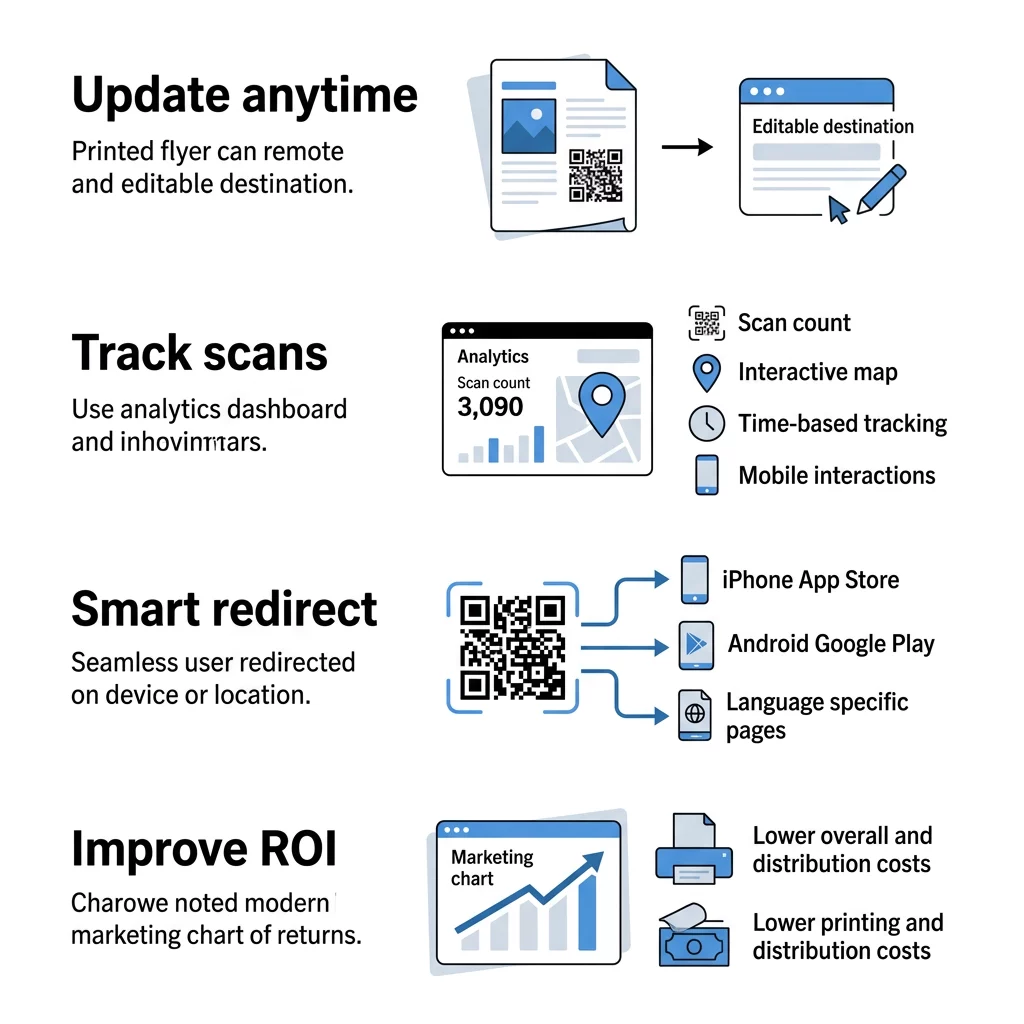
The ability to update content after printing is a significant cost-saver and a safeguard for your brand reputation. In a fast-paced environment, marketing needs can shift overnight. A restaurant might use the same QR code on every table to display a lunch menu during the day and automatically switch to a cocktail menu in the evening. This eliminates the need for constant reprinting and ensures customers always see relevant information.
The financial impact of this flexibility is substantial. For instance, Marriott Aruba reportedly saved approximately $150,000 in printing costs by transitioning to dynamic codes for their guest materials. Beyond savings, this technology allows for “smart” behavior, such as directing users to different landing pages based on their device type – sending iPhone users to the App Store and Android users to Google Play via a single printed code.
Boost Your Marketing ROI Eliminate the risk of broken links and outdated offers. Use the Pageloot dynamic QR code generator to create flexible, trackable codes for your next campaign.
Measuring ROI Through Real-Time Analytics
One of the greatest challenges in traditional marketing is the “black hole” of offline engagement. Dynamic QR codes provide the data needed to bridge this gap, offering real-time scan tracking that turns a physical flyer or billboard into a measurable digital touchpoint. When a scan occurs, the management platform captures critical first-party data that can be viewed through QR code analytics dashboards. These metrics typically include:
- Total versus unique scans to differentiate between overall engagement and individual interest.
- Geographic data, allowing you to see which neighborhoods or cities are responding most to your advertisements.
- Timing data to identify peak engagement hours and days for better campaign scheduling.
- Device details, such as the operating system and browser, to ensure your landing pages are properly optimized.
With these insights, marketers can identify underperforming channels and shift their budget toward the locations or materials that drive the highest response. Research indicates that businesses using dynamic codes can see a 40% higher ROI due to this improved attribution and ability to optimize on the fly.
Smart Redirection and Behavioral Targeting
Dynamic technology enables advanced strategies like A/B testing with dynamic QR codes that are impossible with static versions. You can print a single code on a thousand posters but program the backend to send 50% of users to one offer and 50% to another. This allows you to determine which messaging or landing page design resonates better with your audience before scaling your campaign.
Personalization further increases engagement, as 84% of people are more likely to interact with a QR code when the content is relevant to them. Dynamic codes can be programmed for language localization, automatically sending a user to a version of your website that matches their smartphone’s language settings. This level of sophistication ensures that the customer journey remains seamless, regardless of where the interaction begins.
Integrating Physical Touchpoints into Digital Workflows
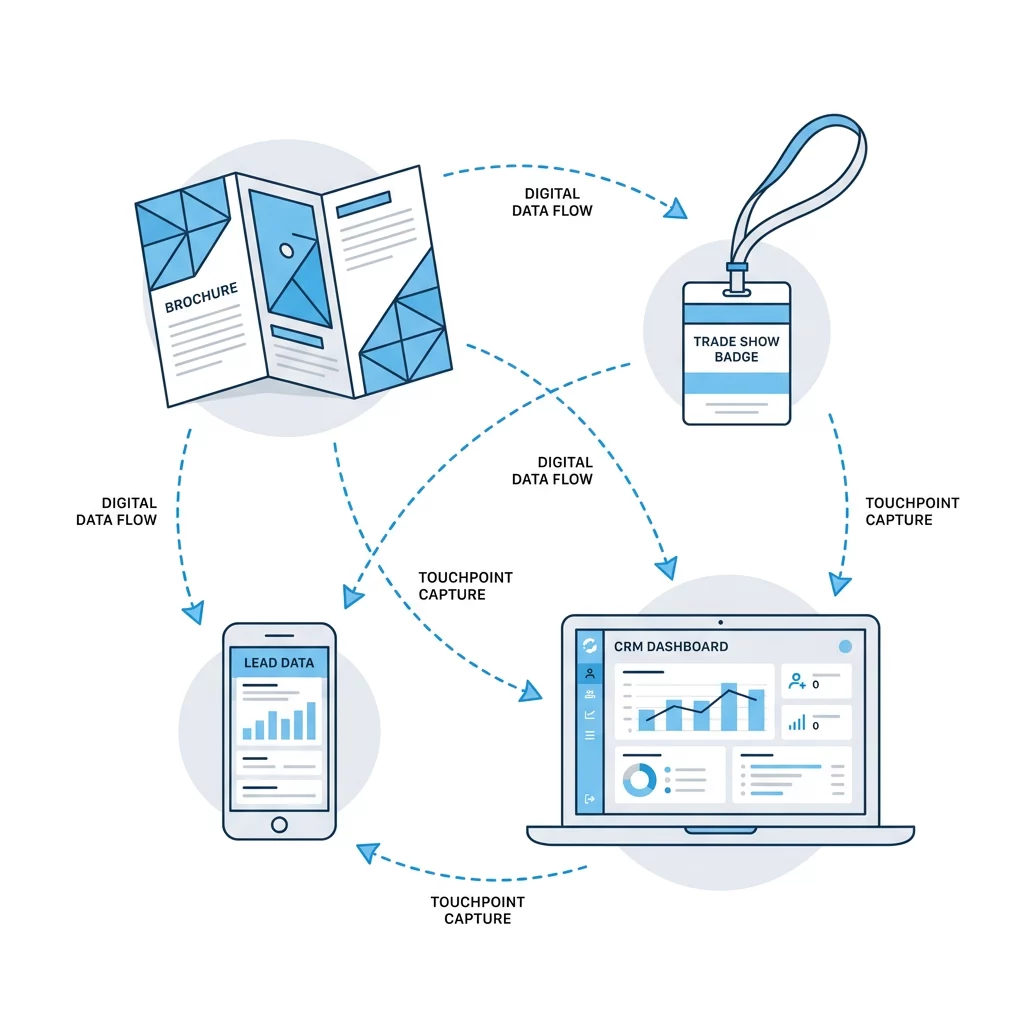
By connecting print and digital marketing, you turn passive interactions into active lead-generation opportunities. Dynamic QR codes can be integrated with CRM systems like HubSpot or automation tools like Zapier. For example, a scan at a trade show can trigger an automatic follow-up email or create a new lead entry in your database.
This integration is increasingly common, with QR code generation surging 238% between 2021 and 2024. As businesses move toward a “digital-first” approach for physical assets, using a QR code tracker becomes essential for maintaining a cohesive marketing stack. It allows you to treat a physical brochure with the same analytical rigor you would apply to an email campaign or a social media ad.
Best Practices for Implementation and Privacy
While the software provides the flexibility, the physical execution must be precise to ensure high scan rates. Technical standards recommend a minimum size of 0.8 x 0.8 inches for close-up items like business cards, with sizes increasing for viewing distance on posters or billboards. High contrast is vital; dark colors absorb light while lighter backgrounds reflect it, making the pattern recognizable to the scanner.
You must also consider data privacy regulations such as GDPR or CCPA. When tracking locations or device IDs, it is important to focus on aggregate metrics and implement clear consent mechanisms where required. Using a reputable free QR code generator for initial testing can help you understand these design requirements before committing to a full-scale dynamic campaign.
FAQ
Yes, provided you use a dynamic QR code. These codes point to a redirect URL that can be updated in your management dashboard at any time, allowing you to change the final destination without reprinting your materials. What specific data can I see in my analytics dashboard? Dynamic tracking allows you to see the total number of scans, unique users, the exact time and date of interactions, the geographic location of the scanner, and the device type used to scan the code. Why should I use dynamic codes for A/B testing instead of static ones? Dynamic codes allow you to change the destination URL instantly for the same physical code. This means you can test different promotional offers or landing pages using the same printed assets and see which version performs better in real-time.