How can your resort provide the instant, contactless service your guests expect without increasing your front-desk workload? As travelers increasingly favor mobile-first interactions, traditional paper-based processes can lead to frustrating delays and lost revenue opportunities. By integrating QR codes into your hospitality operations, you can streamline guest services from check-in to check-out while enhancing the overall stay.
Streamlining the Guest Arrival and Check-In
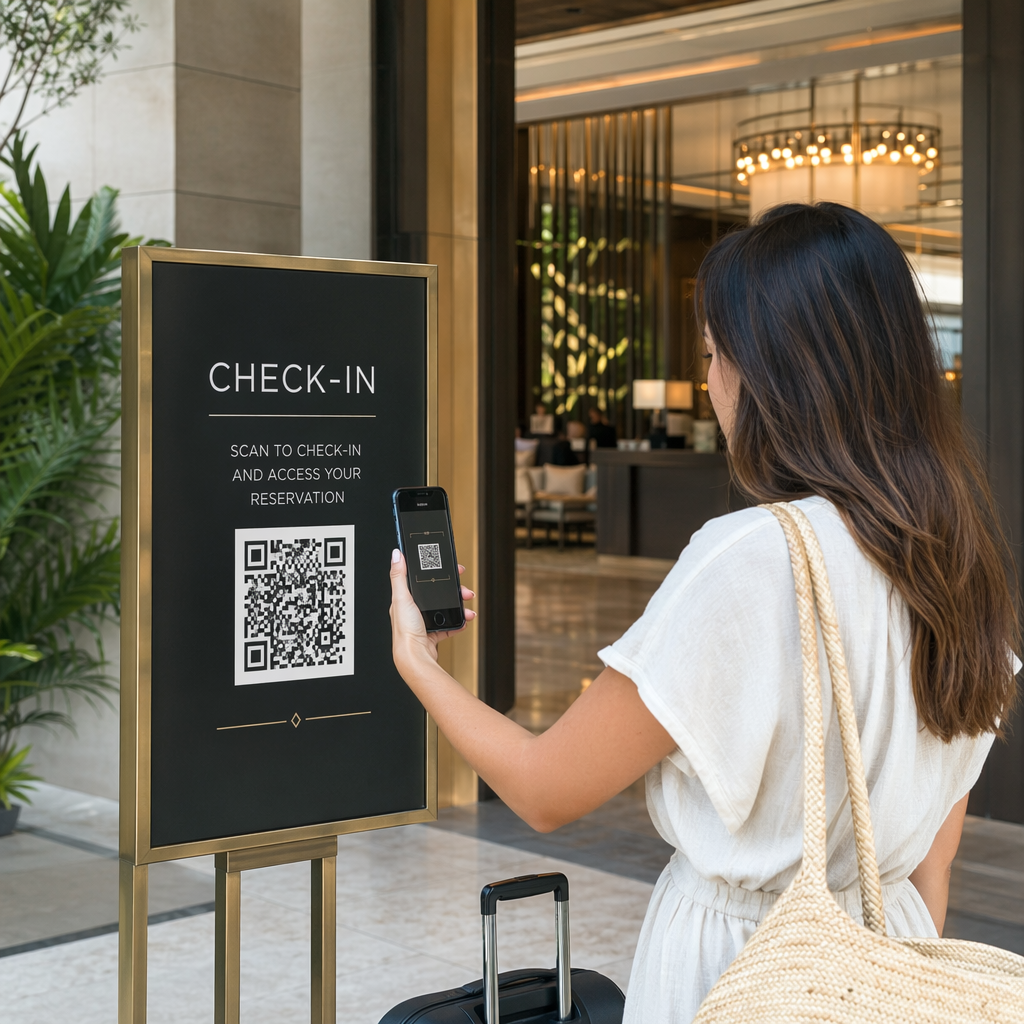
Modern travelers value efficiency and autonomy when they arrive at a property. Research shows that more than 94% of guests prefer mobile check-in and check-out options, and 71% are more likely to book a stay at hotels that offer contactless check-in services. By placing codes on entrance signage or window displays, you allow guests to bypass the lobby queue entirely. This technology effectively helps to speed up hotel check-ins and reduces the administrative burden on your staff during peak hours.
Once the guest arrives, providing immediate access to the property’s digital infrastructure is essential. Instead of printing paper guides that quickly become outdated, you can use a PDF QR code generator to host digital welcome packets and resort maps. These digital assets are easier for guests to navigate on their mobile devices and ensure that everyone has the most current information regarding pool hours, gym facilities, and on-site amenities.
Digitalizing In-Room Services and Dining
The traditional thick binder of room service menus is often a source of friction for both guests and staff. By replacing physical menus with digital versions, you can update daily specials or seasonal offerings instantly without reprinting a single page. Guests simply scan a code on their nightstand or desk to browse the current selection. Hotels that adopt these digital systems often see a boost in average order value because the interface makes it easier for guests to explore full menus and add items with a few taps.
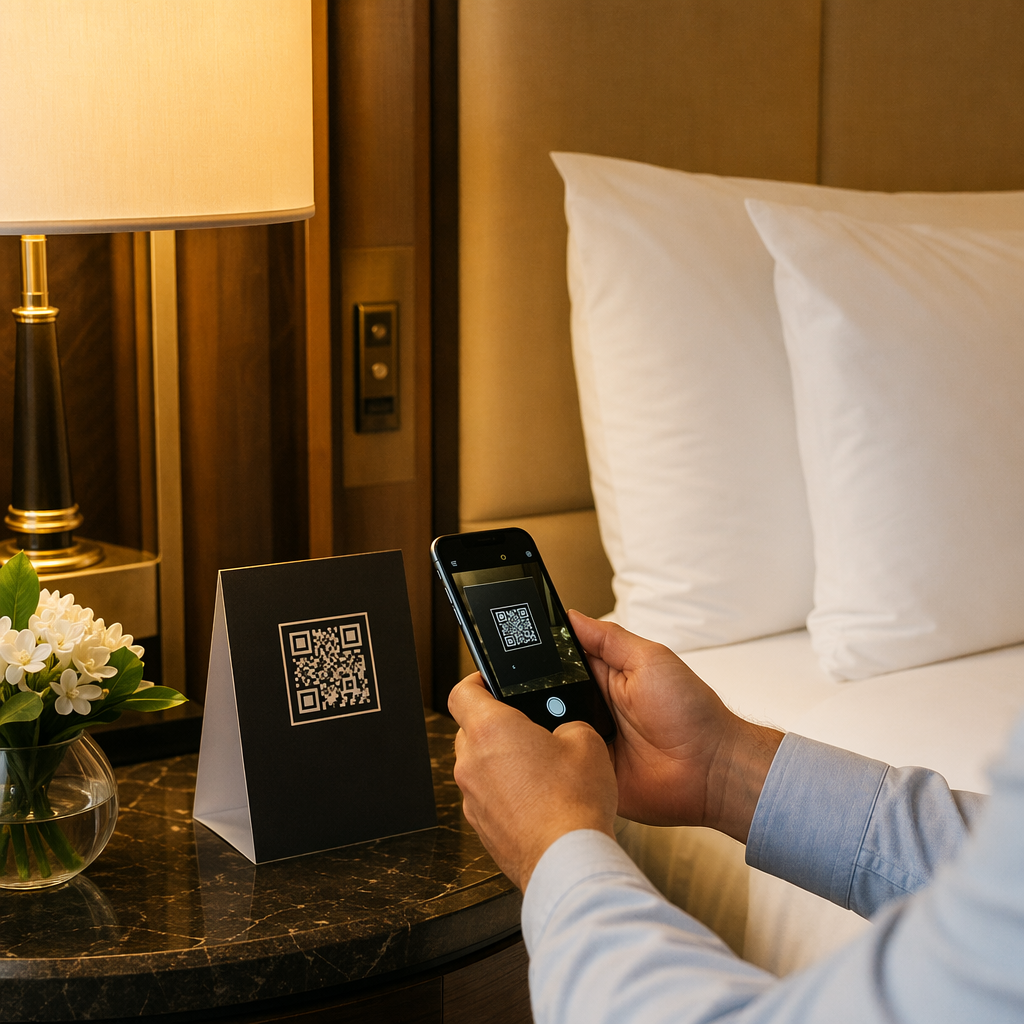
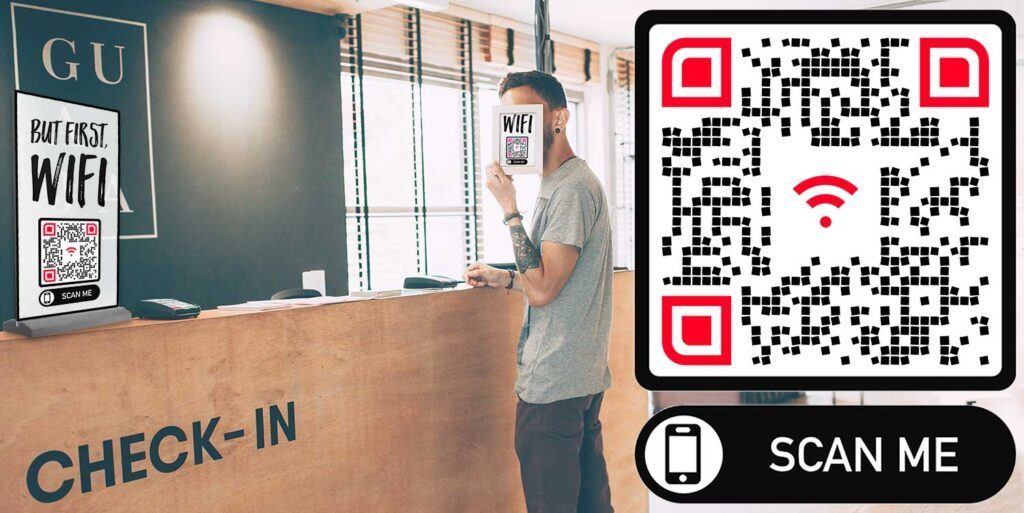
Providing seamless connectivity is another critical factor in guest satisfaction. Sharing and entering complex Wi-Fi passwords can be a point of frustration, often leading to unnecessary calls to the front desk. A dedicated WiFi QR code generator allows you to create a scan-to-connect experience. When guests scan the code in their room or common areas, their devices connect automatically to the network, eliminating typos and improving the overall technical experience of their stay.
Start Modernizing Your Guest Experience Today Ready to eliminate paper menus and speed up your check-in process? Use our QR code generator to create customizable, dynamic codes that grow with your business.
Improving Connectivity and Local Exploration
Beyond the walls of the hotel, QR codes serve as a digital concierge that helps guests explore the local area. You can provide directions to nearby landmarks or recommended restaurants by using a Google Maps QR code generator on lobby displays or in-room brochures. This removes the need for guests to manually type addresses and ensures they arrive at the correct location with one scan.
Gathering feedback is equally important for maintaining high service standards. Traditional paper surveys are often ignored, but a digital form is significantly more accessible. By using a Google Form QR code generator, you can place feedback prompts at checkout or in the hotel café to capture real-time insights. Automated messaging and digital feedback systems have been shown to drastically improve response times; in some cases, hotel groups have seen average response times drop from over six days to just three days.
Optimizing Hotel Operations with Dynamic Insights
The most effective hospitality strategies rely on data rather than guesswork. When implementing these tools, it is vital to understand the difference between static vs. dynamic QR codes to ensure long-term flexibility. Dynamic codes allow you to change the destination URL or file even after the code is printed. This means if you change your menu provider or update your feedback form, you do not need to replace the physical signage in every guest room.
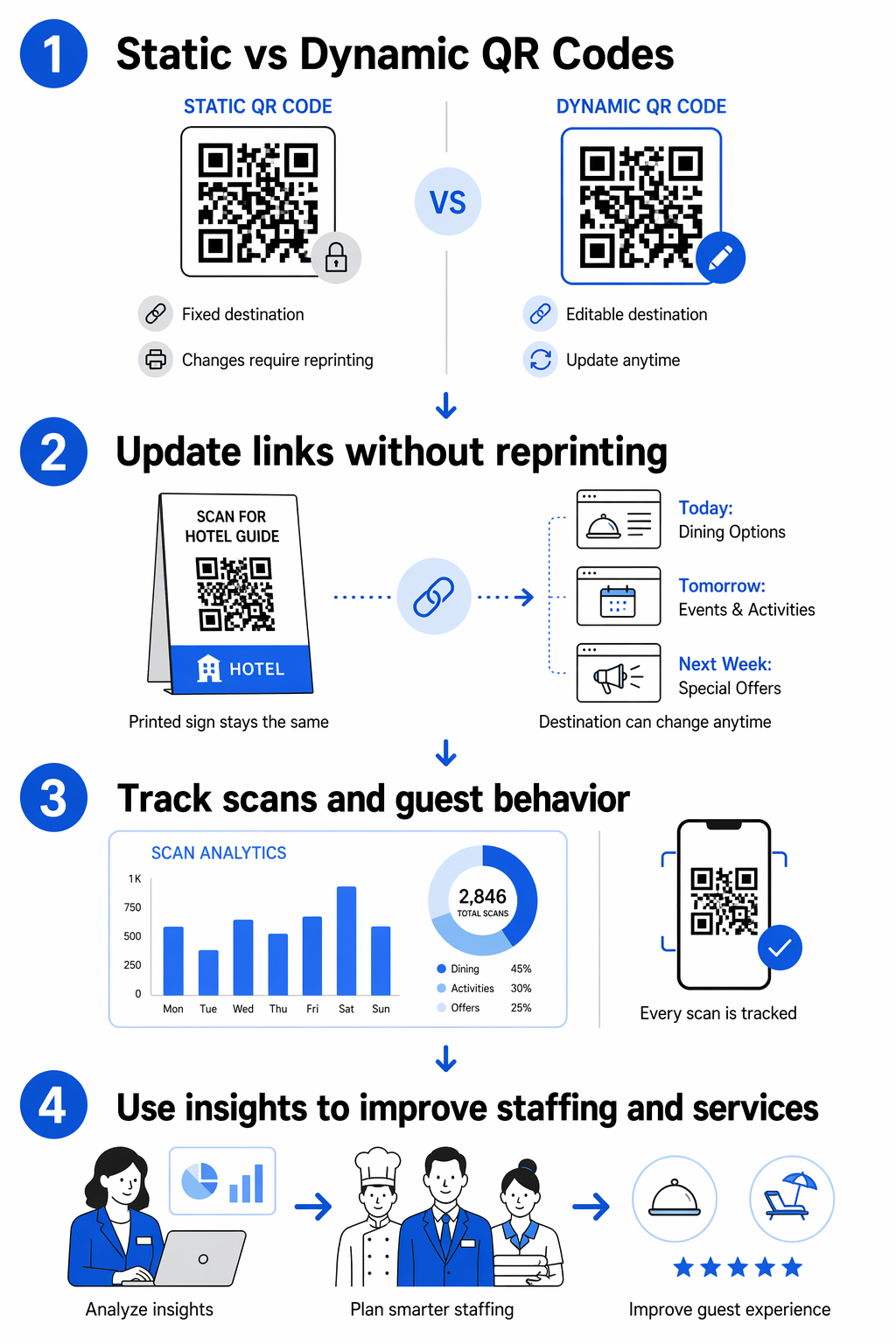
Dynamic codes also provide valuable analytics that help you measure guest engagement. You can track which amenities are being searched for most often or which dining times see the highest menu scan rates. This data allows you to optimize your staffing and inventory based on actual guest behavior. Large-scale hospitality brands have already proven the financial benefits of this approach; for example, the Marriott Aruba saved over $150,000 in printing costs by transitioning to digital QR-based systems.
To ensure your codes work reliably in all environments, follow established best practices for design. Use high-contrast colors – typically a dark pattern on a light background – and ensure the codes are large enough to be scanned easily from a comfortable distance. By combining thoughtful placement with high-quality digital content, you can create a high-tech, high-touch experience that encourages repeat bookings and positive reviews.
Frequently Asked Questions
Yes, if you use dynamic QR codes. These allow you to change the linked URL, PDF, or menu at any time through your management dashboard while the printed code remains the same.
Most modern smartphones have built-in QR code scanning capabilities within the native camera app. Guests simply point their camera at the code to open the digital content in their mobile browser.
Yes, Wi-Fi QR codes can store encrypted network information. When a guest scans the code, the device uses the pre-configured security protocols (such as WPA or WPA2) to establish a secure connection without the guest needing to see or type the password.