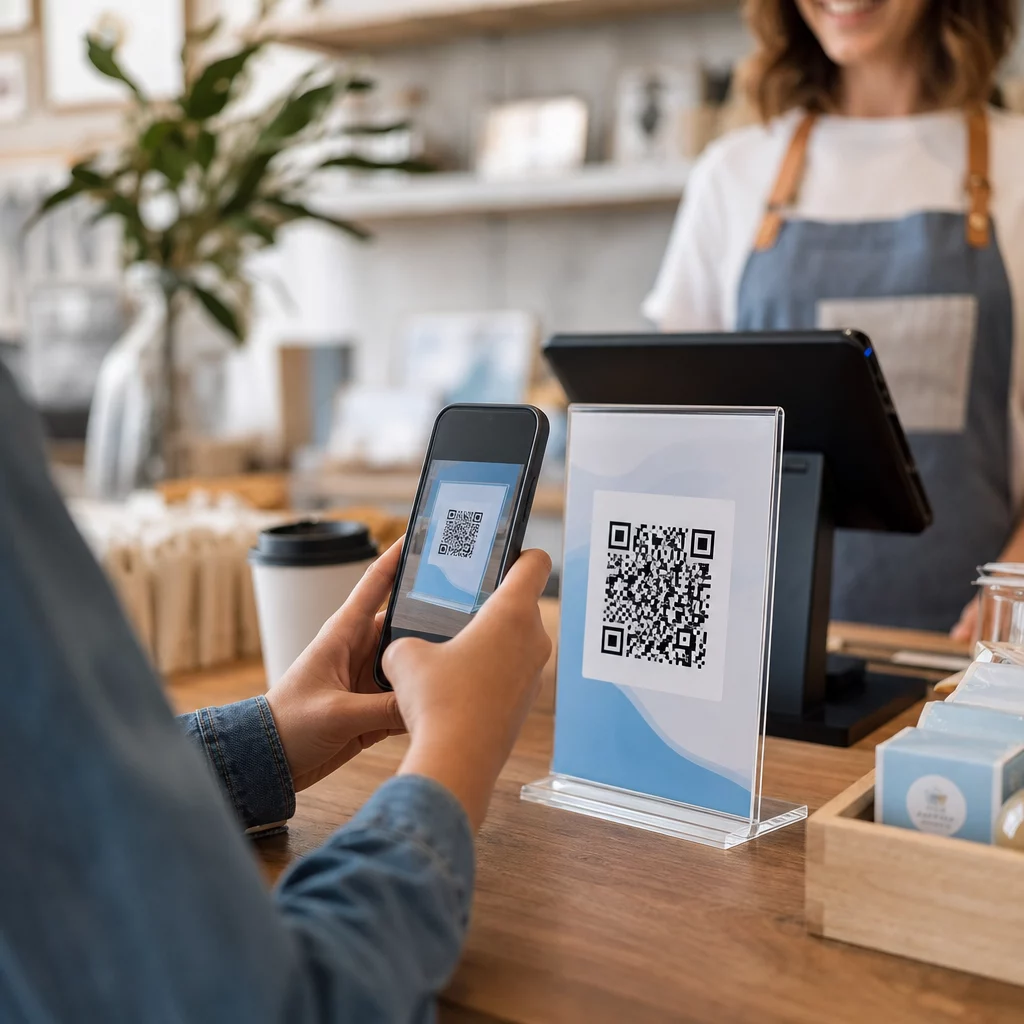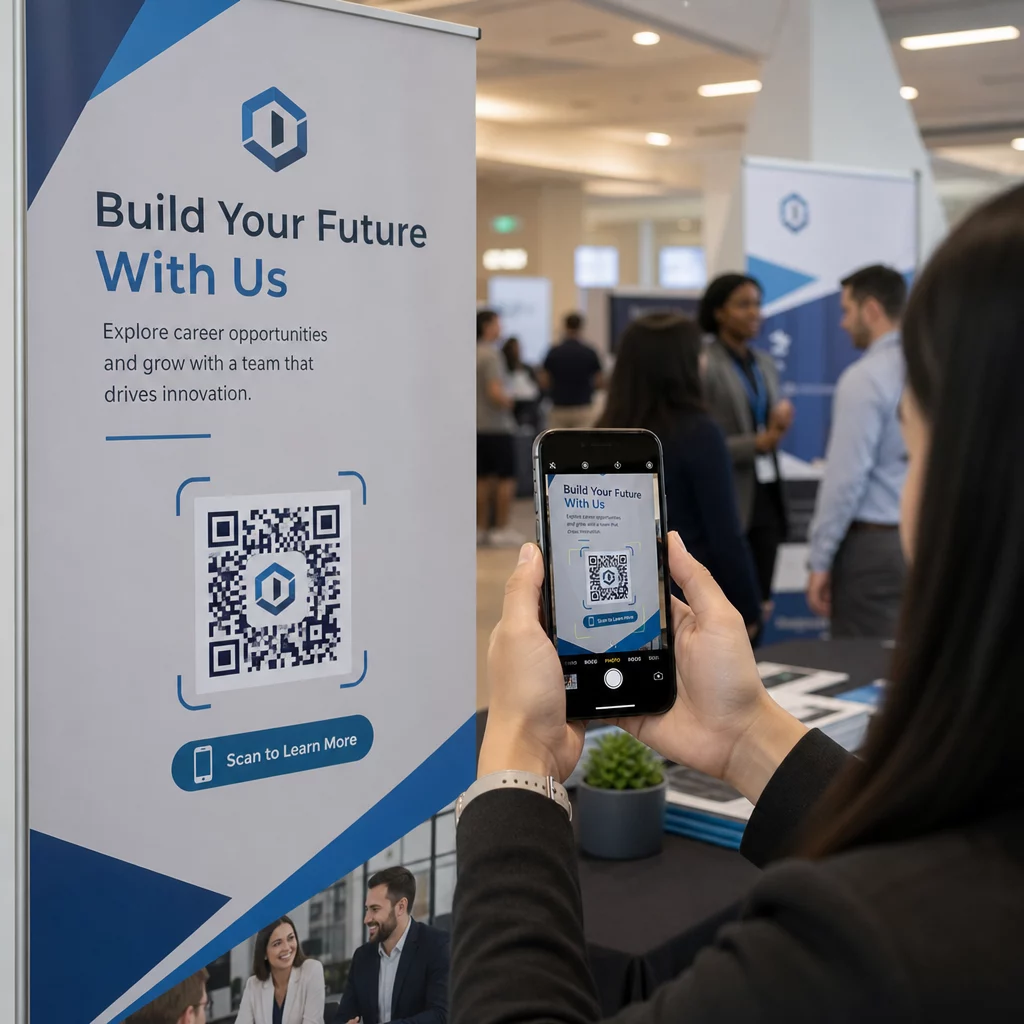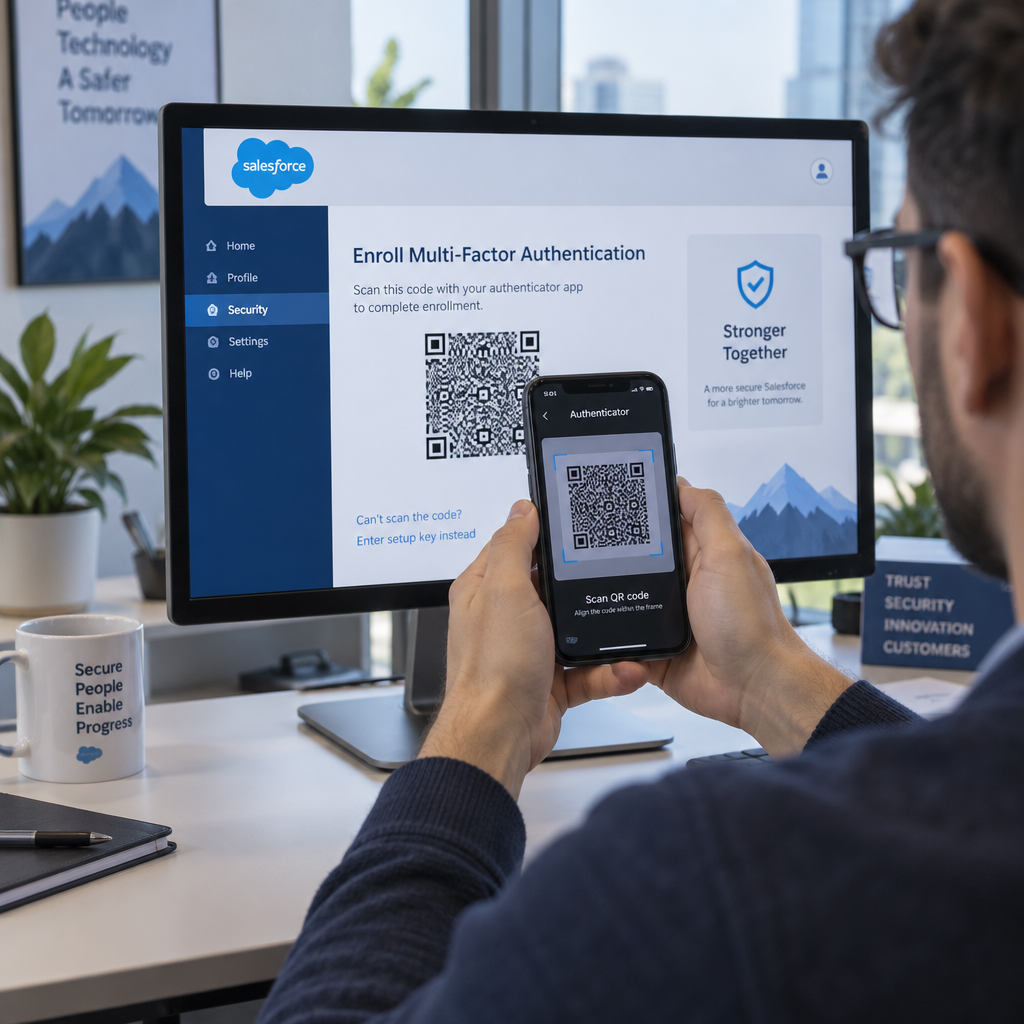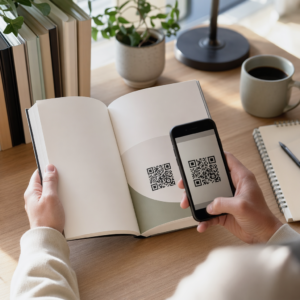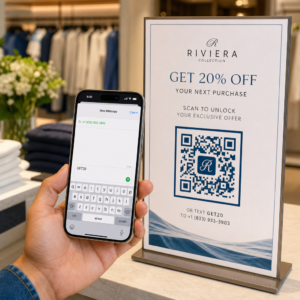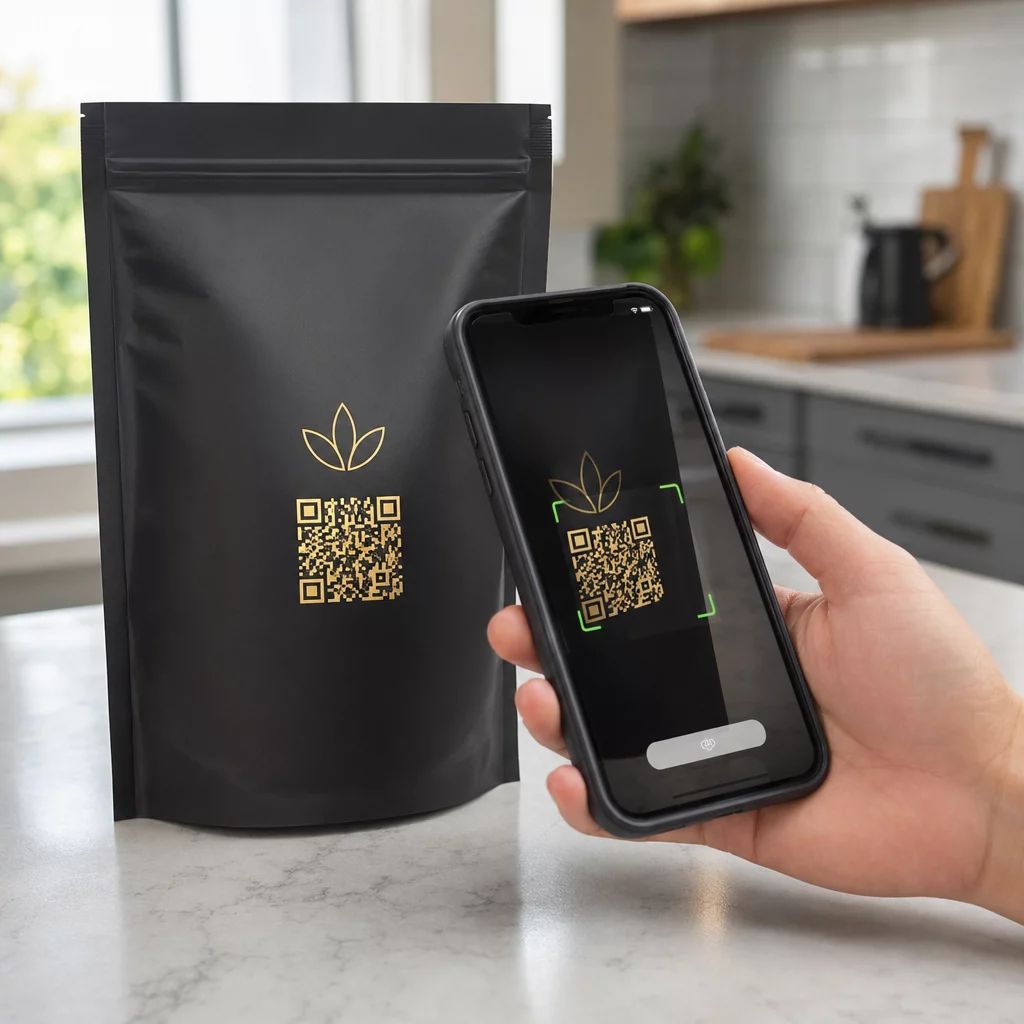
Are you struggling to fit all your essential product information and marketing messages onto limited packaging space? When labels become cluttered, brands often sacrifice design clarity or lose the opportunity to engage customers after the purchase. Implementing QR codes on product packaging solves this by providing a digital gateway to unlimited content while keeping your physical design clean and professional.
Transforming Packaging into a Digital Touchpoint
The moment a customer unboxes a product is one of the most significant points in the buyer’s journey. By placing a QR code on your packaging, you capitalize on this peak interest, turning a static box into an interactive experience. This digital bridge allows you to communicate directly with your audience, moving them from a physical interaction to your online ecosystem in seconds.
Beyond simple convenience, these codes serve as a tool for brand storytelling. Instead of cramming every detail onto a small label, you can use QR codes to transform brand storytelling by linking to videos about your company’s heritage or sustainability efforts. This approach respects the customer’s time while offering a deeper level of transparency that modern consumers increasingly demand.
Monitor Your Campaign in Real-Time Want to see exactly where and when your customers are scanning your materials? Use the QR Code Generator to create trackable codes and access a full performance dashboard today.
Practical Ways to Use QR Codes on Labels
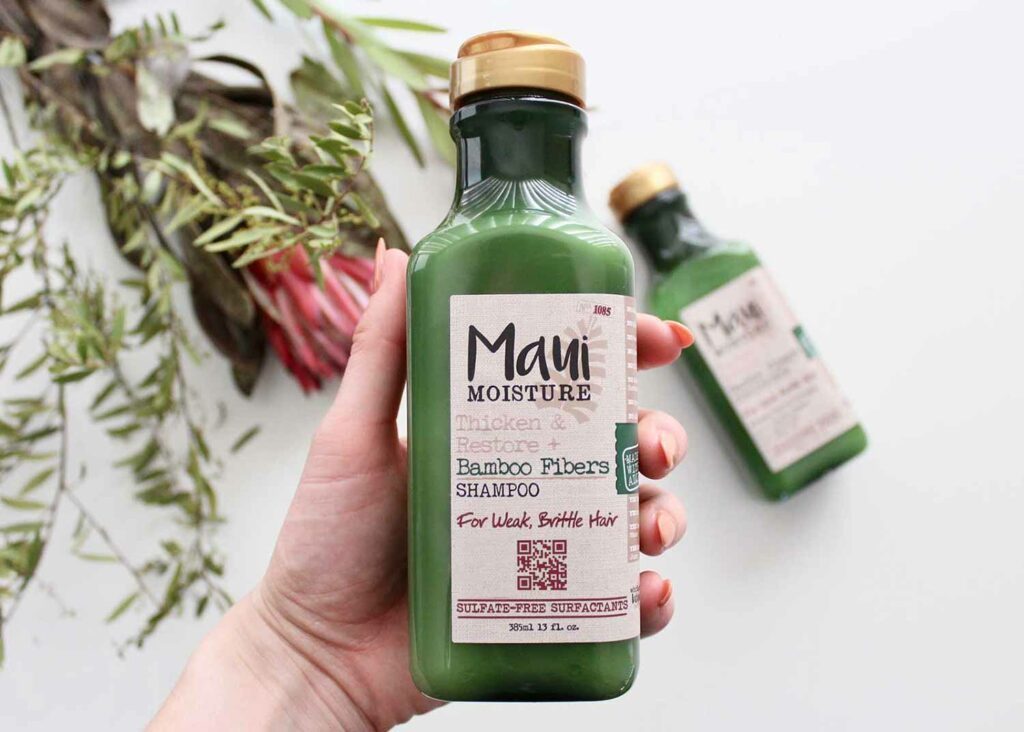
The versatility of QR codes allows businesses to address various needs throughout the product lifecycle, from logistics to post-purchase support. Each type of packaging serves a different purpose, and your QR strategy should reflect that.
- Primary packaging, such as the direct container of the product, is an ideal place for codes that provide immediate value. You might link to a PDF QR code generator to share user manuals, assembly guides, or detailed nutritional facts that would otherwise be too long to print.
- Secondary packaging, like a decorative box or outer sleeve, offers space for marketing-focused interactions. This is the perfect spot for a Google review QR code generator to encourage customers to leave feedback or a link to your social media profiles to build a community.
- Specialized categories, such as QR codes on food packaging, require a focus on transparency. Brands can share allergen information, ingredient sourcing, or even interactive recipes that show customers how to get the most out of their purchase.
For businesses looking to build long-term relationships, linking a code to a subscription signup or a discount for a future order is highly effective. Some brands have even seen significant increases in engagement by using codes to launch contests or share “how-to” videos that guide the user through their first experience with the product.
Technical Best Practices for Scannability
For a QR code to be effective, it must work every time. A code that fails to scan creates frustration and damages brand trust. Following established technical standards ensures that your digital touchpoint remains functional across all devices and environments.
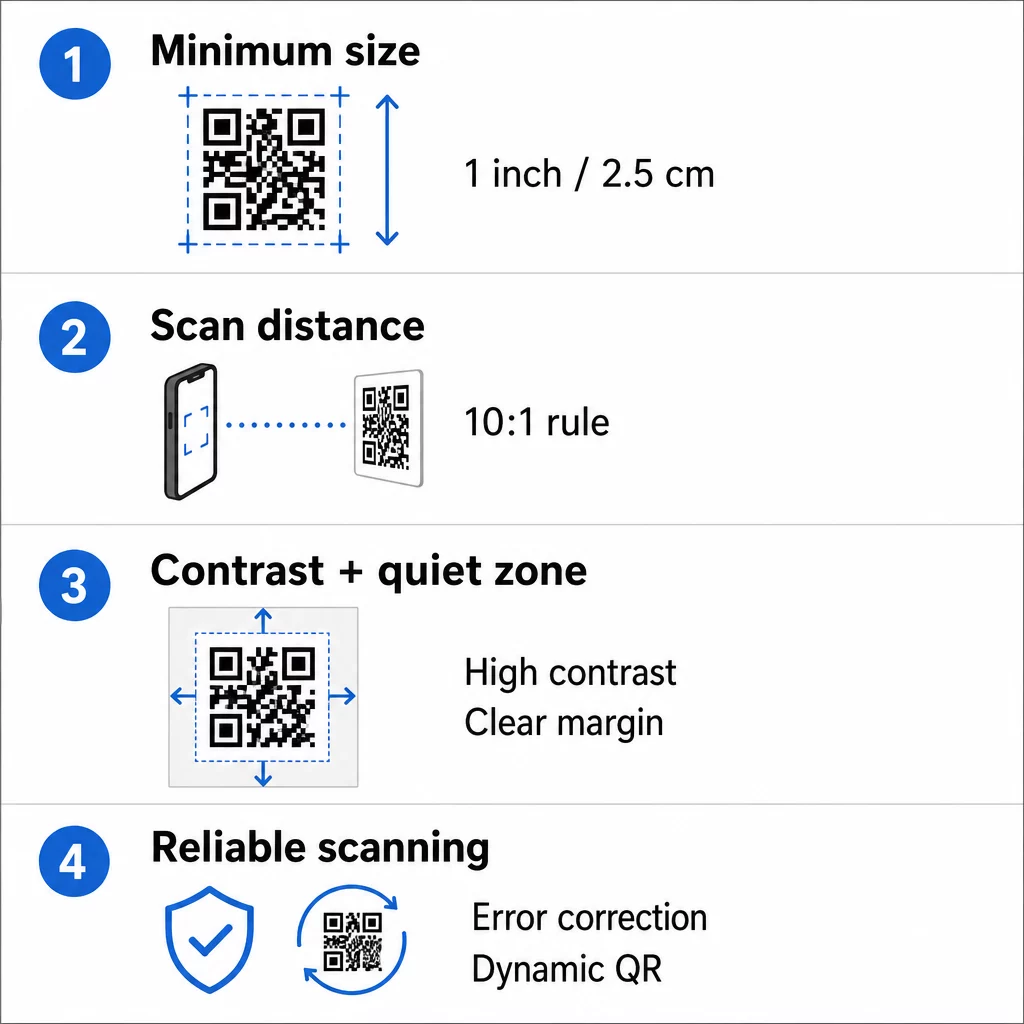
- Sizing and Distance: To ensure a high scan success rate, the code should be at least 1 inch (2.5 cm) square. Following the 10:1 ratio, a code intended to be scanned from 10 inches away should be at least 1 inch wide.
- Color and Contrast: Scanners rely on the distinction between the dark modules and the light background. You should aim for a contrast ratio of at least 4.5:1. Understanding QR code color contrast best practices is vital, as low-contrast combinations like yellow on white often fail to scan.
- The Quiet Zone: Every code requires a “quiet zone,” which is an empty margin around the symbol. According to ISO/IEC 18004 standards, this margin should be at least four modules wide on all sides to prevent interference from nearby graphics or text.
- Error Correction: High-quality generators offer error correction levels (L, M, Q, H) that allow the code to remain functional even if it is slightly damaged or dirty. Using Level Q or H is recommended if you plan to incorporate a logo into the design.
Using a link QR code generator to create dynamic codes is often the smartest choice for packaging. Dynamic codes use a shorter URL structure, which results in a less dense, simpler pattern that is much easier for cameras to read at various distances.
The Shift Toward GS1 Digital Link
The landscape of product packaging is currently undergoing a major transformation known as “Sunrise 2027.” This initiative aims to transition from traditional 1D barcodes to 2D barcodes, like QR codes, that can be scanned both at the point of sale and by consumer smartphones.
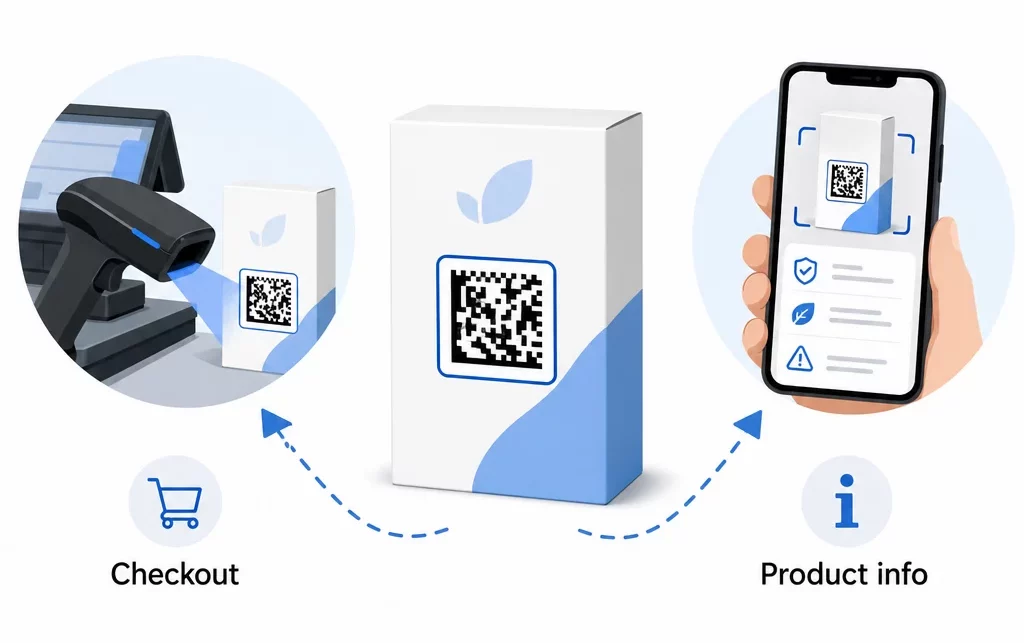
By using the GS1 Digital Link standard, a single code on your package can serve multiple purposes. It can process a sale at the checkout counter, provide the consumer with real-time allergen alerts or recall information, and link to marketing content. This “one code to rule them all” approach simplifies packaging design and future-proofs your brand for the next generation of retail technology.
Design Branded Codes That Scan Enhance your packaging aesthetics without sacrificing functionality. Use our QR Code Generator with Logo to create customized, professional codes that strengthen your brand identity.
Frequently Asked Questions
For reliable scanning, the QR code should be at least 1 inch (2.5 cm) square. If your packaging is small, ensure the code stays above 0.8 inches and use a dynamic QR code to keep the pattern simple and scannable.
Yes, but only if you use a dynamic QR code. Dynamic codes allow you to update the destination URL or content at any time through your dashboard without needing to reprint the physical packaging.
While colorful codes can increase engagement by up to 18%, scannability is the priority. Always use a dark color for the foreground and a light color for the background to maintain a high contrast ratio, and never invert the colors (light on dark).
To ensure your packaging effectively bridges the gap between the physical and digital worlds, you must balance design with technical precision. By implementing dynamic codes that follow sizing and contrast standards, you can turn every product into a measurable marketing channel. Start building your interactive labels today by using a professional tool to manage, track, and optimize your customer engagement.