Have you ever encountered a QR code while trying to log into your Google Account? This unexpected security step can be confusing if you aren’t sure which app to use or why it is appearing. Understanding how to scan these codes ensures you can quickly access your emails while keeping your account protected.
Why Google Uses QR Codes for Account Access
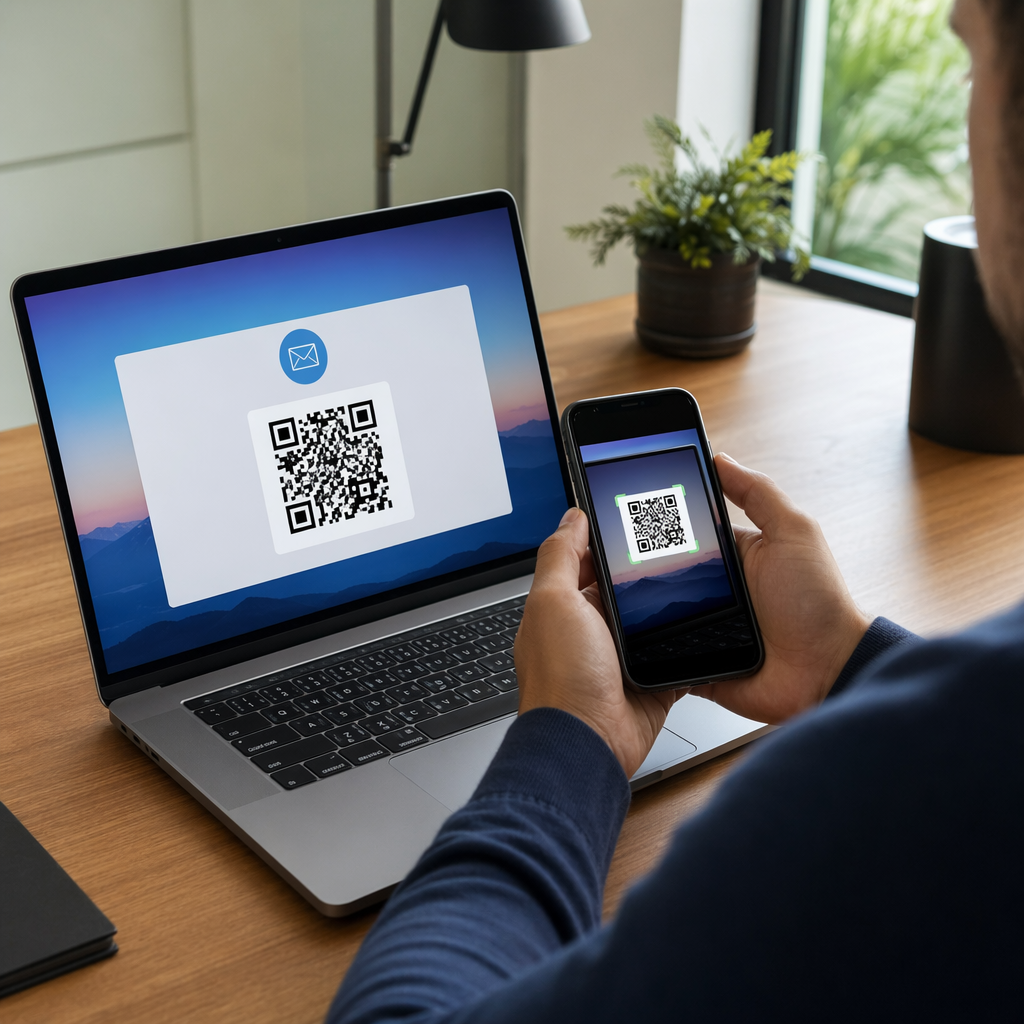
Google utilizes QR codes as a secure “handshake” between an unrecognized device and a trusted one. When you attempt to sign in to your Gmail account on a new computer or a public terminal, the system may present a QR code to verify your identity without requiring you to type a password on a potentially unsecure keyboard. This process confirms that the person attempting the login has physical possession of a smartphone already signed into the account.
This method is particularly effective for preventing unauthorized access from remote locations. By staying on the sign-in screen on your computer and using your phone to complete the verification, you create a direct, encrypted link that bypasses traditional password entry. This adds a robust layer of protection against phishing and keylogging software.
How to Scan a Gmail Sign-In Code on Your Smartphone
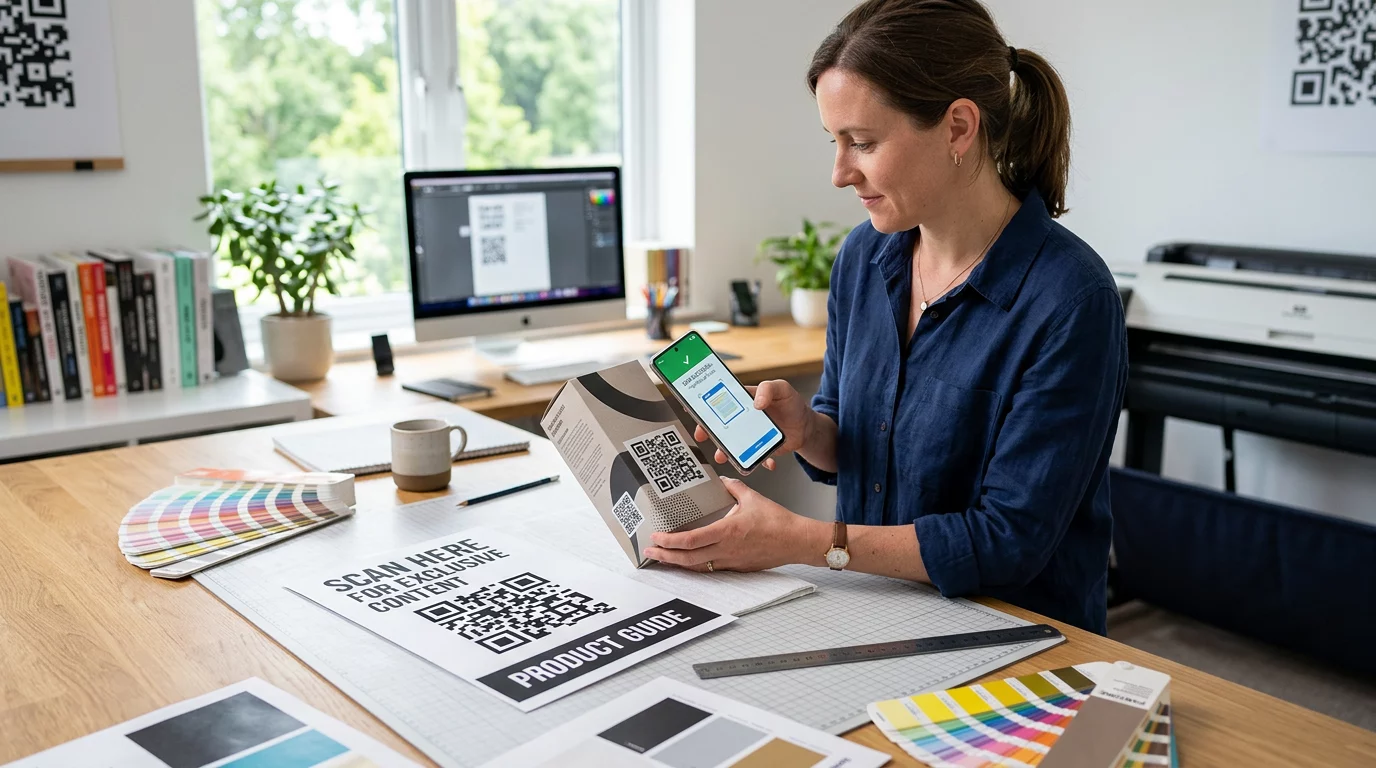
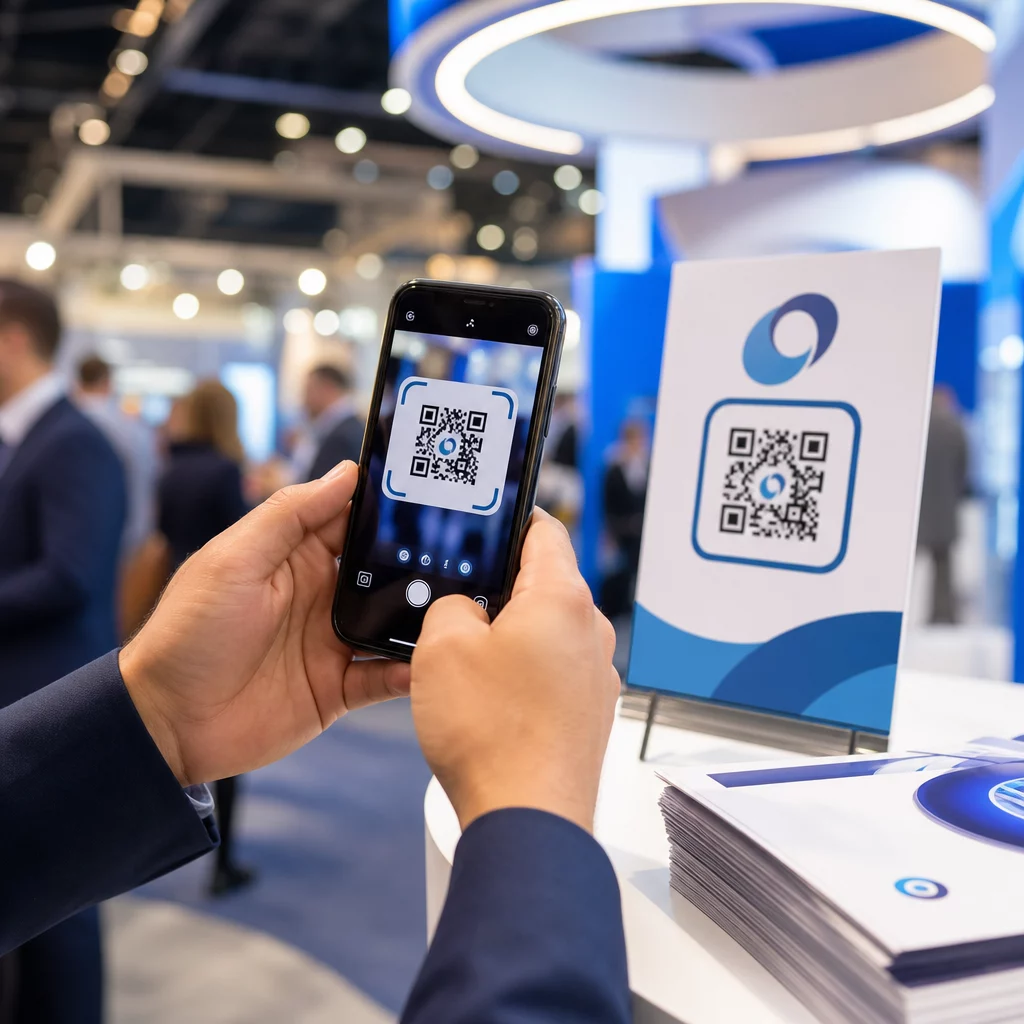
The process for scanning these security codes varies slightly depending on your device, but most modern smartphones have the necessary tools built directly into the camera software. For those using Apple devices, you can simply scan QR codes on an iPhone by opening the camera app and positioning the code within the frame. A notification banner will appear at the top of the screen, which you must tap to confirm the login request.
Android users have similar native capabilities. You can point your camera at the screen to trigger Google Lens, which will recognize the code and provide a link to proceed. If your device is older or does not have a native reader, you can use a free QR code scanner online through your mobile browser to achieve the same result. This allows you to verify your identity without needing to download a dedicated application from the Play Store.
Setting Up 2-Step Verification with Authenticator Apps
Beyond simple sign-ins, QR codes are the primary way to set up Two-Step Verification (2SV) using authenticator apps. During the setup process in your Google Account settings, you will be prompted to choose an authenticator app. Google then displays a unique QR code that contains the “secret key” for your account. Scanning this code with an app like Google Authenticator links the two devices permanently.
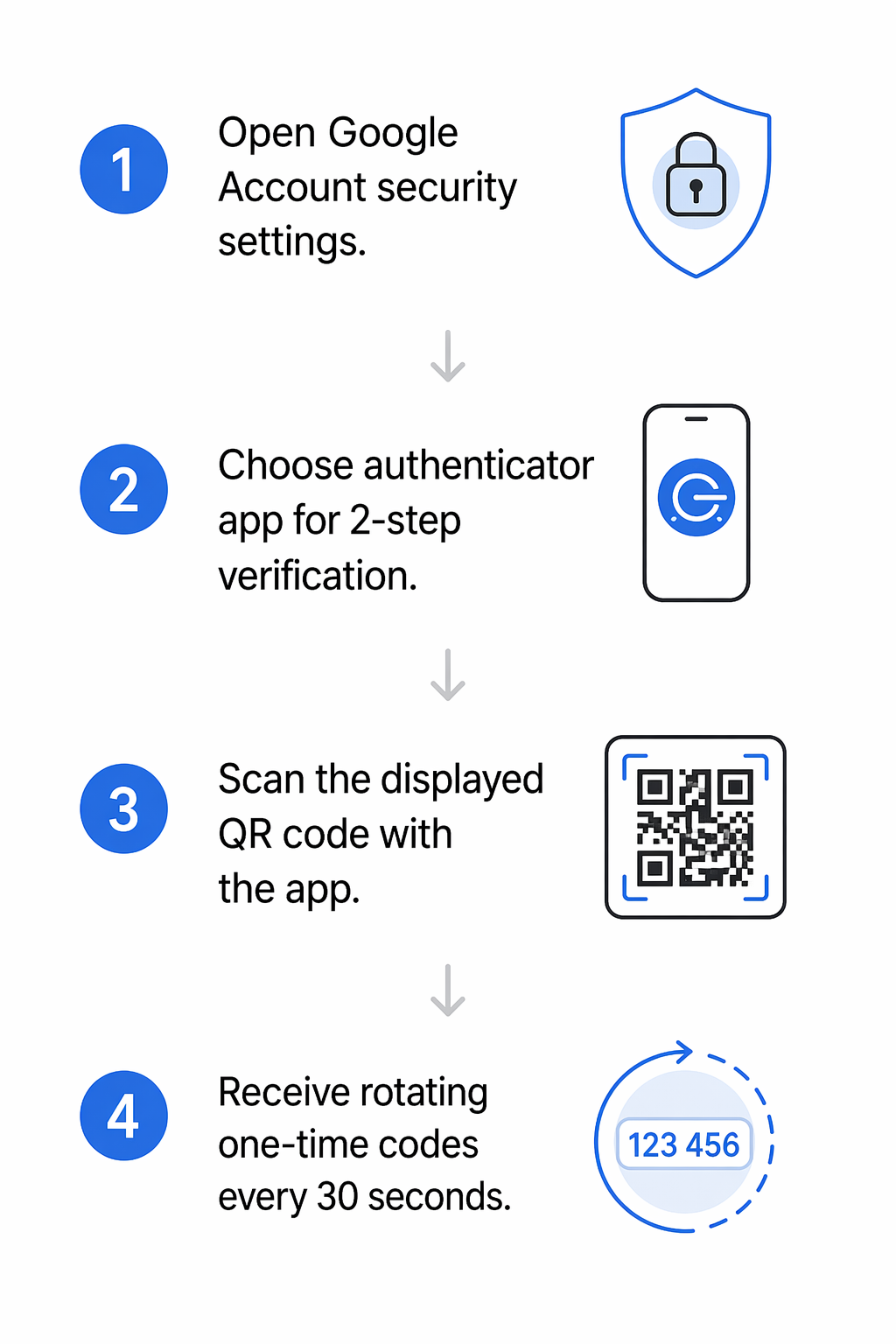
Once this link is established, the app generates one-time verification codes every thirty seconds. This is especially useful in situations where you do not have a reliable cellular signal or internet access, as the codes are generated locally on your device. To ensure you never lose access, it is a good idea to research the best QR code scanner apps that offer backup or export features for your security keys.
Using Passkeys for Passwordless Gmail Access
Passkeys represent the latest evolution in account security, allowing you to sign in using your phone’s biometric sensors instead of a traditional password. When you choose to use a passkey on a new computer, Google will display a QR code. Before scanning, ensure that Bluetooth is enabled on both your computer and your smartphone, as this technology is used to verify that the devices are in close proximity to one another.
After you scan the QR code with your smartphone, your phone will guide you through its native security flow. This usually involves a fingerprint scan, facial recognition, or entering your screen lock PIN. Once your identity is confirmed on the phone, the computer will automatically log you into your Gmail account. This method is significantly more secure than passwords because the passkey never leaves your mobile device.
Create Your Own Secure QR Codes Looking to simplify how others contact you or access your business information? Use the Dynamic QR Code Generator to create customizable codes that you can update and track at any time.
Troubleshooting Common Scanning Issues
If your device fails to recognize a Gmail QR code, the issue is often related to the physical environment or display settings. High-resolution monitors can sometimes create a moiré pattern – a series of distracting lines – that confuses the camera lens. Try adjusting your distance from the screen or tilting the phone slightly to reduce glare.
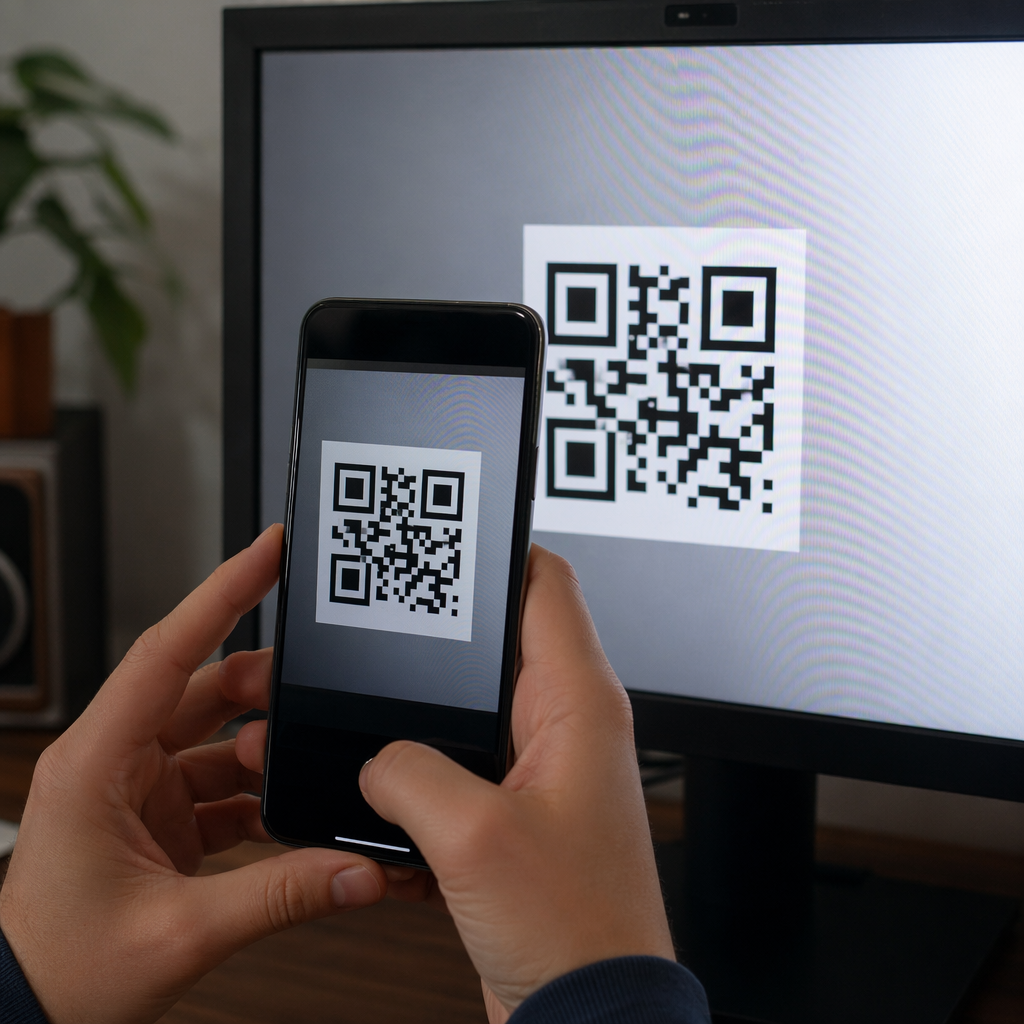
Lighting and contrast also play a critical role in scannability. If the room is too dark or your monitor brightness is too low, the scanner may struggle to distinguish the black modules of the code from the background. Ensuring the code is large enough on your screen and centered in your camera’s viewfinder will solve the majority of technical glitches. If problems persist, you can always upload a screenshot of the code to a web-based QR code reader to decode the information manually.
Frequently Asked Questions
No, you do not necessarily need a Google-specific app. Most Android devices can scan QR codes using the standard camera app or Google Lens. For a quick alternative, any secure browser-based scanner will also work to process the verification link.
Bluetooth is required specifically for passkey verification. It acts as a proximity check to ensure that your phone is physically near the computer you are trying to sign into, which prevents hackers from trying to use your passkey from a remote location.
For security reasons, these codes are time-sensitive and will expire after a few minutes of inactivity. If the code is no longer valid, simply refresh the page on your computer to generate a new, active QR code and try the scanning process again.
If you are ready to implement QR technology into your own digital workflow, start by exploring the various tools available for creation and tracking. You can compare the top QR code scanner apps to find a solution that fits your security needs or use our platform to generate dynamic codes for your personal or professional projects.