Have you ever lost a potential lead because your website URL was too long or difficult for a customer to type into their phone? Manual data entry creates friction that often leads to abandoned interactions and lost revenue. This guide explains how to convert any link into a scannable QR code to bridge the gap between your physical marketing and digital content.
Why Transform URLs into Scannable Codes?
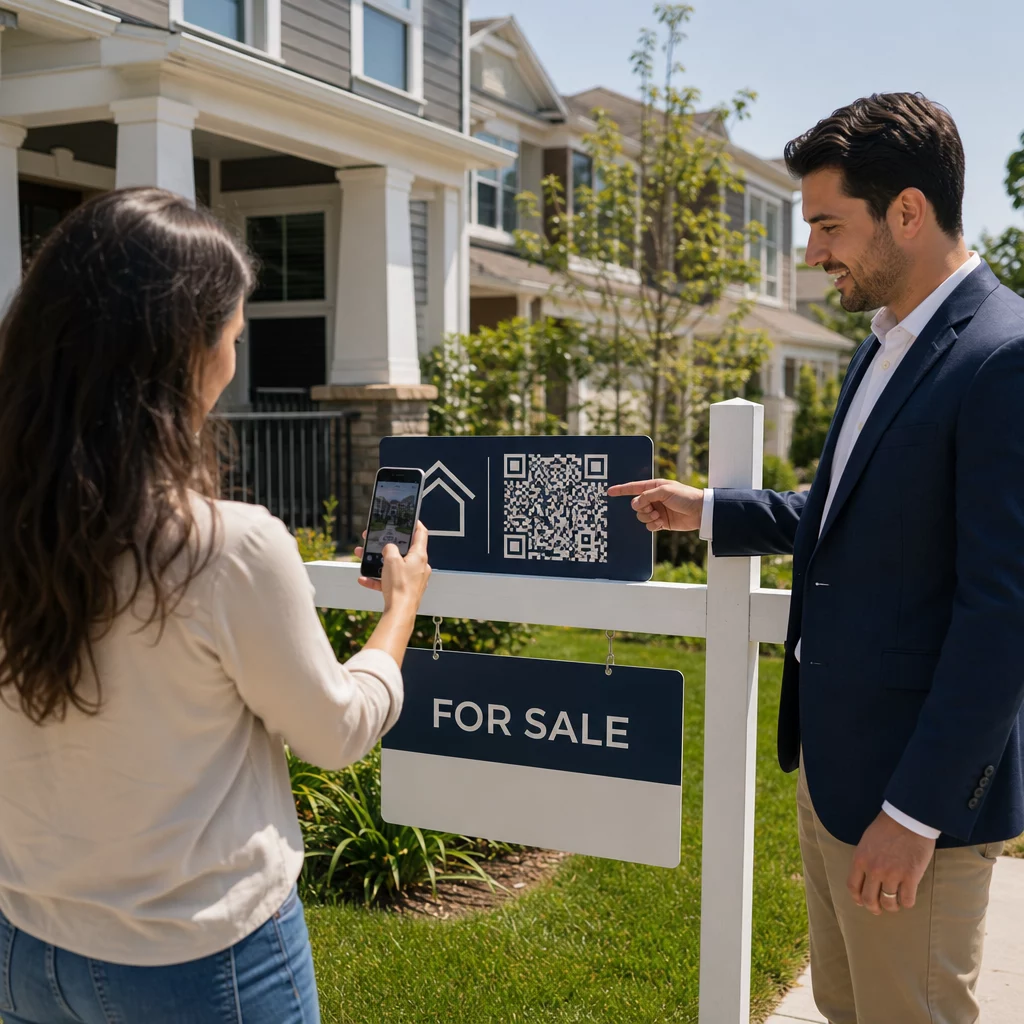
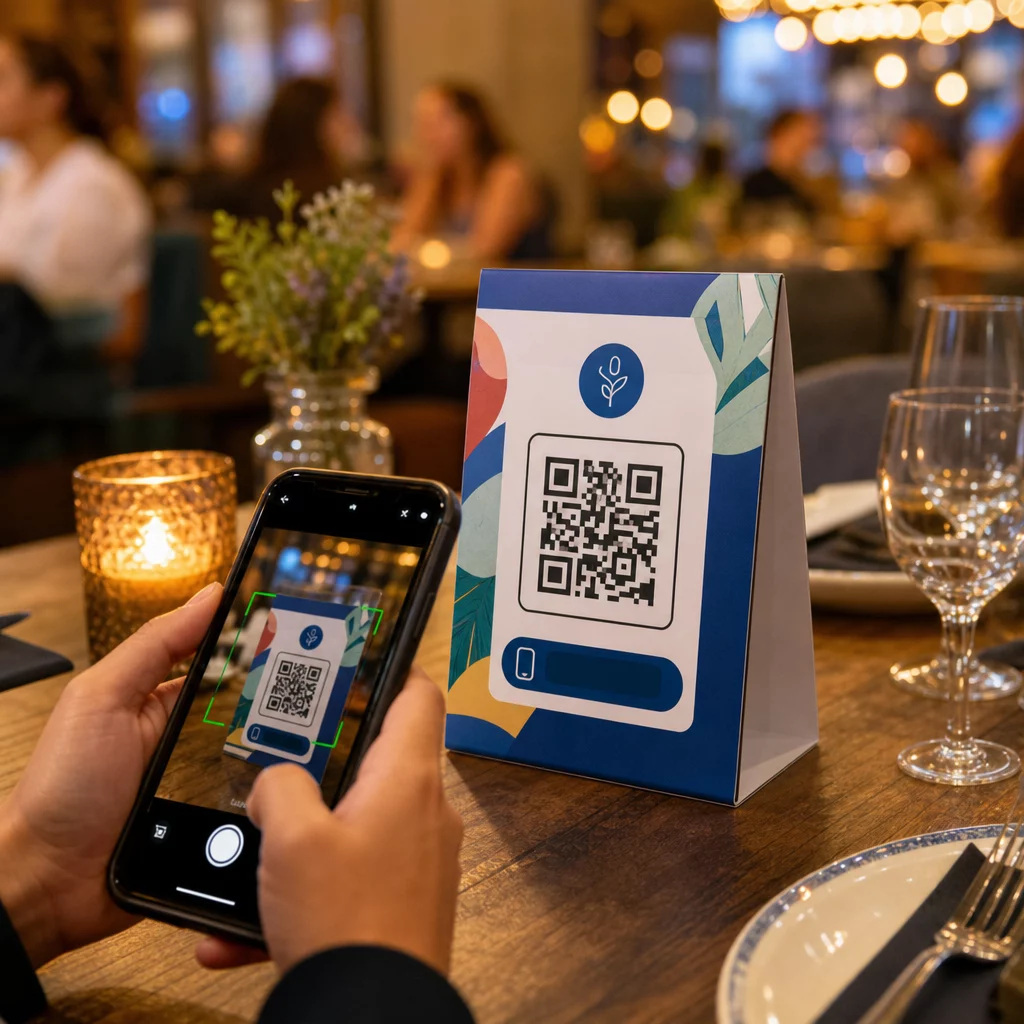
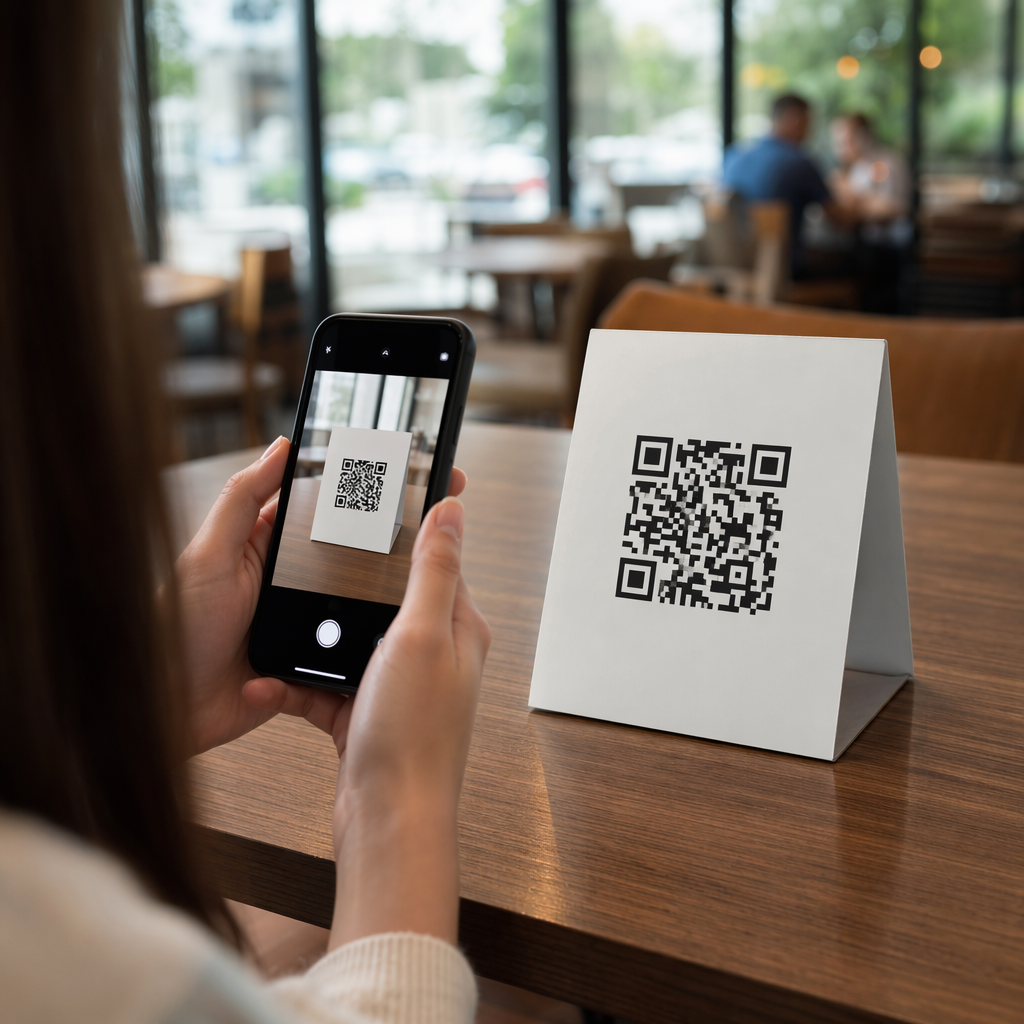
Converting links into QR codes simplifies the way users access your digital resources. Instead of asking a customer to remember and type a complex web address, you provide a path that requires only a quick scan with a smartphone camera. This transition is essential for modern marketing because it turns static print materials into interactive touchpoints.
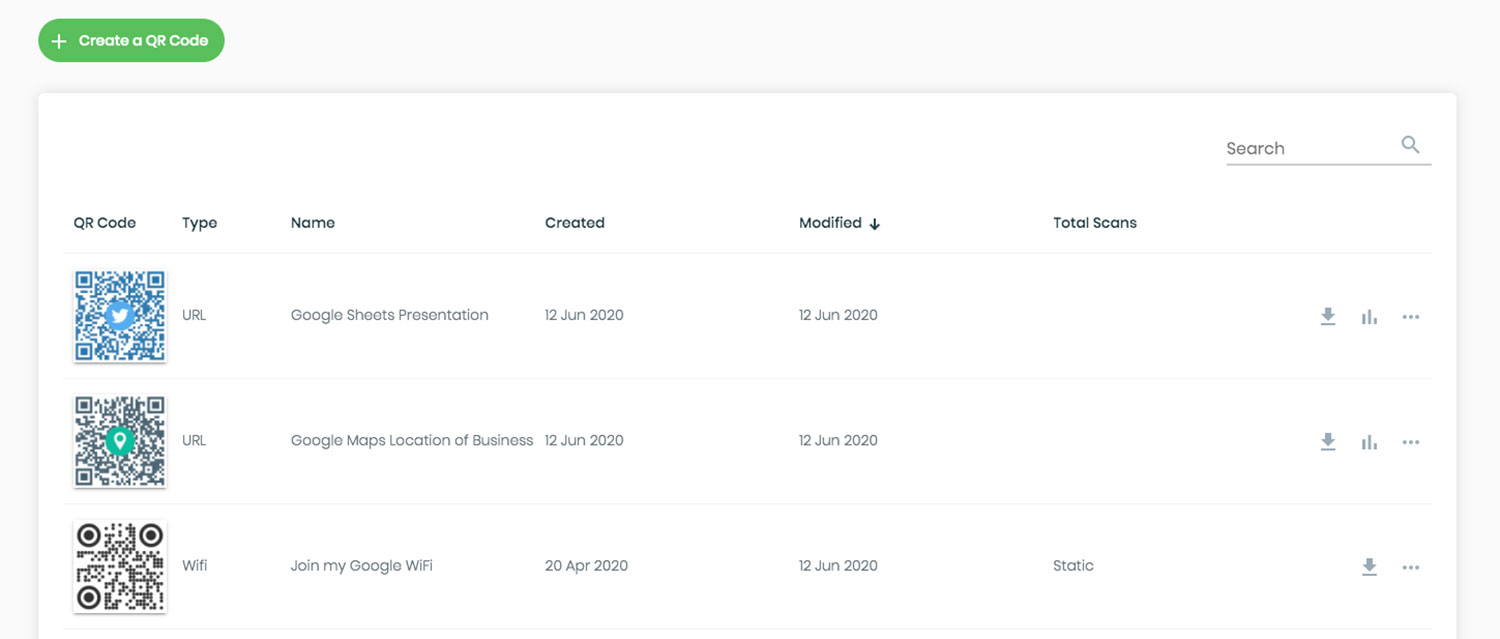
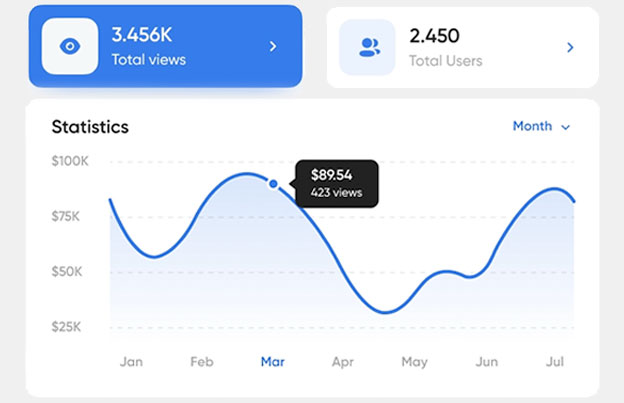
Beyond the user experience, these codes allow you to gather actionable data. By using a link QR code generator, you can implement tracking to see how many people engage with your content. This visibility helps you understand which physical locations or print materials are driving the most traffic, allowing you to optimize your marketing spend based on real-world performance.
Essential Steps to Generate Your QR Code
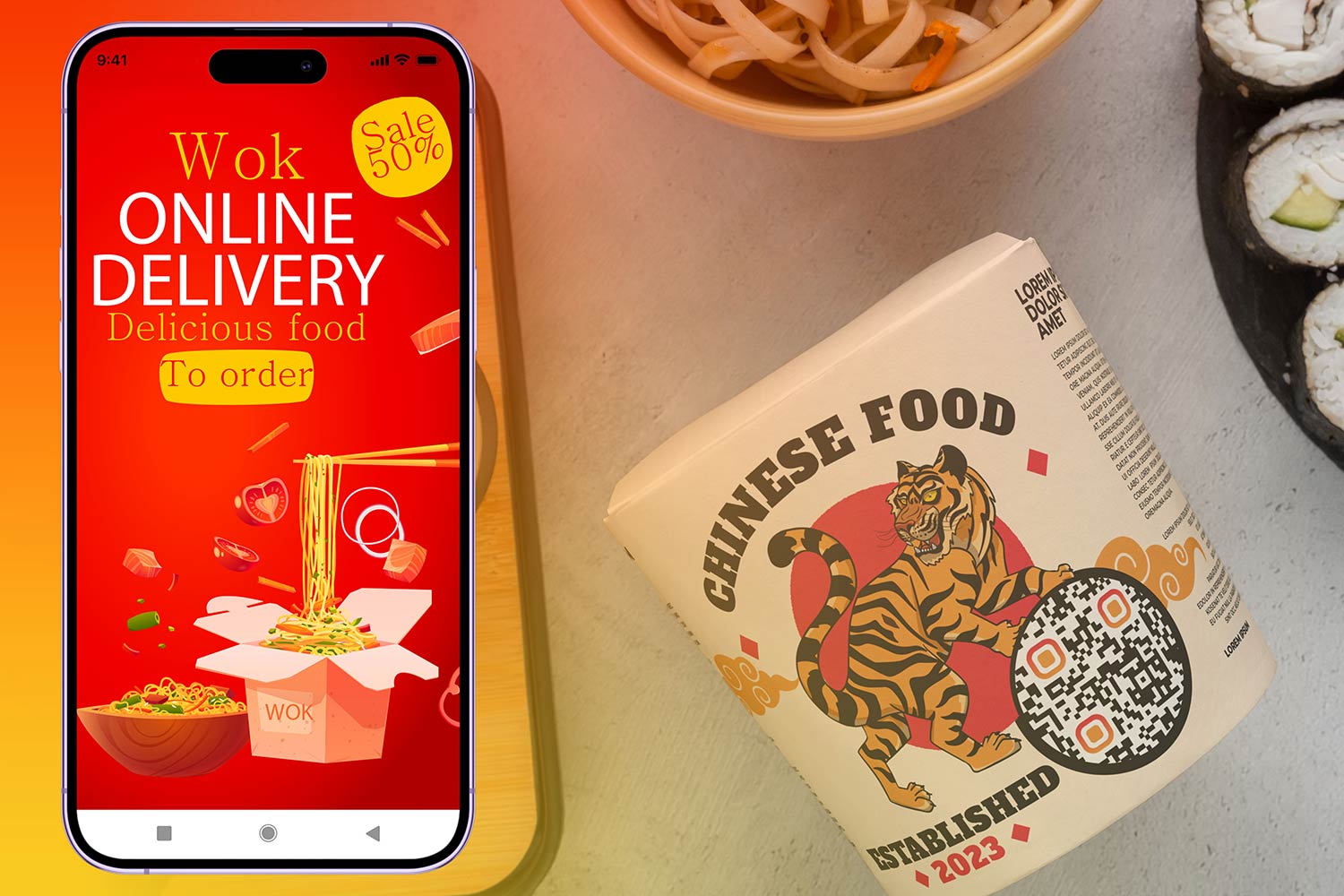
The process of turning a URL into a scannable image is straightforward and can be completed in just a few minutes. To begin, you will need a clear destination URL, such as a landing page, a digital menu, or a social media profile.
- Open a reliable generator and enter your full destination URL into the input field.
- Decide between a static or dynamic format based on whether you need to change the link later.
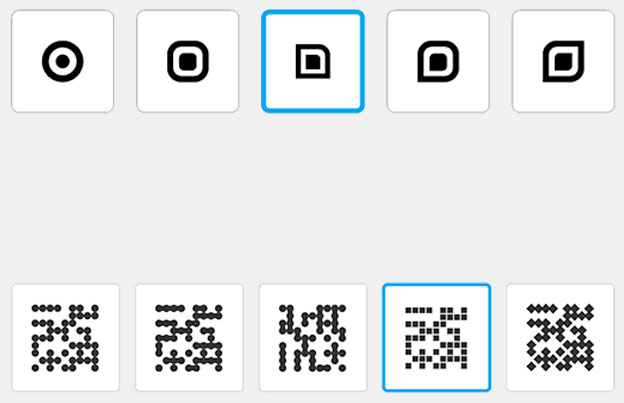
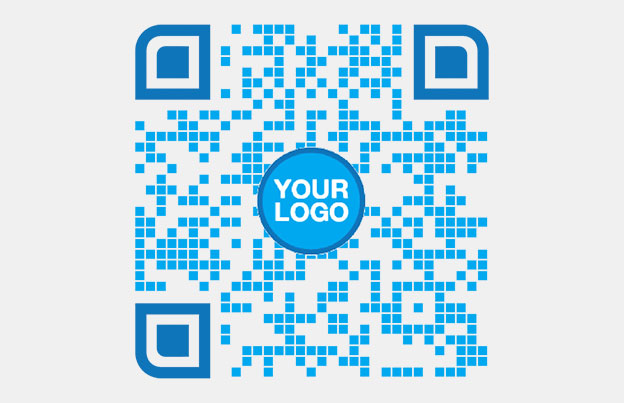
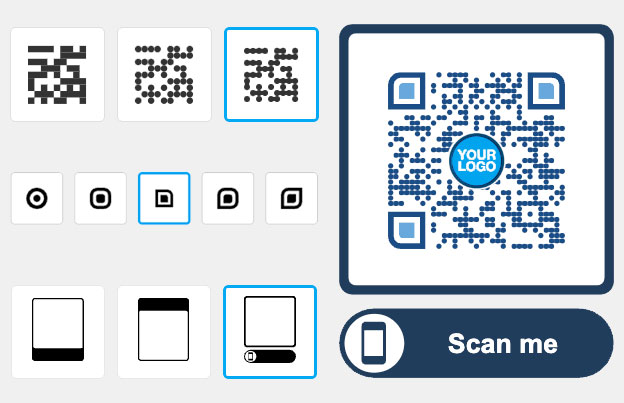
- Customize the design by adjusting colors, adding your brand logo, or selecting a frame.
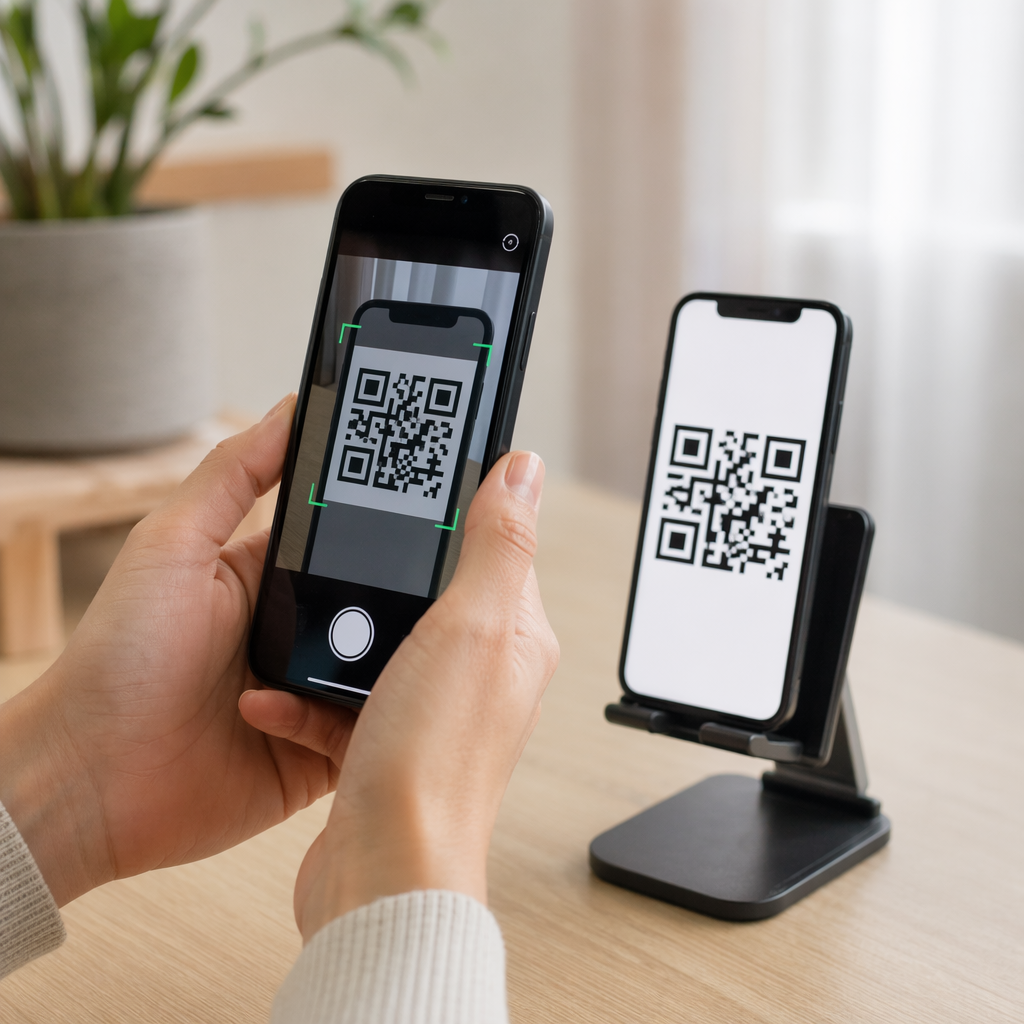
- Generate and test the code on multiple devices before downloading the final high-resolution file.
Testing is a critical final step. Scanners can behave differently depending on the camera hardware and software used. By verifying the code yourself, you ensure that every customer who encounters your materials has a seamless experience.
Choosing Between Static and Dynamic Formats
One of the most important decisions in the creation process is choosing the underlying structure of your code. A static QR code embeds the data directly into the pattern, meaning the destination link is permanent once generated. These are suitable for information that will never change, such as a permanent company portfolio or a one-time event link.
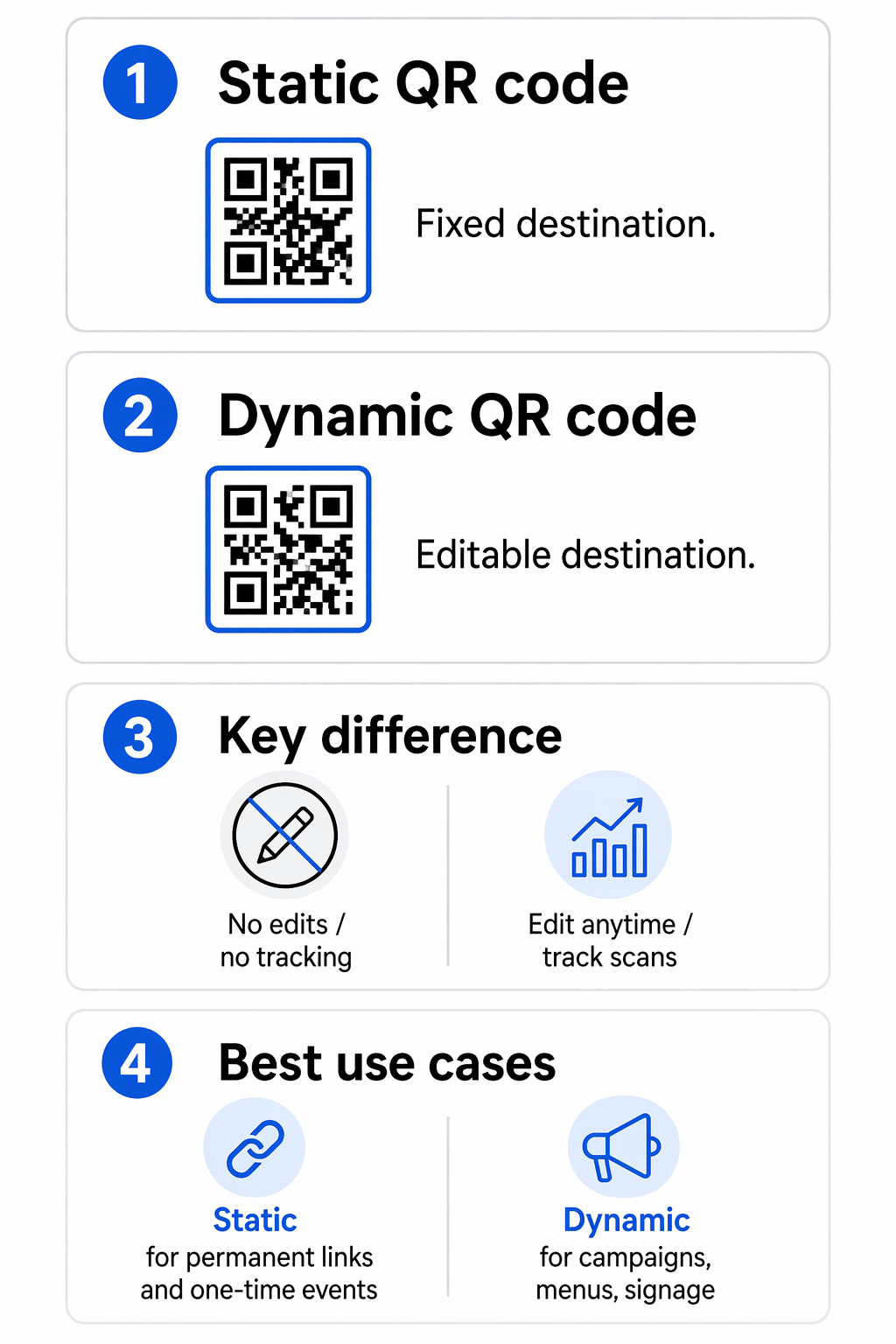
For most business applications, static vs dynamic QR codes offer a significant difference in flexibility. Dynamic codes use a short redirect URL, which allows you to edit QR codes even after they have been printed. This is particularly useful for seasonal menus or long-term signage where the destination page might need an update in the future.
Monitor Your Campaign in Real-Time Want to see exactly where and when your customers are scanning your materials? Use the link QR code generator to create trackable codes and access a full performance dashboard today.
Technical Guidelines for Reliable Scannability
To ensure your code works every time, you must follow established QR code usability best practices. Scanners rely on high contrast to distinguish the modules of the code from the background. Generally, it is best to use a dark foreground on a light background. Low-contrast color pairings can confuse the scanner’s sensor, especially in low-light environments.
Size and placement are equally important for a successful scan. A common print guideline is the 10:1 ratio, where the QR code side length should be at least one-tenth of the expected scanning distance. For close-range materials like business cards, the code should be no smaller than 0.8 x 0.8 inches. Additionally, maintaining a “quiet zone” – a clear border around the code – prevents surrounding text or graphics from interfering with the scanner.
Enhancing Your Strategy with Design and Analytics
A well-designed code does more than just function; it builds trust with your audience. Following a checklist for designing user-friendly QR codes can help you integrate brand elements without sacrificing scannability. Adding a simple logo or using brand-aligned colors can increase engagement by making the code look like a professional, legitimate part of your marketing material rather than a generic placeholder.
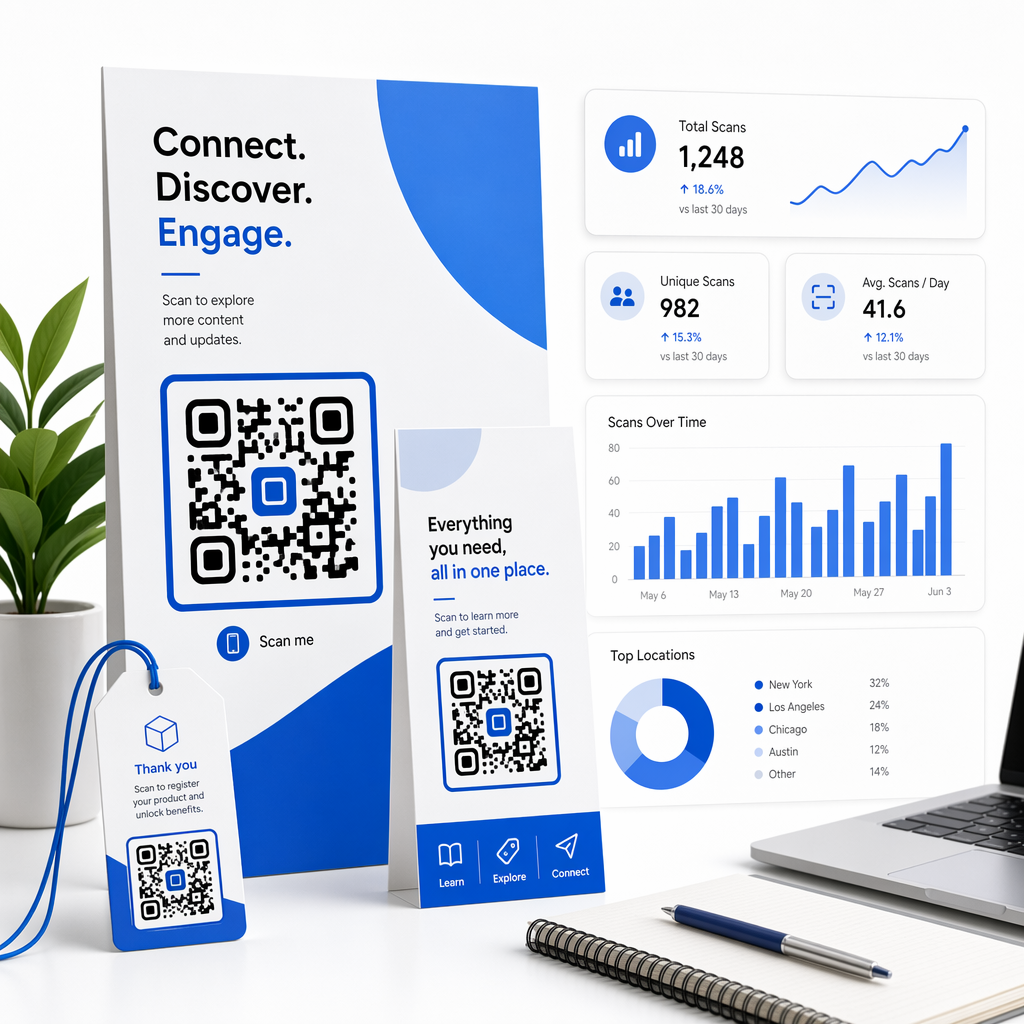
Once your codes are active, you can use real-time scan tracking to monitor engagement. For even deeper insights, you can apply UTM parameters for QR codes to see how your physical traffic interacts with your website in Google Analytics. This data allows you to see the exact time, location, and device used for each scan, giving you the information needed to refine your offline-to-online strategy.
Frequently Asked Questions
You can only change the destination if you created a dynamic QR code. Static QR codes have the URL hard-coded into the design, so they cannot be edited.
For marketing materials meant to be scanned at close range, the code should be at least 2 x 2 cm (0.8 x 0.8 inches) to ensure most smartphone cameras can read it reliably.
To track scans, you must use a dynamic QR code generator that provides an analytics dashboard. This will show you metrics like total scans, unique users, and geographic locations.
Converting your links into QR codes is a simple yet powerful way to connect with your customers in the physical world. By following technical standards for contrast and sizing and choosing dynamic formats for long-term flexibility, you can create a reliable bridge to your digital content. Start simplifying your customer journey today by creating your first branded code with the link QR code generator.