Not sure how to use QR codes in your small business without making it complicated? The wrong setup wastes print materials and loses customers at the moment they’re most engaged. This guide covers the most useful QR code types for small businesses and how to implement each one effectively.
Why QR Codes Work for Small Businesses
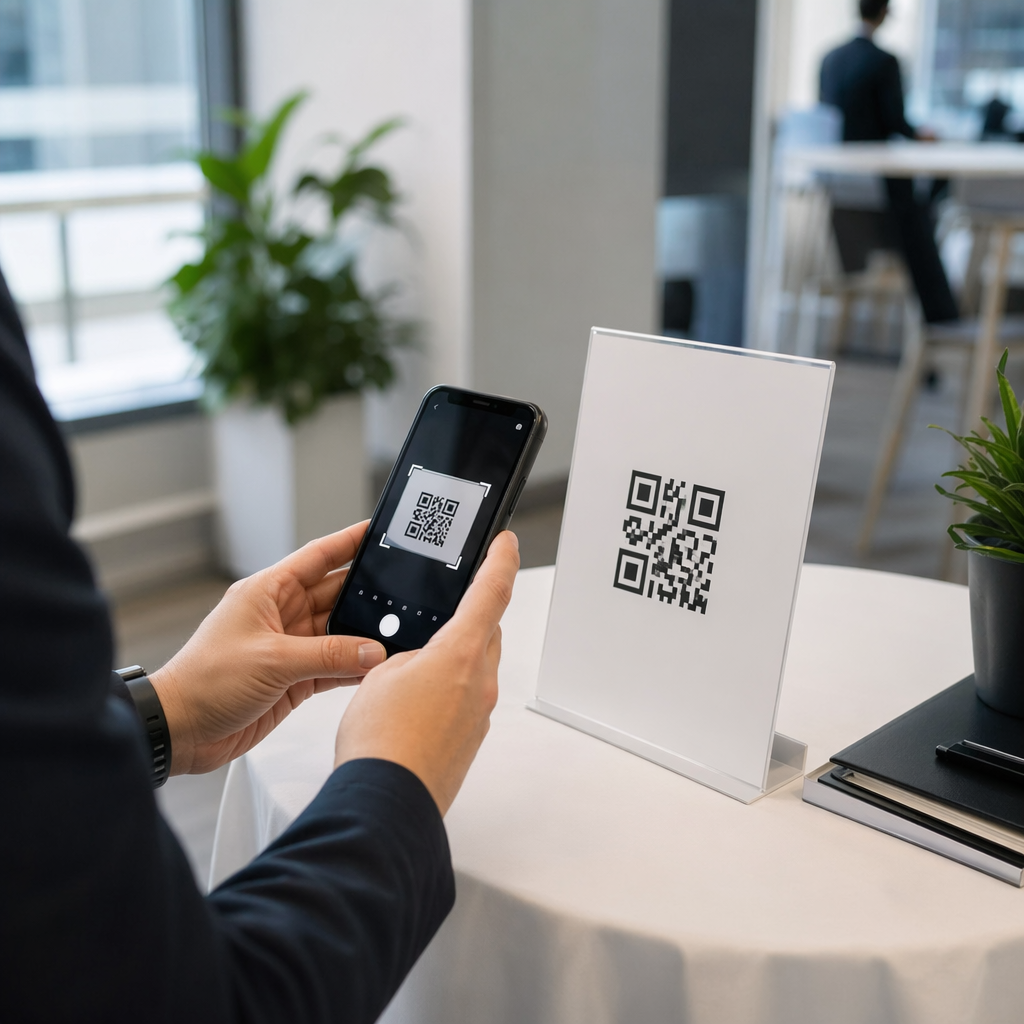
QR codes solve a simple problem: getting customers from a physical touchpoint to a digital destination without friction. Instead of typing a URL, searching for your business, or asking staff for information, a customer points their smartphone camera at a code and lands exactly where you need them.
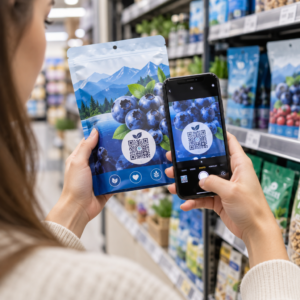
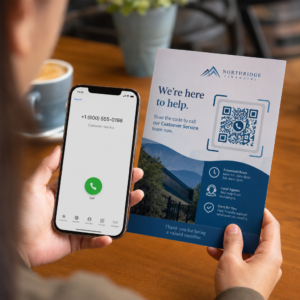
The practical advantages are straightforward. QR codes require no app download on the customer’s side – modern smartphones scan them natively through the camera app. They work on nearly any printed surface: business cards, table cards, product packaging, receipts, and window decals. And with a platform like Pageloot’s QR code generator, you can customize the design, add your logo, and track every scan from a single dashboard.
Dynamic QR codes are worth understanding from the start. Unlike static codes that permanently encode a destination, dynamic codes store a short redirect link. This means you can update where the code points – new menu, updated product page, seasonal promotion – without reprinting anything. For small businesses working with print budgets, this flexibility matters.
Choosing the Right QR Code Type for Your Use Case
Pageloot supports over 25 QR code types, but most small businesses will get the most value from a handful of core formats. Choosing the right type upfront prevents a mismatch between what the code delivers and what the customer expects.
URL QR codes are the most versatile option. They point to any webpage – your homepage, a product listing, a booking form, or a promotion landing page. Use a link QR code any time you want to drive traffic to a specific online destination.
vCard QR codes encode contact information directly. When a customer scans one, their phone prompts them to save your name, phone number, email, and website to their contacts – no typing required. This is ideal for service providers and freelancers who hand out business cards regularly. You can create one with the vCard QR code generator.
PDF QR codes let you attach documents – menus, price lists, catalogs, instructions – to a scannable code. When the customer scans, the file opens immediately in their browser. This is particularly useful for restaurants and service businesses that update their offerings frequently. See the PDF QR code generator for this use case.
Google Maps QR codes open your business location directly in the Maps app when scanned. Place these on your business card, storefront window, or any printed material where a new customer might need directions. The Google Maps QR code generator handles this in a few steps.
Google Review QR codes take customers directly to your Google review submission page. Placing one on a receipt, table card, or checkout counter removes the friction that usually stops satisfied customers from leaving a review. Use the Google Review QR code generator to set one up.
Three High-Impact Use Cases
Digital Menus for Restaurants and Cafés
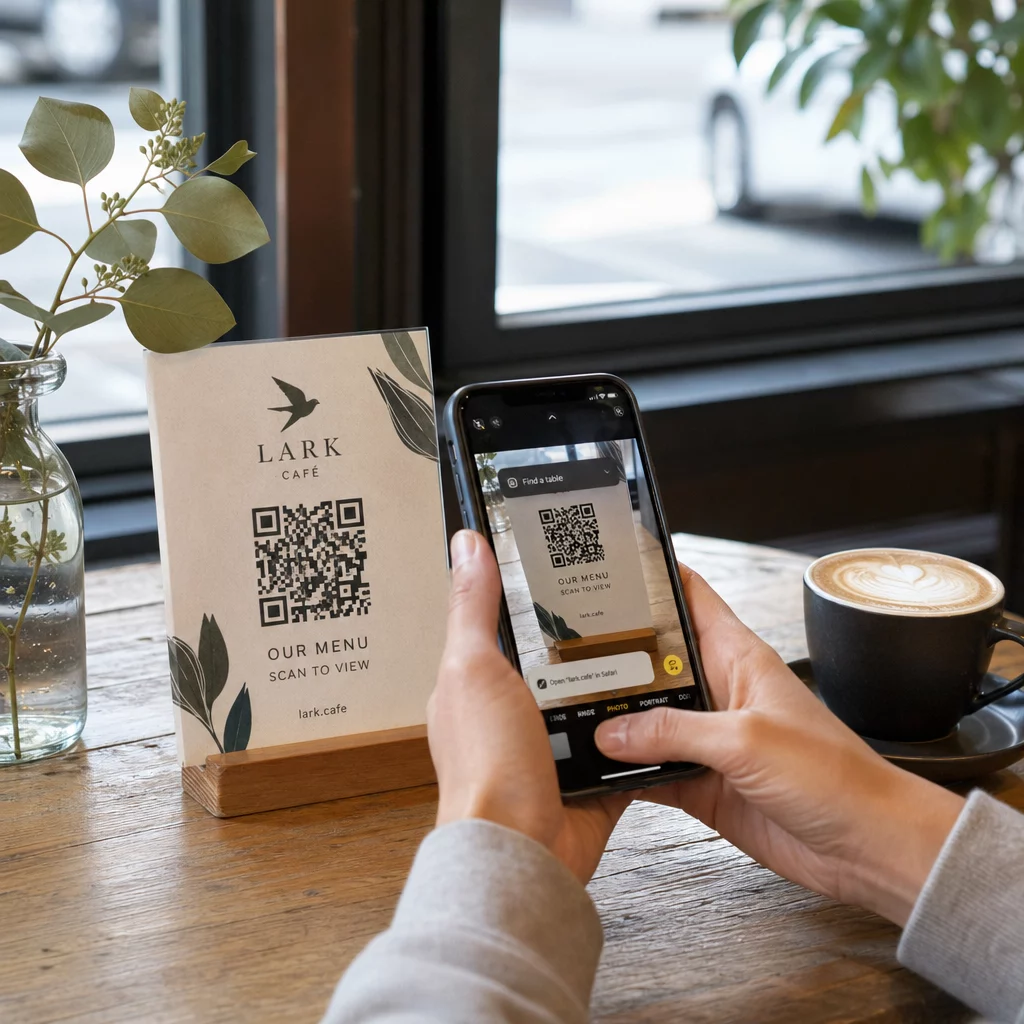
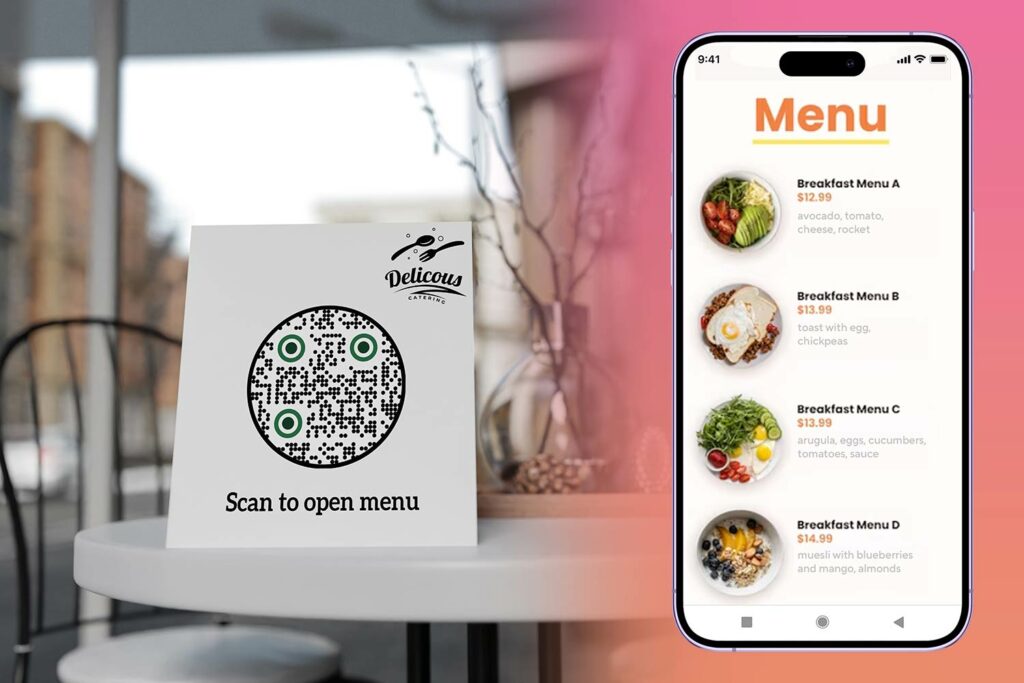
A QR code menu eliminates the need to reprint physical menus every time prices or items change. Upload your menu as a PDF or link to an online menu page, then place the QR code on table cards, the front door, or the hostess stand. With a dynamic code, updating the menu takes seconds – the code on the table stays exactly the same.
Follow the step-by-step guide to creating a QR code menu for format-specific recommendations.
Create a Menu QR Code in Minutes Upload your PDF menu or link to your online menu page and generate a customizable, trackable code. Use the Menu QR Code Generator to get started without any technical setup.
Business Cards with QR Codes
A QR code on a business card transforms a static handout into an interactive touchpoint. Instead of cramming every detail onto a small card, include a vCard QR code that saves your complete contact information with one scan, or a URL code that opens your portfolio, LinkedIn profile, or booking page.
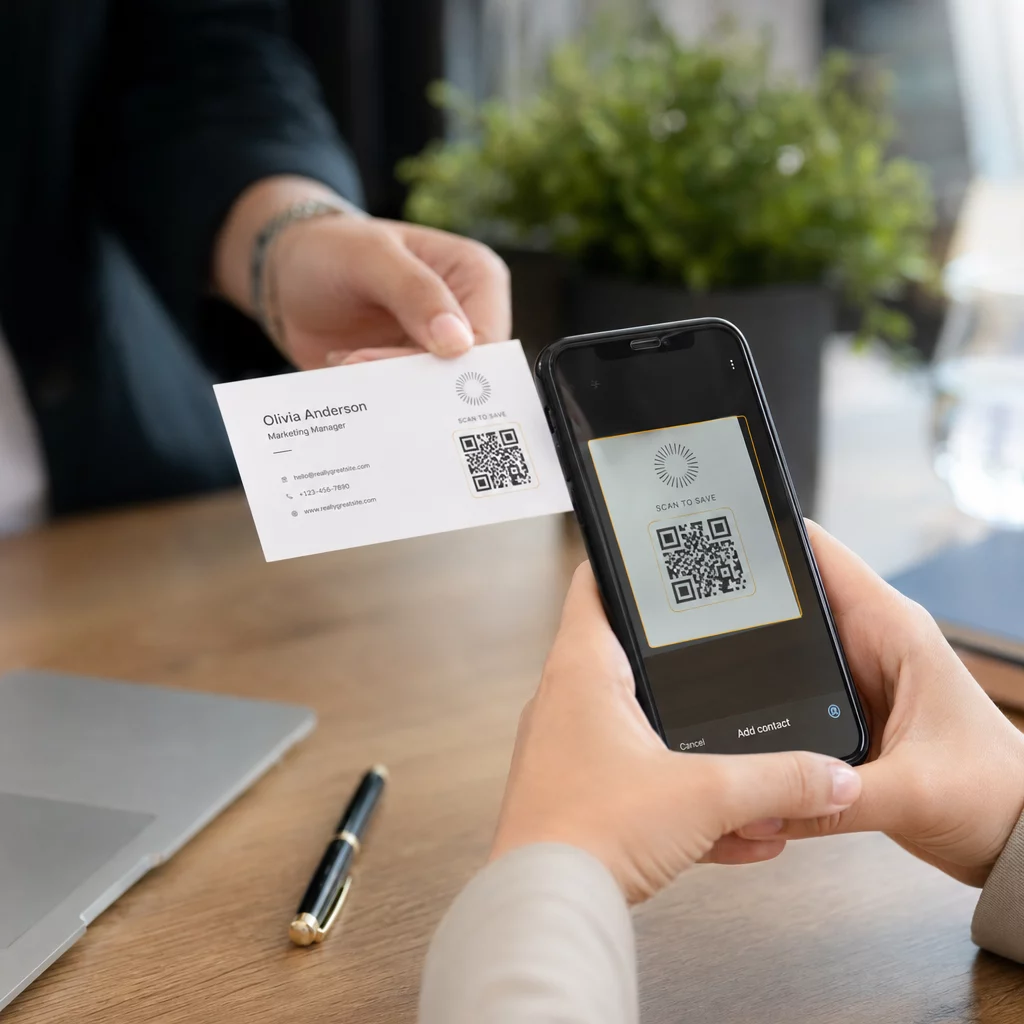
Keep the card uncluttered: your name, title, and key contact detail on one side, with the QR code given enough white space to scan reliably. Use a dynamic code so you can update the destination if your website or portfolio changes. The business card QR code guide covers design principles and technical choices in detail.
Customer Payments
QR code payments let customers complete a transaction by scanning a code linked to your PayPal, Stripe, or other payment checkout page. This works for in-person retail, market stalls, and service businesses that don’t want the overhead of a card terminal. Create a URL QR code pointing to your payment link, print it at checkout, and you’re ready to accept cashless payments.
Pageloot’s guide on how businesses use QR codes for peer payments explains the full setup and the security benefits for both you and your customers.
How to Create a Custom QR Code
The creation process is straightforward regardless of which type you choose:
- Select your QR code type in the QR code generator and enter the destination URL, contact details, or file
- Customize the design – add your logo, adjust colors to match your brand, and choose a frame style
- Set the error correction level to Q or H if you’re adding a logo, so the code remains scannable even with part of the pattern covered
- Download in a vector format (SVG or EPS) for print use, or PNG for digital materials
- Test the code on at least two different smartphones before printing
For logo-branded codes, Pageloot’s QR code generator with logo handles the error correction automatically and shows you a live preview.
Design and Placement Guidelines
A well-designed QR code does two things: it scans reliably and it looks intentional rather than tacked on. A few practical rules keep both goals in balance.
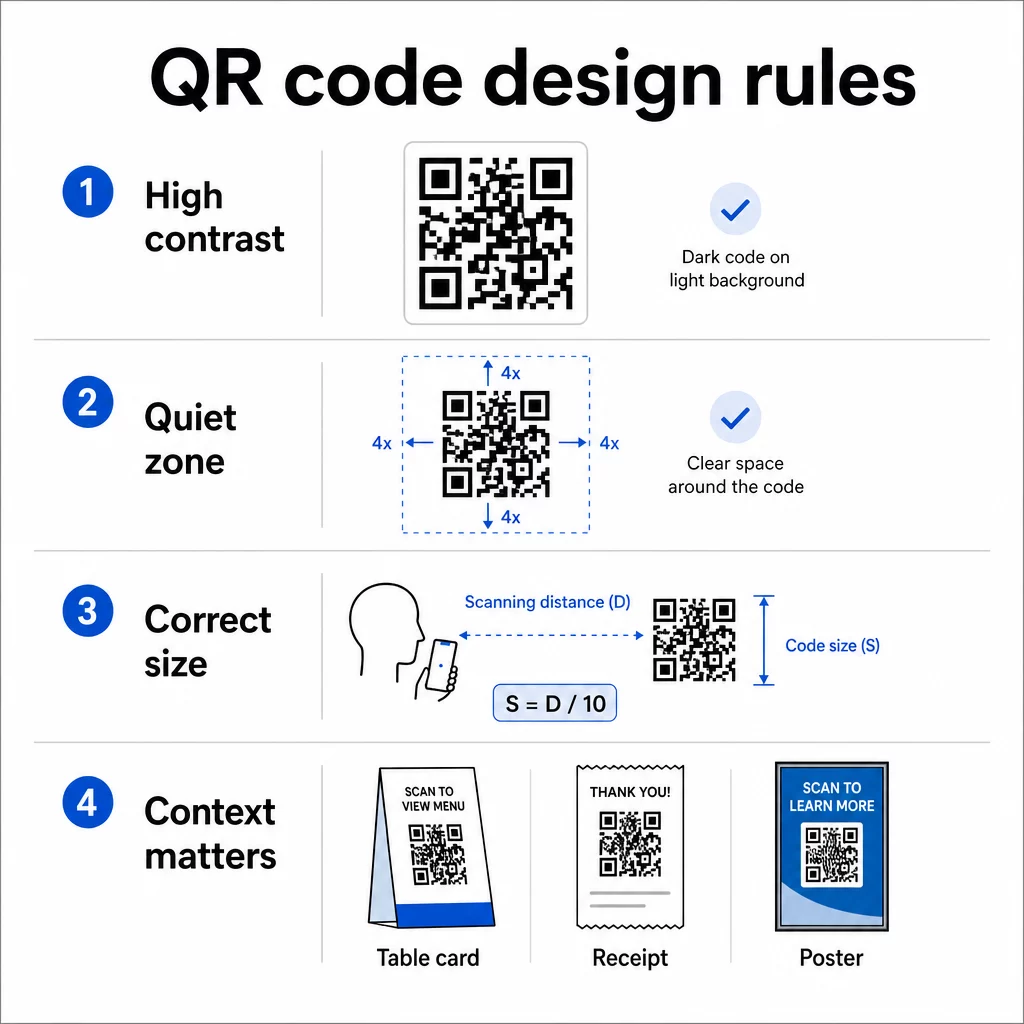
Contrast is the most important factor. Use a dark code pattern on a light background – a light background reflects more light back to the camera sensor, making the pattern easier to read. Avoid inverting the colors or using a dark background, as this consistently causes scanning failures.
Maintain a quiet zone. The quiet zone is the clear border surrounding the QR code pattern. It needs to be at least four module widths on all sides – a module being one of the small squares that make up the code. Without adequate quiet zone, scanner apps struggle to locate the code boundary.
Size for the scanning distance. A practical rule: for every 10 inches of expected scanning distance, the code should be at least 1 inch wide. Business card codes scanned up close can be as small as 0.8 × 0.8 inches. Codes on a poster or sign viewed from several feet away need to be proportionally larger.
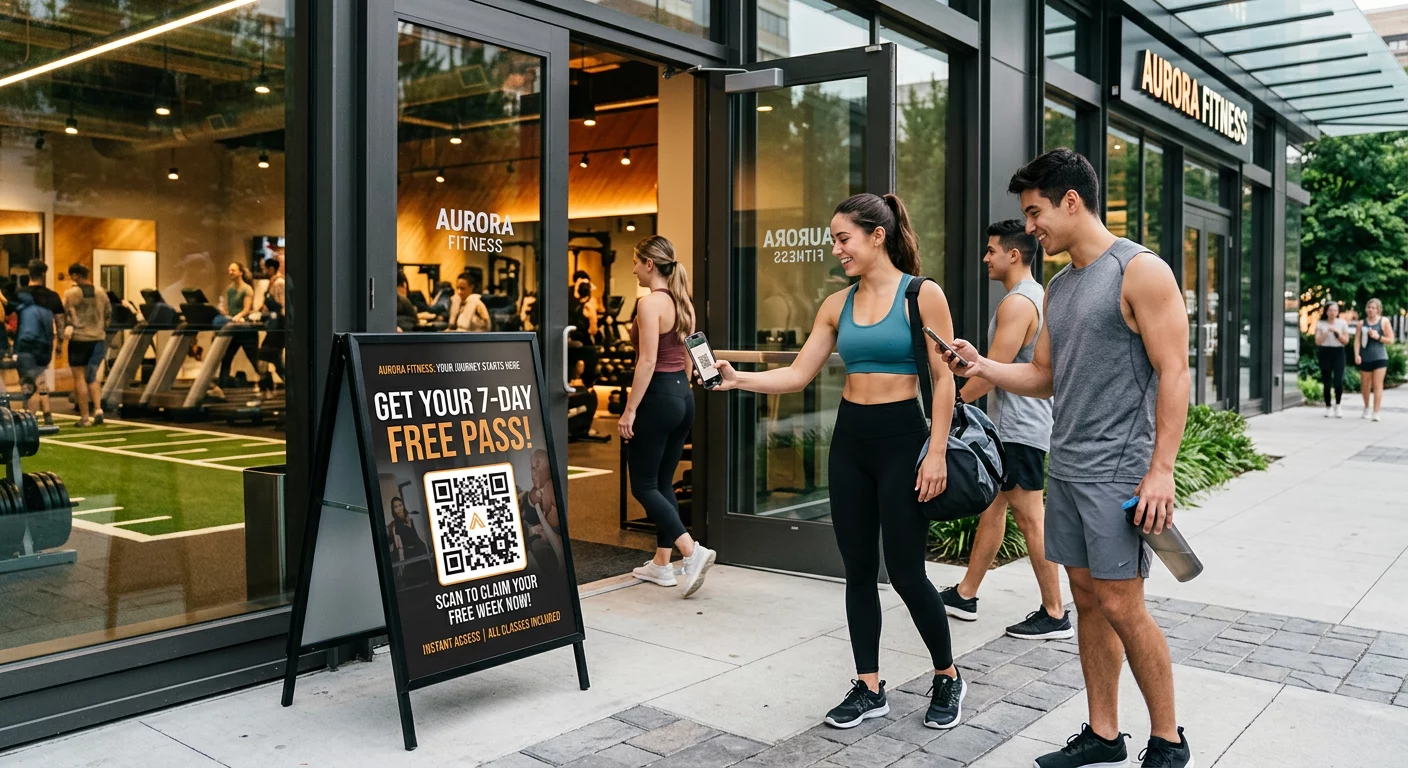
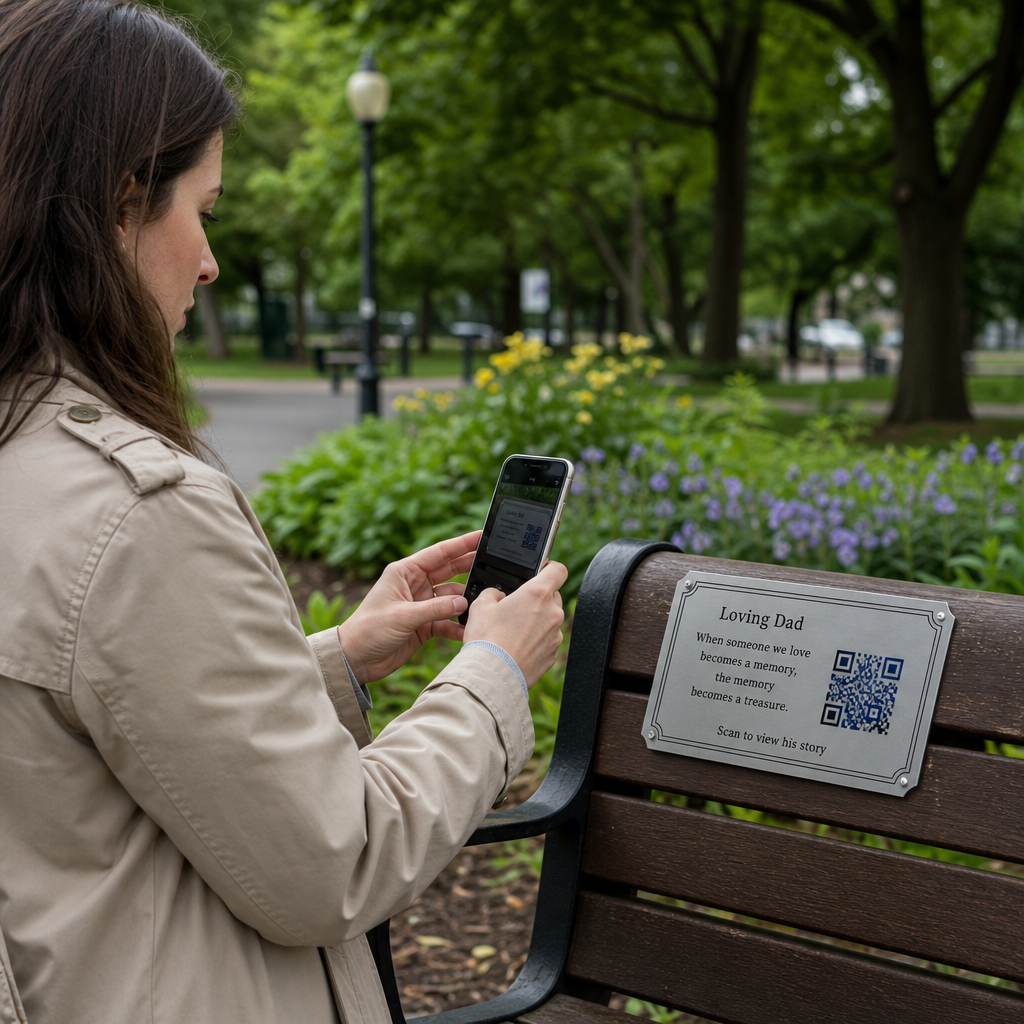
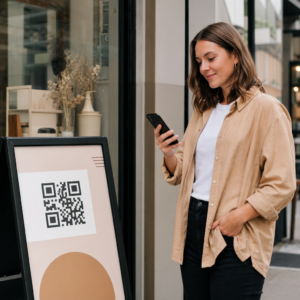
Place codes where they make contextual sense. A table card in a restaurant naturally prompts a menu scan. A code on a receipt makes sense for a review or discount. Codes placed in low-traffic spots or at awkward heights rarely get scanned. For detailed placement and readability guidance, see QR code best practices for readability and QR code usability best practices.
Tracking and Updating Your Codes
One of the most overlooked advantages of using a QR code platform is the analytics. With dynamic codes on Pageloot, you can see how many times each code was scanned, when scans occurred, and which locations or materials are performing best. This data helps you decide where to place future codes and which linked content is actually driving engagement.
When something changes – new menu, updated contact info, different payment link – you update the destination in your dashboard. The printed code stays in service.
Track Every Scan from One Dashboard See which QR codes are getting scans, when, and where – without reprinting a thing. Use the Pageloot QR Code Generator to create dynamic codes with built-in analytics and start measuring what’s working.
For a full marketing checklist covering goals, code types, branding, and placement strategy, the QR code marketing checklist for small businesses is a useful companion resource.
Frequently Asked Questions
No. Platforms like Pageloot guide you through each step – choose a type, enter your content, customize the design, and download. No coding or design experience is required.
A static QR code permanently encodes its destination. A dynamic QR code stores a short redirect link, so you can change where it points at any time without reprinting the code. Dynamic codes also provide scan analytics.
Place them where they match customer intent: table cards and menus for restaurants, business cards and badges for networking, receipts and checkout counters for reviews and payments, and product packaging for instructions or promotions.