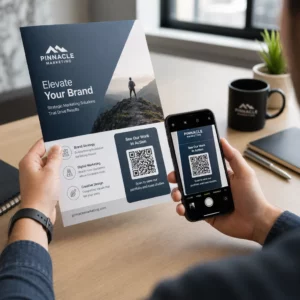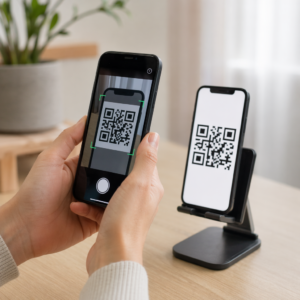
Are you looking for a faster way to connect your physical audience with your TikTok videos or profile? Manually searching for usernames is a friction point that causes you to lose potential followers and viral engagement. This guide explains how to generate and customize high-performing TikTok QR codes that instantly bridge the gap between your physical and digital presence.
Why Custom TikTok QR Codes Outperform Standard Options
Standard black-and-white QR codes often fail to grab attention in a crowded marketing environment. While the TikTok app provides a basic code for every user, professional marketers use external tools to create branded versions that drive higher interaction rates. Research indicates that using custom colors with high contrast can increase engagement by up to 18%. By moving beyond the default app settings, you can align the code with your brand’s visual identity and build immediate trust with your audience.
Using a social media QR code generator allows you to consolidate your online presence. Instead of just linking to a single video, you can create a landing page that captures all your social platforms, making it easier for fans to find you across the web. This professional approach transforms a simple utility into a powerful branding asset that works on product packaging, event signage, and business cards.
Steps to Create a Professional TikTok QR Code
Generating a custom code for your TikTok content is a straightforward process that takes only a few seconds. To begin, you need the URL of your TikTok profile or the specific video you wish to promote. Once you have the link, you can use a link QR code generator to transform that digital address into a scannable pattern.
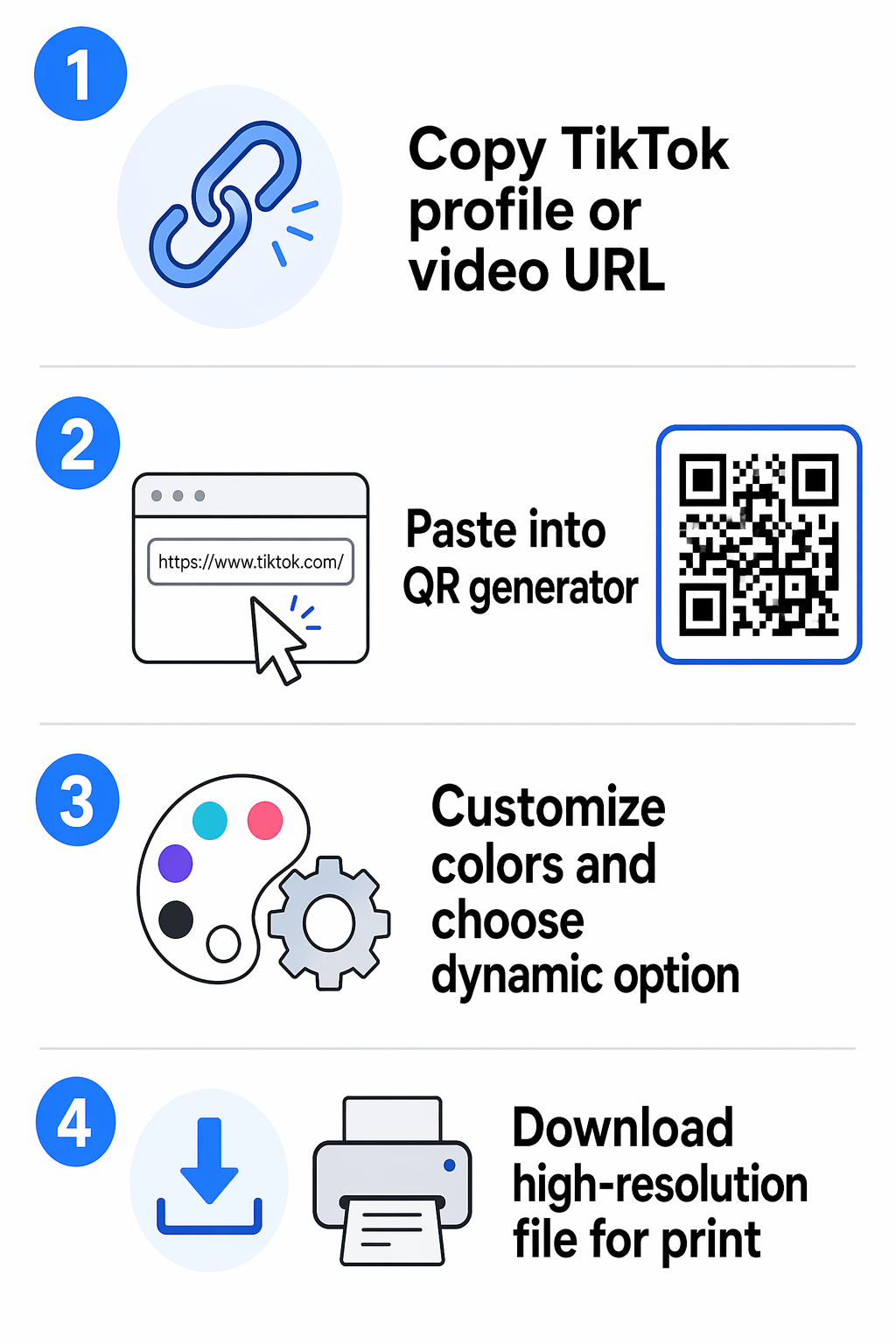
- Copy the direct URL of your TikTok profile or video from the app or a web browser.
- Paste the link into the generator tool and select the dynamic option if you want to track scans.
- Modify the design by choosing colors that match your brand while maintaining high visibility.
- Download the final file in a high-resolution format to ensure it remains scannable when printed.
When preparing your files for professional printing, always choose vector formats like SVG or EPS. These formats allow you to scale the code to any size without losing the sharp edges required for a successful scan. Testing the code on multiple devices before finalizing your print run is a critical step to ensure compatibility across various smartphone cameras.
Create Your TikTok QR Code in Seconds Want to turn your profile into a scannable masterpiece with custom colors and logos? Use the QR Code Generator to design and download your high-resolution TikTok code today.
Enhancing Visibility with Branding and Logos
A QR code with a logo in the center is significantly more eye-catching, helping customers find it among other designs on a busy poster or package. Adding a logo through the QR code generator with logo ensures that the code serves as a brand representative even before it is scanned. To maintain scannability, your logo should take up no more than 25% to 30% of the code’s total area, and you must avoid obstructing the three corner squares known as position markers.
Color choice is equally important for functionality. Scanners rely on distinct contrast to read the data modules, so you should always prioritize dark patterns on light backgrounds. For the best results, aim for a contrast ratio of at least 4.5:1. Following QR code color contrast best practices helps you avoid common pitfalls like using light gray or yellow, which can render the code unreadable under certain lighting conditions.
Why Marketers Prefer Dynamic QR Codes
Dynamic QR codes provide a level of flexibility that static codes cannot match. With a dynamic QR code generator, you can change the destination URL at any time without having to reprint your marketing materials. This is particularly useful if you want to redirect traffic from an old viral video to your newest upload or a seasonal promotional campaign.
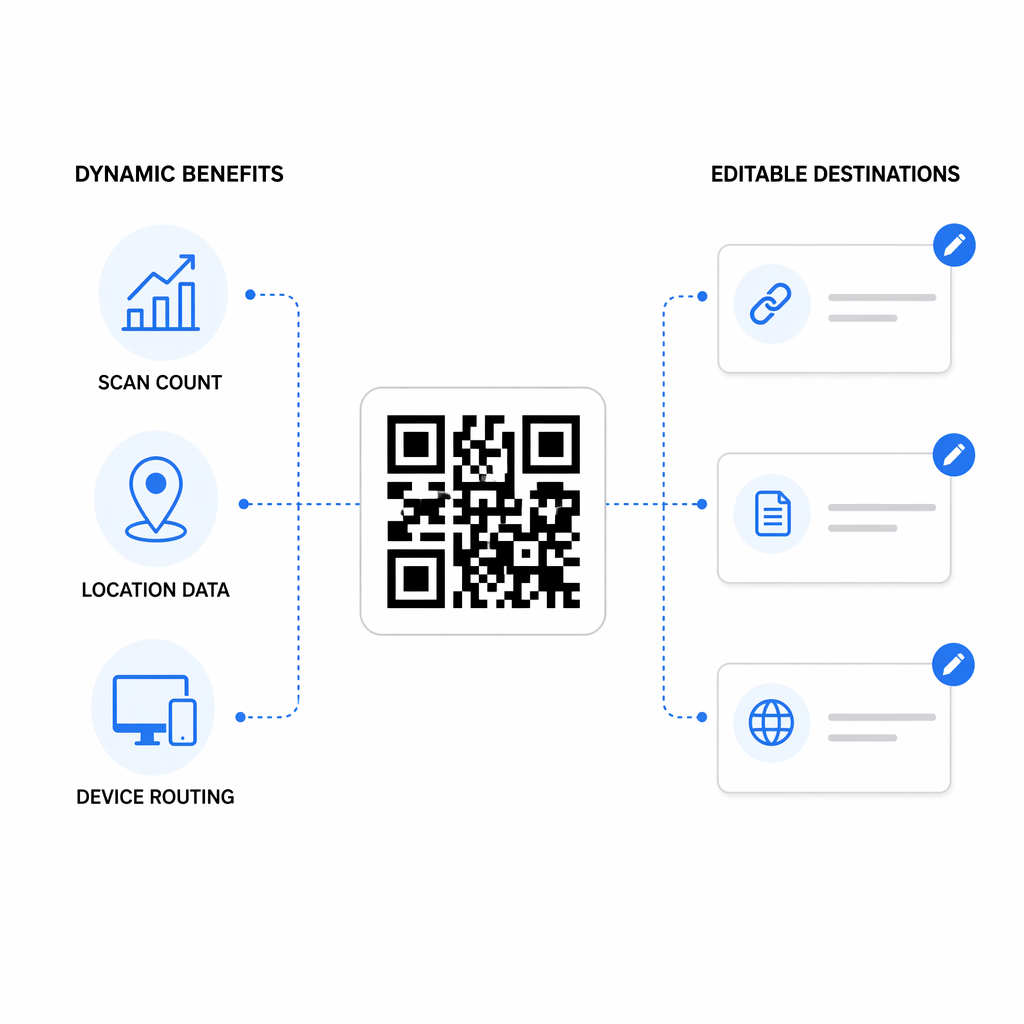
- Update your linked content instantly from a centralized dashboard.
- Access real-time analytics to see exactly where and when your audience is scanning.
- Use smart redirection to send users to different landing pages based on their device type or location.
- Reduce long-term costs by eliminating the need for expensive reprints when links change.
Beyond simple redirection, dynamic codes offer detailed insights into campaign performance. You can monitor scan counts and geographic data to determine which physical locations or marketing channels are driving the most TikTok engagement. This data-driven approach allows you to optimize your strategy and prove the return on investment for your physical marketing assets.
Managing TikTok QR Codes within the App
While third-party generators offer more customization, the TikTok app includes built-in features for quick sharing. You can find your unique code by navigating to your profile and tapping the QR icon in the top right corner. From this screen, you can save the image directly to your gallery or show it to someone in person for an immediate follow.
Scanning a code is just as simple. You can use the QR code scanner within the TikTok search function to find new friends or interact with brands. If you have saved a QR code as an image, you can also upload it directly from your phone’s gallery into the app’s scanner to decode the information instantly.
To ensure your printed codes always work, follow best practices for QR code readability regarding size and placement. For a standard viewing distance, a code should be at least 1 x 1 inch on marketing materials. If the code is placed on a poster meant to be scanned from several feet away, you should follow the 10:1 ratio, meaning the code should be 1 inch wide for every 10 inches of scanning distance.
Before sharing a TikTok profile or video through a QR code, a TikTok viewer can be used to preview public content without logging in.
Frequently Asked Questions
Yes, if you use a dynamic QR code generator, you can update the destination URL at any time through your dashboard without changing the printed pattern.
You must maintain high contrast by using a light-colored quiet zone or border around the code and ensuring the data modules are significantly darker than the background.
You should use vector formats such as SVG, EPS, or PDF to ensure the code remains sharp and scannable when scaled up to large dimensions.