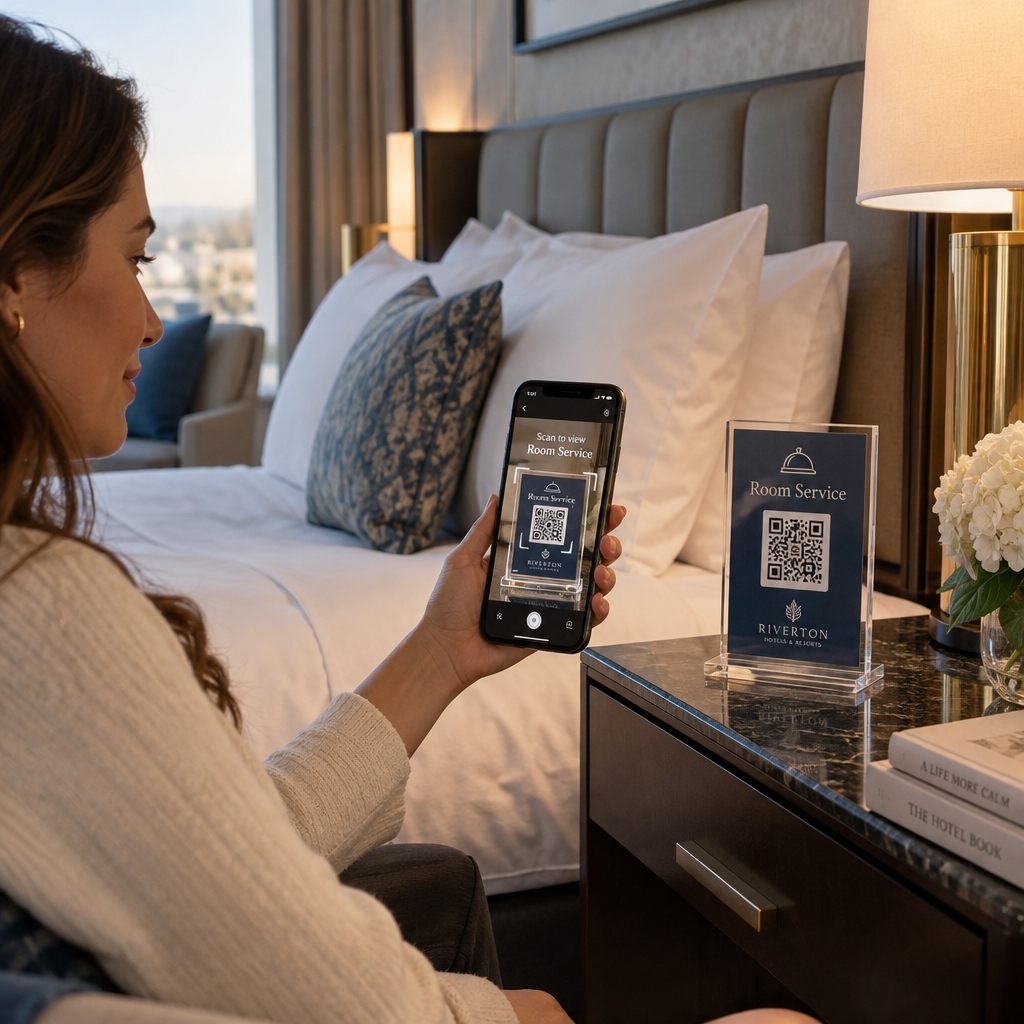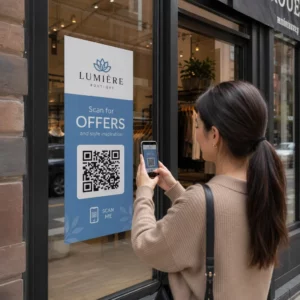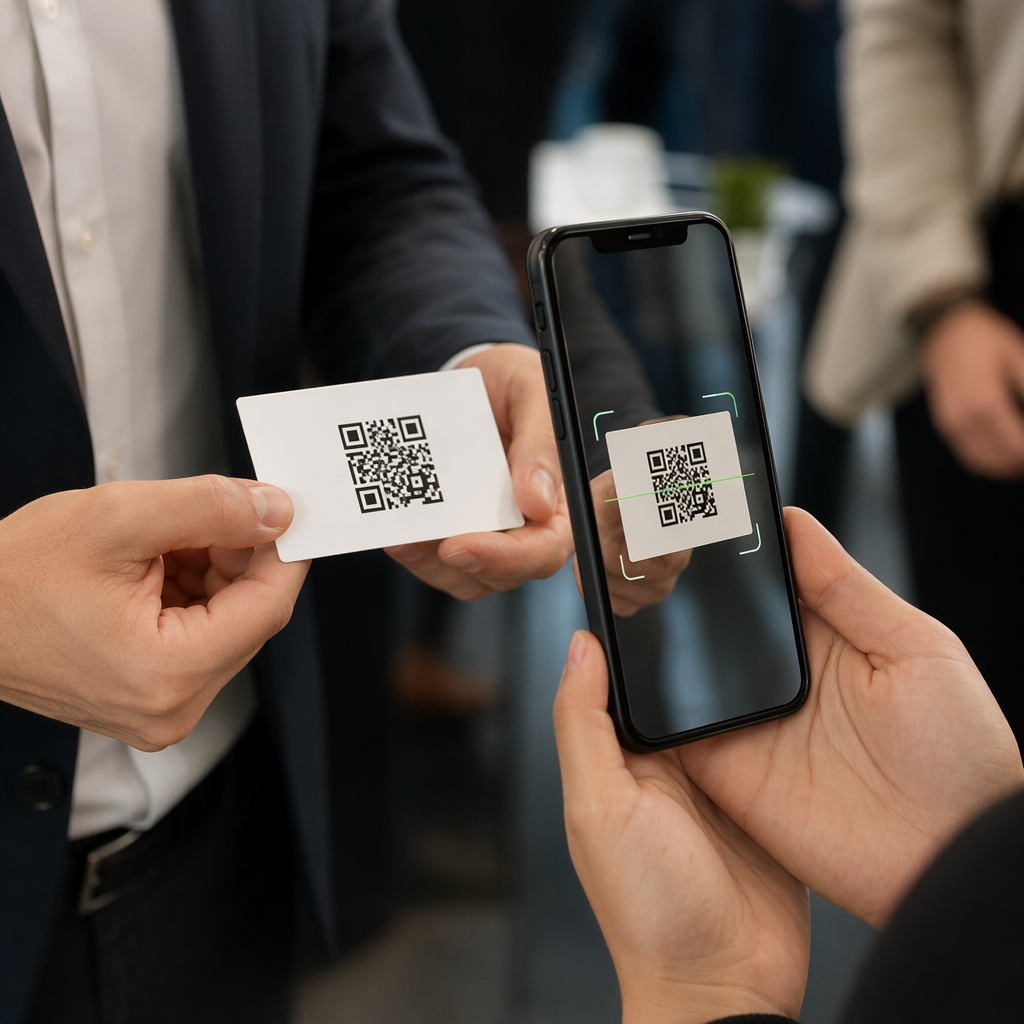
Are you struggling to fit your digital portfolios, social links, and contact details onto a standard business card? Overcrowding a small card with text often results in a cluttered design that looks unprofessional and is difficult to read. Integrating a QR code provides a clean, modern solution that connects your physical networking materials directly to your online presence.
Selecting the Right QR Code Size and Resolution
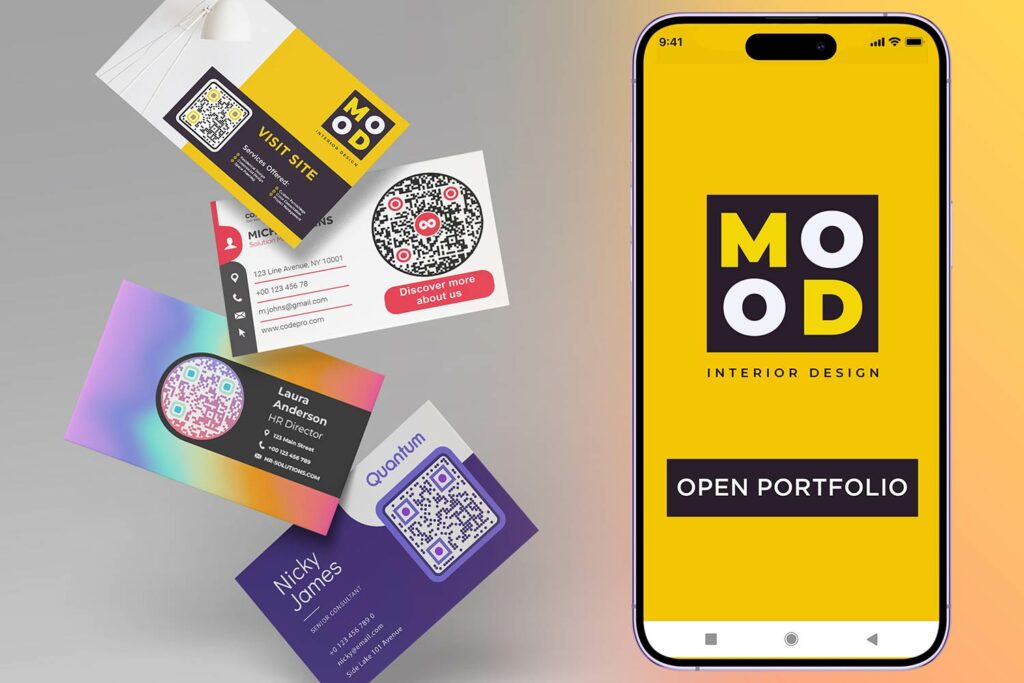
The effectiveness of a QR code on a business card depends heavily on its physical dimensions and the quality of the print. If a code is too small, the camera on a smartphone may struggle to distinguish between the individual data modules, leading to scan failures. For most printed business cards, a size of 0.8 x 0.8 inches (2 x 2 cm) is the recommended minimum to ensure a reliable scanning experience.
When the information encoded in the QR code is complex, such as a full vCard with multiple phone numbers and addresses, the pattern becomes denser. Denser patterns require more space to remain legible. To keep the design simple and easy to scan, many professionals prefer using a link QR code generator to point toward a single URL or a digital profile instead of embedding raw text.
To prevent blurriness or “pixelation” during the printing process, you should always use high-resolution vector formats like SVG, EPS, or PDF. These formats allow you to scale the code to any size without losing sharpness, which is essential for maintaining QR code readability on small materials like business cards.
Prioritizing Contrast and Readability
Scanners identify QR codes by detecting the difference in light reflection between the dark modules and the light background. If the contrast is too low, the scanner may fail to “see” the code entirely. Maintaining a high contrast ratio – ideally 4:1 or higher – is the foundation of a functional design. While you can customize colors to match your brand, the safest and most reliable combination remains black modules on a white background.
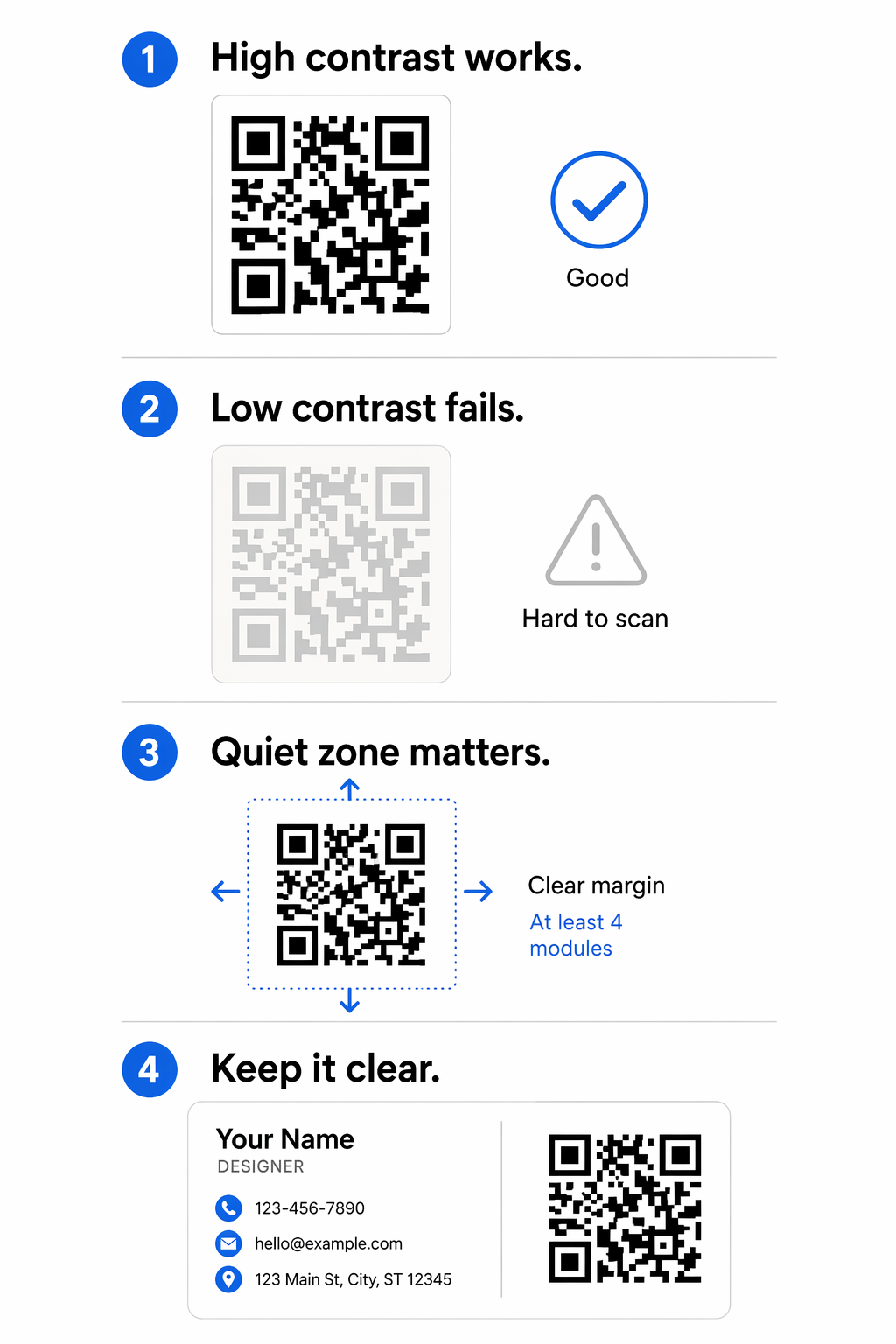
Beyond color choice, the “quiet zone” is a critical technical requirement for scannability. This is the blank border that surrounds the QR code, separating it from other design elements like text or logos. According to international standards, this border should be at least four modules wide on all sides. Without this buffer, a smartphone camera might confuse the edge of the QR code with nearby graphics, causing the scan to fail. You can find more detailed tips in this guide on QR code color contrast best practices.
Designing with Logos and Error Correction
Many businesses choose to place a brand logo in the center of their QR code to increase trust and brand recognition. While this is an effective branding strategy, it essentially “damages” a portion of the data modules. To compensate for this, you must use a higher level of error correction, such as Level Q (25% recovery) or Level H (30% recovery). These settings allow the code to remain functional even if a significant portion of it is obscured by an image.
When integrating a logo, keep it modest in size, ideally occupying no more than 25% to 30% of the total QR code area. A logo that is too large will overwrite too much data, rendering the code unscannable regardless of the error correction level. For a successful result, you should follow specific steps on how to add logos to QR codes to ensure the design remains balanced and functional.
Choosing Materials and Printing Techniques
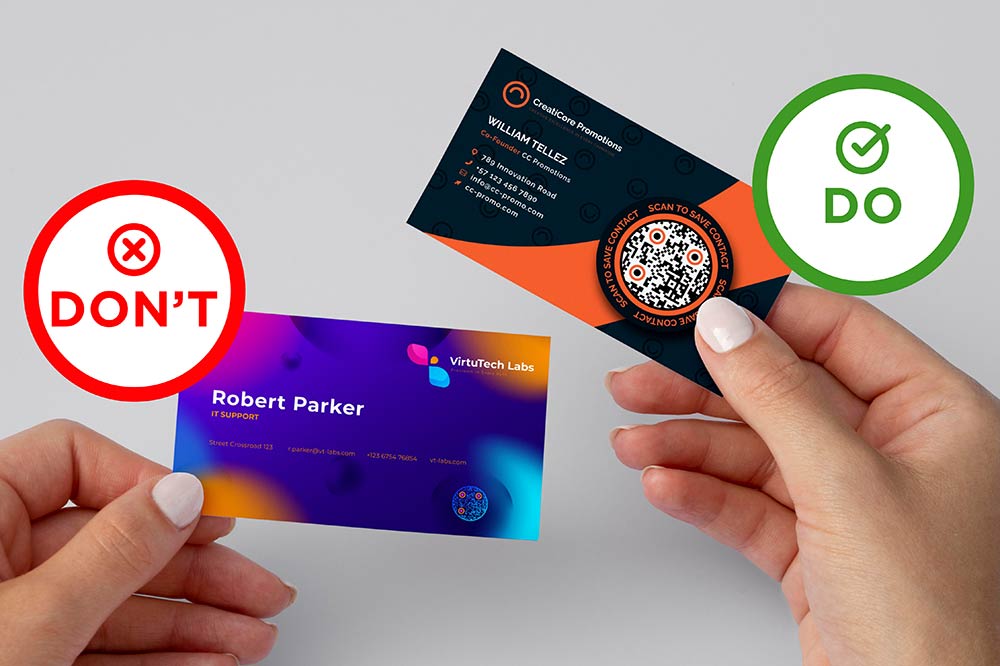
The material of your business card can impact how a camera perceives the QR code modules. Glossy, shiny, or metallic finishes often create glare and reflections that confuse scanners by washing out the contrast. Matte finishes are generally preferred because they provide a non-reflective surface that allows for a crisp, clear scan in various lighting conditions.
The texture of the card also matters. Highly textured or porous papers can cause ink to bleed, which blurs the edges of the modules. If you are using non-traditional materials like wood, fabric, or plastic, you may need to increase the size of the QR code by 25% to 50% to maintain clarity. Understanding how printing techniques impact scannability will help you choose the right combination of ink and substrate for your project.
Create Your Digital Business Card in Seconds Ready to modernize your networking? Use the Business Card QR Code Generator to create a customized vCard that your contacts can save instantly to their phones.
Tracking Engagement with Dynamic QR Codes
One of the most significant advantages of modern networking is the ability to measure the impact of your physical business cards. By using a dynamic QR code generator, you can track real-time analytics such as the number of scans, the time of the scan, and the geographic location of the user. This data provides valuable insights into which networking events or regions are generating the most engagement for your brand.
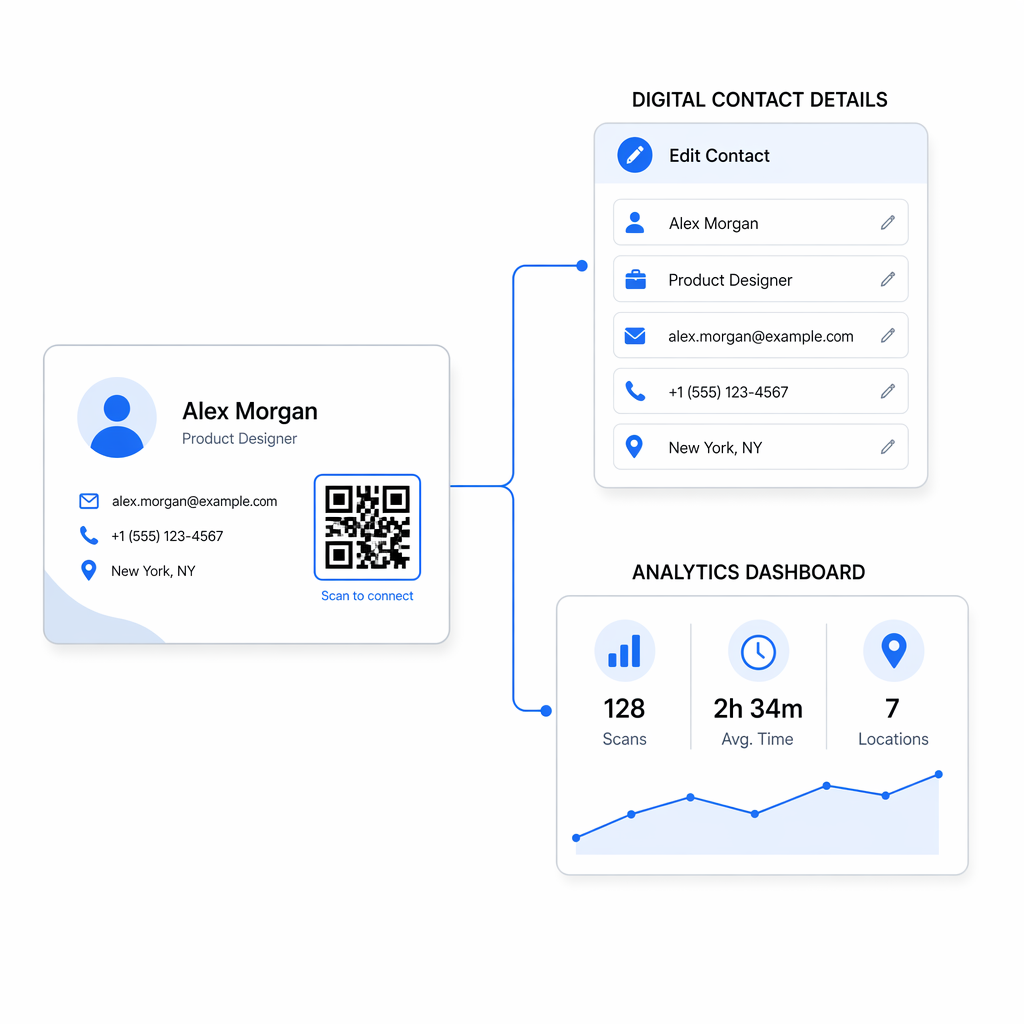
Dynamic codes also offer unmatched flexibility because the destination URL can be changed even after the cards have been printed. If you change your phone number, website, or social media handles, you can simply update the link in your dashboard without needing to order a fresh batch of cards. This makes the vCard QR code a long-term asset that grows alongside your career.
Frequently Asked Questions
For reliable scanning on most smartphones, a QR code should be at least 0.8 x 0.8 inches (2 x 2 cm). If your design uses complex data or a high-density pattern, you may need to increase this size to ensure the camera can resolve the individual modules.
It is highly recommended to use dark colors on a light background. Scanners rely on high contrast to distinguish the pattern. Light-colored modules on a white background, or inverted designs (light on dark), often fail to scan under typical office or event lighting.
Dynamic QR codes allow you to edit the destination link at any time without reprinting your cards. They also provide detailed scan analytics, helping you track how many people are interacting with your card and where those interactions are happening.