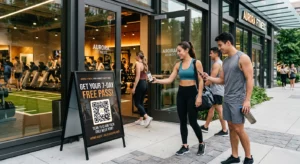
Are you struggling to keep your gym members engaged after their initial sign-up? When members feel disconnected or confused by complex equipment, they are more likely to cancel their subscriptions and seek alternatives. Implementing QR codes across your facility bridges the gap between physical equipment and digital support to improve retention and streamline operations.
Enhancing the Member Onboarding Experience
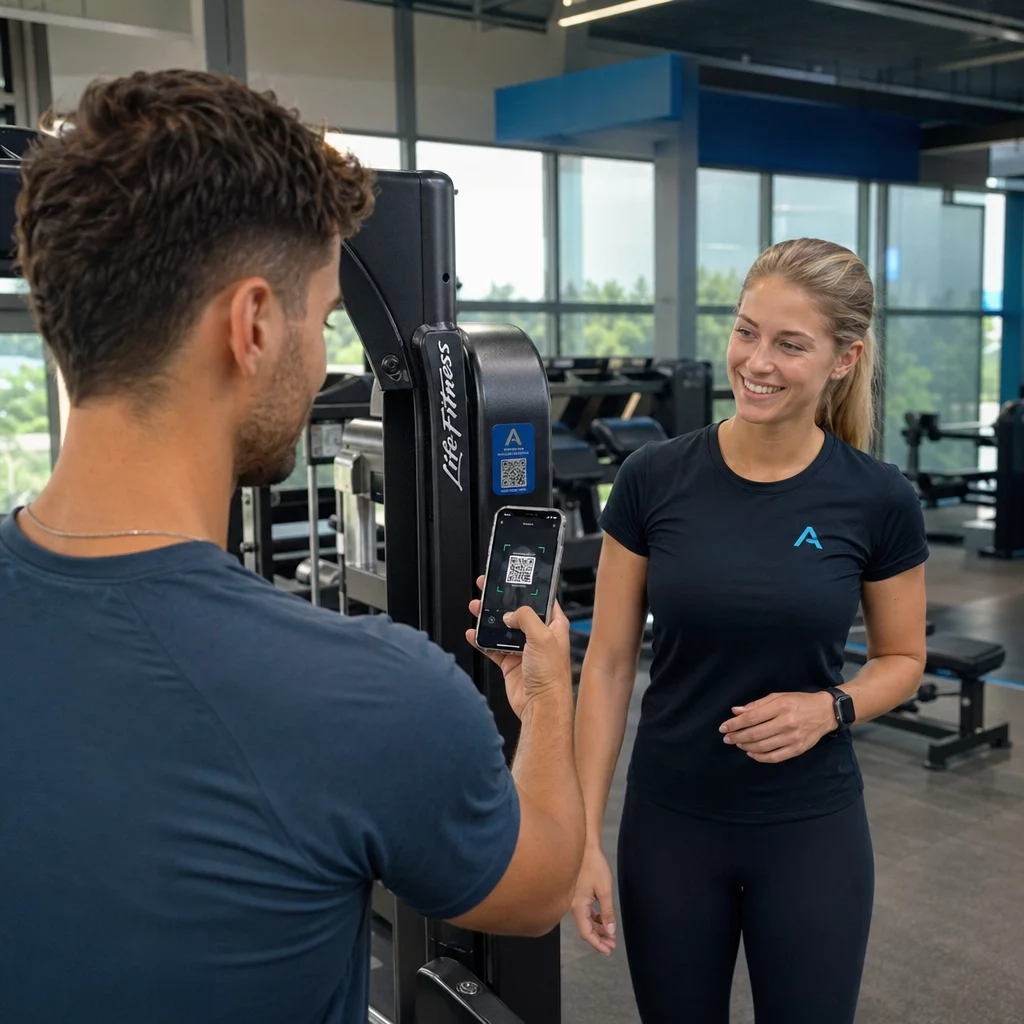
One of the greatest hurdles for new gym members is “gym intimidation,” often caused by a lack of knowledge on how to use specific machines. You can solve this by placing a fitness QR code on each piece of equipment. When scanned, these codes can launch instructional videos or infographics that demonstrate proper form and safety. This acts as a virtual personal trainer, reducing the risk of injury and helping members feel confident from day one.
Beyond equipment tutorials, you can automate your entire onboarding flow. Instead of handing out thick paper packets that get lost, provide a single PDF QR code that contains the gym’s code of conduct, class schedules, and starter workout plans. Since approximately 91% of U.S. adults own a smartphone, providing digital access ensures that your members always have their resources available in their pockets. Using dynamic QR codes is particularly effective here because you can update the linked schedule or PDF at any time without needing to reprint the physical labels in your facility.
Update Your Content Without Reprinting Need to change a workout video or update your gym’s schedule? Use the Dynamic QR Code Generator to edit your destination links in real-time while keeping the same printed code.
Streamlining Facility Operations and Access
Operational efficiency is the backbone of a successful wellness center. You can replace traditional sign-in sheets or expensive key fobs with a secure link-to-QR-code for member check-ins. Members simply scan a code at the front desk to log their attendance. This data is not only easier to manage than paper logs but also provides you with real-time analytics on peak hours and facility usage.
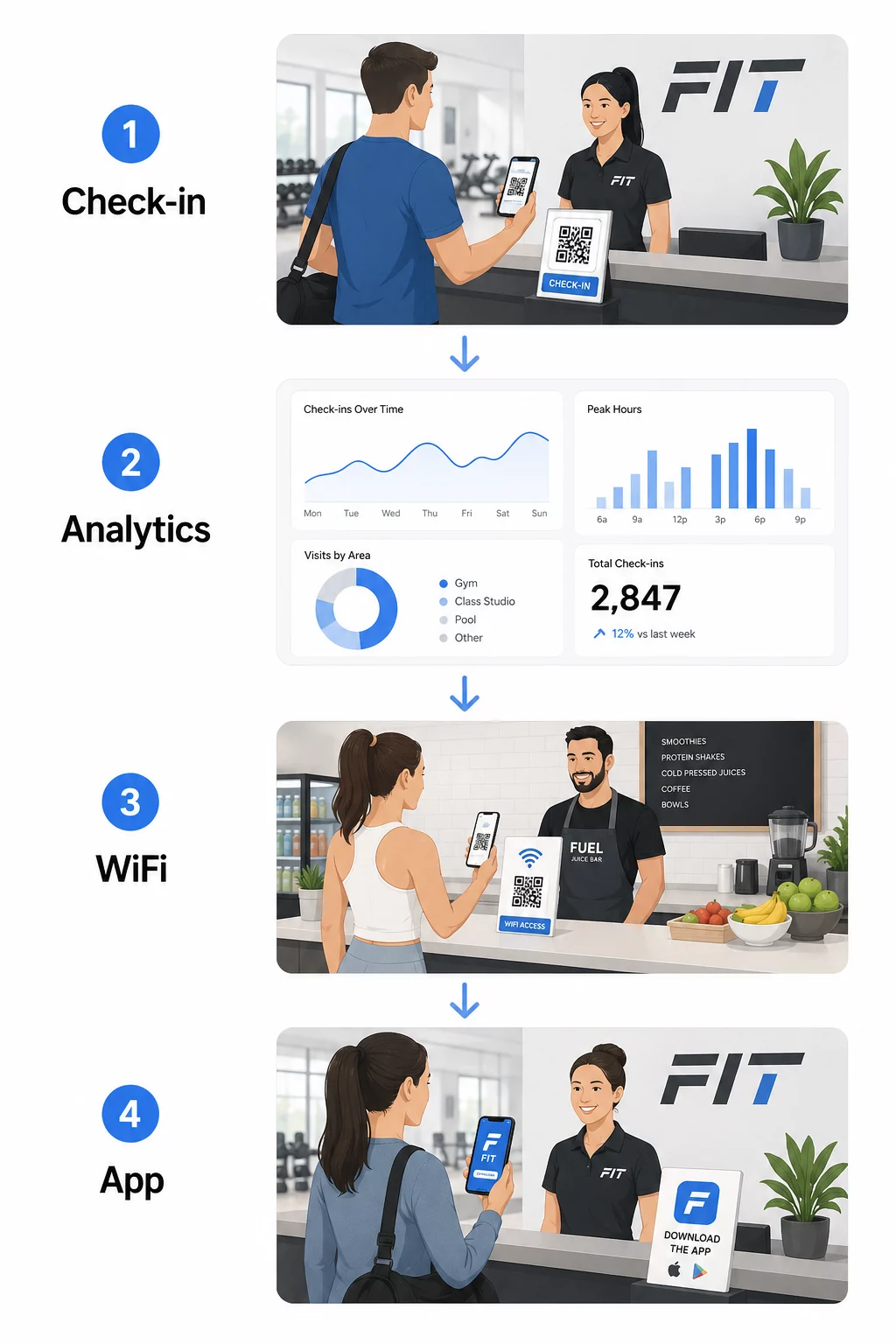
Providing amenities like guest internet access can also be simplified. Typing in complex passwords is a common friction point for members. By displaying a WiFi QR code on walls or at the juice bar, guests can connect to WiFi instantly with a single scan. Similarly, if your gym has its own mobile app for booking classes, you can place a code on your reception desk that allows members to download the app directly from the App Store or Google Play.
Driving Reviews and Marketing Performance
Marketing for fitness businesses relies heavily on social proof and local visibility. To boost your search ranking, place a Google Review QR code generator output in high-traffic areas like locker rooms or exits. Encouraging members to leave feedback immediately after a great workout can significantly increase your volume of positive reviews. To gather more detailed insights, a Google Form QR code can be used to distribute member satisfaction surveys or internal feedback forms.
For external marketing, posters featuring a Google Maps QR code make it easy for potential leads to find your exact location. You can also use how QR codes boost gym marketing strategies by including codes on direct mail flyers that offer a free trial. Linking these to an instant sign-up page removes the friction of manual URL entry, leading to higher conversion rates for your local campaigns.
Design and Readability Best Practices
For QR codes to be effective in a gym environment, they must be easily scannable under various lighting conditions. You should prioritize QR code color contrast by using dark patterns on light backgrounds. Darker colors absorb more light, while lighter backgrounds reflect it, making it easier for a phone’s camera to distinguish the pattern. Aim for a contrast ratio of at least 4.5:1 to ensure accessibility for all members.
Size and placement are equally critical for QR code readability. A general rule of thumb is a 10:1 ratio; for every 10 inches of distance from the scanner, the code should be at least 1 inch wide. In a gym, where members might scan from a distance while on a machine, larger codes are often necessary.
- Maintain a clear “quiet zone” or white border around the code to prevent interference from surrounding text.
- Use high-resolution vector formats like SVG or EPS for printing to prevent blurriness.
- Avoid placing codes on curved or highly reflective surfaces, as glare from overhead gym lights can prevent a successful scan.
- Add a clear call-to-action (CTA) near the code so members know exactly what they will get, such as “Scan for Tutorial.”
Create Branded QR Codes for Your Studio Want to increase trust and brand recognition? Use the QR Code Generator with Logo to incorporate your gym’s branding directly into the code design.
Frequently Asked Questions
No. Most modern smartphones have native QR code scanning built directly into the camera app. Users simply point their camera at the code to receive a notification to open the link.
Yes, if you use dynamic QR codes. These tools provide an analytics dashboard that shows the number of scans, the time of day, and even the type of device used, allowing you to measure the engagement of different facility areas.
If you use a static QR code, the link is permanent and cannot be changed. However, dynamic QR codes allow you to update the destination URL at any time without having to replace the physical stickers or signs in your gym.
By integrating these digital touchpoints, you transform your fitness facility into a modern, interactive environment. Whether you are automating the check-in process, providing instant equipment tutorials, or driving local SEO through reviews, QR codes offer a low-cost, high-impact solution for wellness business owners. Start by identifying the areas in your facility where members most frequently ask for information and replace those hurdles with a simple, scannable solution.