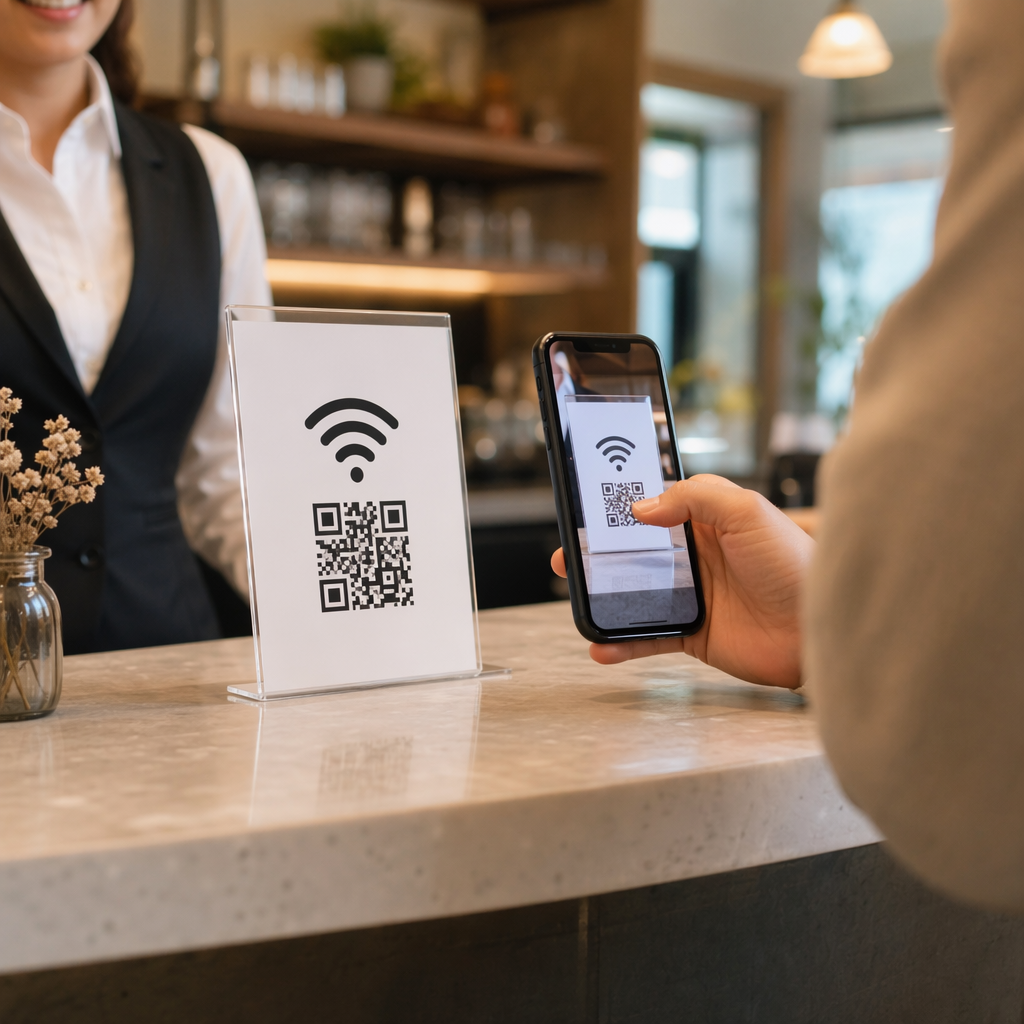
Are you tired of guests and customers struggling to type long, complex Wi-Fi passwords? Manually entering network credentials is a slow process that often leads to typos and connection errors. Creating a Wi-Fi QR code solves this by allowing anyone to scan and join your network instantly.
The Benefit of Instant Network Access
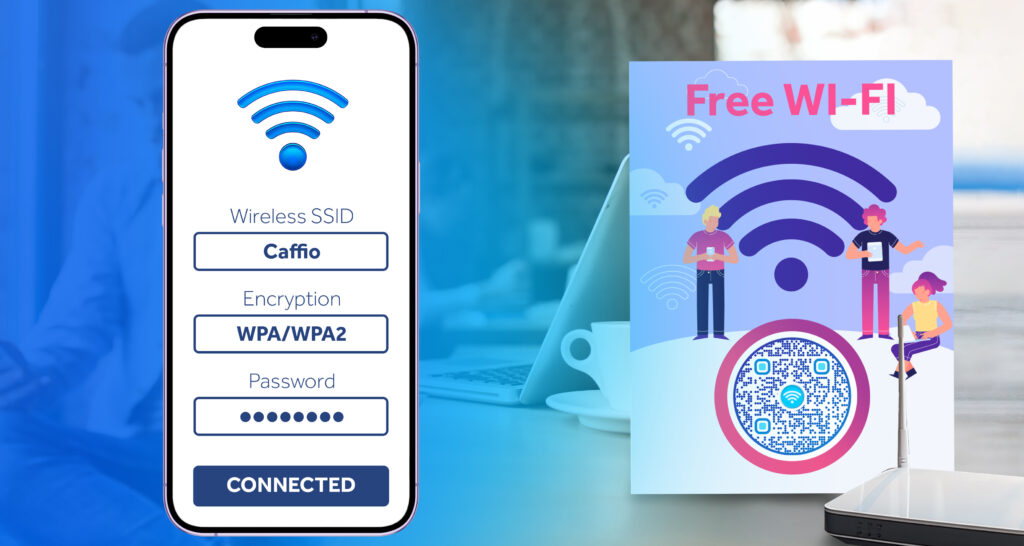
Sharing Wi-Fi passwords through traditional methods is often cumbersome and poses a security risk when credentials are written on scraps of paper or shared aloud. A QR code acts as a digital shortcut, containing the Service Set Identifier (SSID) and password within a scannable pattern. This method is particularly effective for businesses in the hospitality industry, where speed and convenience directly impact customer satisfaction.
When you use a Wi-Fi QR code generator, you remove the friction of manual entry. Instead of searching for a network name and carefully inputting characters, a user simply points their device at the code. This technology is highly accessible because most modern smartphones have built-in scanning capabilities, making it an ideal solution for cafes, hotels, and office reception areas.
How to Generate Your Wi-Fi QR Code
Creating a custom network code is a straightforward process that requires only your basic network details. You will need to provide the SSID, which is the public name of your Wi-Fi, along with the network password and the specific security type used by your router. Most modern routers use WPA or WPA2 encryption, though some older systems may use WEP.
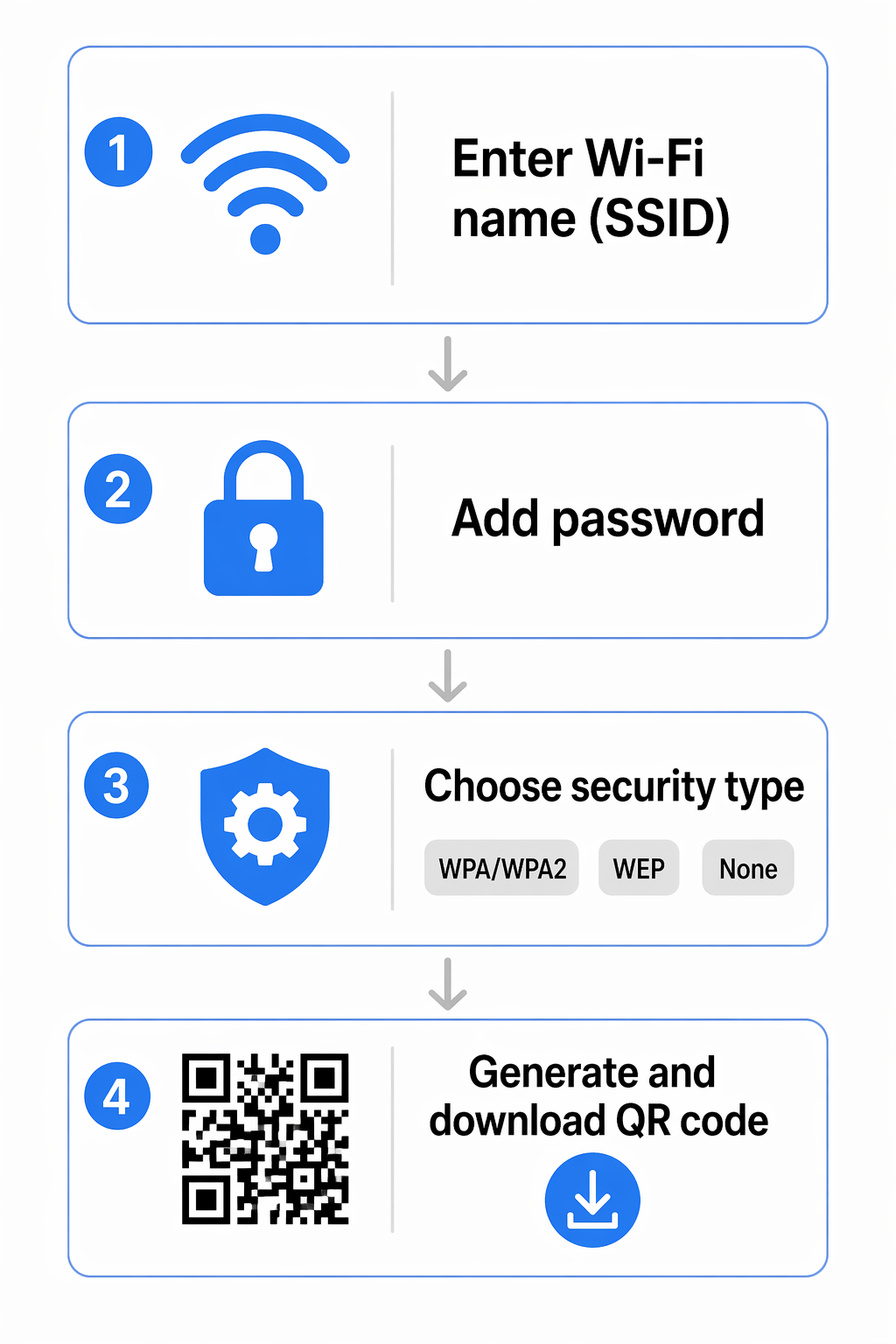
To get started, follow these simple steps:
- Open a reliable QR code generator and select the Wi-Fi data type.
- Enter your SSID exactly as it appears in your network settings, paying close attention to capitalization and special characters.
- Select the correct security encryption from the available options (WPA/WPA2, WEP, or None).
- Input your password and click the generate button to create your unique code.
- Customize the design to match your branding and download the final file in a high-resolution format.
If your network has a hidden SSID, some advanced generators allow you to include a specific flag so that devices can still find and connect to the network. It is also important to note that if your password contains special characters like semicolons or colons, the technical payload format typically requires escaping these characters with a backslash to ensure the scanner interprets the data correctly.
Optimizing Design and Placement for Scannability
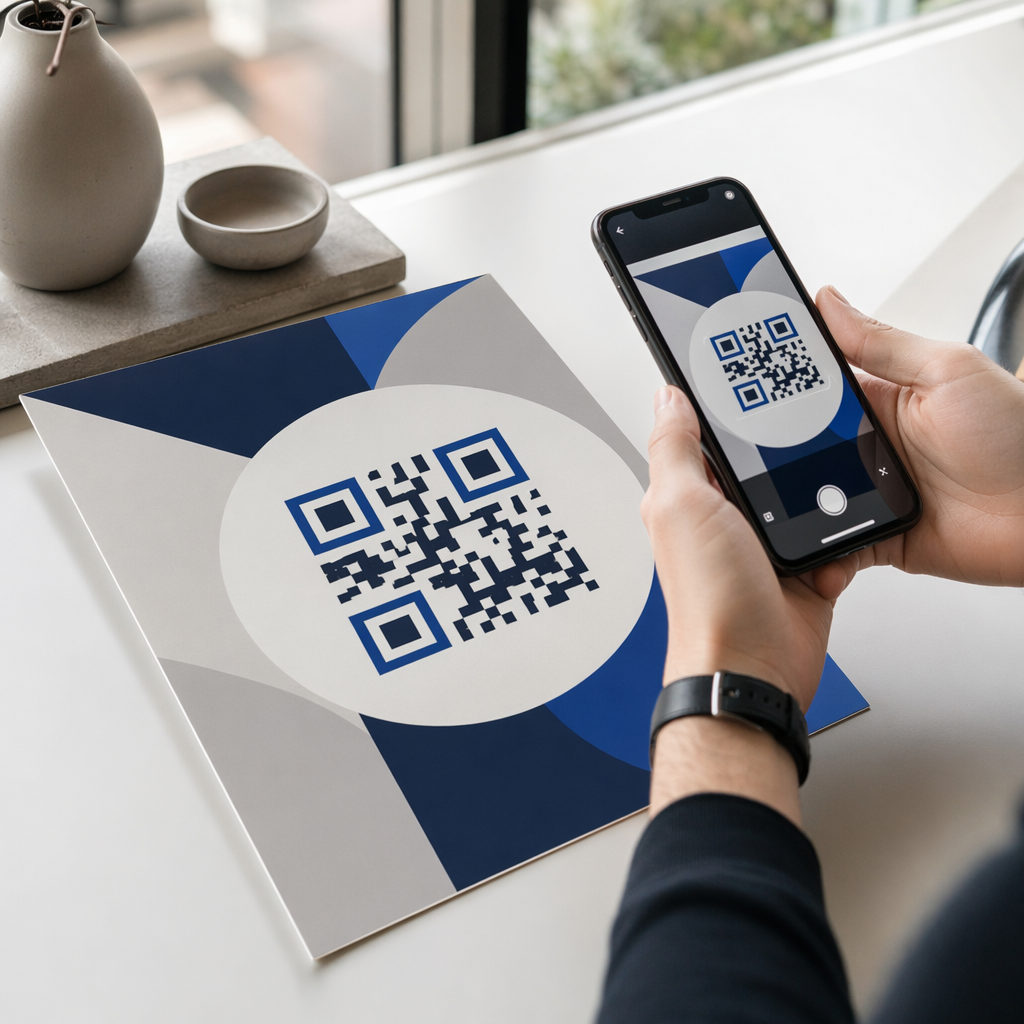
For a Wi-Fi QR code to be effective, it must be easily readable by a variety of devices under different lighting conditions. You should prioritize high contrast by using dark patterns on a light background. Maintaining a clear white border, known as a “quiet zone,” around the code is also essential because it helps the scanner distinguish the QR pattern from its surroundings.
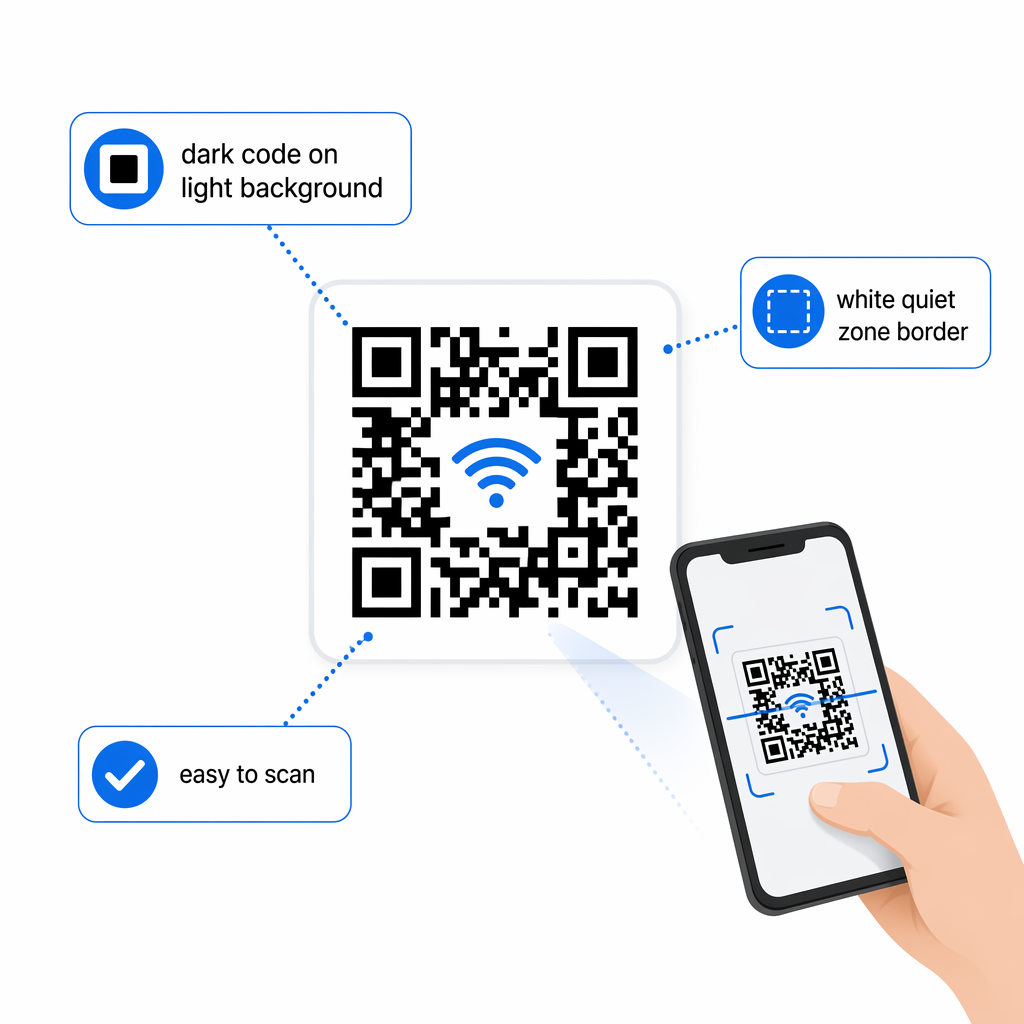
When designing your code, consider the 10:1 distance-to-size ratio as a guideline for visibility. This means if you expect guests to scan the code from 20 inches away, the QR code should be at least 2 inches wide. For physical placement, choose high-traffic areas where users naturally look for information:
- Table tents in restaurants and cafes provide immediate access for patrons at their seats.
- Reception desks in hotels and offices serve as a centralized point for visiting guests.
- Entrance signage allows visitors to connect as soon as they arrive at your location.
- Product packaging or instruction manuals can help users connect smart devices to their home networks.
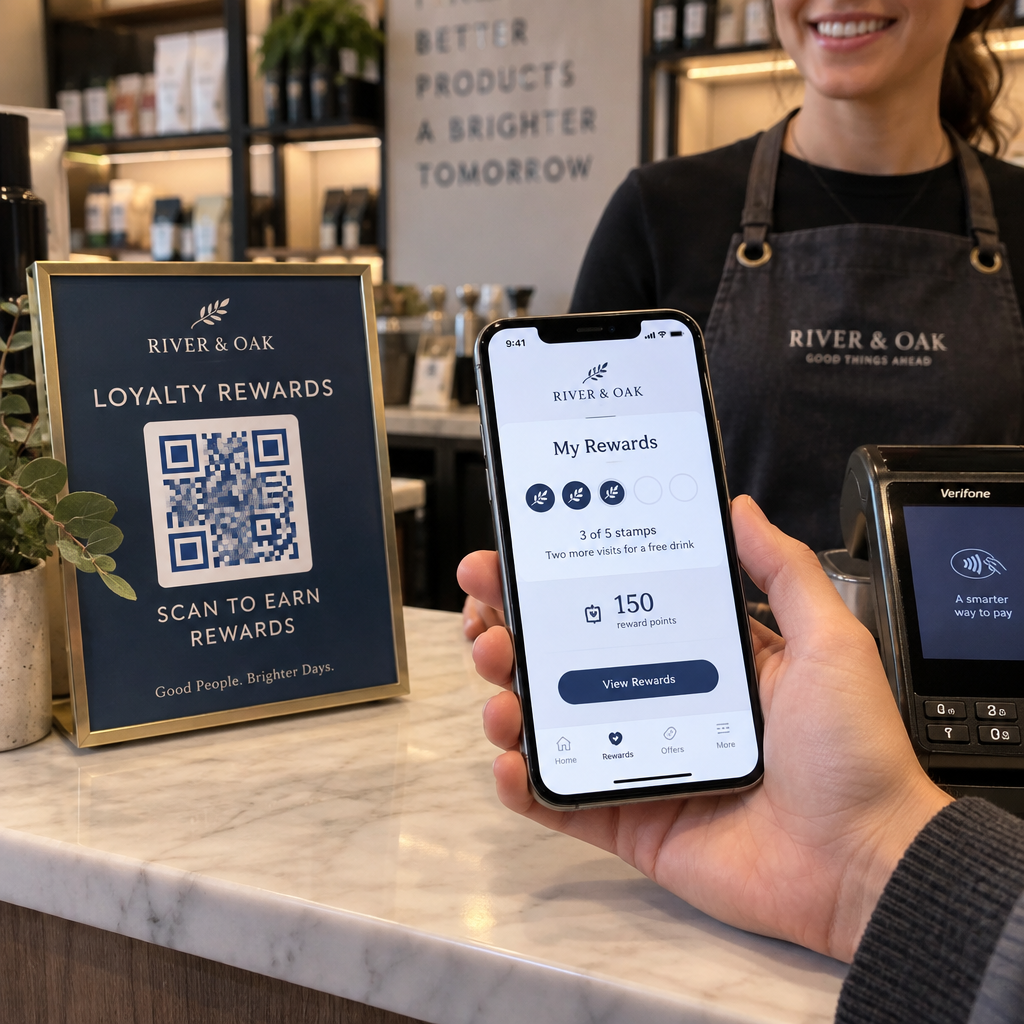
Using best practices for QR code readability ensures that your code remains functional even when printed on different materials. For added professional appeal, you can incorporate your company logo. Research suggests that designing user-friendly QR codes with branding can increase user engagement and build trust, provided the logo does not cover more than 30% of the code.
Generate Your Free Wi-Fi QR Code Now Ready to provide instant internet access for your guests? Use our Wi-Fi QR Code Generator to create an unlimited number of custom codes without a credit card.
How to Scan and Connect on Different Devices
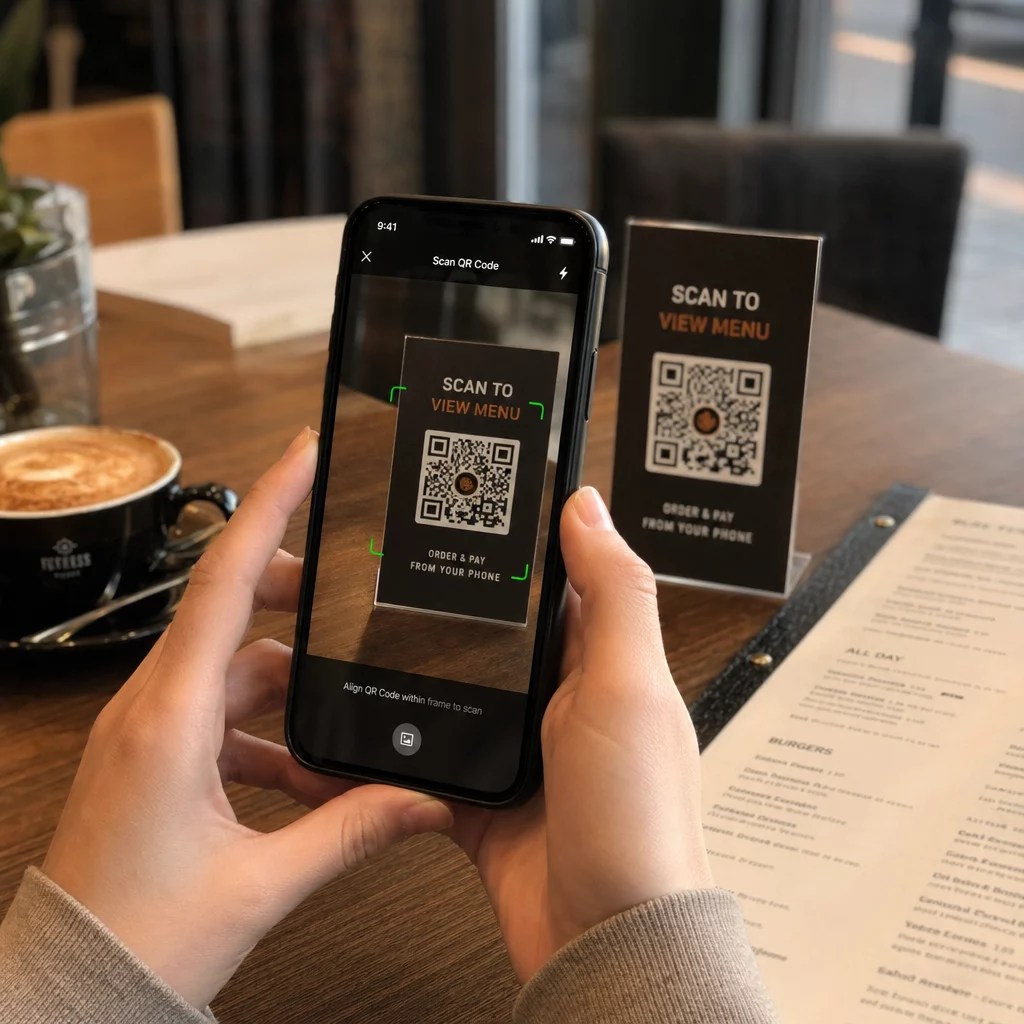
Most modern smartphones do not require a separate app to join a network via QR code. On an iPhone, you can simply open the Camera app or use the “Scan Code” control in the Control Center to recognize the network. Once the device identifies the code, a notification banner appears asking if you want to join the network.
Android users, specifically those with Samsung Galaxy devices, have a similarly integrated workflow. You can open the “Settings” menu, navigate to “Connections,” select “Wi-Fi,” and tap the QR code icon to initiate a scan. If a user’s built-in camera does not support scanning, they can use a web-based QR Code Reader to decode the information. For a deeper look at device-specific methods, you can read more about how to create and scan Wi-Fi QR codes on Android and iPhone.
Security and Privacy Considerations
While QR codes offer immense convenience, you must manage them responsibly to protect your network security. Only share your QR code in monitored areas where you can prevent unauthorized individuals from tampering with it. There are significant QR code privacy risks if a physical code is covered by a malicious sticker that redirects users to a phishing site.
Most Wi-Fi QR codes are static, meaning the data is stored directly in the pattern and cannot be changed once printed. If you need to change your Wi-Fi password, you will need to generate and print a new code. To understand the differences in how data is managed, you can compare static vs dynamic QR codes. Dynamic codes are often used in marketing because they allow for scan tracking and analytics, which can provide insights into how many people are connecting to your network at different times of the day.
By implementing these tools, you transform a frustrating manual process into a seamless digital experience. Whether you are a small business owner looking to improve customer service or a homeowner wanting to simplify guest access, a Wi-Fi QR code is the most efficient way to bridge the gap between your physical location and digital connectivity.
Frequently Asked Questions
Yes. Most modern smartphones have built-in support for Wi-Fi QR codes. iPhone users can use the default Camera app, while Android users can often scan directly through their Wi-Fi settings or camera to join a network instantly.
Yes, you can use a free generator to create unlimited static Wi-Fi QR codes. These codes do not expire and do not require a subscription or a credit card to generate and download.
Because Wi-Fi QR codes are typically static, the password is hard-coded into the pattern. If you change your network credentials, you must generate a new QR code and replace any printed versions to ensure guests can still connect.