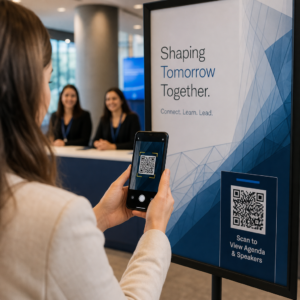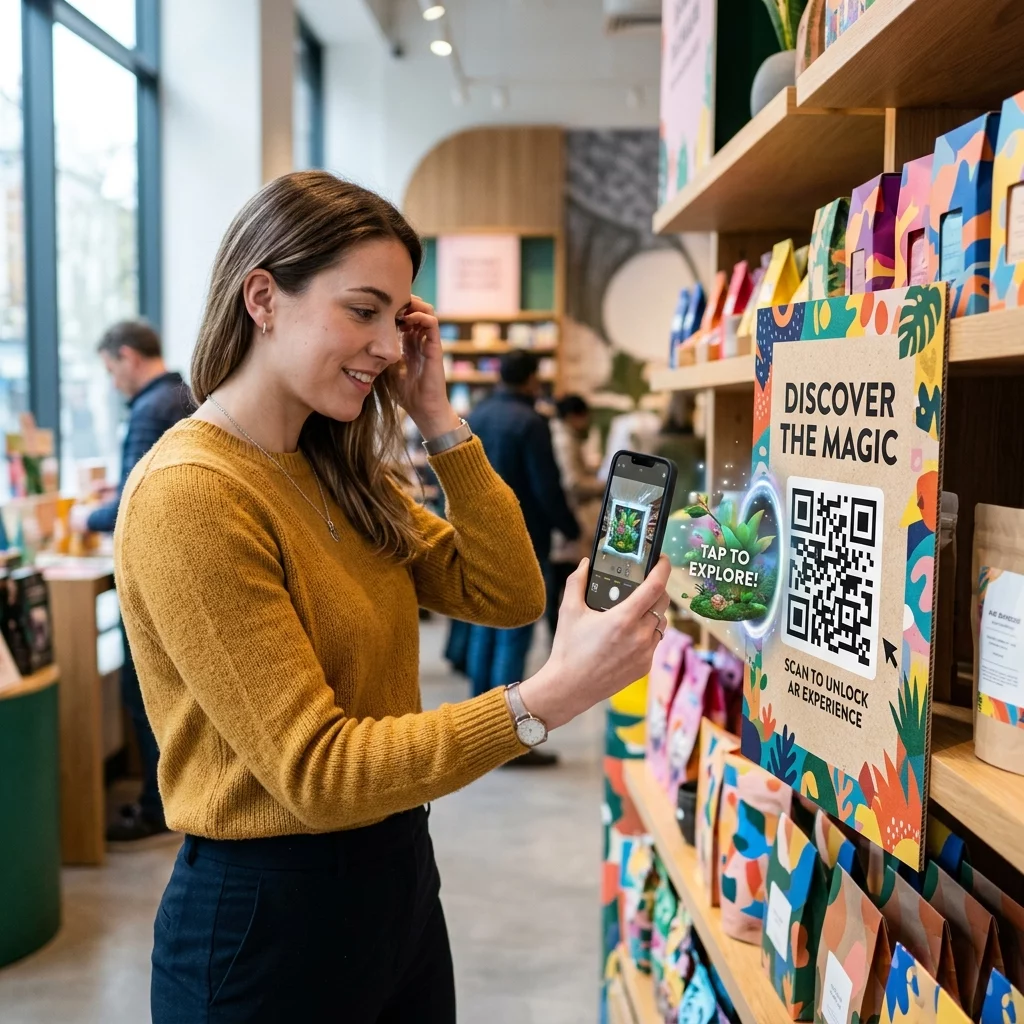
Are you struggling to bridge the gap between your physical marketing materials and digital engagement? Static print often fails to capture attention, leading to missed conversion opportunities and wasted ad spend. This guide showcases how AR-enabled QR codes transform traditional media into immersive experiences that drive measurable results.
Interactive Product Packaging and Storytelling
Packaging serves as the primary physical touchpoint between a brand and a consumer. By integrating augmented reality through a QR code, brands can deliver narrative depth that far exceeds the physical limitations of a standard label. This technology allows a simple box or bottle to become a portal for brand history, educational content, or gamified entertainment.
- 19 Crimes Wine: This brand effectively pioneered AR storytelling by allowing the “criminals” featured on their labels to come to life and tell their personal histories. This strategy contributed to a massive sales increase, moving from 4 million to 18 million bottles in just 18 months.
- Kinder Chocolate: On their global packaging, Kinder implemented QR codes that opened a virtual African landscape. This experience strengthened family engagement by providing interactive entertainment directly related to the product’s theme.
- Verizon Santa Grotto: During the holiday season, Verizon used packaging to unlock a virtual Santa’s Grotto. Users could take selfies with AR characters, which drove significant social sharing and holiday brand awareness.
Using an ultimate guide to QR codes for product labels can help you maintain a clean, minimalist design while still offering nearly unlimited digital content to your customers.
Virtual Try-Ons and Product Demonstrations
Marketers often face the challenge of consumer hesitation, particularly for products that require a sense of scale or appearance. AR QR codes solve this by allowing customers to “try before they buy” using only their smartphone camera. This level of interaction has been shown to boost conversion rates by up to 94% as shoppers gain confidence in their purchasing decisions.
- Dior Beauty: By using AR filters, Dior allowed customers to virtually try on different lipstick shades. This campaign resulted in over 400,000 virtual “tries,” directly impacting their e-commerce conversion rates.
- Porsche Taycan: Porsche placed AR QR codes in high-end print magazines like Vogue and GQ. Readers could scan the code to visualize a 3D model of the electric Taycan parked in their own driveway, providing a sense of ownership before they ever visited a dealership.
- Puma Store: In their flagship locations, Puma placed QR codes on shoe tags that summoned an AR feline mascot. This mascot provided both store navigation and a fun opportunity for user-generated content through selfies.
Transform your customer experience today. Use our Website QR Code Generator to link your physical products to interactive, web-based AR experiences.
The detailed mechanics of these interactions are explored further in our guide on how AR QR codes for product demos can reduce return rates and increase engagement.
Enhancing Live Events and Public Spaces
Live events thrive on social interaction, but maintaining attendee engagement during downtime is a common hurdle. AR QR codes turn physical venues into interactive playgrounds, increasing the average dwell time by 118 seconds. These experiences encourage attendees to share their interactions on social media, expanding the event’s reach far beyond the physical walls of the venue.
- Comic-Con Collectibles: At Comic-Con events, organizers utilized AR QR codes to offer animated 3D collectibles with 360-degree views. This led to a 47% increase in attendee engagement and a high volume of social media shares.
- Amazon Prime Video: During the Emmy Awards, Amazon used AR codes to create “behind-the-scenes” portals. This allowed attendees to step into virtual versions of their favorite show sets, merging the physical event with digital streaming content.
- Alabama AR Mural: Public art projects in Alabama used QR codes to animate large-scale murals. This initiative achieved a 4:1 earned media value ROI by encouraging visitors to share their interactive experiences online.
For more strategic advice on applying these tactics to your next gathering, you can read about how AR QR codes transform events to streamline operations and boost networking.
Immersive Print Advertising and Direct Mail
Traditional print media often lacks a direct way to measure return on investment. By connecting print and digital marketing through AR, businesses can track exactly how many users interact with their mailers, billboards, or posters. This data-driven approach turns a static ad into a trackable digital asset.
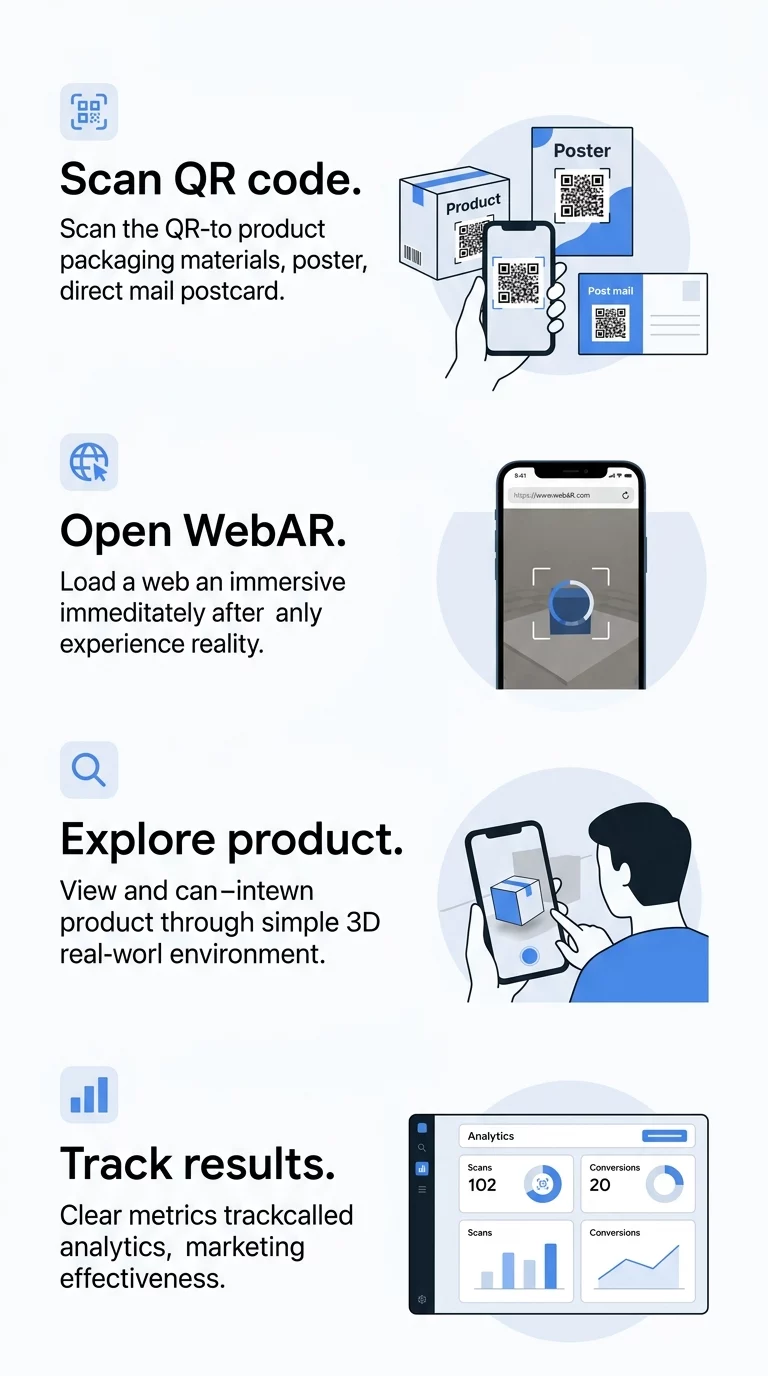
- Vodafone Postcards: Vodafone sent out postcards that, once scanned, appeared to “unwrap” a digital gift. This transformed a standard direct mail piece into a memorable, high-value interaction.
- Mecca Cosmetica: This beauty brand placed QR codes on street posters to lead users toward skincare quizzes and exclusive digital offers. The campaign resulted in a 22% increase in online sales and a 17% boost in physical foot traffic.
- Shake Shack Billboards: Using geo-targeted QR codes on NYC billboards, Shake Shack offered unique promos to passersby. This location-specific strategy resulted in a 4x spike in orders near those billboard locations.
Why Marketers Are Adopting AR-Enabled QR Codes
The success of these campaigns is largely due to the emergence of “WebAR.” Unlike earlier versions of augmented reality that required users to download a specialized application, WebAR works directly through the smartphone’s native camera and web browser. This removal of friction is critical for maximizing scan rates and user participation.
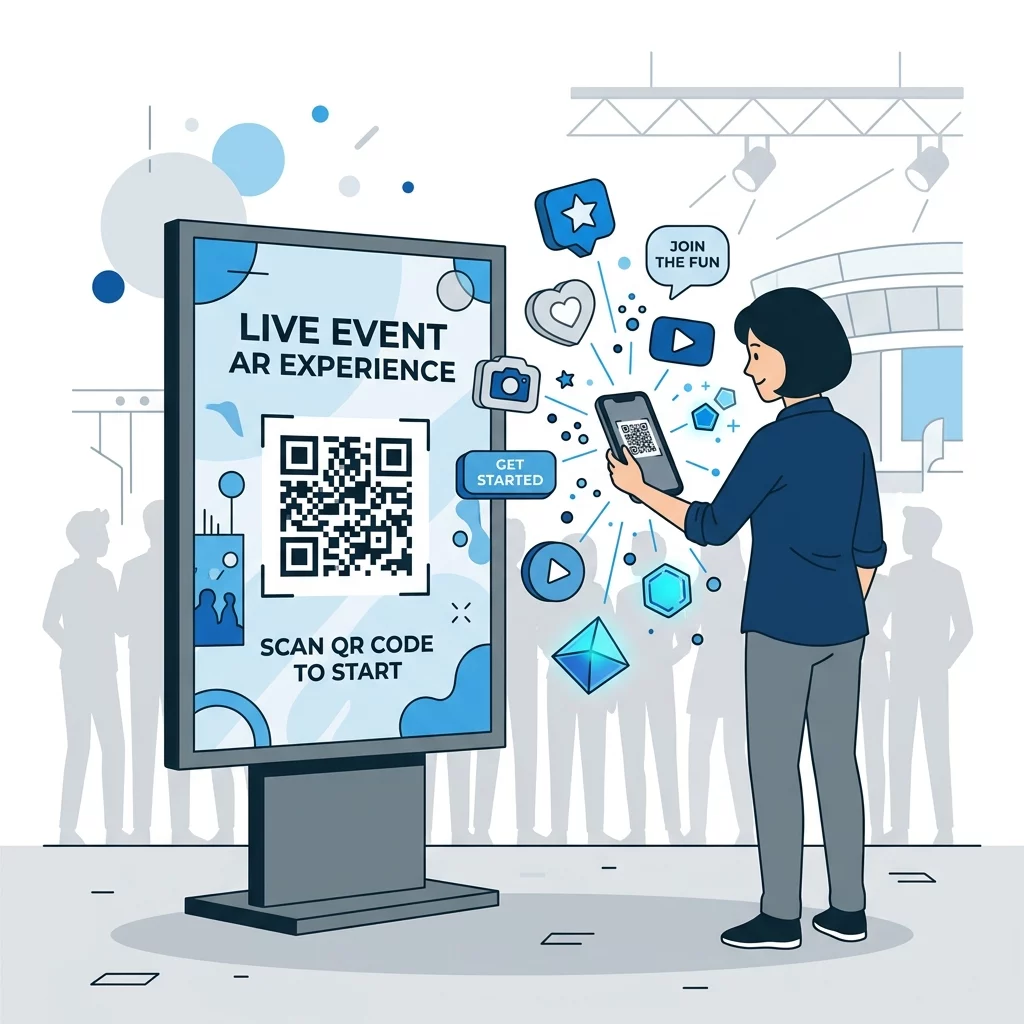
When building these campaigns, using dynamic QR codes is essential for long-term success. Dynamic codes allow you to update the AR content at any time without needing to reprint your materials. They also provide the ability to track QR code scans in real-time, giving you instant insights into the time, location, and device type for every interaction.
Ready to see the data behind your campaigns? Create your first trackable campaign with our Dynamic QR Code Generator and gain access to real-time analytics for your marketing assets.
Frequently Asked Questions
Most modern AR marketing campaigns utilize WebAR technology. This allows users to scan the QR code with their standard smartphone camera app and view the 3D content directly in a mobile browser like Safari or Chrome, eliminating the need for a dedicated app.
To ensure the code is easily scannable, it should be at least 1 inch (2.5 cm) square. For larger formats like billboards or posters, the size must be increased relative to the viewing distance to maintain functionality.
By using dynamic QR codes, you gain access to a management dashboard that tracks total scans, unique visitors, geographic locations, and the specific times of day users interact with your content. This data can also be integrated with Google Analytics to monitor the full conversion path.
To begin building your own interactive campaign, explore how these tools work for your specific industry and start transforming your physical touchpoints into measurable digital experiences. Using a professional platform ensures your codes remain functional, editable, and secure as your brand grows.