Are you struggling to bridge the gap between your physical marketing materials and your digital storefront? Losing potential customers during the transition from a print ad to a website results in wasted ad spend and missed conversions. Implementing QR codes provides a seamless digital bridge that streamlines payments, simplifies feedback, and boosts customer engagement.
Why QR Codes are Essential for Modern Business
QR codes have evolved from simple inventory tools into powerful gateways for consumer interaction. Research indicates that 68% of consumers have used a QR code in the last year, with adoption reaching over 80% among Gen Z and Millennials. This widespread comfort with the technology means businesses can confidently use these codes to provide instant access to information without requiring users to type lengthy URLs.
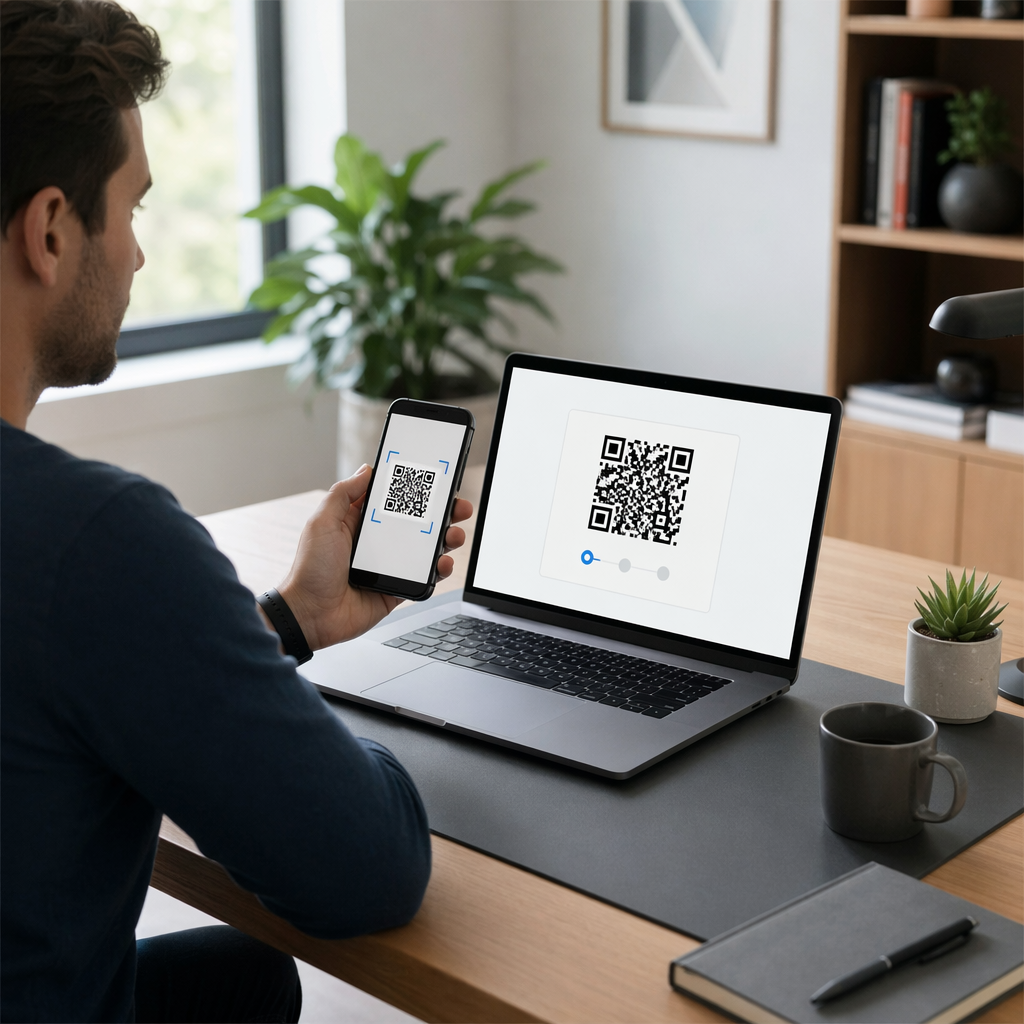
Think of a QR code as a high-speed reader that connects your offline assets – like flyers, business cards, or packaging – directly to your digital ecosystem. While a standard barcode only identifies a product, a QR code can store text, multimedia, and geographic information. For businesses, the choice usually falls between two types of technology. A static QR code is best for permanent information like Wi-Fi passwords or contact details, as the data is hard-coded. However, most marketing campaigns benefit from a dynamic QR code generator, which allows you to update the destination link even after the code is printed and provides real-time analytics to measure campaign performance.
Streamlining Customer Payments and Transactions
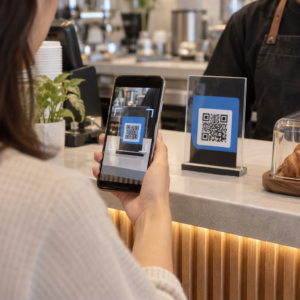
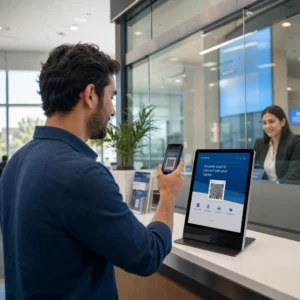
QR codes offer a low-cost, contactless alternative to traditional credit card terminals. In some markets, this technology has already become the primary method of exchange, with over 80% of payments in China facilitated through QR codes. By using a QR code for payments, small businesses can accept transactions through providers like PayPal or Stripe without investing in expensive hardware.
The process typically involves the seller displaying a code that directs the customer to a secure checkout page. This is particularly effective for service providers, pop-up shops, and restaurants. For instance, PayPal allows businesses to generate codes for invoices, sending buyers directly into a mobile payment flow. This removes friction from the buying process, making it faster and more secure for both parties.
Simplify Your Checkout Process Looking for a way to accept touch-free payments without expensive hardware? Use our Payment QR Code Generator to create a secure, scan-to-pay experience for your customers today.
Personalizing the Marketing Experience
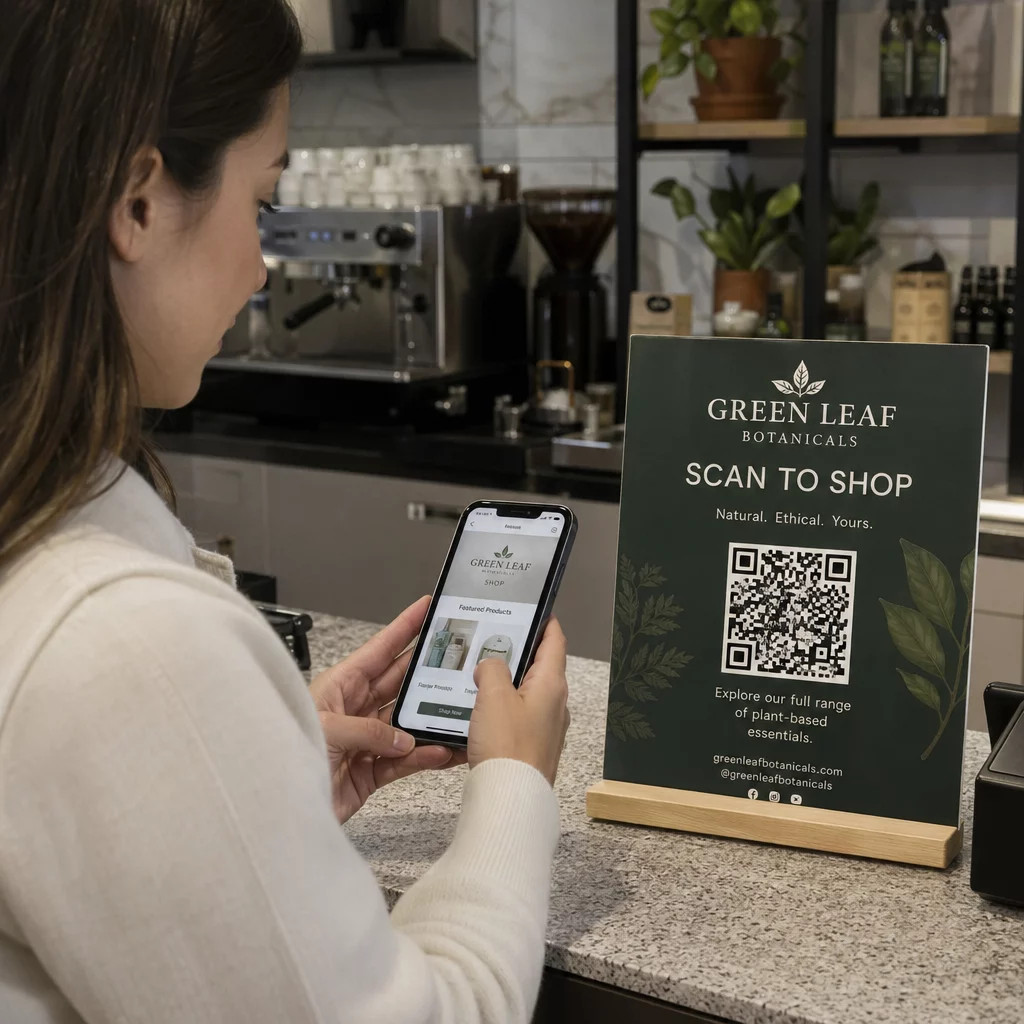
Modern marketing thrives on personalization, and QR codes provide a unique way to deliver tailored content at the point of interaction. Large brands have successfully used this to drive engagement; for example, Coca-Cola implemented QR codes on packaging to provide interactive digital experiences and exclusive video content. By linking a link QR code to a specific landing page, you can direct customers to product-specific tutorials, seasonal promotions, or loyalty programs.
Packaging is another high-value area for integration. Instead of cluttering a box with text, you can use a PDF QR code generator to host digital manuals or setup guides. This not only saves on printing costs but also ensures that the customer always has access to the most up-to-date version of the documentation.
Enhancing Feedback and Local Engagement
Collecting customer feedback is often a hurdle for businesses, but QR codes make the process nearly instantaneous. By placing a Google Review QR code on receipts, table stands, or at the exit of a facility, you invite customers to share their experience while it is still fresh in their minds. This direct path to a review page helps improve local SEO rankings and builds social proof for future customers.
Hospitality brands have seen significant operational improvements through this technology. Marriott Aruba, for example, used QR codes to replace printed materials, which helped them save over $150,000 in printing costs while generating tens of thousands of digital interactions. Beyond reviews, you can also use specialized tools for feedback collection to gather private data that helps you fix service issues before they escalate.
Implementation and Usability Best Practices
The success of a QR code campaign depends heavily on visibility and technical reliability. A code that is too small or placed in a poorly lit area will frustrate users and lead to low engagement rates. To ensure a high scan rate, you should follow established usability best practices.
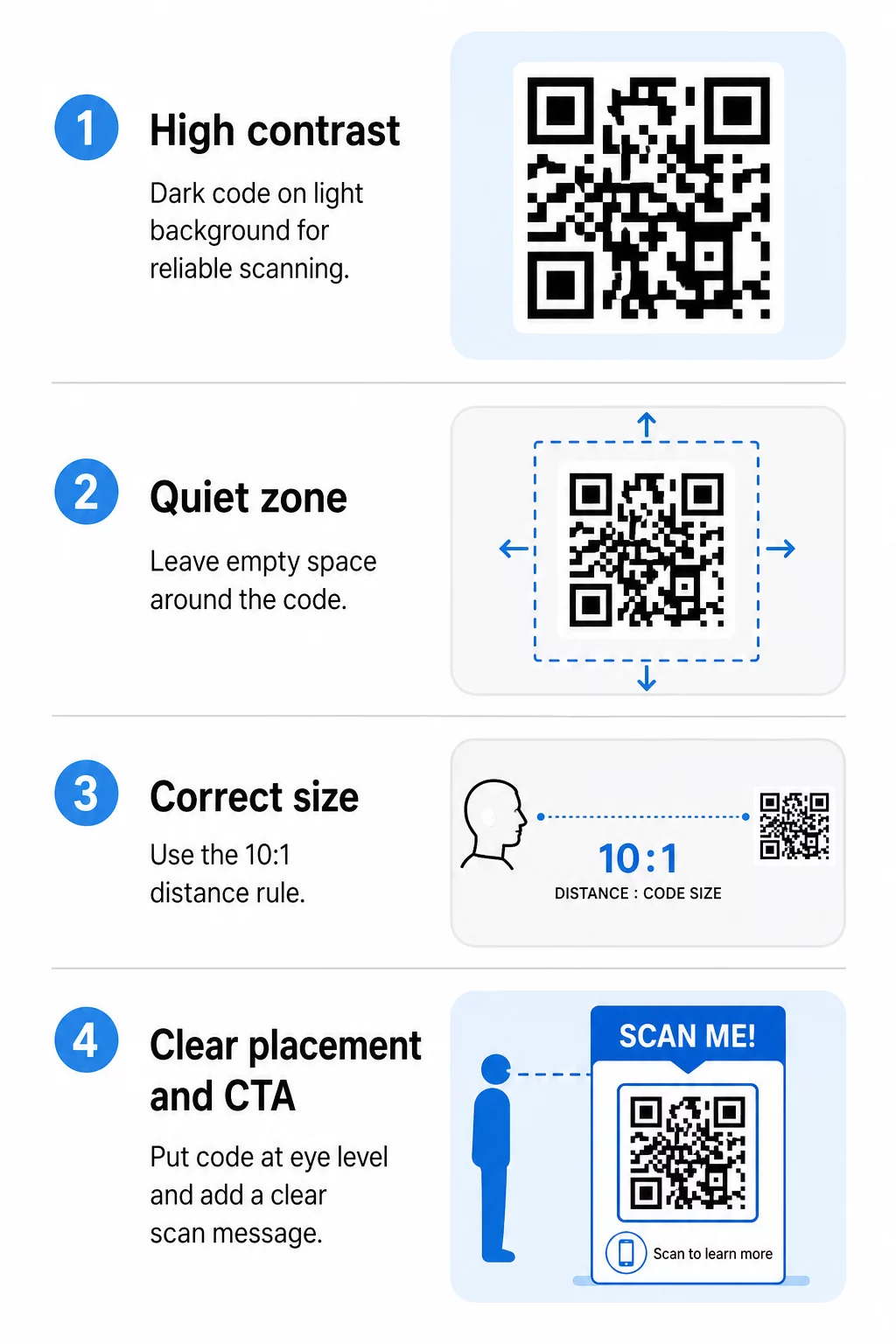
- Ensure high contrast by using dark colors for the code on a light background, as this helps mobile sensors distinguish the pattern.
- Maintain a “quiet zone” or empty border around the code that is at least four times the width of a single module.
- Size the code according to the scanning distance; a general rule is a 10:1 ratio, meaning a code viewed from 10 inches away should be at least 1 inch wide.
- Place the code at eye level, typically between 3.5 and 5.5 feet, to make it naturally accessible to users.
- Always include a clear call-to-action (CTA) like “Scan for 20% Off” so users understand the value of interacting with the code.
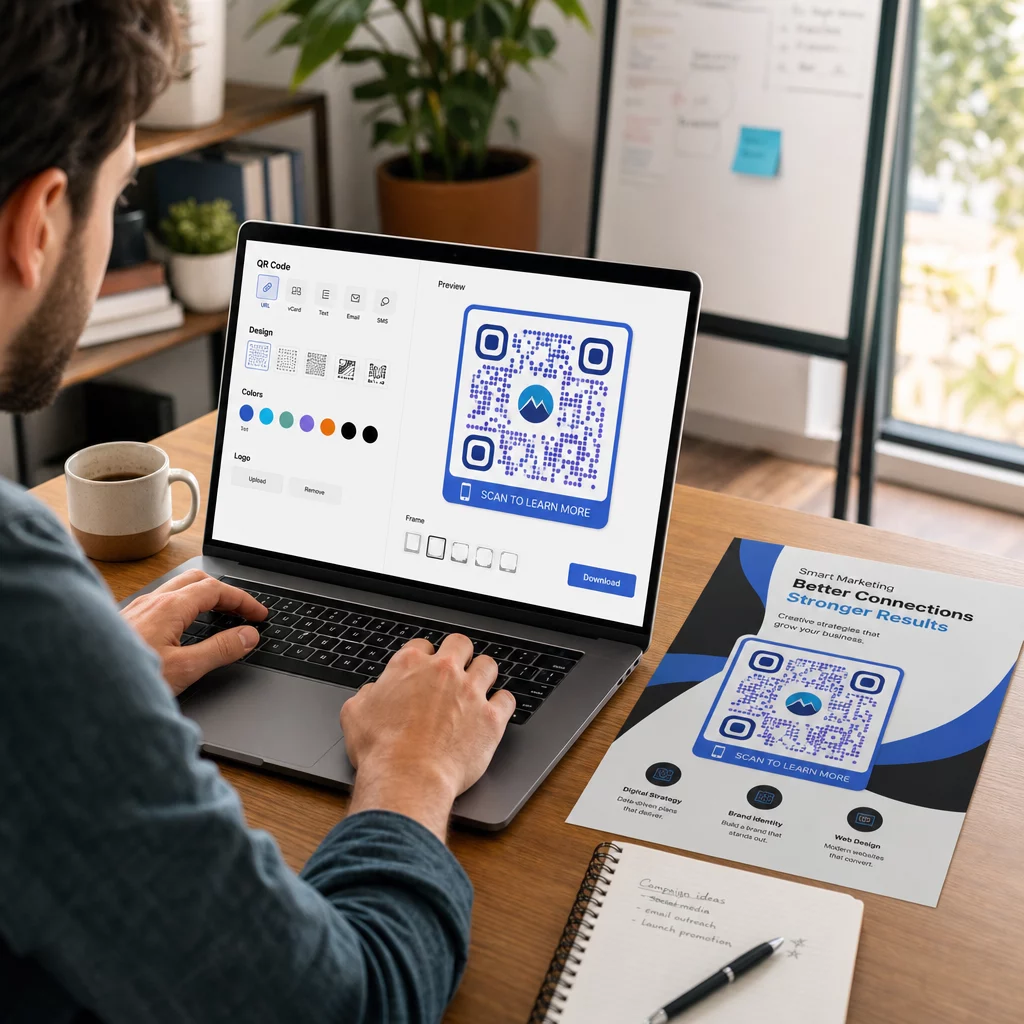
Create Your Own Branded QR Code Ready to turn your physical touchpoints into digital insights? Use the Pageloot QR Code Generator to design custom codes with your logo and brand colors in seconds.
Measuring Success with Dynamic Analytics
One of the greatest advantages of using tracking QR codes is the ability to gather actionable data. When you use dynamic codes, you gain access to a dashboard that reveals how many people scanned the code, their geographic location, the time of the scan, and the device type used. This information allows you to A/B test different marketing placements and refine your strategy based on actual consumer behavior.
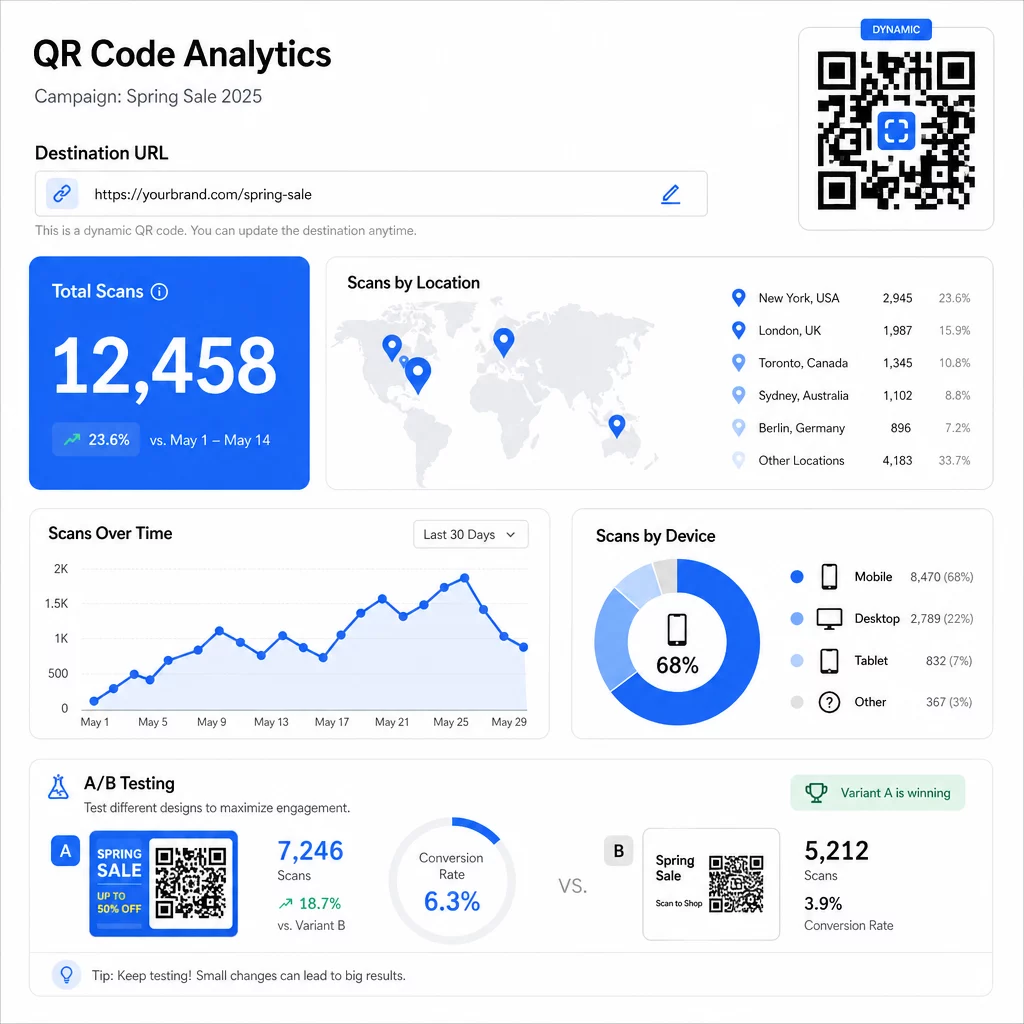
If you find that a code on a particular flyer is underperforming, you can update the destination URL to a more compelling offer without having to reprint any materials. This flexibility makes QR codes a cost-effective and highly adaptable tool for any growing business looking to optimize its marketing ROI.
Frequently Asked Questions
Static QR codes do not expire because the information is embedded directly in the pattern. However, dynamic QR codes usually require an active subscription to a management platform; if the subscription lapses, the redirect link may stop working.
Yes, but only if you used a dynamic QR code. Dynamic codes use a short redirect URL that allows you to change the destination content as often as you like without ever changing the physical appearance of the printed code.
You should use the 10:1 scanning ratio. For example, if you expect customers to scan a poster from a distance of 5 feet (60 inches), your QR code should be at least 6 inches wide to ensure reliable scanning.