Why are your printed advertisements failing to drive digital traffic? Static materials often create a dead end for customers, leading to missed conversion opportunities and unmeasurable engagement. By following these guidelines for design, placement, and tracking, you can effectively bridge the gap between physical and digital marketing.
Designing for Scannability and Readability
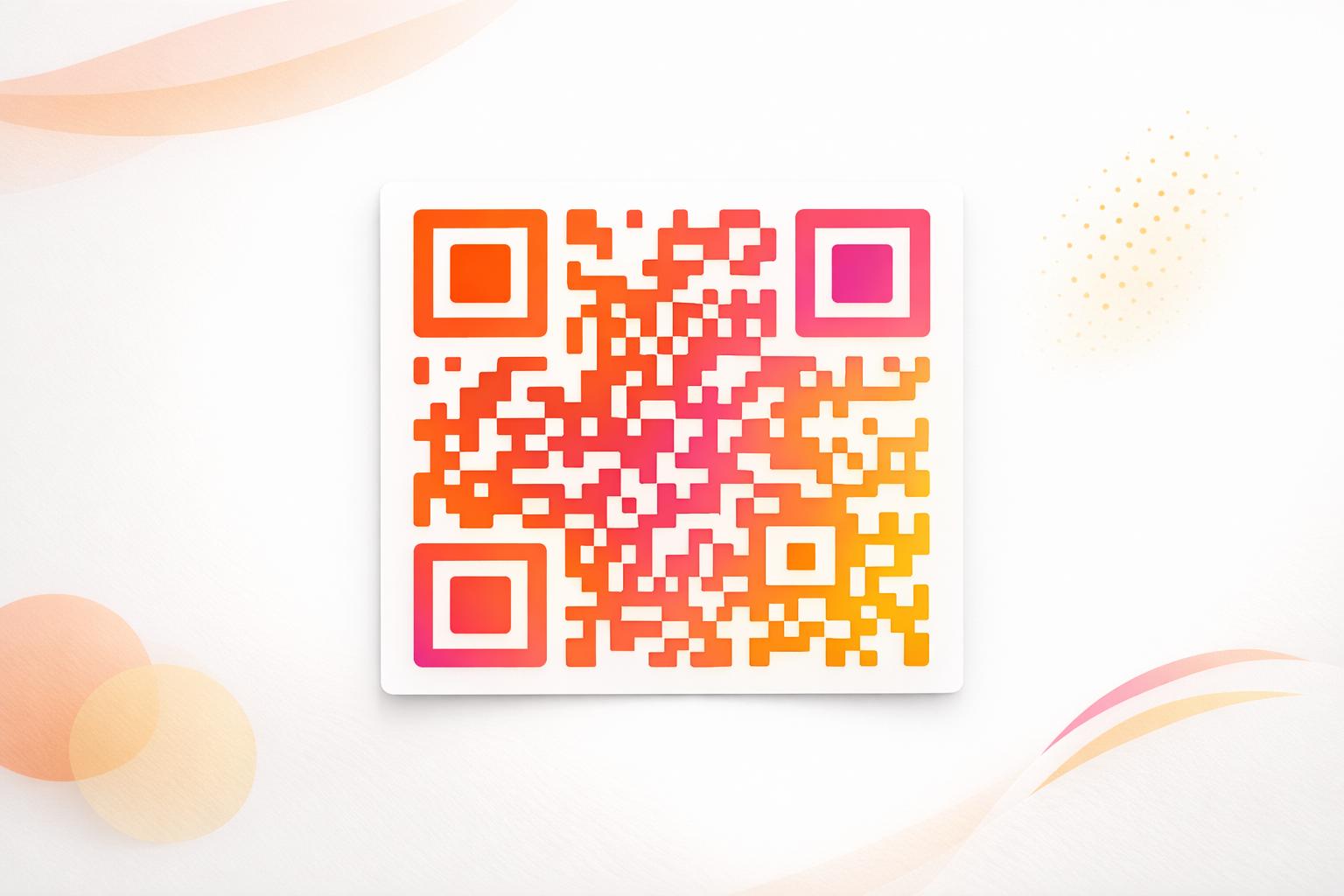
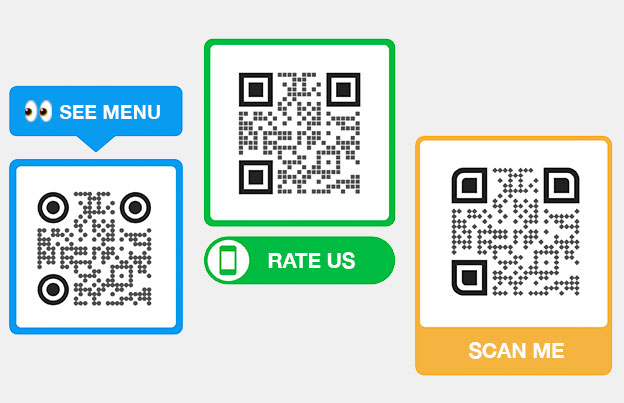
The technical design of a QR code determines whether a customer’s smartphone can successfully decode the information. High contrast is the foundation of scannability; scanners rely on the ability to distinguish between the dark modules and the light background. While custom colors can help an ad feel on-brand, black-on-white remains the most reliable combination. You should avoid inverted colors or low-contrast pairings like light gray on white, as these often fail in varied lighting conditions.
Beyond color, you must maintain a proper “quiet zone,” which is the empty margin surrounding the code. Think of the quiet zone as a protective buffer that prevents surrounding text or graphics from confusing the scanner. Following international standards, this border should be at least four modules wide on all sides. When preparing files for professional printing, always use high-resolution vector formats like SVG, EPS, or a vector PDF. Unlike pixel-based formats, vector files can be scaled to any size without losing the sharp edges required for a successful scan. For more specific design tips, you can review our best practices for QR code readability to ensure your creative elements do not interfere with functionality.
Determining the Correct Size for Print Materials
Size is a critical factor that changes based on how far away you expect your audience to be when they see the advertisement. A common rule of thumb is the 10:1 ratio, meaning a QR code should be at least one inch wide for every ten inches of scanning distance. For example, a code on a poster intended to be scanned from twenty inches away should be at least two inches square.
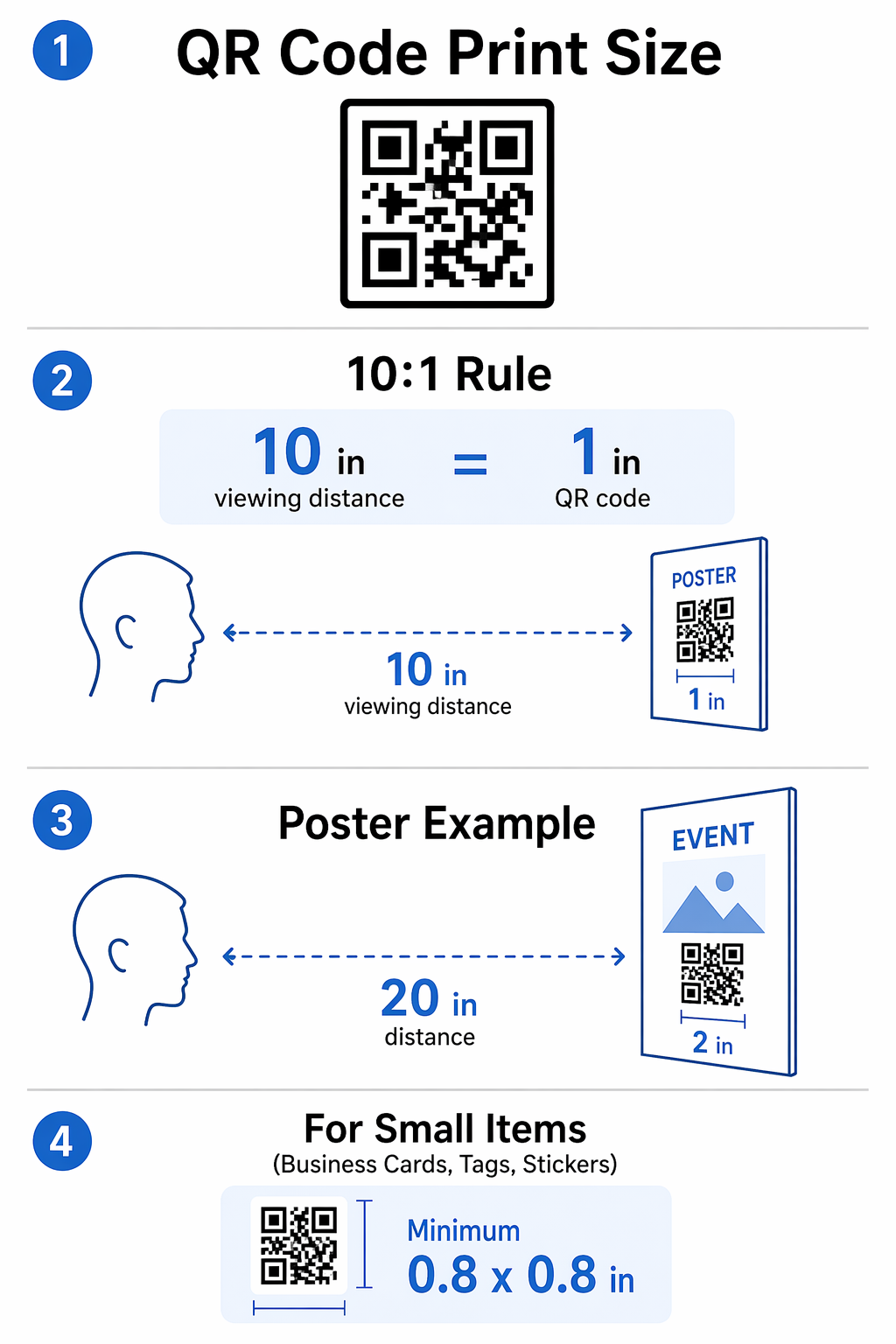
The absolute minimum size for reliable consumer scanning on small items like business cards is 0.8 x 0.8 inches. If your QR code contains complex data or includes a logo, you may need to increase this size by 20% to 30% to maintain clarity. Materials like cardboard or fabric, which have uneven textures, also require larger codes compared to smooth paper. Detailed dimensions for specific materials can be found in our QR code size guide, which outlines the requirements for everything from labels to large-scale banners.
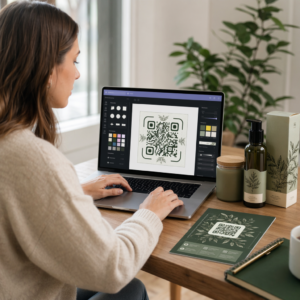
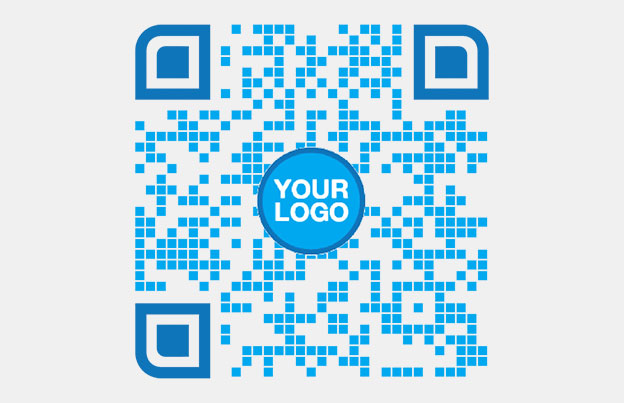
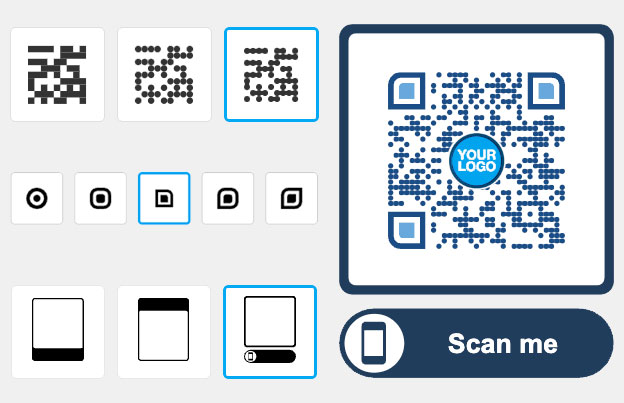
Create Branded Codes for Your Print Ads Want to increase scan rates by up to 80%? Use the QR Code Generator with Logo to build customized, high-resolution codes that match your brand identity and build consumer trust.
Strategic Placement and User Experience
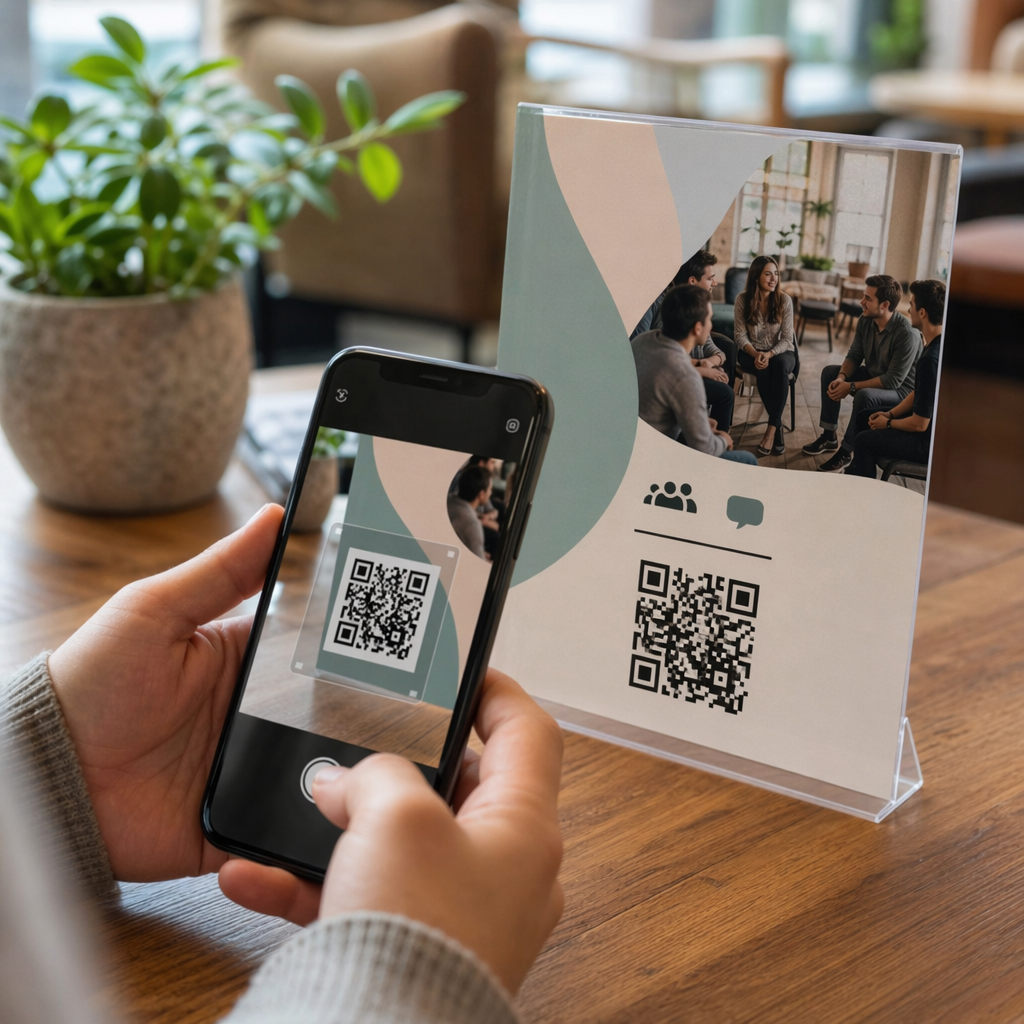
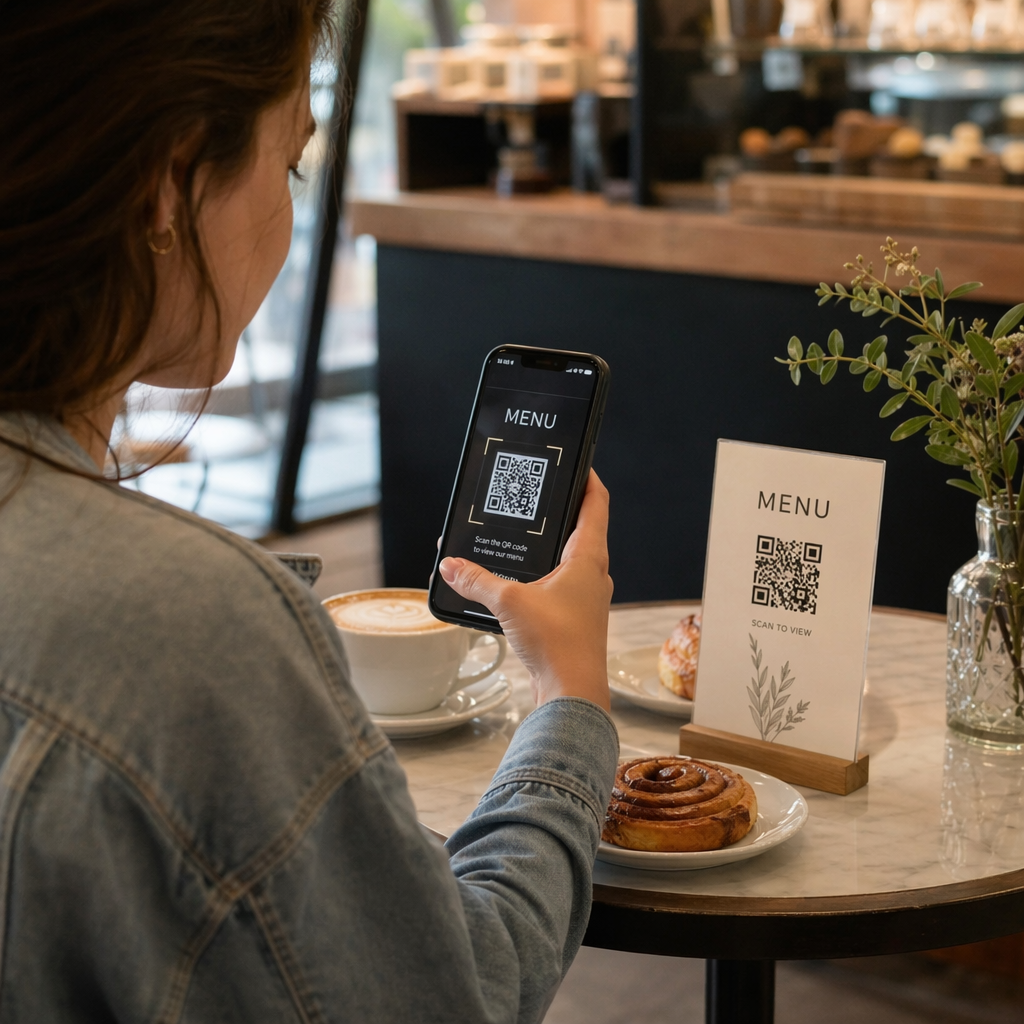
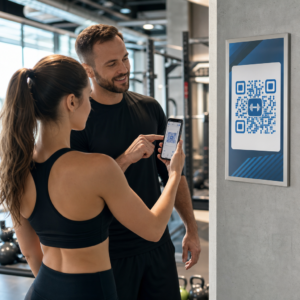
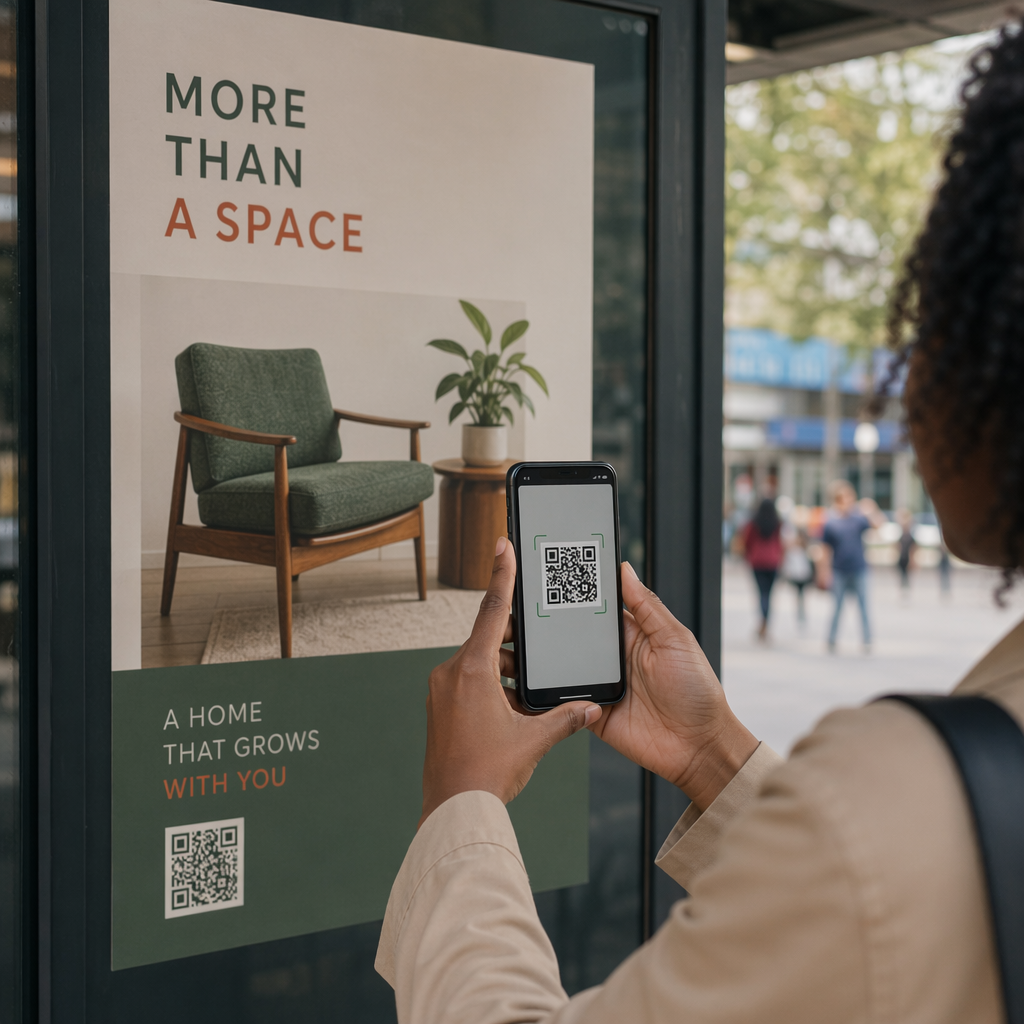
A technically perfect QR code is useless if it is placed where people cannot see or reach it comfortably. For print advertising, aim to place the code at eye level, typically between 3.5 and 5.5 feet from the ground for posters or signage. You should also consider the context of the environment; users are more likely to scan codes when they are stationary, such as at a bus stop or while waiting at a restaurant table. Avoid placing codes on curved surfaces like bottles or in the fold of a magazine, as the distortion can prevent the scanner from recognizing the patterns.
Lighting and surface finish play a significant role in real-world performance. Highly glossy paper or glass can create glares that “blind” the camera sensor. Using a matte finish for your print materials helps reflect light more evenly, making the code easier to read. For a comprehensive look at where to position your codes for maximum visibility, refer to our ultimate guide to QR code placement in marketing.
Tracking Engagement and Performance Analytics
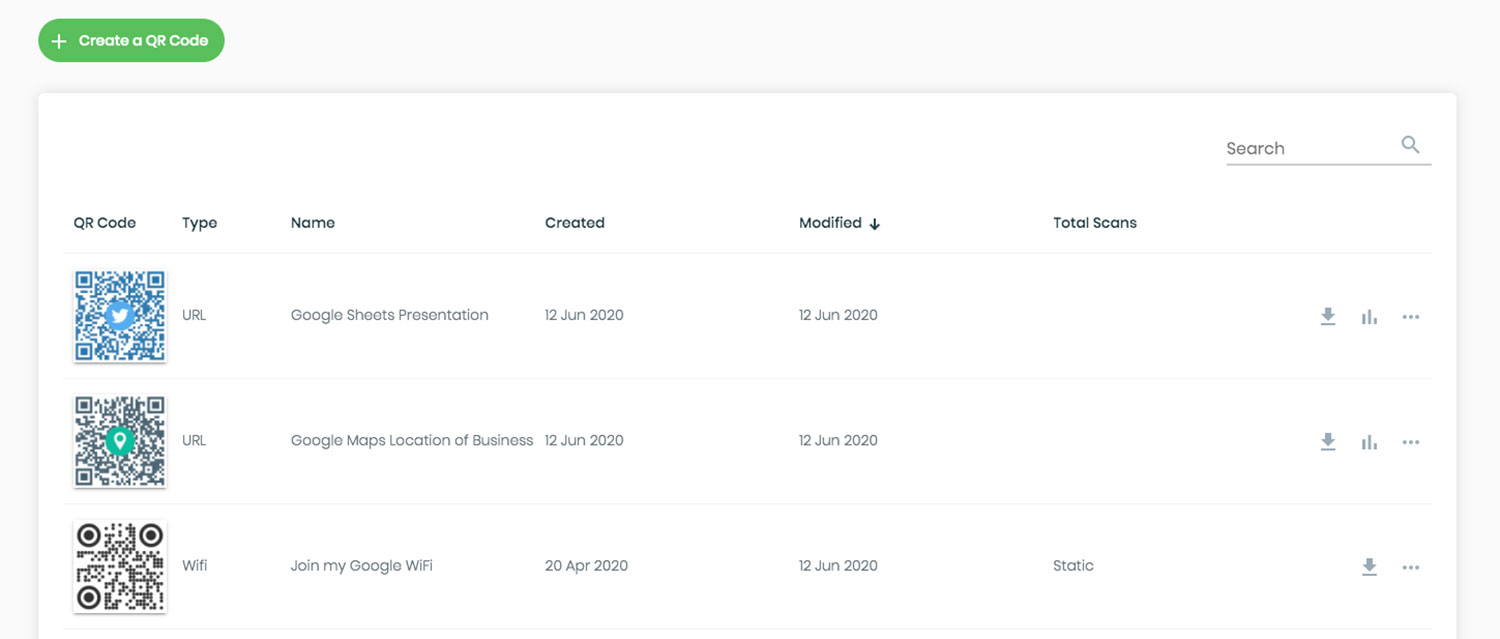
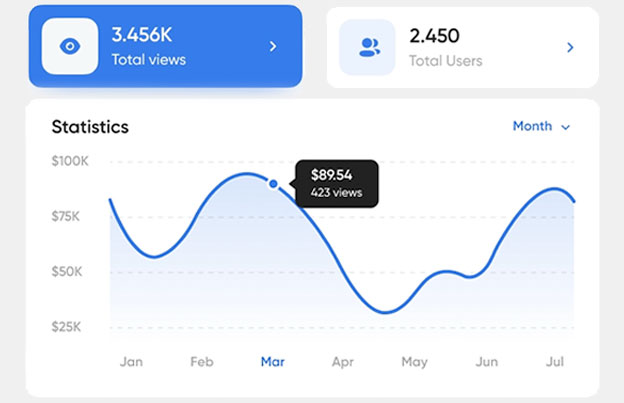
One of the greatest advantages of using QR codes in print is the ability to measure the success of offline campaigns. By using dynamic QR codes, you can track scan counts, geographic locations, scan times, and the types of devices used by your audience. This data allows you to see which flyers or posters are driving the most interest, helping you optimize your marketing budget for future runs.
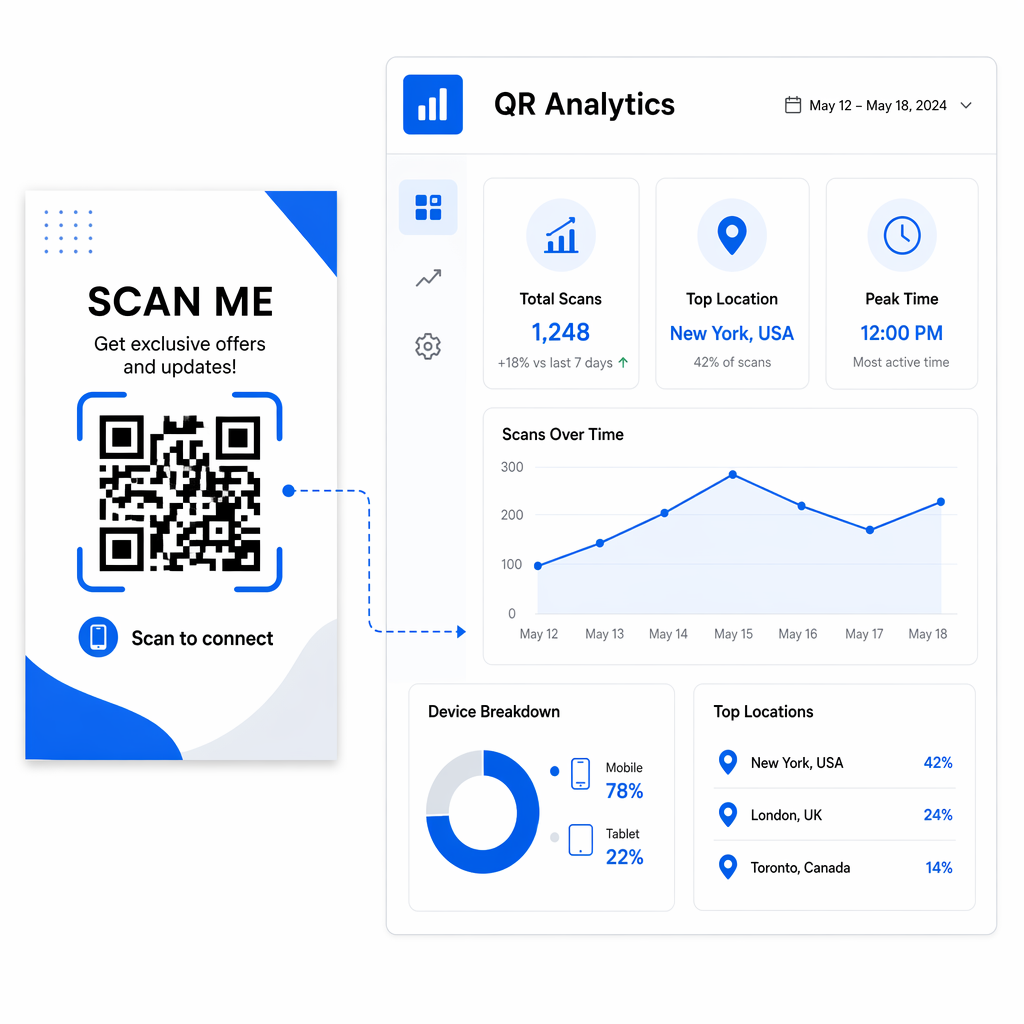
Dynamic codes offer a level of flexibility that static codes cannot provide. Because they use a short redirect URL, you can edit the destination link even after thousands of brochures have been printed and distributed. If a promotional offer changes or a link breaks, you can update the destination from a central dashboard without reprinting a single page. This approach turns a static print ad into a versatile tool for tracking QR codes in real-time.
Monitor Your Campaign Performance Ready to turn your print materials into data-driven marketing tools? Start a free trial with the Dynamic QR Code Generator to create editable codes and access a full analytics dashboard.
Impact of Printing Techniques on Scan Success
The method you use to print your materials can affect how the QR code modules appear. Digital printing is excellent for short runs and customization, while offset printing is more cost-effective for large-scale campaigns and provides very sharp edges. If you are printing on specialized materials like apparel or industrial labels, you must account for ink bleeding or fading over time.
Substrate choice is equally important. Paper is the most reliable surface for contrast and clarity, but textured materials like rough cardboard or fabric may require “Thin-Plate Spline” technology or larger module sizes to overcome surface irregularities. You can learn more about how different materials and inks affect your campaign by reading about how printing techniques impact QR code scannability. Always perform a test print and scan the code with several different devices under various lighting conditions before committing to a full production run.
Frequently Asked Questions
Yes, provided you use a dynamic QR code. Dynamic codes point to a redirect link, allowing you to update the destination URL or file at any time through your management dashboard without changing the physical printed code.
Common issues include low color contrast, a missing quiet zone, or a size that is too small for the scanning distance. Reflective surfaces or blurry printing from a low-resolution file can also prevent smartphones from decoding the pattern.
Vector formats such as SVG, EPS, or vector PDF are the best choices for professional printing. These formats allow you to scale the code to any size while maintaining the high resolution and sharp lines necessary for reliable scanning.