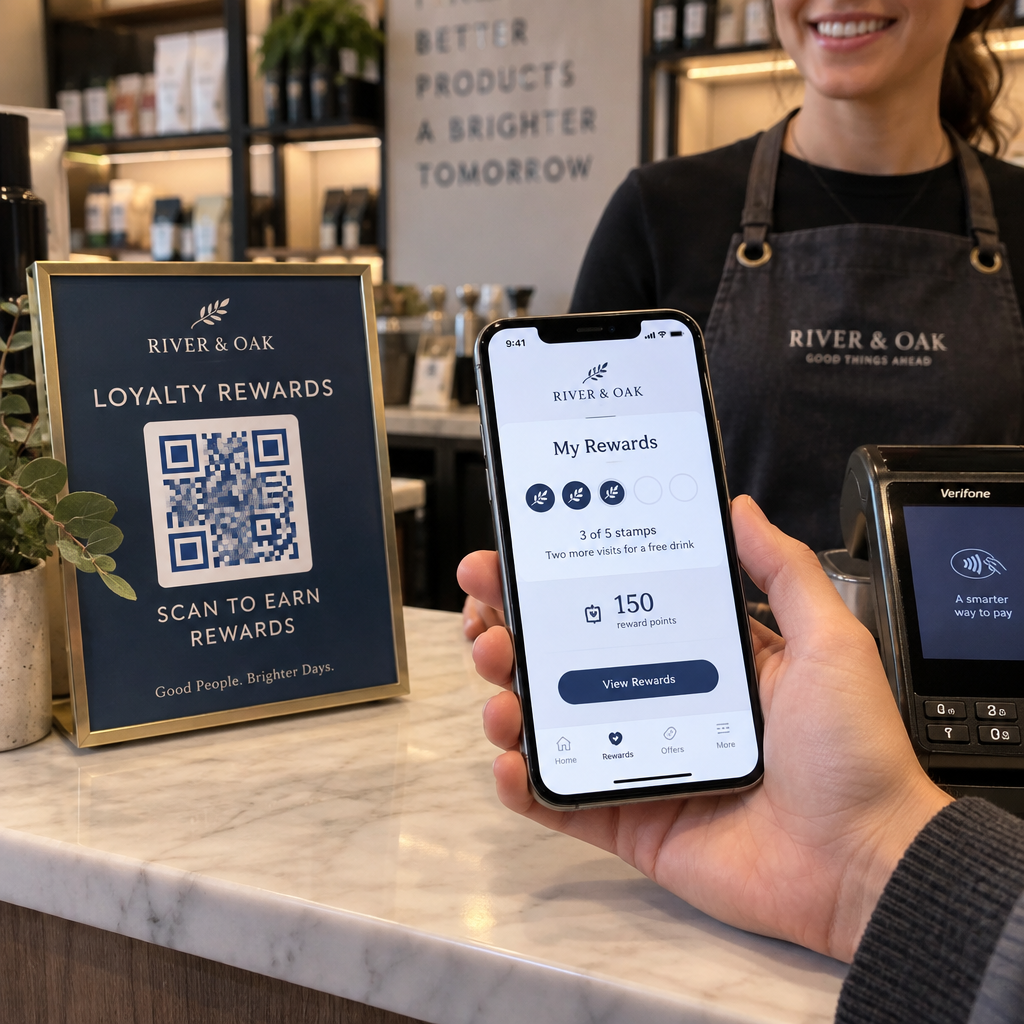
Are you losing repeat business because customers forget or misplace paper punch cards? Physical rewards cards create friction at checkout and prevent you from collecting actionable customer data. Setting up a digital QR code loyalty program streamlines the rewards process while giving you direct insight into customer buying habits.
Why Modern Rewards Rely on Dynamic QR Codes
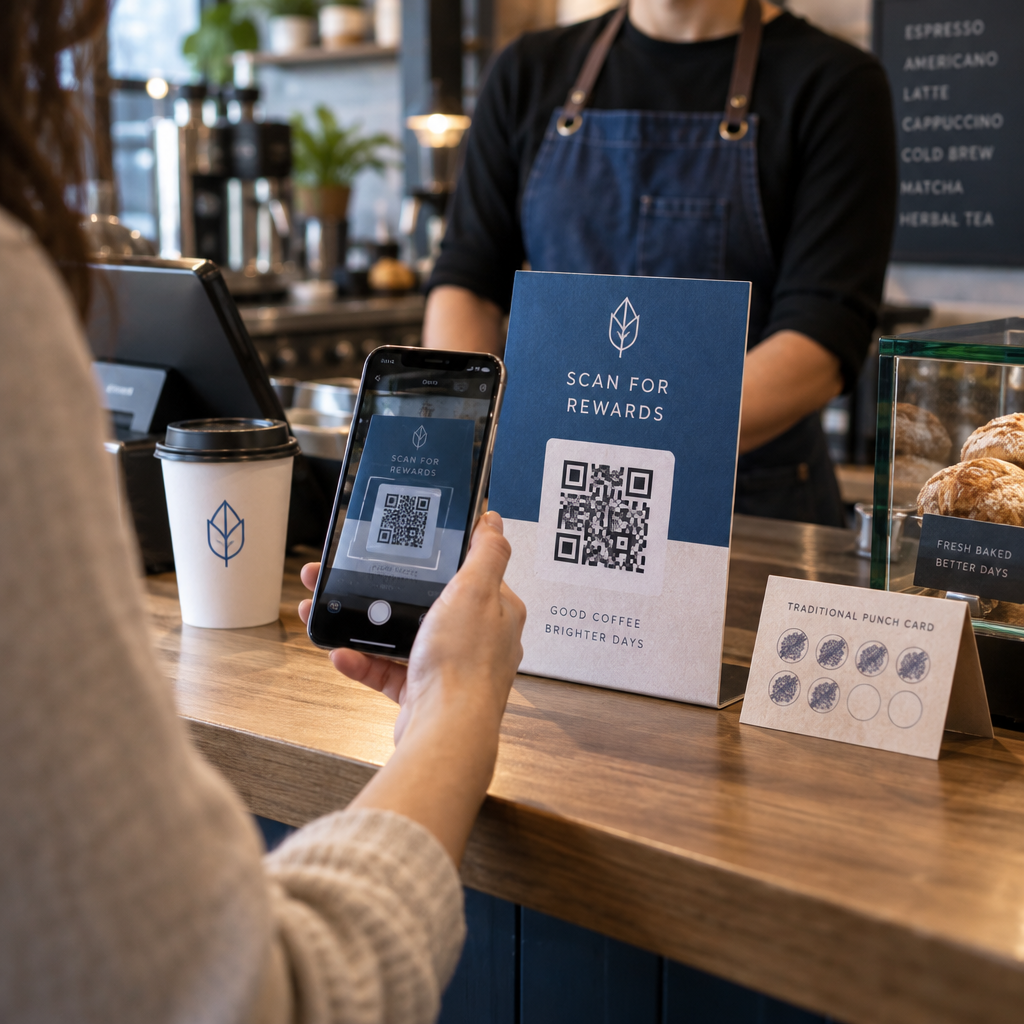
Traditional paper punch cards and plastic key tags carry high printing costs and offer zero visibility into customer behavior. When evaluating QR codes vs traditional loyalty cards, digital codes eliminate physical waste while allowing customers to store and access rewards directly on their smartphones.
The technical foundation of an effective digital rewards program is the dynamic QR code. Unlike static codes, which permanently encode a single URL destination, dynamic codes route users through an editable short link. This architecture allows you to update promotional destinations, modify point redemption links, and refresh campaign artwork without reprinting physical materials.
Dynamic codes also capture essential operational data with every scan. Using a dynamic QR code generator, businesses can track engagement patterns across multiple retail locations, measure campaign effectiveness, and deliver customized landing pages to different customer segments.
Essential Steps to Launch Your Digital Loyalty System
Building a digital rewards workflow requires a structured setup that minimizes friction for shoppers while collecting compliant customer data.
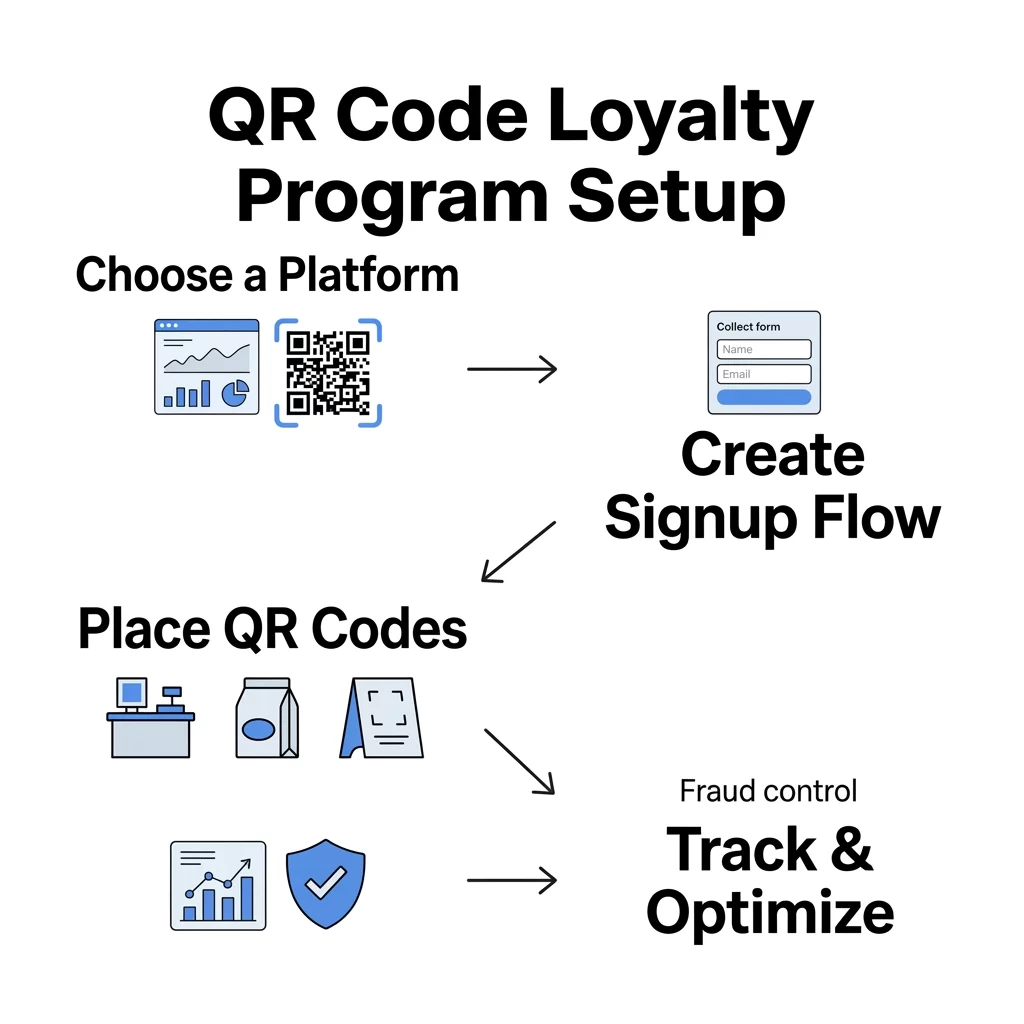
- Determine your incentive structure by deciding between a digital stamp card, tier-based VIP points, or scannable discount vouchers created with a coupon QR code generator.
- Set up a mobile-optimized enrollment destination, such as a membership sign-up page or digital form that requests only essential contact information like phone numbers or email addresses.
- Add mandatory privacy notices to your registration forms, ensuring compliance with consumer protection and CCPA financial incentive rules when trading perks for customer contact details.
- Generate your dynamic tracking code using a professional QR code generator and customize the design with your brand colors and logo to build visual trust.
- Export high-resolution vector files such as SVG or EPS to prevent pixelation when sizing codes for physical signage, counter stands, or print media.
- Test your published code thoroughly across various iOS and Android camera apps under different lighting conditions before rolling it out across your stores.
Launch Your Digital Rewards Program Ready to modernize customer retention with editable codes and real-time tracking? Explore the dynamic QR code generator to set up your campaign and start engaging shoppers today.
Strategic Placement to Drive Customer Enrollment
A loyalty program succeeds only when customers encounter clear opportunities to join. Placing codes strategically across physical touchpoints helps businesses bridge offline store visits into recurring digital interactions. Implementing proven QR codes to improve customer retention requires placing sign-up prompts along the primary paths of customer attention.
- Mount acrylic display stands directly beside payment terminals with an immediate enrollment perk, such as a percentage discount applied to the current transaction.
- Print dynamic loyalty codes on paper receipts so customers can scan at home or while waiting for their items, turning static transaction slips into retention channels.
- Position table tents and counter cards throughout dining areas or waiting lounges, giving guests a quick way to explore rewards while they wait.
- Integrate sign-up codes on exterior product packaging, shipping boxes, or hang tags to invite direct reorders and brand engagement after an initial purchase.
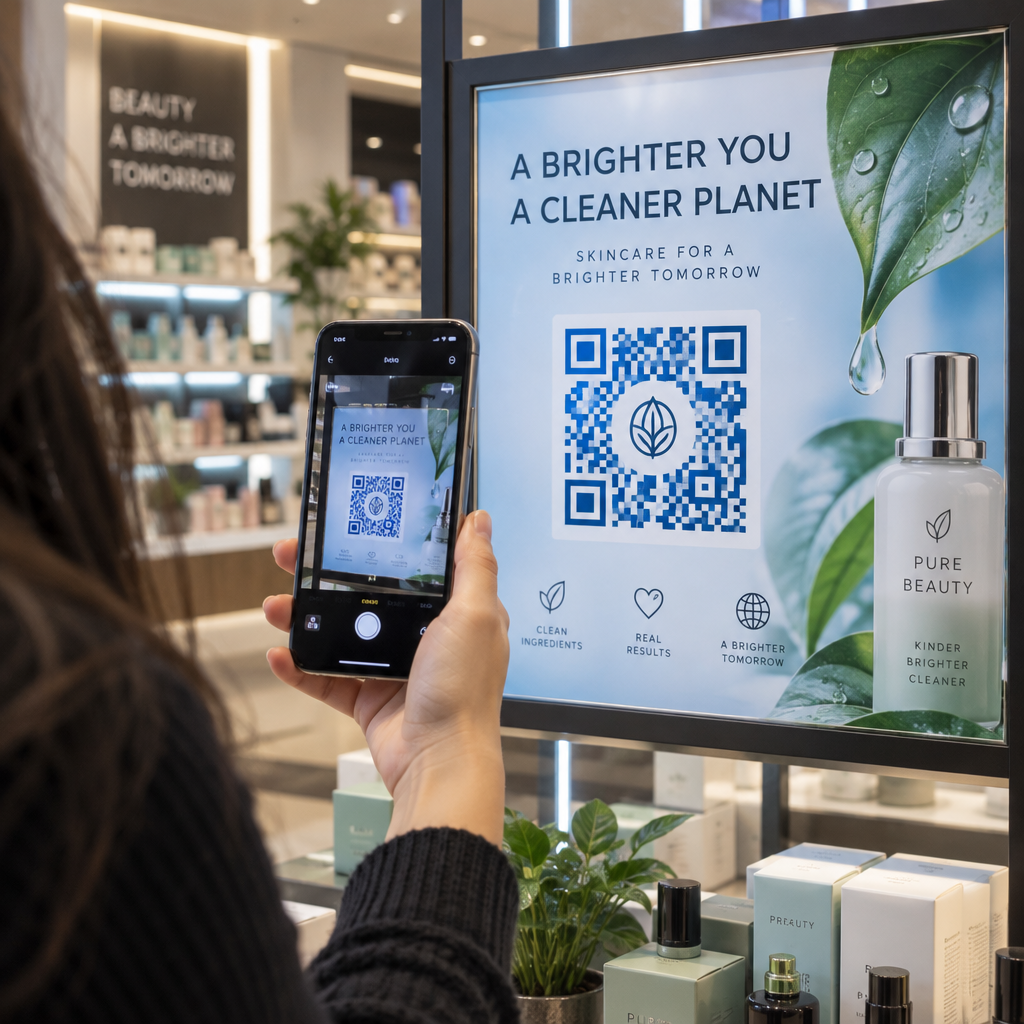
- Deploy promotional signage across high-traffic retail aisles and display windows to convert casual store browsers into registered loyalty members using solutions designed for retail.
Program Management, Analytics, and Fraud Control
Operating a digital loyalty program requires active monitoring to protect business revenue and assess campaign health. Because promotional credits represent real monetary value, securing redemptions and tracking engagement patterns are vital responsibilities.
Monitoring Engagement and Scan Metrics
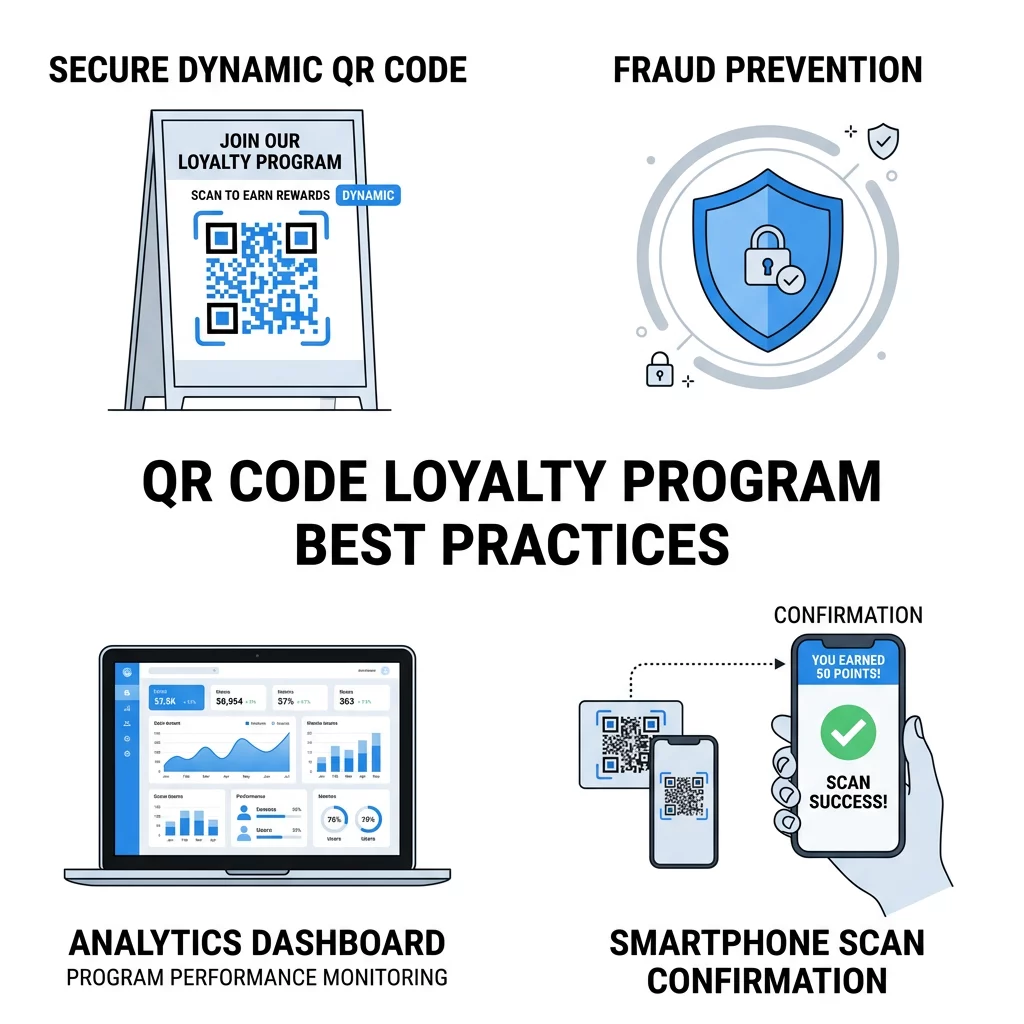
A centralized dashboard allows you to evaluate which store displays, promotional campaigns, or menu inserts generate the highest scan volume. Tracking real-time scan counts, dates, times, and device operating systems through dedicated analytics helps refine your marketing schedule. When analyzing performance, review comprehensive data on tracking QR codes to distinguish between first-time scans and recurring member interactions.
Preventing Exploitation and Code Sharing
Static QR codes present significant security risks because customers can take screenshots and share discount links with non-members online. Deploying dynamic QR codes for personalized rewards prevents unauthorized redemptions. Dynamic links allow you to gate content behind password-protected portals, set single-use redemption parameters, or rotate voucher targets after expiration dates.
Testing and Updating Offers Dynamically
Consumer preferences change over time, and static promotions often lose traction. Dynamic codes give you the flexibility to update reward values or run seasonal point multipliers without modifying your printed signage. By adjusting the destination URL in your dashboard, you can test alternative rewards programs and evaluate which incentives yield the highest rate of repeat visits.
Optimizing Scannability for Retail Displays
Physical print execution determines whether customers scan your codes or walk away frustrated. Maintaining strict design standards prevents scanning failures in busy store environments.
- Provide sufficient color contrast by placing dark code patterns over light backgrounds so smartphone camera sensors register edge markers immediately.
- Maintain a dedicated quiet zone around all four sides of the code, leaving an unprinted border equal to at least four individual modules.
- Size your codes appropriately for customer viewing distance, adhering to a minimum size of 0.8 x 0.8 inches (2 x 2 cm) for close-range counter displays and receipts.
- Add an explicit call to action within the surrounding frame, telling shoppers exactly what incentive they unlock by scanning.
Transforming your physical store into a modern retention engine starts with eliminating outdated paper workflows. Creating dynamic loyalty codes allows you to automate rewards delivery, safeguard promotions against unauthorized sharing, and gather actionable scan data across every store location. Choose a dynamic rewards structure, display your codes across high-traffic checkout areas, and launch your digital loyalty initiative to turn one-time shoppers into loyal brand advocates.
Frequently Asked Questions
Yes. You can direct customers to a mobile landing page where they sign up or view their rewards balance. Staff can verify customer accounts or redeem vouchers manually by scanning user screens or verifying digital coupons.
Dynamic codes allow you to control access by changing destination URLs, scheduling expiration dates, or routing customers through authenticated member portals. This prevents unauthorized scans from shared screenshots or out-of-store redemptions.
For close-range scanning at checkout counters or on receipts, print the code at least 0.8 x 0.8 inches (2 x 2 cm). Ensure you maintain a clear border around the code, known as the quiet zone, so camera sensors detect it instantly.