Are you struggling to decide between traditional punch cards and a mobile rewards program? Choosing the wrong format leads to wasted printing expenses or frustrated shoppers who constantly leave their cards at home. This comparison breaks down costs, customer convenience, and data tracking to help you pick the best system for your business.
Upfront Costs and Long-Term Maintenance Expenses
The financial investment required for a customer rewards program depends heavily on your delivery method. Traditional plastic or paper loyalty cards demand an immediate budget for graphic design, material sourcing, batch printing, and shipping. Whenever you adjust your reward tiers or refresh your branding, any leftover physical cards become obsolete, requiring another complete print run. In addition, replacing lost or damaged cards creates a continuous administrative expense that chips away at your program margins.
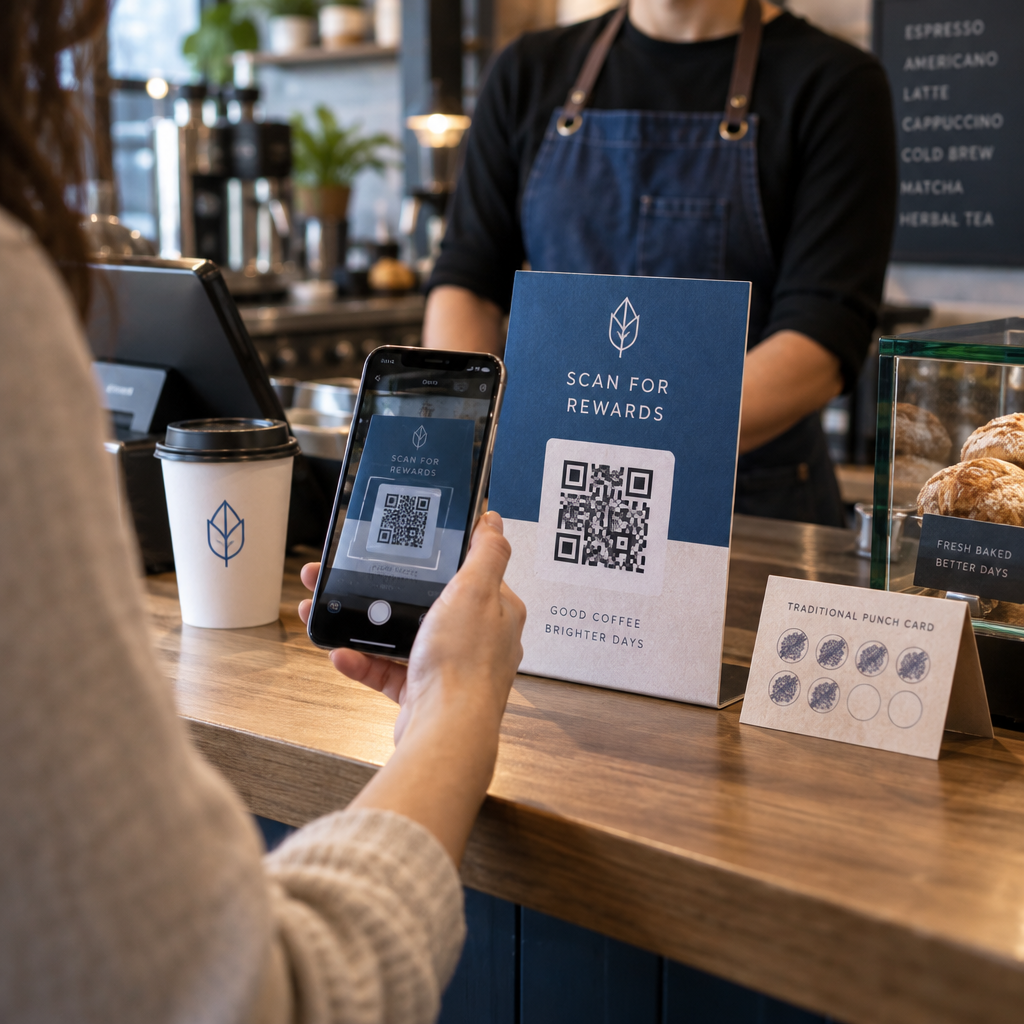
Digital loyalty systems replace physical inventory with flexible software setup. Rather than ordering printed card batches, businesses deploy editable links using a dynamic QR code generator. When campaign details or discounts evolve, you simply update the destination URL within your dashboard without altering the printed graphic. Because dynamic codes route scans through a central redirect link, a single printed display on a counter, table tent, or poster can serve thousands of customers indefinitely. When evaluating platforms, you can compare various software options to find the pricing tier and feature set that align with your operating budget.
Customer Convenience and Modern Adoption Trends
Customer participation drops whenever friction enters the checkout process. Physical punch cards must be carried in a wallet or purse, where they often get forgotten, damaged, or discarded. When a shopper arrives at your register without their card, they miss out on points, leading to a negative brand experience that discourages active participation.
Digital solutions connect directly to the smartphone devices your customers already carry every day. Industry research indicates a clear consumer shift toward mobile interactions:
- Mobile enrollment dominates customer onboarding, with EY reporting that 63% of consumers enroll in loyalty programs through a mobile app or website, rising to 48% among shoppers aged 18 to 24.
- Mobile preference continues to outpace physical media, as Antavo’s research shows 57% of US consumers prefer engaging with loyalty programs through mobile apps, compared to just 27% who prefer plastic cards.
- Digital wallet integration provides seamless access, with Fiserv noting that 54% of consumers store cards in digital wallets and 71% have downloaded merchant apps to manage rewards.
- Younger generations prioritize digital channels, with Deloitte finding that 75% of Gen Z and millennial consumers view high-quality digital experiences as essential for brand loyalty.
Feature Comparison: Traditional Cards vs. Dynamic Codes
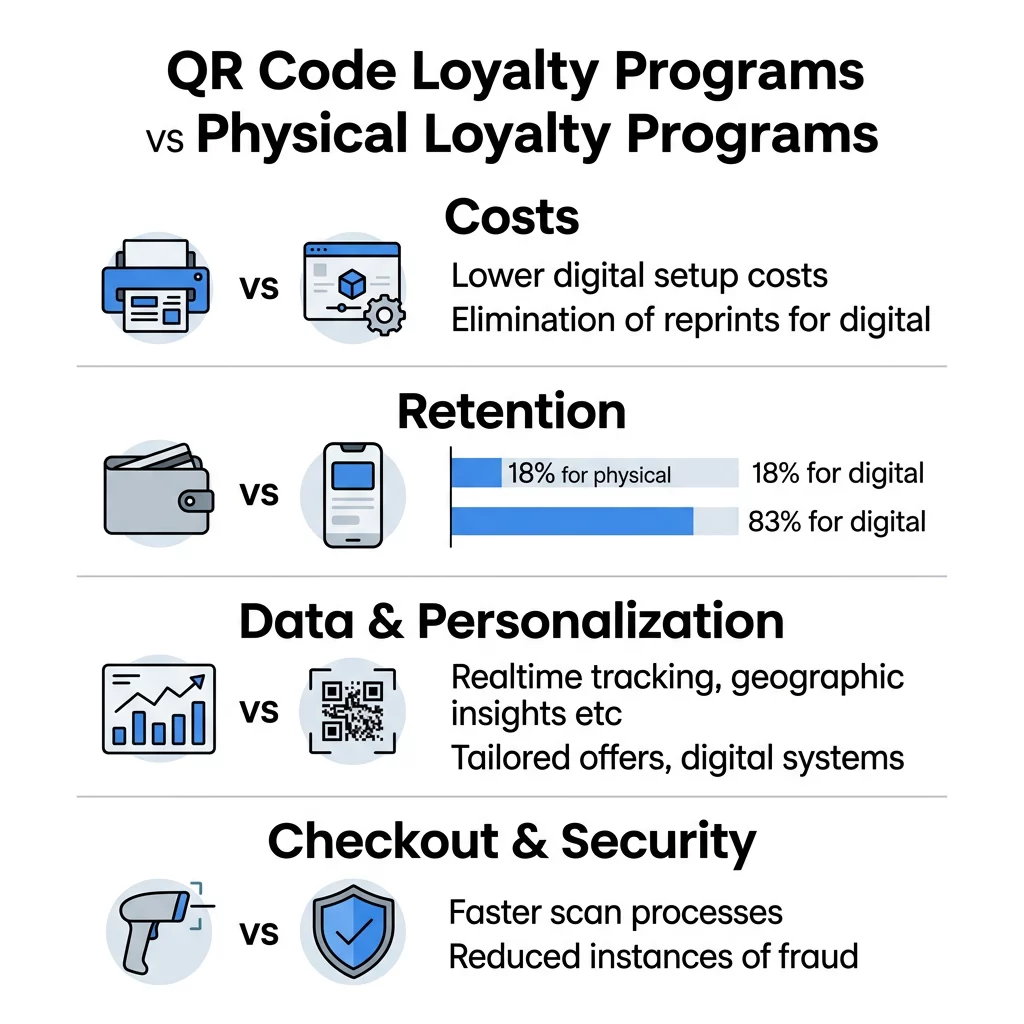
Evaluating physical and digital reward systems across operational criteria helps clarify the functional tradeoffs between each format.
| Feature | Physical Loyalty Cards | QR Code Digital Solutions |
|---|---|---|
| Upfront Cost | High (card design, materials, and batch printing) | Low (software configuration) |
| Ongoing Expense | High (reprinting lost or worn-out cards) | Low (predictable platform subscription) |
| Content Flexibility | Static (requires reprinting to change offers) | Dynamic (update redirect URLs instantly) |
| Data Tracking | Manual and limited to register interactions | Automated real-time scan metrics |
| Customer Reach | In-store physical distribution | Omnichannel across print, packaging, and digital |
| Security | Low (vulnerable to loss and unauthorized sharing) | High (centralized authentication and control) |
First-Party Data Collection and Personalized Offers
The primary technical drawback of physical loyalty cards is their inability to capture behavioral data. Paper stamp cards and basic plastic barcode cards reveal little beyond the final redemption event. You cannot observe when a customer considers a deal, which marketing channels drove them to your store, or how frequently they engage outside of checkout lines.
Digital QR programs transform passive touchpoints into rich sources of first-party marketing data. Scanning a code logs critical operational details into an analytics dashboard, giving businesses clear visibility into user trends:
- Total and unique scan volumes across individual store locations
- Specific hours and days when customer interest peaks
- Geographic locations where buyers interact with your brand materials
- Device types and operating systems used by your patrons
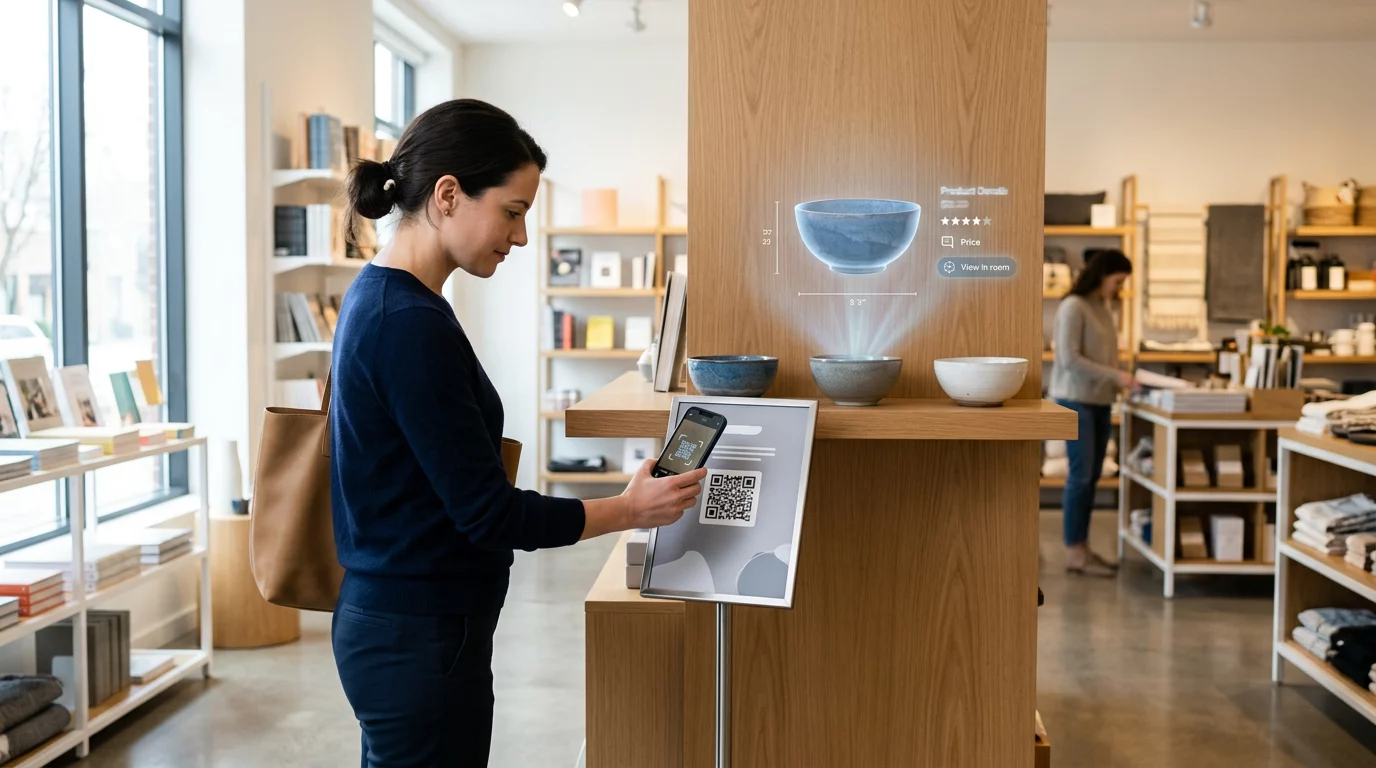
This measurable feedback loop lets you deploy dynamic QR codes for personalized rewards instead of static discounts. By pairing automated data with a dedicated coupon QR code generator, businesses can distribute custom vouchers, launch time-sensitive discounts, and boost redemption rates. Placing trackable codes on post-purchase materials and using QR codes on receipts allows you to capture customer feedback and stimulate repeat visits long after the initial sale.
Build Your Trackable Rewards Program Want to launch digital loyalty campaigns and track scan engagement in real time? Use the Dynamic QR Code Generator to create editable codes that keep your marketing flexible.
Operational Speed, Security, and Legal Compliance
Point-of-sale efficiency is crucial for maintaining short checkout lines and happy shoppers. Manually stamping physical cards or searching for customer accounts by phone number slows down cashiers and introduces human calculation errors. Furthermore, physical stamp cards are vulnerable to counterfeit stamping or unauthorized sharing between patrons.
A digital scan processes in seconds, validating rewards and updating customer accounts instantly. Implementing an organized system using QR codes for retailers streamlines the checkout experience while protecting your business through centralized verification.
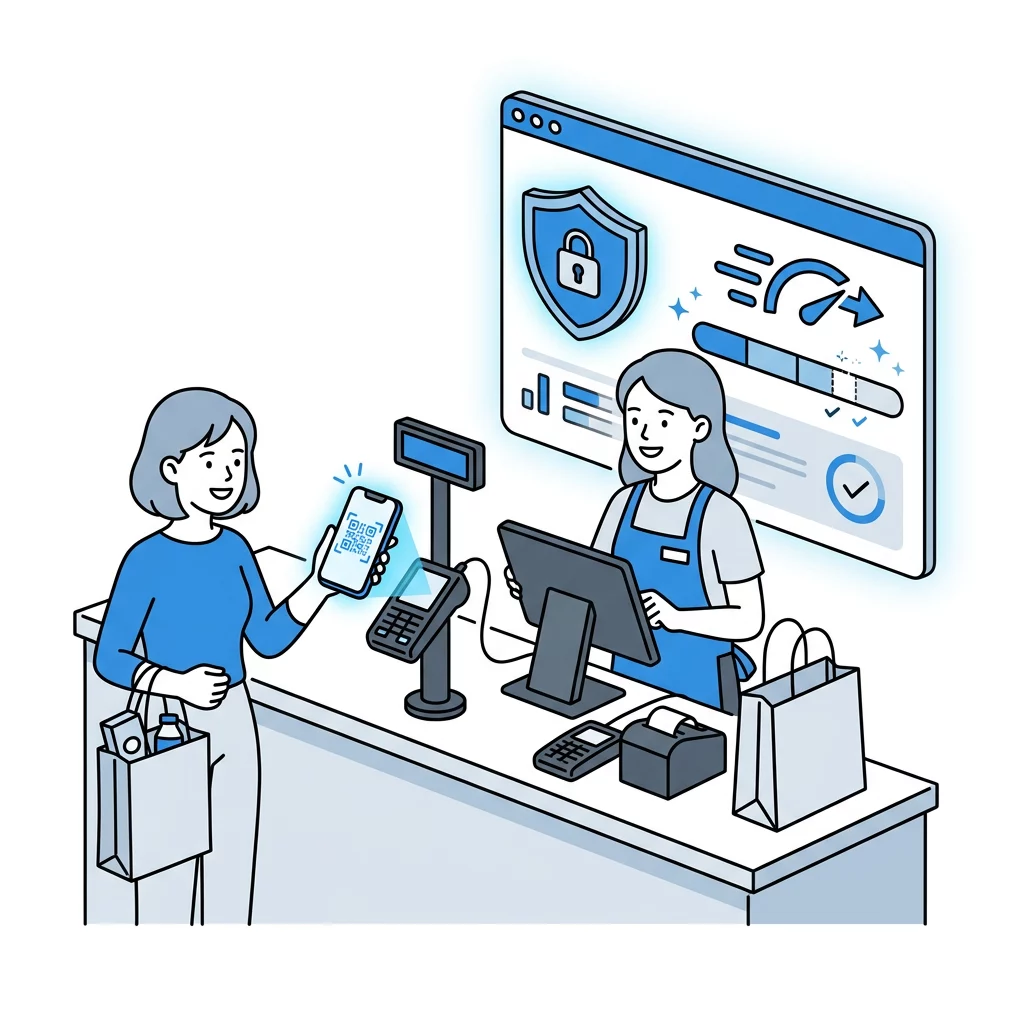
Operating a digital loyalty program also introduces data governance responsibilities that require strict compliance with regulatory standards:
- Provide a clear Notice of Financial Incentive under the California Consumer Privacy Act (CCPA) whenever offering discounts or points in exchange for personal information.
- Obtain explicit opt-in consent before enrolling members into incentive programs, ensuring users can revoke participation at any time.
- Comply with the Children’s Online Privacy Protection Rule (COPPA) by avoiding data collection from children under 13 without verified parental consent.
- Follow Federal Trade Commission guidance by gathering only necessary customer data, securing stored records, and deleting old files responsibly.
- Meet Department of Justice requirements under the Americans with Disabilities Act (ADA) by designing accessible digital enrollment and redemption portals.
Selecting the Right Program Format
Selecting between a physical card, a digital setup, or a hybrid strategy depends on your customer demographics and infrastructure. If your business serves an older audience less comfortable with mobile devices, physical cards offer immediate familiarity. However, brands aiming to scale, reduce overhead, and improve customer retention gain distinct strategic advantages from dynamic digital solutions.
Reviewing a practical guide on how to set up QR code loyalty programs will help you define clear enrollment incentives, configure your rewards structure, and train staff for launch. A hybrid deployment – such as printing dynamic QR codes onto durable cards or receipt footers – can bridge the gap between physical retail spaces and modern digital rewards.
Frequently Asked Questions
No, businesses can run successful programs without developing a proprietary mobile app. You can direct customers to a mobile-friendly web portal or digital wallet pass using a dynamic QR code, allowing instant access from any smartphone browser.
You can update your promotional offers directly in the management dashboard without reprinting your codes. Dynamic QR codes route scans through an editable redirect link, ensuring that printed signage, table tents, and receipt codes stay current.
Yes, adopting a hybrid model allows you to serve different customer segments effectively. You can print QR codes directly onto physical membership cards or store receipts, letting tech-focused patrons manage rewards digitally while still accommodating customers who prefer tangible items.
Evaluating your long-term marketing objectives makes it clear that digital rewards deliver greater flexibility, deeper insights, and lower operational overhead than paper punch cards. Start building your custom rewards program today using dynamic QR codes to turn everyday customer visits into long-term brand loyalty.