How can your business turn physical marketing materials into trackable digital results? Many offline campaigns feel like a black hole where engagement is impossible to measure, leading to wasted spend and missed opportunities. This guide explains how to use QR codes to bridge the gap between print and digital to drive measurable customer action.
The Evolution of QR Codes in Marketing
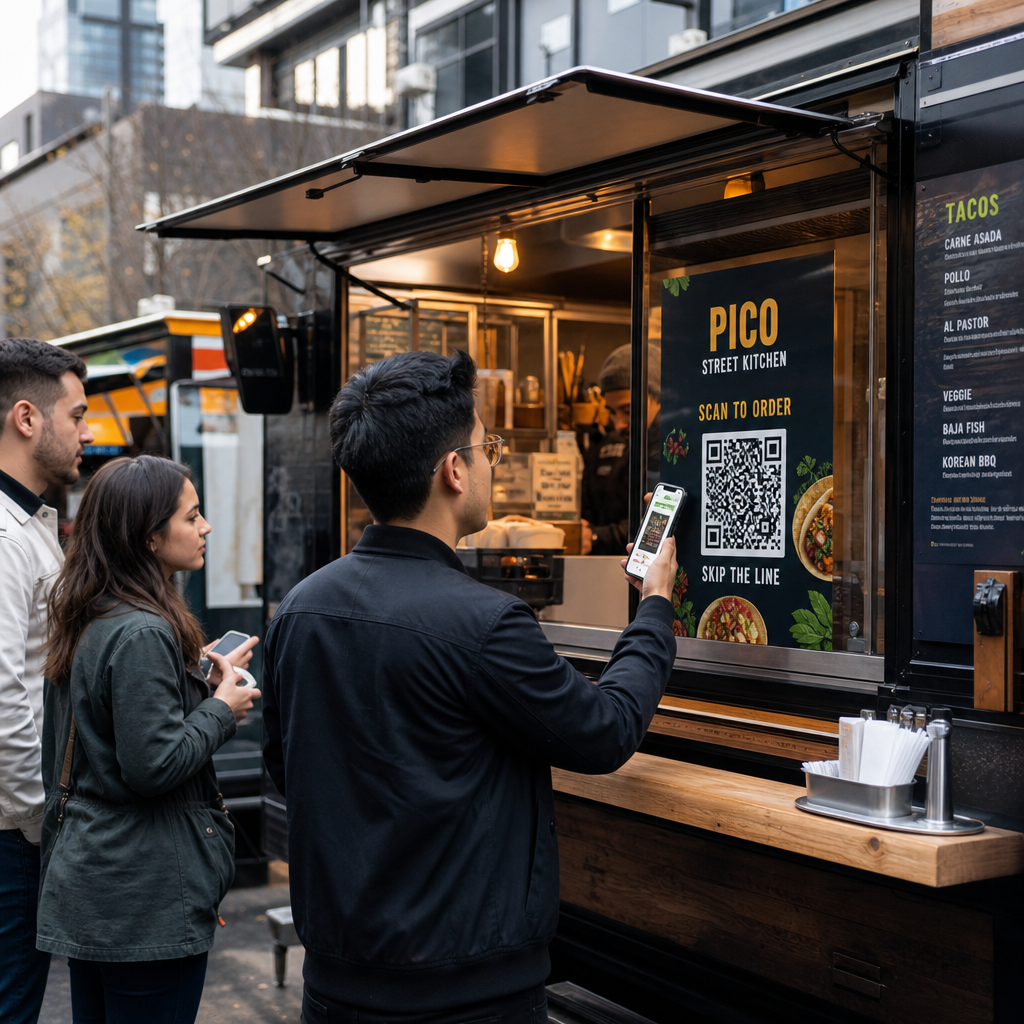
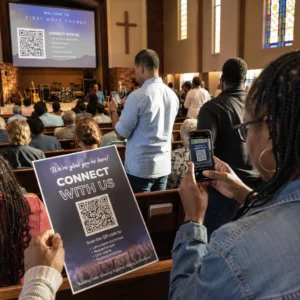
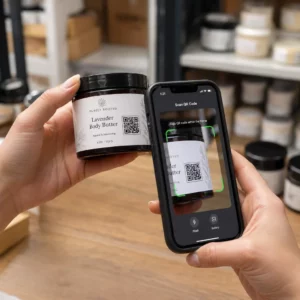
QR codes have transitioned from niche technical tools to essential components of the modern marketing mix. With 99.5 million smartphone users in the United States projected to scan QR codes in 2025, and that number expected to climb to 102.6 million by 2026, the technology has reached a critical mass. This widespread adoption allows businesses to transform static surfaces – like posters, product packaging, and business cards – into interactive gateways for customer engagement.
Beyond simple convenience, these codes provide a direct way for brands to collect first-party data in a transparent manner. Every interaction offers a chance to understand your audience better by identifying which physical touchpoints are driving the most digital traffic. By connecting print and digital marketing, businesses can offer a seamless journey that meets customers exactly where they are.
Choosing Between Static and Dynamic QR Codes
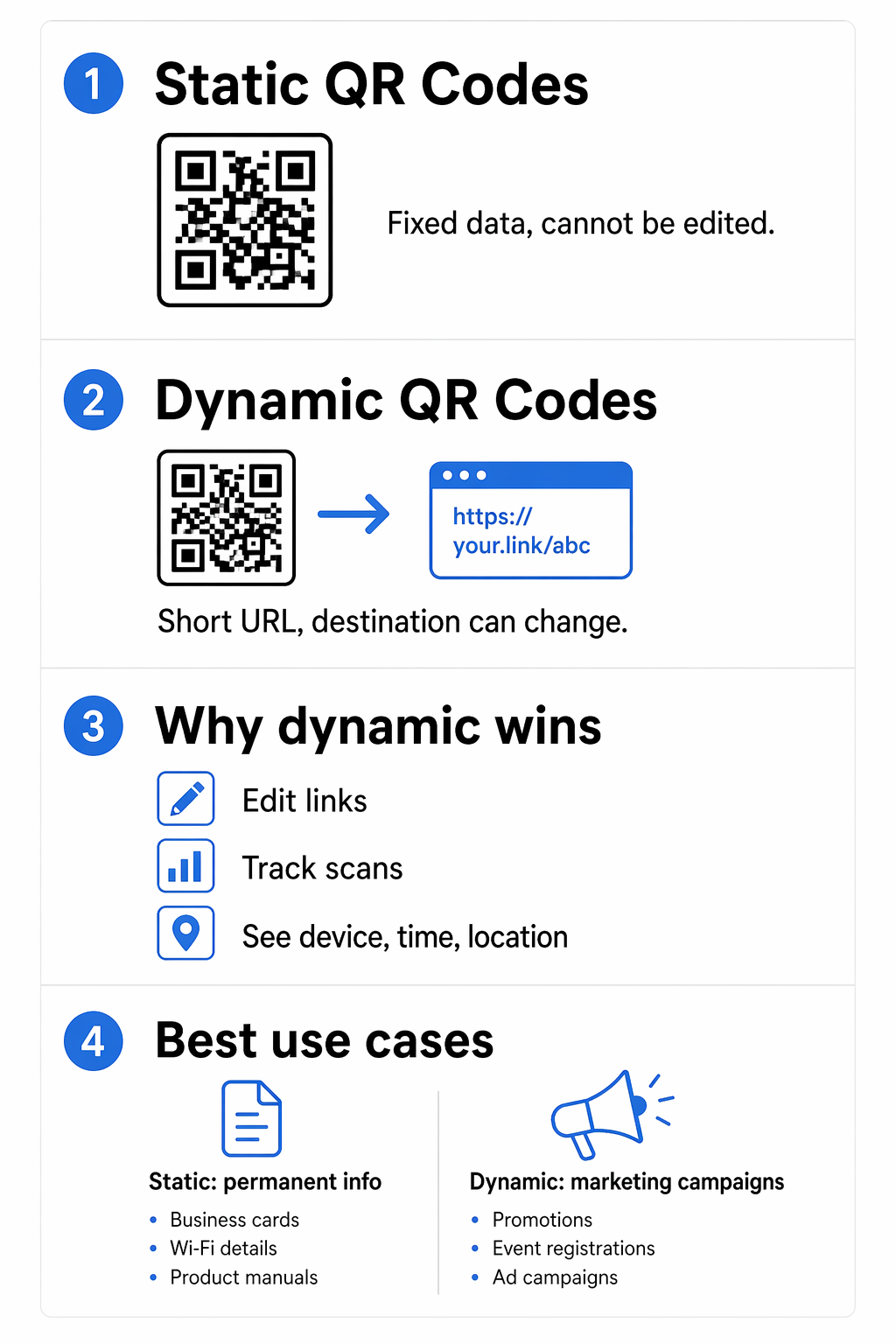
The foundation of a successful campaign lies in selecting the right type of code for your specific goals. Static QR codes are permanent and uneditable once created because the data is encoded directly into the pixel pattern. These are best suited for one-time information that will never change, such as a Wi-Fi password for an office or a fixed link to a permanent technical manual.
For most marketing initiatives, however, dynamic QR codes are the superior choice. Unlike static versions, dynamic codes use a short redirect URL, which gives you the flexibility to update the destination link at any time without reprinting your materials. This is particularly valuable for seasonal promotions or if a destination URL accidentally breaks. Furthermore, choosing static vs dynamic QR codes is often a choice between “blind” marketing and data-driven strategy, as only dynamic codes offer the ability to track scan metrics such as location, time, and device type.
Creative Strategies to Boost Engagement
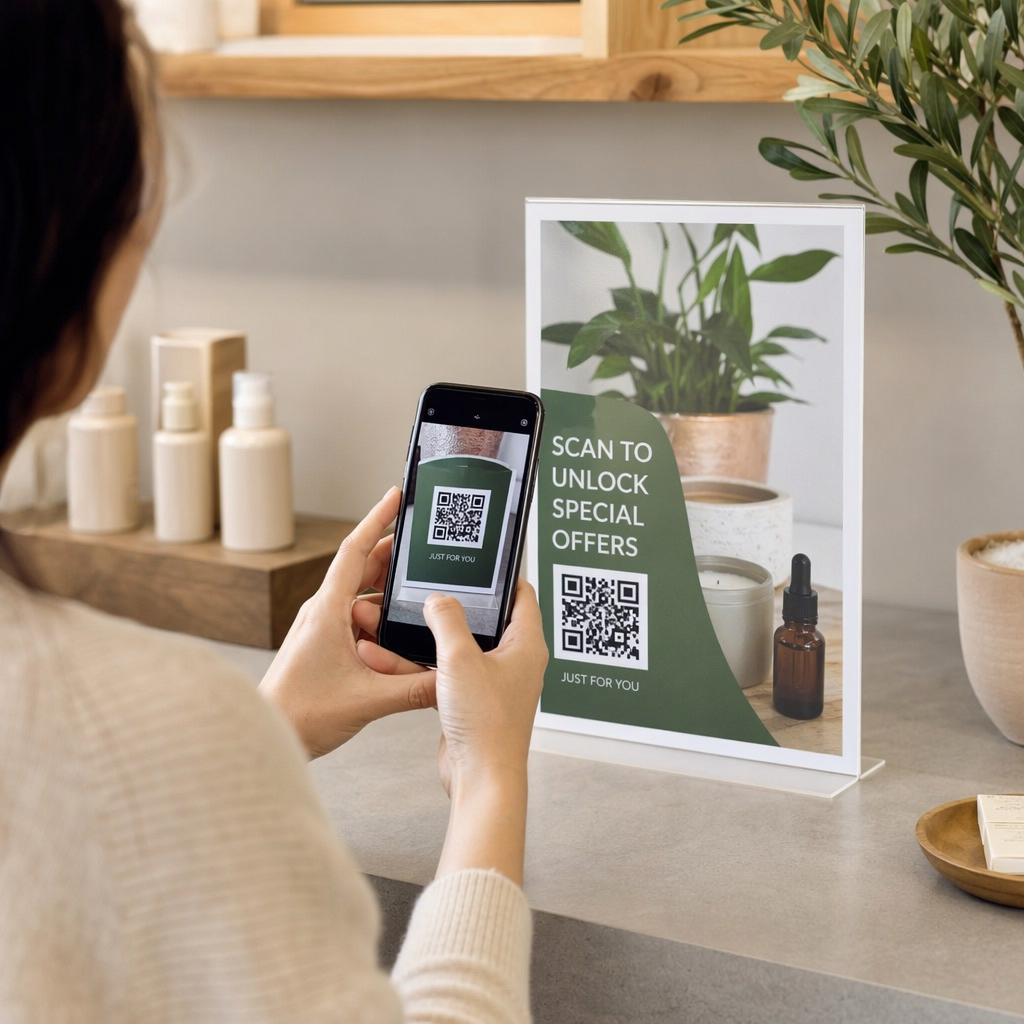
To maximize the impact of your campaign, you must give users a compelling reason to reach for their phones. Effective strategies often involve offering immediate value, such as an exclusive discount, a chance to win a prize, or access to “behind-the-scenes” content that isn’t available elsewhere. Research suggests that 76% of consumers find branded QR codes appealing, so incorporating your company’s colors and logo can significantly build trust and increase scan rates.
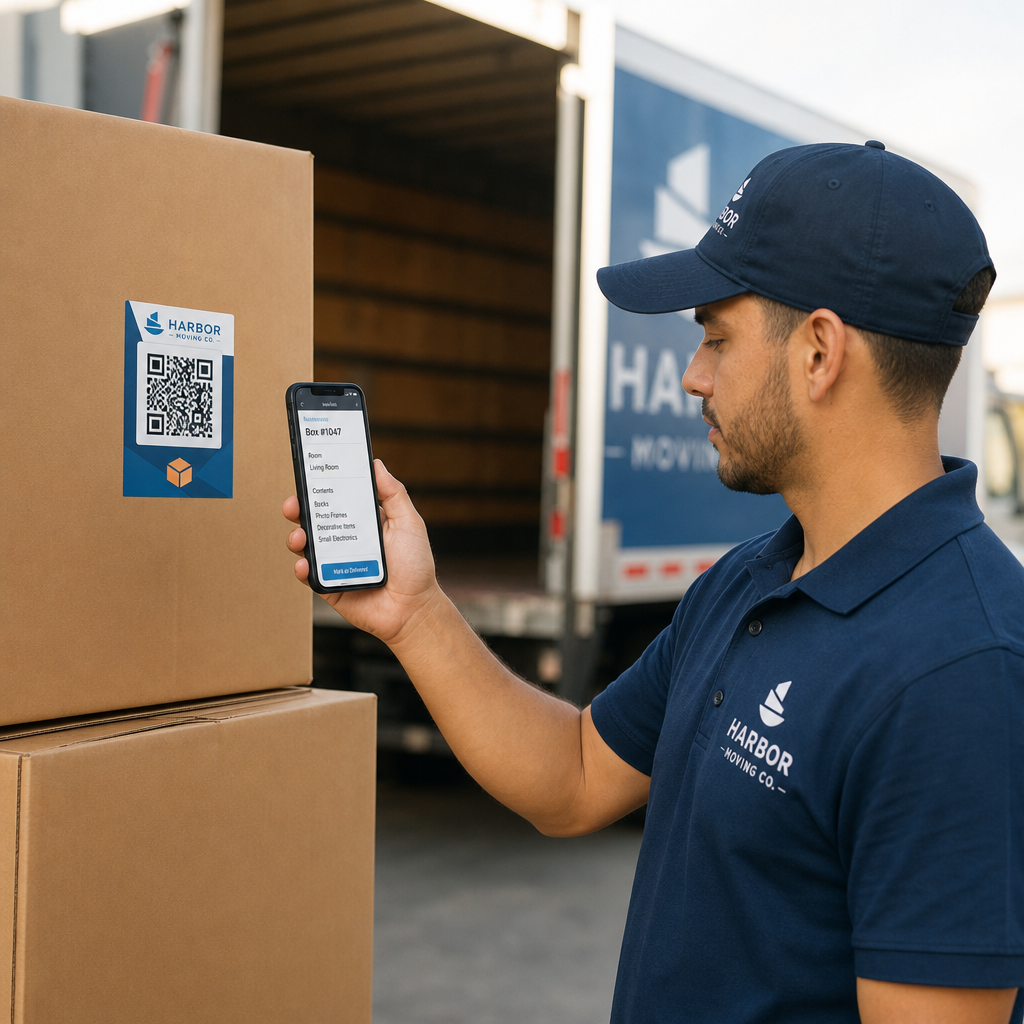
Personalization also plays a vital role in modern campaigns. You can use codes to direct users to localized landing pages or specific product guides based on where the code was placed. For example, a QR code on a specific grocery item might link to a recipe using that ingredient, while a code on a gym’s front window could lead directly to a class signup form. This level of relevance ensures that the user’s journey feels tailored and useful rather than generic.
Monitor Your Campaign in Real-Time Want to see exactly where and when your customers are scanning your materials? Use the Dynamic QR Code Generator to create trackable codes and access a full performance dashboard today.
Technical Best Practices for Scannability
A QR code is only effective if it scans quickly and reliably on the first attempt. To ensure high performance, you must follow established technical standards regarding size, contrast, and placement.
- Size and Distance: Maintain a 10:1 ratio between the scanning distance and the size of the code. If a customer is scanning a poster from 10 feet away, the code should be at least 1 foot wide. For close-up items like business cards or packaging, the minimum recommended size is 0.8 x 0.8 inches.
- Color and Contrast: Scanners rely on distinguishing between light and dark modules. Always use a dark foreground on a light background, aiming for a high contrast ratio of at least 4.5:1. Avoid inverted colors, as many older smartphone cameras struggle to read light-on-dark patterns.
- Quiet Zones: Every QR code requires a “quiet zone,” which is a clear border of empty space around the code that separates it from other design elements. This border should be at least four modules wide to prevent the scanner from getting confused by nearby text or graphics.
- Material Selection: Avoid printing codes on highly reflective or curved surfaces whenever possible. Glossy finishes can create glare that blinds the camera, while heavy curves can distort the pixel pattern. Using matte finishes and flat surfaces ensures the highest reliability.
Measuring Success with Tracking and Analytics
Once your campaign is live, the focus shifts to optimization through data. Using a platform that provides tracking for QR codes allows you to see real-time performance metrics. You can identify which geographic locations are most active, what time of day your audience is most engaged, and which mobile operating systems they prefer.
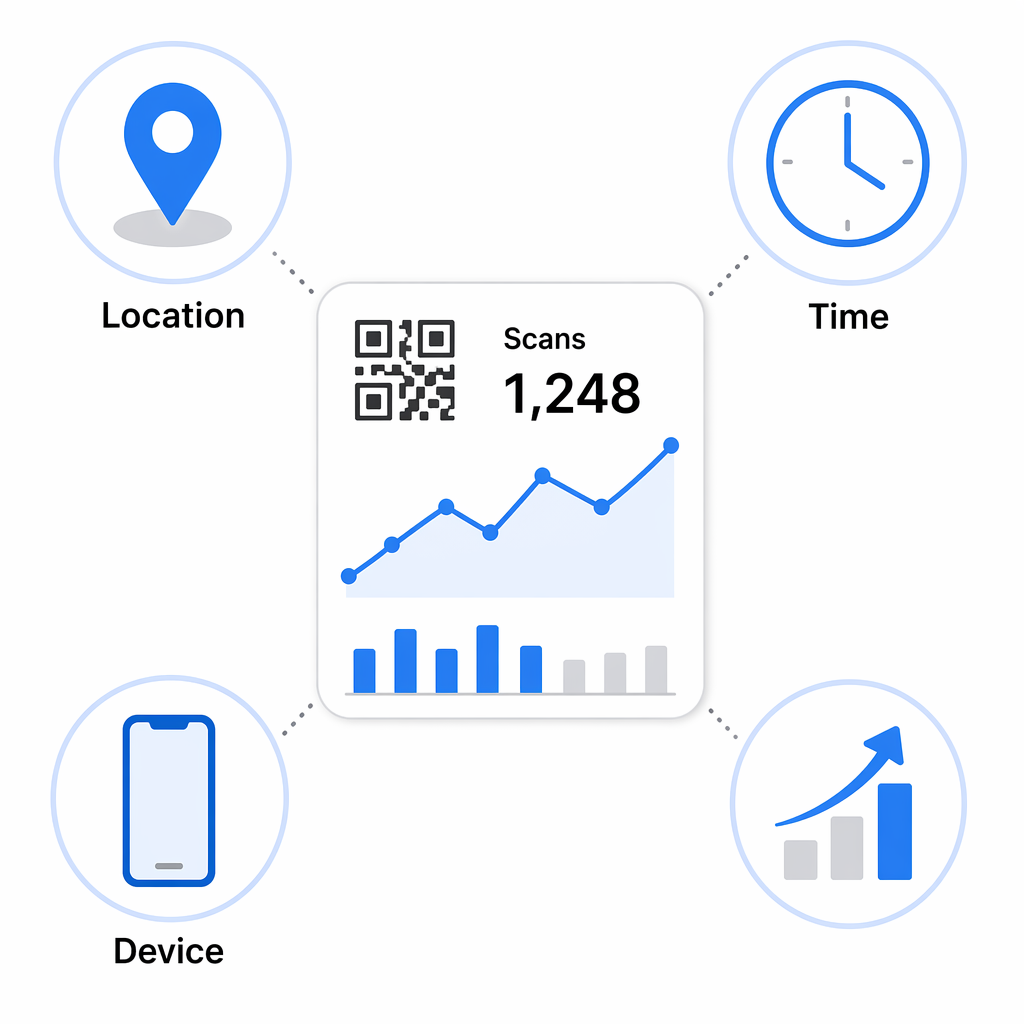
For even deeper insights, you can integrate your QR codes with professional analytics tools. By adding UTM parameters to your URLs, you can track exactly how QR traffic behaves once it reaches your website within Google Analytics. This data enables you to perform A/B testing on QR codes by trying different calls-to-action or designs to see which version produces the highest conversion rate. Over time, this iterative approach transforms your QR strategy from a simple link into a high-performing lead generation engine.
Frequently Asked Questions
Yes, but only if you used a dynamic QR code. Dynamic codes use a redirect URL that allows you to change the destination link in your management dashboard at any time without changing the printed design.
For materials handled at arm’s length, such as flyers or brochures, the QR code should be at least 0.8 x 0.8 inches (2 x 2 cm). If the scanning distance is further, you must increase the size proportionally using a 10:1 ratio.
Most modern smartphones running iOS or Android have QR scanning capabilities built directly into the native camera app. Users simply need to point their camera at the code to receive a notification to open the link.
Integrating QR codes into your marketing strategy provides a powerful, low-cost way to make your offline materials interactive and measurable. By prioritizing dynamic codes, following scannability best practices, and analyzing your scan data, you can continuously improve your campaign performance and drive deeper customer engagement. To start building your own trackable campaign, try using a QR code generator with logo to create a branded, professional experience for your audience.