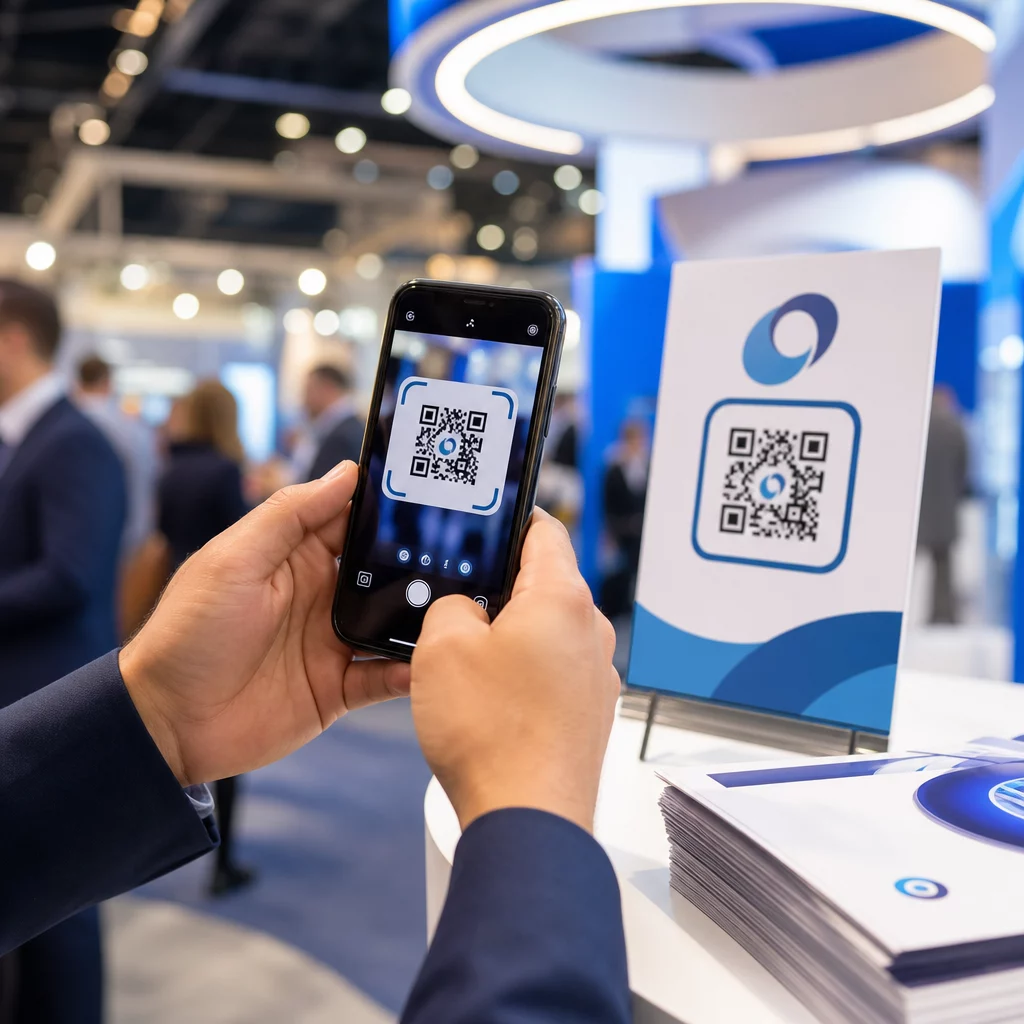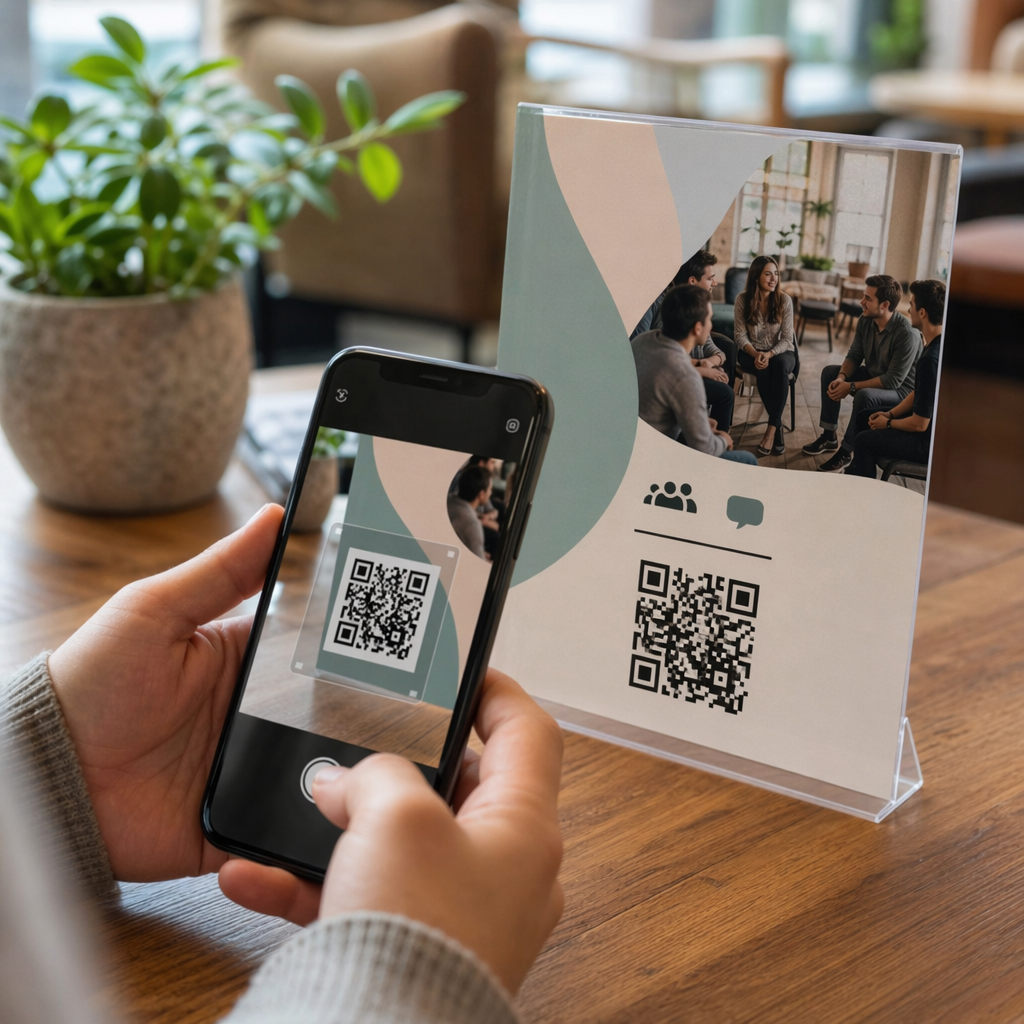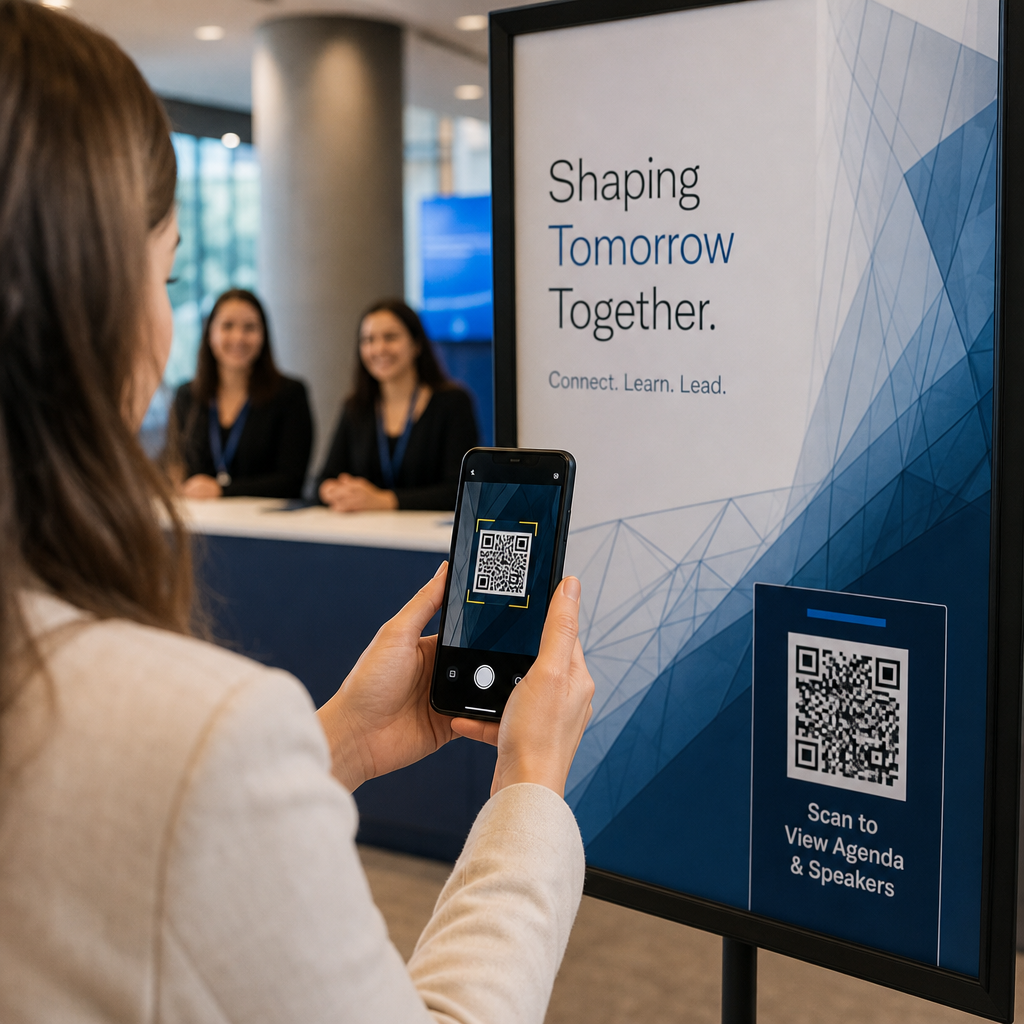
Are your offline marketing efforts failing to convert into digital actions? Traditional print materials often lack the interactivity needed to capture modern consumer attention, leading to missed data and lost sales. This guide explores how QR codes bridge the physical-digital gap to boost engagement and provide measurable insights for your business.
Transforming Print into Interactive Habits
QR codes have become a powerful way to encourage daily habits by relying on technology that most people already carry in their pockets. With built-in scanners available on the vast majority of modern mobile devices, consumers no longer need specialized apps to interact with your brand. This ease of use has driven rapid adoption, with projections suggesting that over 100 million Americans will scan a QR code by 2026.
By simplifying everyday tasks, you can turn routine interactions into moments of engagement. For instance, a Wi-Fi QR code eliminates the friction of manual password entry, while a vCard QR code instantly saves your contact details to a customer’s phone. These small conveniences teach users to associate your brand with useful, time-saving benefits. Choosing between static vs dynamic QR codes is a critical first step here, as dynamic options allow you to update the destination content even after the materials are printed.
Driving Higher Engagement Than Traditional Channels
QR codes outpace traditional marketing channels because scanning is an intentional action. Unlike the passive exposure of a billboard or a television ad, a scan represents a deliberate choice to seek out more information. This active nature creates higher-quality interactions with more motivated consumers. Research indicates that QR-linked content achieves engagement rates three to four times higher than conventional outreach methods, with some campaigns reaching a click-through rate of 37%.
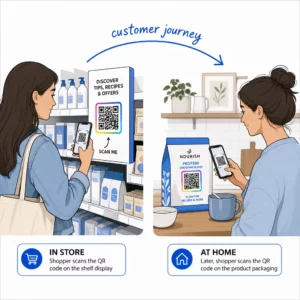
The ability to merge physical and digital experiences creates unique opportunities for conversion. For example, retailers can place codes on direct mail flyers to send users directly to a contest landing page or a product demonstration video. Because the transition is seamless, users are more likely to stay engaged with the brand longer. To maximize these results, using a dynamic QR code generator ensures you can track every scan and adjust your strategy based on real-time performance.
Collecting First-Party Data Without Cookies
In a world increasingly focused on privacy, QR codes offer a transparent way to collect first-party data. Unlike third-party cookies that track users across the web without explicit consent, QR codes rely on a voluntary scan. This creates an opt-in system that respects user privacy while still providing businesses with critical insights. When a customer scans a code, you can capture details such as the time of interaction, location, and device type without requiring personally identifiable information.
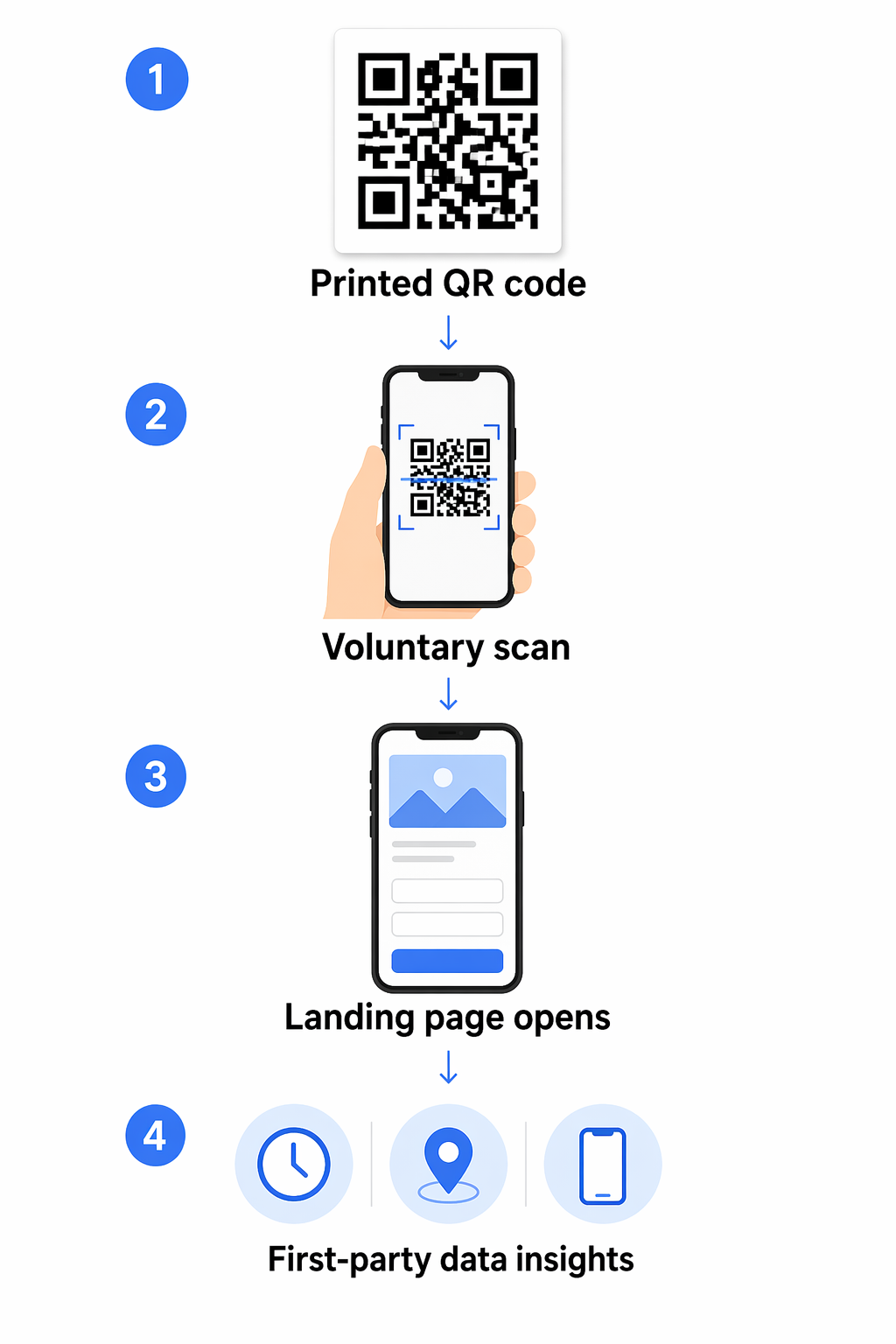
Many businesses now use QR codes to replace traditional tracking methods. By directing users to a Google Form QR code, you can gather feedback or lead information directly from a physical touchpoint. This data-driven approach is essential for marketing personalization, allowing you to understand customer preferences and refine your services based on actual behavior rather than guesswork.
Personalizing the Customer Journey with Dynamic Content
Dynamic QR codes allow you to change the destination URL at any time, which means a single printed code can serve multiple purposes. You can tailor the experience based on the time of day, the user’s location, or current promotional cycles. A restaurant might use the same QR code to show a breakfast menu in the morning and a cocktail list in the evening, ensuring the content is always relevant to the user’s immediate needs.
This level of flexibility also supports advanced QR code tracking to see which placements are driving the most traffic. For example, you can compare the performance of a code placed in a storefront window versus one on a product tag. By analyzing these scan patterns, you can optimize your placement and design to ensure the highest possible engagement.
Monitor Your Campaign in Real-Time Want to see exactly where and when your customers are scanning your materials? Use the Dynamic QR Code Generator to create trackable codes and access a full performance dashboard today.
Scaling Revenue Through Connected Touchpoints
QR codes turn every physical surface into a potential sales channel. When a customer scans a code on product packaging or a business card, they are instantly connected to digital purchase options, loyalty programs, or exclusive discounts. This accessibility transforms offline interest into measurable revenue. In fact, many businesses have reported significant revenue growth after integrating QR codes into their customer journey.
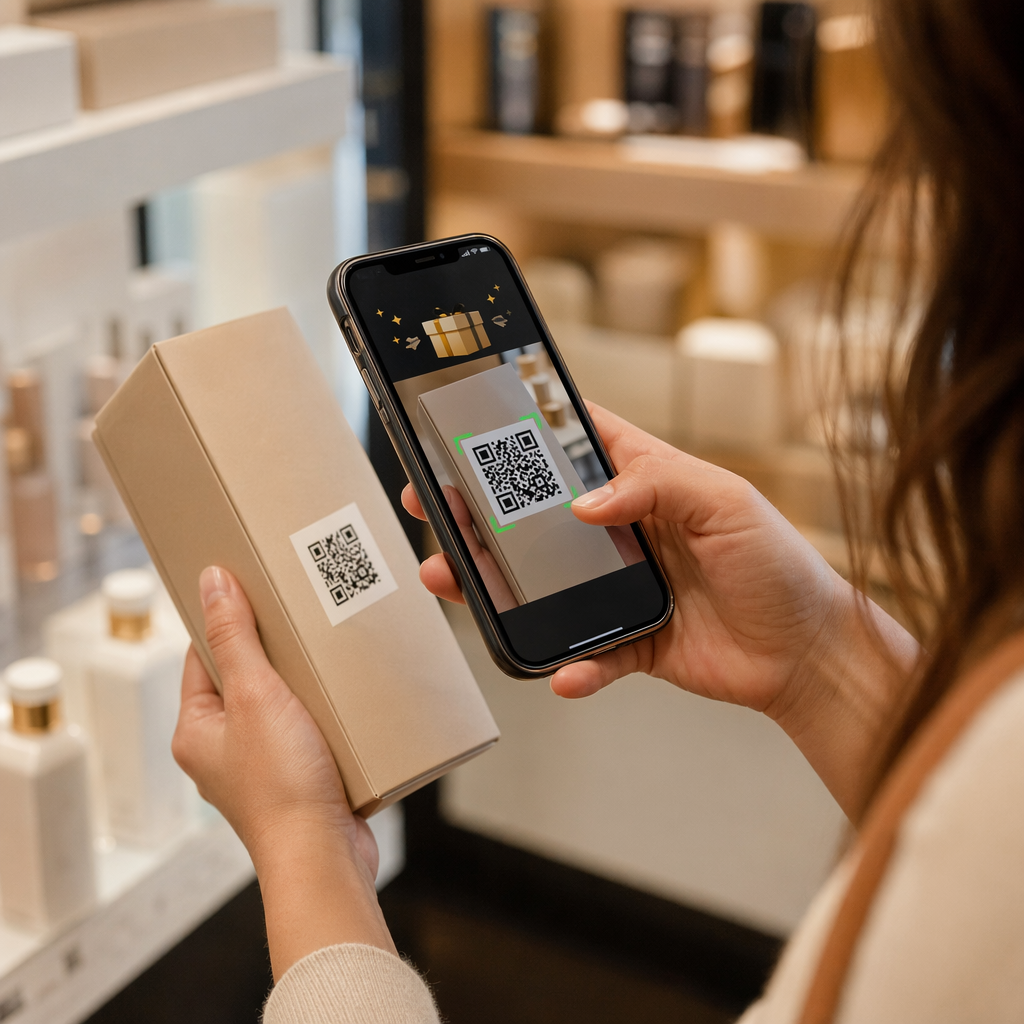
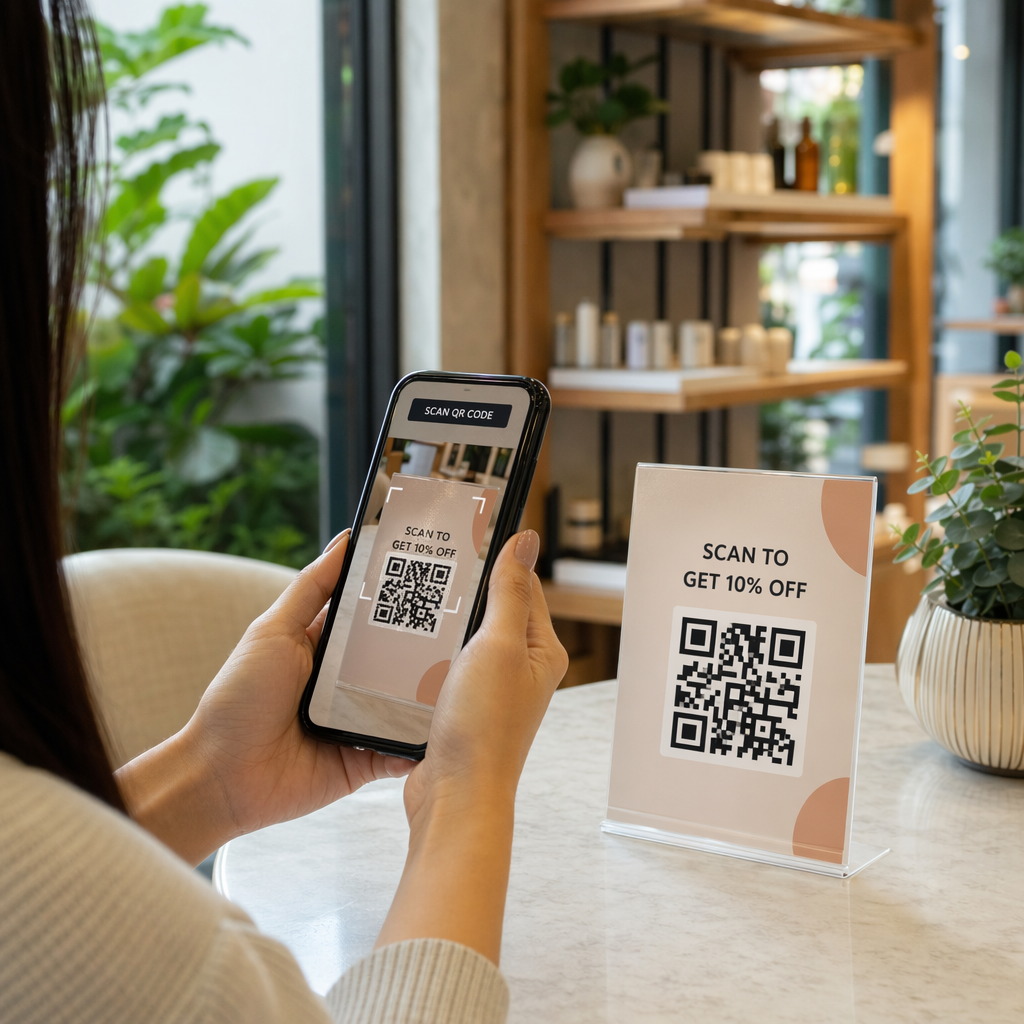
Strategic placement is key to driving these conversions. For instance, using a Google Review QR code generator on a receipt or table tent makes it incredibly easy for happy customers to leave feedback, which builds social proof and drives future sales. Because the action is immediate, it captures the customer’s intent at its peak, reducing the likelihood of them forgetting to interact later.
Optimizing for Mobile Speed and Conversion
Speed is a critical factor in mobile engagement. Users expect instant results, and any delay in page loading can lead to high abandonment rates. QR codes facilitate a faster experience by bypassing the need to type long, complex URLs. A single scan takes the user directly to a mobile-optimized landing page, providing the information they need in seconds.
To ensure high conversion rates, you must follow established guidelines for QR code placement. This includes maintaining high contrast between the code and its background, ensuring the code is large enough to be scanned from a distance, and testing it across multiple devices. When the scanning process is effortless and the destination page loads quickly, customers are much more likely to complete a desired action, such as making a purchase or signing up for a newsletter.
Measuring Multi-Channel Success with UTM Parameters
One of the greatest advantages of QR codes is the ability to bridge various marketing channels while maintaining clear attribution. By adding UTM parameters to your QR codes, you can track exactly how much traffic your offline materials are driving to your website within Google Analytics. This allows you to treat a printed flyer or a magazine ad with the same level of analytical rigor as a digital search campaign.
This multi-channel integration is particularly useful for marketing agencies that need to prove the return on investment for physical advertisements. You can see not only how many people scanned the code but also what they did on your site afterward. Did they make a purchase? Did they sign up for a trial? This data allows you to fine-tune your messaging and placement for maximum impact across all platforms.
QR codes are no longer just a trend; they are a fundamental tool for connecting with customers in a mobile-first world. By focusing on strategic placement, dynamic content, and robust tracking, you can transform your physical materials into high-performing digital touchpoints. Start by creating your first trackable campaign with a reliable generator to see the immediate impact on your customer engagement.
Frequently Asked Questions
Static QR codes contain fixed information that cannot be changed after creation, while dynamic QR codes use a redirect URL that allows you to update the destination content and track scan analytics at any time.
You can track scans by using a dynamic QR code management system which reports metrics like total scans, location, and device type, or by adding UTM parameters to your URLs and viewing the data in Google Analytics.
No, most modern smartphones have built-in QR code scanning capabilities directly in the camera app, making it a frictionless experience for the vast majority of users.