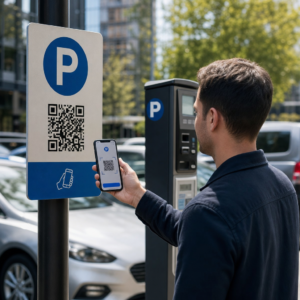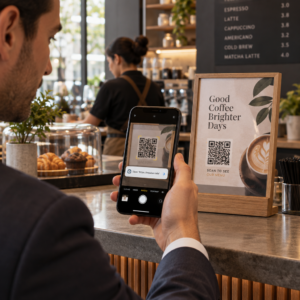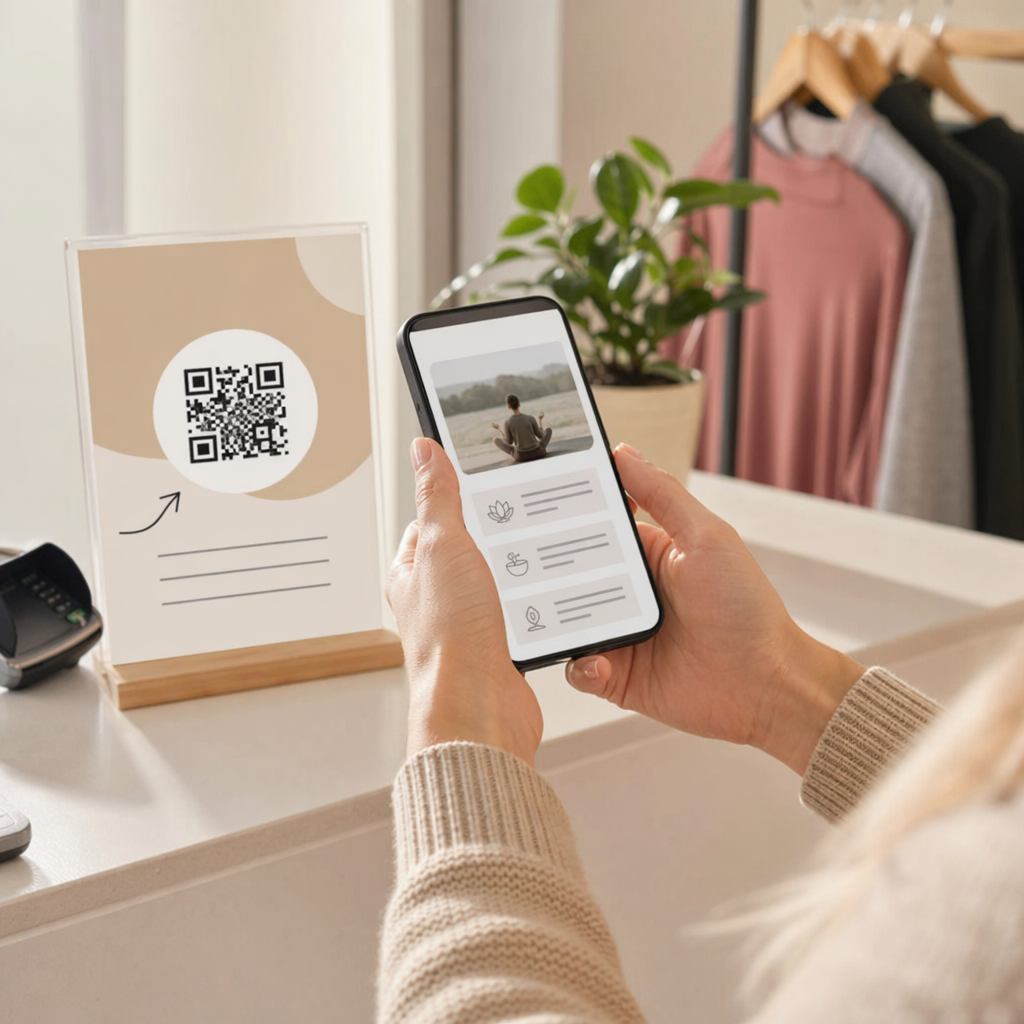
Do you need a seamless way to connect your physical marketing materials to your Wix website? Failing to bridge the gap between offline and online can lead to missed conversions and frustrated customers. By using a QR code generator, you can instantly direct users to your digital content with a single scan.
How the Wix QR Code Generator Works
The technology behind a QR code generator transforms your specific data into a machine-readable matrix barcode. When you input a URL, text, or contact information, the system encodes this data into a binary sequence. It then integrates error correction codes, which function as a safety net to ensure the code remains functional even if it is slightly smudged or partially obscured on a printed surface.
The final output is a square grid of black and white modules. While the generator handles the complex arrangement of these patterns, it also allows for visual modifications. Within the Wix interface, you can scale text, upload custom fonts, and change heading tags to ensure the code aligns with your digital design standards. Once the processing is complete, you can download the file in standard formats like PNG, SVG, or JPEG for use in print or digital media.
Key Features for Wix Website Owners
The native Wix tool provides several essential functions for business owners who need to bridge the gap between their physical presence and their online storefront. By offering a variety of content types, the tool ensures you can share more than just a homepage link.
- Support for multiple content types including URLs, vCards, Wi-Fi credentials, and PDF documents.
- Customization tools that allow you to adjust the size from 100×100 up to 1000×1000 pixels.
- Color picker options to modify the background and dot colors to match your brand identity.
- High-resolution exports in vector formats like SVG, which are essential for professional printing.
While these features are helpful for basic needs, it is important to remember that the codes generated by Wix are static. This means the information is hardcoded into the pattern. If you need to change the destination URL later, you would have to generate and reprint a completely new code.
Steps to Create a QR Code for Your Website
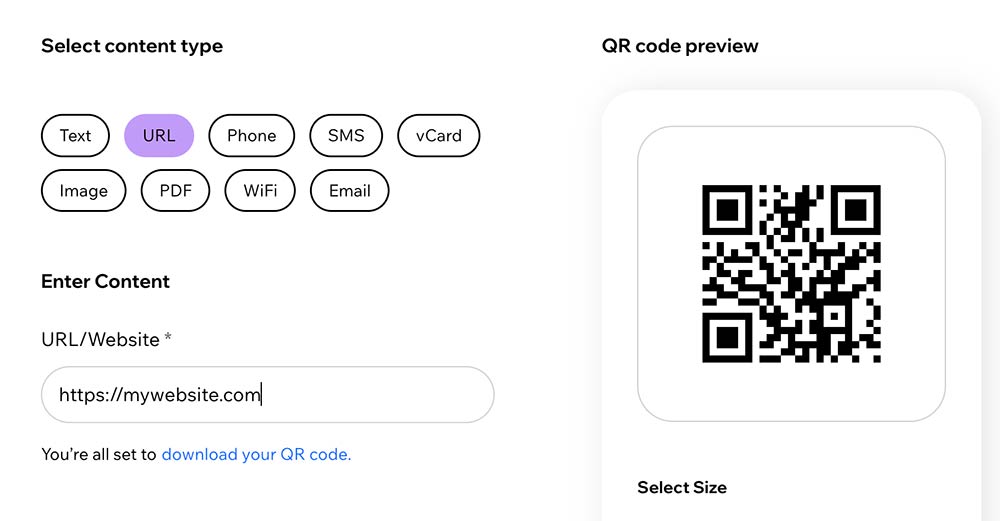
Implementing a QR code into your marketing strategy requires a clear workflow to ensure the final product is functional. You can begin the process by visiting the generator interface and following these practical steps.
- Select the specific content type, such as a website link or a digital business card, that matches your marketing goal.
- Enter the destination details, ensuring the URL is mobile-friendly to provide a better experience for the scanner.
- Customize the visual elements by selecting brand-appropriate colors and adjusting the size to fit your specific medium.
- Download the finalized file in a format suitable for your needs, such as a PNG for web use or an SVG for high-quality printing.
- Test the code using multiple mobile devices to verify that it redirects to the correct location before you begin a large print run.
Optimizing Your QR Code for Scannability
A QR code is only effective if it can be scanned easily under real-world conditions. You should prioritize high contrast between the foreground and background; just as darker colors absorb more light while lighter colors reflect it, a dark pattern on a light background is much easier for a camera to interpret. If the contrast is too low, the scanner may fail to recognize the data modules.
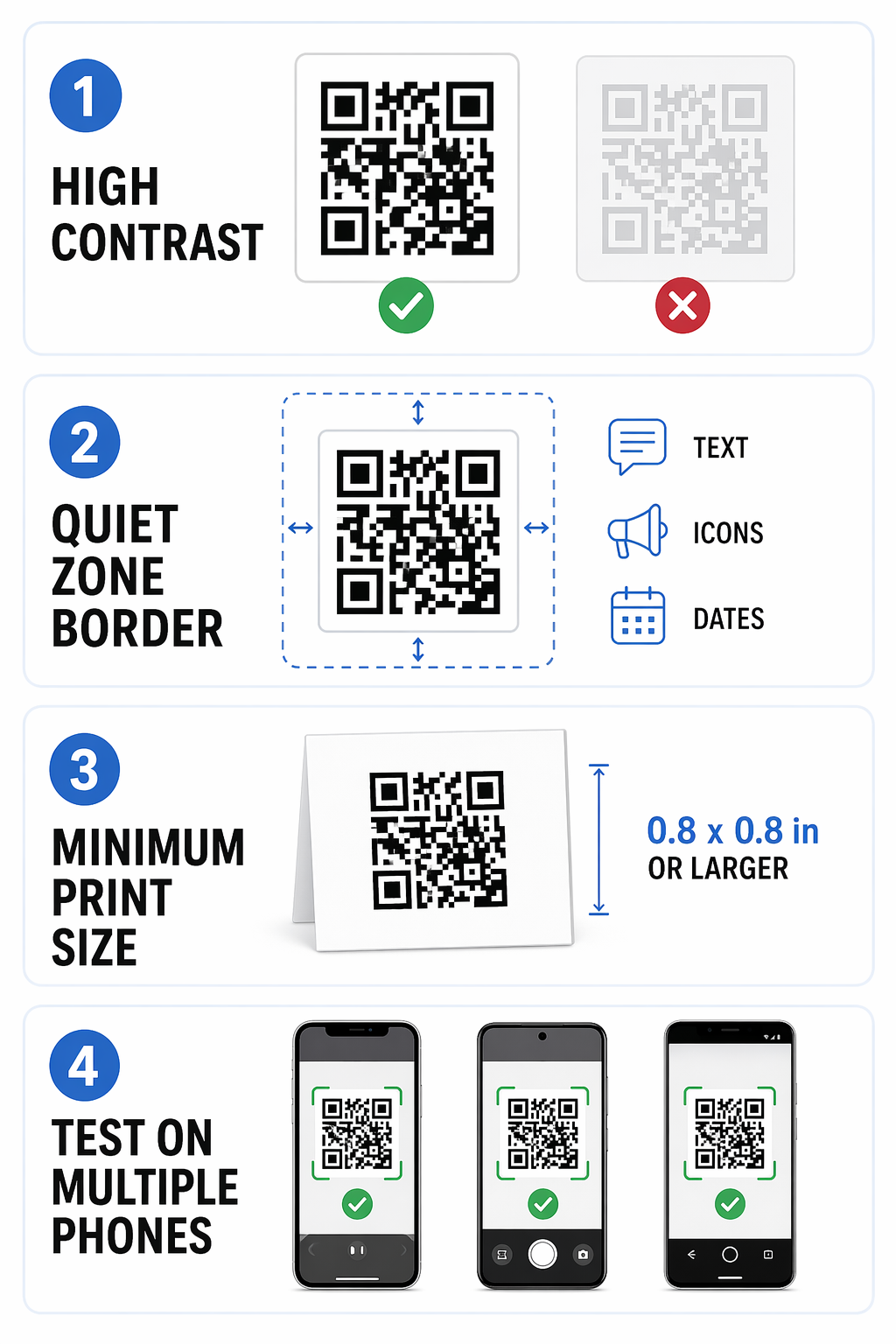
You must also maintain a “quiet zone,” which is a clear border around the code that separates it from other design elements. Think of this zone as a buffer that prevents surrounding text or images from interfering with the scanner’s focus. Following best practices for QR code readability involves keeping the code at a functional size – at least 0.8 x 0.8 inches for marketing materials – to ensure the lens can pick up the details without blurring.
Create Editable Codes for Your Wix Site Avoid the hassle of reprinting your materials when your links change. Use the Dynamic QR Code Generator to update your destination URL at any time without changing the code itself.
Static vs. Dynamic QR Codes for Wix
Understanding the difference between static and dynamic codes is vital for long-term campaign success. Static vs Dynamic QR codes differ primarily in their flexibility and tracking capabilities. A static code embeds the data directly into the pattern, making it permanent. This is suitable for unchanging information like a Wi-Fi password or a personal website link that will never move.
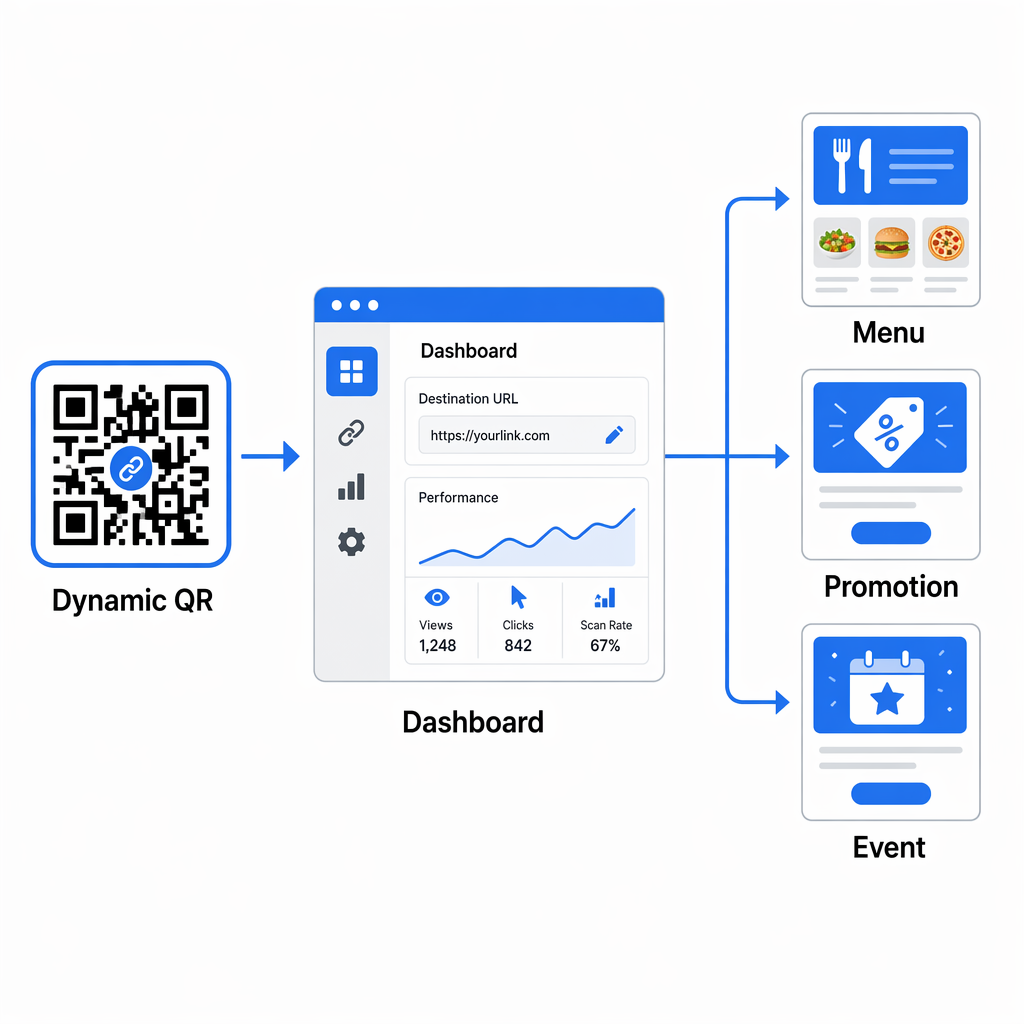
In contrast, a dynamic QR code uses a short redirect link to send users to their destination. Because the code points to this intermediate link rather than the final URL, you can edit the destination at any time through a dashboard. This flexibility is essential for businesses that update their menus, seasonal promotions, or event schedules frequently, as it eliminates the need for expensive reprinting.
Why Use a Professional QR Code Management Platform
While basic generators are useful for one-off tasks, a professional platform like Pageloot offers advanced tools that Wix’s native generator does not provide. The most significant advantage is access to scan analytics. With a professional website QR code generator, you can track exactly when, where, and how many times your codes are scanned. This data allows you to measure the ROI of your print campaigns and adjust your strategy based on actual user behavior.
Furthermore, professional platforms offer higher security standards and better customization, such as adding your business logo directly into the center of the code. This branding increases trust, making users more likely to scan. By choosing a solution that supports dynamic updates and detailed tracking, you ensure your QR code strategy remains effective as your Wix website grows.
Frequently Asked Questions
No. Wix generates static QR codes, which means the data is permanently encoded in the image. To change the link, you must create a new code and reprint your materials.
No, the codes themselves do not expire. However, they will only work as long as the linked website URL or content remains active and unchanged.
To track scan data, you need to use a dynamic QR code generator. This provides a dashboard where you can see analytics such as scan location, time, and the type of device used.
To ensure your physical marketing works as hard as your website, you need tools that offer both flexibility and insight. If you are ready to take your campaigns beyond simple links, start building more effective interactions today. You can design, manage, and track your next campaign using the Pageloot QR Code Generator to turn every scan into a measurable growth opportunity.