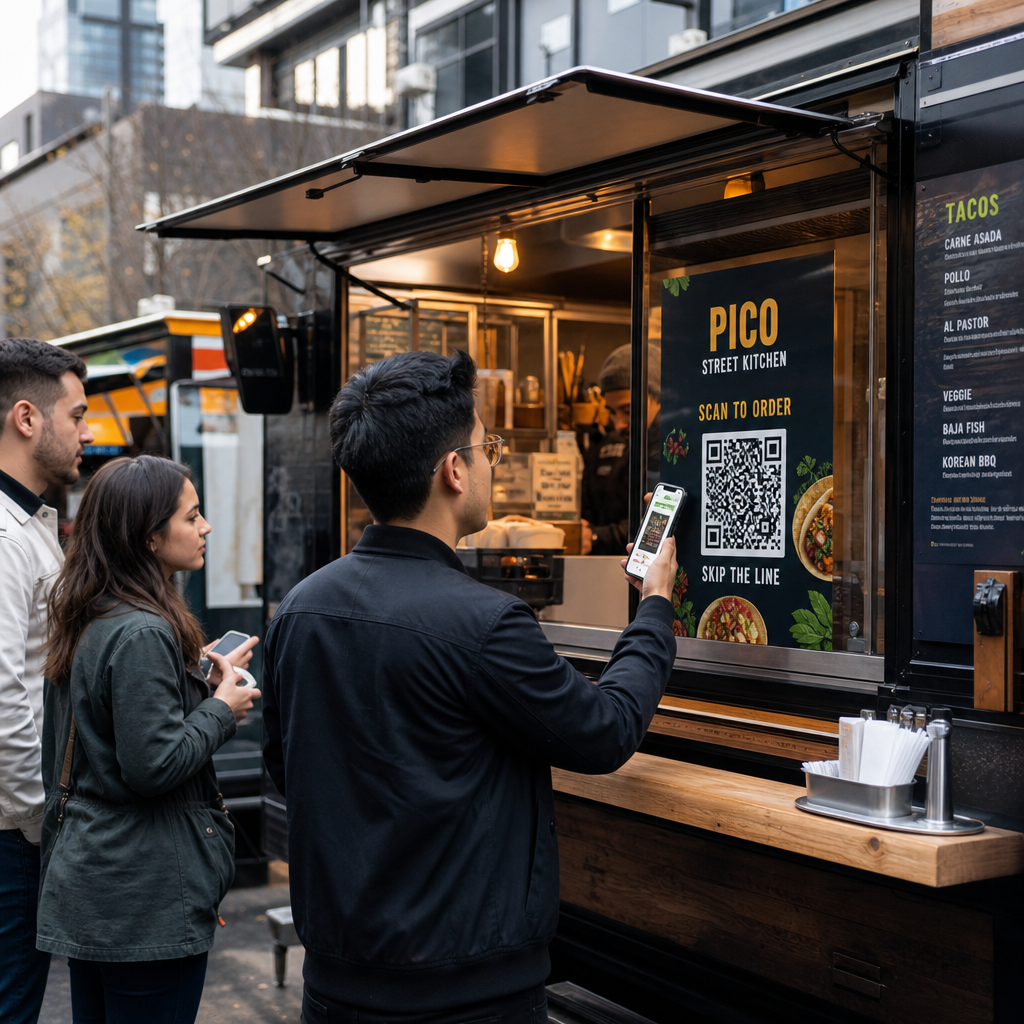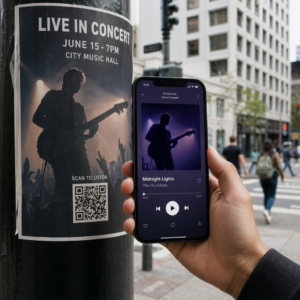
Do you need a faster way to share documents or images without relying on clunky email attachments? Forcing users to manually type URLs or search for files creates friction that leads to lost engagement. This guide demonstrates how to convert any file into a scannable QR code, providing instant access for your audience.
The Advantage of Digital File Access
Converting files into QR codes serves as a bridge between physical marketing materials and your digital assets. Instead of handing out paper copies of a manual or brochure, you can place a single code on a product or flyer. This approach reduces printing costs and ensures that users always have access to the most current version of your information. Think of the QR code as a high-speed digital shortcut that eliminates the technical hurdles of file sharing.
To maximize this efficiency, most businesses utilize a dynamic QR code generator. Unlike static codes, which embed data directly into the pattern, dynamic codes use a short redirect URL. This technical distinction is crucial because it allows you to update the linked file at any time without reprinting the physical code. If you find a typo in a PDF or need to swap an image, you simply update the destination in your dashboard.
Supported File Formats for Conversion
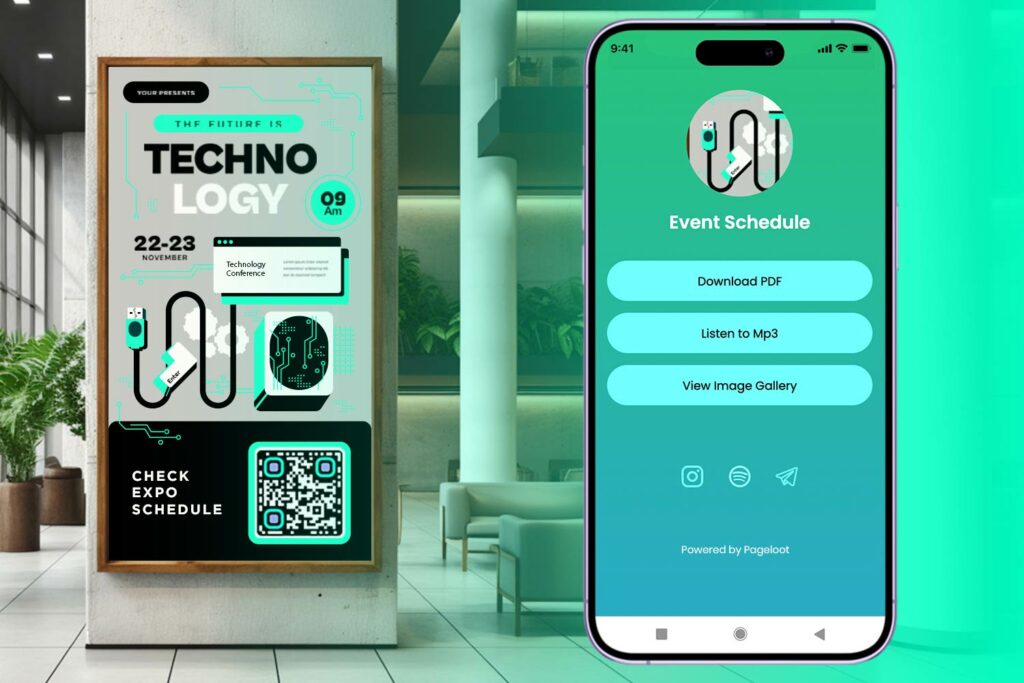
Modern QR technology is highly versatile and supports a wide array of file types. You can create a PDF QR code generator experience for documents such as manuals, ebooks, and price lists. For visual content, an image QR code generator supports common formats like JPG, PNG, and TIFF, making it ideal for sharing portfolios or restaurant menus.
Beyond images and PDFs, you can convert various professional documents into scannable formats. This includes Microsoft Office files like Word (DOCX), Excel (XLSX), and PowerPoint (PPTX), as well as plain text (TXT) and rich text (RTF) files. If you store your files on external platforms, you can also generate QR codes for cloud files by using shareable links from services like Google Drive or Dropbox.
Host and Share Your Documents Instantly Ready to turn your manuals or brochures into digital assets? Use the PDF QR Code Generator to upload your files and create a branded, trackable code in seconds.
How to Generate Your File QR Code
The process of turning a file into a QR code is designed to be straightforward for users without technical expertise. First, you must select the appropriate tool, such as a link QR code generator for hosted files or a dedicated document tool. Once you have chosen your file, you upload it directly to the platform, which then generates a unique code linked to that specific data.
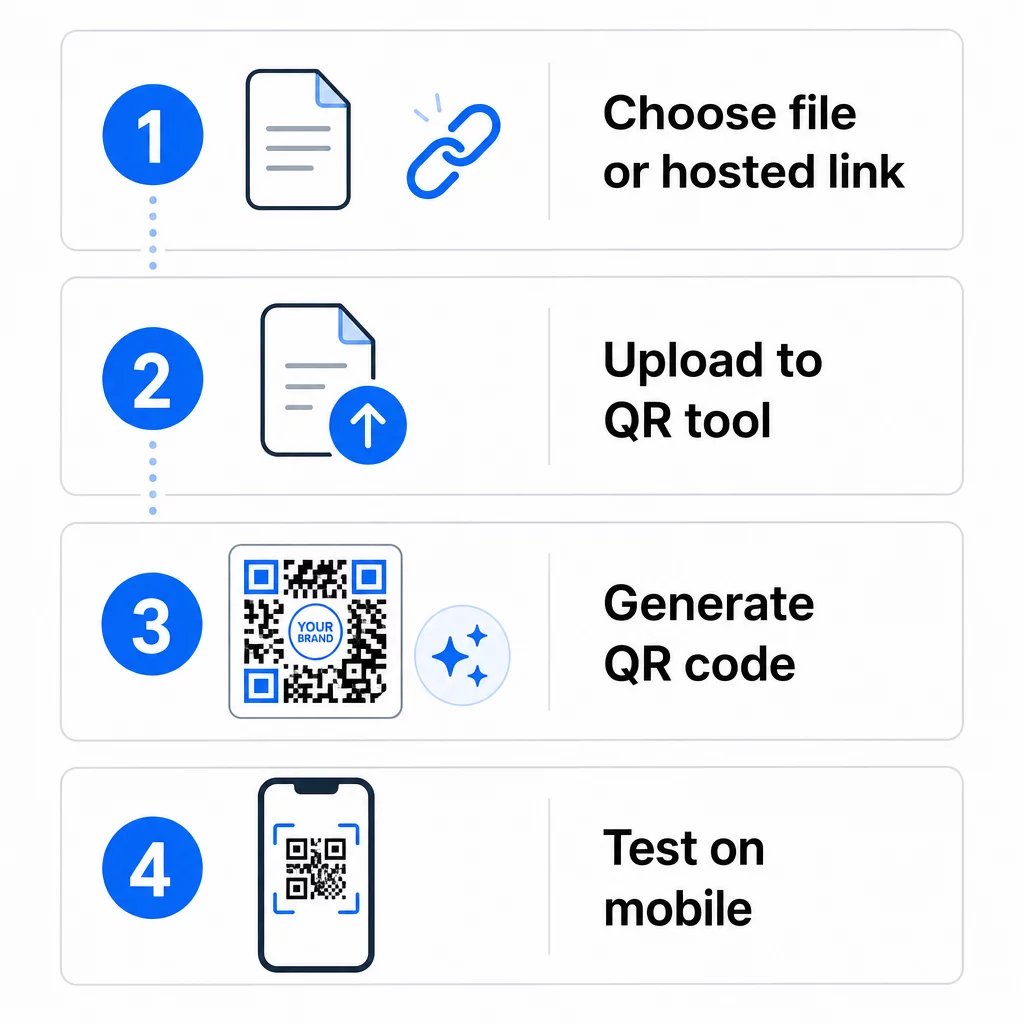
After the code is generated, customization plays a vital role in its success. You can align the code with your brand by adding a logo, choosing specific colors, and selecting unique shapes. Before finishing, it is essential to download the code in a high-resolution format like SVG or EPS to ensure clarity during printing. Always test the code with multiple devices to confirm that the file opens correctly in different mobile browsers.
Best Practices for Print and Scannability
For a QR code to be effective, it must be easily detectable by a smartphone camera. Scanners require a “quiet zone,” which is a blank border at least four modules wide on all sides of the code. This border helps the device distinguish the QR code from surrounding text or graphics. Furthermore, maintain a strong color contrast by using a dark code on a light background; low-contrast designs often fail to scan in dim lighting.
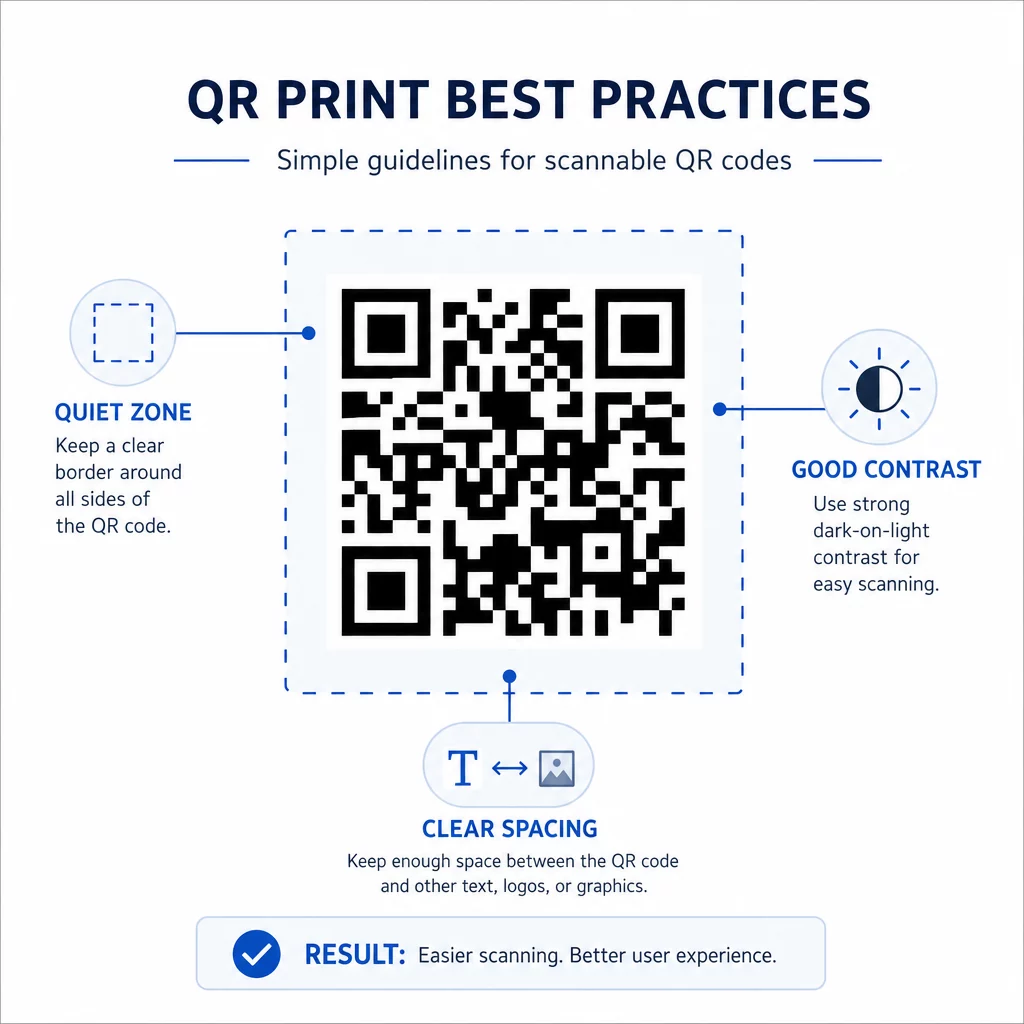
Size and distance also dictate the user experience. A common rule is the 10:1 ratio, meaning a code intended to be scanned from 10 inches away should be at least one inch wide. For most marketing materials, you should aim for a minimum size of 0.8 x 0.8 inches (2 x 2 cm). Providing a clear call-to-action near the code, such as “Scan to View Menu,” helps users understand exactly what they will receive upon engagement.
Tracking and Managing Your Content
One of the primary reasons to create a QR code for a document using a dynamic system is the ability to monitor performance. A centralized dashboard provides detailed QR code tracking data, showing you how many people scanned the code, their geographic locations, and the types of devices they used. These metrics are invaluable for marketers who need to measure the ROI of physical campaigns.
In addition to tracking, dynamic codes offer advanced security and management features. You can set expiration dates for temporary files or password-protect sensitive documents to ensure only authorized users see the content. Because the data remains editable, you can pivot your marketing strategy instantly, redirecting an old flyer to a new promotional file without any additional overhead costs. Many organizations find that PDF QR codes offer many use cases that simplify internal training and external communications simultaneously.
Frequently Asked Questions
Yes, if you use a dynamic QR code. You can upload a new version of the file or change the destination link in your dashboard without needing to change the printed code itself.
Most modern smartphones can scan QR codes directly through the native camera app. Once scanned, the file will typically open in the mobile web browser or a built-in document viewer.
While most generators support standard document sizes, extremely large files may load slowly for users on mobile data. It is best practice to optimize your PDFs and images for web viewing before uploading them to the QR code generator.
To start sharing your documents more efficiently, choose the right generator for your file type and begin building your first dynamic campaign today. Consistent testing and branded designs will ensure your audience can access your digital content with a single, seamless scan.