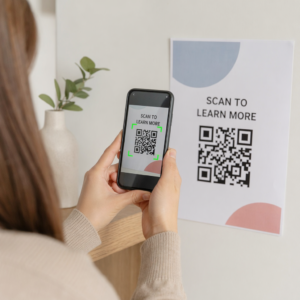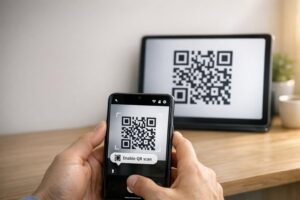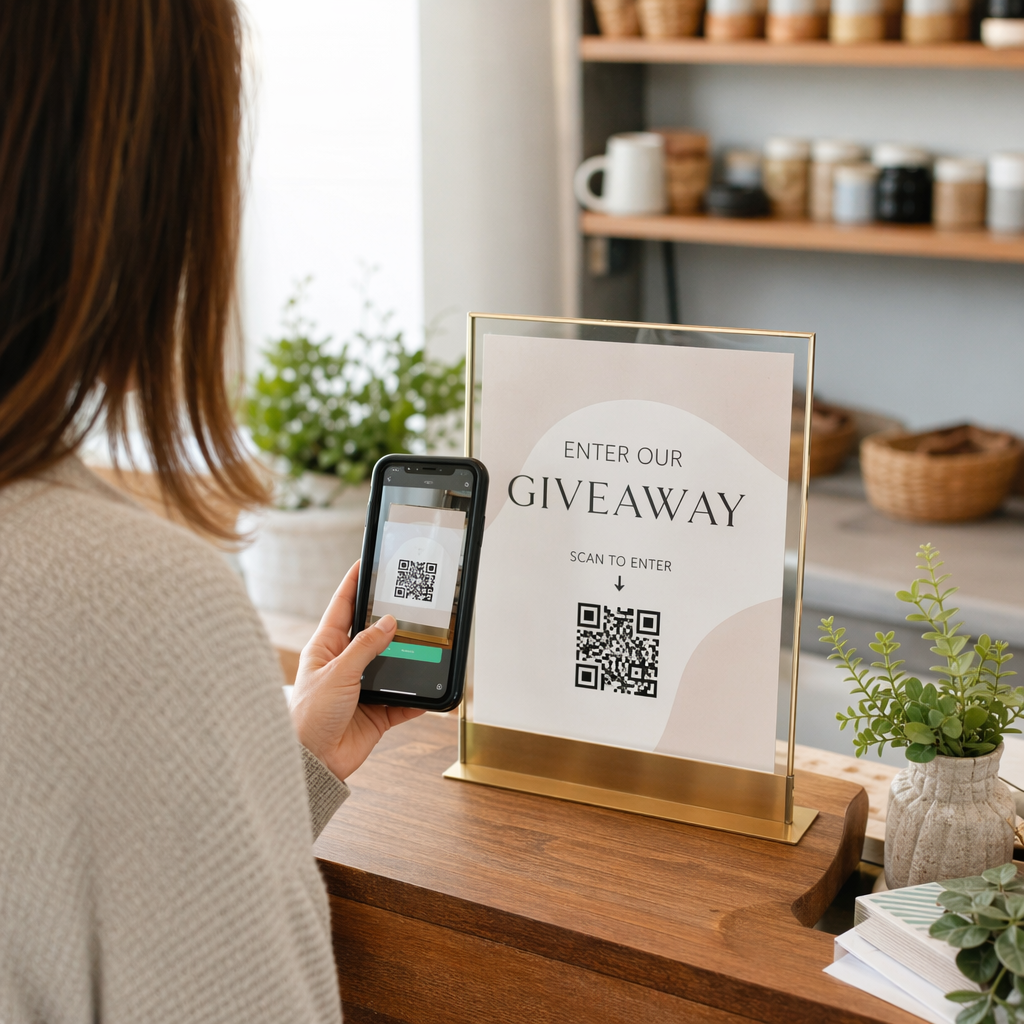
A QR code contest or raffle works like this. You print a QR code on a poster, flyer, receipt or package. People scan it with their phone camera and land on an entry form. You collect the entries online and draw the winner from the list. This guide shows how to set it up, which QR code type to use, and what to check before you launch.
QR Code Contests and Raffles in Four Steps
- Build the entry form. Ask only for what you need, usually name and email, plus a consent checkbox for the rules.
- Create the QR code and point it to the form link.
- Print it with a short call to action next to it, for example “Scan to enter the draw. Ends May 31.”
- After the deadline, export the entries, pick the winner and change the code to a results page.
Paper slips cost time. Handwriting is hard to read, tickets get lost, and someone has to type everything in later. With a QR code every entry lands in a spreadsheet or form tool by itself, and people can enter in a few seconds without picking up a pen.
Setting Up a QR Code Giveaway
Start with the entry page. Many businesses use the Google Form QR code generator to link straight to a signup form. Google Forms is free, stores every answer in a Sheet, and works on any phone. Keep the form short. Three to five fields is a good limit, and every extra field lowers the number of people who finish it.
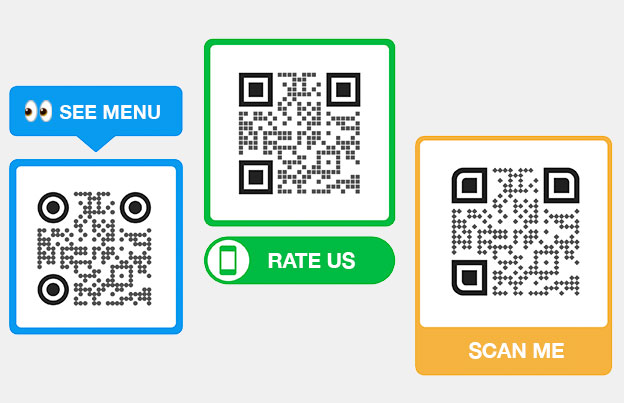
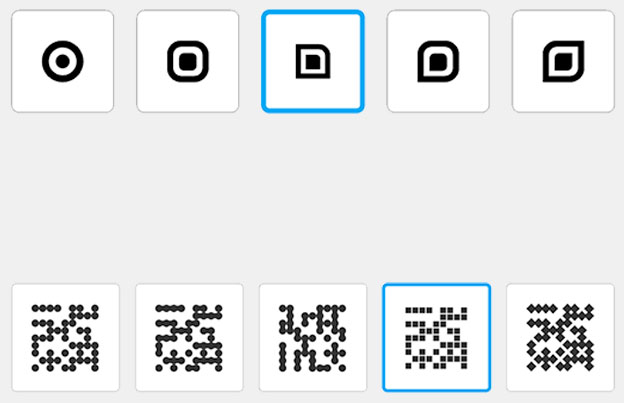
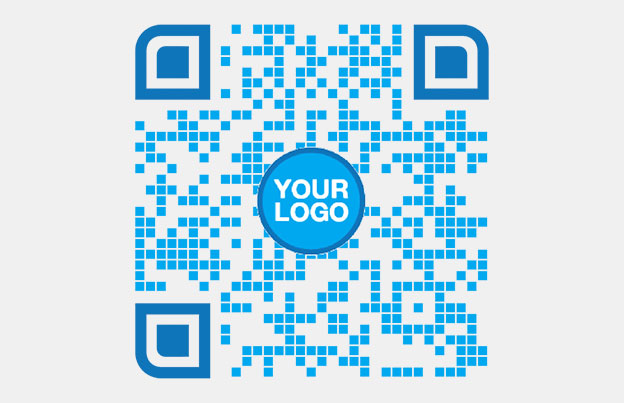
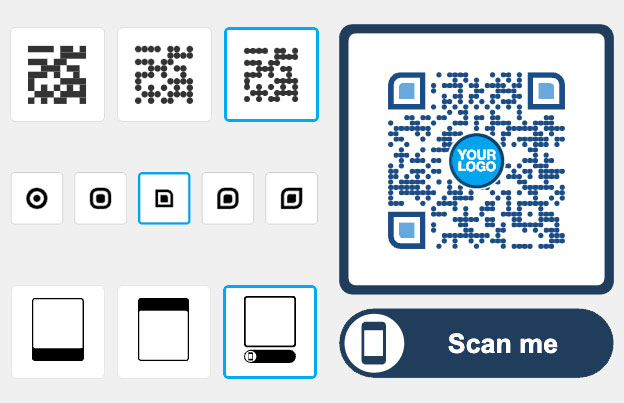
Next, turn the form link into a code. Paste the link into the free QR code generator or the link QR code generator and download the file. The free tool saves PNG, SVG and PDF, and you can set the size from 200 to 2000 pixels. Use SVG or PDF for print, because they stay sharp at any size. Add a frame with “Scan me” text, your logo and your brand colors if you like, as long as the code stays dark on a light background.
Then test it. Scan the printed proof with at least two different phones, one iPhone and one Android, before you print the full run.
What Is a Raffle Code?
A raffle code is the number or code that identifies one entry in a draw. In a paper raffle it is the number on your ticket stub. In an online giveaway it can be a code printed on a receipt, a product label or a card, which the customer enters on a website. A QR code can carry the same idea. You can print one code on a poster for everyone, or give each person a unique QR code or ticket number so that each entry is counted once.
Why Dynamic QR Codes Are Essential for Contests
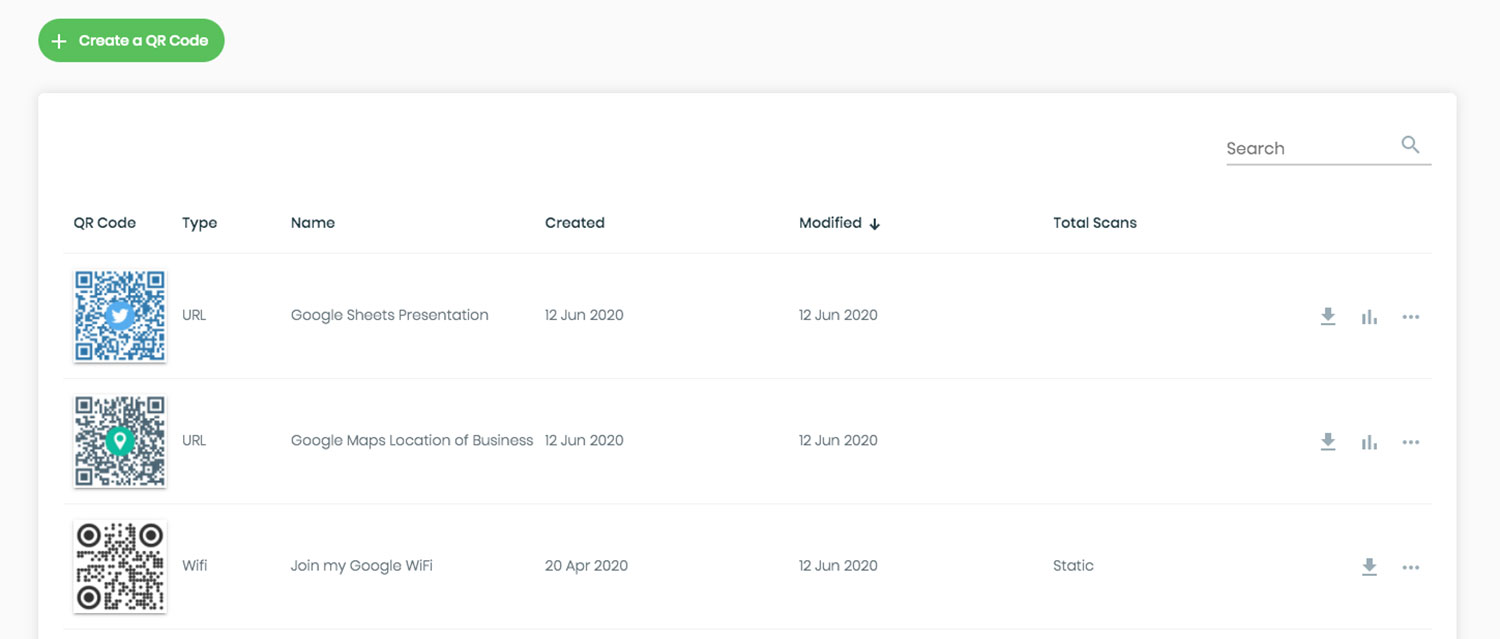
A static code stores the link itself. It never expires and can be scanned an unlimited number of times, but you cannot change where it points. If your form link is final and you do not need statistics, a static code is enough.
A dynamic code points to a short link that you control. If you find a typo in the form, move the contest to a new page, or extend the deadline, you change the destination and the printed code keeps working. This matters when codes are already on shelves, packaging or posters in many locations.

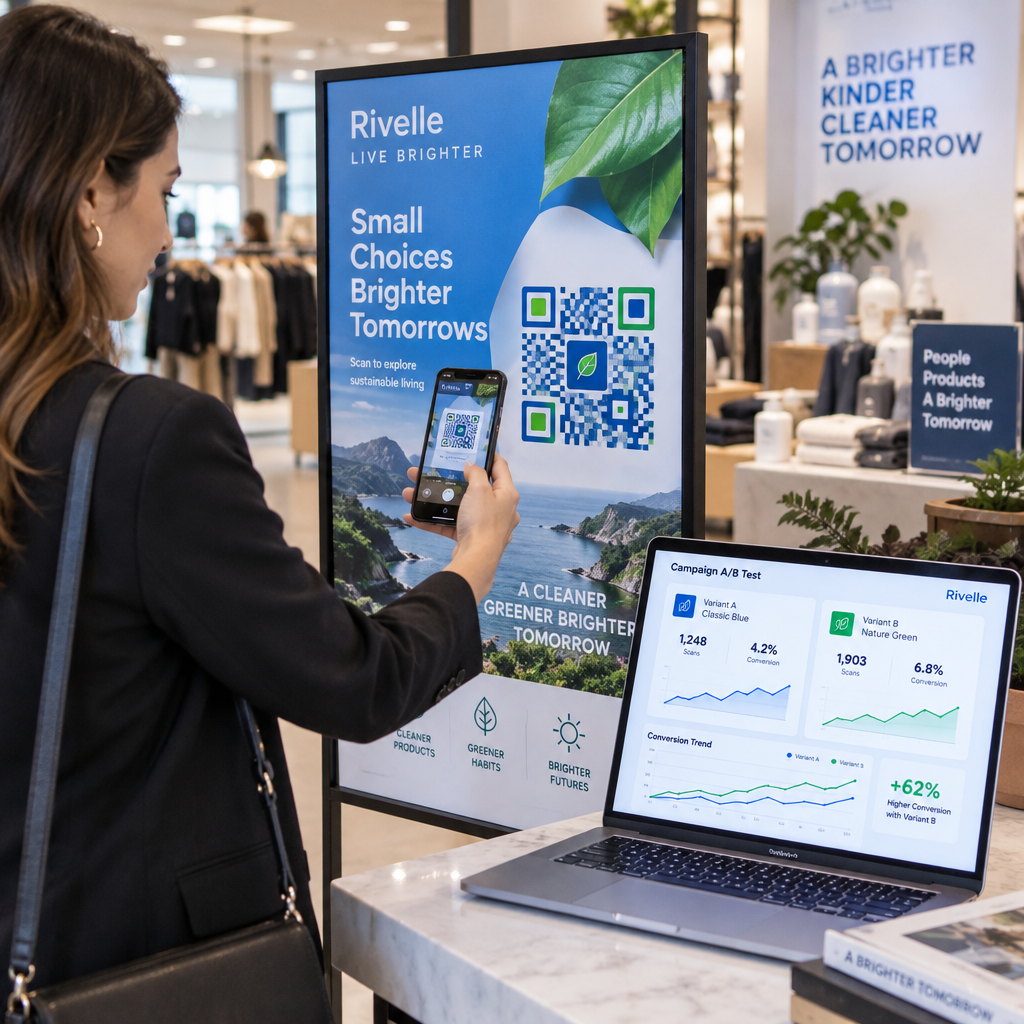
Dynamic codes also show scan statistics: when people scanned, where, and on what kind of device. You can track QR code scans in real-time and compare locations. If one store gets ten times more scans than another, you know where the poster works. Note that scans are not the same as entries. Compare scans with form submissions to see how many people start but do not finish.
Monitor Your Campaign in Real-Time Want to see exactly where and when your customers are scanning your raffle materials? Use the Dynamic QR Code Generator to create trackable codes. Dynamic codes come with a 14-day free trial, and you can see the plans at pageloot.com/pricing.
Legal Requirements for Sweepstakes and Giveaways
The rules depend on your country and, in the United States, on your state. This section is general information and not legal advice. Check the rules for your location or ask a lawyer before you launch a prize draw.
In the United States the main distinction is between a sweepstakes and a lottery. A sweepstakes needs a free way to enter, often called “no purchase necessary”. If entry requires a payment, the promotion can become an illegal lottery. Charity raffles that sell tickets are usually regulated separately and may need a license. Contests based on skill, such as a photo contest judged on quality, follow different rules again.
Publish the official rules where people can read them, ideally on the page the QR code opens. State who can enter, the start and end dates, the prize, and how and when the winner is chosen. If influencers or partners promote the contest, the Federal Trade Commission (FTC) requires that any material connection, such as a sponsorship or free product, is disclosed clearly. Also say what you will do with the email addresses you collect, and only use them for that purpose.
Best Practices for Design and Placement
Use a dark code on a light background, because contrast is what makes a code scan reliably. Keep the white border around the code (the quiet zone) and do not crop it. Follow the 10:1 rule: the code should be about one tenth of the scanning distance, so a code scanned from 20 inches away should be at least 2 inches wide. A poster read from 3 feet away needs a code of about 3.5 inches. For a complete list of technical requirements, see the checklist for designing user-friendly QR codes.

Placement decides how many people scan. Use these tactics:
- Place codes at eye level on posters and banners at event entrances, where people arrive and wait.
- Put a code on the back of business cards or in the corner of flyers, away from the main message but easy to reach.
- Add codes to packaging, table tents or in-store displays near the checkout counter, where customers have a few seconds to spare.
- Print on a flat, matte surface. Glossy paper and curved bottles cause glare and can stop the camera from reading the code.
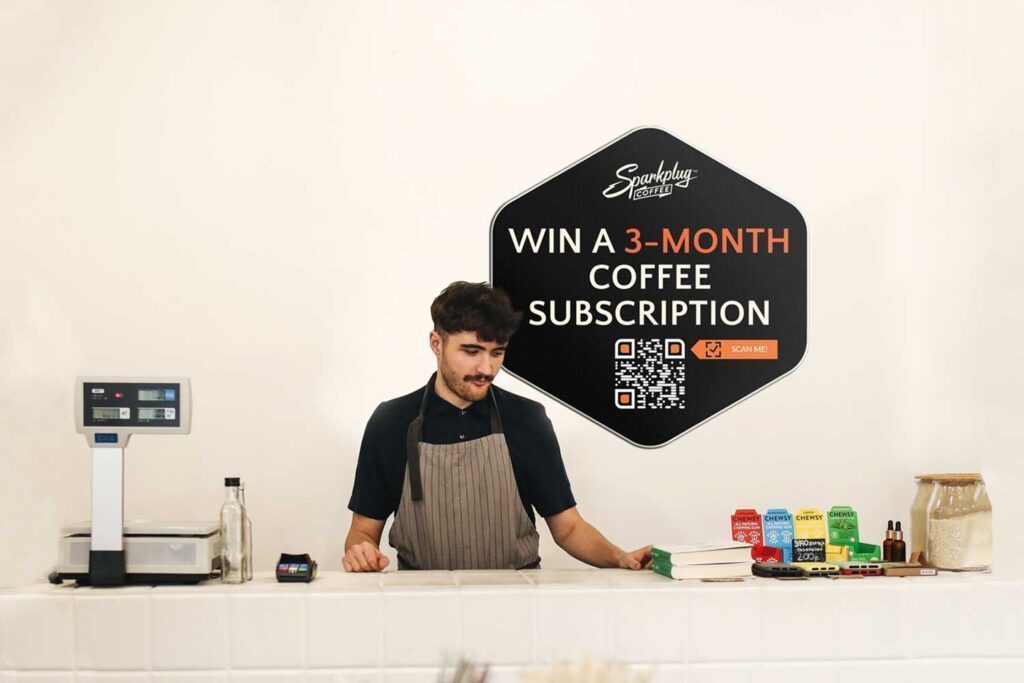
Always put a short call to action next to the code, such as “Scan to enter” or “Win a free coffee”, and add the deadline. Without context, people hesitate to scan an unknown code.
If the Code Does Not Scan
- The code is too small for the distance. Make it larger or move the poster closer.
- Low contrast or inverted colors. Use a dark code on a light background.
- The form link is closed or private. Open the link in a private browser window to check that anyone can submit.
- The code was stretched, cropped or covered by a fold. Keep the proportions and the white border.
- Glare from glossy material. Switch to a matte finish.
If you have not decided on a tool yet, you can compare plans on the pricing page. Paid plans include a 30-day money-back guarantee.
Frequently Asked Questions
Yes, if you use a dynamic QR code. You can update the destination link at any time in your dashboard, for example to fix an error or to send people to a winners page after the contest ends. A static code cannot be changed after printing.
No. Most modern smartphones scan QR codes with the built-in camera app. People point the camera at the code and tap the notification to open the entry page in their browser.
A scan is only the entry method, so it is not a problem by itself. In the United States a sweepstakes needs a free way to enter, and your official rules should be easy to find on the linked page. Laws differ by state and country, so check the rules where you run the contest.
Create an entry form, make a QR code that links to it, print the code with a short call to action and a deadline, and collect the entries. After the deadline, export the entries and draw the winner. A dynamic code lets you switch the link to a results page afterward.
A raffle code is the number or code that identifies one entry in a draw, such as a ticket number or a code printed on a receipt. A QR code can lead people to the page where they enter it.
Yes, with a dynamic QR code. The dashboard shows scans by time, location and device. Static codes do not show statistics.