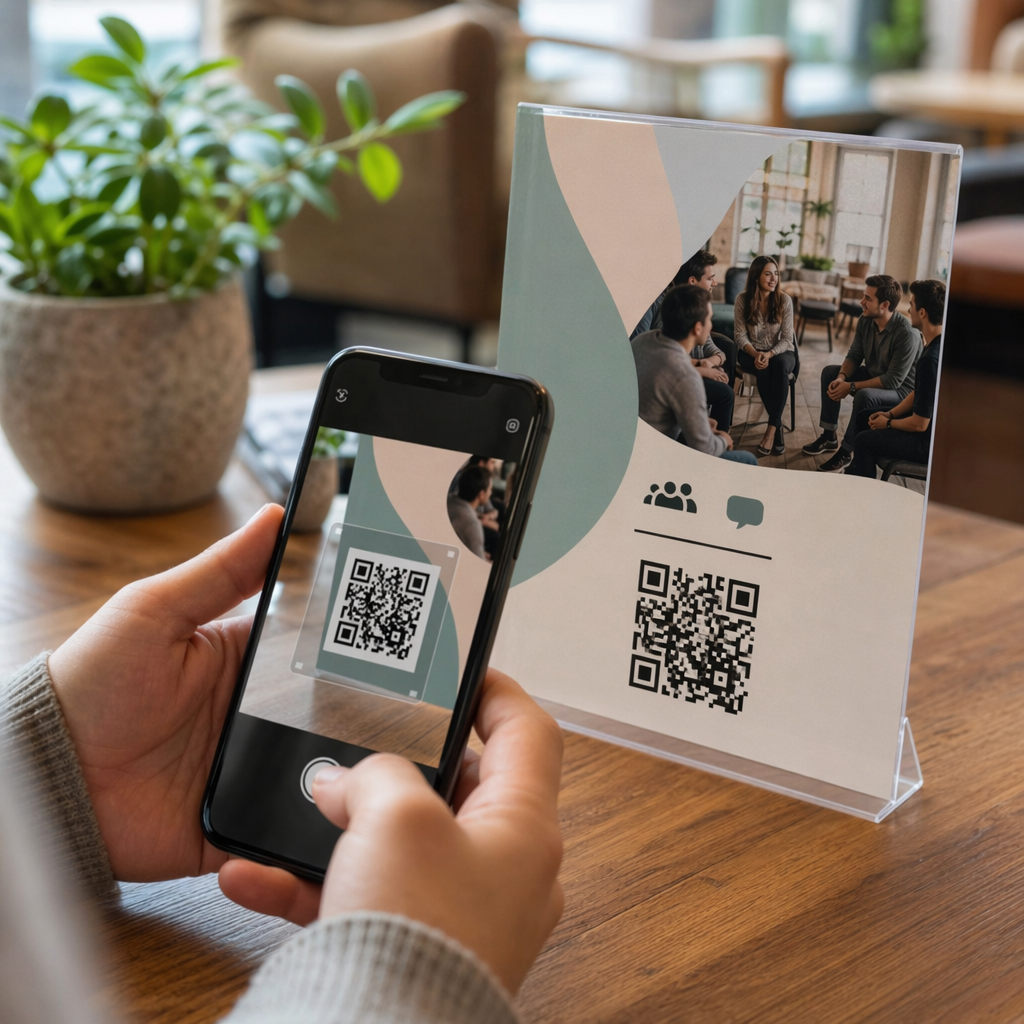
Are you looking for a faster way to bridge the gap between your physical marketing and your Telegram community? Relying on long, clunky invite links can frustrate potential members and lead to missed engagement. By converting your Telegram link into a scannable QR code, you can streamline the joining process and grow your audience instantly.
Why Use a QR Code for Your Telegram Community?
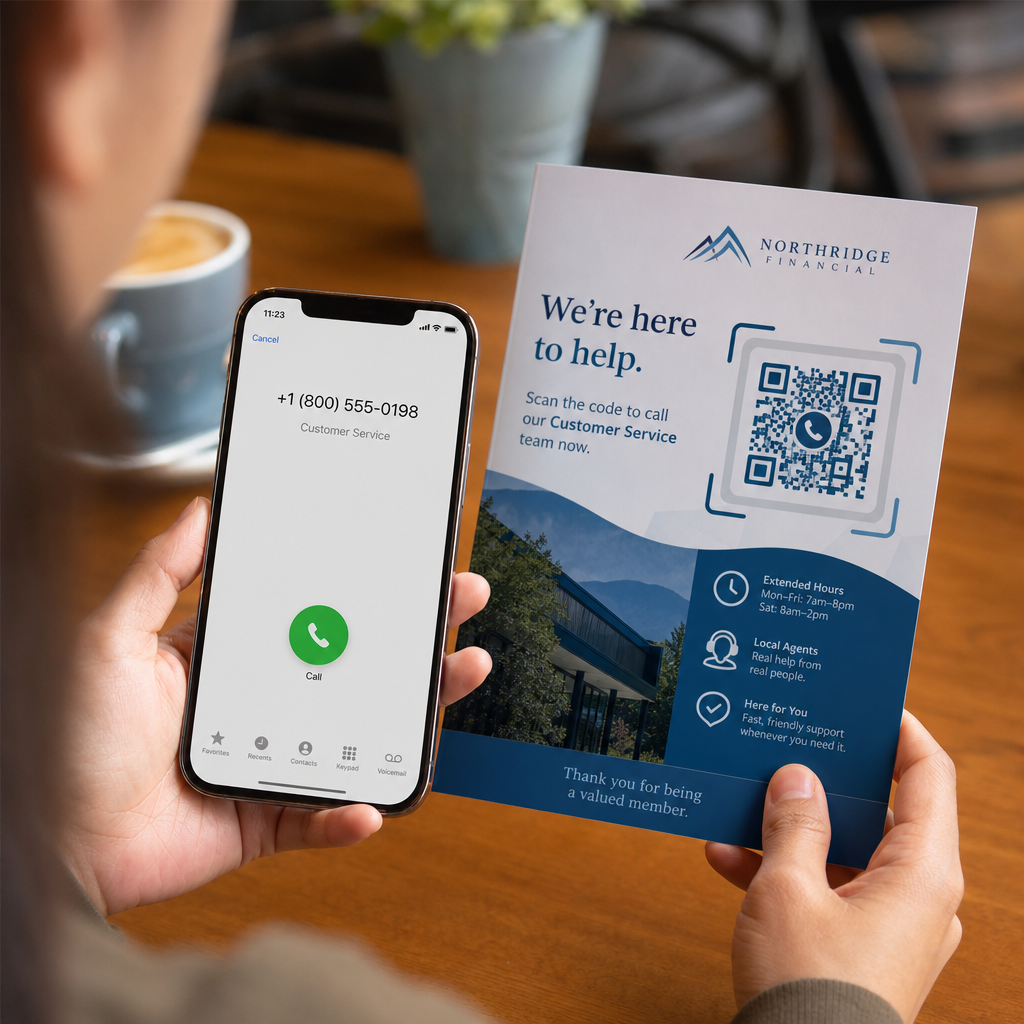
Telegram is a powerful cloud-based messaging tool built for speed and security, but its long invite links are difficult to share on physical materials. A QR code acts as a digital concierge; instead of forcing your audience to manually type a complex URL, you provide a visual shortcut that opens the app directly to your group or channel. This is especially useful for QR codes on posters, business cards, and product packaging where space is limited.
Research shows that 71% of consumers find QR codes useful in their daily lives, often using them to access more information quickly. By providing a scannable alternative to a raw link, you cater to this preference for convenience. This visual approach works for both public groups and private communities, making it a versatile tool for any marketing strategy.
How to Find Your Telegram Group Invite Link
Before you can generate a code, you must retrieve the specific invite link from within the Telegram application. The process varies slightly depending on whether you are using an Android or iOS device.
Retrieving the Link on Android
- Open the Telegram app and select the group you wish to share.
- Tap the group name at the top of the screen to open the group settings.
- For private groups, tap on “Add Member” and then select “Invite to Group via Link” at the top of your contact list.
- For public groups, locate the “t.me” link displayed in the group info section.
- Tap the link to copy it to your clipboard for use in the generator.
Retrieving the Link on iOS
- Open the Telegram application and navigate to the “Chats” tab.
- Select the private or public group you want to link to your QR code.
- Tap the profile photo or the group name at the top right-hand corner of the screen.
- Locate the “Share Link” section and hold your finger on the link until the menu appears.
- Select “Copy Link” to save the URL to your device.
Creating Your Telegram QR Code in Three Steps
Once you have your link, you can use a QR code generator to create your custom code. The process is straightforward and does not require any technical expertise.
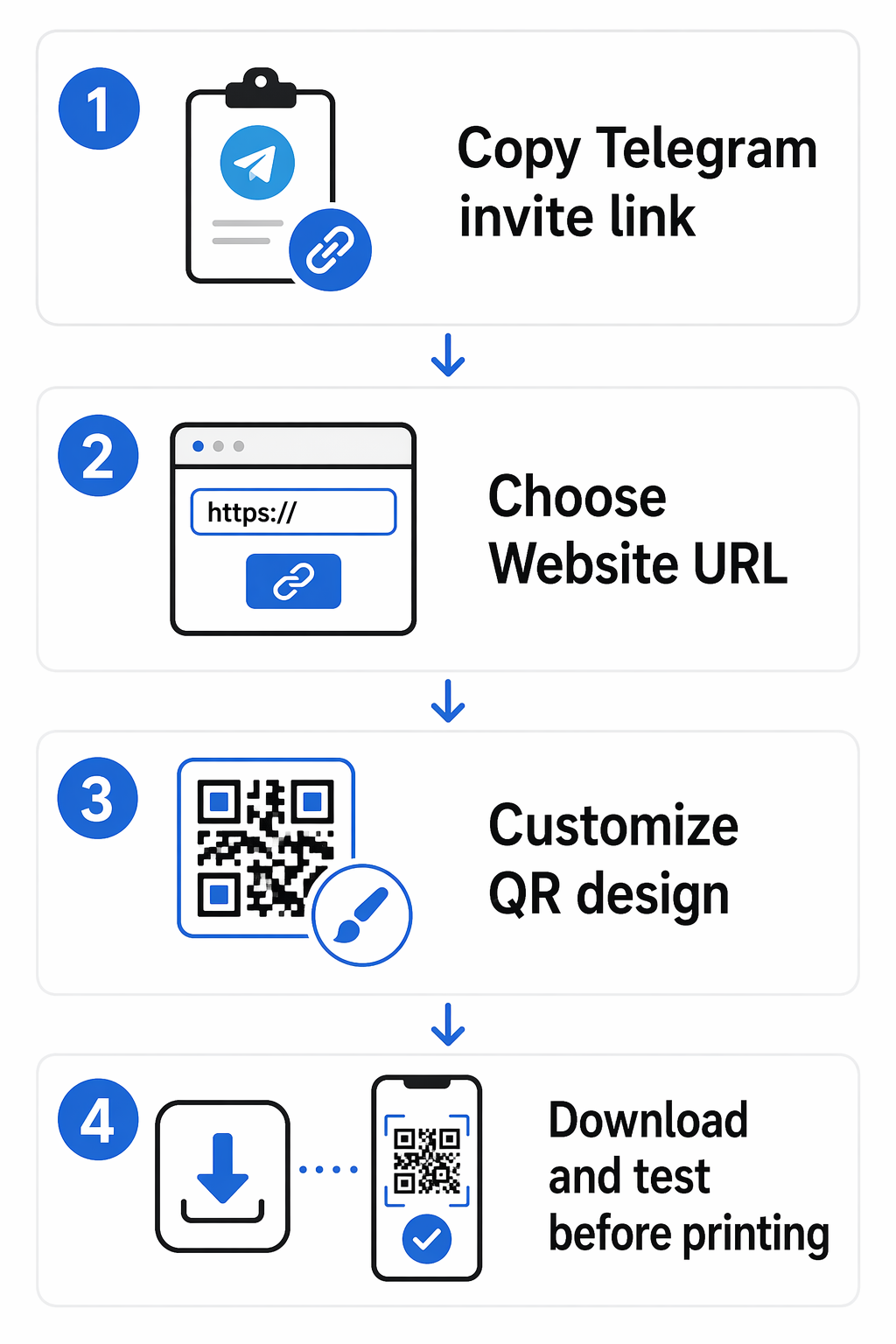
- Select the Link Type: Choose the “Website URL” option in the generator. This is the standard format for Telegram invite links and ensures the widest compatibility across different scanner apps.
- Paste and Customize: Paste your copied Telegram link into the URL field. At this stage, you can personalize the design by selecting unique patterns or adding a custom frame. Adding a QR code with a logo can significantly improve credibility and scan rates.
- Download and Test: Choose your preferred file format, such as a high-resolution vector for printing. Always test the code with your own smartphone camera to ensure it directs users to the correct Telegram group before you print your marketing materials.
Best Practices for Scannability and Performance
To ensure your community can join without friction, you must follow established guidelines for QR code readability. A code that is too small or lacks enough contrast will fail to scan, leading to a poor user experience.
Prioritize Color Contrast and Quality
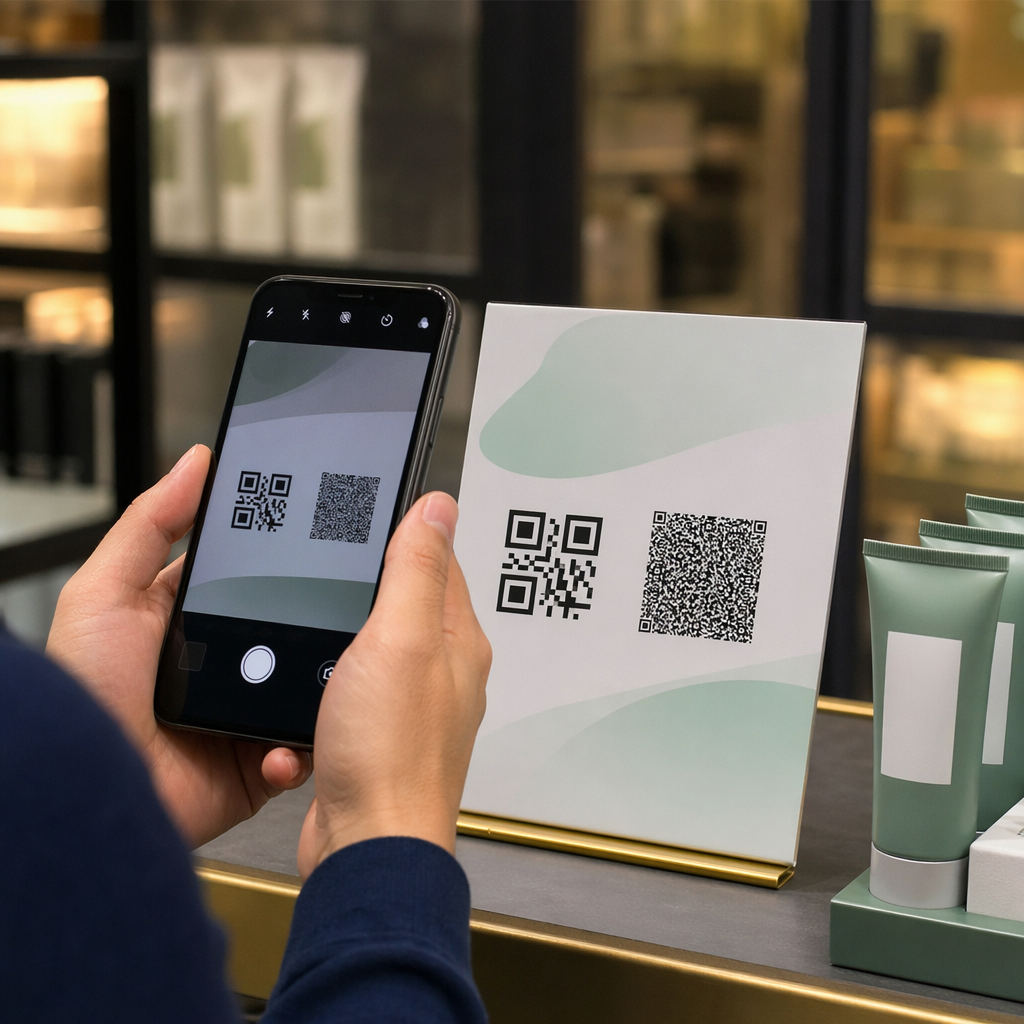
Scanners rely on distinct differences between the foreground and background to decode the pattern. High color contrast is essential, which is why dark patterns on light backgrounds remain the industry standard. Think of the scanner like a high-speed reader; if the colors are too similar, the reader cannot distinguish the individual modules. You should also maintain a “quiet zone,” which is a clear border around the code that separates it from other design elements.
Choose Between Static and Dynamic Codes
When generating your code, you can choose between static and dynamic versions. A static code stores the data directly in the pattern and cannot be changed once created. These are excellent for permanent links and do not expire. However, if you need the ability for editing your QR code destination later without reprinting your posters, a dynamic code is the better option.
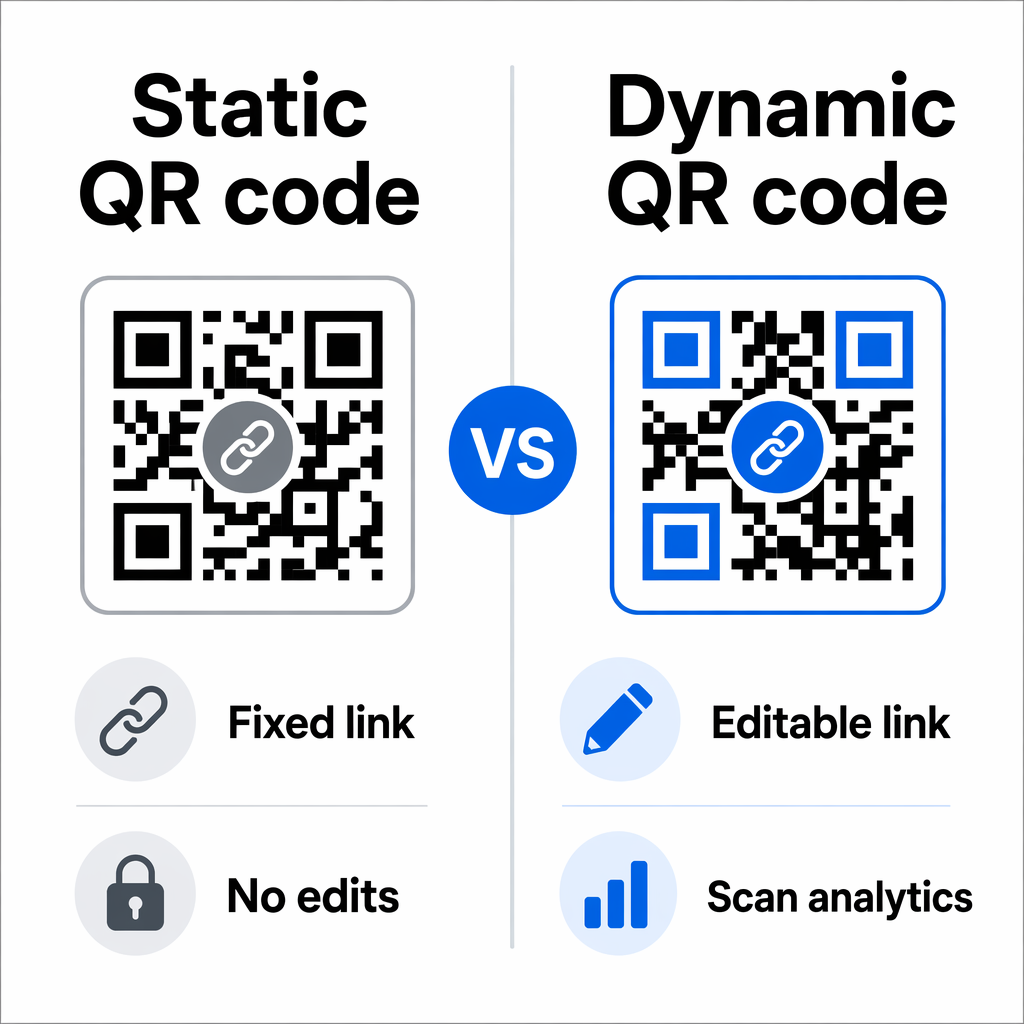
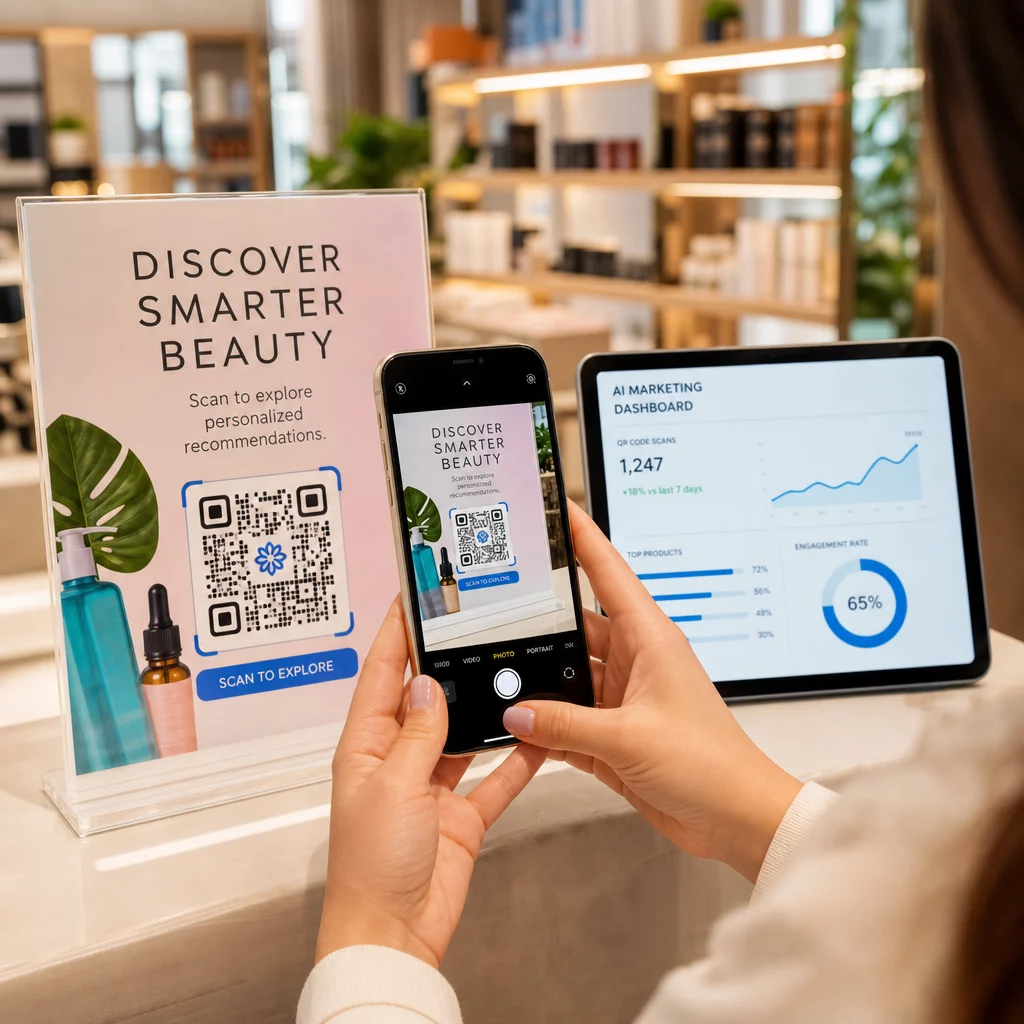
Dynamic codes offer the advantage of real-time analytics, allowing you to track scan locations and device types. This data is invaluable for measuring the success of your QR codes for social media campaigns and physical advertisements.
Track Your Group Growth in Real-Time Want to see exactly which marketing materials are driving the most members to your Telegram group? Use the Dynamic QR Code Generator to create editable codes and access a full analytics dashboard today.
Frequently Asked Questions
Static QR codes created with Pageloot do not expire and will work as long as the Telegram invite link remains active. Dynamic QR codes require an active subscription to remain functional after the initial trial period.
You can only change the destination link if you use a dynamic QR code. Static QR codes have the link hard-coded into the design, meaning you would need to generate and print a new code if the link changes.
For marketing materials, a QR code should be at least 0.8 x 0.8 inches. For larger posters, follow a 10:1 ratio where the code is 1 inch wide for every 10 inches of scanning distance to ensure reliability.