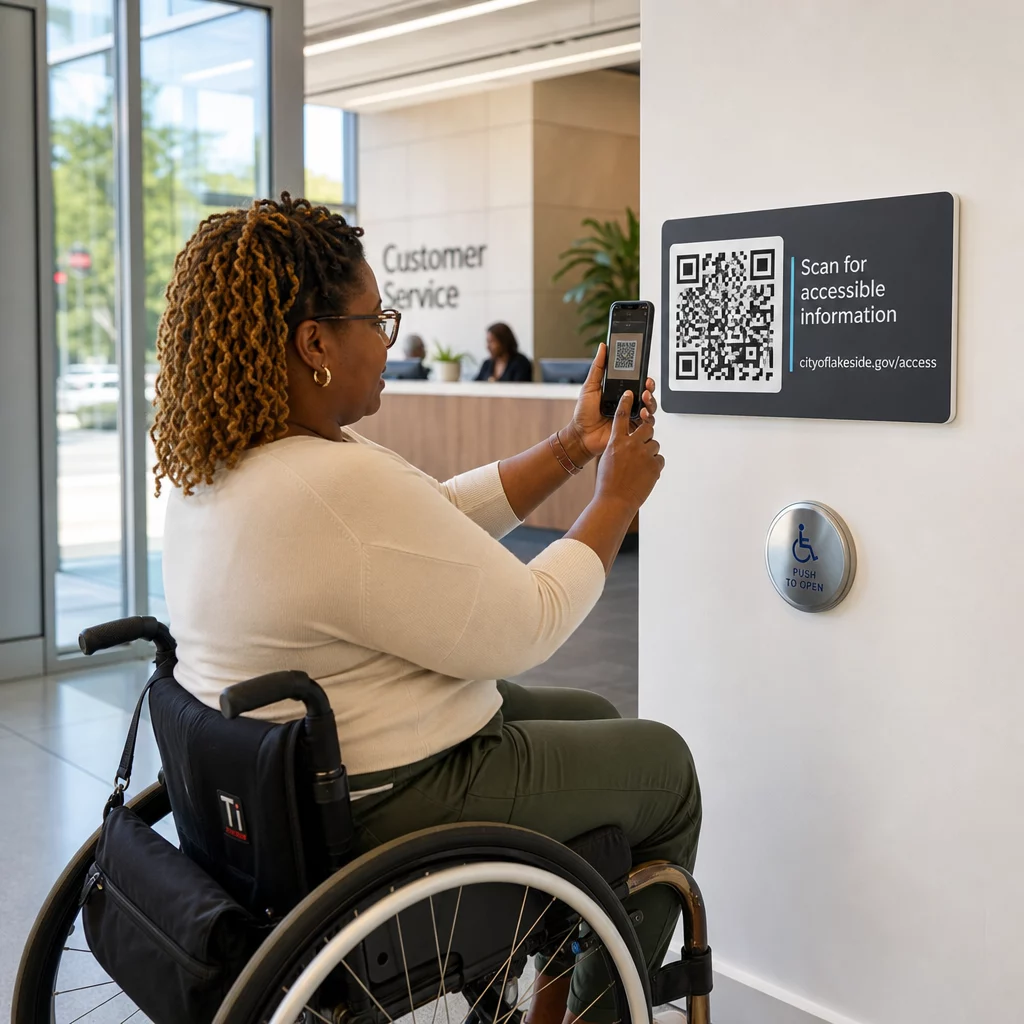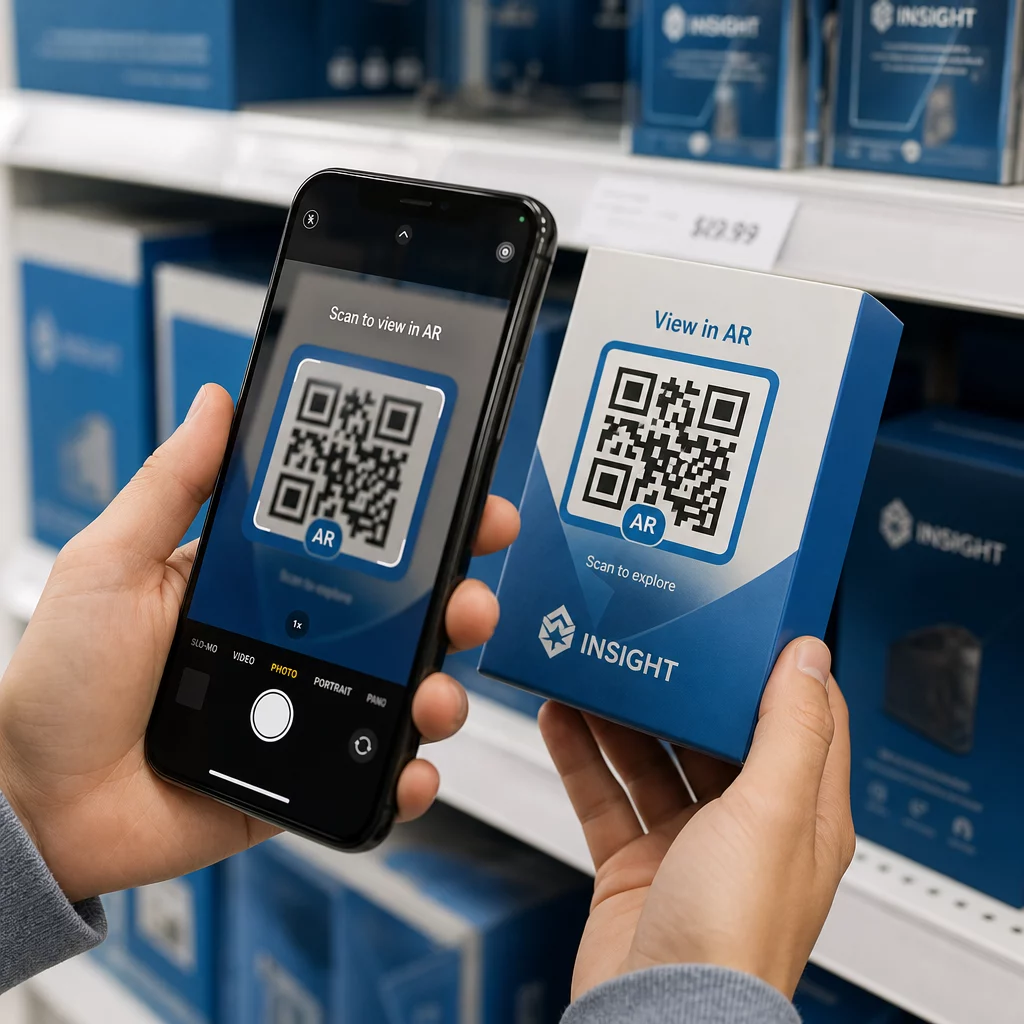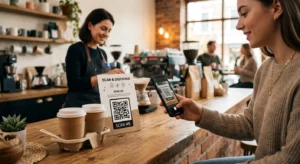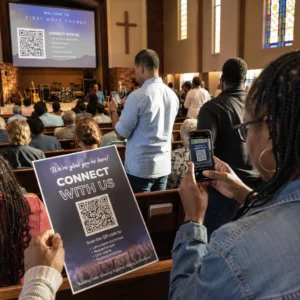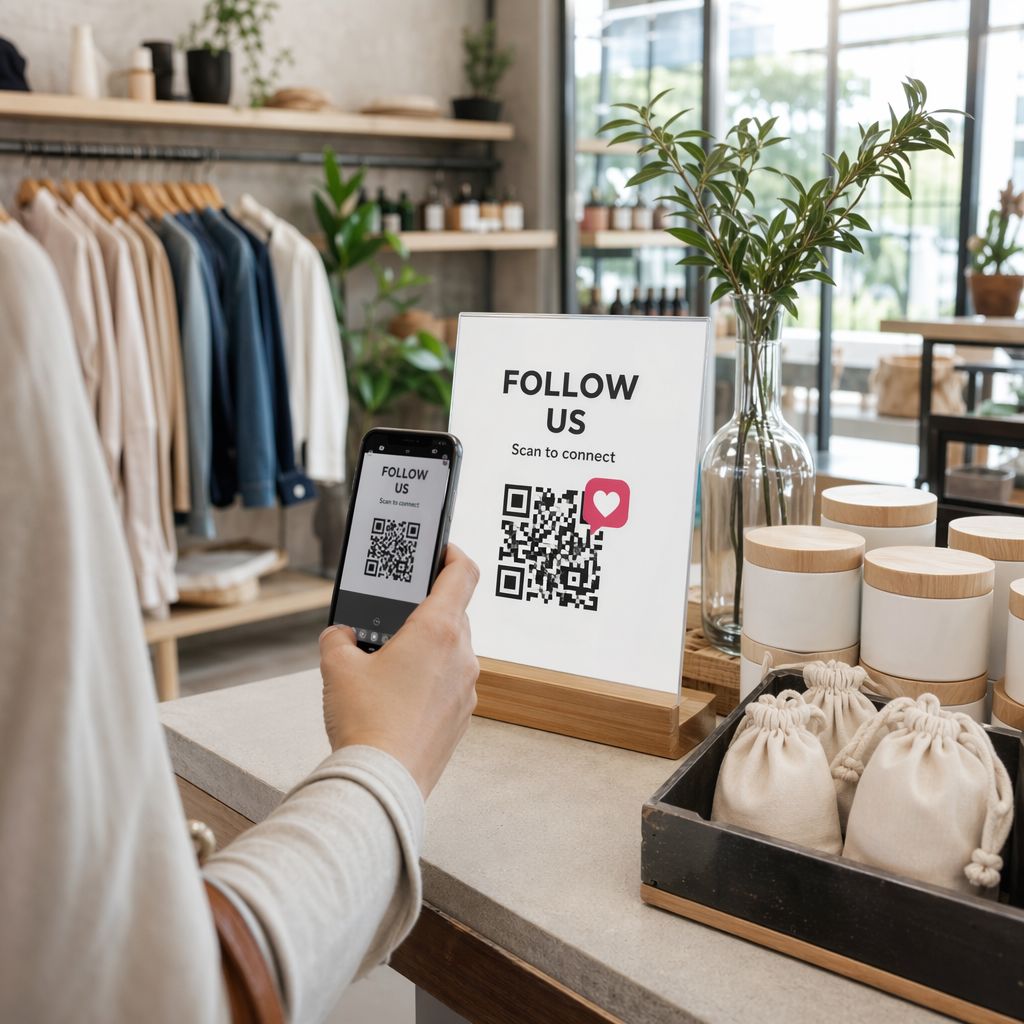
Are you struggling to convert physical foot traffic into active digital engagement? Manually searching for usernames is a significant point of friction that often causes potential followers to lose interest before they ever find your profile. A social media QR code provides an instant, scannable bridge that connects your physical marketing materials directly to your digital community.
Connecting Physical Materials to Digital Profiles
A social media QR code acts as a digital gateway, allowing users to transition from a physical object to your online presence in seconds. Research indicates that 71% of U.S. consumers find QR codes useful in their daily lives, and nearly half of Americans scan them several times a month. By using a social media QR code generator, you can consolidate your digital footprint into a single scan. This is particularly effective because it removes the need for users to remember handles or deal with typos.
You can choose to link a single code to one specific platform or use a landing page that displays all your social links simultaneously. This multi-link approach is ideal for brands active across various channels, as it lets the customer choose their preferred way to connect. Whether you are placing codes on product packaging, signage, or event materials, providing this immediate access increases the likelihood of long-term engagement.
Platform-Specific Social Media QR Codes
Different platforms offer unique ways to interact, and your QR codes should reflect those specific goals. For instance, using a specialized Instagram QR code generator allows you to direct users specifically to your profile, a high-performing reel, or a specific post. If you are managing a professional brand, understanding how Instagram QR codes work for business accounts can help you track how effectively your offline ads are converting into digital followers.
Facebook users often benefit from codes that lead directly to a business page or a specific event invitation. By utilizing a Facebook QR code generator, you can drive traffic to your community group or encourage immediate RSVPs for a physical gathering. Other platforms like LinkedIn are better served by codes on business cards, enabling instant networking without the manual exchange of contact details. For those focusing on visual storytelling, you can also learn how to post a QR code on Instagram to cross-promote other platforms or external websites directly within your feed.
The Advantage of Dynamic Tracking and Analytics
One of the most critical decisions in your strategy is choosing between static and dynamic QR codes. While static codes are permanent, dynamic QR codes offer a level of flexibility that is essential for modern marketing. Dynamic codes allow you to change the destination URL at any time without having to reprint your materials. If your brand changes its handle or if you want to redirect a campaign to a new seasonal promotion, you can simply update the link in your dashboard.
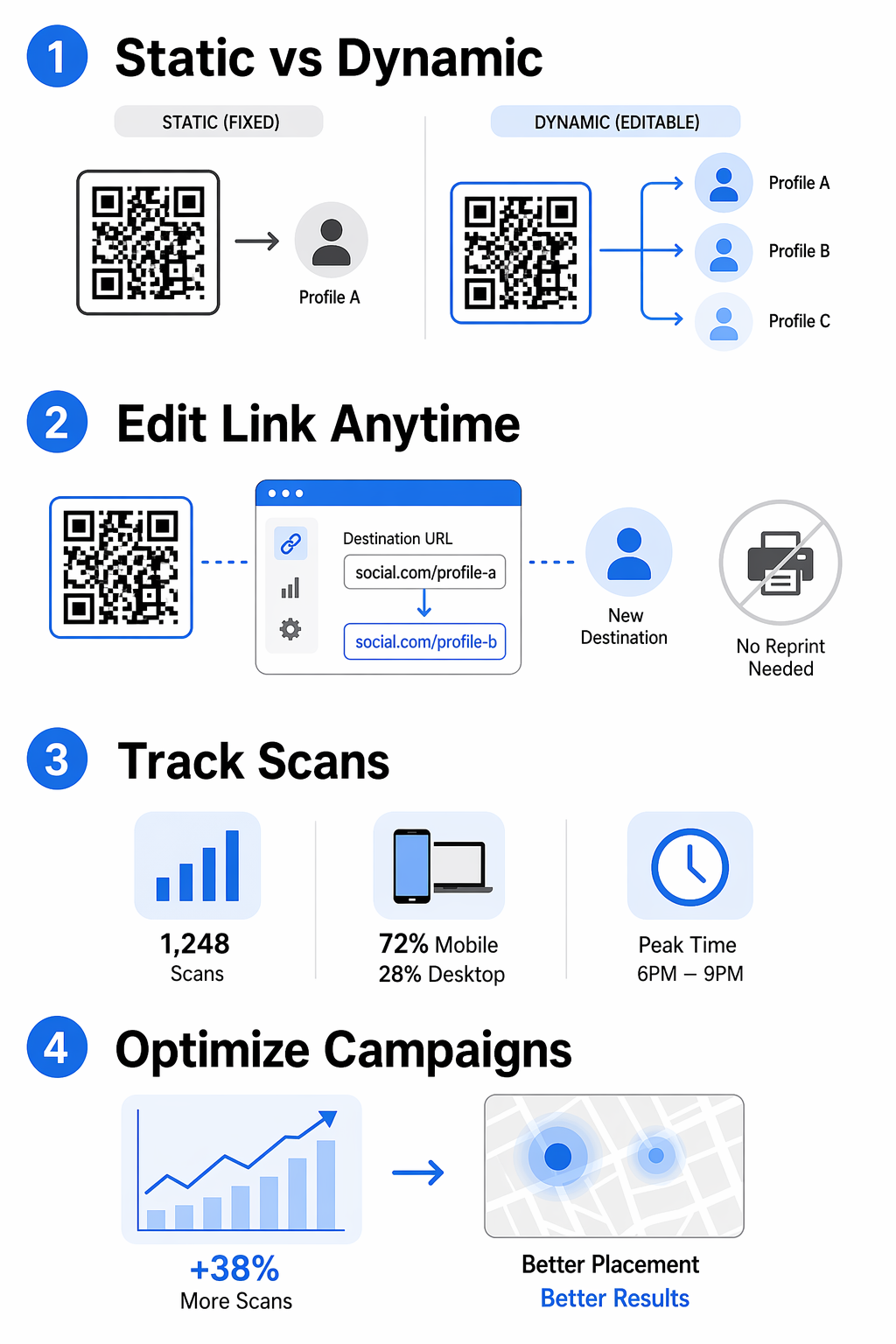
Beyond flexibility, dynamic codes provide detailed analytics. You can see exactly how many people scanned your code, what time they scanned it, and even what type of device they used. This data is invaluable for measuring the ROI of your physical marketing efforts. For example, if you notice a high scan rate on posters in one location but low engagement in another, you can adjust your placement strategy accordingly.
Drive More Traffic to Your Social Profiles Want to connect your customers to all your social platforms with a single scan? Use the Social Media QR Code Generator to create a customizable, trackable landing page for your brand today.
Best Practices for Design and Placement
A QR code is only effective if it is visible and scannable. To ensure your codes work every time, you must prioritize high contrast. Scanners work best when a dark code is placed against a light background; inverted colors often cause technical issues. You should also maintain a “quiet zone,” which is a clear border around the code that separates it from other design elements on your material.
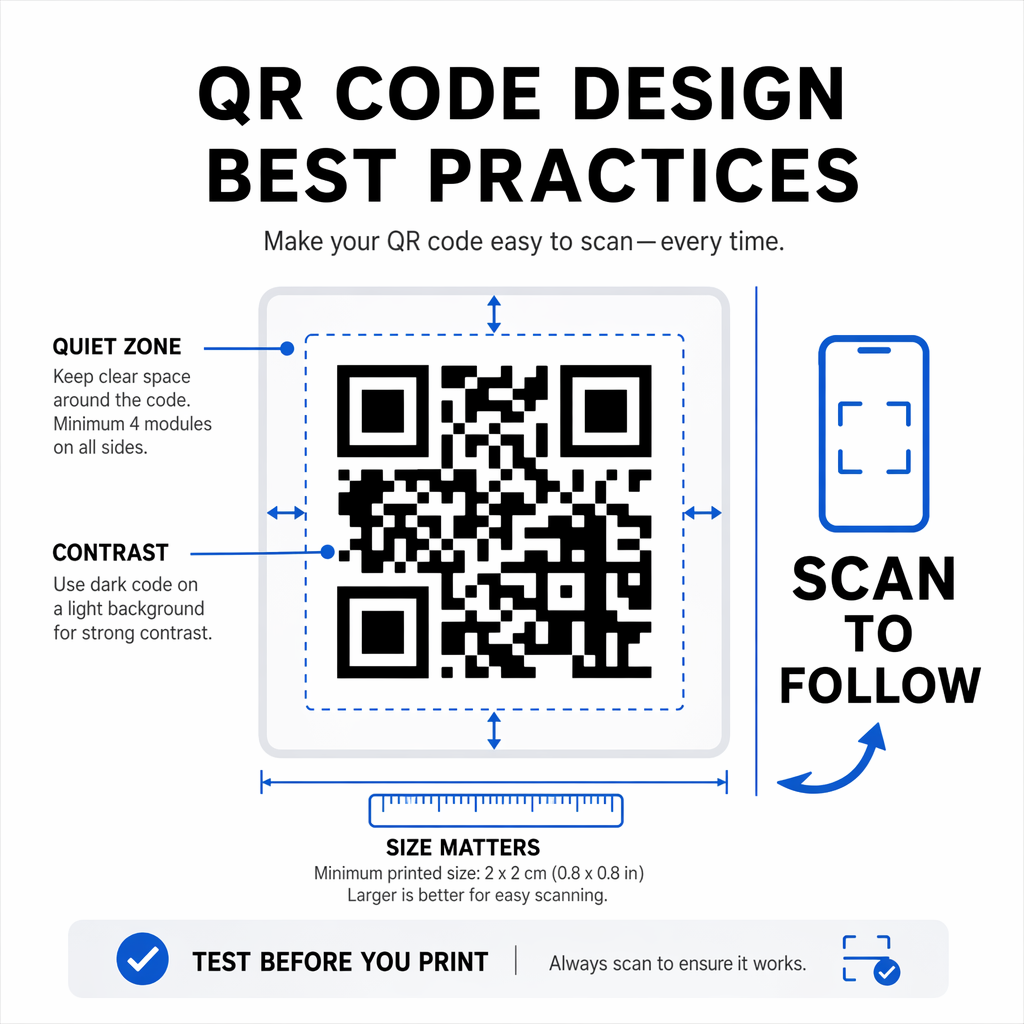
Branding your code is another way to increase trust and scan rates. Using a QR code generator with logo allows you to place your brand’s icon in the center of the code. Just ensure the logo does not cover more than 30% of the code area to maintain scannability. For physical print, size is a major factor. A code should be at least 0.8 x 0.8 inches for close-range items like business cards, but much larger for QR codes on posters or banners where the scanning distance is greater. Following established best practices for QR code readability ensures that environmental factors like lighting and surface texture do not prevent users from reaching your profiles.
Integrating Social Media with Other Channels
QR codes are not limited to just one type of digital interaction; they can bridge the gap between different marketing funnels. For instance, you can use codes to connect social media and email marketing by linking a code in a physical store to a social follow that then prompts an email sign-up. This creates a cohesive journey for the customer, moving them from a physical touchpoint into a multi-channel relationship with your brand.
To maximize engagement, always include a clear call-to-action (CTA) near your code. A vague “Scan Me” is rarely as effective as a specific instruction like “Scan to Follow Us for Exclusive Discounts.” By providing a reason for the scan, you give the user a clear expectation of the value they will receive. For creators working on social content, a word unscrambler can help explore alternative word combinations when developing captions, campaign copy, or other messaging. When combined with smart placement in high-traffic areas, these strategies turn every piece of physical collateral into a lead-generation tool.
Frequently Asked Questions
Yes. By using a social media QR code generator, you can create a single landing page that hosts buttons for all your profiles, such as Instagram, Facebook, and TikTok, allowing users to choose their preferred platform.
Not if you use a dynamic QR code. Dynamic codes allow you to edit the destination link in your dashboard at any time, which means the physical code remains the same even if the digital destination changes.
Dynamic QR codes provide access to an analytics dashboard. You can track total scans, geographical locations, and the types of devices used by your audience to help optimize your marketing campaigns.
To start building your digital following from the physical world, ensure you are using high-quality vector files for your print materials. This prevents pixelation and ensures your codes remain scannable regardless of the size of your display. By combining branded designs with dynamic tracking, you can turn your offline marketing into a measurable, high-conversion engine. Use the Pageloot dashboard to create your first customizable code and begin monitoring your engagement in real-time.