Are you losing potential customers because they refuse to manually type your website URL into their phones? Long or complex links create immediate friction, often leading users to abandon the interaction before your landing page even loads. Using a QR code for your website provides a seamless bridge that turns physical interest into digital traffic instantly.
Bridging the Gap Between Physical and Digital Content
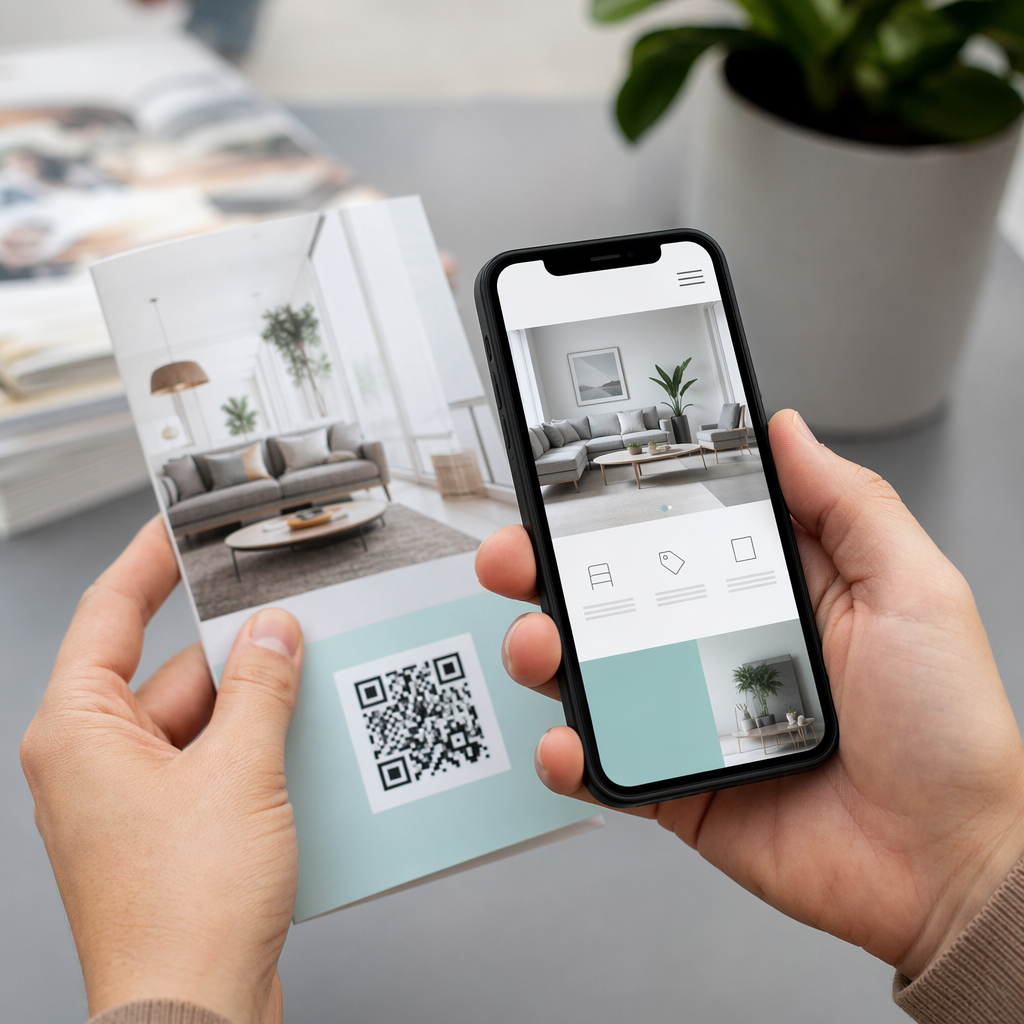
A website QR code is a specific type of URL-encoded tool that redirects anyone who scans it to a designated landing page. While it might seem redundant to place a QR code on a digital page, its primary value lies in its ability to connect offline touchpoints to your online presence. By using a professional online QR code maker, businesses can transform brochures, business cards, and product packaging into interactive gateways.
The mechanics of the process are straightforward. When a user points their smartphone camera at the code, the device decodes the visual pattern and automatically prompts the browser to open the URL. This eliminates the possibility of typos and significantly reduces the effort required for a customer to find your content. You can convert a link to a QR code in a matter of seconds, allowing you to share anything from an e-commerce product page to a technical whitepaper.
Static vs. Dynamic Functionality
Choosing the right type of code is essential for long-term marketing success. Static QR codes are permanent once they are generated. The data is hardcoded into the pattern, meaning you cannot change the destination URL after the code is printed. These are best suited for permanent information, such as a company’s main homepage or a fixed resource.
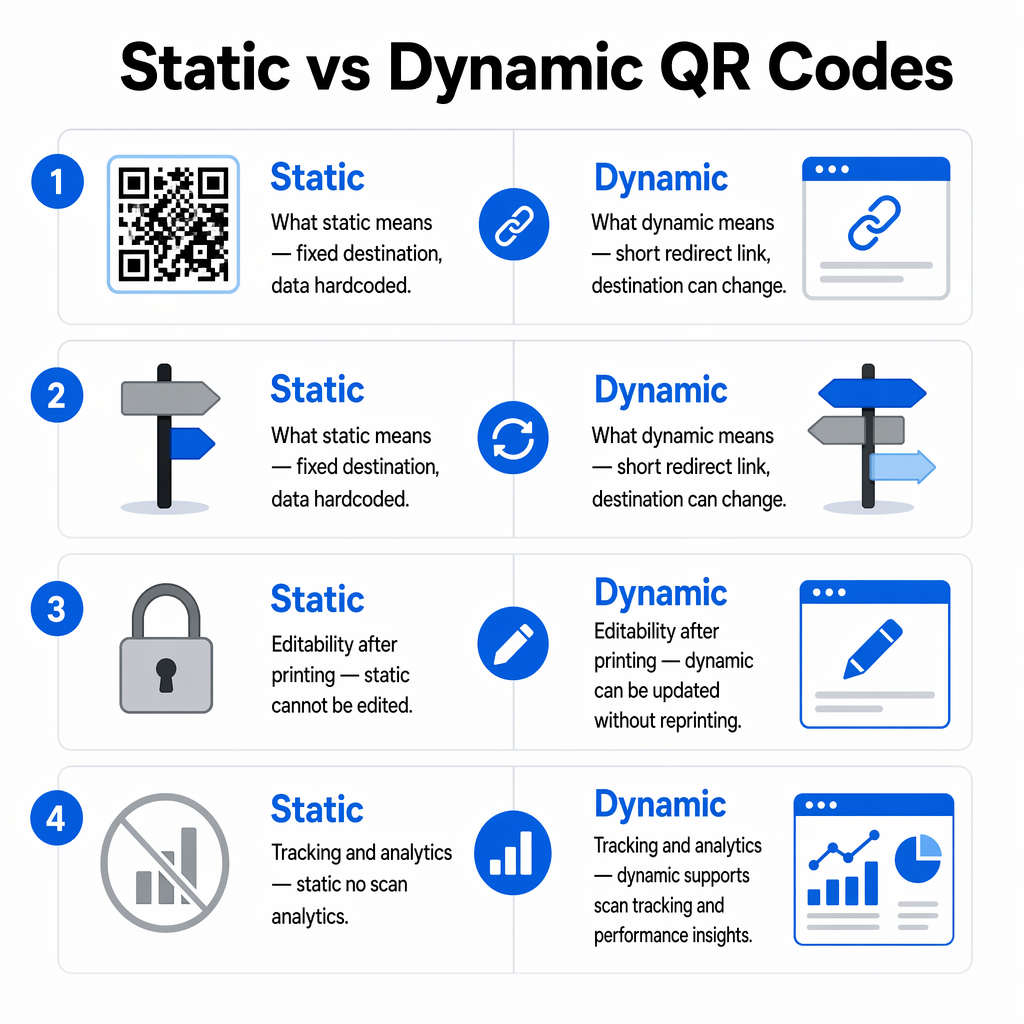
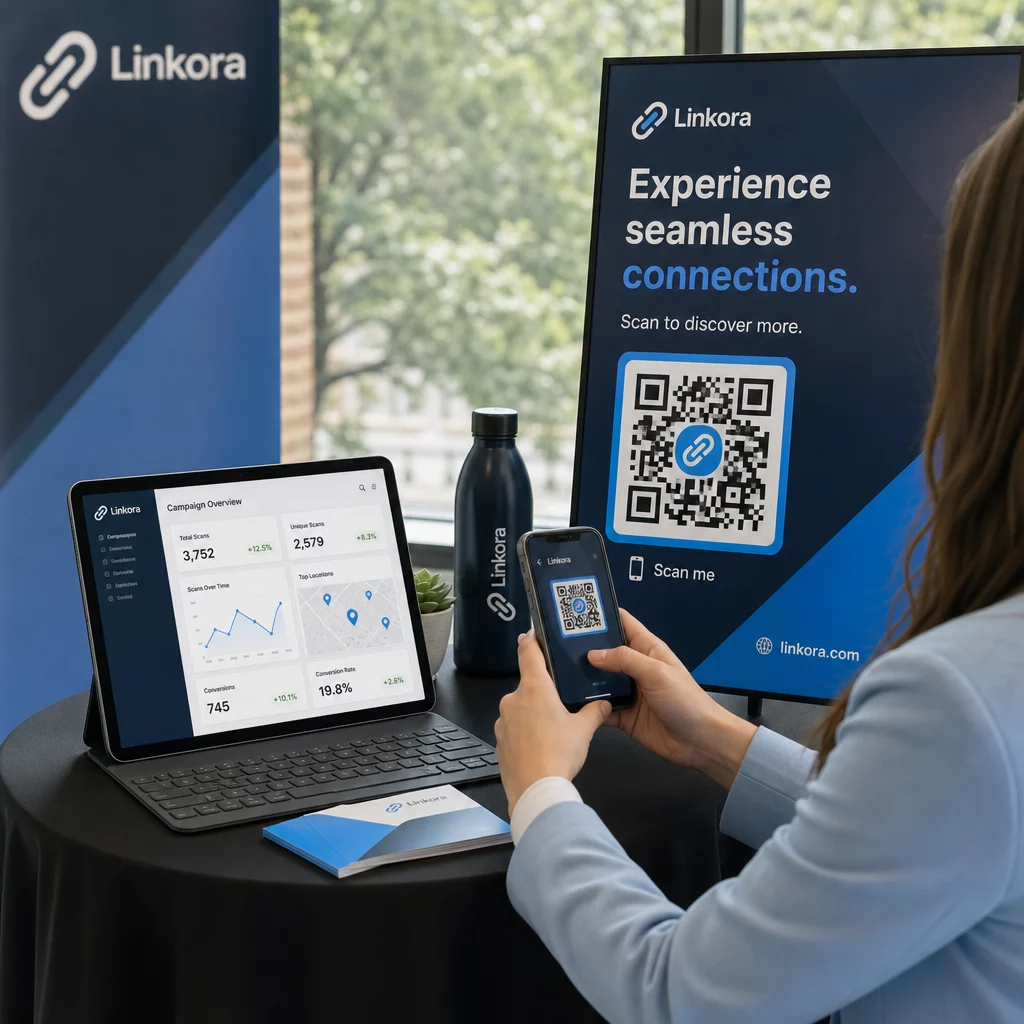
In contrast, dynamic QR codes offer significantly more flexibility for businesses. They utilize an intermediate short link, which allows for changing the QR code destination at any time without reprinting your marketing materials. This is particularly useful for seasonal promotions or A/B testing where you might want to redirect traffic to different landing pages based on performance data. Furthermore, dynamic codes enable detailed scan tracking, providing insights into total scans, user locations, and device types.
Best Practices for Scannability and Branding
To ensure a high conversion rate, your QR code must be both visually appealing and technically sound. A code that is too small or lacks contrast will frustrate users and lead to missed opportunities. When planning your layout, follow the 10:1 ratio rule, which suggests that the scanning distance should be roughly ten times the size of the QR code. For most marketing materials, a minimum size of 0.8 x 0.8 inches (2 x 2 cm) is required to ensure reliable scanning across all smartphone models.
Monitor Your Campaign in Real-Time Want to see exactly where and when your customers are scanning your materials? Use the Dynamic QR Code Generator to create trackable codes and access a full performance dashboard today.
Visual Customization and Branding
Modern generators allow you to move beyond basic black-and-white squares. You can utilize a QR code generator with logo functionality to incorporate your brand identity directly into the code. Adding a logo helps build trust, as users are more likely to scan a code that they recognize as belonging to a legitimate brand. To maintain scannability while using a logo, it is important to use Level H error correction, which allows up to 30% of the code to be obstructed or damaged while remaining functional.
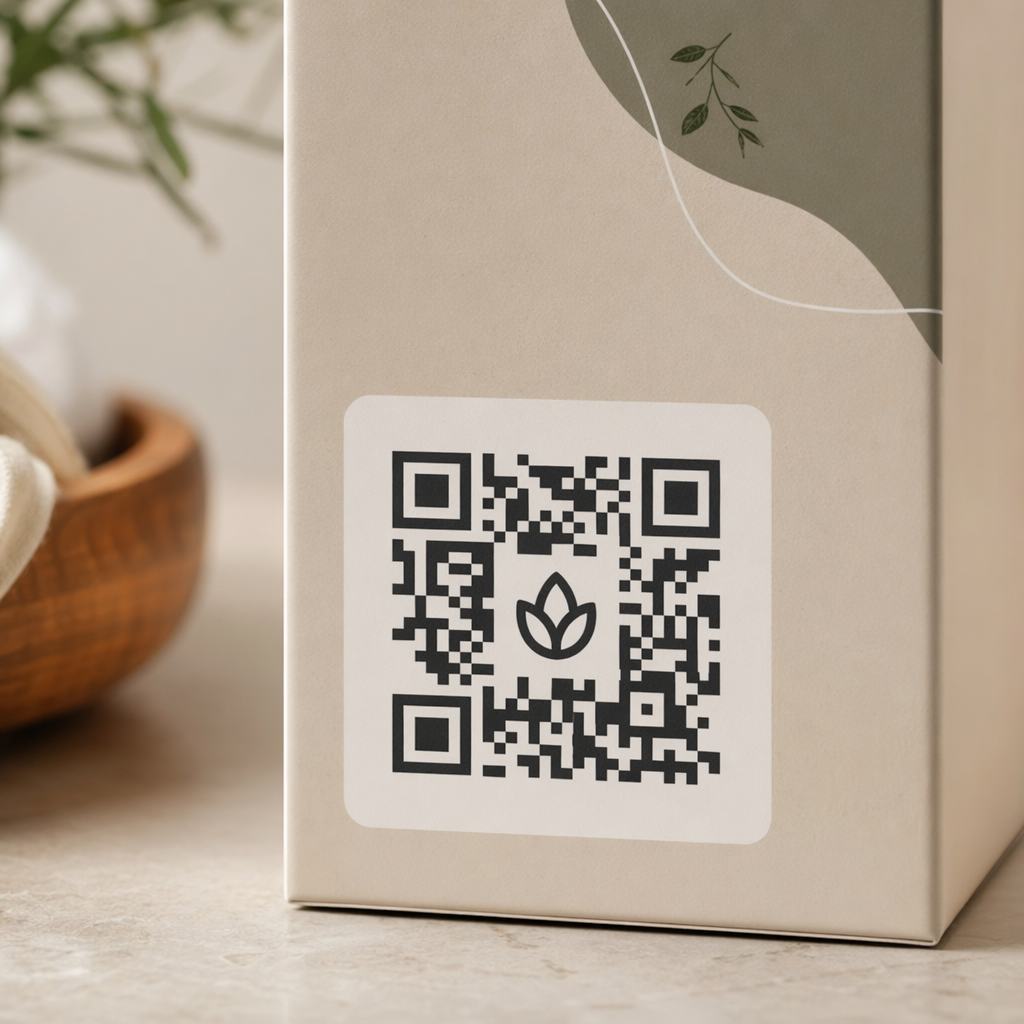
Color and contrast are equally vital for performance. Always aim for high contrast, ideally using a dark foreground on a light background. A 4:1 contrast ratio is generally the technical standard for accessibility and reliability. Additionally, every code requires a “quiet zone,” which is an empty border of at least four modules on all sides. This clear space acts as a frame, helping the scanner distinguish the code from the surrounding design elements on your packaging or signage.
Strategic Use Cases for Website QR Codes
The possibilities for connecting print and digital marketing are virtually limitless. By integrating these codes strategically, you can drive measurable engagement across various channels:
- Product Packaging: Direct customers to digital manuals, assembly videos, or warranty registration pages.
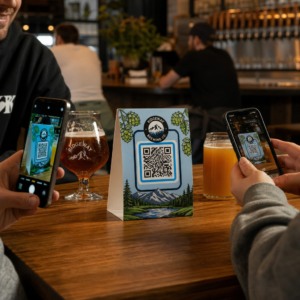
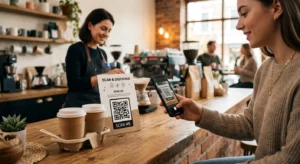
- Restaurant Menus: Transition from physical menus to digital versions to allow for instant price updates and contactless ordering.
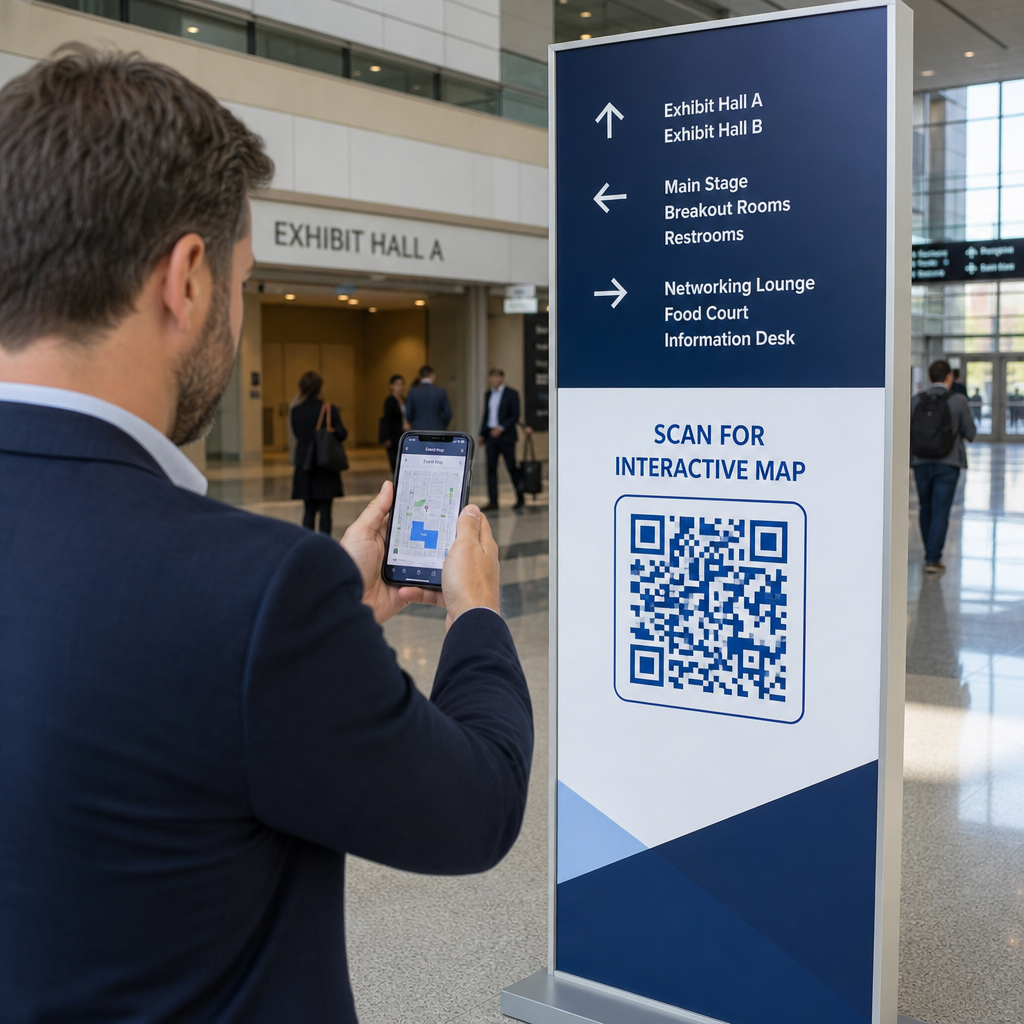
- Event Signage: Enable attendees to quickly access schedules, download speaker presentations, or check in via their mobile devices.
- Direct Mail: Enhance traditional flyers and postcards by providing a direct link to a time-sensitive discount or a lead capture form.
- Business Cards: Link your physical card to a digital portfolio or a LinkedIn profile to ensure your contacts have up-to-date information.
Implementing these tools correctly transforms passive viewing into active engagement. By focusing on high-quality design, strategic placement, and the use of dynamic tracking, you can turn every physical touchpoint into a data-driven conversion opportunity.
Frequently Asked Questions
You can only change the destination link if you created a dynamic QR code. Static QR codes have the URL embedded directly into the pattern, so they cannot be edited and would require a full reprint of your materials.
No. Most modern smartphones running iOS or Android have native QR code scanning built directly into the camera app. Users simply need to point their camera at the code to receive a notification to open the link.
Professional QR codes generated through Pageloot do not have scan limits. However, if you are using a free trial or a specific promotional plan, you should check your dashboard to ensure your account remains active so the codes do not expire.
To begin optimizing your offline-to-online journey, start by choosing a template that fits your brand. You can explore over 25 different types of solutions and customize your designs for free with the Pageloot QR code generator. Once you have created your first code, be sure to test it across multiple devices to guarantee a seamless experience for every customer.