Tired of chasing down guests for the photos they took at your event? Manually collecting images via email or messaging apps is frustrating and often leads to low-resolution files or forgotten memories. This guide explains how to use QR codes to create a seamless, app-free photo sharing experience for any gathering.
Why QR Codes are the Standard for Event Photo Sharing
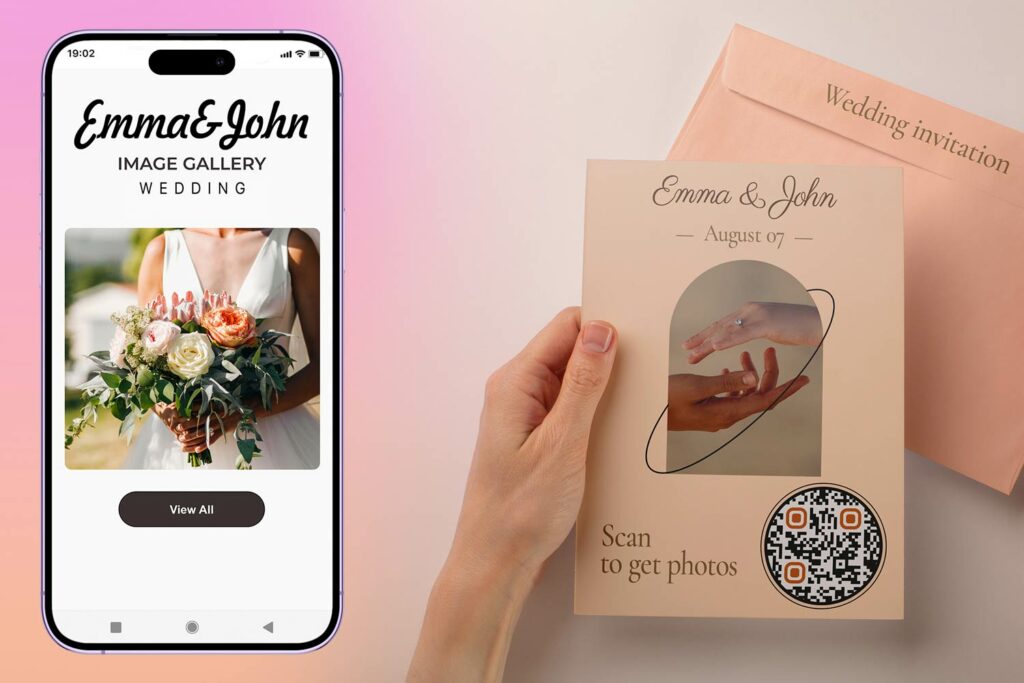
Modern event hosting relies on reducing friction for guests. When you require attendees to download a specific app or create a new account just to share a photo, participation rates drop significantly. Authentication friction is a known barrier to digital interaction, and providing a direct path to an upload page bypasses these hurdles entirely. Since nearly 83.4 million adult smartphone users in the U.S. scanned a QR code in 2022, most of your guests will already be familiar with how to interact with these codes.
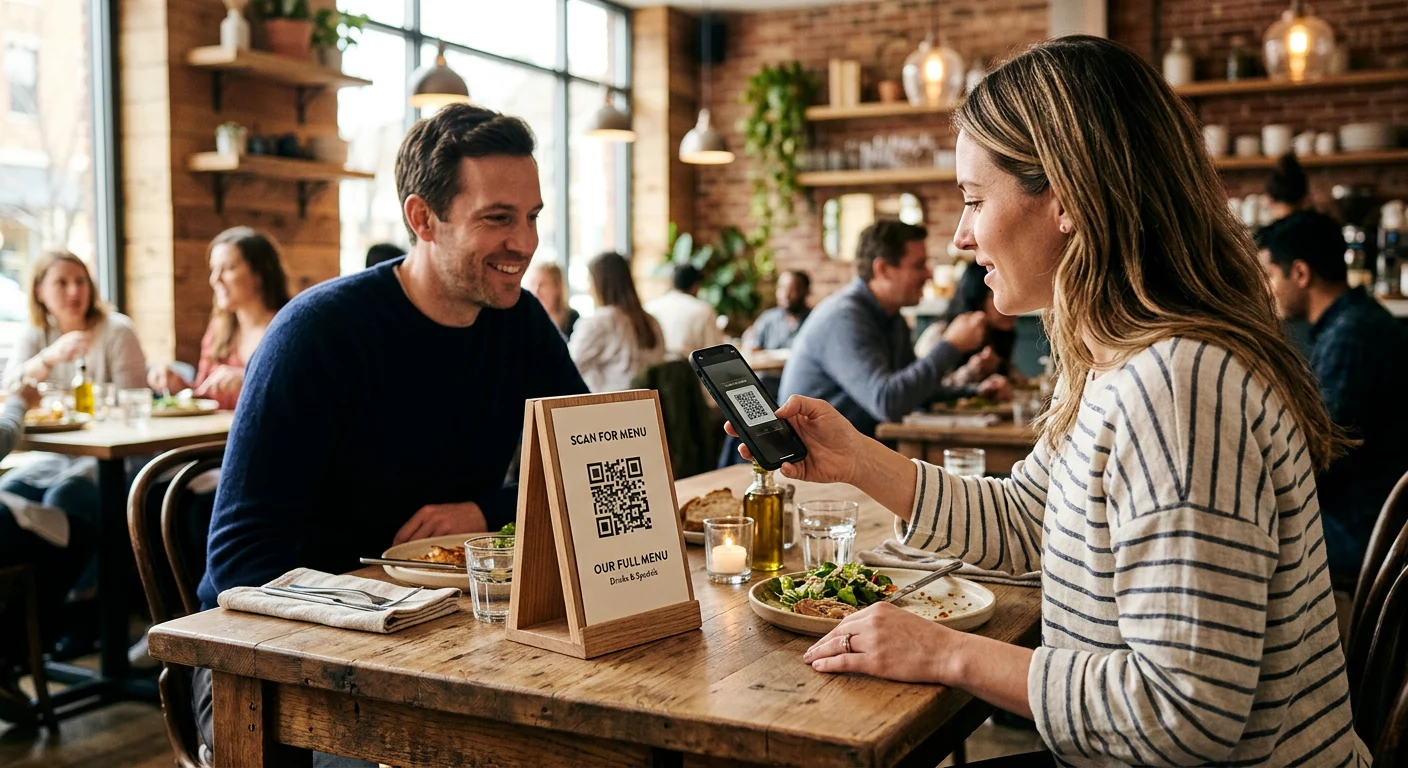
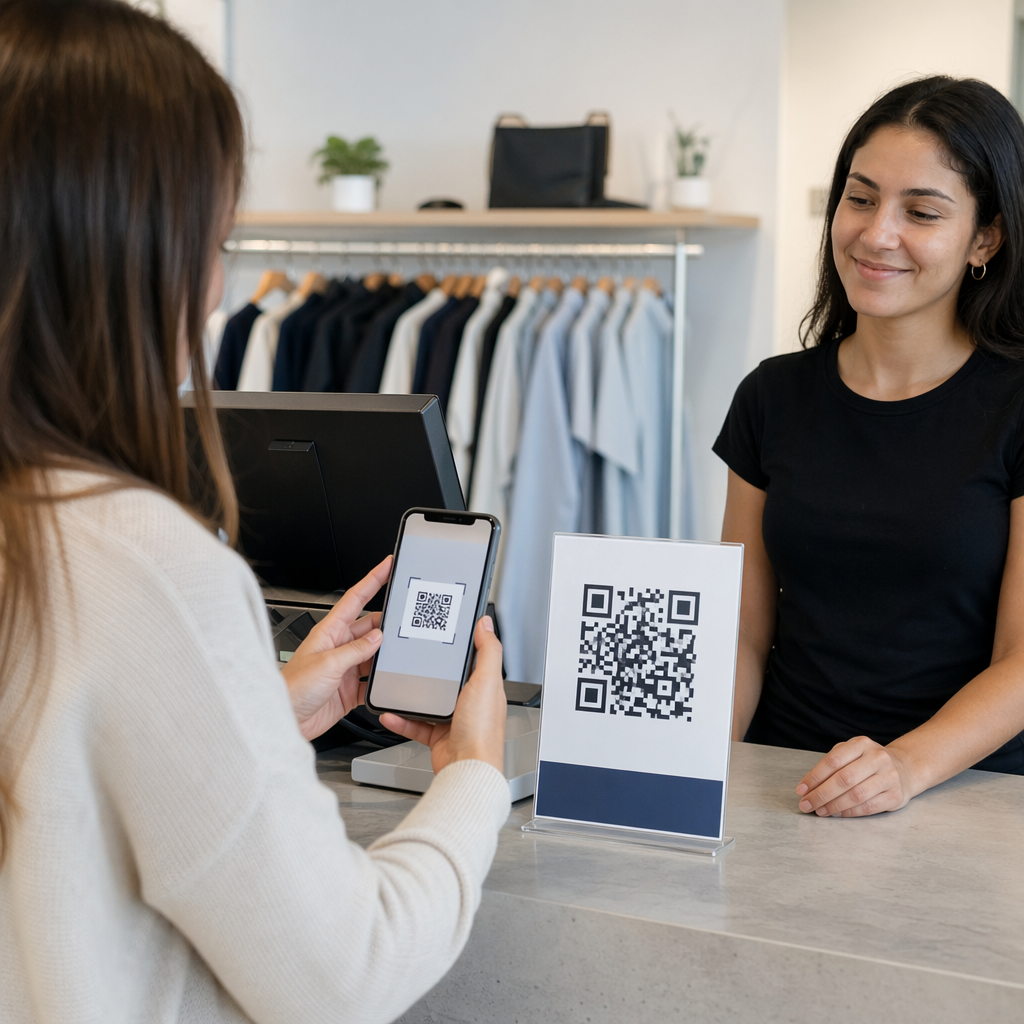
Scanning is a native feature on almost every modern device. Most users simply need to open their camera app and point it at the code to trigger a notification that opens the destination URL. This makes the process as simple as taking a photo itself. By providing a QR code for an image gallery, you create a central hub where memories are preserved in real-time, allowing guests to view the collective experience of the event as it unfolds.
Choosing Between Static and Dynamic QR Codes
When setting up your photo-sharing system, you must choose the underlying technology for your code. The choice between static vs dynamic QR codes depends on how much flexibility you need after the event materials are printed.
- Static QR codes embed the destination URL directly into the pixel pattern. These are permanent and cannot be changed, meaning if your photo album link breaks or moves, you must reprint all your materials.
- Dynamic QR codes use a redirect link, which allows you to edit the QR code destination even after it has been distributed.
- Dynamic codes provide built-in analytics, letting you see how many guests scanned the code and at what times during the event.
- The pattern in a dynamic code remains simple and easy to scan, regardless of how long the destination URL is, which improves reliability in low-light environments like reception halls.
Start Collecting Photos Instantly Ready to simplify your event gallery? Use the Link QR Code Generator to create a custom code for your photo album and start sharing memories with your guests today.
Technical Setup for Seamless Uploading
To ensure guests can actually contribute to the album, your hosting platform must be configured correctly. If you are using services like Google Drive or Dropbox, it is essential to adjust the sharing permissions. Setting the folder to “Anyone with the link” ensures that guests are not met with a “Permission Denied” screen, which is the fastest way to lose engagement. Following best practices for QR codes for cloud files ensures that the transition from a physical scan to a digital upload is instantaneous.
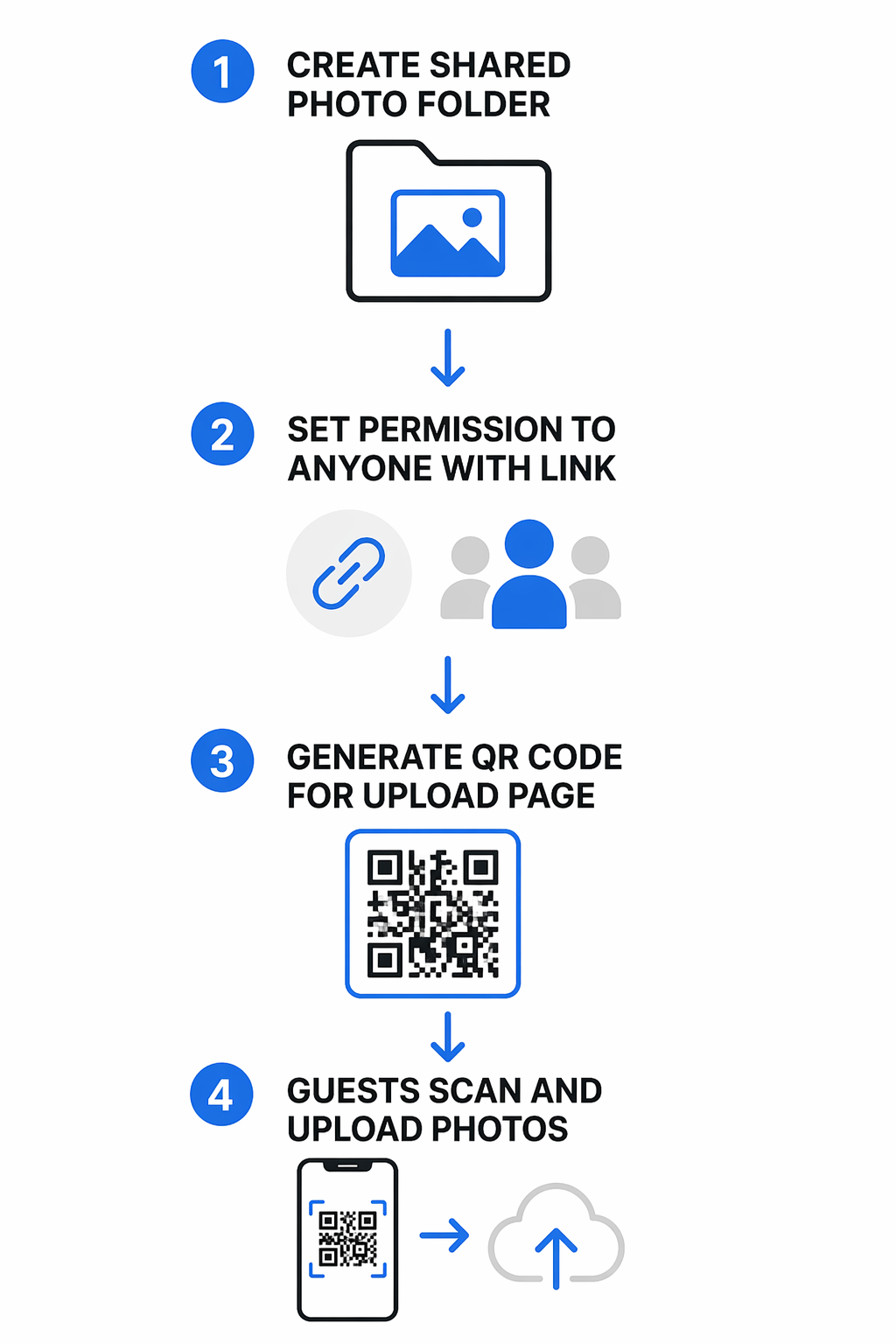
Once the destination is ready, you can use a QR code generator to create the visual asset. For weddings or corporate events, a standard black-and-white code might feel out of place. You can use a QR code generator with logo to incorporate your event’s branding or the couple’s initials into the center of the code. This not only makes the code more attractive but also builds trust, as guests can see the code is an official part of the event.
Best Practices for Readability and Design
A QR code is only useful if it scans quickly and reliably. Environmental factors like lighting and surface texture can impact performance, so following QR code usability best practices is critical during the design phase.
- Maintain high color contrast by using dark patterns on light backgrounds.
- Avoid inverted colors or low-contrast pairings like light gray on white, as these often fail in dim event lighting.
- Ensure a “quiet zone” or empty border exists around the code to help the scanner identify the pattern.
- Print your codes in high-resolution vector formats such as SVG or EPS to prevent blurriness when scaling for large posters.
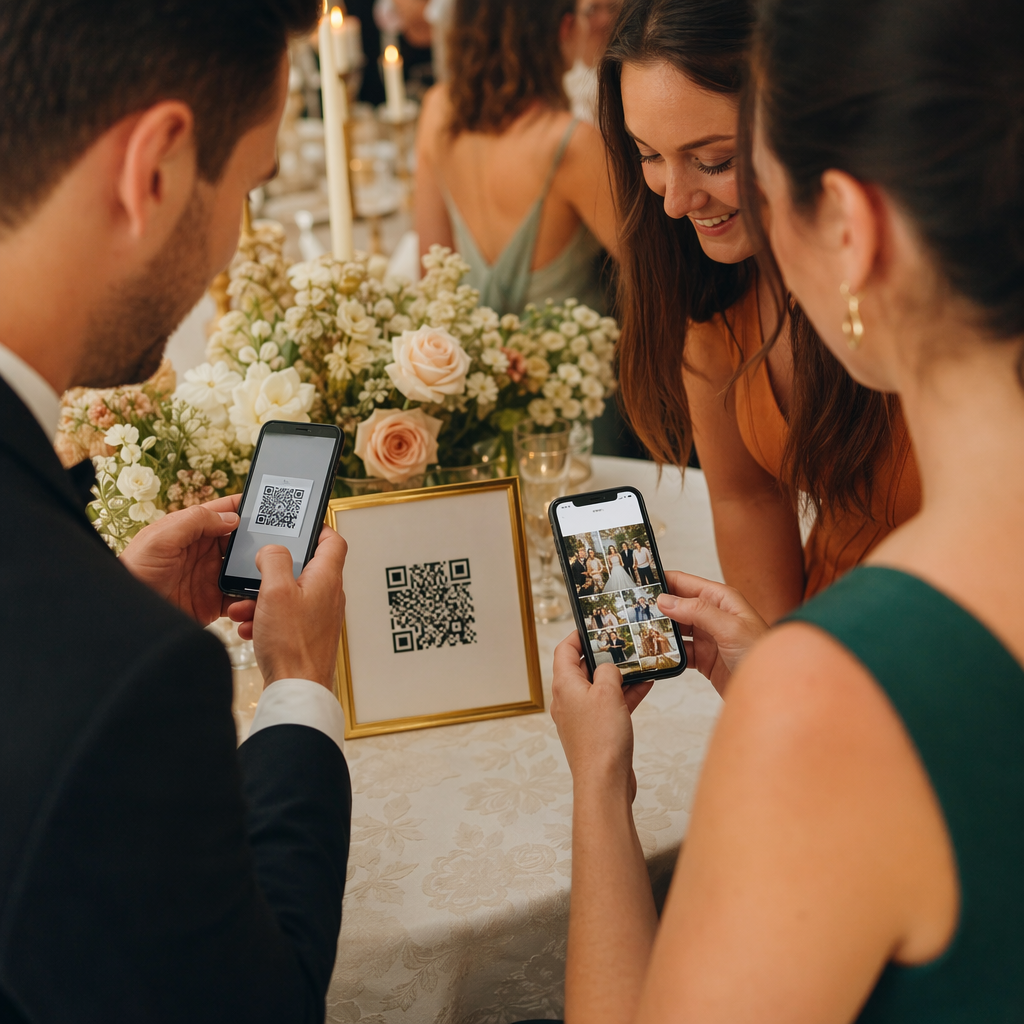
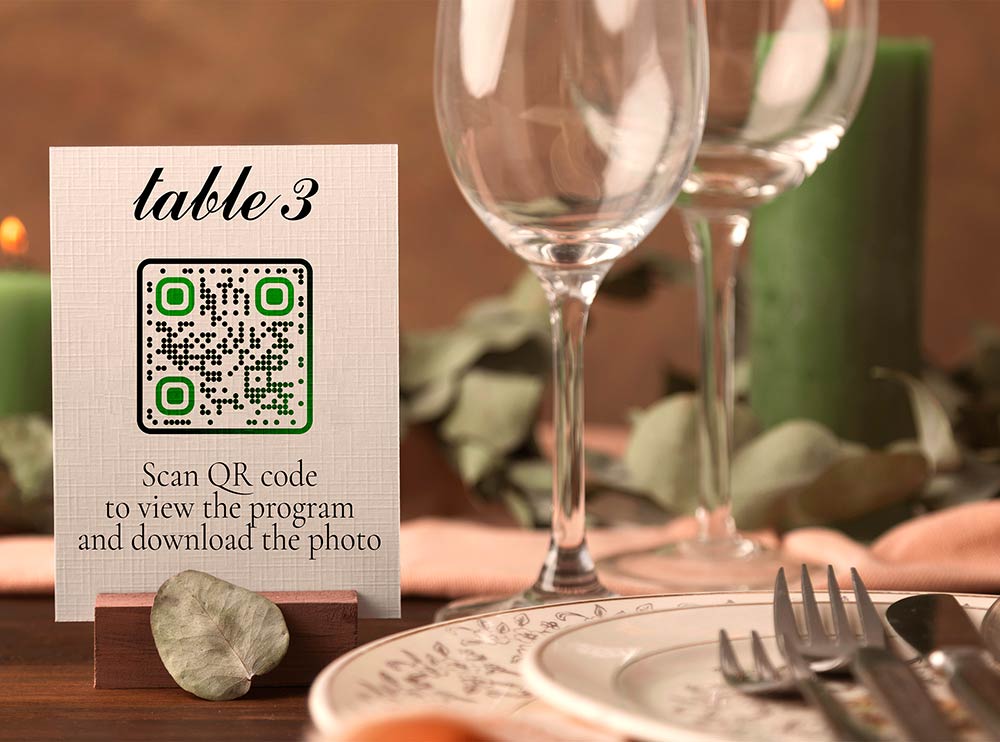
For physical placement, follow the 10:1 ratio rule for sizing. For every 10 inches of scanning distance, the code should be at least 1 inch wide. On a table tent at a wedding, a size of 0.8 x 0.8 inches is typically the functional minimum. You can find more specific guidance on QR code color contrast best practices to ensure your branded codes remain as functional as they are stylish.
Security and Privacy for Guest Content
Sharing photos publicly requires a balance between ease of access and privacy. While you want guests to upload freely, you should also consider secure QR code generation best practices to protect the collection. Using HTTPS links is mandatory to ensure data is encrypted during the upload process.
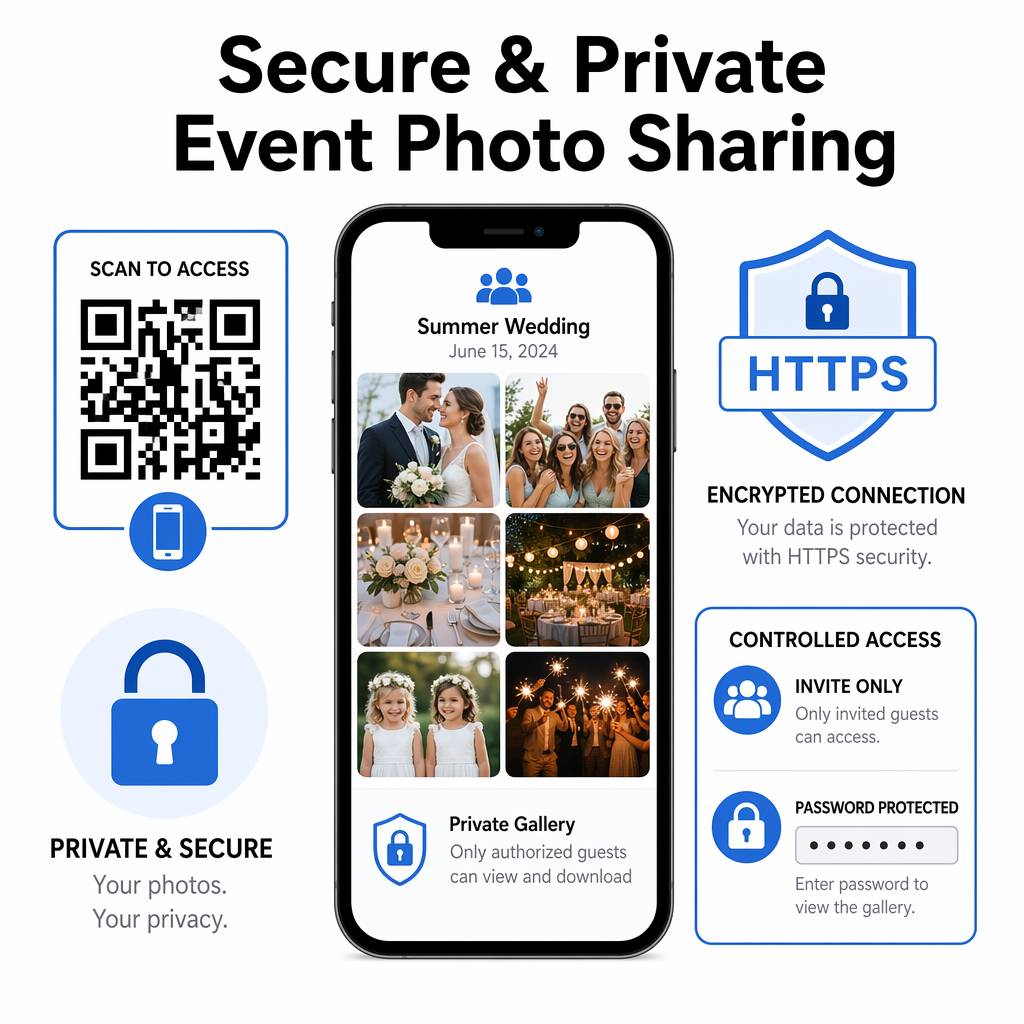
If you are concerned about unauthorized access after the event, dynamic QR codes allow you to disable the link or add password protection once the celebration is over. This gives you total control over the lifecycle of the sharing link. Additionally, testing your code across different devices – both iOS and Android – ensures that every guest, regardless of their phone model, has a consistent and safe experience. Detailed best practices for QR code readability can help you troubleshoot any issues before the event begins, ensuring a smooth experience for all attendees.
Frequently Asked Questions
No. Most modern smartphones can scan the QR code directly through the camera app and open a web-based upload page in the mobile browser.
Yes, but only if you use a dynamic QR code. Dynamic codes allow you to update the destination URL at any time without changing the printed image.
For close-range scanning on tables, the code should be at least 0.8 x 0.8 inches. If the code is on a large entrance sign, it should be significantly larger to accommodate the distance.