Are you struggling to grow your Facebook Group because people find it difficult to search for your community manually? When joining requires too many steps, potential members often lose interest before they ever hit the join button. Using a QR code simplifies this process, allowing users to access your group with a single scan.
Why Use QR Codes for Community Growth
The primary barrier to growing an online community is friction. By using a Facebook QR code generator, you remove the need for users to type in long URLs or search through hundreds of groups with similar names. A single scan provides instant access, which is particularly effective for bridging the gap between offline interactions and your digital community.
These tools are versatile enough to be used across various social media campaign best practices, helping you convert physical traffic into digital engagement. Whether you are promoting a hobby group, a professional networking circle, or a local neighborhood watch, the goal is to make the transition as seamless as possible. This technology allows you to place your community’s “front door” on everything from business cards to event posters.
How to Generate Your Facebook Group QR Code
Creating a gateway to your community is a straightforward process that starts with your group’s unique digital address. First, navigate to your Facebook Group on a web browser and copy the full URL from the address bar. This link acts as the destination that the scanner will eventually decode to reach your page.
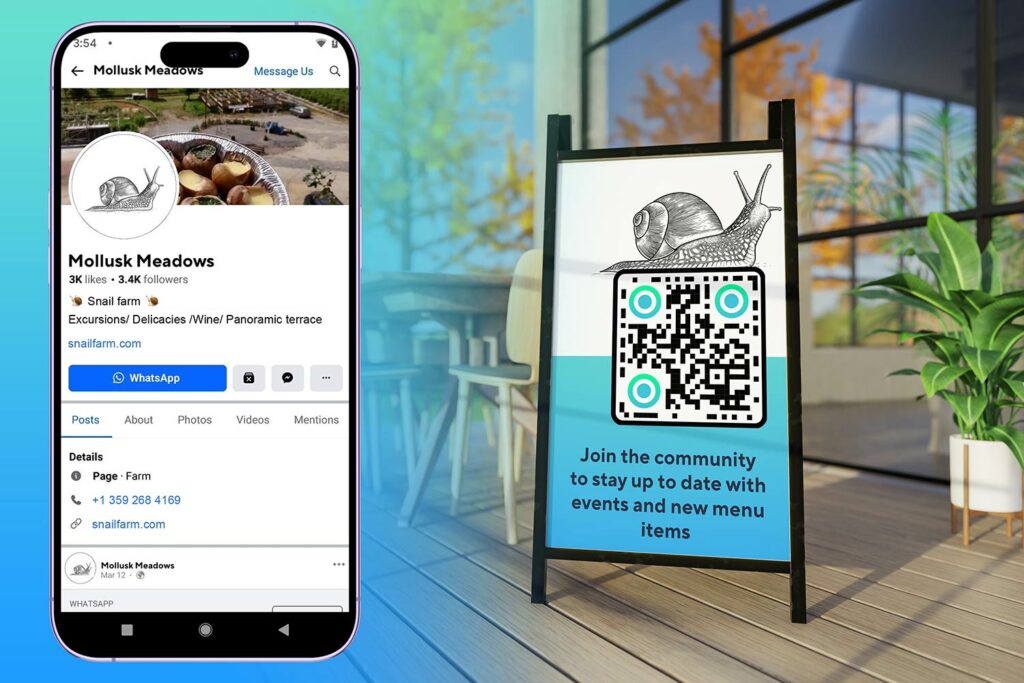
Once you have the link, open a link QR code generator and paste the URL into the designated field. Most professional tools will then allow you to customize the appearance of the code to align with your group’s branding. You can adjust the colors or add a Facebook logo to the center of the code to signal to users exactly where the link will take them. After you are satisfied with the design, you can download the high-resolution file for your promotional materials.
Boost Group Engagement Instantly Want to simplify how members join your community? Use the Facebook QR Code Generator to create a customized scan-to-join code for your group today.
Choosing Between Static and Dynamic QR Codes
When generating your code, you must choose between a static or a dynamic format. Static codes embed the destination URL directly into the pattern, meaning the link can never be changed once the code is printed. This is often suitable for simple, permanent links, but it lacks flexibility if your group URL ever changes or if you want to reuse the same printed materials for a different campaign.
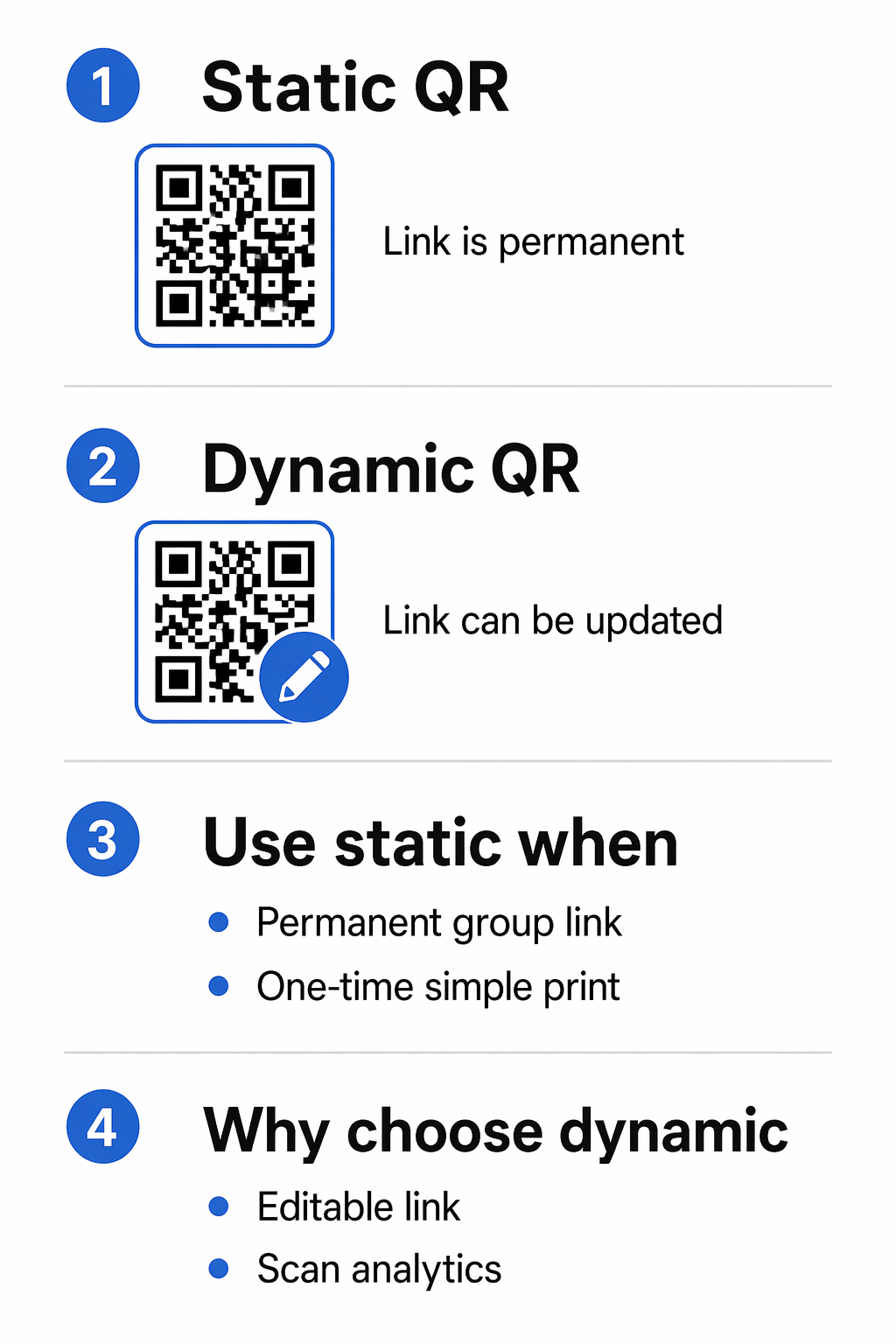
In contrast, a dynamic QR code generator creates a code that redirects through a middle link, allowing you to update the destination URL at any time without reprinting your flyers or business cards. Dynamic codes also offer advanced analytics, allowing group admins to track how many people scanned the code, what time they scanned it, and what type of device they used. This data is invaluable for understanding which of your marketing efforts are actually driving group growth.
Best Practices for Scanning and Readability
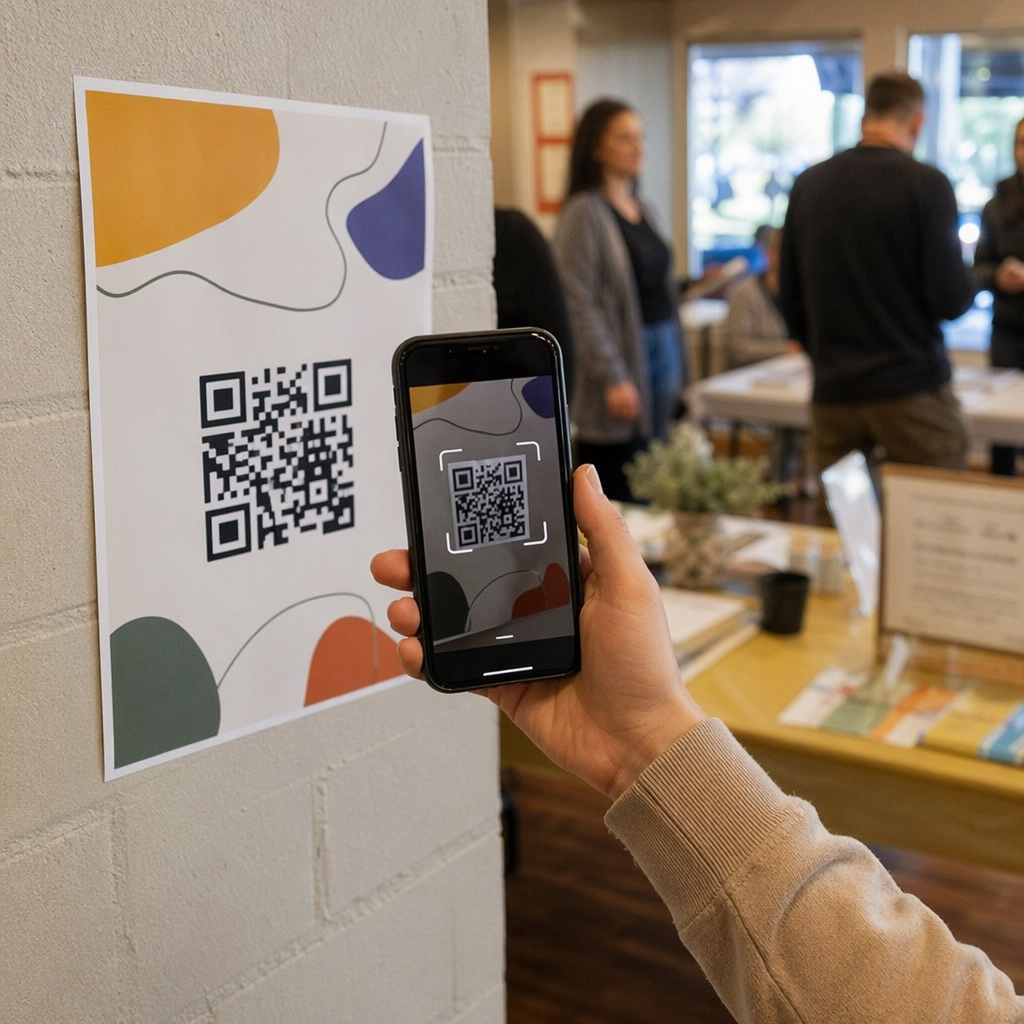
For a QR code to be effective, it must be easily readable by any smartphone camera. You should prioritize high contrast, typically using dark patterns on a light background, as this helps scanners distinguish the code from the surrounding surface. Maintaining a “quiet zone,” which is the empty space around the code, is also essential for QR code usability best practices as it prevents other design elements from interfering with the scan.
Size and placement are equally important factors. A common rule of thumb for QR code readability is a 10:1 ratio, meaning if the user is scanning from 10 inches away, the code should be at least one inch wide. Always test your code on multiple devices before finalizing a print run. iPhone users can typically scan directly through the Camera app or via the Control Center, while Android users often use Google Lens to decode the information.
Strategic Placement for Maximum Engagement
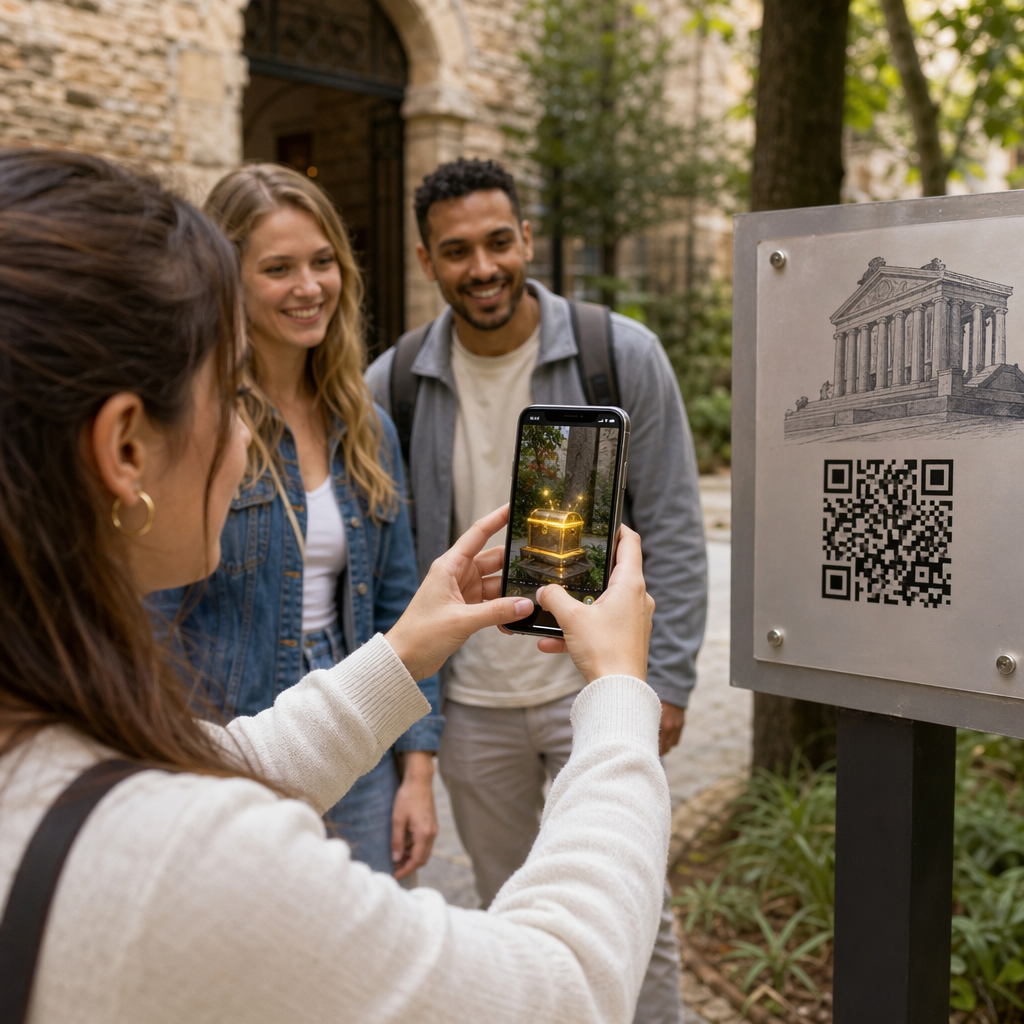
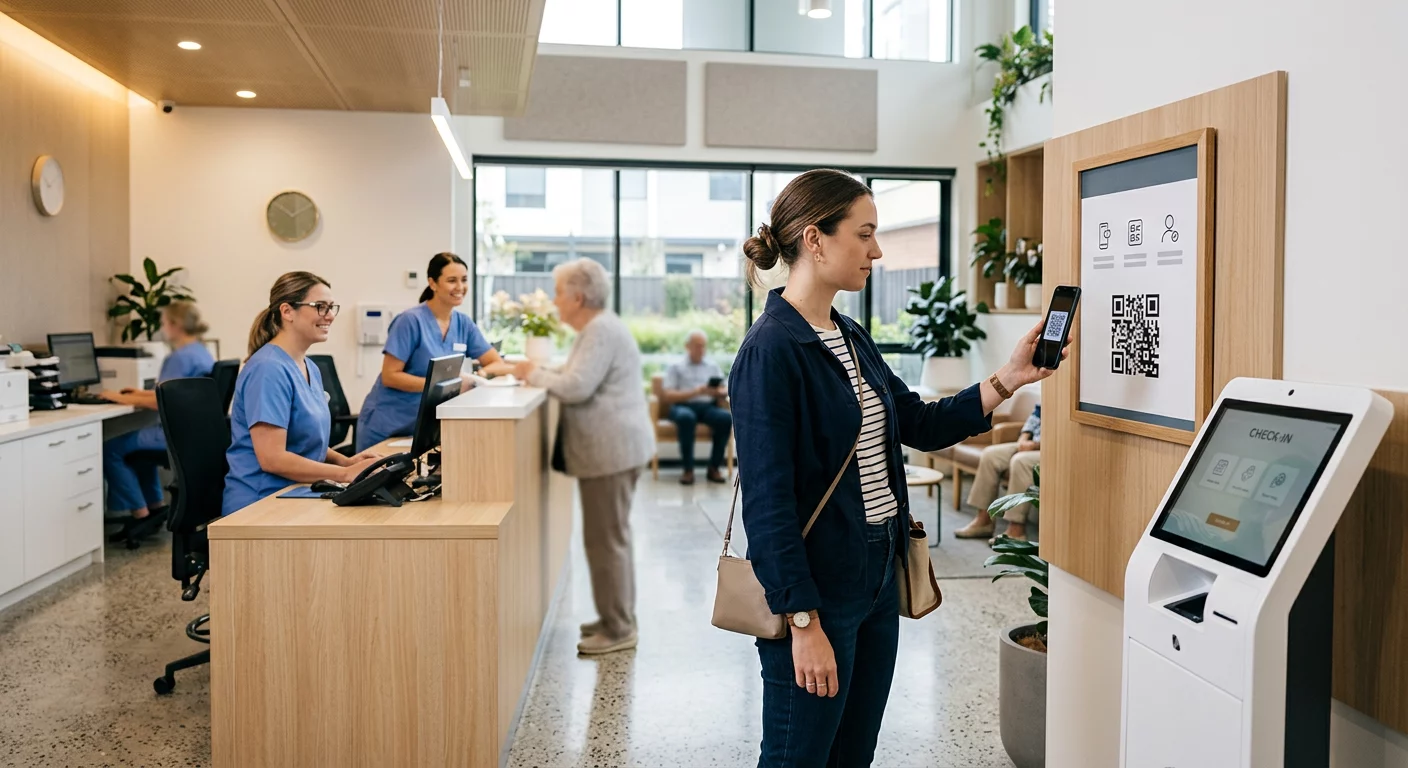
To maximize scans, you should place your QR codes where your target audience is most likely to have their phones ready. For community groups, this often means physical locations that host related events.
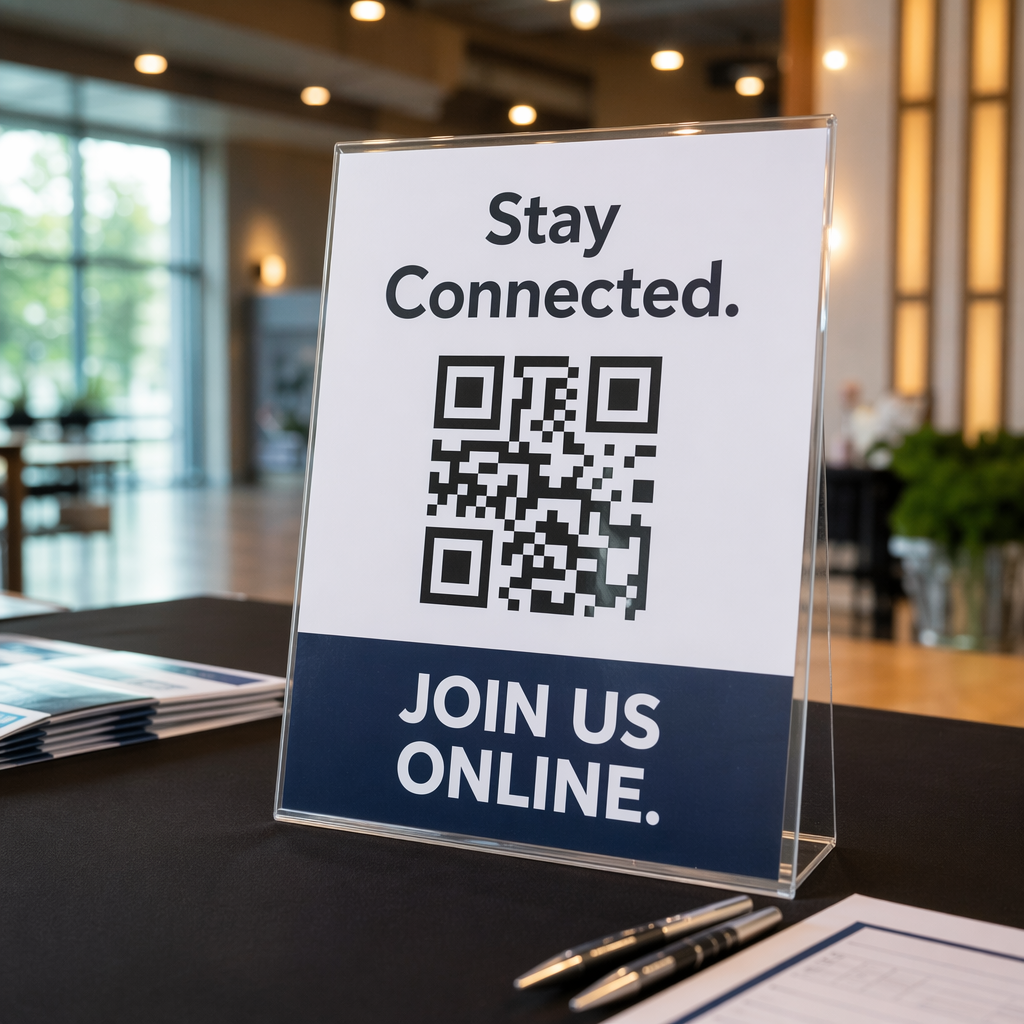
- Clubs and events can feature codes on table tents or registration desks to keep the conversation going after the event ends.
- Hobby groups can place stickers on equipment, tools, or at trailhead signs to connect enthusiasts in the moment.
- Educational institutions can use codes on newsletters or classroom posters to facilitate communication between teachers, parents, and students.
- Business owners can print codes on receipts or in-store signage to invite customers into a private VIP group.
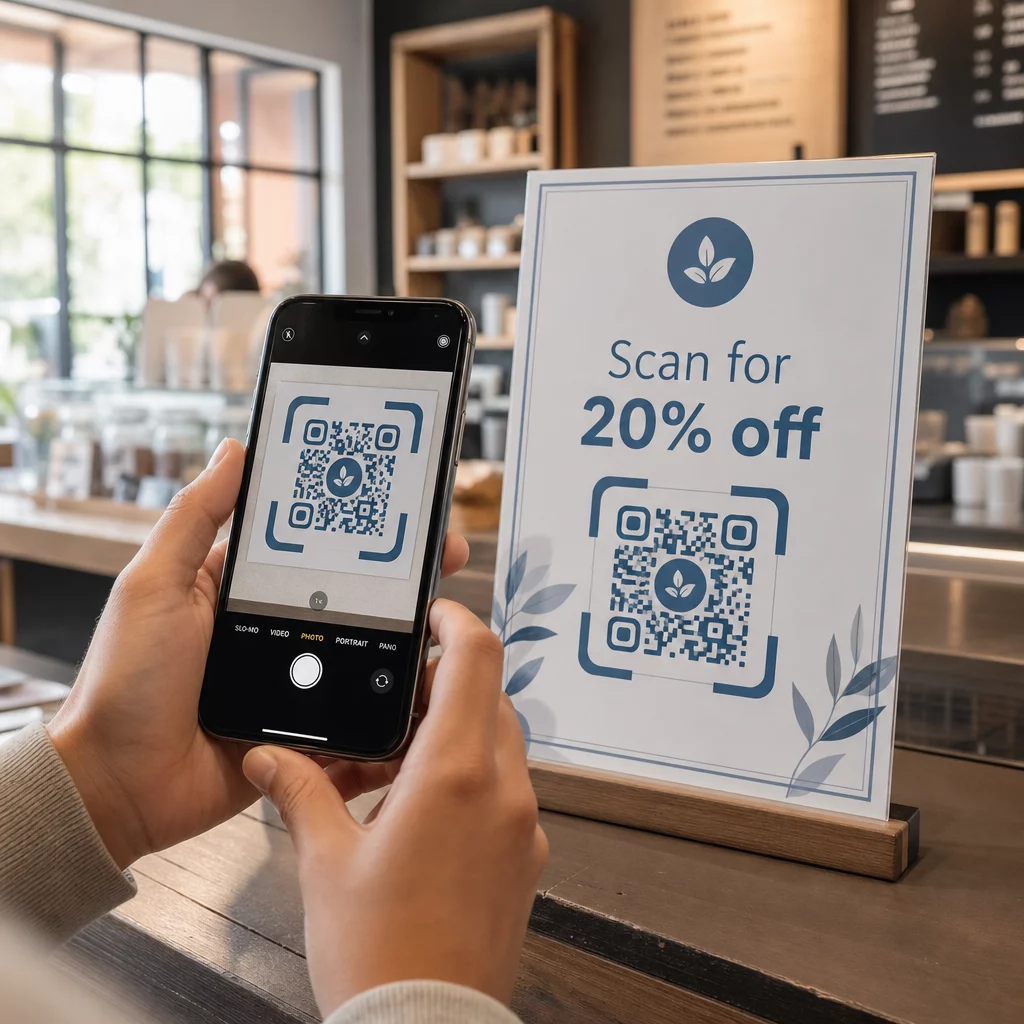
By integrating these codes into social media strategies, you create a cohesive ecosystem where offline discovery leads directly to online community membership. Always include a clear call-to-action (CTA) near the code, such as “Scan to join our local community,” so users know exactly what to expect when they open their camera.
Frequently Asked Questions
Only if you use a dynamic QR code. Dynamic codes allow you to edit the destination URL through your dashboard without changing the physical pattern of the code, whereas static codes are permanent once generated.
Most modern smartphones have built-in scanners. iPhone users can use the default Camera app, and most Android devices utilize Google Lens. However, some users may still prefer using a dedicated QR scanner app or the scanning feature within the Facebook app itself.
You can create a basic static QR code for free using a QR code generator. However, advanced features such as scan tracking, design customization, and the ability to edit the link later typically require a professional subscription.