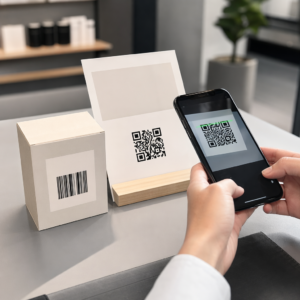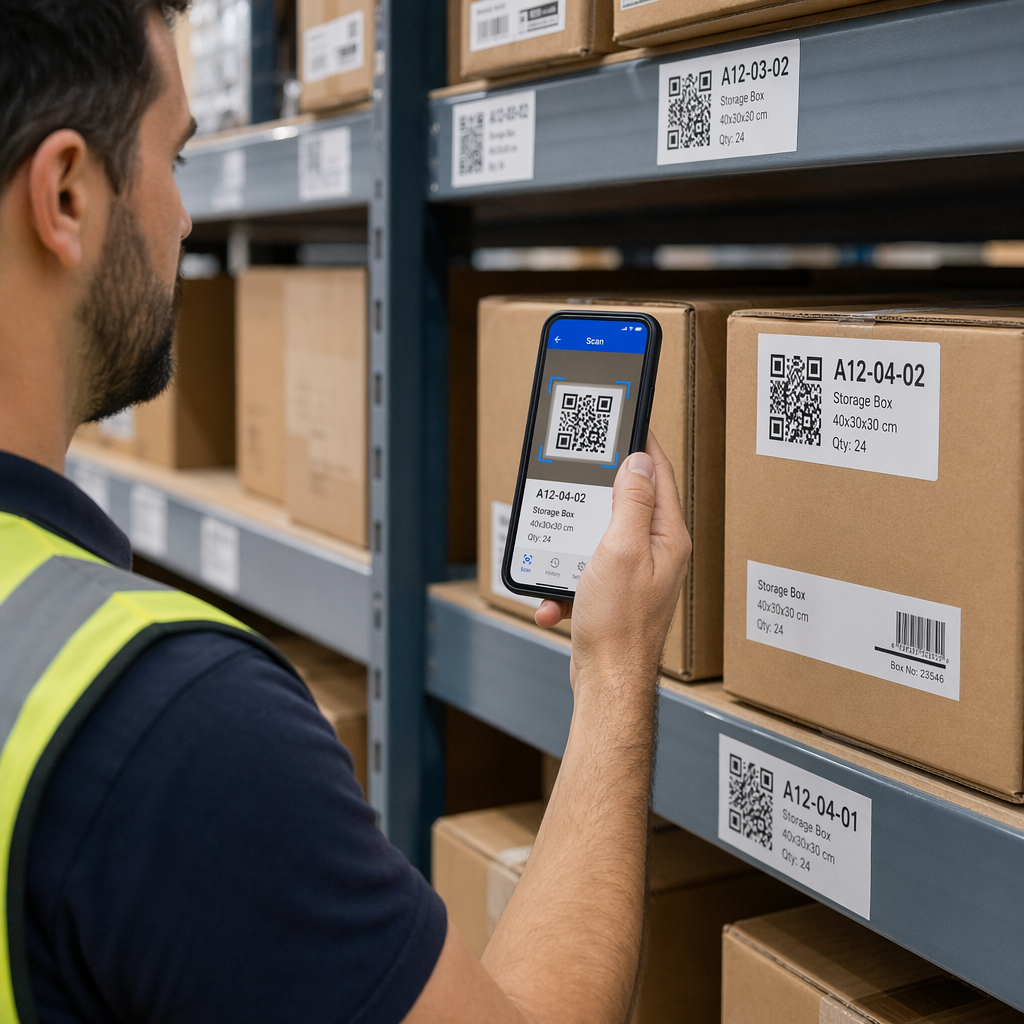
Are manual inventory errors and outdated tracking methods slowing down your business operations? Inaccurate stock data often leads to missed orders or wasted capital, making an efficient tracking system essential for sustainable growth. Adopting QR codes for product inventory management offers a scalable, real-time solution to streamline your warehouse and supply chain workflows.
Why QR Codes Outperform Traditional Barcodes
While traditional 1D barcodes have been the standard for decades, they are limited by their linear structure and low data capacity. QR codes are two-dimensional matrix barcodes that offer superior flexibility because they can be scanned from any angle and store significantly more information in a smaller physical space. This transition from 1D to 2D codes allows businesses to encode not just a product ID, but also batch numbers, expiration dates, and manufacturing details.
| Feature | Traditional Barcode (1D) | QR Code (2D) |
|---|---|---|
| Data Capacity | Limited (approx. 20-25 characters) | High (up to 4,296 alphanumeric characters) |
| Damage Tolerance | Low; any break often stops the scan | High; remains readable with up to 30% damage |
| Scanning Angle | Horizontal only | Omni-directional (360 degrees) |
| Flexibility | Static information only | Dynamic codes can be updated after printing |
The differences between barcodes and QR codes become even more apparent when considering durability. Because QR codes include built-in Reed-Solomon error correction, a label can sustain scratches or dirt in a busy warehouse and still function correctly. This reliability ensures that your team spends less time troubleshooting unreadable tags and more time moving products.
Benefits of a QR-Based Inventory System
Implementing a QR code product inventory system provides immediate improvements in data accuracy and operational speed. By moving away from manual ledger entries, you reduce the human error associated with typing SKUs or counting stock by hand.
- Real-Time Data Access: Every scan can trigger an instant update in a centralized database, providing a live view of stock levels across multiple locations.
- Cost-Efficiency: You do not need expensive, specialized hardware to start tracking. Most modern smartphones can function as high-speed readers using a free QR code scanner.
- Enhanced Information Storage: Beyond a simple serial number, these codes can link to digital manuals, safety data sheets, or assembly instructions for warehouse staff.
- Improved Supply Chain Visibility: Tracking items from the manufacturing floor to the end customer becomes seamless when you use QR codes for manufacturing and logistics.
Modernize Your Inventory Tracking Need a way to update product details without reprinting thousands of labels? Use the Dynamic QR Code Generator to create flexible, trackable codes that grow with your business.
How to Set Up Your QR Code Inventory System
Transitioning to a digital inventory system is a straightforward process that involves preparing your data, generating labels, and training your staff on scanning protocols.
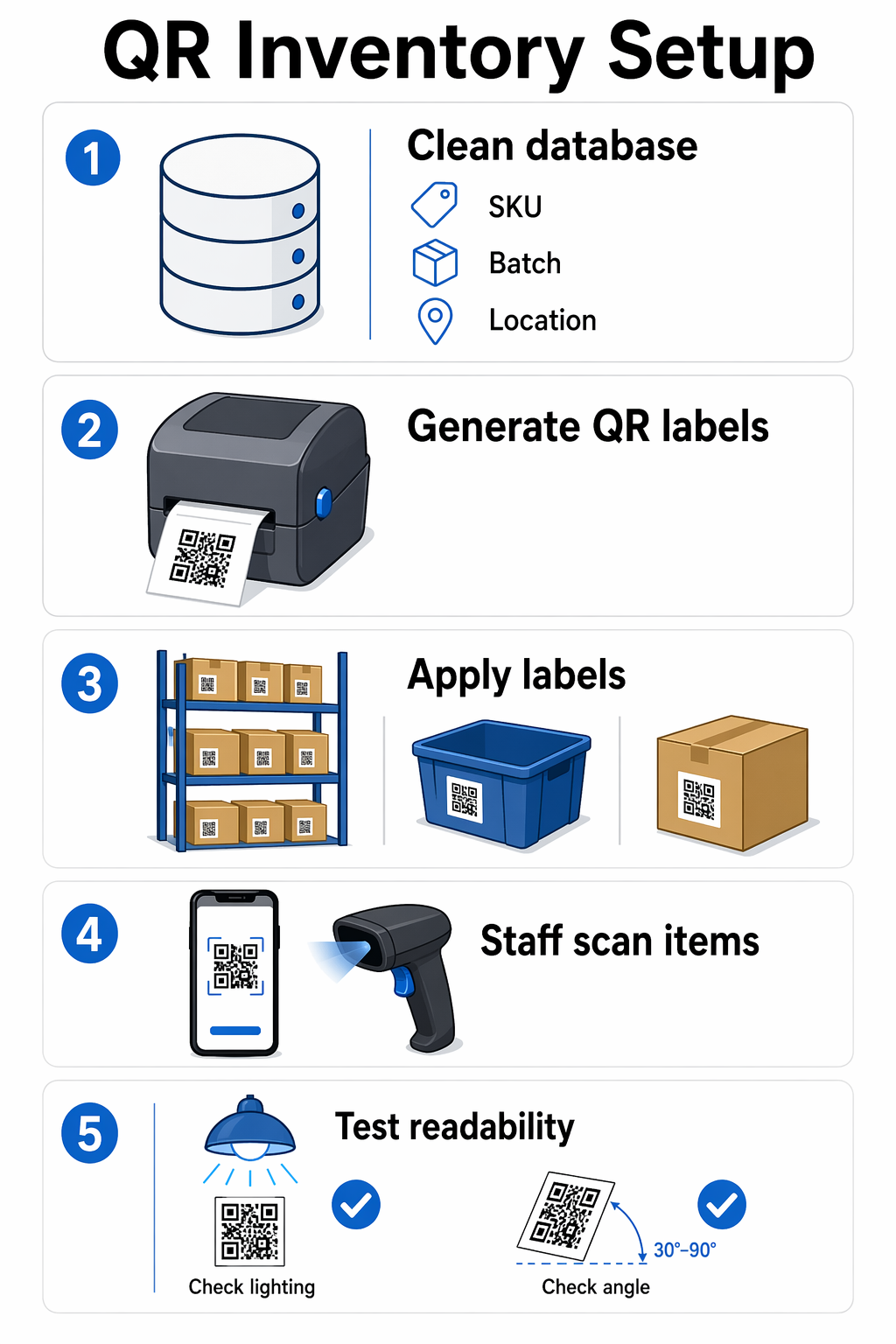
- Organize Your Inventory Database: Before creating codes, ensure your product data is clean. You should assign unique identifiers to each SKU, including details like product names, batch numbers, and storage locations.
- Generate Your QR Codes: Use a reliable QR code generator to create your labels. For inventory, you must decide between static and dynamic codes. Static codes are useful for permanent information, but dynamic QR codes offer more flexibility because you can change the linked data even after the label is stuck to a pallet or bin.
- Apply Labels Strategically: Print your labels on durable materials that can withstand the environmental conditions of your facility. Place them in consistent, visible locations on shelves, bins, or individual product packaging to ensure easy access for scanners.
- Implement a Scanning Workflow: Provide your staff with mobile devices or dedicated scanners. Ensure they understand how to use a web-based barcode scanner or inventory app to check items in and out of the system.
- Test and Validate: Before a full-scale rollout, scan your labels from different angles and in various lighting conditions. This testing phase helps identify issues with QR code readability before they cause delays in your operations.
Best Practices for Scanning and Readability
The success of your inventory system depends on the “scannability” of your labels. Factors like size, contrast, and placement play a critical role in how quickly a worker can process an item. Think of the scanner like a high-speed reader; if the text is blurry or the contrast is too low, the reader has to slow down or stop entirely.
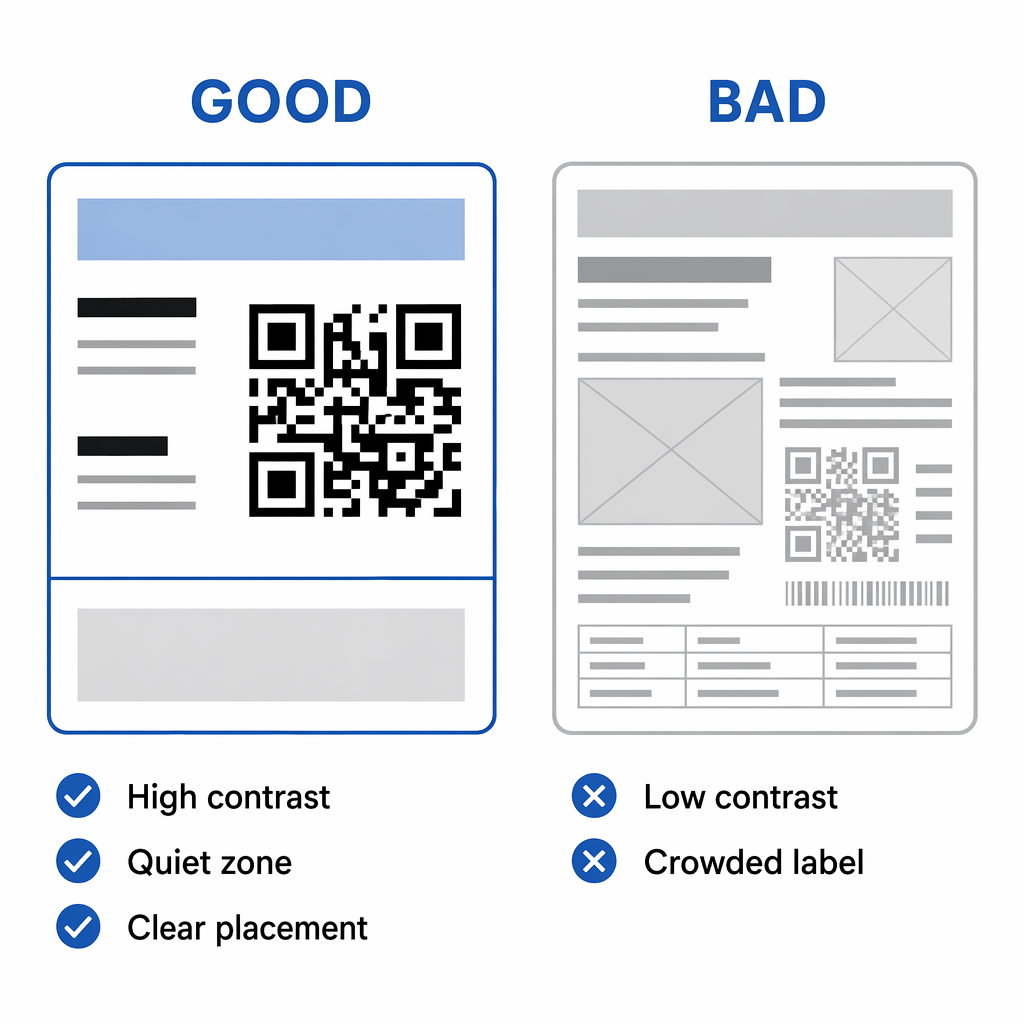
To maintain high efficiency, always use dark patterns on light backgrounds and maintain a “quiet zone” or border around the code. This border helps the scanner distinguish the QR code from surrounding text or graphics on the packaging. Additionally, consider using real-time inventory tracking tools that provide analytics on scan locations and times, allowing you to identify bottlenecks in your warehouse movement.
Effective inventory management requires a balance of smart design and robust technology. By integrating QR codes into your workflow, you create a transparent, error-resistant environment that supports better decision-making and faster order fulfillment. Start by auditing your current stock and generating your first set of dynamic labels to see how automation can transform your daily operations.
Frequently Asked Questions
Yes. Most modern smartphones have built-in scanning capabilities or can use web-based scanners to update inventory databases instantly, eliminating the need for expensive proprietary hardware.
QR codes feature built-in error correction levels. Depending on the settings used during creation, a code can remain fully functional even if up to 30% of the symbol is obscured or damaged.
Dynamic QR codes are generally better for inventory because they allow you to update the linked product information or destination URL without reprinting the physical labels, saving significant time and material costs.