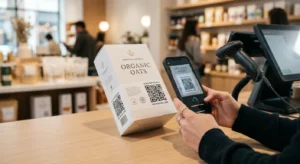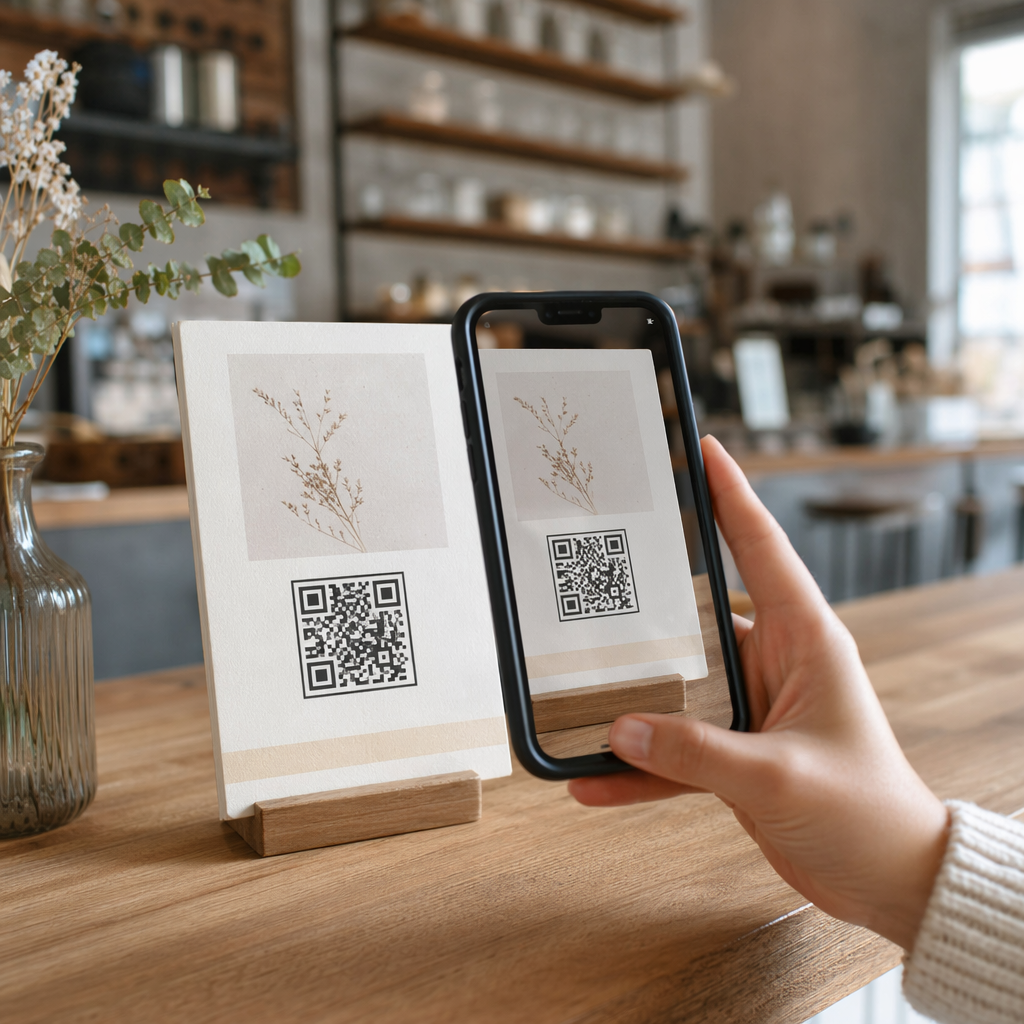
Have you ever struggled to share your Instagram profile or a specific post with someone in the physical world? Manually typing out handles can lead to typos and lost followers, making it difficult to bridge the gap between offline and online audiences. This guide explains how to generate, share, and post Instagram QR codes to streamline your profile discovery.
The Strategic Value of Instagram QR Codes
Using a QR code for your social media presence removes the friction of manual searching. Instead of asking a potential follower to type your username into a search bar, you provide a direct digital gateway. This is particularly useful for overcoming the platform’s limitations regarding clickable links in post captions. By using an Instagram QR code generator, you can direct users to external websites, specific product pages, or even exclusive campaign content that might otherwise be hard to reach from a standard post.
These codes also help businesses bridge the gap between various marketing channels. For example, QR codes connect social media and email by allowing users to scan a code on a physical flyer to land on a mobile-friendly signup page. This synergy ensures that your offline promotional materials, such as business cards, posters, or product packaging, serve as active entry points into your digital ecosystem.
How to Generate Your Instagram QR Code
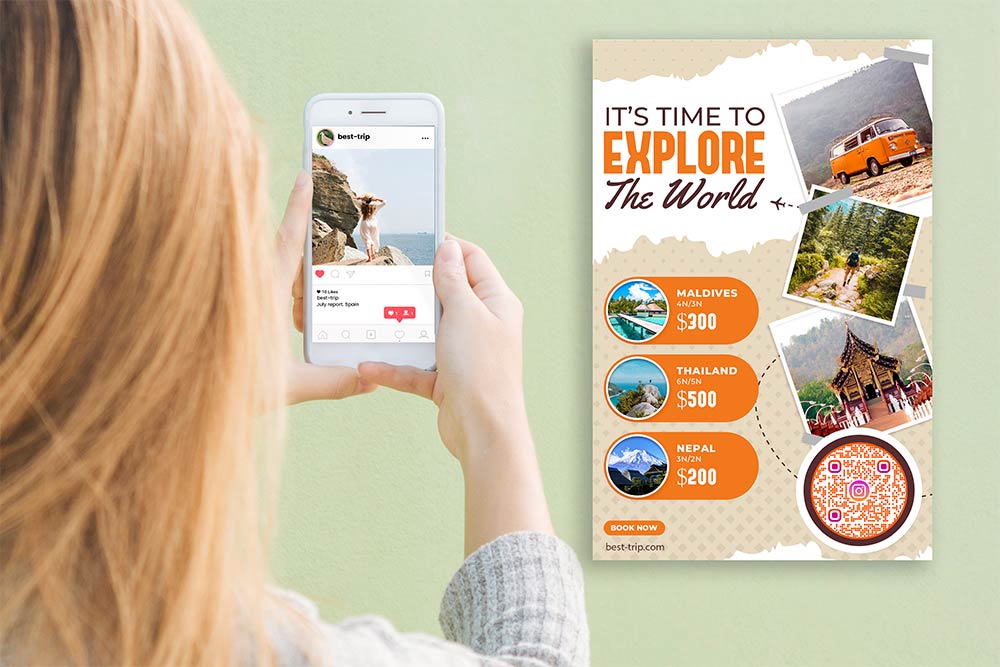
Instagram provides a built-in tool for sharing your profile, which was recently updated with the global rollout of profile cards. To find your native code, navigate to your profile and tap the three-line menu in the top right corner. From there, select the QR Code option to display your personal code. You can customize the background with different colors or emojis before saving the image to your device’s gallery.
While the native tool is convenient for basic profile sharing, professional marketers often require more versatility. Third-party generators allow you to create codes for specific content beyond just your main profile, such as individual posts, Reels, or highlights. This flexibility is essential for targeted campaigns where you want a scan to lead directly to a specific product showcase or a promotional video rather than a general feed.
Monitor Your Campaign in Real-Time Want to see exactly where and when your customers are scanning your materials? Use the Dynamic QR Code Generator to create trackable codes and access a full performance dashboard today.
Methods for Posting QR Codes on Instagram
Although it might seem counterintuitive to post a scannable code on a mobile-first platform, there are several strategic ways to do it. Many users access Instagram via desktop, where a QR code on the screen can be easily scanned by a smartphone. Additionally, followers can screenshot a QR code in a Story or Reel and use their phone’s built-in photo gallery scanner to open the link.
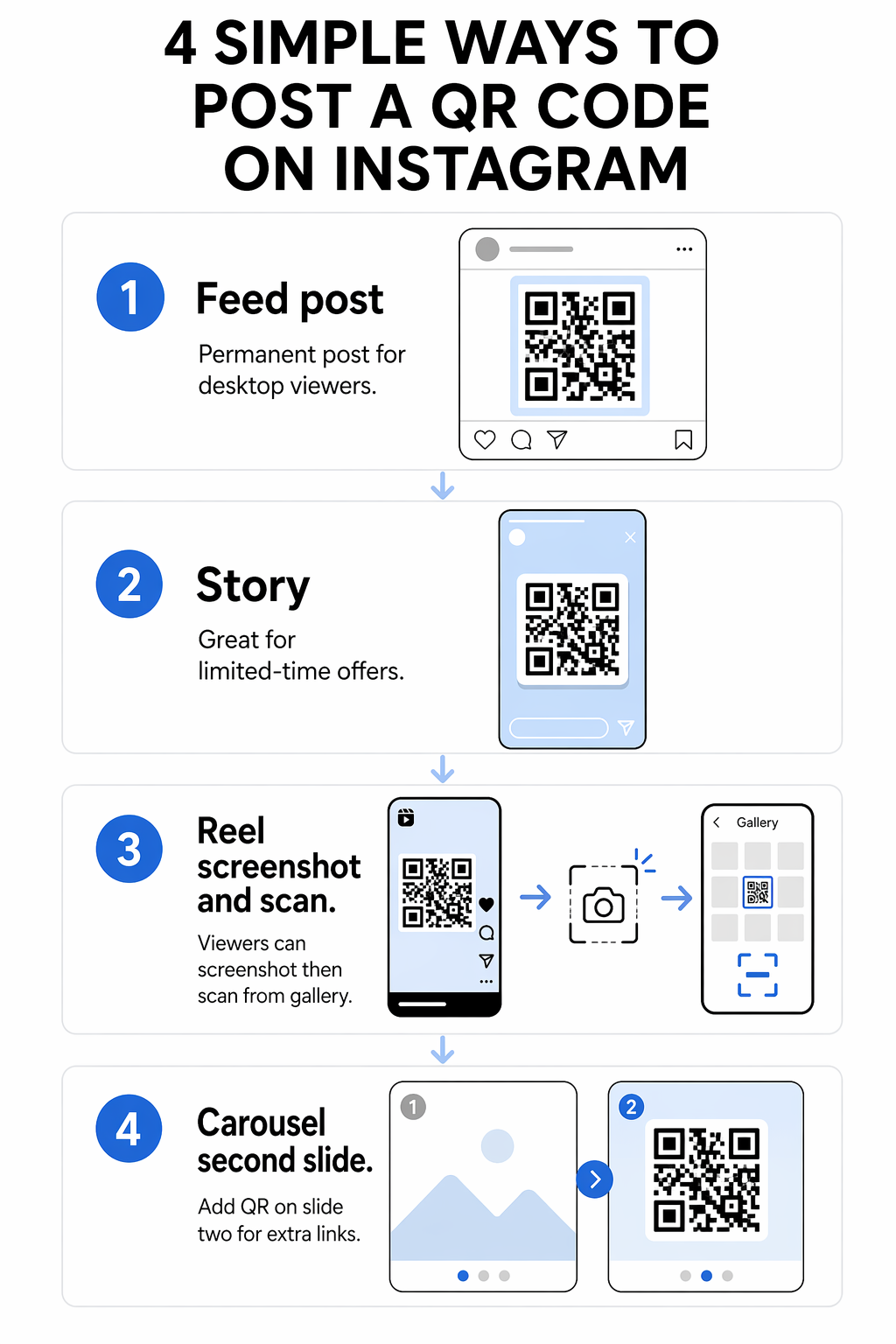
- Share your QR code as a standard feed post to act as a permanent digital business card for desktop viewers.
- Include a QR code in your Instagram Stories to promote limited-time offers or external collaborations.
- Feature the code in a Reel with a clear call-to-action, encouraging users to screenshot and scan for more details.
- Use the QR code as a secondary slide in a carousel post to provide deep links to resources mentioned in the previous slides.
Native vs. Dynamic QR Codes
The primary difference between the code you get inside the Instagram app and a professional version lies in the “dynamic” functionality. Native codes are static, meaning they are permanently linked to your profile handle. If you change your username or want the code to point to a different post later, the old code may stop working or require a total reprint of your marketing materials.
In contrast, dynamic QR codes allow you to update the destination URL at any time without changing the physical appearance of the code. This is a significant advantage for businesses that want to reuse the same QR code on product packaging while changing the destination from a winter promotion to a spring sale. Furthermore, dynamic codes provide advanced analytics, such as the number of scans, the geographic location of the scanners, and the types of devices used.
Best Practices for Scannability and Engagement
To ensure your QR code performs well, you must follow established usability best practices. Scannability depends heavily on visual contrast; always use a dark code on a light background. If the colors are too similar or inverted, many smartphone cameras will struggle to decode the information, leading to user frustration and lost engagement.
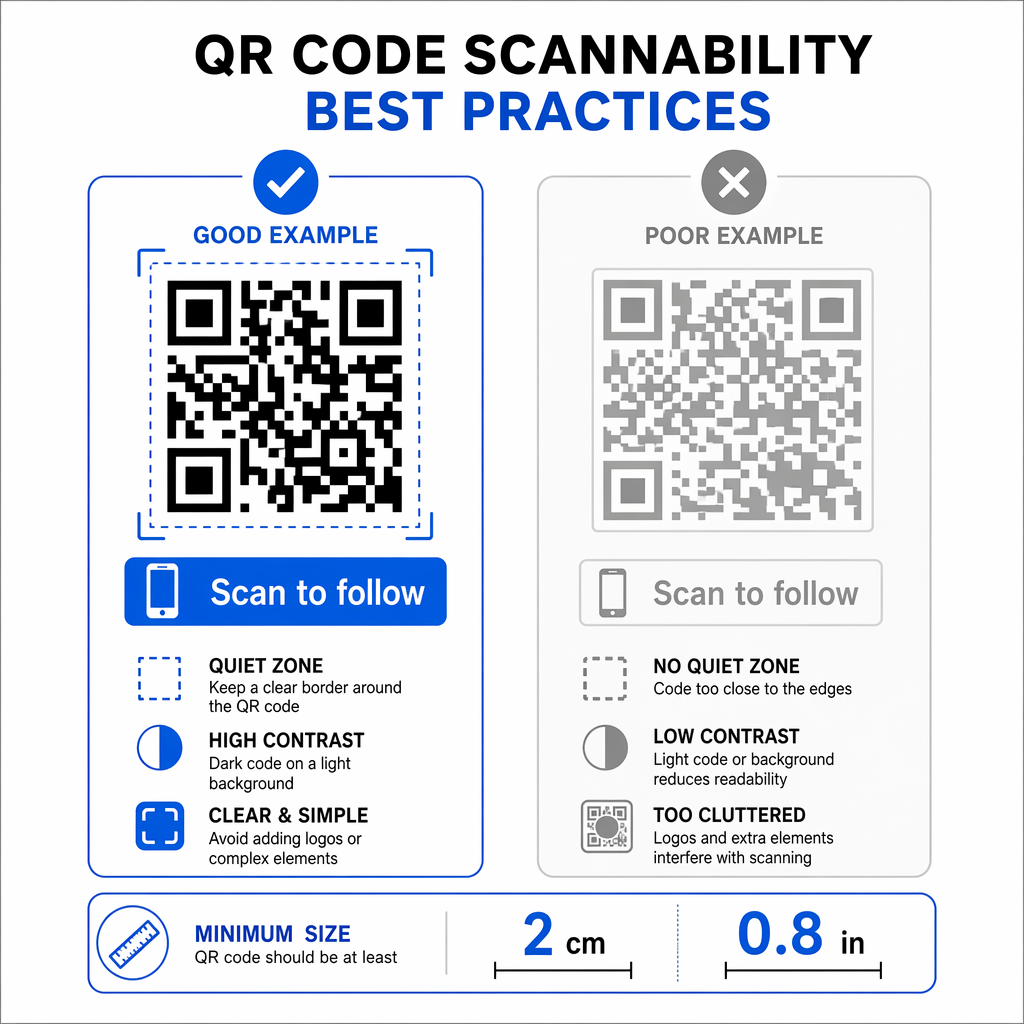
- Maintain a minimum size of at least 0.8 x 0.8 inches for printed materials to ensure the camera can focus.
- Include a “quiet zone” or empty border around the code to prevent surrounding design elements from interfering with the scan.
- Add a clear call-to-action, such as “Scan to Follow,” so users understand the benefit of interacting with the code.
- Test the code across different devices and lighting conditions before finalizing any large-scale print runs.
- Place the code at eye level on physical signage to make the scanning process as natural as possible for the user.
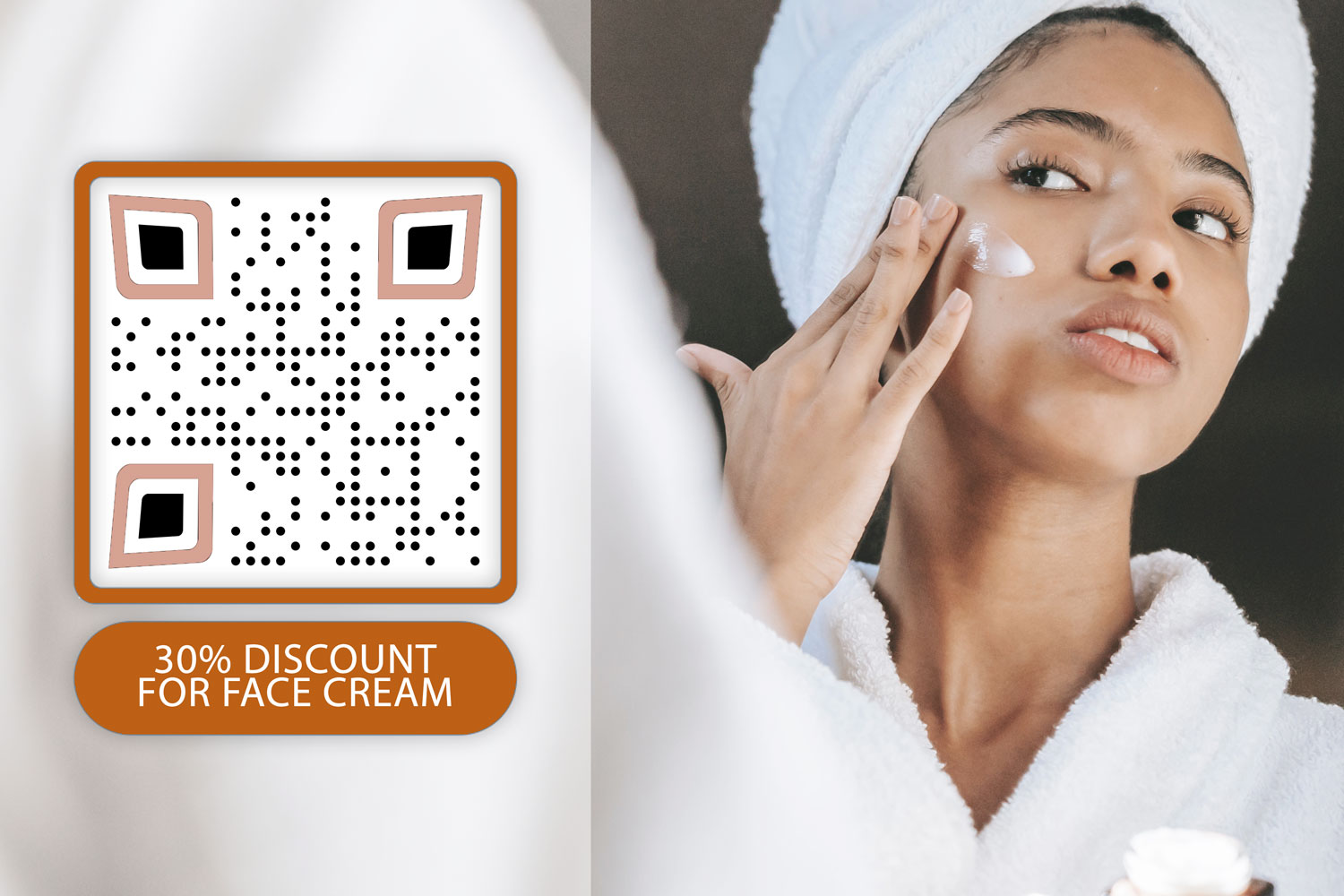
Adhering to social media campaign best practices also involves branding. You can embed your logo in the center of the code to build trust, as users are more likely to scan a code that looks like an official part of your brand identity rather than a generic black-and-white square.
Frequently Asked Questions
Yes. You can copy the URL of any specific Reel and paste it into a QR code generator to create a direct link that opens that specific video when scanned.
The native codes generated within the Instagram app do not expire. However, if you use a third-party service, static codes remain active as long as the link is valid, while dynamic codes may require an active subscription to maintain the redirect.
Common issues include low contrast between the code and background, the code being too small, or the “quiet zone” around the code being obstructed by other design elements.