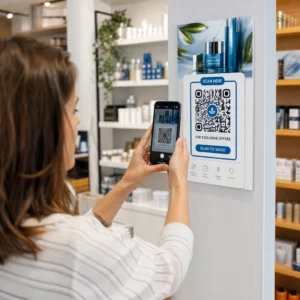
Haben Sie sich jemals gefragt, was in der halben Sekunde zwischen dem Zeigen Ihres Telefons auf einen QR-Code und dem Landen auf einer Webseite tatsächlich passiert? Der Prozess ist schneller, als er aussieht, und das Verständnis hilft Ihnen, Codes zu erstellen, die jedes Mal zuverlässig gescannt werden können.
Was ein QR-Code tatsächlich ist
Ein QR-Code ist eine zweidimensionale Matrix aus schwarzen und weißen Quadraten, die in einem einzigartigen Muster angeordnet sind. Im Gegensatz zu einem herkömmlichen Barcode – der Daten in einer einzigen horizontalen Linie unterschiedlicher Balkenbreiten kodiert – speichert ein QR-Code Informationen sowohl horizontal als auch vertikal. Das verleiht ihm eine weitaus größere Datenkapazität und macht ihn aus mehreren Ausrichtungen lesbar.
Jeder QR-Code besteht aus mehreren funktionalen Bereichen:
- Suchmuster – die drei großen Quadrate in den Ecken, die dem Scanner helfen, den Code zu lokalisieren, seine Ausrichtung zu bestimmen und seine Ränder zu finden, selbst wenn der Code gekippt ist
- Timing-Muster – abwechselnde Schwarz-Weiß-Module, die zwischen den Suchmustern verlaufen, die die Gitterstruktur definieren und dem Scanner helfen, jedes Modul korrekt zu dimensionieren
- Ruhezone – der leere weiße Rand um den Code, mindestens vier Module breit, der ihn von umgebenden Grafiken trennt, damit der Scanner seine Grenzen erkennen kann
- Formatinformationen – ein spezieller Bereich in der Nähe der Suchmuster, der den Fehlerkorrekturgrad und das Maskierungsmuster speichert, damit der Scanner genau weiß, wie die Daten zu interpretieren sind
- Datenmodule – die einzelnen Schwarz-Weiß-Quadrate, in denen der tatsächlich kodierte Inhalt gespeichert ist, gelesen als binäre Einsen (schwarz) und Nullen (weiß)
Die Daten in diesen Modulen können in verschiedenen Modi kodiert werden: nur numerisch, alphanumerisch, 8-Bit-Binärbytes oder Kanji. Ein QR-Code der Version 1 ist 21×21 Module groß; ein Code der Version 40 erweitert sich auf 177×177 und kann bis zu 7.089 numerische Zeichen, 4.296 alphanumerische Zeichen oder 2.953 Bytes Binärdaten aufnehmen. Erfahren Sie mehr darüber, wie diese Kompromisse funktionieren im Leitfaden zu QR-Code-Datenlimits.
Der Scanvorgang, Schritt für Schritt
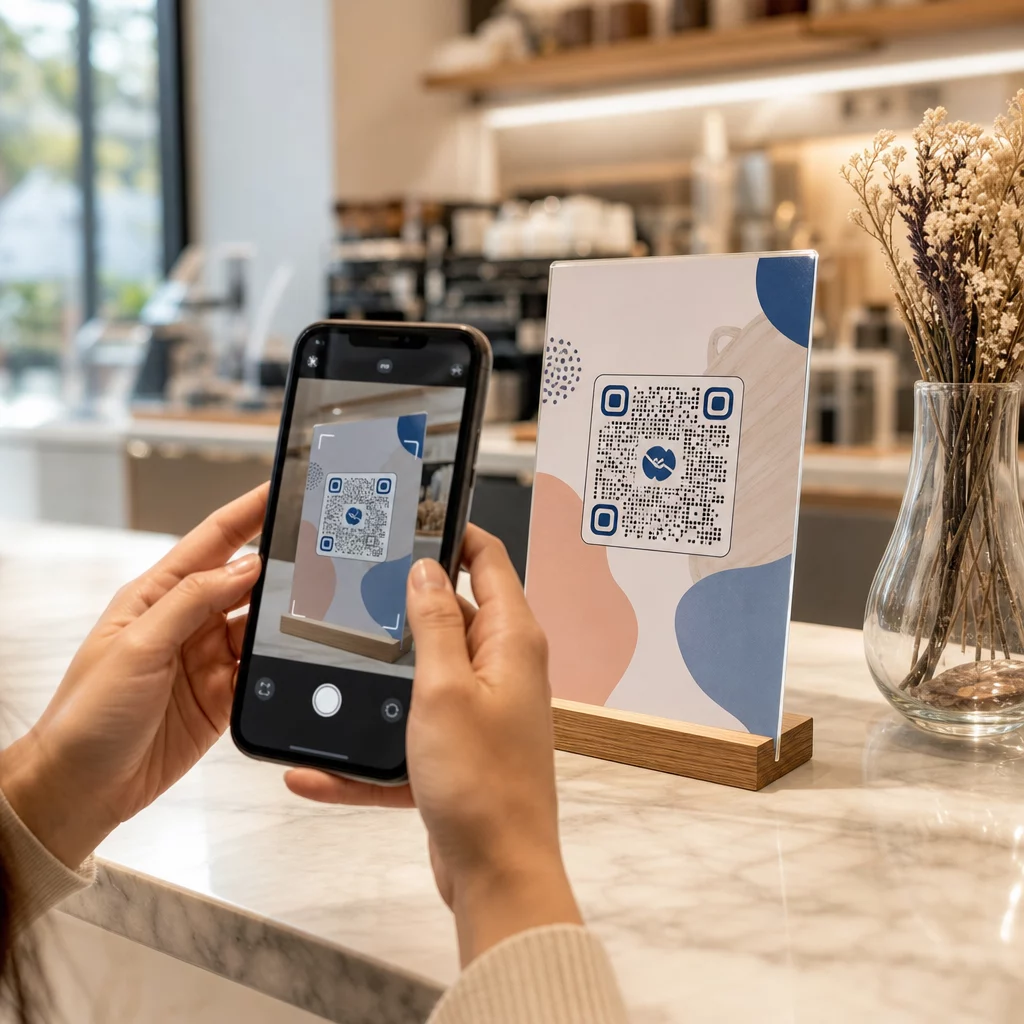
Wenn Sie eine Kamera auf einen QR-Code richten, entfaltet sich ein mehrstufiger Prozess in Millisekunden.
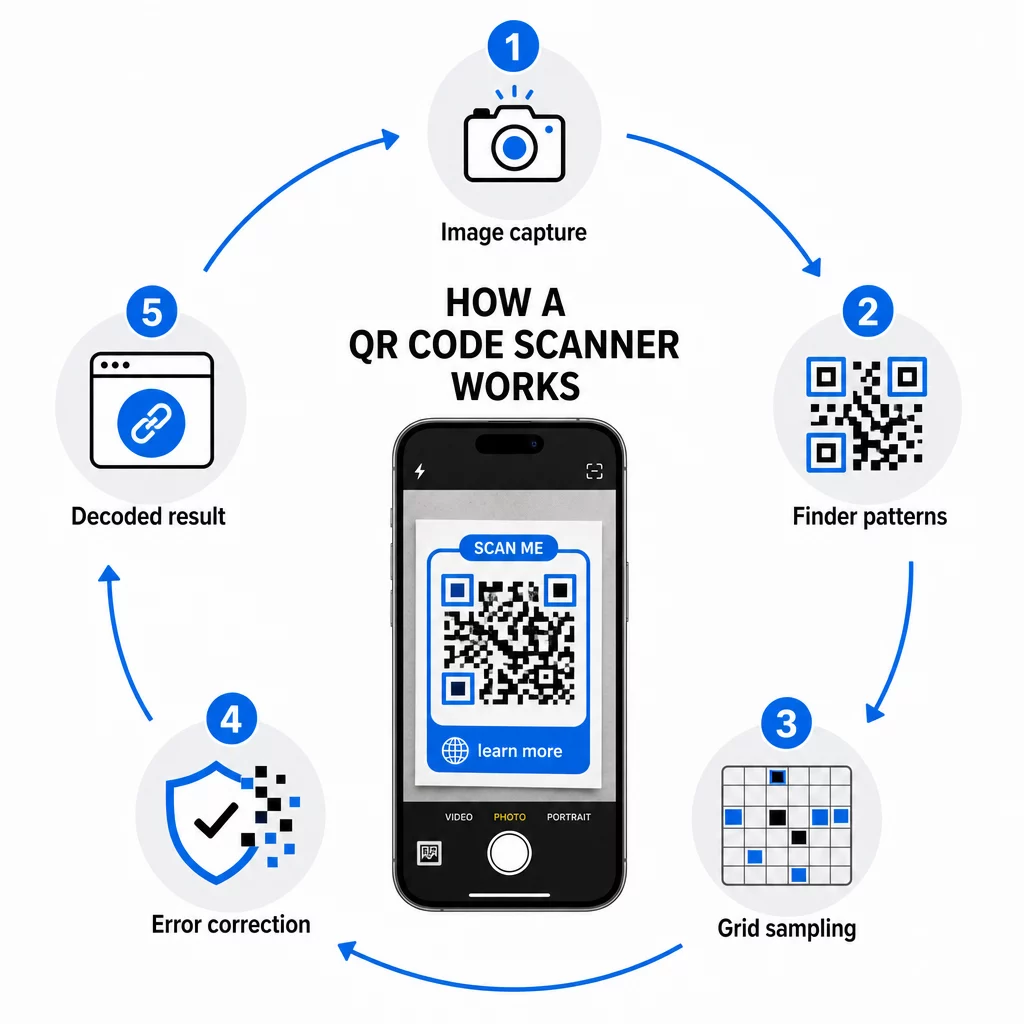
Schritt 1: Bilderfassung
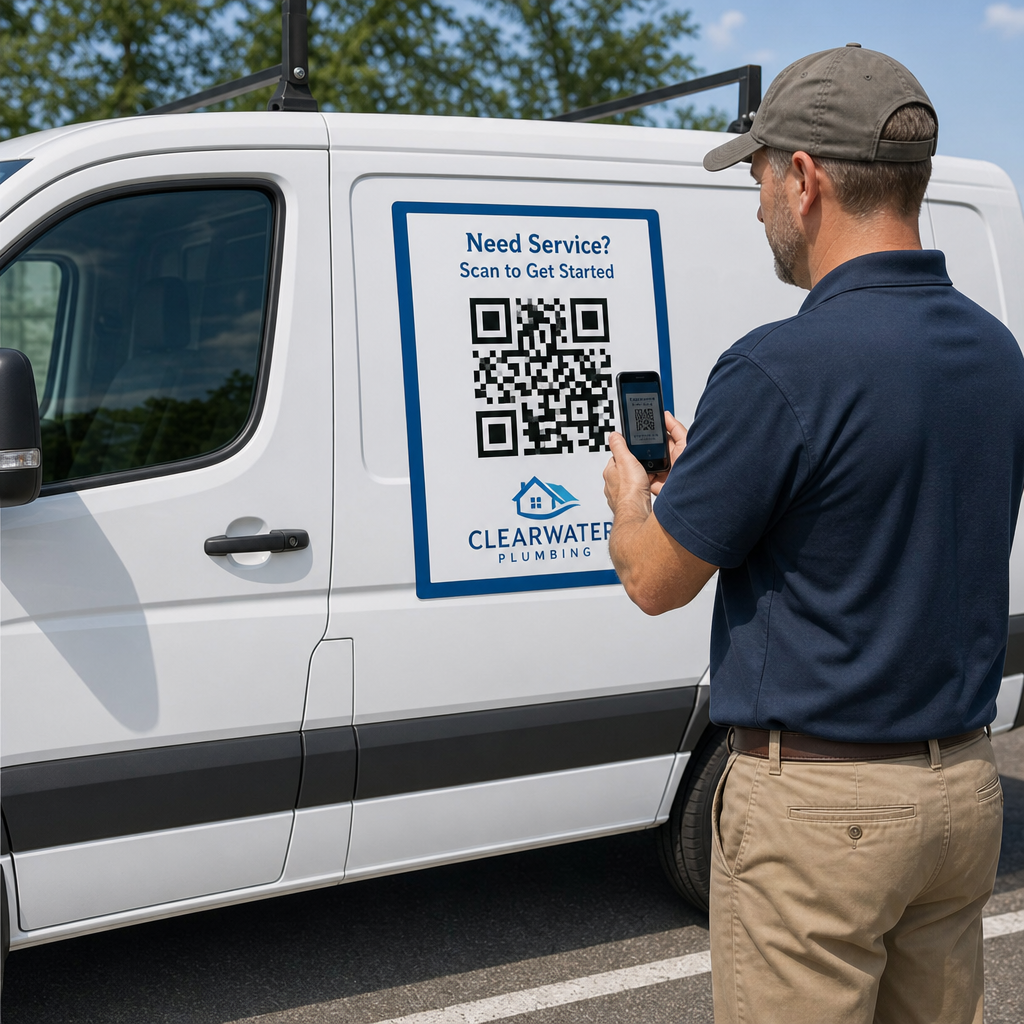
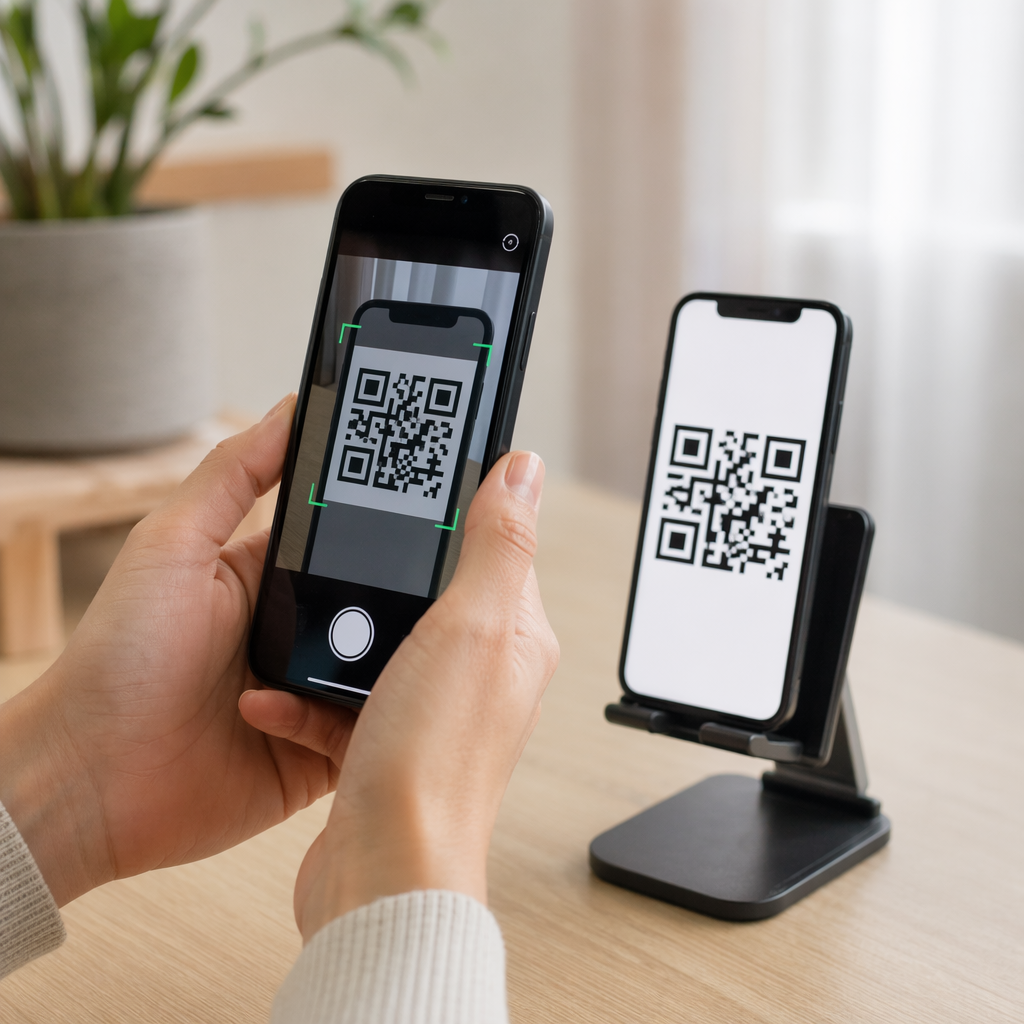
Die Kamera erfasst das zweidimensionale Gitter als visuelles Bild. Dies ist die Rohdateneingabe – ein Foto des Schwarz-Weiß-Musters. Die meisten modernen Smartphone-Kameras können dies ohne eine spezielle Scan-App bewältigen. Wenn Sie die gesamte Bandbreite der Möglichkeiten verstehen möchten, einen Scan auf verschiedenen Geräten auszulösen, ist der Leitfaden zum Scannen von QR-Codes deckt iPhone-, Android-, Tablet- und Desktop-Workflows detailliert ab.
Schritt 2: Mustererkennung
Die Software des Scanners verwendet Mustererkennung, um den QR-Code im Bild zu lokalisieren. Sie sucht nach den drei Suchmustern in den Ecken. Sobald diese gefunden wurden, bestimmt der Scanner:
- Wo der Code im Rahmen positioniert ist
- In welche Richtung er ausgerichtet ist (auch wenn er gedreht oder leicht verzerrt ist)
- Wo sich die Ränder des Codes befinden
Dieser Schritt ist der Grund, warum QR-Codes auch in einem Winkel lesbar bleiben – die Suchmuster liefern dem Algorithmus genügend Geometrie, um Verzerrungen zu korrigieren.
Schritt 3: Gitterabtastung und Datenextraktion
Nachdem die Position und Ausrichtung des Codes festgelegt wurden, liest der Scanner die Timing-Muster und Ausrichtungsmarkierungen, um die Gitterstruktur zu verstehen. Anschließend tastet er jedes Modul in einem spezifischen Zickzack-Pfad ab – von rechts nach links, dann nach oben und unten – beginnend an einer bekannten Position und arbeitet sich durch jedes Datenmodul, bis der Endindikator erreicht ist.
Während es diesen Pfad durchläuft, liest der Scanner:
- EIN Modusindikator (vier Module), der den Kodierungstyp angibt – numerisch, alphanumerisch, Byte oder Kanji
- EIN Zeichenzählindikator das angibt, wie viele Zeichen kodiert sind
- Die verbleibenden Daten-Codewörter bis zum Ende des Datenstroms
Schritt 4: Fehlerkorrektur
Nach dem Lesen der Datenmodule verarbeitet der Scanner die Fehlerkorrektur-Codewörter. QR-Codes verwenden Reed-Solomon-Fehlerkorrektur, die redundante Daten einbettet, die es ermöglichen, den ursprünglichen Inhalt zu rekonstruieren, selbst wenn ein Teil des Codes physisch beschädigt oder verdeckt ist.
Es gibt vier standardisierte Fehlerkorrekturstufen:
| Stufe | Wiederherstellungskapazität | Am besten geeignet für |
|---|---|---|
| L (Niedrig) | ~7% | Saubere Innenbereiche |
| M (Mittel) | ~15% | Allgemeine Marketingmaterialien |
| Q (Quartil) | ~25% | Industrielle oder Außenanwendung |
| H (Hoch) | ~30% | Codes mit Logos, raue Bedingungen |
Eine höhere Fehlerkorrektur bedeutet, dass der Code mehr Beschädigungen überstehen kann, erfordert aber auch mehr Module, wodurch das Gesamtsymbol dichter wird. Wenn Sie einem QR-Code ein Logo hinzufügen oder ihn an einem wetterexponierten Ort platzieren, ist die Wahl von Stufe H die richtige Entscheidung. Für einen tieferen Einblick, wie sich dieser Kompromiss in der Praxis auswirkt, siehe den Artikel über Fehlerkorrektur bei editierbaren QR-Codes erklärt.
Schritt 5: Dekodierung in menschenlesbaren Inhalt
Sobald die Datenbits rekonstruiert sind, dekodiert der Scanner die binäre Sequenz gemäß dem Kodierungsmodus des QR-Codes. Schwarze Quadrate werden zu Einsen und weiße Quadrate zu Nullen. Diese binäre Zeichenfolge wird dann in menschenlesbaren Inhalt umgewandelt – eine URL, eine Telefonnummer, einen Textblock, Kontaktinformationen oder jede andere Art von Daten, für die der Code ursprünglich erstellt wurde.
Wenn der Code eine URL enthält, zeigt Ihr Gerät eine Aufforderung zum Öffnen an. Das ist der Moment, in dem der Scanvorgang an Ihren Browser oder Ihre App übergeben wird.
Probieren Sie den kostenlosen QR-Code-Scanner von Pageloot aus Müssen Sie einen QR-Code direkt von einem Bild oder Ihrer Webcam dekodieren? Der Pageloot QR-Code-Scanner funktioniert in jedem modernen Browser – kein App-Download erforderlich.
Wie sich QR-Scanner von Barcode-Scannern unterscheiden
Die zugrunde liegende Physik ist ähnlich: Beide Scannertypen beleuchten ein Muster, erkennen reflektiertes Licht und dekodieren das Ergebnis. Ein Standard-Laser-Barcodescanner liest jedoch in einer einzigen horizontalen Linie, weshalb er nur 1D-Barcodes verarbeiten kann. Das Lesen eines 2D-QR-Codes erfordert einen bildbasierten Sensor, der das gesamte Muster auf einmal erfasst.
Für einen direkten Vergleich, wie sich diese beiden Formate in Bezug auf Fähigkeiten und Anwendungsfälle unterscheiden, ist der Erklärer zum Barcode-Scanner deckt das Beleuchtungssystem, den Sensor und die Decoderkomponenten detailliert ab – und der Vergleich von Barcode und QR-Code schlüsselt auf, welches Format für verschiedene Geschäftsanwendungen sinnvoller ist.
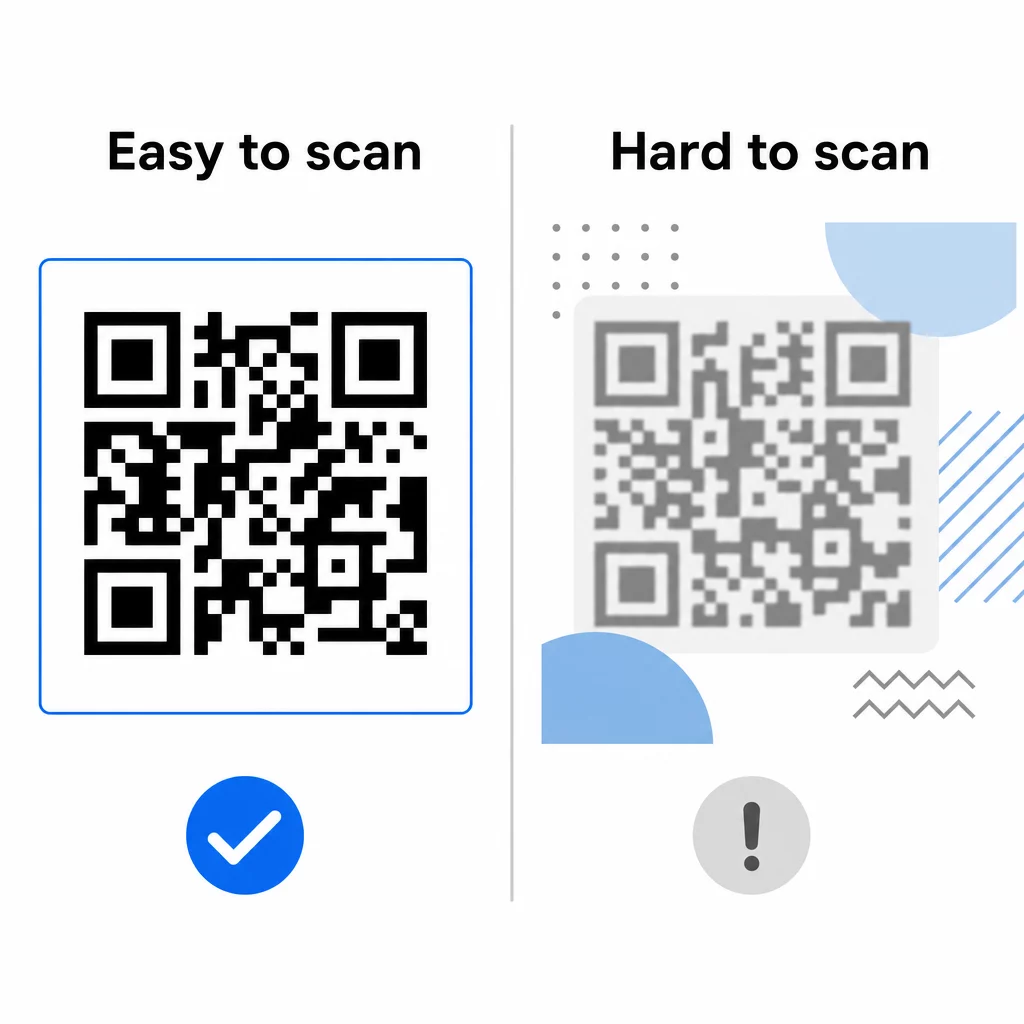
Was einen QR-Code einfach (oder schwer) scannbar macht
Das Verständnis des Scanvorgangs zeigt, warum bestimmte Designentscheidungen die Lesbarkeit beeinträchtigen:
- Schwacher Kontrast – der Scanner unterscheidet Module durch den Unterschied in der Lichtreflexion zwischen schwarzen und weißen Bereichen; ein in Grau auf hellem Hintergrund gedruckter Code besteht diesen Test nicht
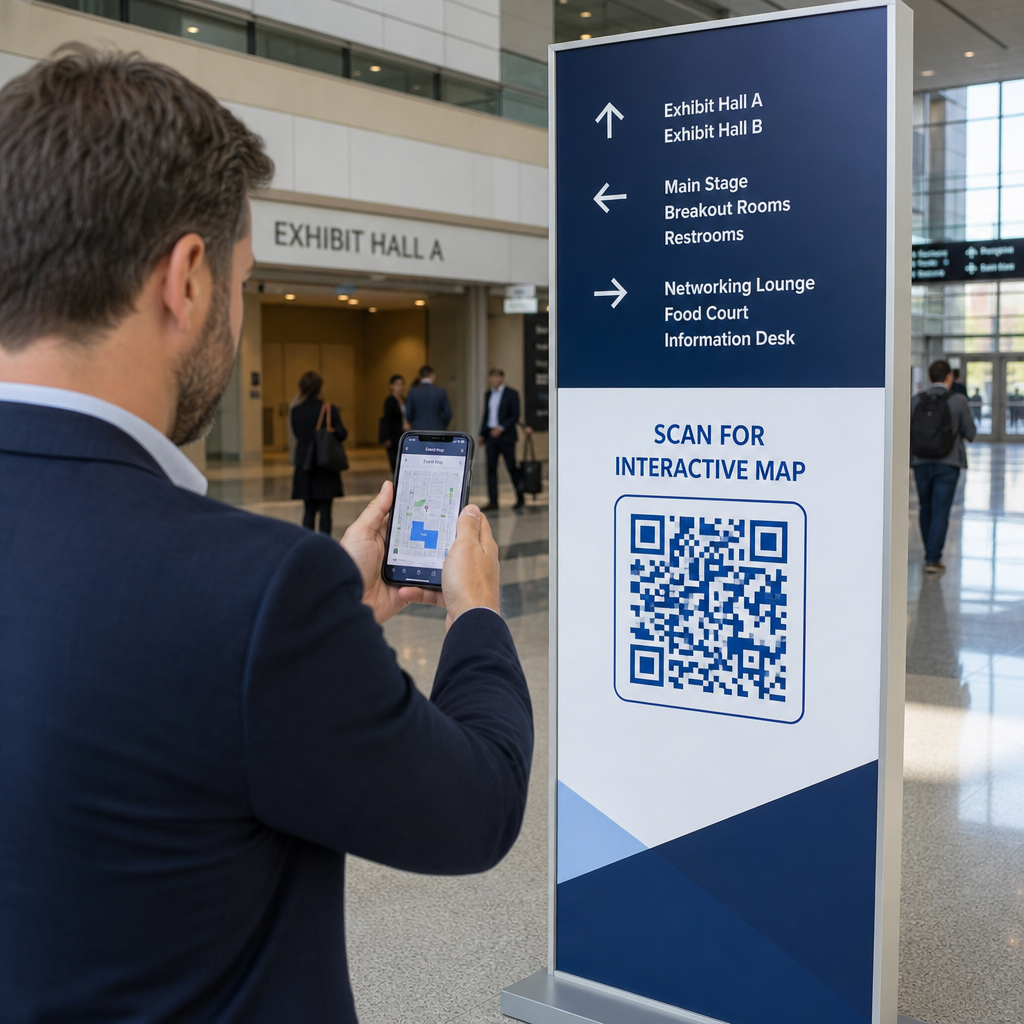
- Fehlende Ruhezone – ohne einen klaren weißen Rand kann der Scanner die Ränder des Codes nicht zuverlässig lokalisieren, besonders wenn umgebender Text oder Grafiken nahe sind
- Zu klein für die Betrachtungsdistanz – es gilt die 10:1-Regel: Für alle 10 cm Scan-Abstand sollte der Code mindestens 1 cm breit sein; das praktische Minimum für den Nahbereichsdruck beträgt 2×2 cm
- Invertierte oder unkonventionelle Farben – helle Module auf dunklem Hintergrund können die Mustererkennung bei einigen Scannern verwirren
- Verschwommene oder verpixelte Ausgabe – niedrigauflösende Rasterbilder zerfallen im Druckmaßstab; Vektorformate wie SVG oder EPS bleiben in jeder Größe scharf
Für umfassende Anleitungen zu Größe, Kontrast, Platzierung und Tests, der Artikel über Best Practices für die Lesbarkeit von QR-Codes behandelt jeden Faktor mit spezifischen Empfehlungen.
Codes erstellen, die zum Scannen gemacht sind Die Pageloot QR-Code-Generator ermöglicht es Ihnen, QR-Codes mit der richtigen Fehlerkorrektur, dem richtigen Kontrast und Format für Ihren spezifischen Anwendungsfall zu erstellen, anzupassen und zu testen – und dynamische Codes können nach dem Drucken aktualisiert werden, ohne ein neues Bild zu generieren.
Statische vs. Dynamische QR-Codes: Was der Scanner sieht
Aus Sicht des Scanners sieht jeder QR-Code gleich aus: eine Matrix von Modulen, die eine Datenzeichenfolge kodieren. Der Unterschied zwischen statischen und dynamischen Codes liegt darin, was diese Daten enthalten.
EIN statischer QR-Code kodiert das endgültige Ziel direkt – die vollständige URL, der Text oder die Kontaktinformationen sind zum Zeitpunkt der Erstellung in die Module eingebettet. Das Ändern des Inhalts bedeutet die Generierung eines neuen Codes.
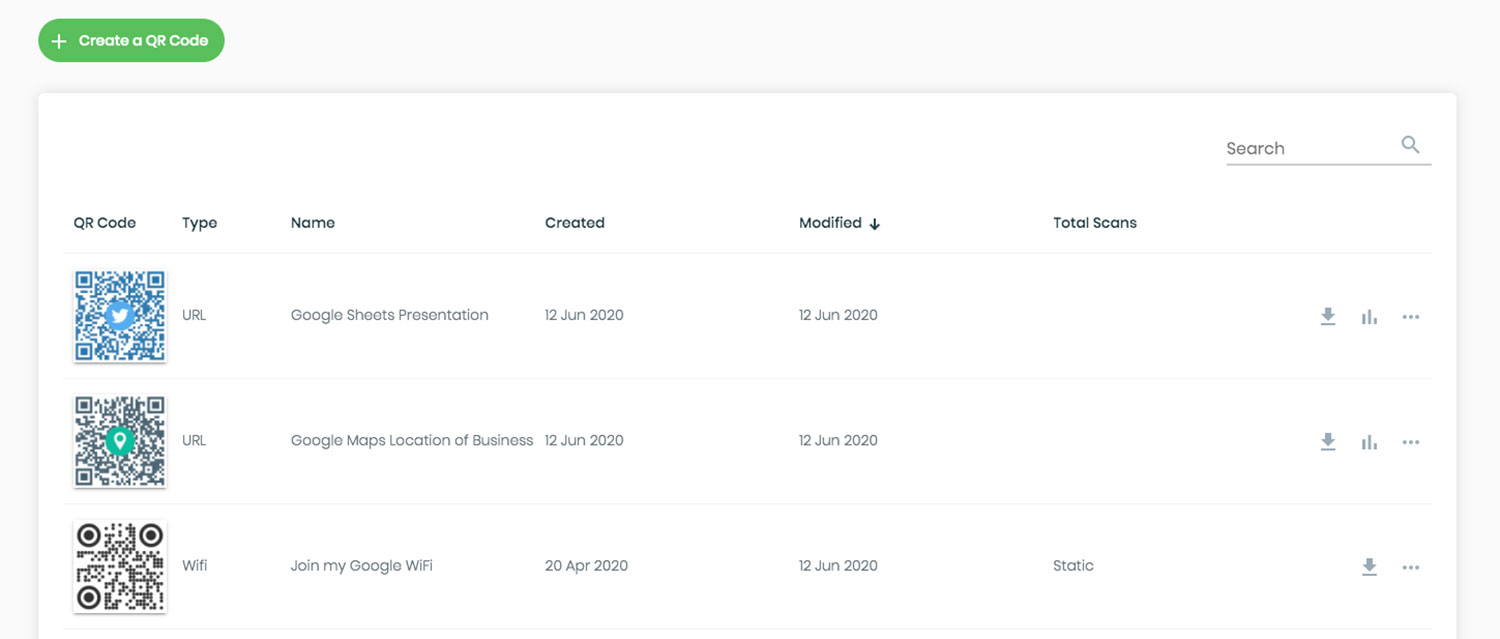
EIN dynamischer QR-Code kodiert eine kurze Weiterleitungs-URL, die auf einen Server verweist. Beim Scannen leitet diese Weiterleitung den Benutzer zu dem Ziel weiter, das der Code-Besitzer aktuell festgelegt hat. Das bedeutet, dass sich der physische Code nie ändert, sein Verhalten aber sofort aktualisiert werden kann. Dynamische Codes ermöglichen auch die Scan-Verfolgung – jeder Scan registriert einen Datenpunkt, der zeigt, wann und wo der Code gescannt wurde, auf welchem Gerät und wie oft.
Wenn eine QR-Code-Kampagne messbar sein muss oder der verknüpfte Inhalt sich ändern könnte, sind dynamische Codes die praktische Wahl. Für Unternehmen, die die gesamte Palette der Scanner-App-Optionen vergleichen und wissen möchten, worauf bei einem Scan-Tool zu achten ist, ist der Vergleich von QR-Code-Scan-Apps deckt die wichtigsten Optionen ab.
Häufig gestellte Fragen
Nein. Die meisten Smartphones mit iOS 11 oder höher und moderne Android-Geräte können QR-Codes direkt über die native Kamera-App scannen. Für mehr Kontrolle – wie das Scannen von einem gespeicherten Bild oder das Überprüfen des Scanverlaufs – funktioniert ein spezielles Tool wie der Pageloot QR-Scanner von jedem Browser aus ohne Installation.
Die häufigsten Ursachen sind geringer Kontrast, eine fehlende Ruhezone, ein Code, der für die Betrachtungsentfernung zu klein ist, oder ein Bild, das zu unscharf ist, um die Module aufzulösen. Ältere Geräte mit Kameras geringerer Auflösung sind anfälliger für diese Probleme. Das Testen auf mehreren Geräten vor dem Drucken und die Verwendung höherer Fehlerkorrekturstufen (Q oder H) verringert die Wahrscheinlichkeit von Fehlern. Die vollständige Liste der Ursachen und Lösungen finden Sie im Leitfaden zum nicht funktionierenden QR-Code.
Ein QR-Code der Version 40 mit der niedrigsten Fehlerkorrekturstufe kann bis zu 7.089 numerische Zeichen, 4.296 alphanumerische Zeichen oder 2.953 Bytes binärer Daten kodieren. In der Praxis erzeugen kürzere URLs und einfachere Inhalte weniger dichte Codes, die schneller und zuverlässiger gescannt werden können. Die vollständige Aufschlüsselung der Kompromisse zwischen Version, Kapazität und Fehlerkorrektur wird im Leitfaden zu den QR-Code-Datenlimits behandelt.