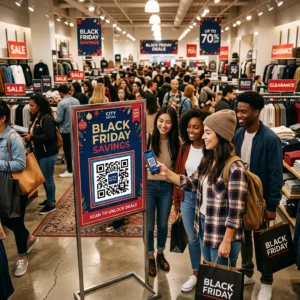
Fragen Sie sich, ob das Hinzufügen von QR-Codes zu Ihrer Produktverpackung den Aufwand tatsächlich wert ist? Für viele Handelsmarken ist der Platz auf der Verpackung begrenzt, und jedes Element darauf muss seinen Platz verdienen. QR-Codes verdienen ihren Platz, indem sie eine bedruckte Oberfläche in eine dynamische Verbindung zwischen Ihrem Produkt und einem reichhaltigeren digitalen Erlebnis verwandeln – sowohl für Ihre Kunden als auch für Ihre Betriebsabläufe.
Was QR-Codes auf Verpackungen tatsächlich bewirken
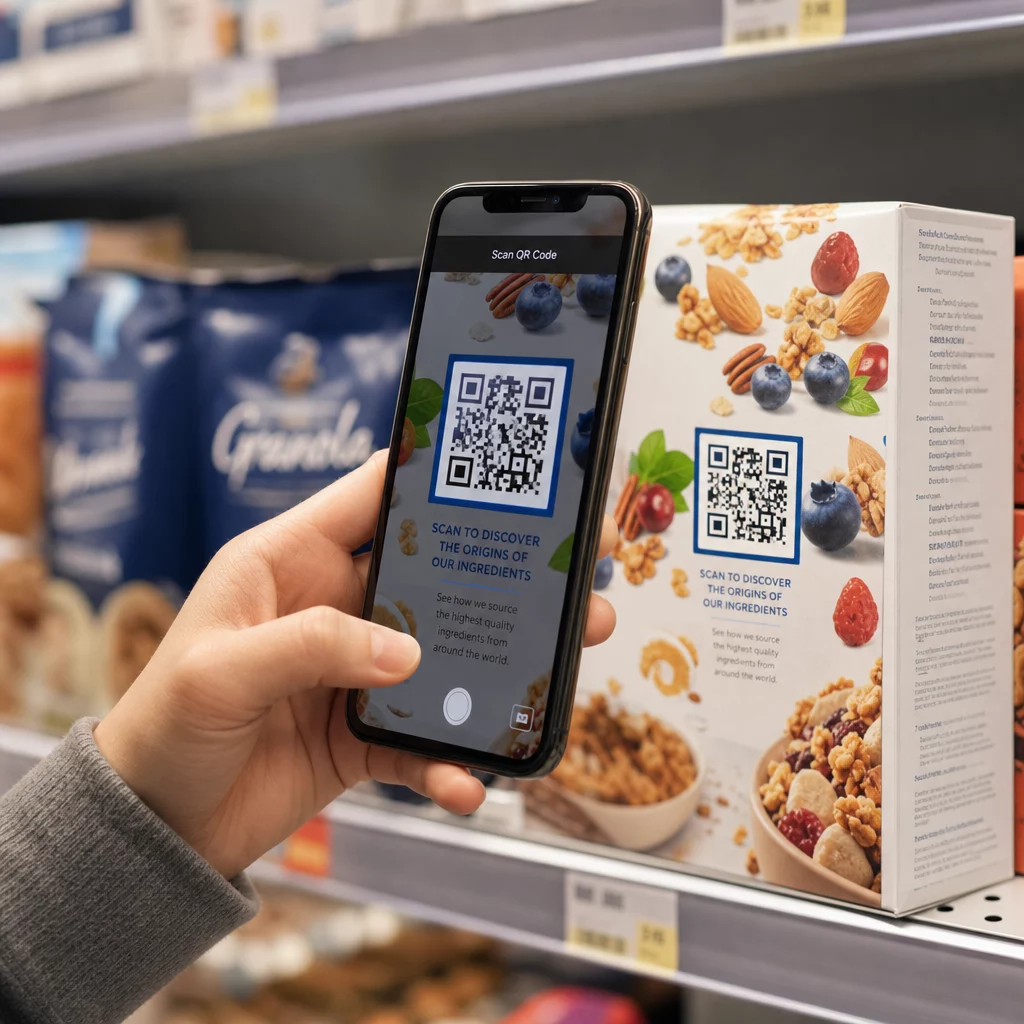
Ein QR-Code auf der Verpackung verbindet das physische Produkt, das ein Kunde in den Händen hält, mit jedem von Ihnen gewählten digitalen Ziel. Das kann eine Produktdetailseite, ein Anleitungsvideo, ein Anmeldeformular für ein Treueprogramm oder eine Feedback-Umfrage sein. Der Kunde scannt mit seiner Smartphone-Kamera – keine App erforderlich – und landet direkt auf Ihrem Inhalt.
Es gibt zwei Typen, die Sie verstehen sollten, bevor Sie fortfahren:
- Statische QR-Codes kodieren ein festes Ziel dauerhaft. Einmal gedruckt, kann der Inhalt, auf den sie verweisen, nicht mehr geändert werden.
- Dynamische QR-Codes verwenden einen kurzen Weiterleitungslink, sodass Sie das Ziel jederzeit aktualisieren können – selbst nachdem die Verpackung bereits in den Händen der Kunden ist. Sie ermöglichen auch Scan-Tracking und Analysen, einschließlich Scan-Volumen, Standort, Gerätetyp und Tageszeit.
Für die meisten Anwendungsfälle im Einzelhandel sind dynamische QR-Codes die praktische Wahl. Wenn eine Aktion endet, sich ein Produktdetail ändert oder Sie eine saisonale Kampagne durchführen möchten, aktualisieren Sie das Ziel in Ihrem Dashboard, anstatt Ihre Verpackung neu zu drucken.
Wie QR-Codes das Kundenerlebnis verbessern
Transparenz und Produktinformationen
Die heutigen Käufer erwarten mehr zu wissen, als auf ein Etikett passt. Ein QR-Code löst das Platzproblem, indem er detaillierte Informationen auf eine digitale Seite auslagert – ohne das physische Design zu überladen. Wenn ein Kunde scannt, kann er zugreifen auf:
- Vollständige Zutatenlisten, Nährwertangaben oder Allergeninformationen
- Beschaffungs- und Herkunftsinformationen
- Nachhaltigkeitszertifizierungen und Daten zur Umweltauswirkung
- Echtheitsprüfung für Premium- oder zertifizierte Produkte
- Kundenrezensionen und Bewertungen von verifizierten Käufern
Dies ist besonders relevant für Lebensmittelverpackungen, wo eine Umfrage ergab, dass 66 % der Verbraucher angaben, einen QR-Code zu scannen, um auf Informationen wie Inhaltsstoffe und Haltbarkeitsdatum zuzugreifen. Für Marken, die Bio-, Fair-Trade- oder andere zertifizierte Produkte verkaufen, bieten QR-Codes Käufern eine schnelle Möglichkeit, zu bestätigen, dass das, was sie kaufen, echt ist.
Da dynamische QR-Codes in Echtzeit aktualisiert werden können, können Sie auch korrigierte Informationen, aktualisierte Zertifizierungen oder Sicherheitshinweise veröffentlichen, ohne die physische Verpackung zu berühren.
Support nach dem Kauf
Die Beziehung zu einem Kunden endet nicht am Verkaufsort. QR-Codes auf Verpackungen können als direktes Tor zu Support-Ressourcen dienen, nachdem das Produkt das Regal verlassen hat:
- Link zu Video-Tutorials, Einrichtungsanleitungen oder digitalen Handbüchern anstatt sperrige Beilagen zu drucken
- Kunden mit einem Scan zu einem Kontaktformular, Live-Chat oder einer Support-Telefonnummer leiten
- Rückgabe- und Erstattungsrichtlinien teilen, ohne eine Website durchsuchen zu müssen
- Feedback nach dem Kauf über verlinkte Umfrageformulare sammeln
Mit einer PDF QR-Code ist eine praktische Option für Marken, die detaillierte Dokumentationen – Garantiebedingungen, Pflegehinweise oder Compliance-Informationen – bereitstellen möchten, ohne das Verpackungsgewicht oder die Kosten zu erhöhen. Kunden erhalten das Dokument sofort auf ihrem Telefon; Sie vermeiden das Drucken und Einlegen von Papierkopien in großem Maßstab.
Werbeaktionen und Wiederholungskäufe
QR-Codes verwandeln Verpackungen in einen aktiven Marketingkanal. Anstatt einer einmaligen Transaktion kann ein gut platzierter Code Kunden zurückbringen:
- Link zu einer Abonnement-Anmeldeseite oder einer Nachbestellungs-Verknüpfung für Verbrauchsgüter
- Einen exklusiven Rabatt auf den nächsten Einkauf anbieten, der nur über den Code einlösbar ist
- Kunden zu Wettbewerben, Gewinnspielen oder zur Anmeldung für Treueprogramme einladen
- Rezepte, Anwendungstipps oder Serviervorschläge teilen, die über das Produkt hinaus einen Mehrwert bieten
Diese Berührungspunkte wirken relevant statt aufdringlich, da sie direkt mit etwas verbunden sind, das der Kunde bereits gekauft hat und an dem er interessiert ist.
Funktionierende QR-Codes für Verpackungen erstellen Erstellen Sie gebrandete, verfolgbare QR-Codes für Ihre Produktverpackung mit dem QR-Code-Generator – mit Ihrem Logo anpassen, Ziele jederzeit aktualisieren und die Leistung von einem einzigen Dashboard aus überwachen.
Wie QR-Codes die Rückverfolgbarkeit in der Lieferkette unterstützen
Über die Vorteile für den Verbraucher hinaus spielen QR-Codes auf Verpackungen eine immer wichtigere Rolle für die Transparenz der Lieferkette. Ein einziger Code kann Chargennummern, Herstellungsdaten, Verfallsdaten, Seriennummern und Ursprungsdaten enthalten – weit mehr als ein herkömmlicher 1D-Barcode, der typischerweise nur eine Produktkennung speichert.
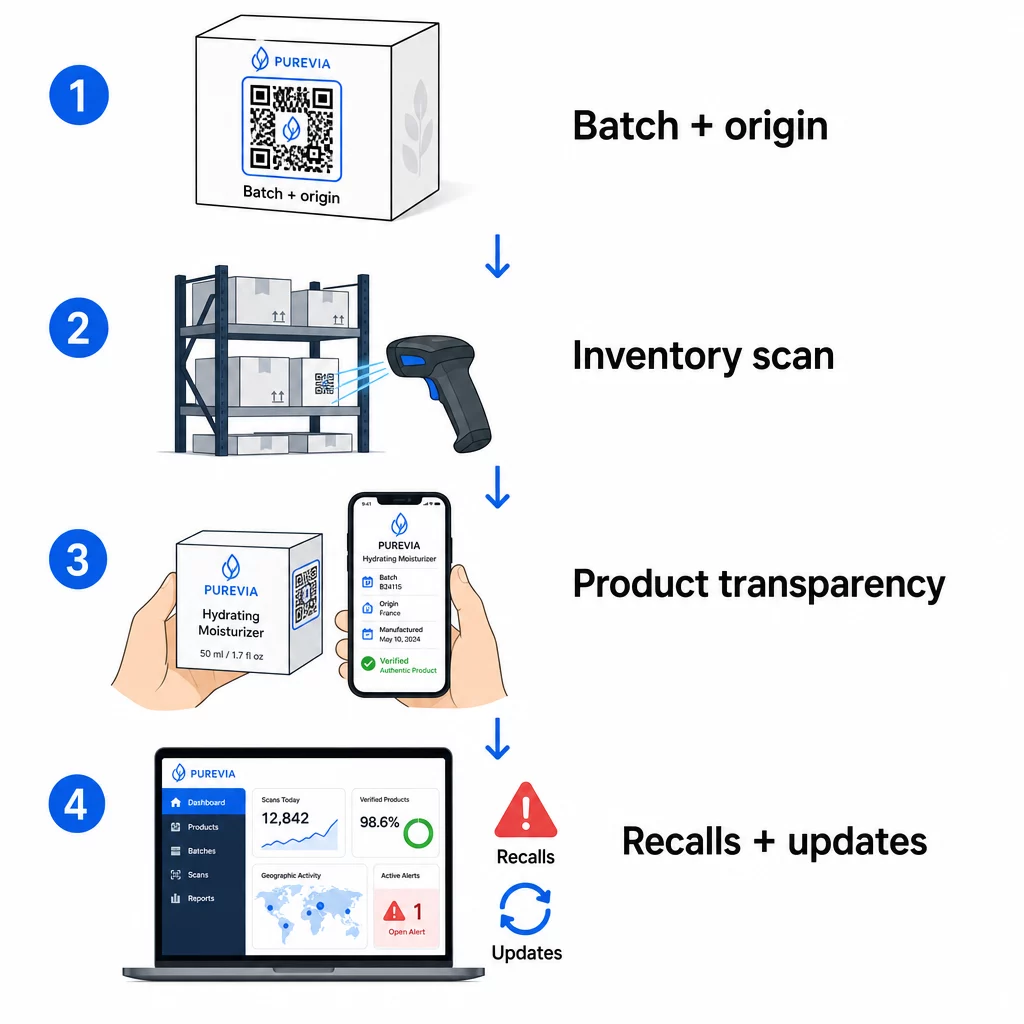
Diese Details unterstützen:
- Schnellere Rückrufe: Wenn ein Qualitätsproblem auftritt, können betroffene Chargen präzise identifiziert werden, anstatt breite Produktsortimente zurückzuziehen
- Genaue Bestandsprüfungen: Mitarbeiter scannen Artikel für Echtzeit-Lagerbestände, Produktdetails und Nachbestelldaten anstelle manueller Suchen
- Transparenz der Lieferkette: Der Weg jedes Produkts vom Hersteller bis ins Regal ist nachvollziehbar, einschließlich Versanddaten, Lagerstandorten und Lieferzeiten
Für Marken, die standardisierte Ansätze erkunden, GS1 Digital Link ist es wert, verstanden zu werden. Es bietet ein strukturiertes Format zur Kodierung der Produktidentität in einem QR-Code, sodass sowohl Verbraucher, die mit einem Smartphone scannen, als auch Einzelhändler, die am Point of Sale scannen, zu den richtigen Informationen geleitet werden. GS1 hat eine “Sunrise 2027”-Initiative für Einzelhändler vorgestellt, um sich auf 2D-Codes nach diesem Standard zu bewegen, obwohl die Implementierungsdetails je nach Geschäftskontext variieren.
Für einen detaillierteren Blick auf operative Anwendungen, QR-Codes für die Lieferkettenverfolgung deckt technische Richtlinien ab, einschließlich Druckauflösung, Modulgröße und dynamische Update-Workflows.
Kosten- und Nachhaltigkeitsvorteile
Die Reduzierung gedruckter Beilagen ist einer der unmittelbarsten finanziellen Vorteile der Hinzufügung von QR-Codes zu Verpackungen. Bedienungsanleitungen, Garantiekarten, Werbeflyer und mehrsprachige Inhaltsblätter verursachen alle Druck- und Einlegekosten, die sich bei großen Produktionsläufen vervielfachen. Das Ersetzen dieser durch einen einzigen QR-Code, der auf digitale Inhalte verweist, senkt diese Kosten direkt.
Dynamische QR-Codes erweitern dies noch weiter. Wenn sich Produktinformationen ändern – eine neue Funktion, ein aktualisierter Sicherheitshinweis, ein überarbeitetes Konformitätsdokument – aktualisieren Sie das digitale Ziel, anstatt vorhandene Verpackungsbestände zu entsorgen. Das reduziert sowohl finanziellen als auch physischen Abfall, was für das wachsende Segment der Verbraucher wichtig ist, die Umweltpraktiken in ihre Kaufentscheidungen einbeziehen.
Mehrsprachige Unterstützung ist ein weiterer Bereich, in dem die digitale Bereitstellung effizienter ist. Anstatt regionsspezifische Verpackungsvarianten zu drucken, kann ein einziger Code Benutzer basierend auf Geräteeinstellungen oder einer einfachen Auswahlseite zu Inhalten in ihrer bevorzugten Sprache leiten.
Praktische Richtlinien für QR-Codes auf Verpackungen
Effektive QR-Codes auf Verpackungen erfordern die Beachtung einiger technischer Details:
- Mindestgröße: QR-Codes auf Verpackungen sollten mindestens 3 × 3 Zentimeter groß sein, vorzugsweise größer. Für kleine Artikel wie Kosmetika oder Schmuck sollte der Code nicht kleiner als 0,8 × 0,8 Zoll (2 × 2 cm) sein. Größere Codes scannen zuverlässiger.
- PLATZIERUNG: Positionieren Sie den Code auf einer flachen, unversperrten Fläche der Verpackung – fern von Rändern, Falten, Ecken oder gekrümmten Oberflächen. Nahe der Mitte einer Fläche ist ideal für Sichtbarkeit und Scannbarkeit.
- Kontrast: Verwenden Sie einen dunklen Code auf hellem Hintergrund. Schlechter Kontrast ist einer der häufigsten Gründe, warum QR-Codes nicht zuverlässig scannen.
- Handlungsaufforderung: Fügen Sie neben dem Code einen kurzen Satz hinzu, der Kunden mitteilt, was sie durch das Scannen erhalten – zum Beispiel “Scannen für 30% Rabatt” oder “Setup-Tutorial ansehen”. Unerklärte Codes werden oft ignoriert.
- Druckqualität: Verwenden Sie hochauflösende Dateien (SVG- oder EPS-Formate) und testen Sie den gedruckten Code auf tatsächlichen Verpackungsmaterialien, bevor Sie eine vollständige Produktionsserie starten.
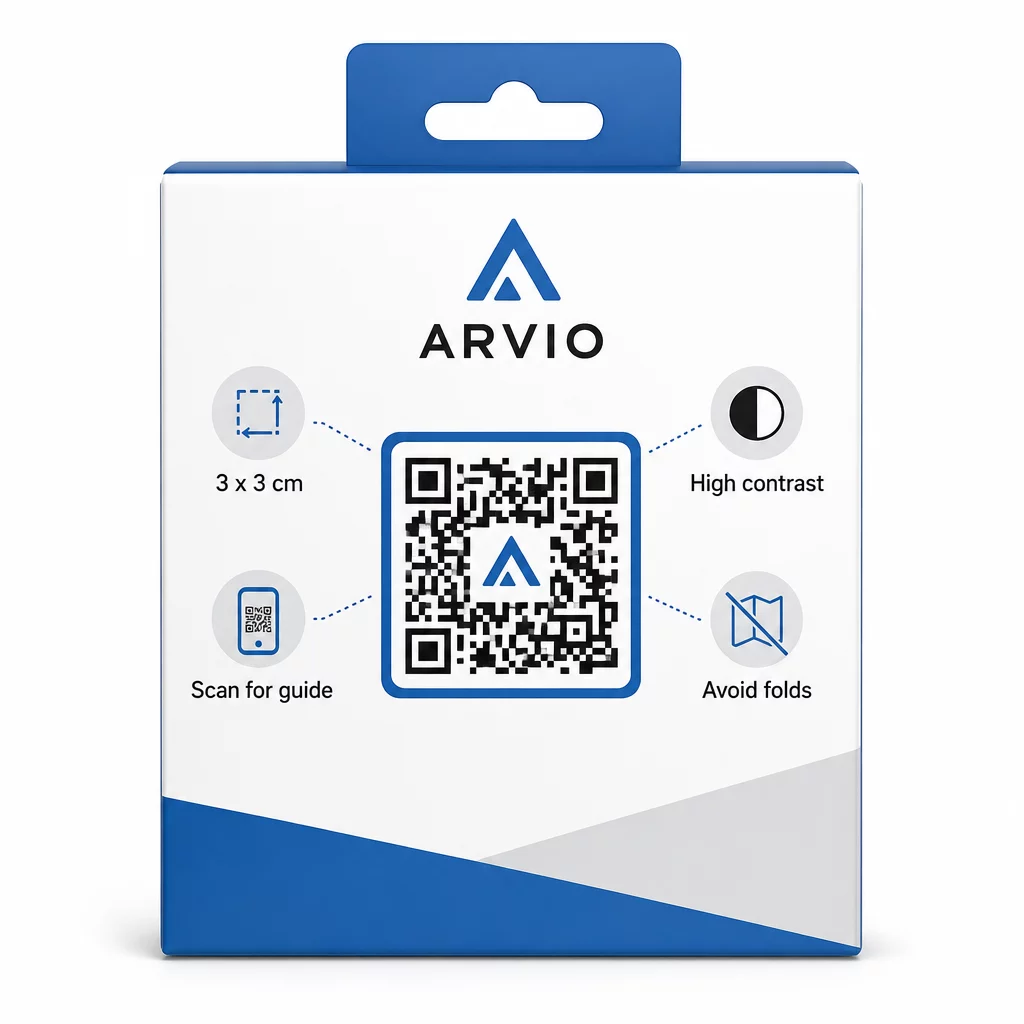
Für eine detaillierte Aufschlüsselung der Größenanpassung über verschiedene Druckoberflächen und Materialien hinweg, die QR-Code-Größenleitfaden für Druckmaterialien deckt Papier, Karton und Stoff mit spezifischen Größenempfehlungen ab. Der Best Practices für die Lesbarkeit von QR-Codes Leitfaden behandelt Kontrast, Ruhezonen und Praxistests detaillierter.
Anpassen von QR-Codes für Markenkonsistenz
Ein einfacher Schwarz-Weiß-QR-Code funktioniert, aber ein gebrandeter funktioniert besser. Codes, die Ihre Markenfarben, Ihr Logo und Ihren visuellen Stil integrieren, sind besser erkennbar, werden eher gescannt und wirken weniger wie ein nachträglicher Einfall auf Ihrer Verpackung.
Die QR-Code Generator mit Logo ermöglicht es Ihnen, das Körpermuster, den Randstil, den Rahmen und die Hintergrundfarbe anzupassen, während Sie Ihr Logo in der Mitte einbetten. Die Hauptbeschränkung ist die Aufrechterhaltung eines ausreichenden Kontrasts – der Code muss unter verschiedenen Lichtverhältnissen immer noch zuverlässig scannen. Halten Sie das Logo nicht größer als etwa 30 % der Codefläche und verwenden Sie eine hohe Fehlerkorrektur (Stufe Q oder H), wenn Sie ein Designelement hinzufügen, das das Muster überlagert.
Ein konsistentes Styling über Ihre Produktlinien hinweg stärkt die Markenbekanntheit und signalisiert den Kunden, dass der Code vertrauenswürdig und beabsichtigt ist und nicht zufällig.
Leistungsverfolgung nach dem Start
Einer der praktischen Vorteile dynamischer QR-Codes ist, dass sie Daten generieren. Jeder Scan erzeugt einen Datensatz, der Folgendes umfasst:
- Scanvolumen im Zeitverlauf
- Geografischer Standort des Scanners
- Gerätetyp und Betriebssystem
- Tageszeit und Wochentag
Diese Daten verraten Ihnen, welche Produkte das größte Engagement hervorrufen, ob eine Promotion ankommt und wie Kunden nach dem Kauf mit Ihrer Verpackung interagieren. Wenn die meisten Scans abends erfolgen, können Sie Inhalte priorisieren, die für das Surfen zu Hause geeignet sind. Wenn der Code eines bestimmten Produkts unterdurchschnittlich abschneidet, können Sie einen neuen Call-to-Action testen oder den Code bei aktualisierten Verpackungsläufen neu positionieren.
Das Conversion-Tracking geht noch weiter – es misst, ob Scans zu tatsächlichen Käufen, Anmeldungen oder anderen definierten Zielen führen, wodurch Sie den tatsächlichen ROI Ihrer QR-Code-Investition berechnen können.
Sehen Sie, wo Ihre Kunden interagieren Verwenden Sie . dynamische QR-Codes um Scan-Standort, Zeitpunkt und Gerätedaten über Ihre gesamte Produktlinie hinweg zu verfolgen – und Zielinhalte jederzeit ohne Neudruck zu aktualisieren.
Einsatz von QR-Codes bei verschiedenen Verpackungsarten
Verschiedene Verpackungsschichten dienen unterschiedlichen Zwecken, und QR-Codes können entsprechend angepasst werden:
- Primärverpackung (der direkte Produktbehälter – Flasche, Schachtel, Umverpackung): Link zu Produktanwendungsvideos, detaillierten Inhaltsstoff- oder Spezifikationsseiten, Social-Media-Profilen oder einer direkten Seite zum Warenkorb für Nachbestellungen.
- Sekundärverpackung (Umkartons oder Umverpackungen, die Primärverpackungen enthalten): Link zu Rabattcodes, Anleitungs-Videos oder Aufforderungen, Produktqualitäts-Feedback in sozialen Medien zu teilen.
- Tertiärverpackung (Versand- und Transportkartons): Link zu Geschäftskontaktdaten über einen vCard-QR-Code oder eine kundenorientierte Website.
Speziell für E-Commerce-Marken ist die Verpackung, die mit einer versandten Bestellung ankommt, oft der erste physische Berührungspunkt mit dem Kunden. Ein QR-Code auf der Schachtel oder innerhalb der Verpackung kann zur Garantieregistrierung, einer personalisierten Nachbestellseite, ergänzenden Produktvorschlägen oder einem Feedback-Formular verlinken – und so den Unboxing-Moment zum Beginn einer fortlaufenden Beziehung machen. Erfahren Sie mehr darüber, wie QR-Codes E-Commerce-Verpackungen unterstützen und welche Typen für Online-Verkäufer am besten geeignet sind.
Für Einzelhandelsanwendungen im weiteren Sinne decken die QR-Codes für Einzelhändler und QR-Codes für Produktverpackungen Seiten zusätzliche Anwendungsfälle ab, darunter Beschilderung im Geschäft, Preisschilder und Treueprogramme. Sie können auch QR-Code-Lösungen branchenübergreifend erkunden, um zu sehen, wie andere Sektoren dieselben Prinzipien anwenden.
Der gemeinsame Nenner bei allen Verpackungsarten ist, dass ein QR-Code nur so wertvoll ist wie das Ziel, zu dem er führt. Halten Sie verlinkte Inhalte für das spezifische Produkt relevant, für die mobile Ansicht optimiert und aktualisieren Sie sie, wann immer sich die zugrunde liegenden Informationen ändern.
Häufig gestellte Fragen
Ein QR-Code auf der Verpackung kann mit fast jedem digitalen Inhalt verknüpft werden – Produktdetailseiten, Anleitungsvideos, digitale Handbücher oder PDFs, Anmeldungen für Treueprogramme, Rabattcodes, Feedback-Formulare, Social-Media-Profile oder Kundensupport-Kontakte. Dynamische QR-Codes ermöglichen es Ihnen, das Ziel zu ändern, nachdem der Code gedruckt wurde, sodass der verknüpfte Inhalt sich entwickeln kann, ohne Ihre Verpackung neu drucken zu müssen.
QR-Codes können detaillierte Produktdaten kodieren, einschließlich Chargennummern, Herstellungsdaten, Verfallsdaten und Herkunftsinformationen. Dies ermöglicht es sowohl Unternehmen als auch Verbrauchern, den Weg eines Produkts durch die Lieferkette zu überprüfen. Im Falle eines Qualitätsproblems oder Rückrufs ermöglichen die auf Chargenebene in einem QR-Code kodierten oder verlinkten Daten eine schnellere Identifizierung und Isolierung betroffener Produkte im Vergleich zu herkömmlichen Barcodes.
Der Code sollte mindestens 3 × 3 Zentimeter groß sein (oder nicht kleiner als 0,8 × 0,8 Zoll für kleine Verpackungen). Er benötigt ausreichend Kontrast – typischerweise ein dunkles Muster auf hellem Hintergrund – und sollte auf einer flachen, unverzerrten Oberfläche platziert werden, fern von Falten, Rundungen oder konkurrierenden Designelementen. Verwenden Sie hochauflösende Druckdateien wie SVG- oder EPS-Formate und testen Sie den gedruckten Code immer auf tatsächlichen Verpackungsmaterialien mit mehreren Geräten vor der Produktion.