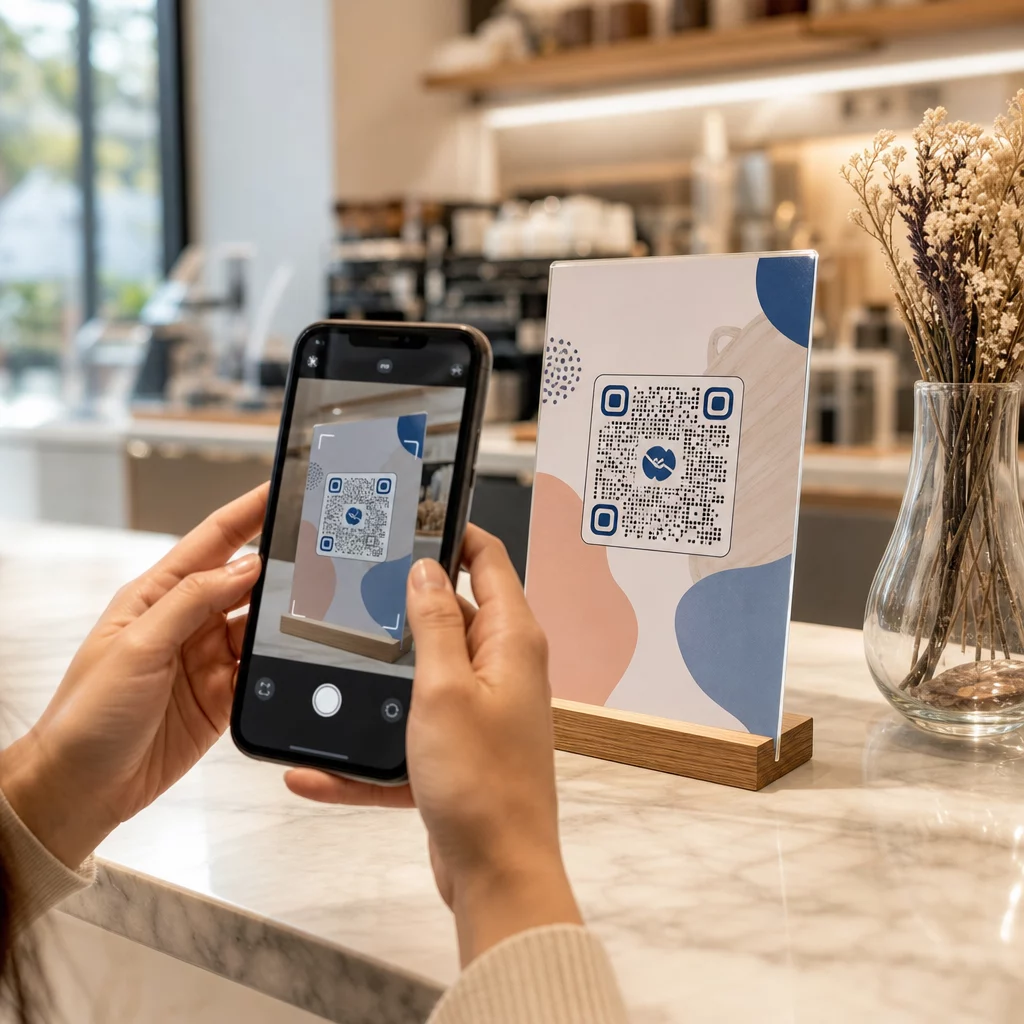
Hiç merak ettiniz mi, telefonunuzu bir QR koduna doğrultup bir web sayfasına inmek arasındaki yarım saniyede aslında ne oluyor? Süreç göründüğünden daha hızlıdır ve bunu anlamak, her seferinde güvenilir bir şekilde taranan kodlar oluşturmanıza yardımcı olur.
Bir QR Kodu Gerçekte Nedir
Bir QR kodu, benzersiz bir düzende düzenlenmiş siyah ve beyaz karelerden oluşan iki boyutlu bir matristir. Verileri değişen çubuk genişliklerinde tek bir yatay çizgide kodlayan geleneksel bir barkodun aksine, bir QR kodu bilgiyi hem yatay hem de dikey olarak depolar. Bu da ona çok daha fazla veri kapasitesi sağlar ve birden fazla yönden okunabilir olmasını sağlar.
Her QR kodu birkaç işlevsel bölgeden oluşur:
- Bulucu desenleri – kodun köşelerindeki, tarayıcının kodu bulmasına, yönünü belirlemesine ve kenarlarını bulmasına yardımcı olan üç büyük kare, kod eğik olsa bile
- Zamanlama desenleri – ızgara yapısını tanımlayan ve tarayıcının her modülü doğru şekilde boyutlandırmasına yardımcı olan, bulucu desenleri arasında çalışan değişen siyah-beyaz modüller
- Sessiz bölge – kodun etrafındaki, en az dört modül genişliğindeki boş beyaz kenar boşluğu, kodu çevreleyen grafiklerden ayırarak tarayıcının sınırlarını algılamasını sağlar
- Biçim bilgisi – bulucu desenlerinin yakınında, hata düzeltme seviyesini ve maskeleme desenini depolayan özel bir alan, böylece tarayıcı veriyi tam olarak nasıl yorumlayacağını bilir
- Veri modülleri – gerçek kodlanmış içeriğin bulunduğu, ikili birler (siyah) ve sıfırlar (beyaz) olarak okunan ayrı siyah-beyaz kareler
Bu modüllerdeki veriler çeşitli modlarda kodlanabilir: yalnızca sayısal, alfasayısal, 8 bit ikili baytlar veya Kanji. Bir Sürüm 1 QR kodu 21×21 modüldür; bir Sürüm 40 kodu 177×177'ye genişler ve 7.089'a kadar sayısal karakter, 4.296 alfasayısal karakter veya 2.953 bayt ikili veri tutabilir. Bu ödünleşimlerin nasıl çalıştığı hakkında daha fazla bilgi için rehbere bakın: QR kodu veri limitleri.
Tarama Süreci, Adım Adım
Bir kamerayı bir QR koduna doğrulttuğunuzda, çok aşamalı bir süreç milisaniyeler içinde gerçekleşir.
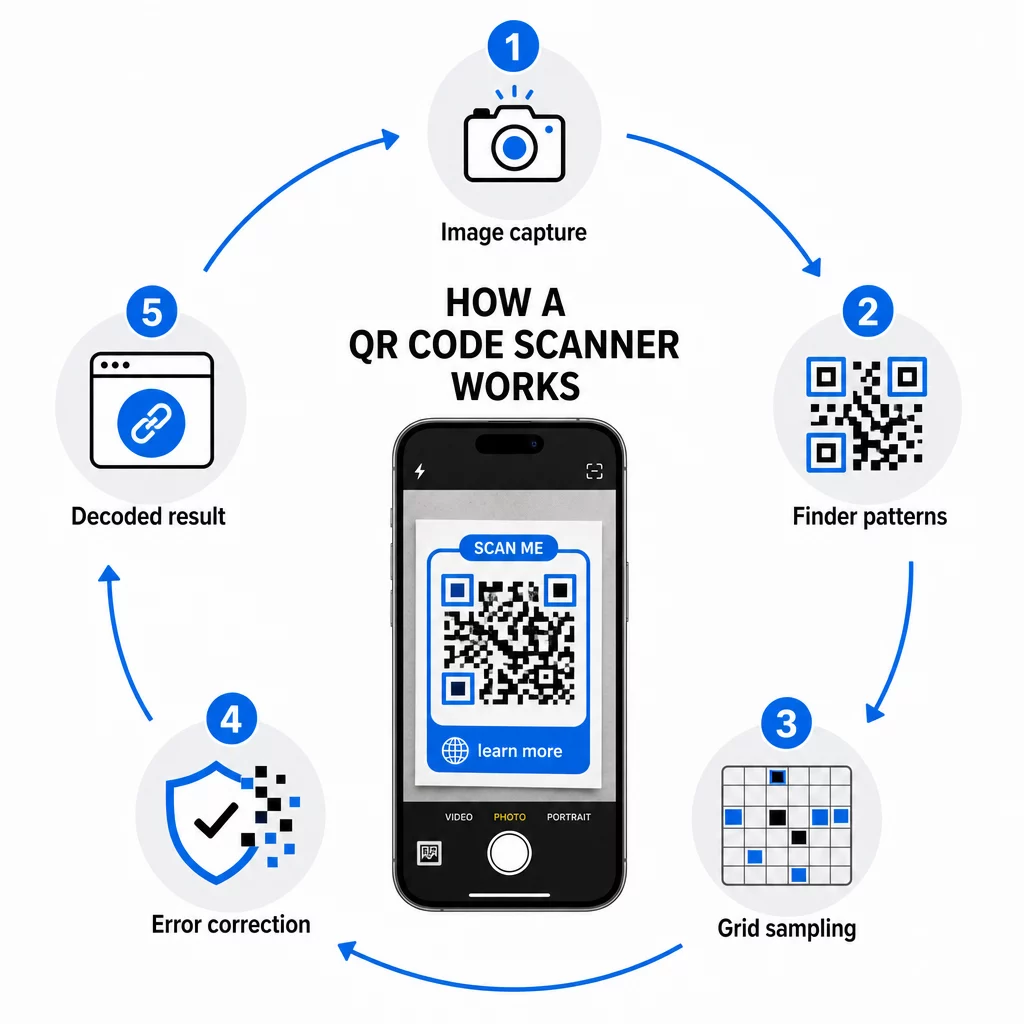
Adım 1: Görüntü Yakalama
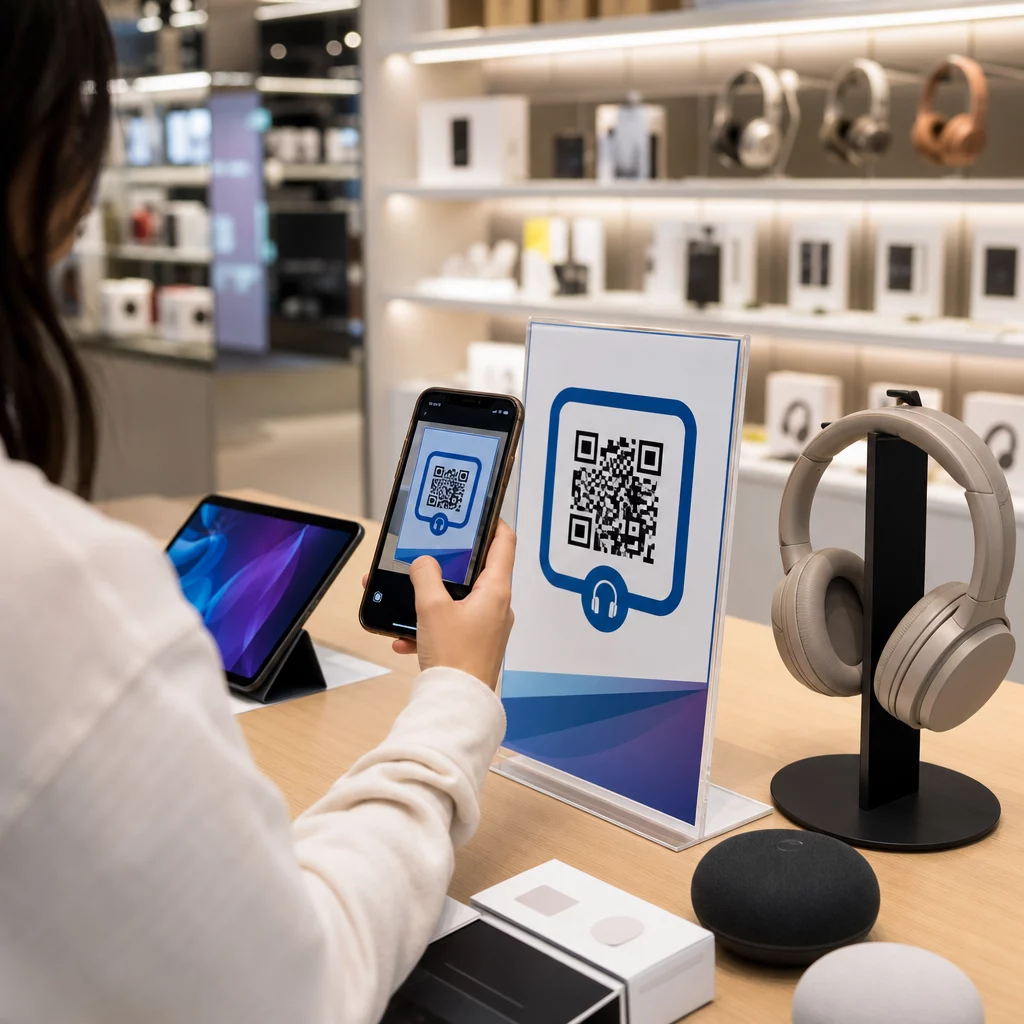
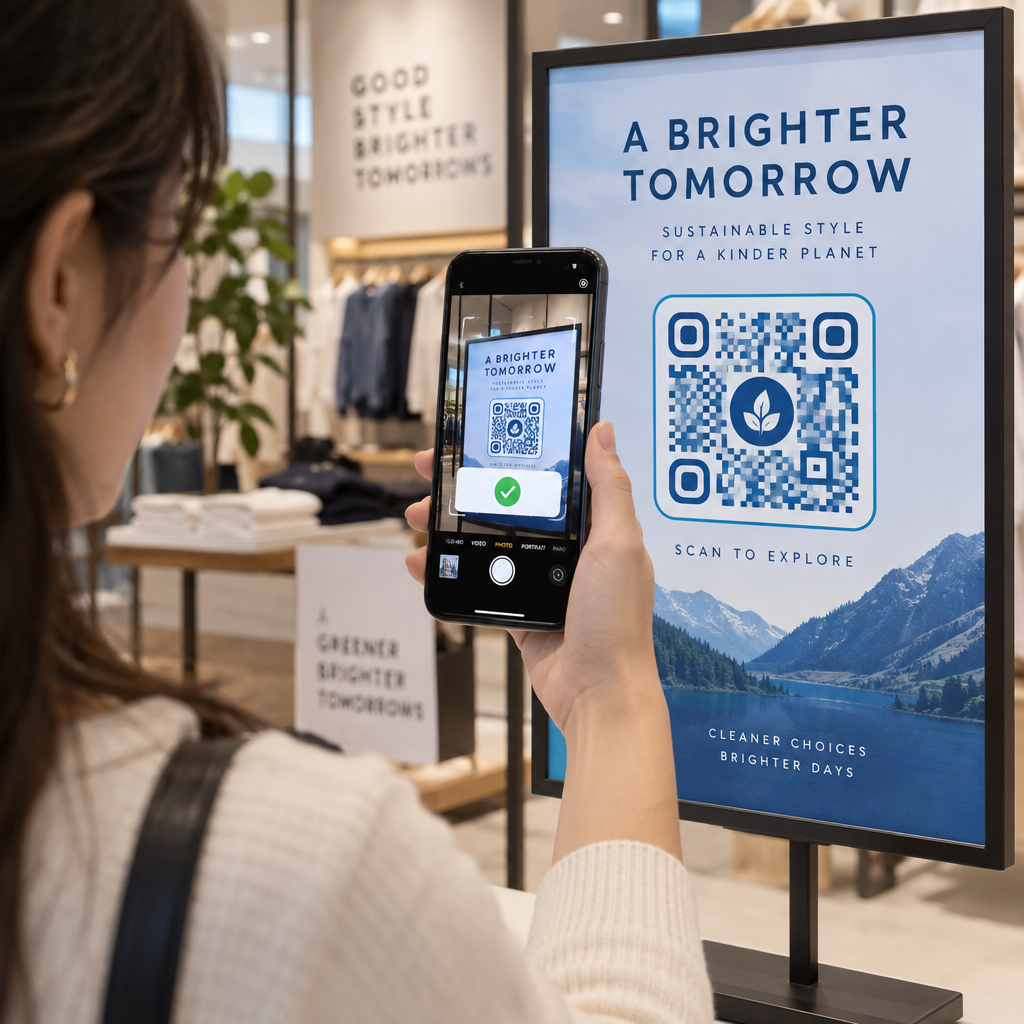
Kamera, iki boyutlu ızgarayı görsel bir görüntü olarak yakalar. Bu, ham girdidir – siyah-beyaz desenin bir fotoğrafı. Çoğu modern akıllı telefon kamerası, özel bir tarama uygulamasına ihtiyaç duymadan bunu yapabilir. Farklı cihazlarda bir taramayı tetiklemenin tüm yollarını anlamak isterseniz, QR kodlarını tarama rehberi iPhone, Android, tablet ve masaüstü iş akışlarını ayrıntılı olarak kapsar.
Adım 2: Desen Algılama
Tarayıcının yazılımı, görüntü içindeki QR kodunu bulmak için desen tanıma kullanır. Köşelerdeki üç bulucu deseni arar. Bulunduğunda, tarayıcı şunları belirler:
- Kodun çerçevede nerede konumlandığı
- Hangi yöne doğru olduğu (döndürülmüş veya hafifçe eğilmiş olsa bile)
- Kodun kenarlarının nerede olduğu
Bu adım, QR kodlarının neden bir açıyla bile okunabilir kaldığını açıklar – bulucu desenler, algoritmaya bozulmayı düzeltmek için yeterli geometri sağlar.
Adım 3: Izgara Örnekleme ve Veri Çıkarma
Kodun konumu ve yönü belirlendikten sonra, tarayıcı ızgara yapısını anlamak için zamanlama desenlerini ve hizalama işaretlerini okur. Daha sonra her modülü belirli bir zikzak yolda – sağdan sola, yukarıdan aşağıya – bilinen bir konumdan başlayarak ve son göstergeye ulaşılana kadar her veri modülü üzerinde çalışarak örnekler.
Bu yolu kat ederken, tarayıcı şunları okur:
- Bir mod göstergesi (dört modül) kodlama türünü belirtir – sayısal, alfasayısal, bayt veya Kanji
- Bir karakter sayım göstergesi kaç karakterin kodlandığını belirten
- Kalan veri kod sözcükleri veri akışının sonuna kadar
Adım 4: Hata Düzeltme
Veri modüllerini okuduktan sonra tarayıcı, hata düzeltme kod sözcüklerini işler. QR kodları kullanır Reed–Solomon hata düzeltme, bu da kodun bir kısmı fiziksel olarak hasar görmüş veya gizlenmiş olsa bile orijinal içeriğin yeniden yapılandırılmasına olanak tanıyan yedek verileri gömer.
Dört standartlaştırılmış hata düzeltme seviyesi vardır:
| Seviye | Kurtarma Kapasitesi | En İyi Kullanım Alanı |
|---|---|---|
| L (Düşük) | ~7% | Temiz iç mekan ortamları |
| M (Orta) | ~15% | Genel pazarlama materyalleri |
| Q (Çeyreklik) | ~25% | Endüstriyel veya dış mekan kullanımı |
| H (Yüksek) | ~30% | Logolu kodlar, zorlu koşullar |
Daha yüksek hata düzeltme, kodun daha fazla hasara dayanabileceği anlamına gelir ancak aynı zamanda daha fazla modül gerektirir, bu da genel sembolü daha yoğun hale getirir. Bir QR koduna logo ekliyorsanız veya hava koşullarına maruz kalacağı bir yere yerleştiriyorsanız, Seviye H'yi seçmek doğru bir karardır. Bu değiş tokuşun pratikte nasıl işlediğine dair daha derinlemesine bir bakış için, şu makaleye bakın: Düzenlenebilir QR Kodlarda Hata Düzeltme Nasıl Çalışır.
Adım 5: İnsan Tarafından Okunabilir İçeriğe Dönüştürme
Veri bitleri yeniden yapılandırıldıktan sonra, tarayıcı ikili diziyi QR kodunun kodlama moduna göre çözer. Siyah kareler bir, beyaz kareler sıfır olur. Bu ikili dize daha sonra insan tarafından okunabilir içeriğe dönüştürülür – bir URL, bir telefon numarası, bir metin bloğu, iletişim bilgileri veya kodun başlangıçta taşımak için oluşturulduğu diğer herhangi bir veri türü.
Kod bir URL içeriyorsa, cihazınız onu açmak için bir istem görüntüler. Tarama sürecinin tarayıcınıza veya uygulamanıza devredildiği an budur.
Pageloot'un Ücretsiz QR Kod Tarayıcısını Deneyin Bir QR kodunu doğrudan bir görüntüden veya web kameranızdan çözmeniz mi gerekiyor? Pageloot QR kod tarayıcı herhangi bir modern tarayıcıda çalışır – uygulama indirmeye gerek yoktur.
QR Tarayıcılar Barkod Tarayıcılardan Nasıl Farklıdır?
Temel fizik benzerdir: her iki tarayıcı türü de bir deseni aydınlatır, yansıyan ışığı algılar ve sonucu çözer. Ancak standart bir lazer barkod tarayıcı tek bir yatay çizgide okuma yapar, bu yüzden yalnızca 1D barkodları işleyebilir. 2D bir QR kodu okumak, tüm deseni bir kerede yakalayan görüntü tabanlı bir sensör gerektirir.
Bu iki formatın yetenek ve kullanım durumunda nasıl farklılaştığına dair doğrudan bir karşılaştırma için, barkod tarayıcı açıklayıcısı aydınlatma sistemi, sensör ve kod çözücü bileşenlerini ayrıntılı olarak kapsar – ve barkod ve QR kodu karşılaştırması farklı iş uygulamaları için hangi formatın daha mantıklı olduğunu açıklar.
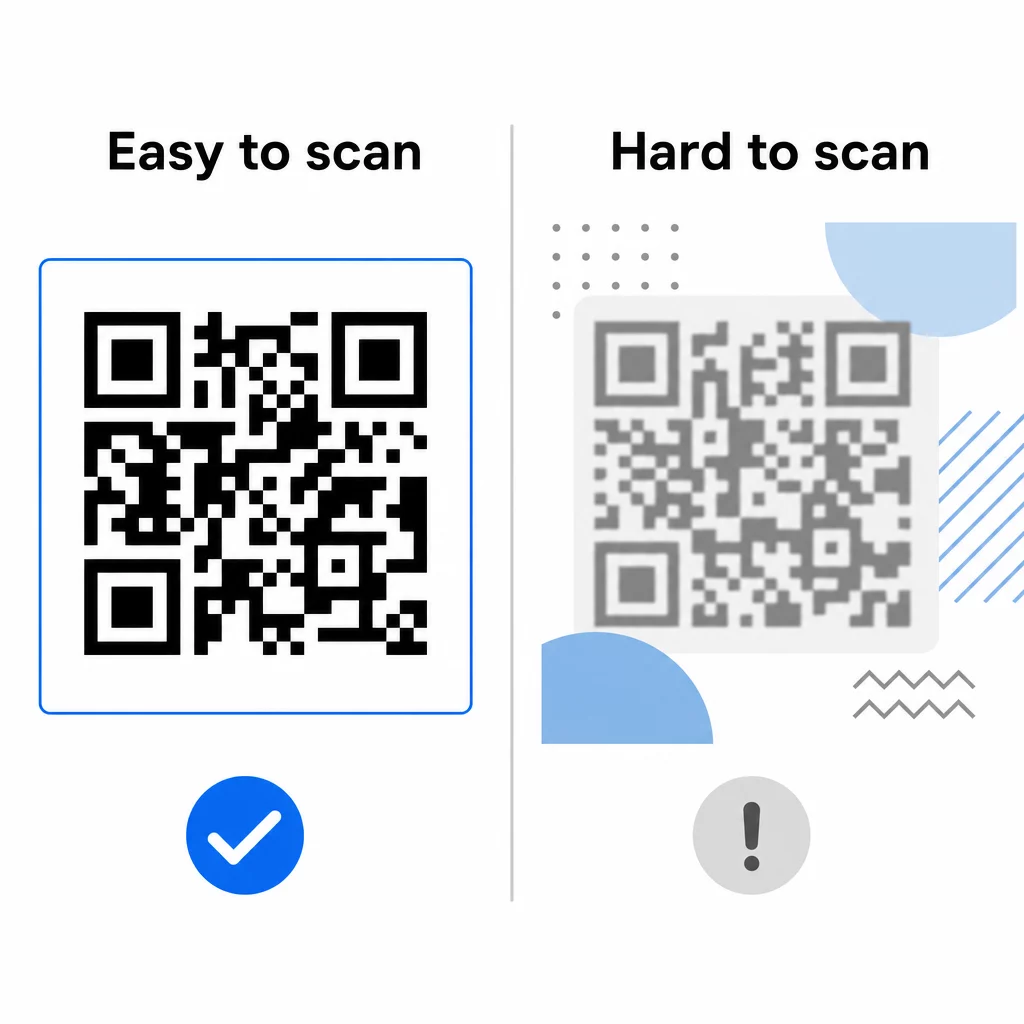
Bir QR Kodunu Taramayı Kolay (veya Zor) Yapan Nedir?
Tarama sürecini anlamak, belirli tasarım seçimlerinin okunabilirliği neden olumsuz etkilediğini ortaya koyar:
- Düşük kontrast – tarayıcı modülleri siyah ve beyaz alanlar arasındaki ışık yansıması farkına göre ayırt eder; açık renkli bir arka plan üzerine gri renkte basılmış bir kod bu testi geçemez
- Eksik sessiz bölge – net beyaz bir kenar boşluğu olmadan, tarayıcı kodun kenarlarını güvenilir bir şekilde bulamaz, özellikle de çevresindeki metin veya grafikler yakınsa
- Görüntüleme mesafesi için çok küçük – 10:1 kuralı geçerlidir: her 10 cm tarama mesafesi için kod en az 1 cm genişliğinde olmalıdır; yakın mesafeli baskı kullanımı için pratik minimum 2×2 cm'dir
- Ters veya alışılmadık renkler – koyu bir arka plan üzerindeki açık renkli modüller, bazı tarayıcılarda desen tanımayı karıştırabilir
- Bulanık veya pikselli çıktı – düşük çözünürlüklü raster görüntüler baskı ölçeğinde bozulur; SVG veya EPS gibi vektör formatları her boyutta net kalır
Boyutlandırma, kontrast, yerleştirme ve test etme konusunda kapsamlı rehberlik için, şu makale: QR kodu okunabilirlik en iyi uygulamaları her faktörü belirli önerilerle ele alır.
Taranmak İçin Oluşturulmuş Kodlar Yaratın Bu Pageloot QR kod oluşturucu belirli kullanım durumunuz için doğru hata düzeltme, kontrast ve formatla QR kodları oluşturmanıza, özelleştirmenize ve test etmenize olanak tanır – ve dinamik kodlar, yeni bir görüntü oluşturmaya gerek kalmadan baskıdan sonra güncellenebilir.
Statik ve Dinamik QR Kodları: Tarayıcının Gördükleri
Tarayıcının bakış açısından, her QR kodu aynı görünür: bir veri dizisini kodlayan bir modül matrisi. Statik ve dinamik kodlar arasındaki fark, bu verinin ne içerdiğidir.
Bir Statik QR kodu nihai hedefi doğrudan kodlar – tam URL, metin veya iletişim bilgileri oluşturma anında modüllere işlenir. İçeriği değiştirmek, yeni bir kod oluşturmak anlamına gelir.
Bir dinamik QR kodu bir sunucuya işaret eden kısa bir yönlendirme URL'sini kodlar. Tarandığında, bu yönlendirme kullanıcıyı kod sahibinin o anda belirlediği hedefe iletir. Bu, fiziksel kodun asla değişmediği, ancak davranışının anında güncellenebileceği anlamına gelir. Dinamik kodlar ayrıca tarama takibini de sağlar – her tarama, kodun ne zaman ve nerede tarandığını, hangi cihazda ve ne sıklıkta tarandığını gösteren bir veri noktası kaydeder.
Bir QR kod kampanyasının ölçülebilir olması gerekiyorsa veya bağlantılı içerik değişebilirse, dinamik kodlar pratik bir seçimdir. Tarayıcı uygulaması seçeneklerinin tüm yelpazesini karşılaştıran ve bir tarama aracında ne arayacaklarını düşünen işletmeler için, şu: QR kod tarama uygulamaları karşılaştırması başlıca seçenekleri kapsar.
Sıkça sorulan sorular
Hayır. iOS 11 veya sonraki sürümleri çalıştıran çoğu akıllı telefon ve modern Android cihazlar, QR kodlarını doğrudan yerel kamera uygulaması aracılığıyla tarayabilir. Daha fazla kontrol için – kaydedilmiş bir görüntüden tarama veya tarama geçmişini kontrol etme gibi – Pageloot QR tarayıcı gibi özel bir araç, herhangi bir tarayıcıdan kurulum gerektirmeden çalışır.
En yaygın nedenler düşük kontrast, eksik bir sessiz bölge, görüntüleme mesafesi için çok küçük bir kod veya modülleri çözmek için çok bulanık bir görüntüdür. Düşük çözünürlüklü kameralara sahip eski cihazlar bu sorunlara karşı daha hassastır. Baskıdan önce birden fazla cihazda test yapmak ve daha yüksek hata düzeltme seviyeleri (Q veya H) kullanmak, başarısızlık olasılığını azaltır. Nedenlerin ve düzeltmelerin tam listesini QR kod çalışmıyor kılavuzunda bulabilirsiniz.
En düşük hata düzeltme seviyesindeki bir Sürüm 40 QR kodu, 7.089'a kadar sayısal karakter, 4.296 alfasayısal karakter veya 2.953 bayt ikili veri kodlayabilir. Uygulamada, daha kısa URL'ler ve daha basit içerikler, daha hızlı ve daha güvenilir bir şekilde taranan daha az yoğun kodlar üretir. Sürüm, kapasite ve hata düzeltme ödünleşimlerinin tam dökümü QR kodu veri limitleri kılavuzunda ele alınmıştır.