Bạn không chắc liệu doanh nghiệp của mình có bắt buộc phải làm cho mã QR dễ tiếp cận theo ADA hay không? Sai lầm này có thể khiến tổ chức của bạn gặp rủi ro tuân thủ và loại trừ khách hàng khuyết tật khỏi nội dung mà họ có quyền truy cập. Hướng dẫn này phân tích những lĩnh vực nào có nghĩa vụ pháp lý rõ ràng nhất và những tiêu chuẩn tiếp cận nào áp dụng khi mã QR là một phần trong giao tiếp với khách hàng của bạn.
Thực tế pháp lý cốt lõi: Không có luật nào yêu cầu mã QR, nhưng luật tiếp cận vẫn áp dụng
Trước khi đi sâu vào các ngành cụ thể, một điểm làm rõ quan trọng: không có điều khoản nào của Đạo luật Người Mỹ Khuyết tật (ADA) cụ thể bắt buộc bất kỳ doanh nghiệp hoặc cơ quan nào sử dụng mã QR. ADA tập trung vào việc đảm bảo giao tiếp hiệu quả, bình đẳng với người khuyết tật – bất kể bạn chọn công nghệ nào để thực hiện giao tiếp đó.
Hàm ý quan trọng là: một khi bạn chọn sử dụng mã QR như một phần trong giao tiếp với khách hàng của mình, các nghĩa vụ về khả năng tiếp cận sẽ phát sinh. Nếu mã QR của bạn là phương pháp chính hoặc duy nhất để truy cập thông tin quan trọng, nó phải có thể sử dụng được bởi tất cả mọi người – bao gồm cả những người khiếm thị, hạn chế vận động hoặc các khuyết tật khác.
Hãy nghĩ theo cách này: bạn không bắt buộc phải lắp đặt một đoạn đường dốc, nhưng nếu tòa nhà của bạn có bậc thang mà khách hàng phải sử dụng để tiếp cận dịch vụ của bạn, thì các tiêu chuẩn của ADA sẽ quy định cách đoạn đường dốc đó phải được xây dựng. Tương tự, nếu mã QR là cách bạn cung cấp một thực đơn, một biểu mẫu hoặc thông tin công cộng quan trọng, thì mã QR đó và nội dung mà nó liên kết đến phải dễ tiếp cận.
Tiêu đề II: Các tổ chức chính phủ và khu vực công
Các chính phủ tiểu bang và địa phương có một số nghĩa vụ về khả năng tiếp cận kỹ thuật số rõ ràng và được ghi nhận tốt nhất theo ADA. Tiêu đề II của ADA yêu cầu tất cả các thực thể chính phủ tiểu bang và địa phương phải giao tiếp với người khuyết tật một cách hiệu quả như cách họ giao tiếp với những người khác. Điều này bao gồm mọi cấp độ hoạt động của chính phủ – sở cảnh sát, tòa án, dịch vụ bỏ phiếu, trường công, cao đẳng cộng đồng, thư viện công cộng, các quận cấp nước và các quận có mục đích đặc biệt khác.
Năm 2024, Bộ Tư pháp Hoa Kỳ đã hoàn thiện một quy tắc theo Tiêu đề II chỉ định WCAG 2.1 Cấp AA là tiêu chuẩn kỹ thuật cho nội dung web và ứng dụng di động của các chính phủ tiểu bang và địa phương. Điều này có nghĩa là khi một cơ quan chính phủ đặt mã QR trên một tài liệu công cộng, biển báo hoặc địa điểm vật lý, nội dung kỹ thuật số mà mã QR đó liên kết đến phải tuân thủ các tiêu chí thành công WCAG 2.1 Cấp A và Cấp AA.
Hướng dẫn của liên bang cũng nêu rõ rằng mã QR được sử dụng trong các ấn phẩm của liên bang phải đáp ứng Mục 508 của Đạo luật Phục hồi chức năng, trong đó coi mã QR là một dạng Công nghệ Thông tin và Truyền thông (ICT). Theo Mục 508, mã QR trong tài liệu kỹ thuật số phải được coi vừa là hình ảnh yêu cầu văn bản thay thế mô tả (alt text) vừa là liên kết yêu cầu văn bản thay thế dễ tiếp cận – để người dùng không thể quét mã vẫn có thể truy cập cùng một thông tin.
Các yêu cầu thực tế đối với việc sử dụng mã QR của chính phủ bao gồm:
- Văn bản dễ tiếp cận liền kề: Cung cấp URL đích hoặc một văn bản thay thế ngắn gọn bên cạnh mỗi mã QR để người dùng không thể quét vẫn có thể truy cập nội dung
- Văn bản thay thế mô tả: Trong các tài liệu kỹ thuật số, văn bản thay thế phải mô tả chức năng của mã QR (ví dụ: “Mã QR liên kết đến đơn xin giấy phép đỗ xe dành cho người khuyết tật của thành phố”), chứ không chỉ mô tả hình thức của nó
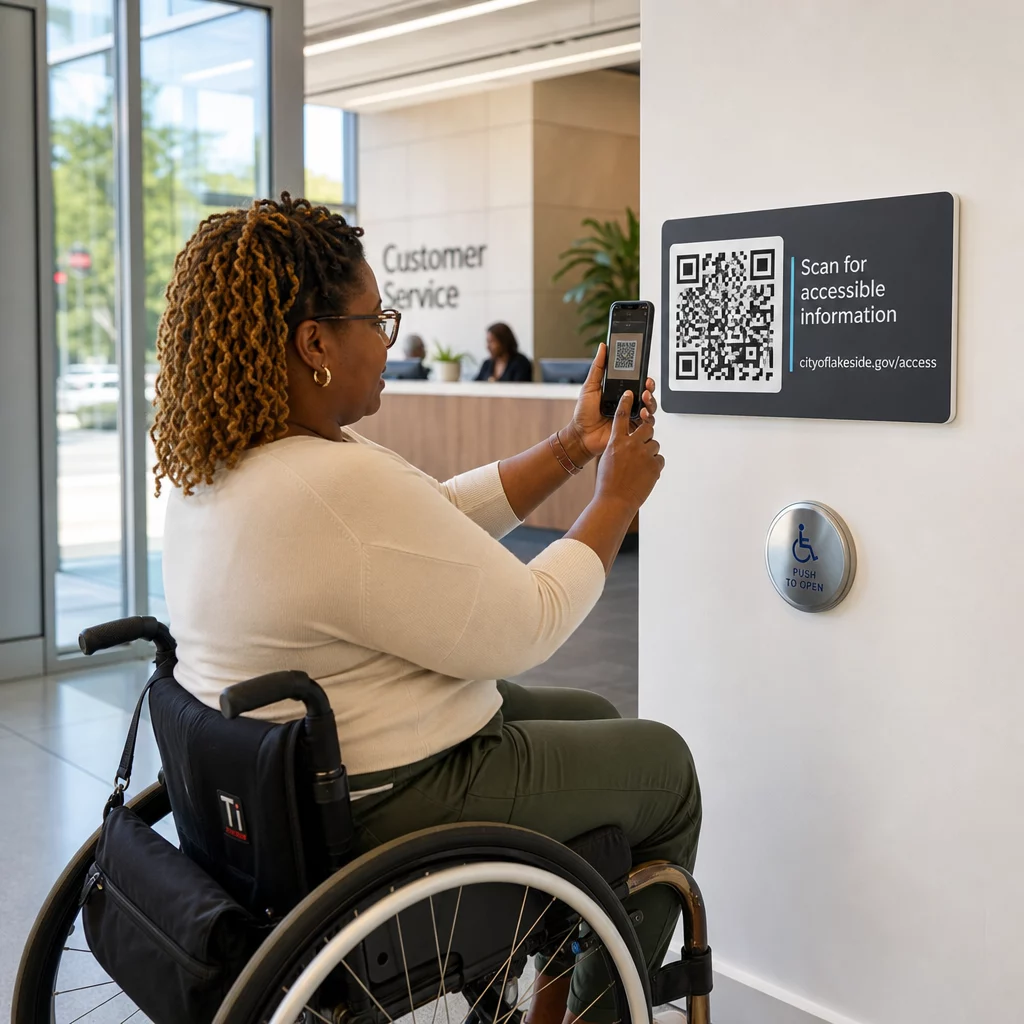
- Vị trí vật lý: Mã QR in nên được đặt ở vị trí mà người dùng xe lăn có thể quét thoải mái – hướng dẫn khuyến nghị chiều cao từ 3,5 đến 4,5 feet
- Nội dung đích dễ tiếp cận: Trang web hoặc tài liệu truy cập được thông qua mã QR phải tự nó đáp ứng WCAG 2.1 Cấp độ AA
Để biết hướng dẫn chi tiết về vị trí cụ thể cho việc sử dụng của chính phủ, hãy xem hướng dẫn của chúng tôi về các vị trí đặt mã QR tốt nhất cho các cơ quan chính phủ.
Giữ mã QR của chính phủ được cập nhật mà không cần in lại Cần cập nhật URL đích trên một biển báo của chính phủ đã được dán mà không cần thay thế vật liệu vật lý? Sử dụng Tạo mã QR động để thay đổi nội dung được liên kết bất cứ lúc nào – không cần in lại.
Điều III: Các Doanh nghiệp và Tổ chức Mở cửa cho Công chúng
Các doanh nghiệp tư nhân và tổ chức phi lợi nhuận phục vụ công chúng được điều chỉnh bởi Điều III của ADA, định nghĩa những nơi này là “cơ sở phục vụ công cộng.” Danh sách các thực thể được điều chỉnh rất rộng và bao gồm gần như mọi loại hình doanh nghiệp tiếp xúc với khách hàng. Theo Điều III, các tổ chức này phải cung cấp giao tiếp hiệu quả cho khách hàng bị khuyết tật về thị giác, thính giác và ngôn ngữ, bao gồm thông qua các thiết bị và dịch vụ hỗ trợ khi cần thiết.
Các danh mục sau đây được xác định rõ ràng là cơ sở phục vụ công cộng theo ADA:
| Danh mục | Ví dụ |
|---|---|
| Nơi lưu trú | Khách sạn, nhà nghỉ, nhà trọ |
| Cơ sở ăn uống | Nhà hàng, quán bar |
| Địa điểm giải trí | Rạp hát, sân vận động, phòng hòa nhạc |
| Nơi tụ họp công cộng | Trung tâm hội nghị, khán phòng |
| Cơ sở bán hàng và cho thuê | Cửa hàng tạp hóa, trung tâm mua sắm, cửa hàng phần cứng |
| Cơ sở dịch vụ | Ngân hàng, nhà thuốc, nhà cung cấp dịch vụ chăm sóc sức khỏe, văn phòng luật, bệnh viện |
| Bến xe/ga vận tải | Bến xe buýt và ga tàu |
| Trưng bày hoặc bộ sưu tập công cộng | Bảo tàng, thư viện, phòng trưng bày |
| Giải trí | Công viên, sở thú, công viên giải trí |
| Cơ sở giáo dục | Trường mẫu giáo tư thục đến các chương trình sau đại học |
| Dịch vụ xã hội | Trung tâm giữ trẻ, trung tâm người cao tuổi, nhà tạm trú cho người vô gia cư, ngân hàng thực phẩm |
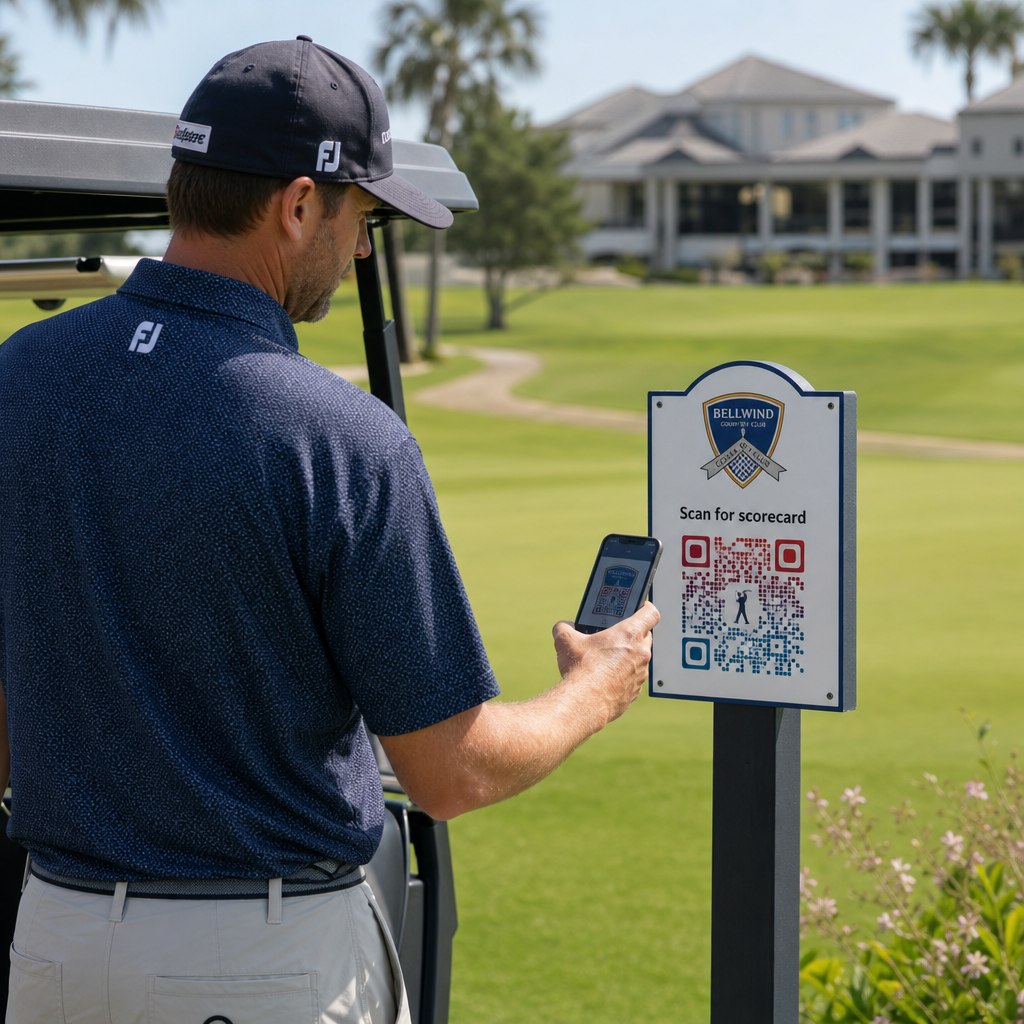
| Tập thể dục và giải trí | Phòng tập thể dục, spa sức khỏe, sân bowling, sân golf |
Nếu tổ chức của bạn xuất hiện trong danh sách này và bạn sử dụng mã QR trong bất kỳ ngữ cảnh tương tác với khách hàng nào – biển báo, thực đơn, màn hình sản phẩm, thiết bị thanh toán hoặc tài liệu thông tin – các nghĩa vụ giao tiếp hiệu quả sẽ áp dụng cho trải nghiệm mã QR đó.
Chăm sóc sức khỏe: Nghĩa vụ nâng cao và những rủi ro thực tế
Bệnh viện, phòng khám, nhà thuốc và các nhà cung cấp dịch vụ chăm sóc sức khỏe tư nhân xuất hiện trong Mục III với tư cách là cơ sở dịch vụ. Nhưng các tổ chức chăm sóc sức khỏe thường hoạt động theo các tiêu chuẩn bảo mật và thông tin bổ sung, khiến việc giao tiếp dễ tiếp cận trở nên đặc biệt quan trọng.
Khi mã QR liên kết đến hướng dẫn xuất viện, thông tin thuốc, lịch hẹn hoặc biểu mẫu bệnh nhân, hậu quả của việc không thể tiếp cận không chỉ là pháp lý – mà còn là lâm sàng. Một bệnh nhân có thị lực kém không thể truy cập hướng dẫn liều lượng vì mã QR thiếu tùy chọn dự phòng phải đối mặt với rủi ro sức khỏe đáng kể.
Mã QR trong môi trường chăm sóc sức khỏe phải luôn đi kèm với các lựa chọn thay thế dễ tiếp cận như tài liệu in cỡ lớn, giải thích bằng âm thanh hoặc hỗ trợ của nhân viên. Đối với các cơ sở y tế công cộng cũng là các cơ quan chính phủ, các nghĩa vụ của Mục II áp dụng ngoài các yêu cầu giao tiếp chăm sóc sức khỏe tiêu chuẩn.
Khám phá cách mã QR được sử dụng trong bệnh viện và cơ sở chăm sóc sức khỏe để biết các ví dụ triển khai thực tế.
Khách sạn – Nhà hàng: Thực đơn, Nhận phòng và Dịch vụ khách hàng
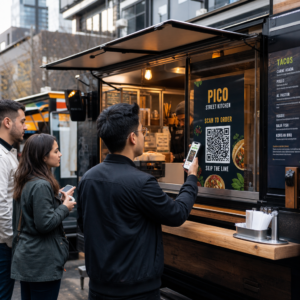
Ngành khách sạn – nhà hàng – khách sạn, nhà hàng và quán bar – đã áp dụng mã QR với tốc độ đáng kể, đặc biệt là đối với thực đơn kỹ thuật số. Vì nhà hàng và khách sạn được liệt kê rõ ràng là nơi công cộng theo Mục III, mọi trải nghiệm của khách hàng được cung cấp qua mã QR đều mang theo nghĩa vụ giao tiếp hiệu quả.
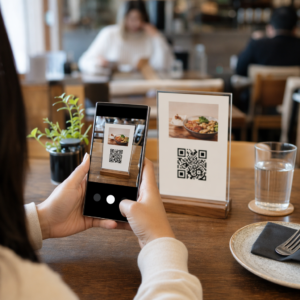
Một nhà hàng chỉ dựa vào thực đơn mã QR phải đảm bảo thực đơn đó dễ tiếp cận đối với khách hàng khiếm thị. Điều này có nghĩa là trang đích mà mã QR liên kết đến phải tương thích với trình đọc màn hình, sử dụng độ tương phản màu sắc đầy đủ và có cấu trúc tiêu đề hợp lý. Khách hàng không thể sử dụng mã QR – dù là do khiếm thị, không quen thuộc với điện thoại thông minh hay hạn chế về vận động – phải có cách khác để truy cập cùng một thông tin.
Để triển khai thực đơn dễ tiếp cận, Menu QR code cho phép bạn liên kết đến một thực đơn kỹ thuật số mà bạn có thể cập nhật ngay lập tức mà không cần in lại tài liệu vật lý – hữu ích khi tình trạng sẵn có của món hàng thay đổi hoặc khi bạn cần cập nhật trang được liên kết để cải thiện khả năng tiếp cận.
Để được hướng dẫn về cách làm cho thanh toán bằng mã QR dễ tiếp cận trong môi trường khách sạn và bán lẻ, hãy xem bài viết của chúng tôi về các phương pháp hay nhất về khả năng tiếp cận thanh toán bằng mã QR.
Giáo dục: Trường học công lập và tư thục
Các tổ chức giáo dục thuộc cả Mục II và Mục III tùy thuộc vào việc chúng được vận hành công lập hay tư nhân. Các trường K–12 công lập, cao đẳng cộng đồng và đại học công lập thuộc Mục II, bao gồm quy tắc của DOJ yêu cầu tuân thủ WCAG 2.1 Cấp AA đối với nội dung web và ứng dụng di động. Các trường tư thục ở mọi cấp độ được bao gồm trong Mục III với tư cách là nơi công cộng.
Trong cả hai trường hợp, khi các trường học sử dụng mã QR để phân phối tài liệu khóa học, thông tin sự kiện, biểu mẫu hoặc tài nguyên học tập, những tài liệu đó phải có thể truy cập được. Một học sinh bị khiếm thị phải có khả năng truy cập cùng nội dung với các bạn cùng trang lứa. Trên thực tế, điều này có nghĩa là:
- Các tệp PDF được liên kết phải được gắn thẻ và tương thích với trình đọc màn hình
- Nội dung web truy cập qua mã QR phải đáp ứng các tiêu chuẩn WCAG
- Vị trí đặt mã QR vật lý trong lớp học hoặc hành lang phải ở độ cao có thể tiếp cận được đối với học sinh sử dụng xe lăn
Xem cách mã QR được sử dụng trong trường học và giáo dục để biết các ý tưởng trường hợp sử dụng cụ thể, và khám phá Chuyển PDF sang QR để phân phối các tài liệu khóa học có thể truy cập được.
Bán lẻ: Cửa hàng, Bao bì và Màn hình trưng bày tại cửa hàng
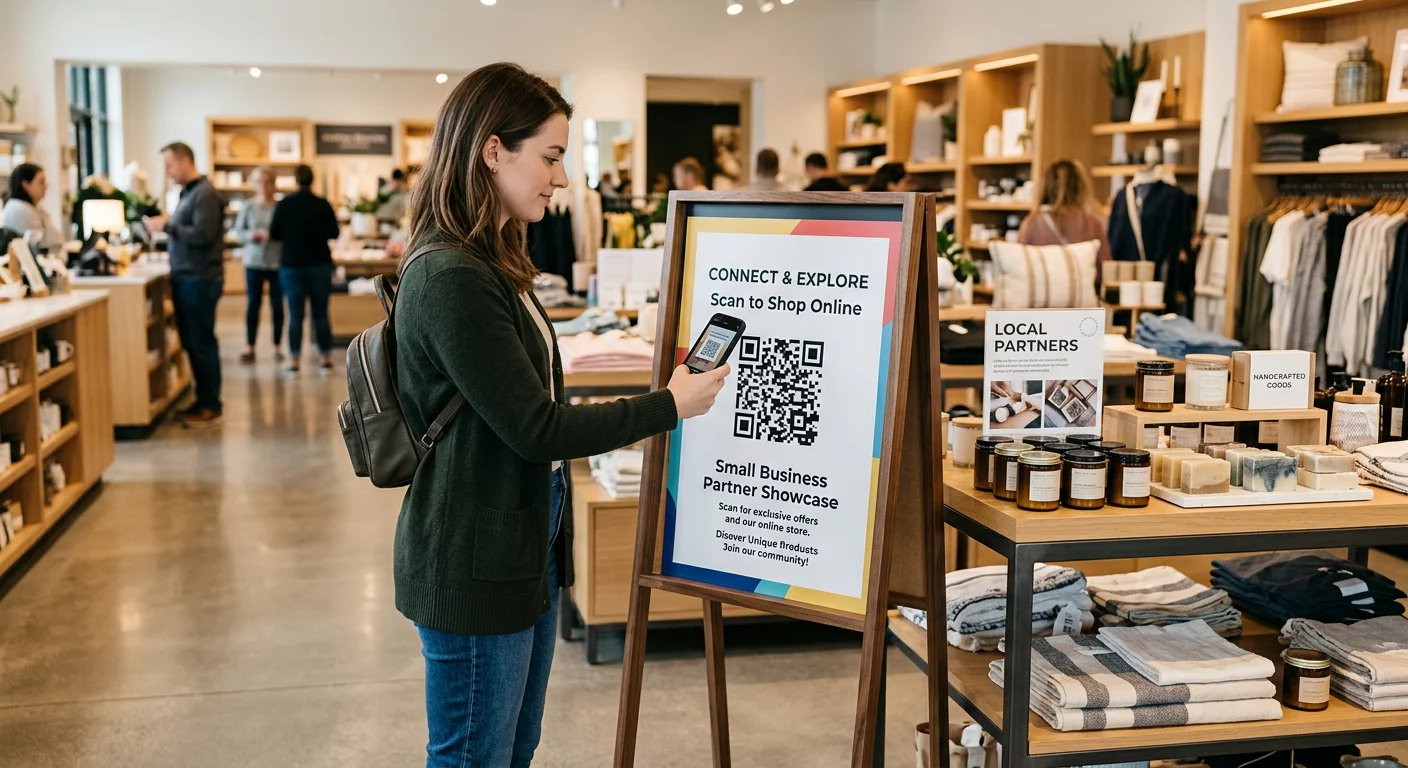
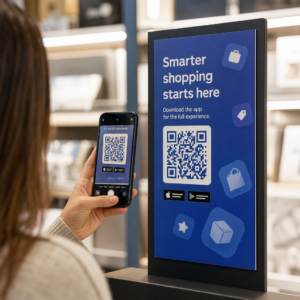
Các cửa hàng bán lẻ, trung tâm mua sắm và cửa hàng tạp hóa được liệt kê là nơi công cộng theo Tiêu đề III. Khi mã QR ngày càng trở nên phổ biến trên bao bì sản phẩm, màn hình kệ hàng và khu vực thanh toán, các tổ chức bán lẻ phải đối mặt với việc ngày càng phải tuân thủ các nghĩa vụ giao tiếp hiệu quả.
Mã QR trên nhãn sản phẩm liên kết đến hướng dẫn sử dụng, danh sách thành phần hoặc thông tin bảo hành phải có thể sử dụng được đối với khách hàng bị khiếm thị. Nếu mã là cách chính để truy cập thông tin đó – và không có giải pháp thay thế tương đương nào được cung cấp – nhà bán lẻ có thể không đáp ứng các nghĩa vụ giao tiếp hiệu quả của mình.
Các cân nhắc chính về khả năng tiếp cận đối với việc triển khai QR trong bán lẻ bao gồm:
- Cung cấp URL được gõ hoặc bản in tương đương cùng với mã QR trên bao bì
- Đảm bảo các trang thông tin sản phẩm được liên kết từ mã QR đáp ứng các tiêu chuẩn tương phản và điều hướng của WCAG
- Đặt mã QR tại cửa hàng ở độ cao và vị trí có thể tiếp cận được đối với người dùng xe lăn
Để biết chiến lược đặt vị trí, hãy xem hướng dẫn của chúng tôi về đặt mã QR hàng đầu cho các cửa hàng bán lẻ.
Các Tiêu Chuẩn Kỹ Thuật Áp Dụng Cho Mọi Ngành
Bất kể bạn hoạt động trong lĩnh vực nào, các tiêu chuẩn tiếp cận cốt lõi tương tự đều áp dụng khi bạn triển khai mã QR. Chúng đến từ hướng dẫn WCAG 2.1 và Mục 508, và chúng bao gồm cả mã QR vật lý và nội dung kỹ thuật số mà nó liên kết đến.
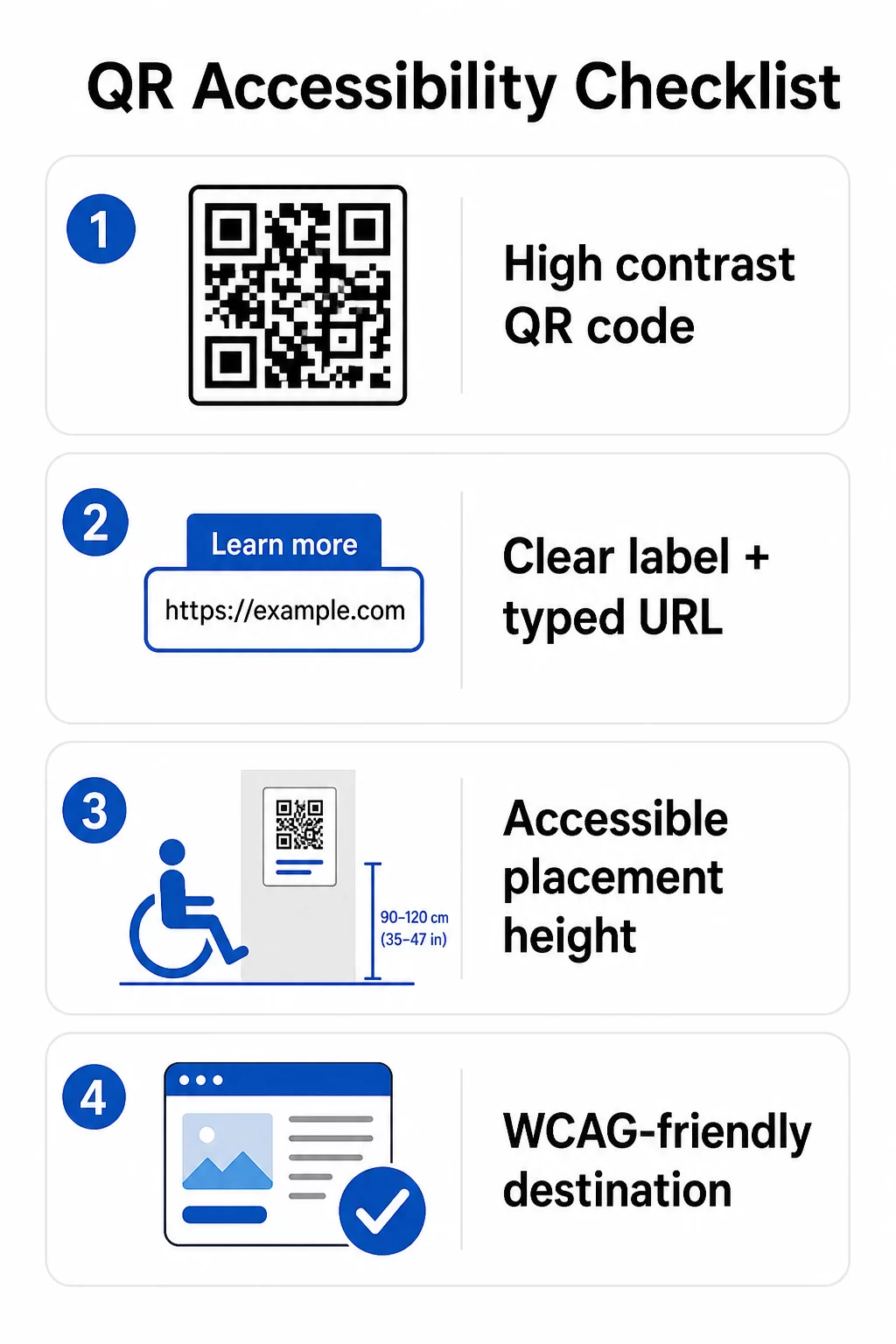
Đối với mã QR vật lý:
- Sử dụng nền tối trên nền sáng, nhắm đến tỷ lệ tương phản ít nhất 4.5:1 để đạt khả năng tiếp cận đầy đủ
- In mã với kích thước tối thiểu 1 inch × 1 inch, và tuân thủ quy tắc 10:1 cho khoảng cách quét (1 inch chiều rộng mã cho mỗi 10 inch khoảng cách xem dự kiến)
- Đặt mã in ở độ cao từ 3.5 đến 4.5 feet so với sàn nhà để người dùng xe lăn có thể dễ dàng tiếp cận
- Thêm nhãn rõ ràng hoặc lời kêu gọi hành động gần đó để người dùng hiểu mã có chức năng gì trước khi quét
- Cung cấp một URL văn bản liền kề hoặc phương án thay thế tương đương để người dùng không thể quét mã QR vẫn có thể truy cập nội dung
Đối với nội dung kỹ thuật số được liên kết:
- Các trang web đích phải đáp ứng tiêu chí thành công WCAG 2.1 Cấp A và AA
- Trong tài liệu kỹ thuật số, mã QR cần văn bản thay thế mô tả mục đích của mã – không phải hình thức trực quan của nó (Tiêu chí thành công WCAG 1.1.1)
- Độ tương phản phi văn bản của các mô-đun mã QR so với nền của chúng phải đạt tỷ lệ ít nhất 3:1 (Tiêu chí thành công WCAG 1.4.11)
- Nếu mã QR hoạt động như một liên kết, văn bản thay thế phải mô tả nơi nó dẫn đến (Tiêu chí thành công WCAG 2.4.4)
Để có danh sách kiểm tra triển khai đầy đủ, hãy xem hướng dẫn của chúng tôi về cách làm cho mã QR tuân thủ ADA và rộng hơn của chúng tôi các phương pháp hay nhất về khả năng sử dụng mã QR.
Bạn cũng có thể khám phá mã QR kích hoạt bằng giọng nói và các tín hiệu xúc giác như các chiến lược nâng cao để phục vụ người dùng khiếm thị – đặc biệt liên quan đến các triển khai trong y tế, giáo dục và chính phủ.
Tạo Mã QR Dễ Tiếp Cận Ngay Từ Đầu Sử dụng Trình tạo mã QR để xây dựng mã QR có độ tương phản cao, kích thước phù hợp với nhãn và thương hiệu rõ ràng – sau đó liên kết chúng với nội dung dễ tiếp cận đáp ứng các tiêu chuẩn WCAG.
Tại Sao Mã QR Dễ Tiếp Cận Là Thực Hành Tốt Vượt Ra Ngoài Tuân Thủ Pháp Lý
Bỏ qua các nghĩa vụ pháp lý, việc làm cho mã QR dễ tiếp cận sẽ mở rộng đối tượng có thể tương tác với nội dung của bạn. Một mã QR không thể tiếp cận không chỉ tạo ra rủi ro pháp lý – mà còn tạo ra một lỗ hổng trong trải nghiệm khách hàng của bạn. Một khách hàng tại nhà hàng không thể đọc menu QR, một bệnh nhân không thể truy cập hướng dẫn sử dụng thuốc, hoặc một sinh viên không thể tải tài liệu khóa học vì một tệp PDF không thể tiếp cận đều là những khoảnh khắc mà tổ chức của bạn đã thất bại trong việc giao tiếp hiệu quả.
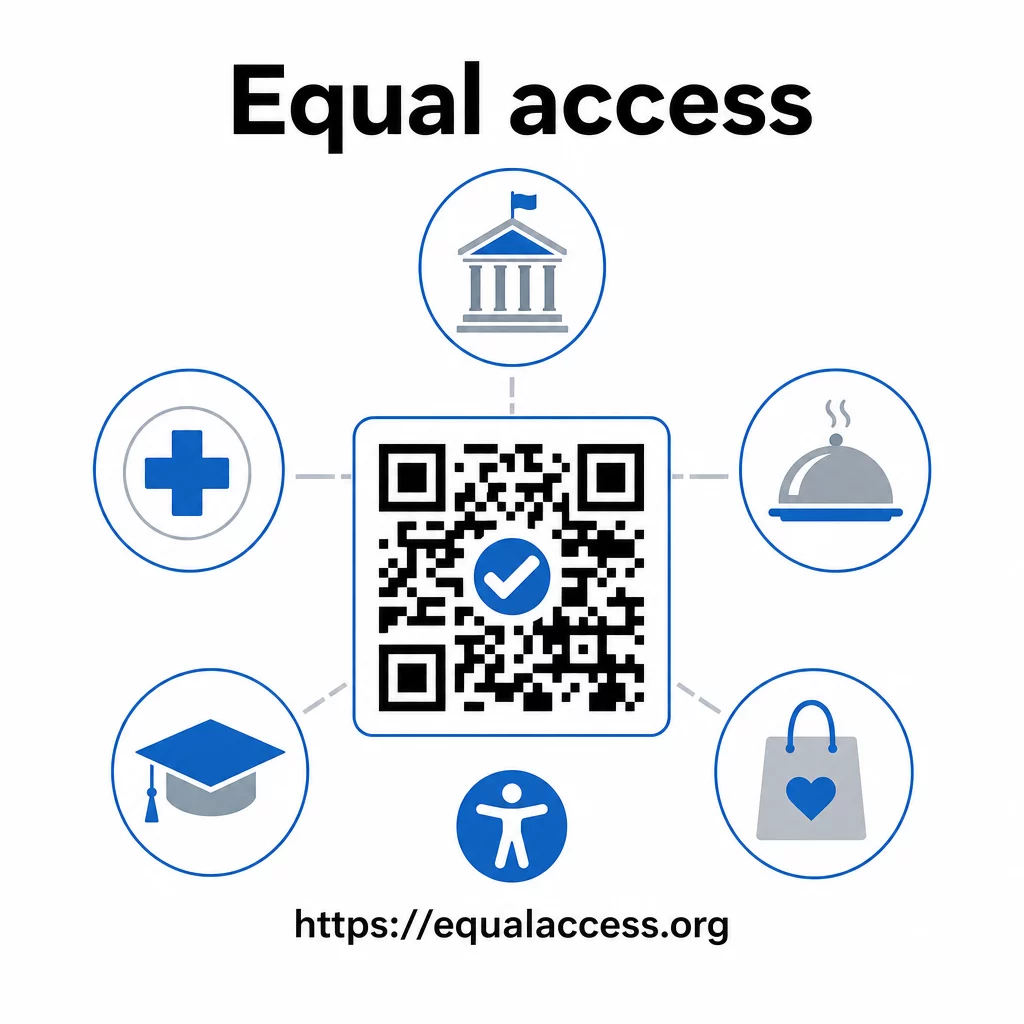
Các thực hành mã QR dễ tiếp cận cũng có xu hướng cải thiện trải nghiệm cho mọi người. Độ tương phản đủ giúp mã quét nhanh hơn trong điều kiện ánh sáng kém. Kích thước phù hợp giúp người dùng ở mọi lứa tuổi quét từ khoảng cách thoải mái. Nhãn rõ ràng giảm sự nhầm lẫn cho người dùng mã QR lần đầu. Những cải tiến này mang lại lợi ích cho toàn bộ đối tượng của bạn, không chỉ người dùng khuyết tật.
Để tìm hiểu sâu hơn về độ tương phản, kích thước, khả năng đọc và vị trí, hãy khám phá các hướng dẫn của chúng tôi về các phương pháp hay nhất về khả năng đọc mã QR và các phương pháp hay nhất về độ tương phản màu của mã QR.
Các nghĩa vụ về khả năng tiếp cận áp dụng rộng rãi trong chính phủ, y tế, giáo dục, khách sạn và bán lẻ – và cùng một tiêu chuẩn kỹ thuật chi phối tất cả. Điểm khởi đầu thực tế rất đơn giản: nếu mã QR là cách bạn truyền đạt thông tin quan trọng, thì thông tin đó phải dễ tiếp cận. Sử dụng mã QR động để bạn có thể cập nhật nội dung được liên kết nhằm duy trì tuân thủ mà không cần in lại, và khám phá toàn bộ các giải pháp mã QR chuyên biệt theo ngành để tìm ra cách triển khai phù hợp cho lĩnh vực của bạn.
Câu hỏi thường gặp
Không có luật nào cụ thể yêu cầu doanh nghiệp sử dụng mã QR. Tuy nhiên, nếu bạn chọn sử dụng mã QR như một phần trong giao tiếp với khách hàng, các yêu cầu về giao tiếp hiệu quả của ADA sẽ được áp dụng. Nếu mã QR là cách chính hoặc duy nhất để khách hàng truy cập thông tin, trải nghiệm đó phải dễ tiếp cận đối với người khuyết tật – bao gồm cả những người khiếm thị hoặc hạn chế vận động.
Các cơ quan chính phủ tiểu bang và địa phương phải đối mặt với các nghĩa vụ rõ ràng nhất theo Điều II của ADA và quy tắc cuối cùng năm 2024 của DOJ, yêu cầu tuân thủ WCAG 2.1 Cấp AA đối với nội dung web và ứng dụng di động. Các doanh nghiệp tư nhân mở cửa cho công chúng – bao gồm nhà hàng, khách sạn, bệnh viện, cửa hàng bán lẻ, trường tư, ngân hàng và phòng tập thể dục – được bảo vệ theo Điều III và phải cung cấp giao tiếp hiệu quả thông qua các phương tiện hỗ trợ và dịch vụ phụ trợ. Các cơ quan liên bang còn được điều chỉnh bởi Mục 508 của Đạo luật Phục hồi chức năng.
Không có một danh sách kiểm tra duy nhất nào được ADA quy định cụ thể cho mã QR, nhưng các thực hành tốt nhất rút ra từ hướng dẫn của WCAG 2.1 và Section 508 bao gồm: sử dụng nền tối trên nền sáng với tỷ lệ tương phản ít nhất 4.5:1; in mã ở kích thước tối thiểu 1 inch × 1 inch; đặt mã vật lý ở độ cao dễ tiếp cận (3.5–4.5 feet so với sàn nhà); cung cấp một URL văn bản gần đó làm phương án thay thế cho người dùng không thể quét; thêm văn bản thay thế mô tả (alt text) trong tài liệu kỹ thuật số; và đảm bảo nội dung đích đáp ứng các tiêu chuẩn WCAG 2.1 Cấp độ AA.