Not sure how to actually use QR codes in your gym or fitness studio beyond a basic website link? Fitness businesses that deploy QR codes strategically reduce administrative friction, keep members more engaged, and convert more walk-ins into paying clients. This guide covers practical, ready-to-implement ideas organized by how they fit into your day-to-day operations.
Why Fitness Businesses Are Adopting QR Codes
The fitness industry has made a lasting shift toward digital touchpoints. Members expect fast, self-serve access to class schedules, workout guides, and account management – and they want all of it on their phones. QR codes bridge the gap between the physical gym environment and the digital content members want, without requiring staff to manually handle every interaction.
Kod QR dinamik are particularly well-suited to fitness businesses. Unlike static codes, where the destination URL is permanently encoded, dynamic codes let you update the linked content at any time without reprinting the physical code. That means you can swap out a seasonal promotion, update a class schedule, or swap a workout video – and the code on your wall continues to work. Dynamic codes also support scan tracking, so you can monitor how many times a code was scanned, from which location, on which device, and at what time.
For an overview of how QR codes are being used across gym operations specifically, see QR codes for gyms and wellness businesses.
Member Check-In and Access Control
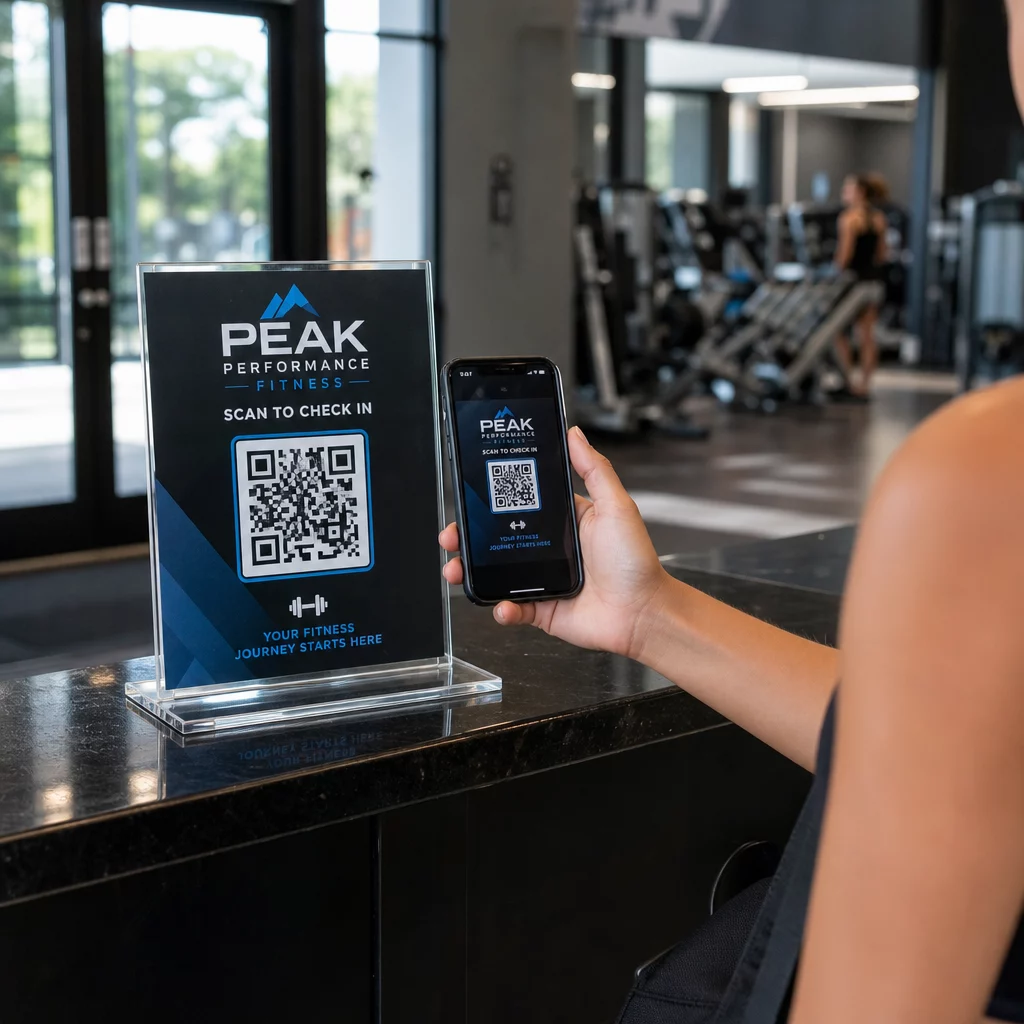
Replacing physical membership cards or sign-in sheets with QR-based check-in is one of the most operationally impactful uses. Members scan a code at the entrance to log their attendance or unlock a turnstile, eliminating queues and reducing front-desk workload.
You can build a simple attendance tracking system using a kod QR pautan that connects to a form or check-in page. Dynamic codes are the better choice here because you can redirect the code to a new check-in URL if your platform changes, without touching the printed signage.
Where to place check-in codes:
- Gym entrance or turnstile
- Front desk counter
- Individual studio or class room doors
New Member Sign-Up and Onboarding

A QR code on a window, flyer, or front-desk display can take a prospective member directly to a sign-up form, waiver, or trial class registration – without a staff member needing to assist. This is especially useful during off-hours or busy peak times when front-desk staff are occupied.
Gunakan a Kod QR Borang Google to give prospects instant access to inquiries, membership registrations, or waiver submissions from their own device. For onboarding existing new members, a single Kod QR PDF can bundle your code of conduct, class schedule, and a starter workout plan into one scannable document.
Streamline New Member Registration Create a scannable sign-up form that potential members can complete on their own phones. Use the Penjana Kod QR Borang Google to link directly to your registration or waiver form – no paper, no manual data entry.
Equipment Tutorials and Workout Guides
Placing a QR code directly on a piece of equipment is one of the clearest wins for member experience. Members scan the code and immediately access a short instructional video, proper form demonstration, or safety guidance for that specific machine. This reduces injury risk and reduces the number of times trainers need to walk someone through basic equipment use.
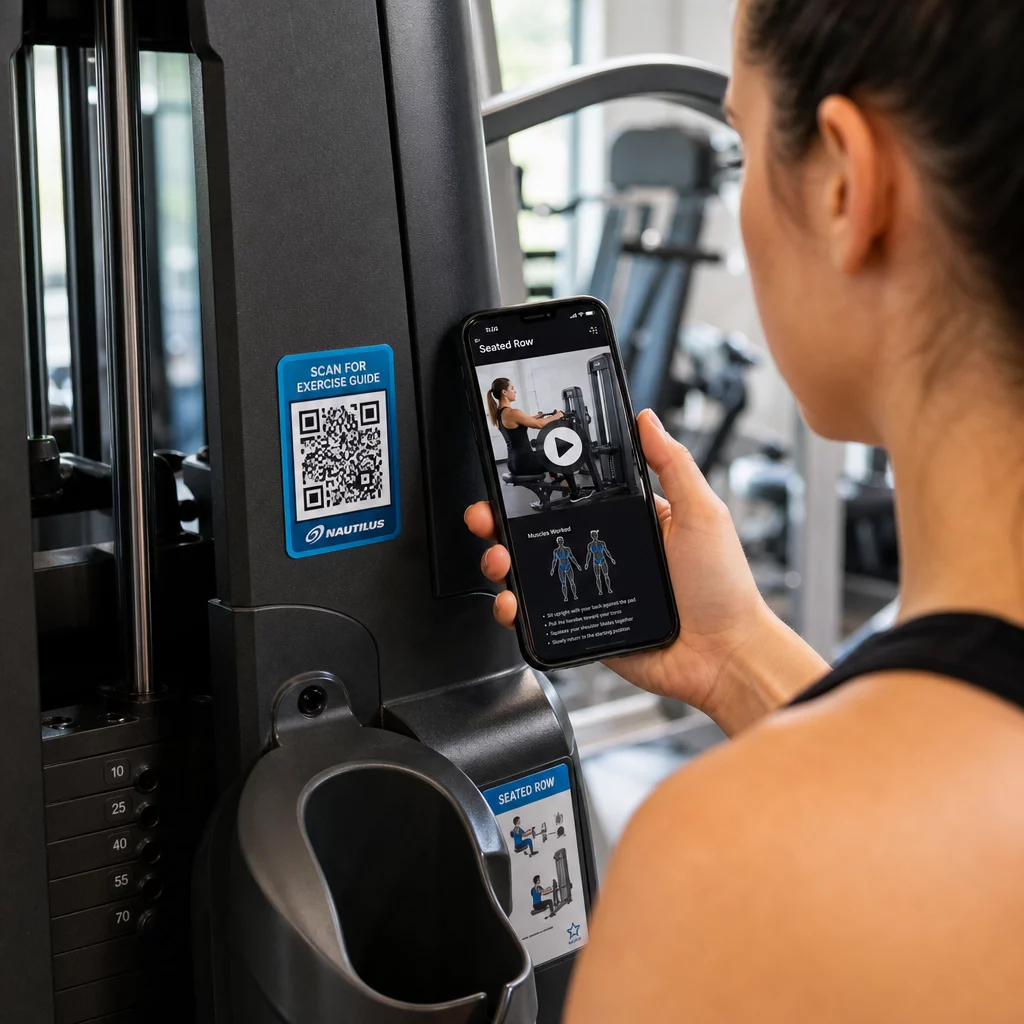
Use dynamic codes for equipment labels. When you update your video content or switch platforms, you simply update the destination – no need to reprint and relabel every machine in your facility.
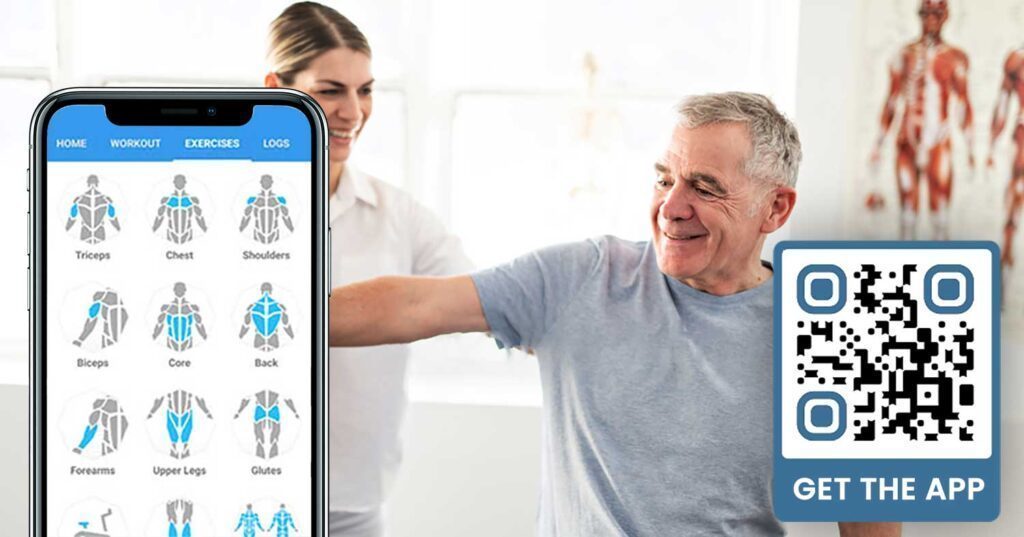
Personal trainers can also use Kod QR PDF to deliver personalized workout plans. Print the code on a card for each client, and update the linked plan as their program progresses.
Class Schedules and Bookings
A QR code posted near your class studio, on a lobby display, or included on a flyer gives members one-tap access to your current class schedule and booking page. This works especially well for studios running multiple class types or instructors, where schedules change weekly.
Because dynamic codes allow content updates without reprinting, you can keep the same printed code on your wall year-round and simply update the linked schedule each week. Read more about how to apply this in practice in bagaimana kod QR meningkatkan pemasaran gim.
Promotions and Limited-Time Offers
QR codes on flyers, posters, and social media posts can link directly to a membership offer, trial class sign-up, or coupon page. When the promotion ends, update the destination rather than reprinting materials.
Some practical placements:
- Window clings with a “Scan for a 7-Day Free Pass” prompt
- Handouts at local events or health fairs
- Posters near the entrance during peak sign-up seasons
Dynamic codes are the recommended choice for promotions because the offer URL changes but the printed material doesn’t have to. For guidance on where and how to place these codes for maximum visibility, see the guide to QR code placement in marketing.
Member Feedback and Google Reviews
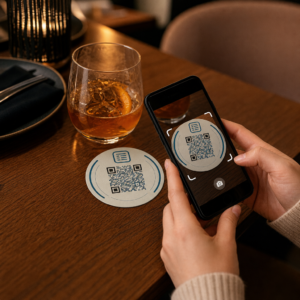
Gathering feedback consistently is difficult when members are rushing in and out. A QR code placed near the exit, in the locker room, or at the juice bar gives members a frictionless way to leave a quick review or complete a satisfaction survey.
A kod QR Ulasan Google placed in high-traffic areas routes members directly to your Google Business review page – no searching required. More reviews improve your local search ranking and give prospective members the social proof they need to choose your gym.
For feedback surveys, a Kod QR Borang Google lets you collect structured input on classes, equipment, staff, and facilities.
Collect More Google Reviews Automatically Place a QR code at your exit or in the locker room and watch your reviews grow. Use the Penjana Kod QR Semakan Google to create a branded code that takes members straight to your review page.
Wi-Fi Access for Members and Guests
Offering Wi-Fi is expected at most modern gyms. A Wi-Fi QR code displayed at reception, near the juice bar, or on locker room walls lets members connect instantly by scanning – no password hunting or manual entry required. This small convenience adds to the overall member experience without requiring any staff involvement.
Social Media Engagement
QR codes placed in high-traffic areas – mirrors, water stations, the lobby – can link directly to your Instagram, YouTube channel, or social profile. Members who are already engaged with your space are the most likely to follow and share. This works well alongside fitness challenges or events where you want to build community participation online.
Fitness Challenges and Events
QR codes make it easy to invite members to participate in structured challenges, workshops, or in-gym events. Place a code on a poster or display board that links to a sign-up form or event details page. Update the linked destination as events change throughout the year – without reprinting the poster.
Placement Tips That Apply Across All Use Cases
Placement quality directly affects how many scans you get. A well-designed code in the wrong location will underperform a simpler code placed where members naturally pause.
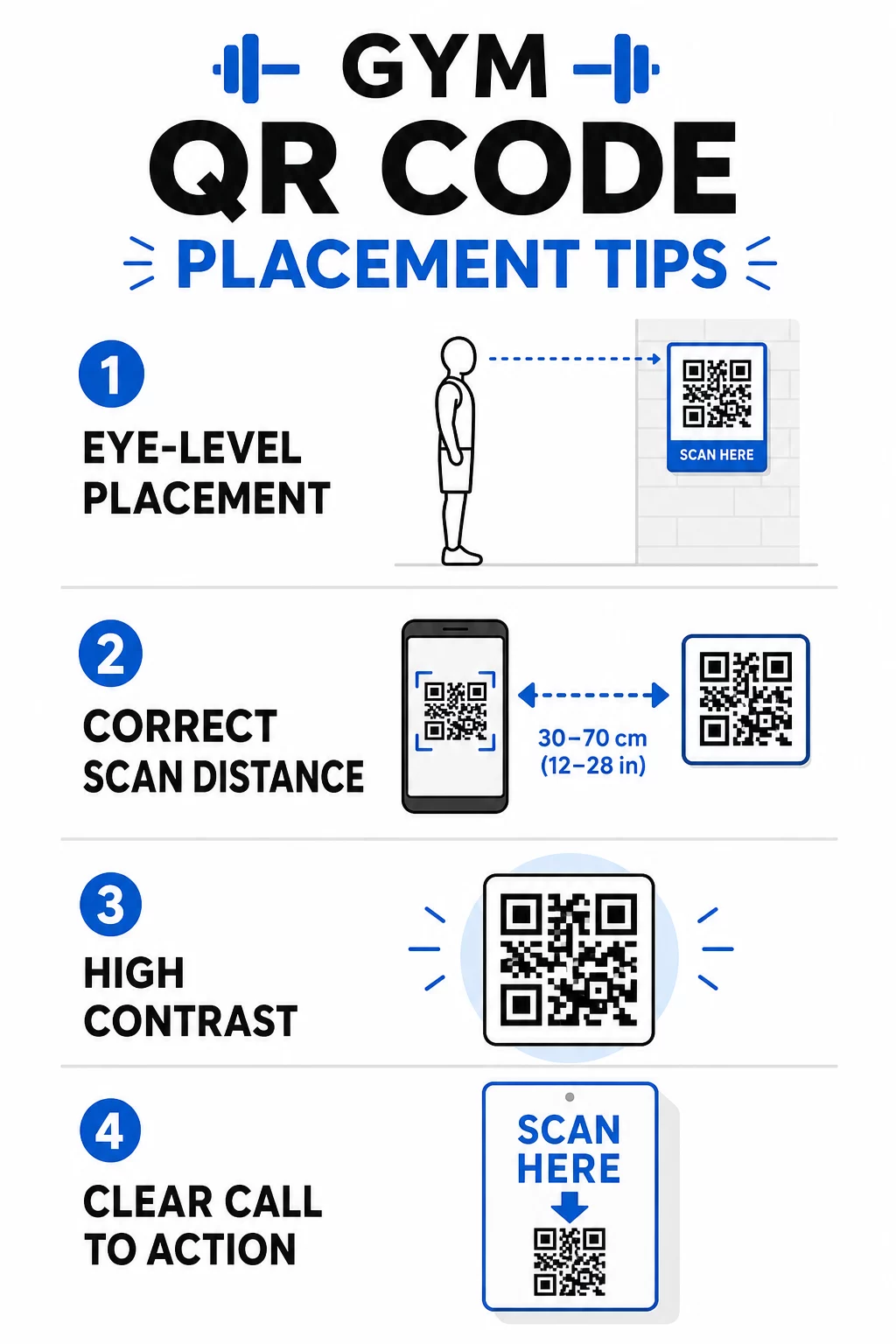
- Position codes at eye level, roughly between 3.5 and 5.5 feet from the floor
- Use the 10:1 sizing rule: for every 10 inches of expected scanning distance, the code should be at least 1 inch wide
- Prioritize high-contrast design: dark patterns on light backgrounds scan reliably under gym lighting conditions
- Add a clear call to action next to every code (“Scan for workout tips,” “Scan to check in,” “Leave us a review”)
For detailed technical guidance on sizing and readability, see amalan terbaik untuk kebolehbacaan kod QR. Every QR code you deploy in your gym is an opportunity to reduce friction for members and reduce manual work for your team. Start with one or two high-impact placements – check-in, equipment guides, or Google reviews – and track the results before expanding. Use the penjana kod QR to create branded, dynamic codes you can update without reprinting, and use the built-in analytics to see which placements are driving the most engagement.
Soalan Lazim
A static QR code permanently encodes the destination URL – once printed, you cannot change where it points. A dynamic QR code stores a short redirect URL, so you can update the destination at any time without reprinting the code. For fitness businesses, dynamic codes are the better choice because class schedules, promotions, and workout content change frequently, and dynamic codes also provide scan analytics so you can track performance.
The most effective placements are at the entrance for check-in, directly on equipment for tutorials, near exits and locker rooms for reviews and feedback, at the front desk for sign-ups, and in high-traffic areas like water stations or the juice bar for social media and promotions. Position codes at eye level (roughly 3.5 to 5.5 feet from the floor) with a clear call to action next to each one.
Yes, each QR code should link to a single, specific destination to keep the member experience clear and focused. A check-in code should go to your check-in page, an equipment code should go to that machine’s tutorial, and a review code should go directly to your Google review page. Using a QR code management platform lets you organize all your codes in one dashboard, update destinations independently, and track the performance of each code separately.