首页 > QR新闻 > How to Create a QR Code Generator for Marketing
Marketing QR code scan

How to Create a QR Code Generator for Marketing

Learn to generate QR codes for marketing to track performance and bridge the offline-online gap. Master dynamic codes, custom designs, and scan data analytics.
Updated on 6 月 10, 2026
目录

Does your printed marketing material drive zero measurable traffic? Physical touchpoints like flyers, packaging, and signage are difficult to connect to digital outcomes – unless you use QR codes strategically. This guide covers how to generate marketing QR codes and use them to track performance, boost engagement, and bridge the gap between offline and online.

Why Businesses Use QR Codes in Marketing

QR codes solve a fundamental friction point in marketing: getting someone from a physical surface to a digital destination without typing. A scan takes under a second. That ease of access translates directly into higher engagement – which is why adoption has surged well beyond the early, failed rollouts of 2011.

Back then, Best Buy and Macy’s were among the first brands to test QR codes at scale. The technology wasn’t the problem – slow mobile internet, limited smartphone penetration, and desktop-only landing pages killed the experience before it started. Today, those barriers are gone. High-speed mobile internet, native camera scanning on iOS and Android, and mobile-optimized web experiences have made QR codes genuinely practical.

From a marketing perspective, the real advantage isn’t just convenience – it’s data. When you use 动态二维码, every scan generates a record: when it happened, where, on what device, and through which campaign. That’s the kind of attribution data that was once exclusive to digital-only channels.

Start Tracking Your QR Code Campaigns Want to see real-time scan data, geographic breakdowns, and device analytics for every code you deploy? Use the 二维码生成器 to create trackable, editable codes with a built-in performance dashboard.

静态二维码与动态二维码:您应该使用哪种?

Before you generate a code, you need to choose the right type. The distinction matters significantly for marketing use.

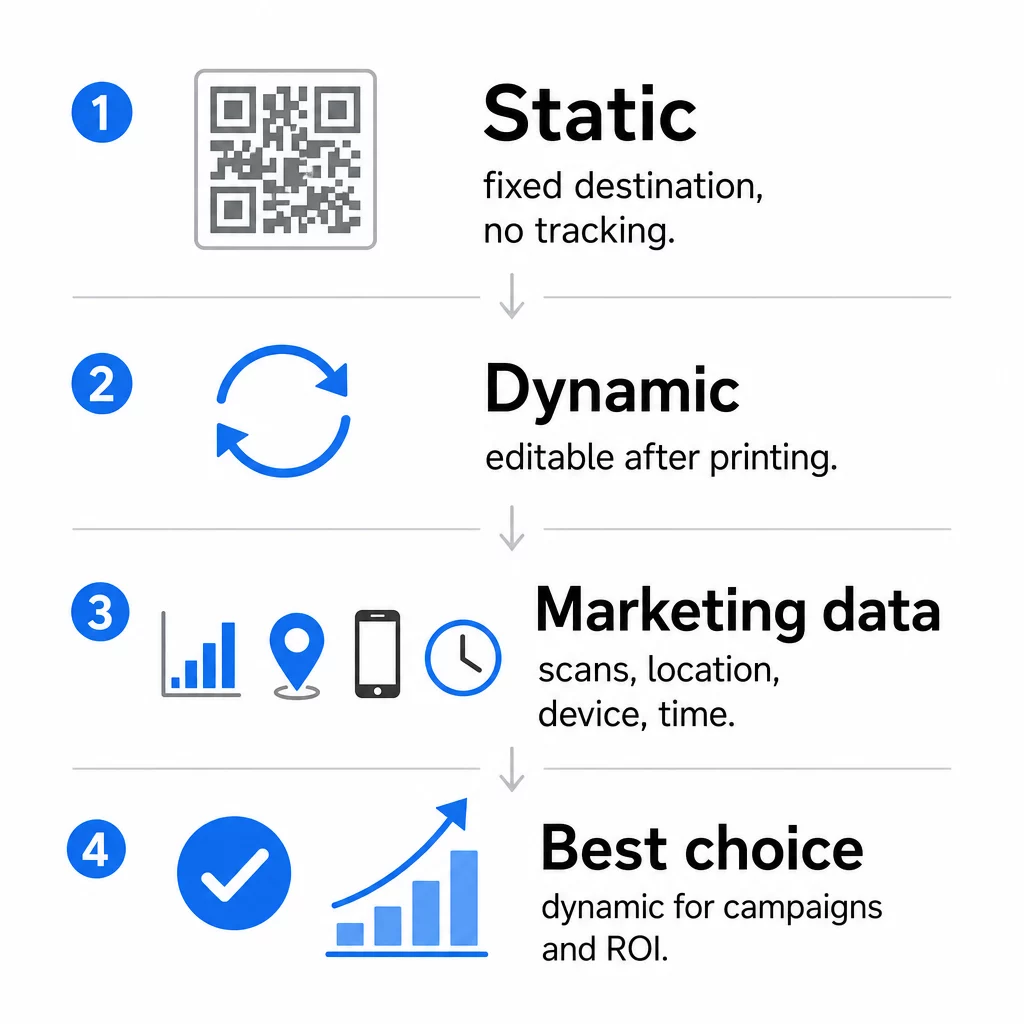
静态二维码 encode data directly into the pattern itself. Once printed, the destination cannot be changed. They have no built-in tracking, generate denser patterns for complex URLs, and offer no flexibility after deployment. They work fine for permanent, low-stakes use cases like a Wi-Fi password or a fixed contact card.

动态 QR 码 encode a short redirect URL. The actual destination is stored in a management platform and can be updated at any time – even after printing. This means you can fix a broken link, swap out a seasonal landing page, or redirect to a new promotion without reprinting a single piece of collateral.

For marketing campaigns, dynamic QR codes are almost always the better choice. They support real-time analytics, A/B testing, UTM parameter tracking, and geo-targeting. If you’re measuring ROI on print materials, dynamic codes are what make that possible.

静态与动态二维码

How to Generate a QR Code for Marketing

Creating a QR code for a campaign takes less than five minutes. Here’s how the process works using Pageloot:

  • 选择二维码类型 – Select the content type that matches your goal: a URL, PDF, vCard, form, app store link, Wi-Fi credentials, video, or another format. The 链接二维码生成器 is the most common starting point for campaign traffic.
  • Enter your destination – Paste the URL or upload the file you want the code to point to. For tracking purposes, use a UTM-tagged URL so scans appear as a distinct source in Google Analytics.
  • 定制设计 – Add your logo, set brand colors, choose a frame style, and write a call-to-action. Branded QR codes consistently outperform generic black-and-white ones because they build visual trust and stand out on printed materials. The 带标志的二维码生成器 makes this straightforward.
  • Download in the right format – For print, download a vector file (EPS, PDF, or SVG) to ensure sharp output at any size. Never use a low-resolution raster image for print production.
  • Test before you print – Scan the code yourself using multiple devices and lighting conditions. If it fails on an older Android or in low light, adjust the design before committing to a print run.

Create a Branded QR Code in Minutes带标志的二维码生成器 lets you customize colors, add your logo, and apply call-to-action frames – all from a single dashboard.

Nine Ways to Use QR Codes in Your Marketing

Drive Traffic to a Landing Page

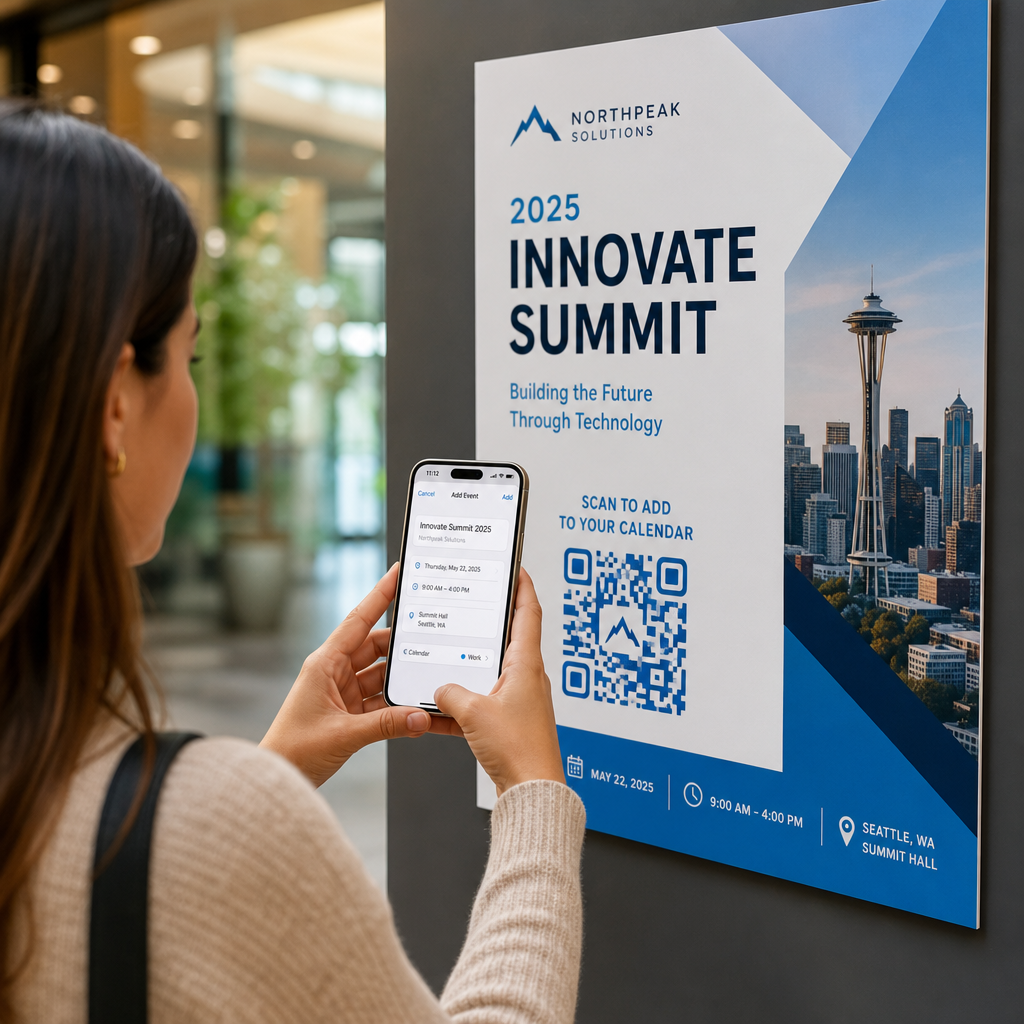
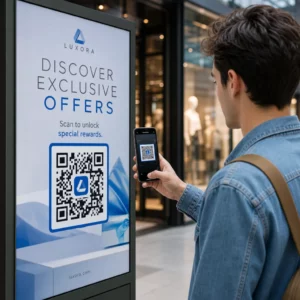
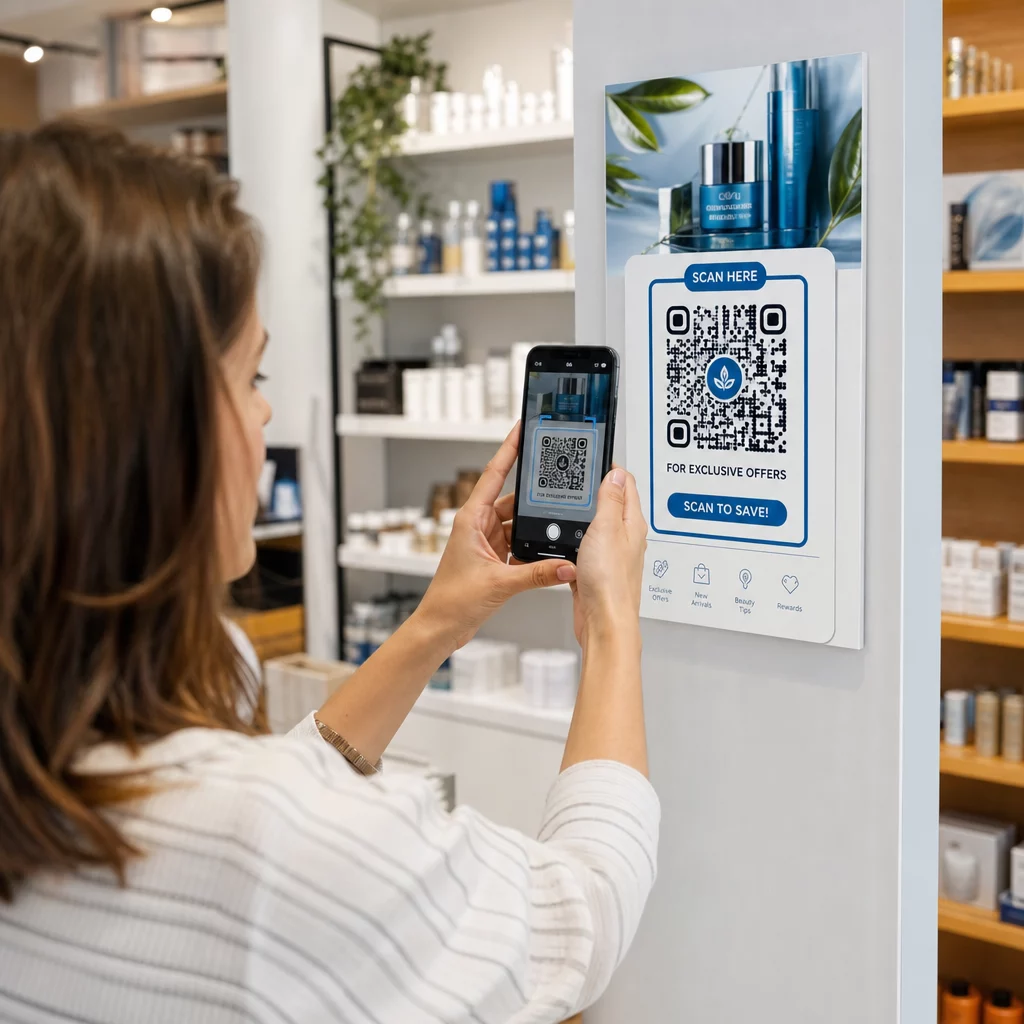
A QR code removes every barrier between a physical touchpoint and your campaign landing page. Customers don’t need to type a URL or search for your brand – one scan takes them directly where you need them. Always pair the code with a clear call-to-action that explains what they’ll get by scanning: a discount, a guide, a booking form, or exclusive content.

Send a Direct Message

QR codes can trigger pre-filled messages via SMS, WhatsApp, Telegram, or Facebook Messenger. This is one of the most underused marketing applications. Open rates on direct smartphone messages are substantially higher than email, making this an effective route for promotions, appointment reminders, or customer support flows.

Collect Reviews and Feedback

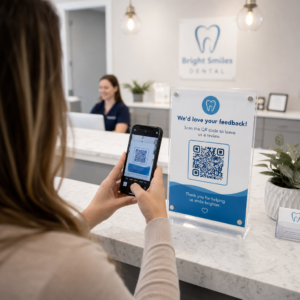
More than 90% of online shoppers consult reviews before purchasing. QR codes on receipts, packaging, or signage can send customers directly to your Google Business profile, product review page, or a feedback survey. To increase response rates, offer a discount code or small incentive in exchange for their input.

Share Your Business Location

A QR code linking to your Google Maps listing saves customers the friction of searching manually. This is particularly useful on printed materials like takeout menus, trade show displays, or vehicle wraps where typing an address isn’t practical.

Grow Your Social Media Following

Point a QR code directly at your social profile, or use an intermediate page that displays links to all your channels. You can also configure codes to trigger a Facebook Like or YouTube Subscribe prompt automatically upon scan – a low-friction way to build your audience from physical touchpoints.

Promote App Downloads

Use a smart app store QR code that detects the user’s device and routes them to the correct store – Apple App Store or Google Play – automatically. This removes a step and eliminates the frustration of landing on the wrong platform. You can also use an intermediate content page to warm up the user before the download request.

Send a Pre-Filled Email

A QR code can open the user’s email client with a pre-populated recipient address, subject line, and body text. This works well for customer support requests, partner inquiries, or event RSVPs where you want structured responses without building a form.

Link to E-Commerce Products

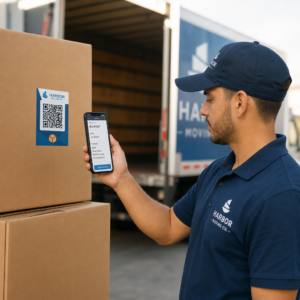
QR codes on packaging, shelf displays, or printed brochures can link directly to product detail pages, instructional videos, warranty registration, or customer reviews. This reduces the amount of text you need to print on packaging while giving customers access to richer information on demand.

Share Wi-Fi Access

A Wi-Fi QR code lets customers connect to your network with a single scan – no password typing required. Place it inside your location to ensure customers physically enter the space before connecting. This small detail extends dwell time and creates more opportunities for in-store engagement.

Design and Placement Principles That Affect Scan Rates

A QR code that nobody scans has zero value. Design and placement choices directly determine whether your code gets used.

Size matters. For close-range materials like business cards and flyers, a minimum size of approximately 1 inch (2.5 cm) square is the baseline. Posters should use at least 2 inches (5 cm). For outdoor signage, apply the 10:1 rule: the code’s width should be at least one-tenth of the expected scanning distance.

Contrast is non-negotiable. Dark pattern on light background is the most reliable combination. Low-contrast or inverted designs introduce scanning failure, especially under variable lighting. Test any non-standard color combination rigorously before printing at scale.

Quiet zone is required. Every QR code needs a blank margin at least four modules wide on all sides. Without it, scanners struggle to distinguish the code from surrounding graphic elements, and scan failure rates increase.

Surface and finish affect performance. Highly glossy, reflective, or ribbed surfaces can distort the QR pattern and reduce scan success. Non-reflective, flat surfaces on non-bleeding substrates are consistently more reliable.

Placement determines visibility. Eye-level placement – roughly 3.5 to 5.5 feet from the ground on signage – maximizes accessibility. Avoid placing codes near folds, edges, or areas that are regularly obscured. For a full breakdown of placement strategy by material type, see the 营销中二维码放置的终极指南.

How to Track QR Code Performance

Generating a code is only half the work. Measuring what happens after the scan is where campaign optimization begins.

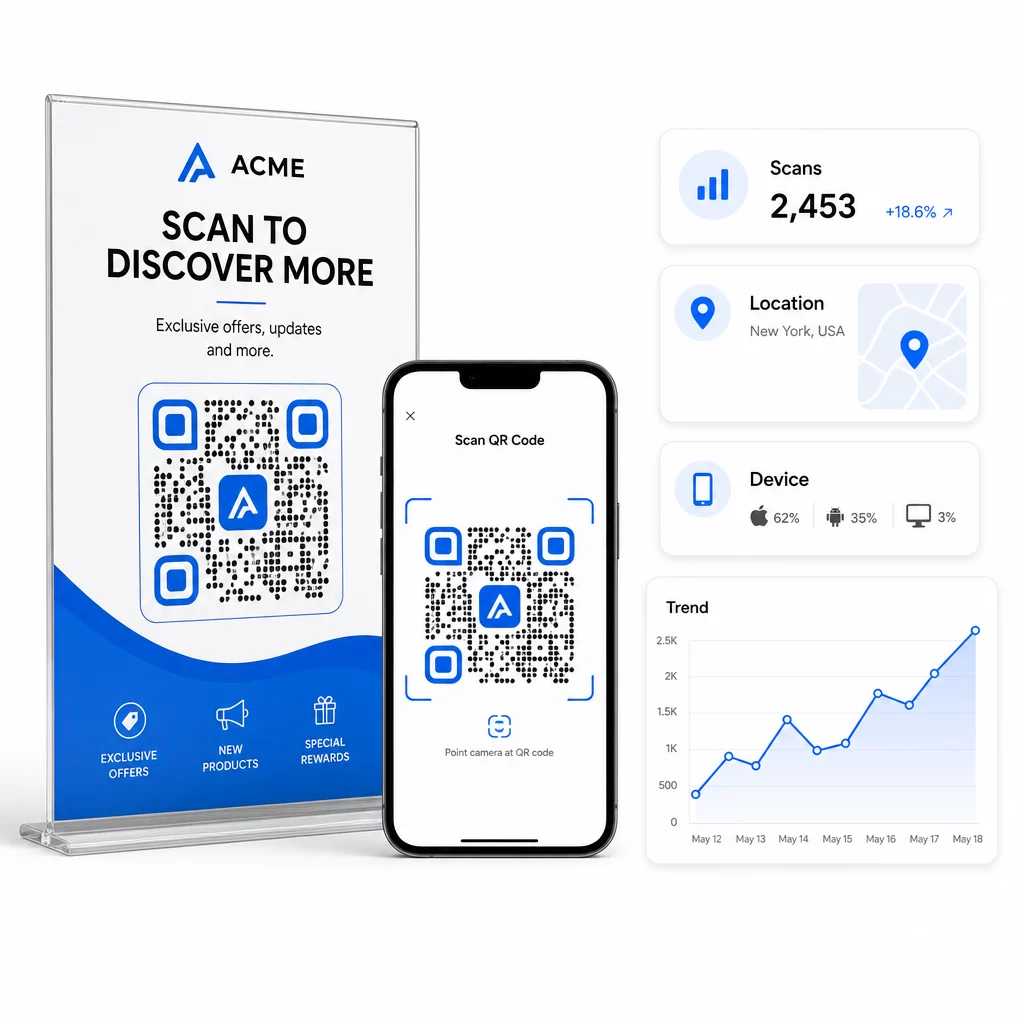
With dynamic QR codes, every scan produces trackable data: total scans, unique scans, timestamps, geographic location, device type, and operating system. This lets you answer questions like: Which printed materials are actually driving traffic? Which locations perform best? What time of day do customers engage?

二维码扫描分析

For deeper attribution, add UTM parameters to your destination URLs before embedding them in the QR code. This routes QR-driven traffic into Google Analytics as a distinct source, where you can analyze engagement, conversion rates, and behavior separately from other channels. A consistent naming convention – for example, `utm媒介=二维码code` and `utmsource=storedisplay` – makes reporting clean and comparable across campaigns. For a detailed setup guide, see the UTM parameters for QR codes article.

Pageloot’s built-in dashboard consolidates this data in one place: scan counts, geographic breakdowns, device reports, and campaign-level comparisons – without requiring a separate analytics setup for basic metrics.

Monitor Every Scan in Real Time动态二维码生成器 gives you a full performance dashboard with geographic data, device breakdowns, and scan trends. Update destinations without reprinting anytime your campaign changes.

Build a QR Code Marketing Strategy That Scales

One-off QR codes are a starting point. A coordinated strategy is what generates compounding returns.

Before generating codes, define what each one is meant to accomplish – and make sure the destination delivers on that promise. A code that sends someone to a non-mobile-optimized page, a 404, or an irrelevant homepage will erode trust and eliminate any reason to scan again.

使用 dynamic QR codes for campaigns with defined start and end dates, rotating promotions, or locations that share materials across seasons. The ability to update the destination without reprinting means your physical collateral stays current even when your campaign changes.

For a step-by-step approach to planning and executing a QR code campaign, the 小型企业二维码营销清单 covers goal-setting, code type selection, design best practices, and post-launch optimization in a structured format.

The brands that see real results from QR codes treat them as a performance channel – one where placement, design, destination, and tracking are all planned in advance. That discipline is what separates a scan rate of 0.5% from one worth reporting.

常见问题

What is the difference between a static and a dynamic QR code for marketing?

A static QR code encodes the destination directly into its pattern and cannot be changed after creation. It also provides no scan data. A dynamic QR code stores a short redirect URL, which means you can update the destination anytime – even after printing – and track every scan with data on location, device, and timing. For most marketing campaigns, dynamic QR codes are the better choice because they support tracking, A/B testing, and campaign updates without reprinting.

How do I track how many people scan my QR code?

You need a dynamic QR code connected to a tracking platform. When someone scans the code, the platform records the event and captures data including scan count, timestamp, geographic location, and device type. You can also add UTM parameters to your destination URL so that QR-driven traffic appears as a separate, identifiable source in Google Analytics. Pageloot’s dashboard provides this data in real time without requiring a separate analytics configuration for basic metrics.

What size should a QR code be on printed marketing materials?

For business cards and flyers, use a minimum size of about 1 inch (2.5 cm) square. For menus and brochures, aim for at least 1.5 inches (3.8 cm). For posters, use at least 2 inches (5 cm). For billboards and outdoor signage, apply the 10:1 rule: the code’s width should be at least one-tenth of the maximum expected scanning distance. Always maintain a blank quiet zone of at least four modules wide on all sides, and use high contrast – dark pattern on a light background – to ensure reliable scanning.

关于作者

Siim Kostabi 是 Pageloot 的内容主管,负责撰写关于我们创新型二维码生成器服务的文章。凭借五年多来在二维码领域积累的深厚专业知识,Siim 是该领域的专家。他致力于利用二维码技术简化和增强数字交互,并取得了显著的成果。.

类别
了解更多关于
Modern barcode scanning
是条码死的?
QR QR码的#1解决方案

如果您需要在线创建QR码,则可以 制作二维码 就在这里免费!
Pageloot是 #1转到解决方案 创建和扫描QR码。

QRN-009

博客生成器

受到超过 20,000 个品牌的信赖,可获得更多销售、评论和关注者。

客户徽标
受到顶级品牌的信赖
评分为 4.8(共 5)

4.86 / 5 星评级

雨果·劳伦特
雨果·劳伦特
餐馆老板
有史以来最容易和最可靠的QR码生成器。PDF文件可以立即上传。我们的餐厅菜单现在是数字化的。
卢卡斯-詹森
卢卡斯-詹森
房地产开发商
这是一个很好的工具,二维码带你到你想要的地方。我们只使用位置二维码,但有许多有用的功能。
艾玛-莫雷蒂
艾玛-莫雷蒂
零售产品
易于使用和快速。它工作得很好,创造了一个完美的图像,所以员工可以下载我的vCard。
雨果·劳伦特
雨果·劳伦特
餐馆老板
有史以来最容易和最可靠的QR码生成器。PDF文件可以立即上传。我们的餐厅菜单现在是数字化的。
卢卡斯-詹森
卢卡斯-詹森
房地产开发商
这是一个很好的工具,二维码带你到你想要的地方。我们只使用位置二维码,但有许多有用的功能。
艾玛-莫雷蒂
艾玛-莫雷蒂
零售产品
易于使用和快速。它工作得很好,创造了一个完美的图像,所以员工可以下载我的vCard。
查看更多QR码
将一切转化为数字体验 不到3分钟。

免费试用 14 天。

无需信用卡。

首次购买可享受 30% 折扣

使用代码:

分享您的 MP3 文件

注册以创建 PDF QR 码

上传和显示你需要的一切。

  • 音频文件
  • 播客
  • 音乐

注册即可享 14 天免费试用。.
试用期结束后,二维码将失效。.

注册以创建音频 mp3 二维码

使用边框获得更多扫描

注册以向您的二维码添加更多框架

呼叫行动框架帮助您的客户与QR码轻松互动。试试吧!

注册即可享 14 天免费试用。.
试用期结束后,二维码将失效。.

注册以向您的二维码添加更多框架

使用形状添加更多样式

注册以创建更多形状

二维码不一定是方形的。试着改变它以适应你的品牌形象。

注册即可享 14 天免费试用。.
试用期结束后,二维码将失效。.

注册以创建更多形状

为您的二维码添加徽标

注册以将您的徽标添加到二维码中

通过在二维码上添加你的标志和品牌,使你的二维码脱颖而出。

注册即可享 14 天免费试用。.
试用期结束后,二维码将失效。.

注册以将您的徽标添加到二维码中

智能应用商店重定向

注册以创建应用商店二维码

将您的应用程序链接添加到我们的智能应用程序商店QR码。用户会根据他们的设备被重新定向。

注册即可享 14 天免费试用。.
试用期结束后,二维码将失效。.

注册以创建应用商店二维码

将图片上传到二维码

注册以创建图像二维码

轻松分享你的图像。在几秒钟内动态地改变任何图像。

注册即可享 14 天免费试用。.
试用期结束后,二维码将失效。.

注册以创建图像二维码

分享您的 PDF 文件

注册以创建 PDF QR 码

上传和显示你需要的一切。

  • 菜单和价格表
  • 使用说明
  • 任何文件

注册即可享 14 天免费试用。.
试用期结束后,二维码将失效。.

注册以创建 PDF QR 码

稍后编辑,无需打印

注册即可编辑您的二维码,无需再次打印

动态QR码让你改变你的QR码的内容,而不需要打印新的QR码。

注册即可享 14 天免费试用。.
试用期结束后,二维码将失效。.

注册即可编辑您的二维码,无需再次打印

何时?何地?追踪您的二维码扫描

注册以追踪您的二维码

发现你的哪些二维码收到了最多的扫描,以及什么最能让你的客户兴奋。

注册即可享 14 天免费试用。.
试用期结束后,二维码将失效。.

注册以追踪您的二维码

提供可打印文件

注册以创建 PDF 和 SVG 等矢量二维码

.EPS, .PDF, .SVG

想下载高清分辨率的QR码吗?获得矢量或像素格式,可随时打印。

注册即可享 14 天免费试用。.
试用期结束后,二维码将失效。.

注册以创建 PDF 和 SVG 等矢量二维码

请等待。您的二维码是 正在加载... 正在加载...

打造专属

注册以保存您的二维码以供日后使用

通过创建具有不同颜色、标识和行动呼吁框架的出色的QR码,获得更多的扫描。

注册即可享 14 天免费试用。.
试用期结束后,二维码将失效。.

注册以保存您的二维码以供日后使用