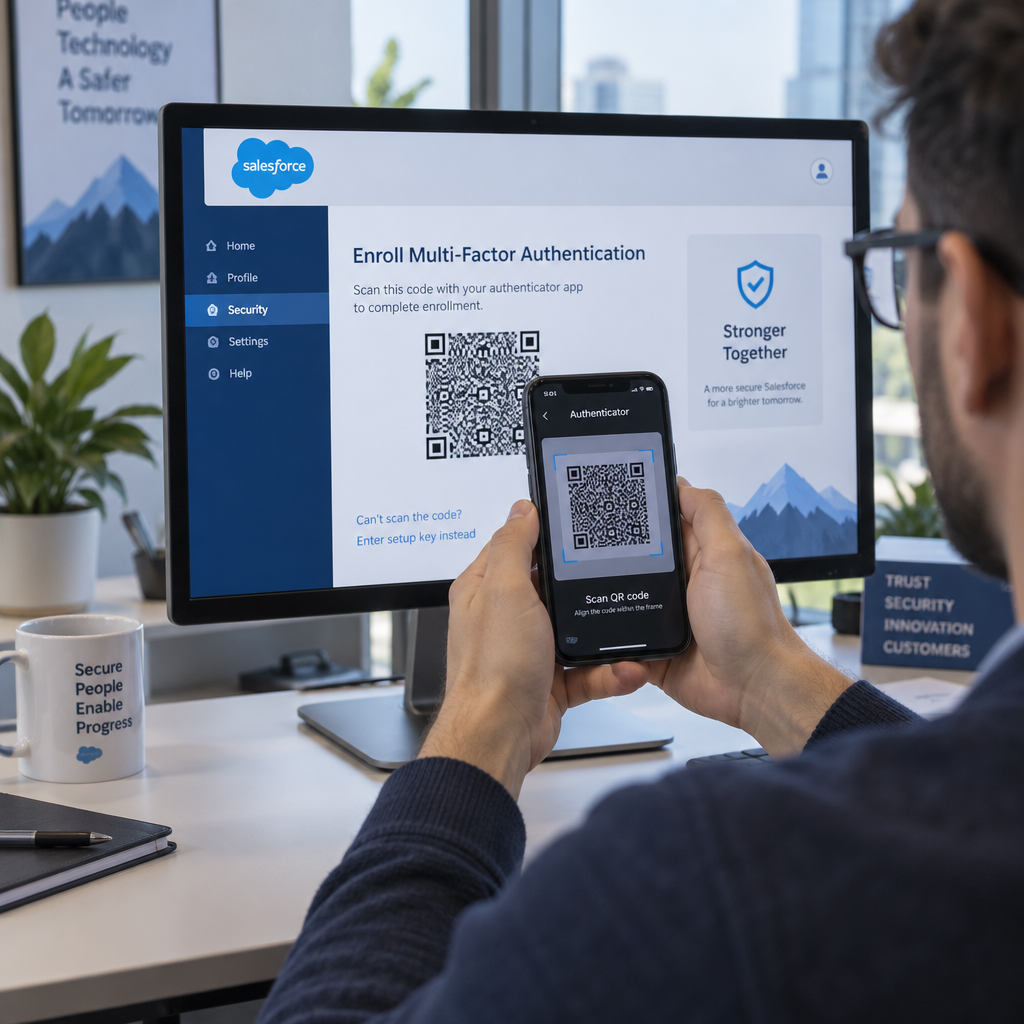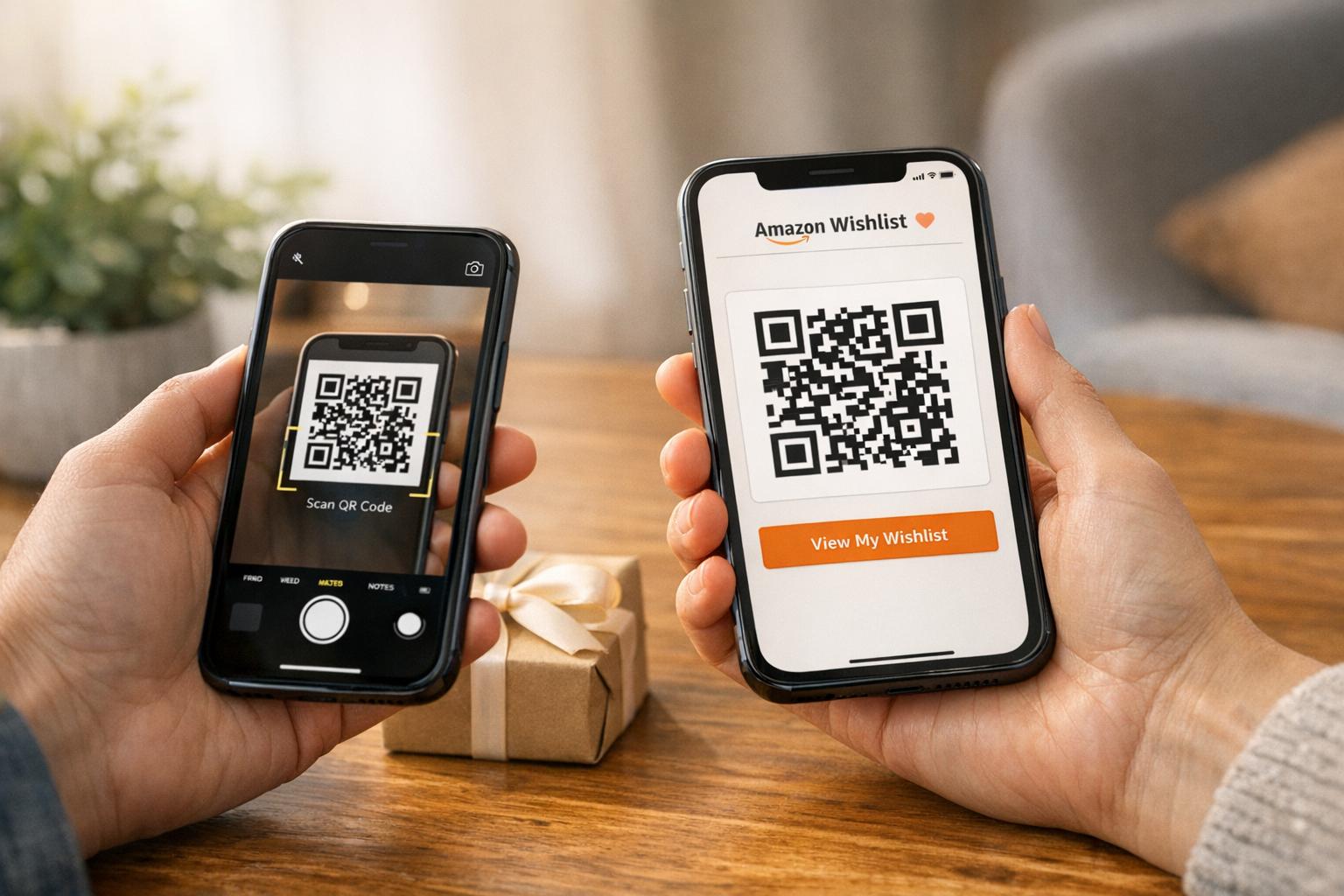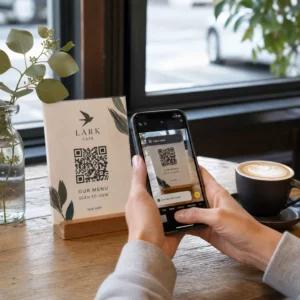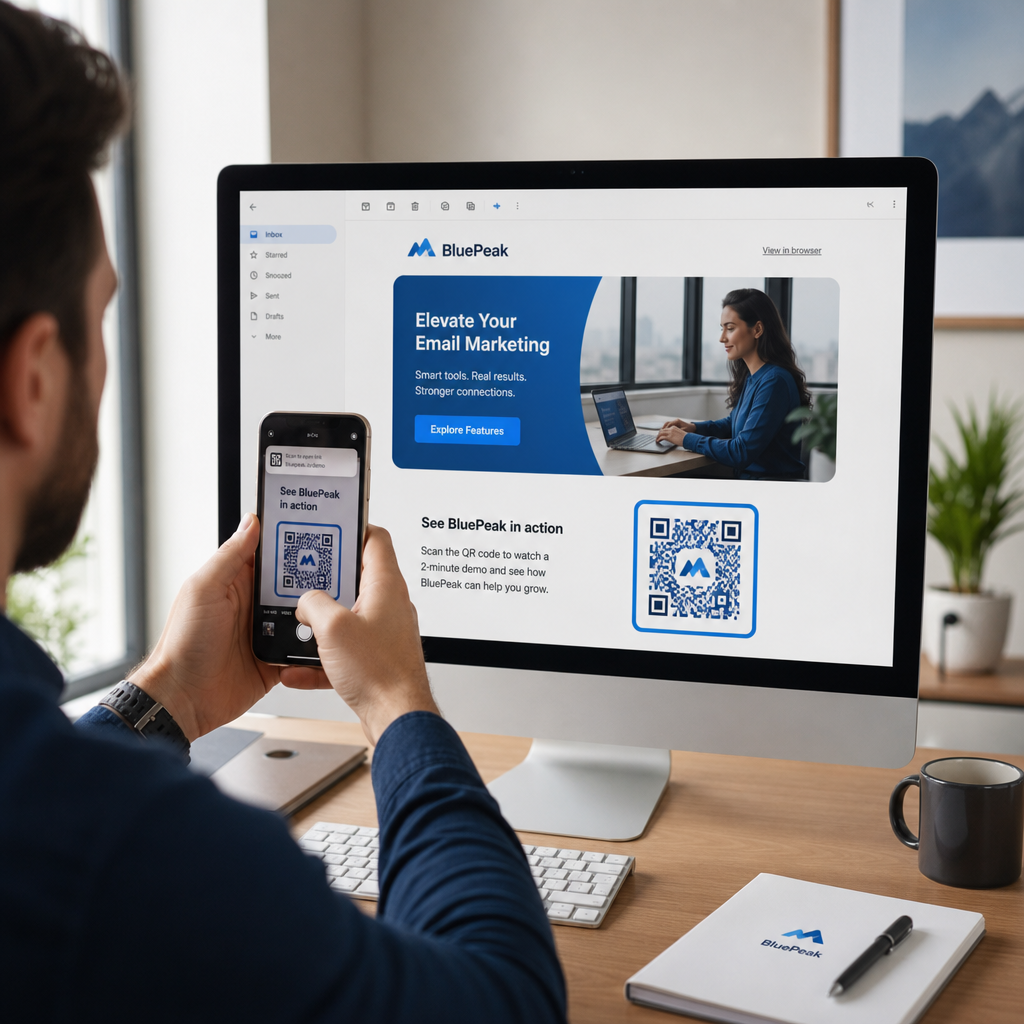
Are your email subscribers ignoring text links when reading messages on desktop screens? When recipients open emails on a computer, forcing them to manually search for mobile apps or type long web addresses creates unnecessary friction. Incorporating scannable codes into your email marketing provides a direct bridge between desktop viewing and mobile execution.
How QR Codes Bridge the Desktop-to-Mobile Gap
Most email campaigns face a cross-device hurdle: subscribers frequently read promotional emails on a desktop or laptop computer, but the intended action – such as installing a mobile app, saving a contact card, or adding an event pass – belongs on a smartphone.
Placing a scannable graphic inside an email allows recipients to open their smartphone camera, point it at their computer screen, and immediately trigger an action on their mobile device. This cross-device interaction reduces drop-off rates for workflows that require mobile participation. Marketers can also use this cross-channel strategy to povežete društvene medije i email marketing, guiding desktop newsletter readers straight to active social profiles.
Practical Use Cases for Email Marketing Campaigns
Including a scannable element in an email should always serve a clear functional purpose. Here are key scenarios where adding a scannable code outperforms standard text links alone:
- Driving App Downloads: Route desktop readers directly to the iOS App Store or Google Play Store based on their phone’s operating system.
- Adding Wallet Loyalty Cards: Transfer event passes, tickets, or digital coupons from desktop displays straight into Apple Wallet or Google Wallet.
- Updating Contact Details: Allow business contacts to save sales representative details directly into their phone address book via vCards.
- Triggering Pre-Filled Messages: Open mobile email clients or messaging apps pre-populated with recipient information and inquiry text.
- Simplifying Form Submissions: Direct readers to mobile-optimized surveys or subscription management pages. If you run newsletter campaigns, you can seamlessly connect scannable elements with Mailchimp email workflows to streamline subscriber sign-ups.
Create Flexible Email Campaign Codes Need to update your promotional link after sending an email? Use the Generatora dinamičkih QR kodova to modify destination links anytime and monitor scan performance in real time.
Critical Best Practices for Email Scannability and Accessibility
When placing scannable graphics into email templates, technical execution determines whether subscribers can successfully interact with your content. Following established visual and accessibility standards ensures every subscriber can participate without technical barriers.
Always Provide an Equivalent Text Link
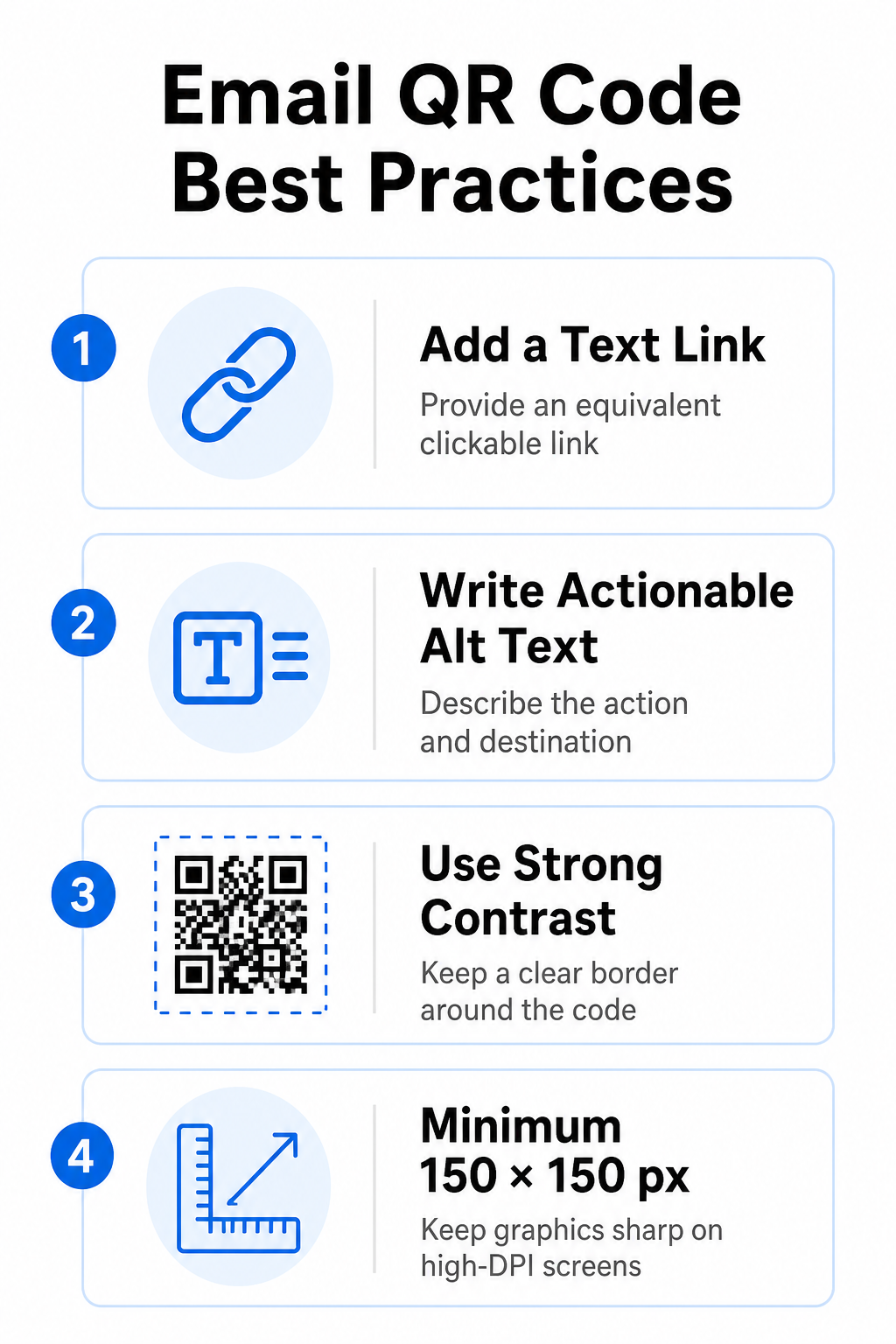
A scannable graphic must never be the exclusive method for accessing information in an email message. Accessibility standards require a standard, clickable hyperlink placed adjacent to or directly beneath the graphic. This ensures that subscribers reading the email on a mobile device – where scanning their own screen is impossible – or those using screen readers can easily access the destination link.
Include Actionable Alt Text
Email clients frequently block images by default. If your graphic fails to load immediately, screen readers and subscribers rely on alternative text to understand the content. Use descriptive alt text that explains the specific action and destination, such as `alt=”Scan QR code to claim your 20% discount coupon”`, rather than describing the graphic visually.
Ensure High Color Contrast and Quiet Zones
Scanners require high contrast between dark foreground patterns and light background spaces. Dark codes placed on light backgrounds maximize light absorption and ensure rapid camera detection. Avoid using light-colored codes on light backgrounds or dark patterns against dark email template sections. Additionally, maintain an unobstructed border – known as a quiet zone – around the perimeter of the code to prevent surrounding email design elements from interfering with scanner recognition. Review these structural parameters in our guide on najbolje prakse za čitljivost QR kodova before building your templates.
Size Graphics for High-DPI Displays
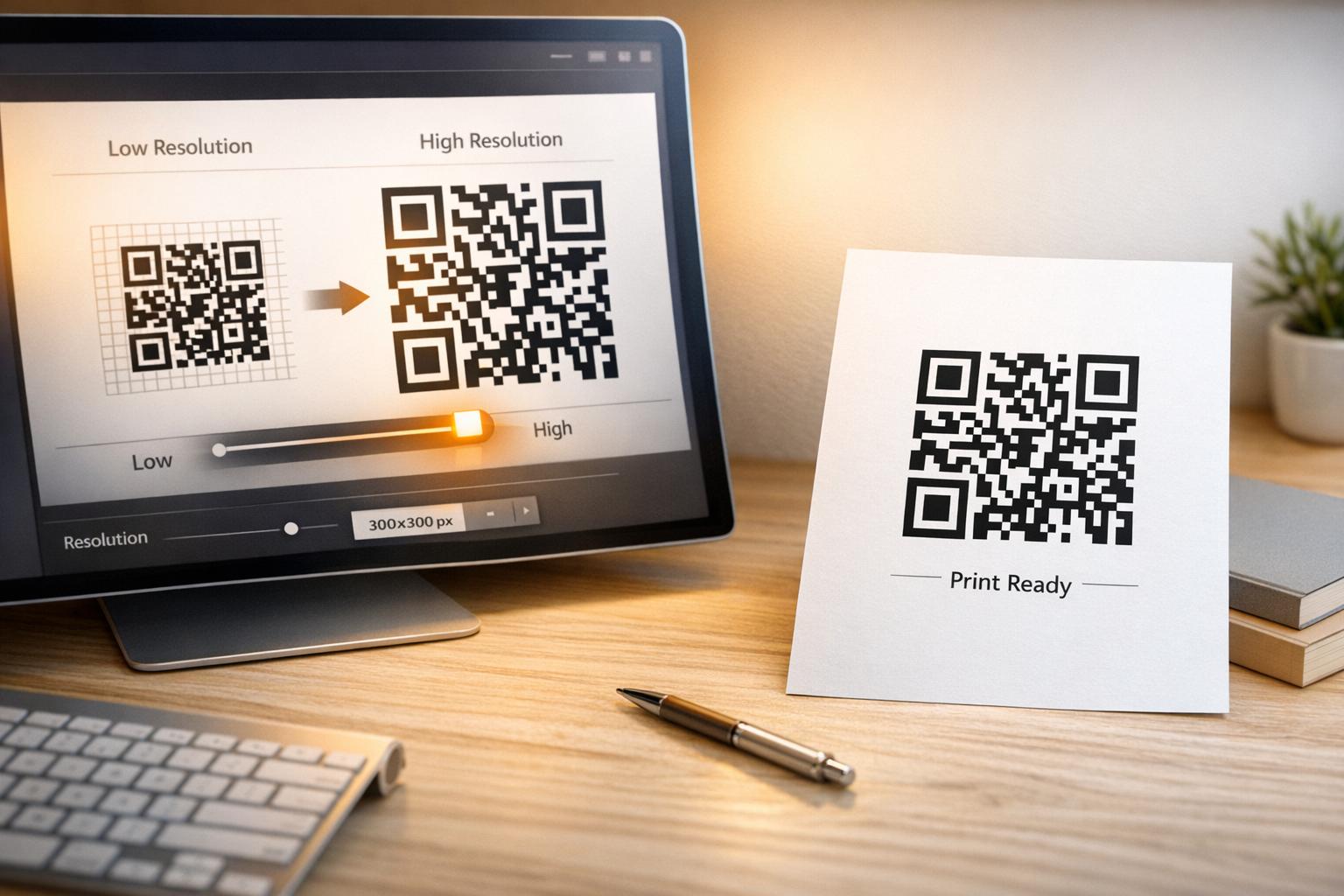
To ensure the graphic renders clearly on high-resolution screens without blurriness or pixelation, display the image at a minimum size of 150 x 150 pixels (2 cm x 2 cm). Exporting your images in high-resolution vector formats using a reliable link generatora QR kodova keeps data density manageable and lines sharp across desktop displays.
| Design Parameter | Preporuka | Technical Reason |
|---|---|---|
| Minimalne dimenzije | 150 x 150 pixels (2 x 2 cm) | Prevents camera focus failure and pixelation on high-DPI desktop screens. |
| Foreground Color | Dark (e.g., Black, Navy) | Maximizes light absorption for rapid camera detection. |
| Background Color | Light (e.g., White, Light Gray) | Provides necessary contrast against foreground data modules. |
| Alt Text Content | “Scan QR code to [action]” | Delivers clear link context when images are disabled by email clients. |
Build Custom Branded QR Codes Ready to integrate scannable codes into your email newsletter designs? Generate high-resolution, customized codes for free using our main Генератор QR kodova danas.
Static vs. Dynamic QR Codes in Email Campaigns
Choosing the correct technical format for your scannable graphics affects both campaign flexibility and reporting accuracy.
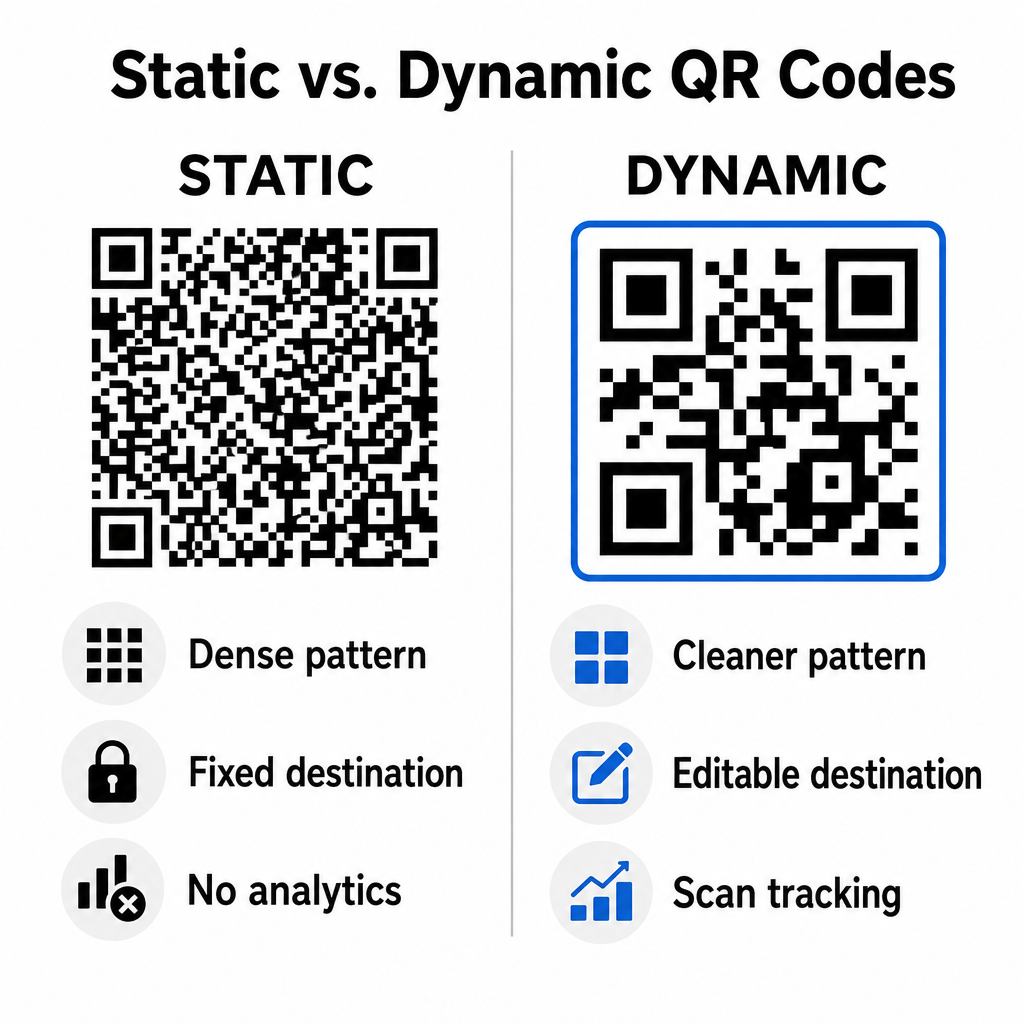
Static codes store your destination URL directly inside the visual matrix. Because long web addresses require more data modules, static codes display dense, complex patterns that become harder for smartphone cameras to decode off computer displays. Furthermore, static codes offer no tracking metrics and cannot be edited once an email newsletter is sent out.
Dynamic codes embed a short redirect URL instead of the full landing page address. This structural difference creates a cleaner, lower-density visual pattern that scans instantly even at smaller sizes. Dynamic codes allow campaign managers to update destination links after deployment and capture comprehensive analytics. Understanding the differences between statičkih i dinamičkih QR kodova helps you select the right format for recurring newsletter sequences. By utilizing dynamic redirect URLs, you gain access to essential QR code tracking metrics including total scan counts, device operating systems, scan timestamps, and geographic distribution.
Common Mistakes to Avoid in Email Campaigns
Avoiding predictable design and user experience errors protects your campaign engagement rates and preserves subscriber trust:
- Omitting clear scanning instructions: Displaying an unlabelled code without explaining the reward or next step reduces engagement.
- Directing users to non-responsive pages: Sending mobile scanners to desktop-only landing pages creates friction and drives bounce rates higher.
- Over-customizing visual elements: Placing heavy logos or low-contrast background gradients over the data matrix compromises camera scannability.
- Skipping cross-client rendering tests: Failing to test code appearances across Gmail, Outlook, and Apple Mail in both light and dark modes leads to broken layouts.
Launching Your Email QR Code Strategy
Combining text hyperlinks with dynamic scannable graphics establishes an efficient path from desktop email reading to mobile action. Maintaining strong color contrast, providing descriptive alt text, and verifying that destination landing pages are optimized for mobile screens ensures a smooth cross-device journey for your audience. Implement these standards in your next sequence by using the Generatora dinamičkih QR kodova to build, customize, and track scannable links across all your email marketing campaigns.
Često postavljana pitanja
Mobile readers cannot easily scan a code displayed on their own device screen. Always pair scannable graphics with an adjacent, clickable text link so mobile users can simply tap to reach the destination.
Display the image at a minimum size of 150 x 150 pixels (or 2 cm x 2 cm). This ensures smartphone cameras can decode the matrix when scanning a laptop or desktop screen.
Yes, provided you use a dynamic QR code generator. Dynamic codes record scan metrics including scan times, device operating systems, and geographic location without requiring complex URL parameters.