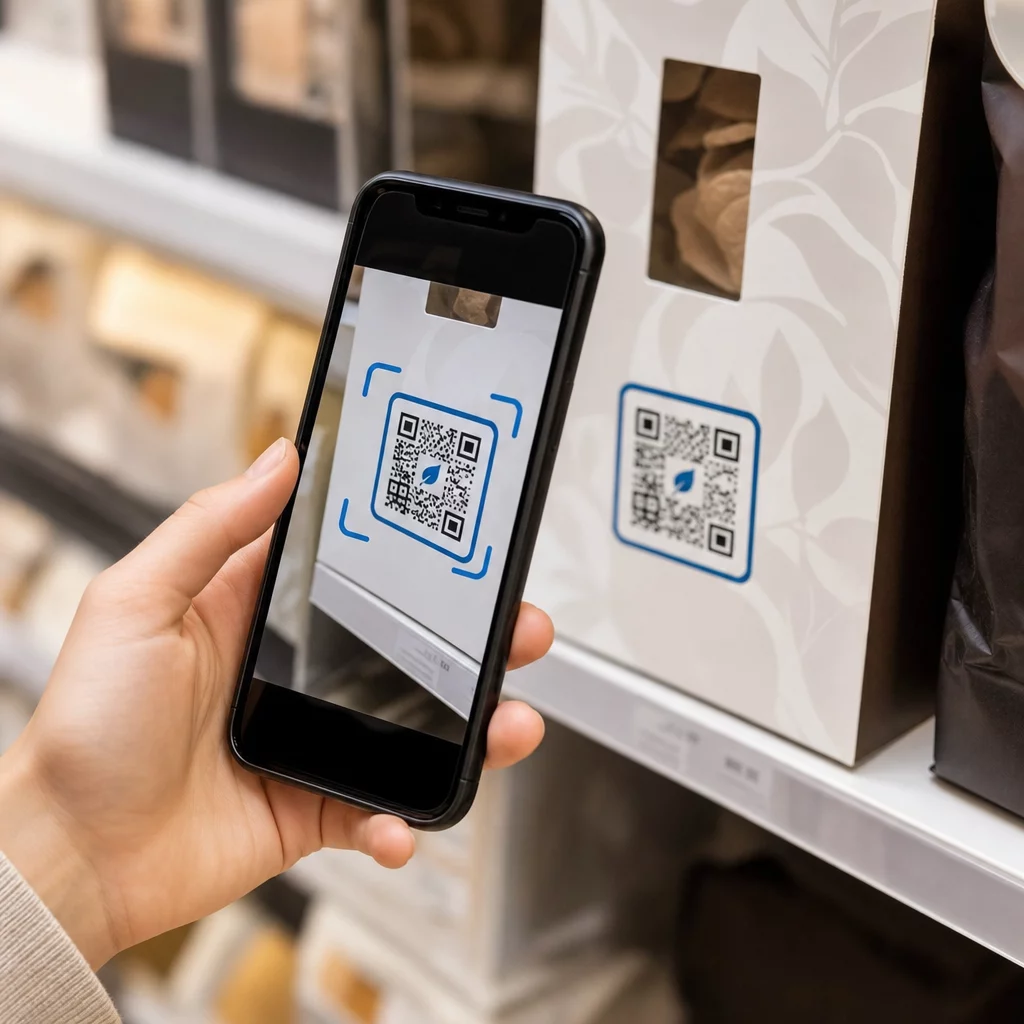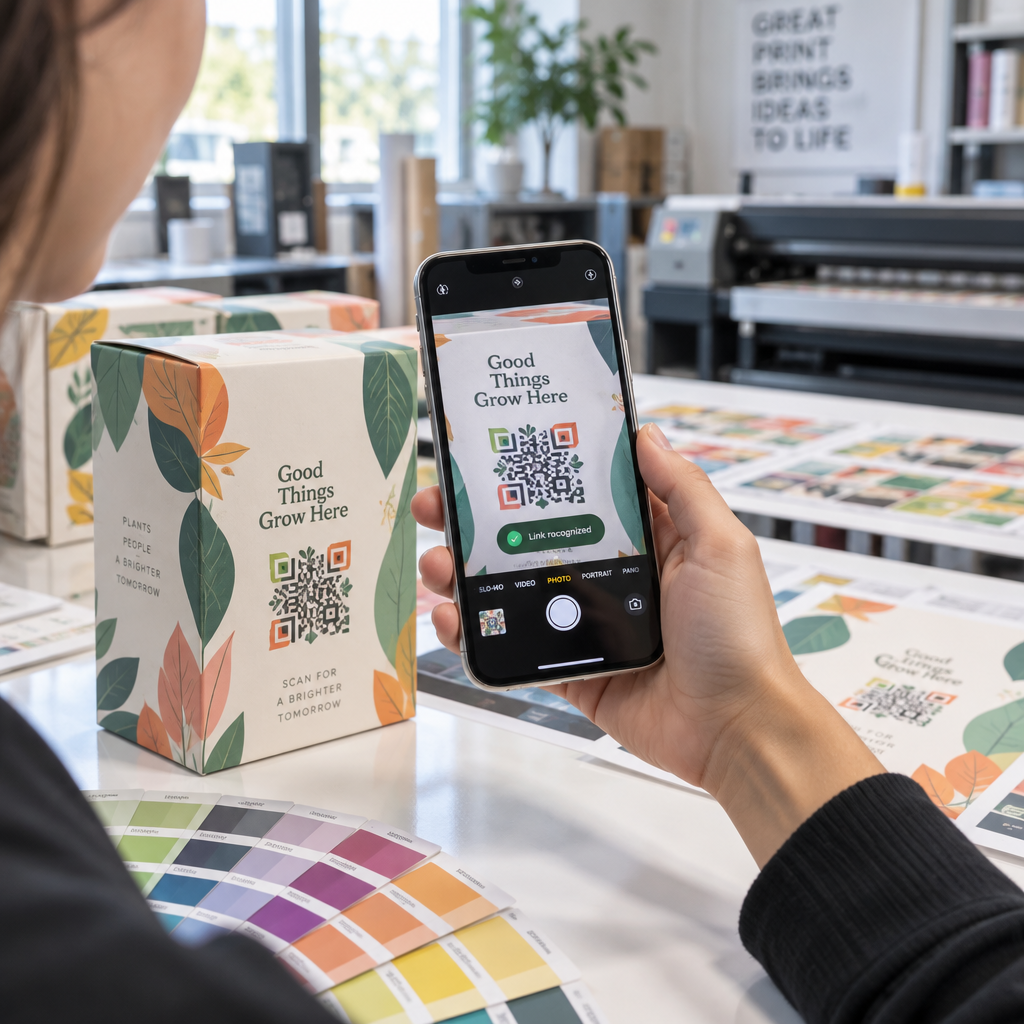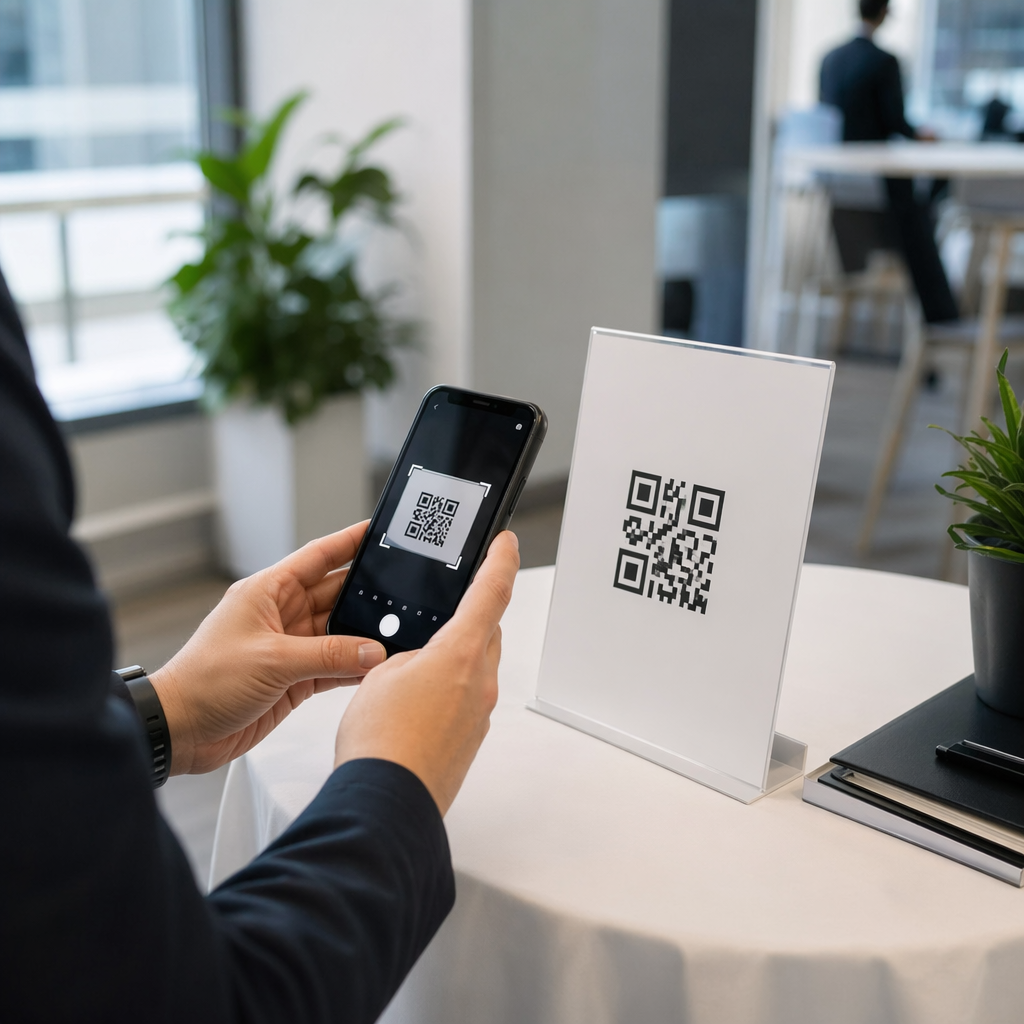
Have you ever struggled to share a large Dropbox folder with a physical audience without forcing them to type a long, complex URL? Manual entry often leads to errors and frustration, causing potential viewers to give up before they ever see your content. Using a QR code simplifies this process by turning your shared link into a quick scan that works instantly on any smartphone.
Bridging the Gap Between Offline and Online Sharing
Dropbox is a powerful tool for maintaining file quality, especially when social media platforms often compress images and reduce resolution. By using a QR code, you can direct users straight to a high-resolution gallery or a professional document without the quality loss associated with other sharing methods. When a user scans the code, their device will either open the file in the Dropbox app or load it in their default mobile browser, ensuring the transition is seamless regardless of the software they have installed.
The versatility of these tools allows you to turn almost any physical surface into a digital touchpoint. You can place a code on a window display, a business card, or even event invitations. This creates a direct path for users to engage with your files at the exact moment they are interested, rather than hoping they remember a URL later.
Choosing Between Static and Dynamic QR Codes
When you decide to convert link to QR code, you must choose between a static or a dynamic format. A static code embeds the Dropbox URL directly into the pattern, meaning it cannot be changed once it is printed. If you delete the file or change the link in the future, the printed code will become a broken link, requiring you to reprint all your marketing materials.
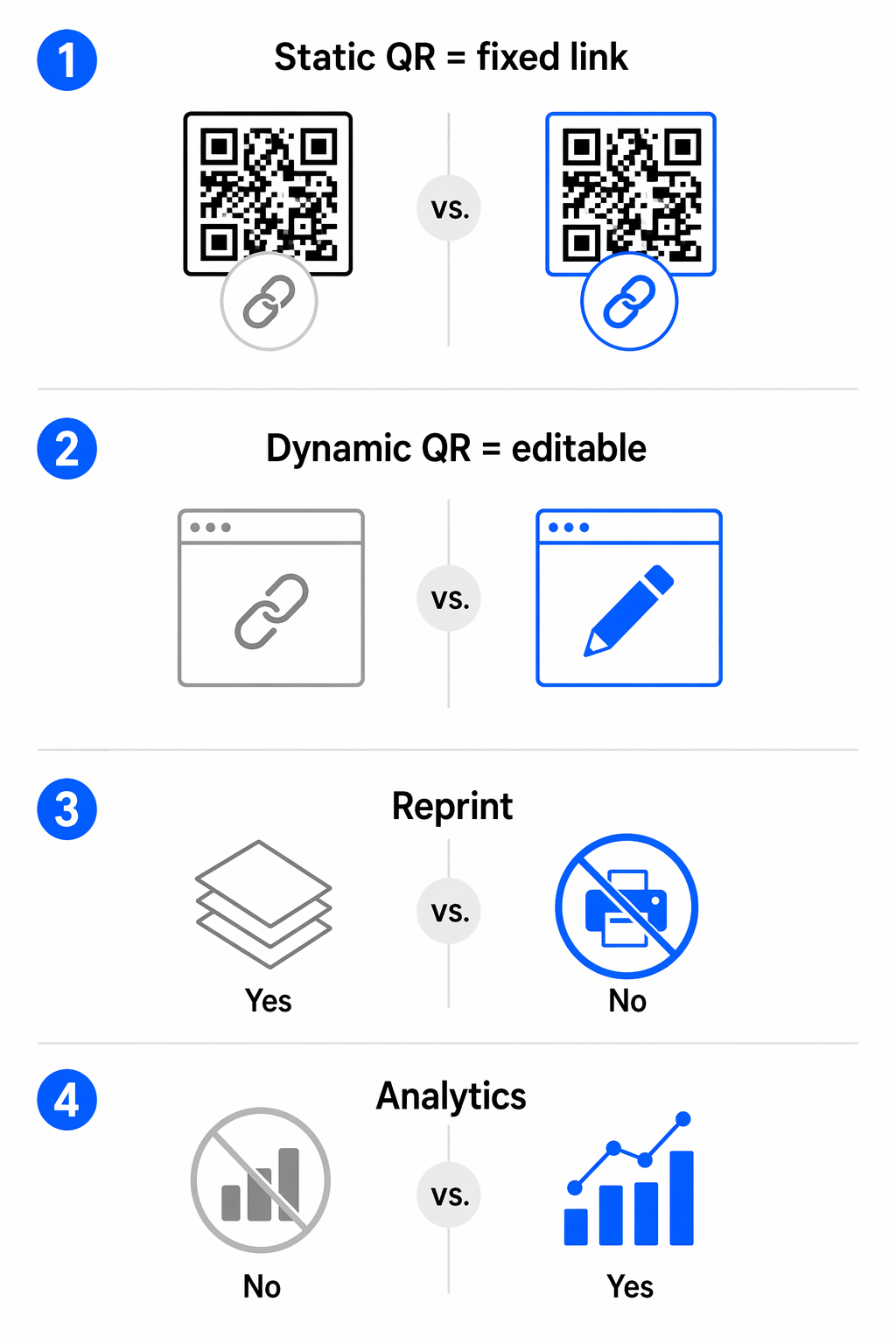
Alternatively, a dynamic code uses a redirect URL that gives you significantly more control. With a dynamic solution, you can edit QR codes to point to a new file or folder without changing the physical image. This is particularly useful for recurring events or evolving product catalogs. Furthermore, dynamic codes provide detailed scan analytics, allowing you to track how many people scanned your code, their general location, and the type of device they used.
Monitor Your Campaign in Real-Time Want to see exactly where and when your customers are scanning your materials? Use the QR code generator to create trackable codes and access a full performance dashboard today.
How to Generate Your Dropbox QR Code
The process starts within your Dropbox account, where you must first locate the file or folder you intend to share. After selecting the item, use the “Share” option to create a shareable link. It is important to remember that Dropbox shared links are typically view-only by default, though cloud-editable files like Microsoft or Google documents may have different options. Once you have copied the URL to your clipboard, you can move to a generation tool to create the visual code.
To finish the process, navigate to a link QR code generator and paste your Dropbox URL into the destination field. You can then customize the design by adding your brand colors or a company logo to build trust with your audience. Before downloading the final file in a high-resolution format like SVG or EPS, always test the scan with multiple devices to ensure the contrast is high enough for all cameras to read effectively.
Managing Permissions and Security
Privacy is a critical consideration when you generate QR codes for cloud files. Because a QR code makes your link highly accessible, you should verify your Dropbox sharing permissions before distribution. You can set permissions so that anyone with the link can view the content, or restrict access to specific team members if the code is for internal use only.
For those handling sensitive data, advanced Dropbox plans offer features like password protection and expiration dates for links. This adds a layer of security, ensuring that even if the QR code is found by an unintended recipient, they cannot access the files without the correct credentials. Always double-check these settings in Dropbox to avoid accidentally granting access to private folders or subdirectories you did not intend to share.
Creative Ways to Use Dropbox QR Codes
In the business world, these codes serve as a bridge for professional portfolios and product documentation. A photographer can place a code on a physical print that leads to a full digital gallery, while a manufacturing company might include a code on product packaging that links to a pdf QR code generator result containing a technical manual. Students can also benefit by placing codes on presentation posters, allowing professors to download a digital copy of a project instantly.
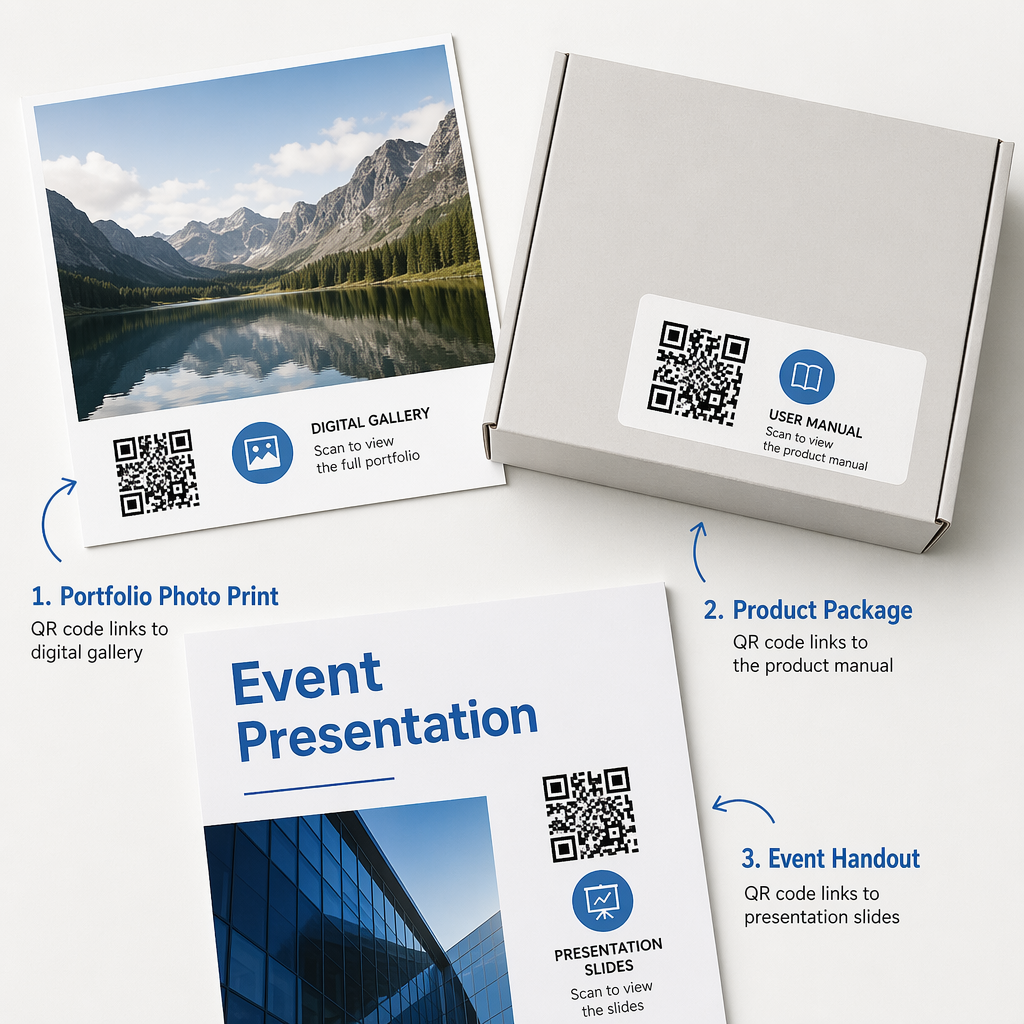
Marketing campaigns often use these codes to provide exclusive content or special offers. For instance, an event organizer might distribute cards after a conference that link to a shared folder containing all the presentation slides and recordings. By providing immediate value through a frictionless scanning experience, you increase the likelihood of your audience actually engaging with and saving your content for later use.
Frequently Asked Questions
You can only change the destination if you used a dynamic QR code. Static codes have the link hard-coded into the pattern and cannot be updated without reprinting the material.
Yes. If the recipient does not have the app installed, the link will automatically open in their mobile web browser, allowing them to view or download the file directly.
Manage your security through the Dropbox sharing settings by setting permissions to “view-only” and, if your plan allows, adding a password or an expiration date to the link.
Whether you are sharing educational resources, marketing assets, or professional portfolios, moving from a manual link to a QR code removes the primary barrier to entry for your audience. By selecting a dynamic format, you ensure that your printed materials remain useful even as your digital content changes. Take the next step in streamlining your file sharing by using a professional generator to create your first custom code today.