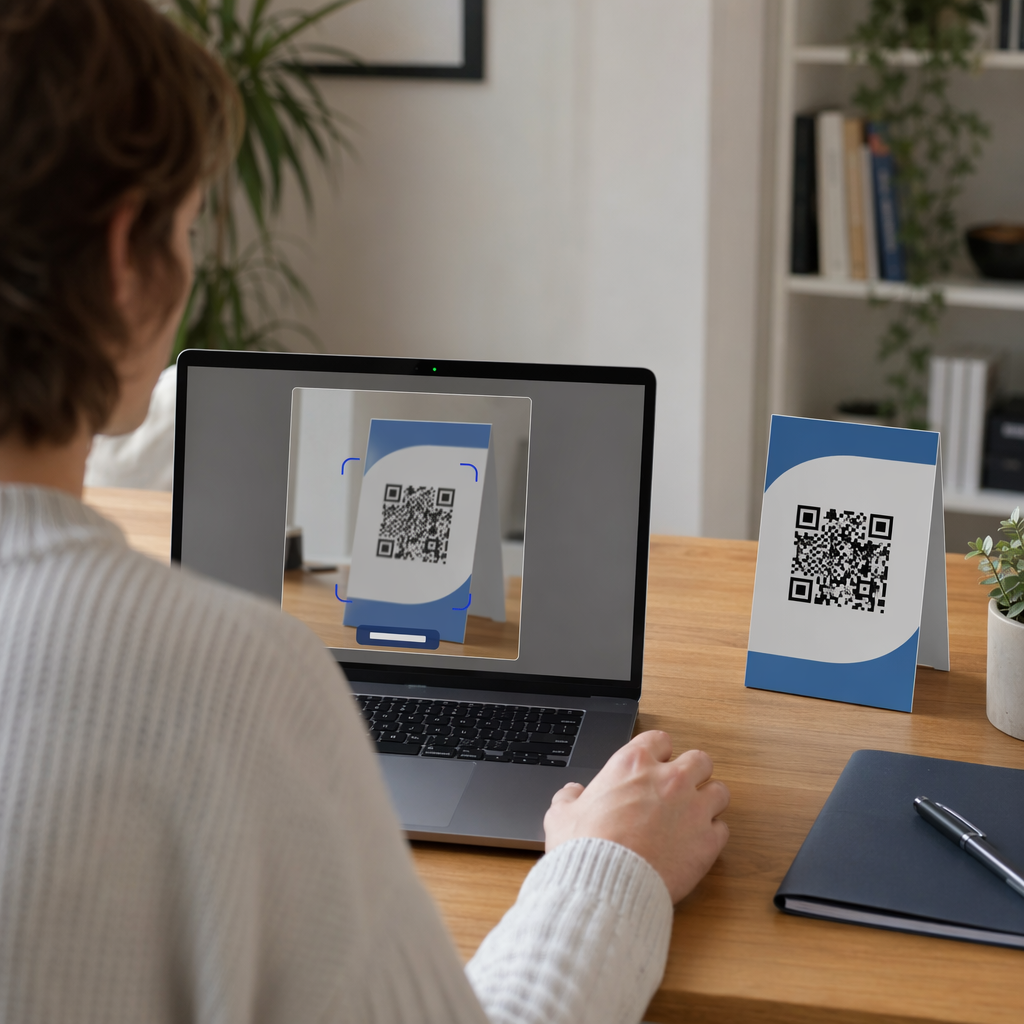
Have you ever found a QR code while browsing on your laptop and realized you didn’t have your phone handy? It is frustrating to reach for a secondary device just to access a link that is already right in front of you. You can easily decode these symbols directly on your computer using a webcam, screen capture, or browser-based tools.
QR codes were first designed in Japan in 1994 to provide a “Quick Response” for the automotive industry. Today, they are a standard way to connect physical objects and digital screens to online content. While most people associate them with mobile devices, your computer is just as capable of reading these data-rich squares.
Scanning with a Built-in Webcam
One of the most direct ways to read a QR code is by using your computer’s webcam. This method is particularly useful if you are holding a physical item, such as a business card or a product package, that features a code. Your webcam acts as the sensor, capturing light to identify the pattern of the squares, which a software decoder then translates into readable information.
Windows Camera App Methods
If you are a Windows user, you likely already have the necessary tools installed. The Windows Camera app features a built-in barcode mode that can recognize QR codes automatically. You simply open the Camera app from your Start menu and select the barcode icon. By holding the QR code steadily in front of the lens, the app will detect the link and display it on your screen for you to click.
Mac Scanning Options
MacOS does not currently include a native QR scanner within its standard Camera app, but you can achieve the same results using third-party software available in the Mac App Store. Tools like QR Journal or dedicated webcam-enabled apps allow you to use your MacBook or iMac camera to decode codes. These applications typically request permission to access your camera and then provide a live feed where you can center the code for instant scanning.
Reading QR Codes from Your Screen or Files
While webcams are great for physical objects, you might frequently encounter codes while browsing a website or reading an e-mail. In these cases, you do not need a camera at all. Instead, you can use screen capture tools or file uploads to decode the information. For Windows users, the Snipping Tool is an excellent way to capture the code, while Mac users can use the Command+Shift+5 shortcut to take a precise screenshot of the area containing the QR code.
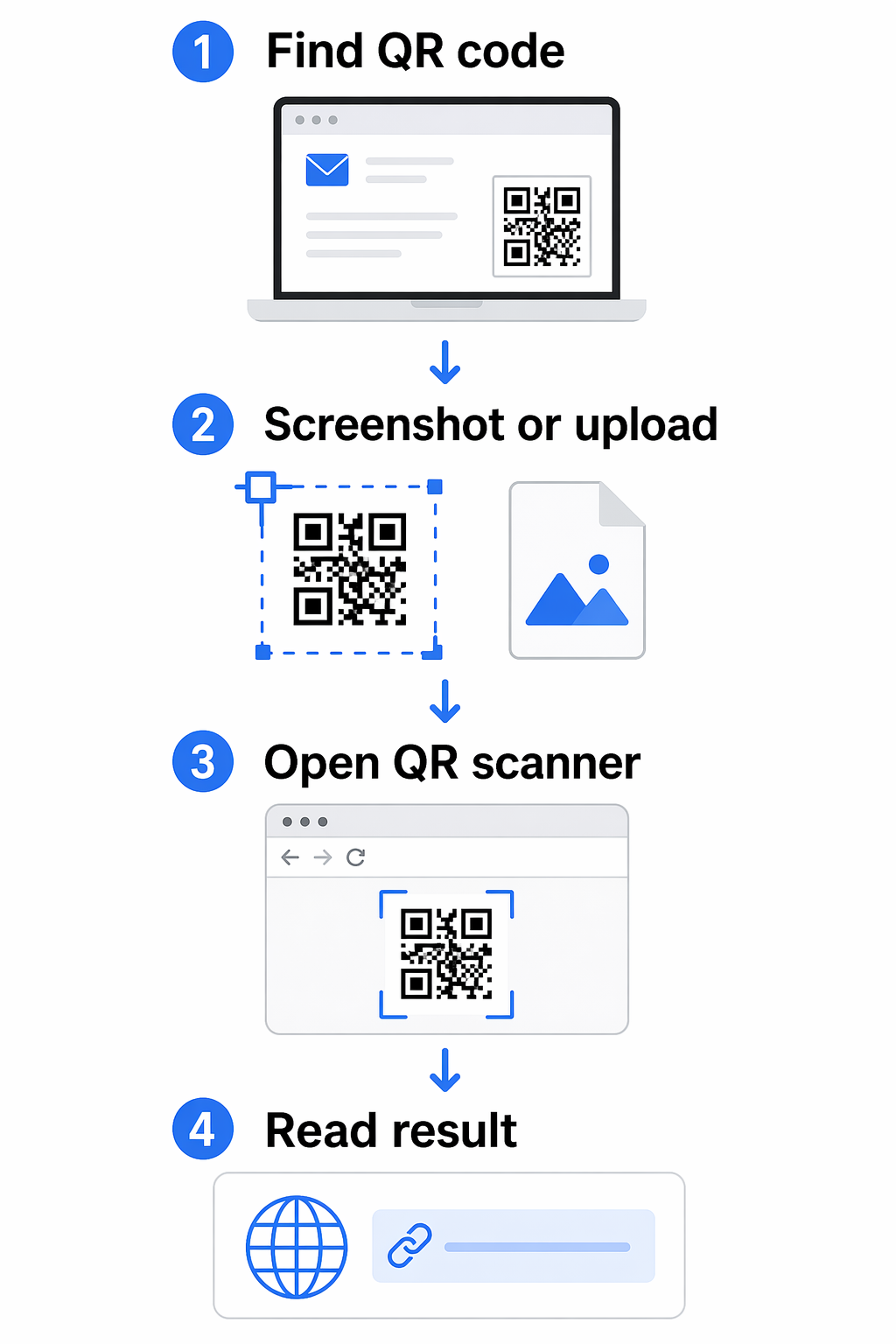
Once you have an image of the code, a browser-based tool is often the fastest solution. Pageloot’s QR Code Scanner allows you to upload these screenshots directly. This eliminates the need to download extra software and works across both Windows and macOS. This web-based approach supports various data types, including URLs, vCards, and encrypted file sharing, making it a versatile choice for professional environments.
Scan Your QR Code Instantly Access your digital content without any downloads by using the Free QR Code Scanner to decode images or webcam feeds directly in your browser.
Maximizing Readability for Faster Scans
Sometimes a scanner may struggle to recognize a code due to environmental factors or design choices. Understanding the technical reasons behind scan failures can help you troubleshoot quickly. For example, scanners rely on high contrast to distinguish the dark modules from the light background. Think of the scanner like a high-speed reader; if the colors are too similar, the “letters” become a blur.
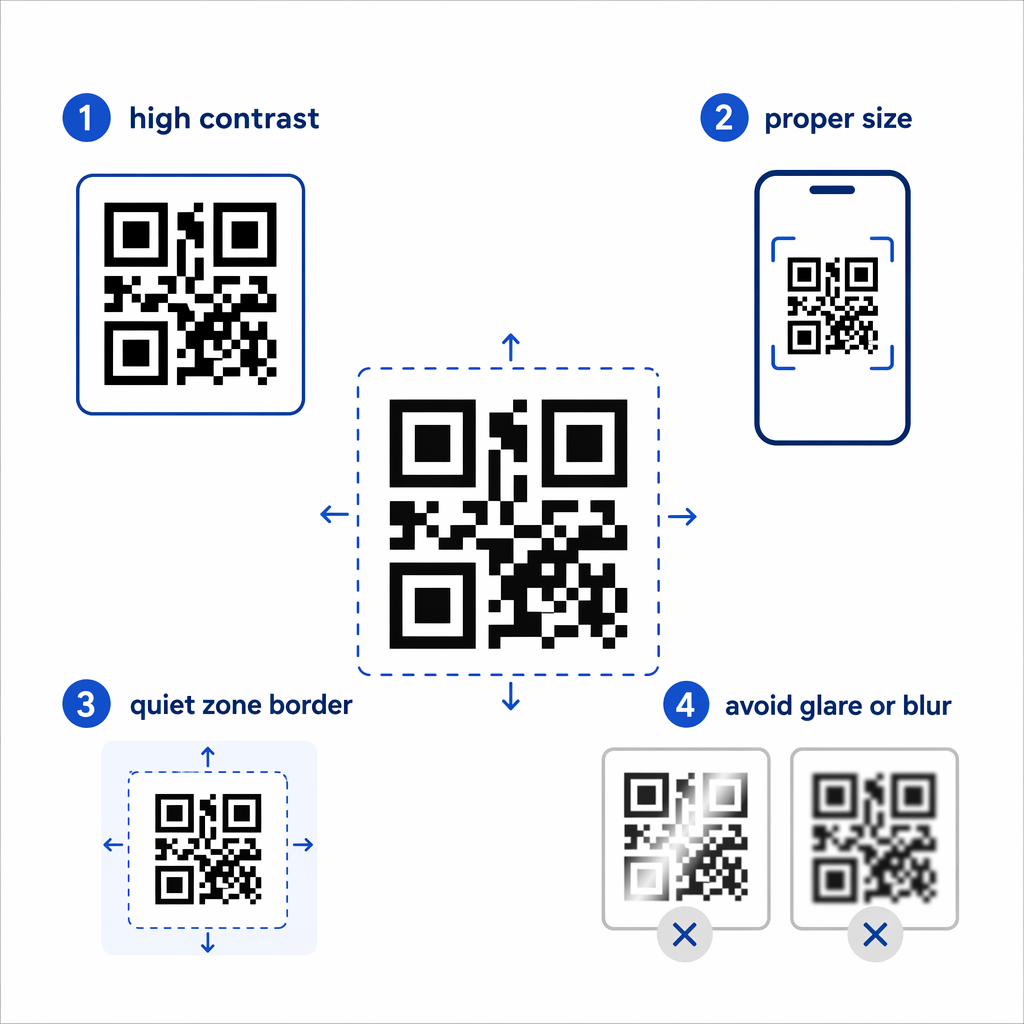
To ensure a reliable scan every time, keep these best practices for QR code readability in mind:
- Maintain a high contrast ratio between the foreground and background, ideally using dark patterns on a light surface.
- Ensure the code is at least 0.8 x 0.8 inches (2 x 2 cm) for close-range scanning on a screen.
- Keep a clear “quiet zone” or white border around the code to separate it from surrounding text or graphics.
- Avoid glare or harsh shadows if you are scanning a physical object with your webcam, as reflections can distort the pattern.
If a code still fails to scan, it may be due to data complexity. Denser codes with more information require higher resolution to read. In these cases, using a dedicated tool from a comparison of QR code scanning apps can often provide a more powerful decoder that handles complex patterns better than basic camera apps.
Frequently Asked Questions
Yes. You can take a screenshot of the QR code using your computer’s built-in tools and then upload that image file to an online reader like Pageloot to decode it.
Generally, yes, but you should use reputable platforms. Modern browser scanners prioritize secure data handling and do not require you to install potentially harmful software on your hard drive.
This is usually caused by poor lighting, a blurry image, or low contrast. Ensure your webcam is clean, the code is well-lit, and the entire square is visible within the frame.