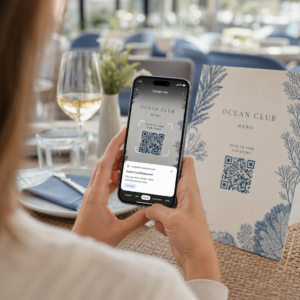
Yritätkö arvioida, mihin QR-koodimaksut ovat menossa kehittyvillä markkinoilla? Vastaus muokkaa investointistrategiaa, tuotepäätöksiä ja markkinoille tulon ajoitusta. Tämä artikkeli erittelee käyttöönottotekijät, sääntelykehykset ja kasvuennusteet, joita tarvitset ymmärtääksesi tätä nopeasti kehittyvää alaa.
Miksi kehittyvät taloudet johtavat QR-maksujen käyttöönottoa
QR-koodimaksut ovat kasvaneet nopeammin kehittyvillä markkinoilla kuin kehittyneillä – ja syyt ovat rakenteellisia, eivät sattumanvaraisia.
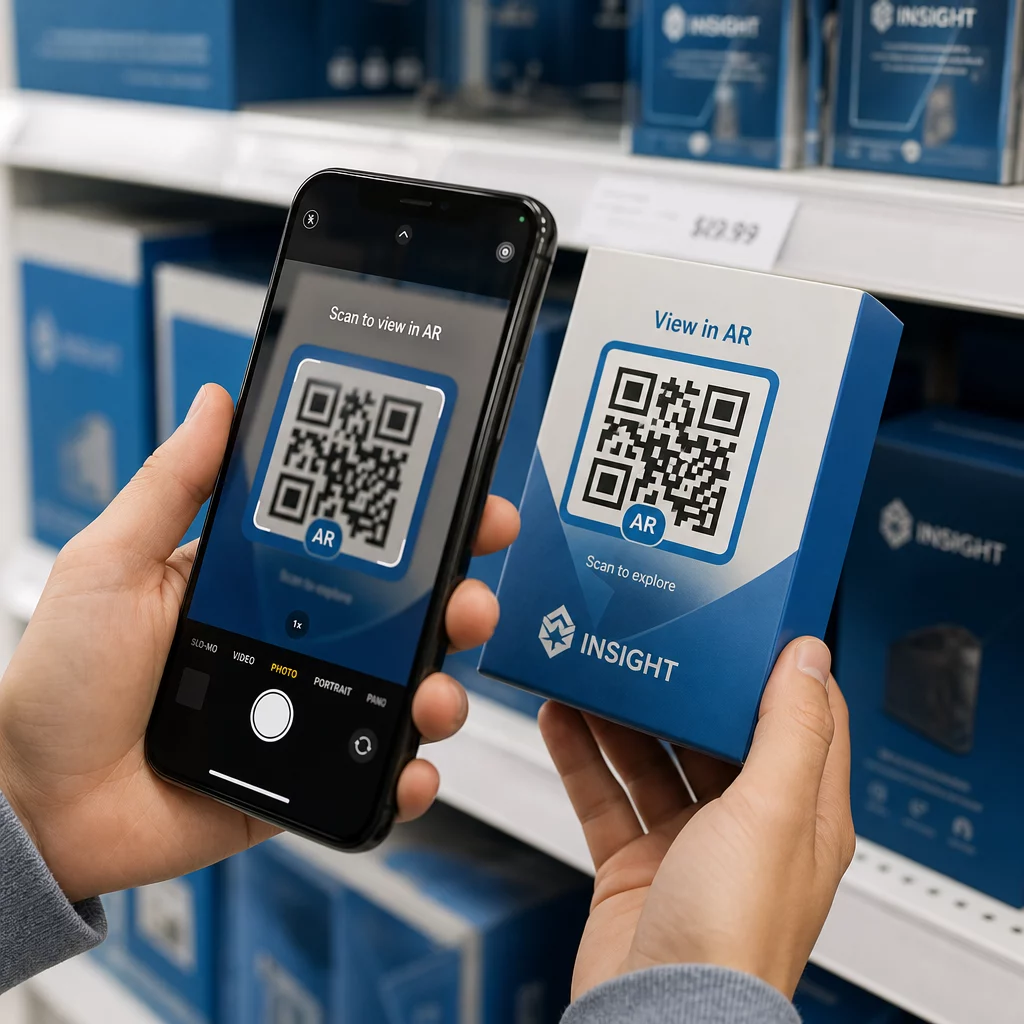
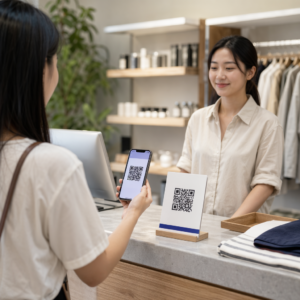
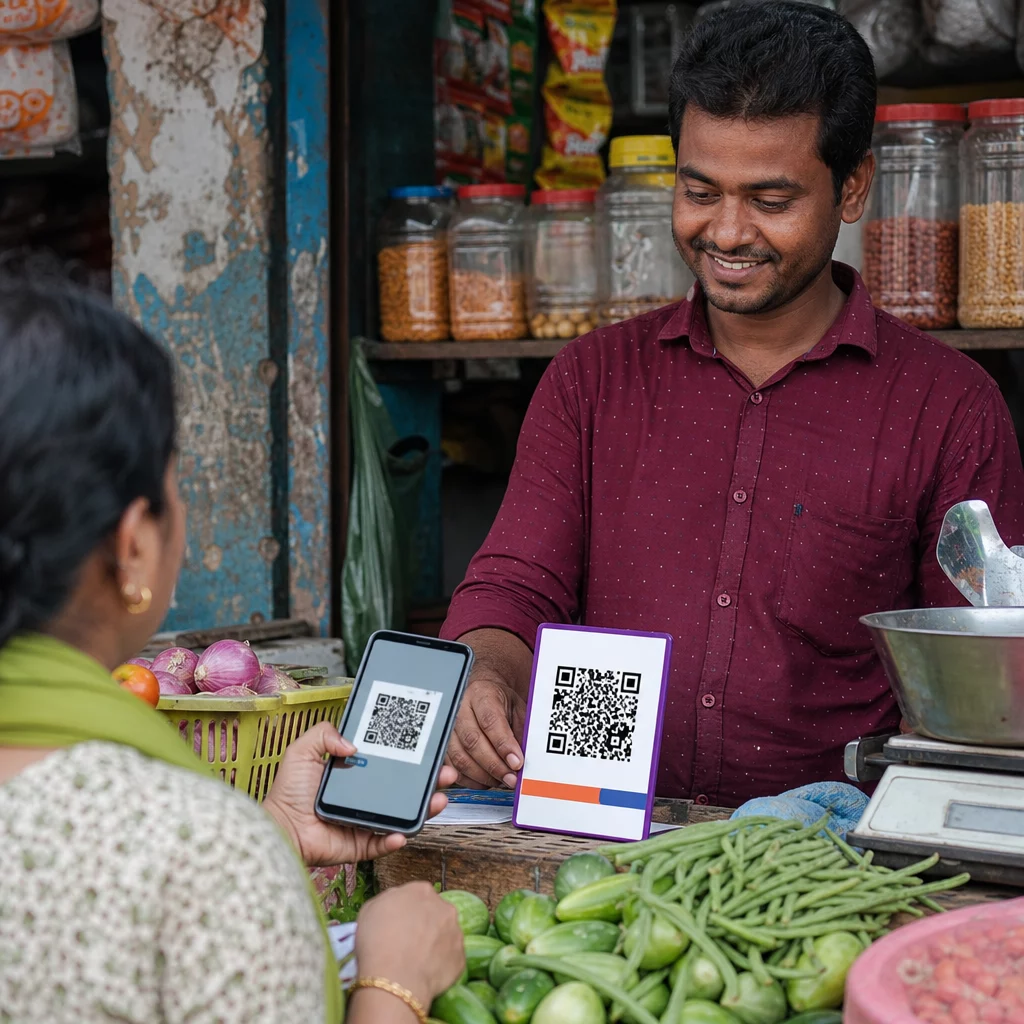
Monissa kehittyvissä talouksissa perinteinen pankki-infrastruktuuri on ohut. Myyntipäätteet ovat kalliita, korttiverkostoilla on rajallinen kattavuus, ja suuri osa väestöstä on edelleen pankkipalvelujen ulkopuolella. QR-koodit ratkaisevat useita näistä ongelmista kerralla. Kauppias tarvitsee vain painetun koodin tai älypuhelimen näytön hyväksyäkseen digitaalisia maksuja – ei kortinlukijaa, ei kallista laitteistoa, ei monimutkaista käyttöönottoa.
QR-koodimaksut nähdään keskeisenä välineenä taloudellisen osallisuuden edistämisessä kehittyvissä talouksissa juuri siksi, että ne mahdollistavat pienten ja mikrokauppiaiden hyväksyä digitaalisia maksuja minimaalisella infrastruktuurilla, samalla kun ne yhdistävät pankkipalvelujen ulkopuolella olevan väestön virallisiin rahoituspalveluihin mobiililompakoiden kautta. Voit nähdä, miten tämä toteutuu käytännössä Pankeille ja rahoituslaitoksille saatavilla olevat QR-koodiratkaisut.
Kiina tarjoaa selkeimmän todisteen konseptista. Tutkimus kuvaa QR-koodien “massiivista käyttöönottoa” kauppiaiden ja kuluttajien keskuudessa päivittäisissä transaktioissa, minkä taustalla ovat edulliset älypuhelimet, laajempi mobiili-internetyhteys ja tukeva digitaalinen ekosysteemi. Mallia on sittemmin kopioitu ja mukautettu Etelä- ja Kaakkois-Aasiassa, Latinalaisessa Amerikassa ja Saharan eteläpuolisessa Afrikassa.
QR-maksujen käyttöönoton keskeiset veturit
Useat erilliset voimat nopeuttavat QR-maksujen käyttöönottoa kehittyvillä markkinoilla. Nämä eivät toimi eristyksissä – ne vahvistavat toisiaan.
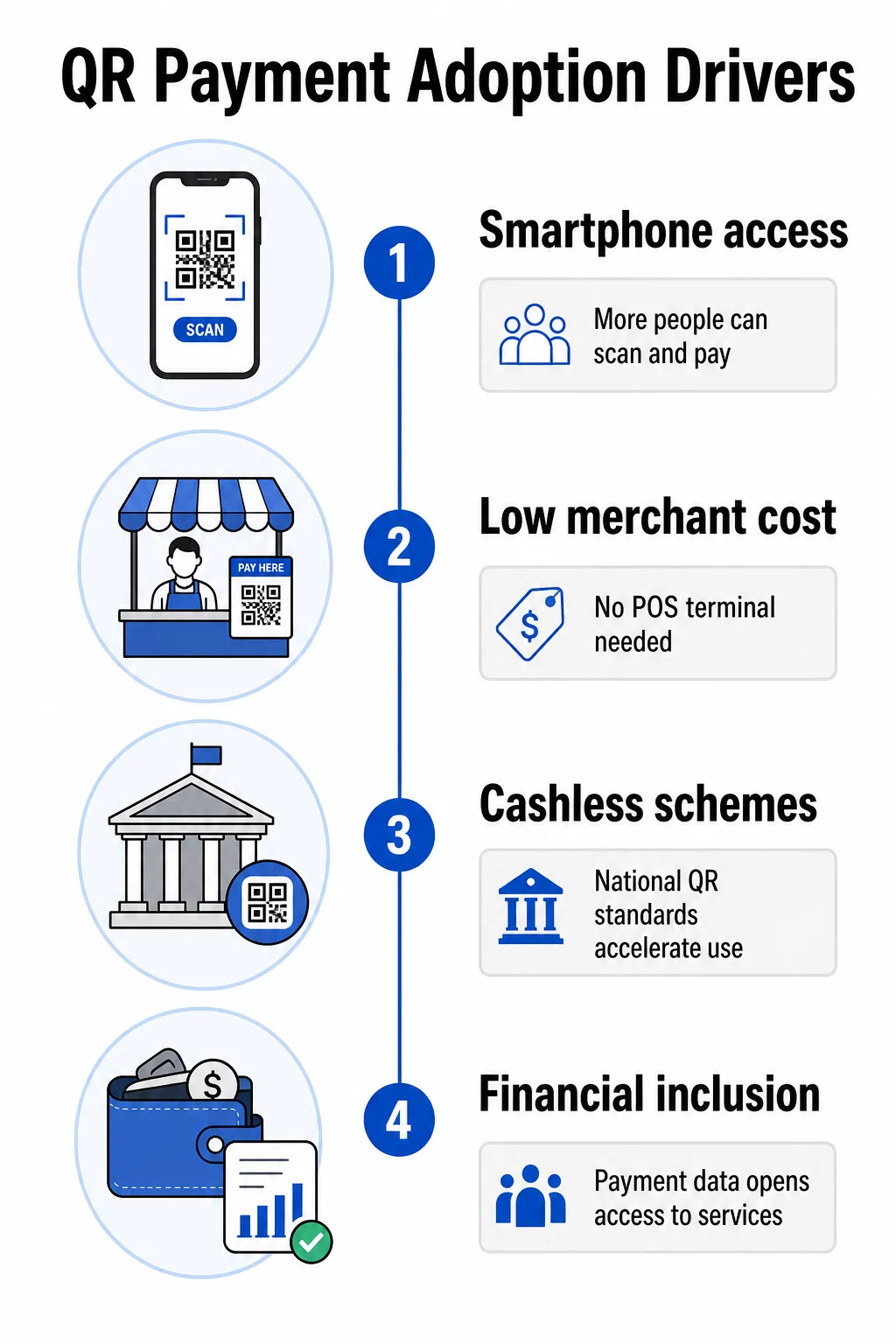
Älypuhelinten yleistyminen ja helppokäyttöisyys
Älypuhelinten hintojen laskiessa yhä useammat kuluttajat matala- ja keskituloisissa maissa kantavat laitteita, jotka pystyvät skannaamaan QR-koodeja ilman erillistä sovellusta. Kun maksaminen ei vaadi muuta kuin kamerasovelluksen avaamista, kitka, joka tyypillisesti hidastaa maksuteknologian käyttöönottoa, katoaa.
Alhaisemmat kauppiaiden kustannukset
Verrattuna perinteisiin POS-päätteisiin, QR-pohjaisella hyväksynnällä on dramaattisesti alhaisemmat aloituskustannukset. Pienille kauppiaille, jotka toimivat ohuilla katteilla – katukauppiaat, markkinakojut, pienet kaupat – tämä kustannusero on ratkaiseva. QR-koodit maksamiseen mahdollistavat minkä tahansa kauppiaan luoda ja näyttää toimivan maksukoodin minuuteissa, ilman erikoislaitteita.
Hallituksen tukemat käteisettömät aloitteet
Useiden kehittyvien talouksien kansalliset hallitukset ja keskuspankit ovat aktiivisesti edistäneet QR-maksuja osana laajempia käteisettömiä politiikkaohjelmia. Intian BharatQR, Indonesian QRIS, Sri Lankan LankaQR, Bangladeshin Bangla QR, Ghanan GhQR, Meksikon CoDi ja Brasilian Pix ovat kaikki esimerkkejä valtion tukemista järjestelmistä, jotka on suunniteltu nopeuttamaan käyttöönottoa laajassa mittakaavassa – erityisesti epävirallisen sektorin kauppiaiden ja pienituloisten kuluttajien keskuudessa.
Finanssisen osallisuuden edistäminen poliittisena tavoitteena
Mukavuuden lisäksi QR-maksut luovat ajan myötä jotain arvokasta: tapahtumahistorian. Aiemmin pankkipalveluita käyttämättömille henkilöille ja kauppiaille tämä tietopolku voi lopulta avata pääsyn luottoihin, vakuutuksiin ja muihin virallisiin rahoituspalveluihin. Kuten CGAP toteaa, helpot ja laajalle levinneet digitaaliset maksumahdollisuudet “voivat tuoda pysyvän ja syvällisen käyttäytymismuutoksen pienituloisten asiakkaiden ja kauppiaiden keskuudessa, tehden virallisista maksuista osan heidän jokapäiväistä elämäänsä.”
Mobiililompakoiden kasvu ja digitaaliset ekosysteemit
Mobiililompakoiden nousu – Alipay ja WeChat Pay Kiinassa, Paytm Intiassa, GoPay ja OVO Indonesiassa, M-Pesan johdannaiset eri puolilla Afrikkaa – on luonut valmiit käyttäjäkunnat QR-maksuille. Ymmärtämällä miten Alipayn ja WeChat Payn QR-koodi-integraatio toimii käytännössä, saat hyödyllisen vertailukohdan siitä, miten kypsät QR-maksujärjestelmät toimivat.
Sosiaalinen vaikutus ja luottamus
Kambodžan QR-maksujen käyttöönottoa koskeva tutkimus tunnisti luottamuksen, palvelun laadun, sosiaalisen vaikutuksen ja koetun riskin merkittävinä käyttäjätason ajureina. Markkinoilla, joilla käteinen raha on edelleen kulttuurisesti hallitsevaa, näkyvä vertaiskäyttöönotto ja institutionaalinen uskottavuus painavat enemmän kuin markkinoilla, joilla digitaaliset maksut ovat jo normi.
Markkinoiden koko ja kasvuennusteet
QR-maksujen kasvun taustalla olevat luvut ovat riittävän merkittäviä vaatiakseen vakavaa huomiota sijoittajilta ja strategeilta.
- Maailmanlaajuisten QR-koodimaksujen markkinoiden arvioitiin olevan noin 12,5 miljardia USD vuonna 2024 ja niiden ennustetaan nousevan 61,7 miljardiin USD:hen vuoteen 2033 mennessä, mikä vastaa noin 20 %:n vuotuista yhdistettyä kasvuvauhtia.
- Erillinen ennuste ennustaa, että QR-koodimaksujen kokonaiskulutus nousee alkaen 5,4 biljoonaa USD vuonna 2025 ja 8 biljoonaa USD vuonna 2029 – 48 %:n kasvu neljässä vuodessa.
- Aiempi ennuste arvioi kasvun olevan 8,07 miljardista USD:stä vuonna 2020 35,07 miljardiin USD:hen vuoteen 2030 mennessä 16,1 %:n vuotuisella kasvuvauhdilla (CAGR).
Aasian ja Tyynenmeren alue, joka sisältää monia maailman suurimmista kehittyvistä talouksista, odotetaan pitävän suurimman osuuden globaalista kasvusta koko ennustejakson ajan. Kiina, Intia ja Kaakkois-Aasian maat ovat ensisijaisia vaikuttajia, joita tukevat sekä markkinavetoinen mobiililompakoiden laajeneminen että hallitusten harkitut käteisettömät aloitteet.
Vaikka nämä luvut ovat globaaleja eivätkä niinkään kehittyville markkinoille ominaisia, taustalla olevat ajurit keskittyvät kehittyviin talouksiin. Kasvu kypsillä markkinoilla, kuten Yhdysvalloissa, on ollut suhteellisesti hitaampaa. Kun yhä useammat kauppiaat ottavat käyttöön QR-koodimaksutapoja tehdäkseen transaktioista nopeampia, turvallisempia ja helpommin saatavilla olevia, tämä keskittyminen todennäköisesti syvenee.
Sääntely-ympäristö: Standardit, yhteentoimivuus ja valvonta
Sääntely tällä alalla ei ole niinkään este kuin arkkitehtuuri. Se, miten keskuspankit ja hallitukset rakentavat QR-maksujärjestelmiä, muokkaa sitä, kuka voi osallistua, miten kustannukset jakautuvat ja kuinka nopeasti käyttöönotto voi skaalautua.
Kansalliset QR-standardit ja yhteentoimivuus
Merkittävin sääntelykehitys kehittyvissä talouksissa on yhteentoimivien kansallisten QR-standardien yleistyminen. Nämä järjestelmät – joita keskuspankit tai kansalliset maksunvälitysviranomaiset ovat kehittäneet ja usein omistavat – käyttävät EMVCo-standardeja varmistaakseen, että yksi QR-koodi voi hyväksyä maksuja useilta palveluntarjoajilta. Tällä on valtava merkitys kauppiaiden käyttöönotolle: pieni kauppias, joka hyväksyy yhden QR-järjestelmän, hyväksyy käytännössä kaikki osallistuvat lompakot ja pankit.
| Maa | Järjestelmä | Operaattori |
|---|---|---|
| Intia | BharatQR | Intian keskuspankki / NPCI |
| Indonesia | QRIS | Indonesian keskuspankki |
| Sri Lanka | LankaQR | Sri Lankan keskuspankki |
| Bangladesh | Bangla QR | Bangladeshin keskuspankki |
| Ghana | GhQR | Ghanan pankkienvälinen maksu- ja selvitysjärjestelmä |
| Meksiko | CoDi | Meksikon keskuspankki |
| Brasilia | Pix | Banco Central do Brasil |
| Kirgisia | ELQR | Kansallinen maksujärjestelmä |
LankaQR, joka otettiin käyttöön vuonna 2018, edellytetään nimenomaisesti noudattavan globaaleja EMV-standardeja – suunnitteluvalinta, joka mahdollistaa minkä tahansa pankin tai maksupalveluntarjoajan hyväksyvän maksuja yhtenäisen koodin kautta ilman omistajuuteen perustuvaa lukitusta.
Rajat ylittävä yhteentoimivuus
ASEANin integroitu QR-koodimaksupalvelujärjestelmä yhdistää kansalliset QR-järjestelmät osallistuvissa maissa ASEANin paikallisvaluuttatransaktioiden viitekehyksen mukaisesti. Tämä poliittinen aloite tukee rajat ylittäviä QR-maksuja paikallisissa valuutoissa, mikä vähentää riippuvuutta ulkomaan valuutan välittäjistä alueellisissa transaktioissa. Yrityksille ja sijoittajille, joilla on alueellinen eikä yksittäiseen maahan keskittyvä näkökulma, tämä integraatio laajentaa merkittävästi tavoitettavissa olevaa markkinaa.
Kuluttajansuoja ja yksityisyys
OECD suosittelee, että digitaalisen talouslukutaidon aloitteet kulkevat rinnakkain rahoituspalvelujen kuluttajansuojakehysten kanssa. Käytännössä QR-maksuihin liittyvien säännösten tulisi paitsi määrätä teknisistä turvallisuusstandardeista, myös varmistaa, että kuluttajilla on pääsy läpinäkyvään tietoon ja tehokkaisiin mekanismeihin petosten ilmoittamiseksi. Useilla lainkäyttöalueilla toimiville yrityksille on tärkeä vaatimustenmukaisuuteen liittyvä näkökohta ymmärtää, miten QR-koodien tietosuojalait ja keskeiset säännökset sovelletaan maksutietoihin.
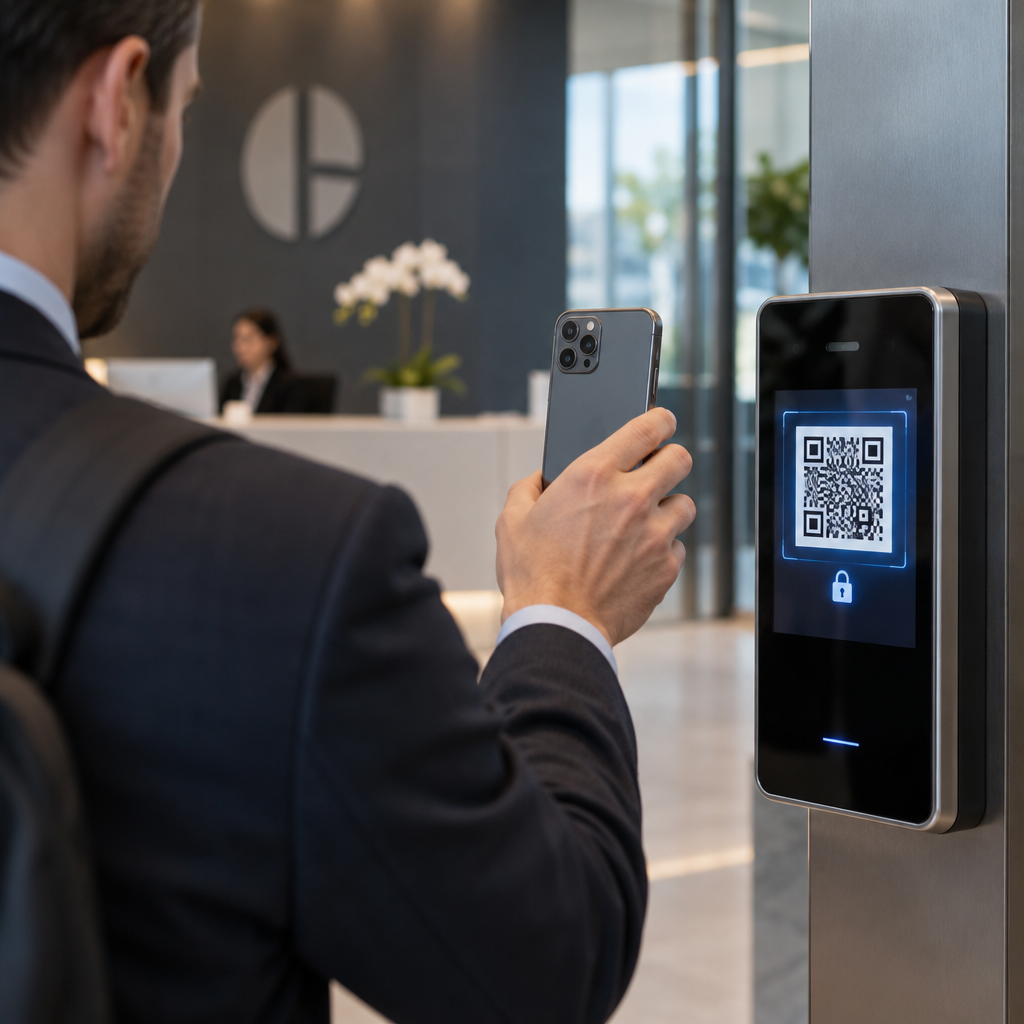
Tämä on yhä tärkeämpää, koska QR-maksujen kasvu on tuottanut uusia petosmalleja joissakin maissa. Staattiset kauppiaiden QR-koodit ovat erityisen alttiita fyysisille korvaushyökkäyksille – joissa huijari asettaa väärennetyn koodin aidon päälle. Opas aiheesta QR-koodiriskit maksuissa ja niiden lieventäminen kattaa tärkeimmät uhkavektorit, joita yritykset kohtaavat.
Saatavilla olevan sääntelydatan rajat
Julkiset lähteet tarjoavat korkean tason kuvauksia keskuspankkien rooleista ja EMV-standardeista, mutta yksityiskohtaiset, maakohtaiset lakisääteiset säännökset, jotka koskevat erityisesti QR-koodimaksuja, eivät ole hyvin dokumentoituja. Sijoittajien ja strategien, jotka suorittavat due diligence -tutkimusta tietyillä markkinoilla, on täydennettävä näitä kehyksiä paikallisella oikeudellisella analyysillä.
Taloudellinen osallisuus: Pitkän aikavälin strateginen tapaus
Sijoittajille ja kehitykseen keskittyville strategeille QR-maksujen taloudellisen osallisuuden ulottuvuus on kiistatta merkittävin pitkän aikavälin trendi.
QR-koodit luovat edullisen sisäänpääsyn viralliseen digitaaliseen talouteen kahdelle ryhmälle, jotka ovat historiallisesti olleet syrjäytyneitä: pienkauppiaille ja pienituloisille kuluttajille. Kun QR-koodien käyttö leviää näissä segmenteissä, se tuottaa tapahtumahistorioita, jotka voivat toimia vaihtoehtoisena luottotietona. Ajan myötä tämä tietopolku luo väyliä luottoihin, vakuutuksiin ja muihin rahoituspalveluihin – tuotteisiin, jotka edustavat merkittäviä kohdemarkkinoita itsessään.
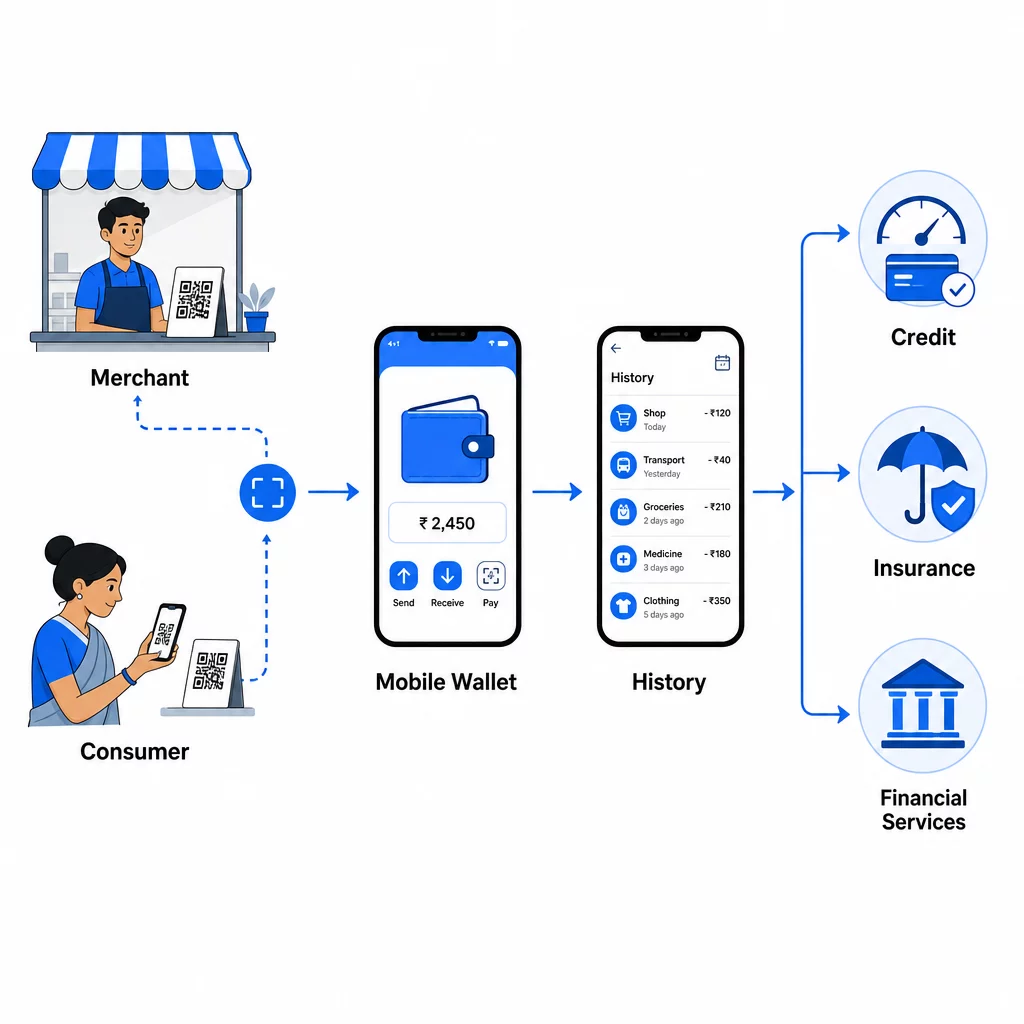
CGAP muotoilee tämän selkeästi: QR-koodit ovat “lupaava tapa digitalisoida maksuja pienituloisten kauppiaiden luona ja saada asiakkaat siirtymään digitaaliseen maailmaan”, ja niiden tuottamat tapahtumahistoriat “voivat tuoda pääsyn luottoihin ja muihin virallisiin rahoituspalveluihin, luoden portin taloudelliseen osallisuuteen.”
Itä-Aasian kokemukset vahvistavat tätä näkemystä. Kun QR-pohjaiset mobiilimaksut korvaavat käteisen, pankit voivat vähentää käteispalveluihin liittyviä kustannuksia – vapauttaen pääomaa lainanantoon ja muihin arvoa lisääviin toimiin. Taloudellisen osallisuuden tapaus ei ole puhtaasti teoreettinen; sitä tukee havaittavissa oleva käyttäytymisen muutos laajassa mittakaavassa.
Riskit ja esteet, joita on syytä seurata
Kasvunäkymä on vahva, mutta yksikään rehellinen markkina-analyysi ei jätä huomiotta vastatuulia.
Petokset ja tietoturva-aukot
Staattisia QR-koodeja voidaan fyysisesti manipuloida, ja useimpien käyttäjien kyvyttömyys varmistaa koodin kohde ennen skannausta luo jatkuvan petosriskin. Kun käyttö laajenee, petoskuviot yleensä laajenevat sen mukana. QR-koodimaksujen turvallisuus- ja nopeusedut ovat todellisia, mutta ne riippuvat toteutusvalinnoista – erityisesti dynaamisten koodien käytöstä staattisten sijaan – eivät pelkästä teknologiasta.
Luottamuksen ja digitaalisen lukutaidon puutteet
Kambodžasta ja muista kehittyvien markkinoiden yhteyksistä tehty tutkimus tunnistaa johdonmukaisesti luottamuksen ensisijaiseksi käyttöönoton esteeksi. Jos kuluttajilla ei ole luottamusta digitaalisiin järjestelmiin – tai jos aiemmat petoskokemukset ovat vahingoittaneet luottamusta – käyttöönotto pysähtyy infrastruktuurin laadusta riippumatta. Hallituksen tukemat digitaalisen lukutaidon aloitteet ovat osa poliittista vastausta, mutta edistys on epätasaista.
Sirpaloitumisriskit
Vaikka yhteentoimivat kansalliset standardit vähentävät sirpaloitumista maiden sisällä, rajat ylittävä yhteentoimivuus on edelleen puutteellista. Useilla kehittyvillä markkinoilla toimivat yritykset kohtaavat käytännön haasteen navigoidessaan eri järjestelmien, standardien ja sääntely-ympäristöjen välillä. ASEANin integraatioponnistus on merkittävä askel eteenpäin, mutta se kattaa rajallisen määrän maita.
Infrastruktuuririippuvuudet
QR-maksut edellyttävät luotettavaa mobiili-internetyhteyttä. Maaseutualueilla ja pienituloisilla kaupunkialueilla – juuri niillä väestöryhmillä, jotka ovat tärkeimpiä taloudellisen osallisuuden tavoitteiden kannalta – yhteys voi olla epäjohdonmukainen. Tämä rajoitus hidastaa QR-koodien käyttöönoton leviämistä kaikkein heikoimmin palveltuihin segmentteihin.
Mitä tämä tarkoittaa näillä markkinoilla toimiville yrityksille
Yrityksille, jotka jo hyväksyvät tai suunnittelevat hyväksyvänsä QR-koodimaksut kehittyvissä talouksissa, tästä analyysistä seuraa muutamia käytännön huomioita.
- Suunnittele maksujen hyväksyntä hallitsevan paikallisen järjestelmän ympärille. Kauppiaiden QRIS-hyväksyntä Indonesiassa tai UPI-linkitetty QR Intiassa tavoittaa paljon laajemman asiakaskunnan kuin vain yhden omistuksessa olevan lompakon hyväksyminen. Yhteentoimivat standardit ovat olemassa juuri tällaisen lukkiutumisen poistamiseksi.
- Käytä dynaamisia QR-koodeja staattisten sijaan. Dynaamisten koodien avulla voit päivittää maksukohteita, seurata skannaustoimintaa poikkeamien varalta ja poistaa koodeja käytöstä, jos petos havaitaan – kaikki ilman uudelleenpainatusta. Yrityksille, jotka hallinnoivat maksuja useissa paikoissa, tämä keskitetty hallinta on toiminnallisesti merkittävää. The opas QR-koodeihin mobiililompakoita varten selittää dynaamisten ja staattisten lähestymistapojen käytännön erot maksukontekstissa.
- Käsittele analytiikkaa ydintoimintona, ei jälkikäteen ajateltuna. Ymmärtäminen, milloin ja missä koodeja skannataan – ja epätavallisten kuvioiden merkitseminen – on yhtä tärkeää petosten ehkäisyssä kuin markkinoinnin optimoinnissa. Yritykset, jotka käyttävät QR-koodeja vertaismaksuihin tehokkaasti pyrkivät seuraamaan skannaustietoja aktiivisesti reaktiivisen sijaan.
- Rakenna yhteentoimivaa tulevaisuutta varten. Rajat ylittävä QR-maksuintegraatio laajenee. Yritykset, jotka investoivat nyt joustavaan, järjestelmästä riippumattomaan hyväksyntäinfrastruktuuriin, ovat paremmin asemissa skaalautumaan alueellisten kehysten, kuten ASEAN-järjestelmän, kypsyessä.
Aloita QR-maksujen hyväksyminen ilman monimutkaisuutta Tarvitseeko sinun luoda maksu-QR-koodeja, jotka toimivat kaikissa toimipisteissäsi? Käytä the Pageloot QR-koodigeneraattori rakentaa dynaamisia, jäljitettäviä koodeja – tai PayPal QR-koodi generaattori linkittää suoraan maksutiliisi ilman laitteistovaatimuksia.
Kehityskulku on selvä, yksityiskohdat ovat vielä kirjoitusvaiheessa
QR-koodimaksut kehittyvissä talouksissa eivät ole spekulatiivinen trendi – ne ovat infrastruktuurin todellisuutta, jota tukevat keskuspankkien mandaatit, osoitettu laaja käyttöönotto ja kasvuvauhti, joka ylittää useimmat maksualan segmentit. Markkinoiden ennustetaan kasvavan noin 20 % vuosittain vuoteen 2033 mennessä, Aasian ja Tyynenmeren alueen johtaessa ja Latinalaisen Amerikan, Afrikan ja Etelä-Aasian osallistuessa merkittävästi.
Strateginen kysymys sijoittajille ja yritysjohtajille ei ole se, tulevatko QR-maksut hallitsemaan digitaalista kaupankäyntiä kehittyvissä talouksissa, vaan se, kuinka nopeasti petosten hallinta, rajat ylittävä yhteentoimivuus ja digitaalinen lukutaito kypsyvät tukemaan tätä hallitsevaa asemaa. Ne, jotka ymmärtävät sääntelyarkkitehtuurin – ja asettuvat niiden yhteentoimivien kansallisten standardien piiriin, joita keskuspankit aktiivisesti edistävät – ovat parhaassa asemassa hyödyntämään tilaisuuden.
Yrityksille, jotka rakentavat QR-maksukyvykkyyksiä tänään, tutustu QR-koodiratkaisuihin, jotka ovat saatavilla eri toimialoilla löytääksesi oikean lähestymistavan omalle toimialallesi.
Usein kysytyt kysymykset
Kehittyvillä markkinoilla on vähemmän olemassa olevaa korttimaksainfrastruktuuria, suurempi osuus pankkipalvelujen ulkopuolella olevasta väestöstä ja älypuhelinten kustannukset ovat alhaisemmat suhteessa maksupäätelaitteiden kustannuksiin. QR-koodit poistavat kalliin laitteiston tarpeen, antaen minkä tahansa kauppiaan, jolla on painettu koodi tai älypuhelin, hyväksyä digitaalisia maksuja. Hallituksen tukemat käteisvapaat aloitteet ja yhteentoimivat kansalliset QR-standardit ovat myös nopeuttaneet käyttöönottoa tavoilla, joilla ei ole suoraa vastinetta useimmissa kehittyneissä markkinoissa.
Keskuspankit monissa kehittyvissä talouksissa ovat ottaneet suoran roolin yhteentoimivien kansallisten QR-järjestelmien kehittämisessä ja määräämisessä – esimerkkeinä BharatQR Intiassa, QRIS Indonesiassa, LankaQR Sri Lankassa ja Pix Brasiliassa. Nämä järjestelmät käyttävät EMVCo-standardeja varmistaakseen, että yksi QR-koodi voi hyväksyä maksuja useilta palveluntarjoajilta, mikä vähentää pirstaloitumista ja tukee käyttöönottoa pienkauppiaiden ja pienituloisten kuluttajien keskuudessa. Tämä on politiikkalähtöinen infrastruktuuri-investointi, ei pelkästään markkinoiden tulos.
Yleisimmät riskit ovat fyysinen QR-koodin manipulointi (jossa huijarit korvaavat laillisen koodin väärennetyllä, joka ohjaa maksut omalle tililleen) ja tietojenkalasteluhyökkäykset, jotka jäljittelevät laillisia maksusivuja. Dynaamisten QR-koodien käyttö – joita voidaan valvoa epätavallisen skannausaktiivisuuden varalta ja jotka voidaan deaktivoida, jos ne vaarantuvat – vähentää merkittävästi näitä riskejä staattisiin koodeihin verrattuna. Kattavan uhkien ja lieventämisstrategioiden erittelyn löydät oppaasta "QR-koodiriskit maksuissa".