Próbálja felmérni, merre tartanak a QR-kódos fizetések a fejlődő piacokon? A válasz alakítja a befektetési stratégiát, a termékdöntéseket és a piacra lépés időzítését. Ez a cikk bemutatja az elfogadási tényezőket, a szabályozási kereteket és a növekedési előrejelzéseket, amelyekre szüksége van ahhoz, hogy megértse ezt a gyorsan változó területet.
Miért vezetnek a fejlődő gazdaságok a QR-fizetések elfogadásában
A QR-kódos fizetések gyorsabban növekedtek a fejlődő piacokon, mint a fejlett piacokon – és ennek okai strukturálisak, nem véletlenek.
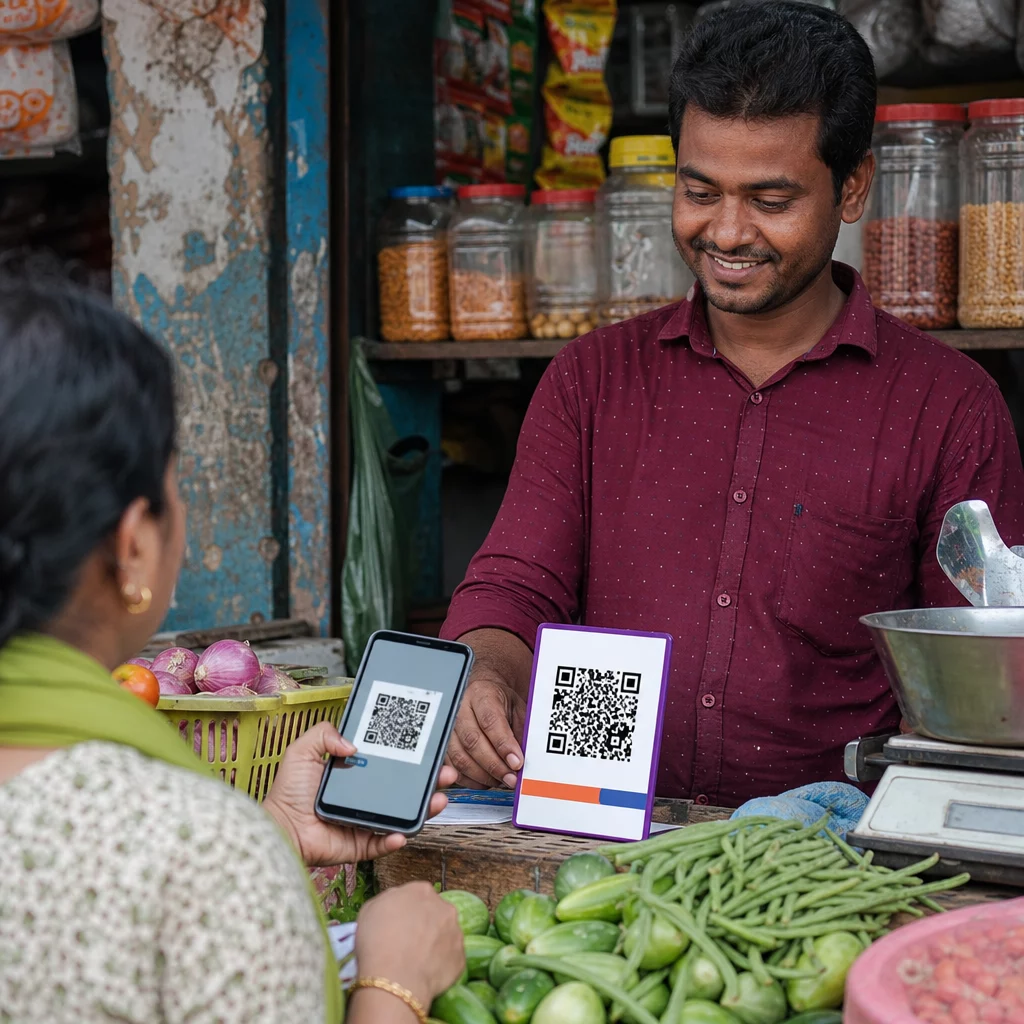
Sok fejlődő gazdaságban a hagyományos banki infrastruktúra gyenge. A POS-terminálok drágák, a kártyahálózatok korlátozott elérésűek, és a lakosság nagy része banki szolgáltatások nélkül marad. A QR-kódok egyszerre több ilyen problémát is megoldanak. Egy kereskedőnek csak egy nyomtatott kódra vagy egy okostelefon képernyőjére van szüksége a digitális fizetések elfogadásához – nincs kártyaolvasó, nincs drága hardver, nincs bonyolult bevezetés.
A QR-kódos fizetéseket kulcsfontosságú eszköznek tekintik a pénzügyi inklúzióhoz a fejlődő gazdaságokban, pontosan azért, mert lehetővé teszik a kis- és mikrovállalkozások számára, hogy minimális infrastruktúrával fogadjanak el digitális fizetéseket, miközben a banki szolgáltatások nélküli lakosságot mobil pénztárcákon keresztül kapcsolják a hivatalos pénzügyi szolgáltatásokhoz. A gyakorlatban ez a következőképpen valósul meg: Bankok és pénzügyi intézmények számára elérhető QR-kódos megoldások.
Kína kínálja a legvilágosabb bizonyítékot a koncepcióra. A kutatások a QR-kódok “masszív elfogadását” írják le a kereskedők és fogyasztók körében a mindennapi tranzakciók során, amit az olcsó okostelefonok, a szélesebb mobilinternet-lefedettség és a támogató digitális ökoszisztéma hajtott. A modellt azóta lemásolták és adaptálták Dél- és Délkelet-Ázsiában, Latin-Amerikában és a Szubszaharai Afrikában.
A QR-fizetések elfogadásának fő mozgatórugói
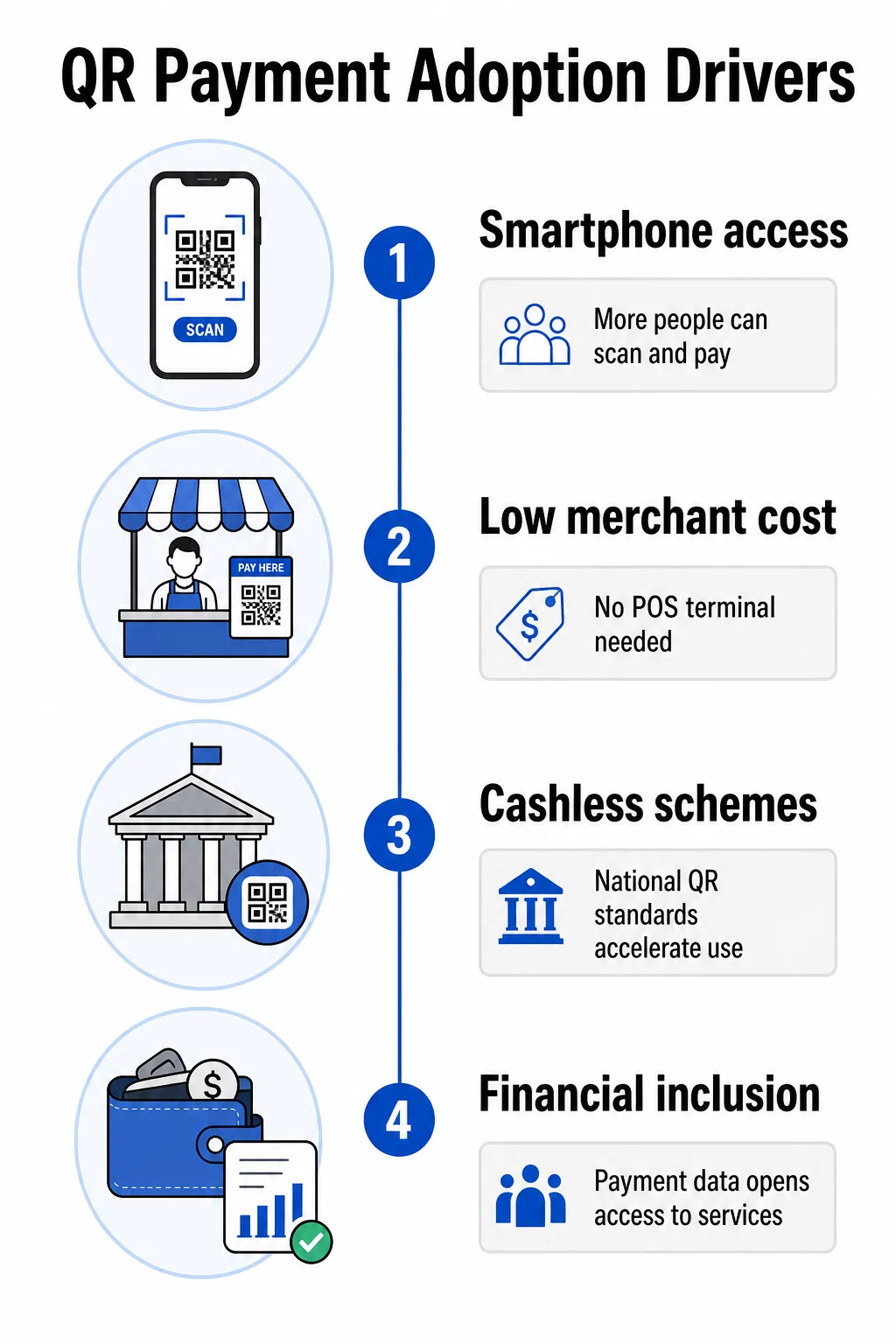
Számos különálló erő gyorsítja a QR-fizetések elterjedését a fejlődő piacokon. Ezek nem elszigetelten működnek – hanem erősítik egymást.
Okostelefon-penetráció és könnyű használat
Ahogy az okostelefonok költségei csökkennek, egyre több fogyasztó az alacsony és közepes jövedelmű országokban olyan eszközöket hordoz, amelyek képesek QR-kódokat szkennelni dedikált alkalmazás nélkül. Amikor a fizetéshez nem kell más, mint egy kameraalkalmazás megnyitása, eltűnik az a súrlódás, amely jellemzően lassítja a fizetési technológia elfogadását.
Alacsonyabb kereskedői költségek
A hagyományos POS-terminálokhoz képest a QR-alapú elfogadás drámaian alacsonyabb belépési költséggel jár. A szűk marzsokkal működő kiskereskedők – utcai árusok, piaci standok, kisboltok – számára ez a költségkülönbség döntő. a QR-kódok fizetéshez lehetővé teszi bármely kereskedő számára, hogy percek alatt, speciális felszerelés nélkül hozzon létre és jelenítsen meg egy működő fizetési kódot.
Kormány által támogatott készpénzmentes kezdeményezések
Számos fejlődő gazdaság nemzeti kormánya és központi bankja aktívan támogatta a QR-fizetéseket a szélesebb körű készpénzmentes politikai programok részeként. India BharatQR-je, Indonézia QRIS-e, Srí Lanka LankaQR-je, Banglades Bangla QR-je, Ghána GhQR-je, Mexikó CoDi-ja és Brazília Pix-je mind államilag támogatott rendszerek példái, amelyek célja a nagymértékű elfogadás felgyorsítása – különösen az informális szektor kereskedői és az alacsony jövedelmű fogyasztók körében.
Pénzügyi inklúzió mint szakpolitikai cél
A kényelmen túl a QR-fizetések idővel valami értékeset hoznak létre: egy tranzakciós előzményt. A korábban bankszámlával nem rendelkezők és kereskedők számára ez az adatáramlás végül hozzáférést biztosíthat hitelhez, biztosításhoz és egyéb hivatalos pénzügyi szolgáltatásokhoz. Ahogy a CGAP megjegyzi, az egyszerű és széles körben elterjedt digitális fizetési lehetőségek “tartós és mélyreható viselkedésbeli változást hozhatnak az alacsony jövedelmű ügyfelek és kereskedők körében, a hivatalos fizetéseket mindennapi életük részévé téve.”
Mobil pénztárcák növekedése és digitális ökoszisztémák
A mobil pénztárcák térnyerése – Alipay és WeChat Pay Kínában, Paytm Indiában, GoPay és OVO Indonéziában, M-Pesa származékok Afrikában – kész felhasználói bázisokat hozott létre a QR-fizetések számára. Annak megértése, hogy hogyan az Alipay és WeChat Pay QR-kód integrációja működik a gyakorlatban, hasznos referenciapontot ad arra vonatkozóan, hogyan működnek az érett QR-fizetési ökoszisztémák.
Társadalmi befolyás és bizalom
A kambodzsai QR-fizetések elfogadásával kapcsolatos kutatás a bizalmat, a szolgáltatás minőségét, a társadalmi befolyást és az észlelt kockázatot azonosította jelentős felhasználói szintű mozgatórugóként. Azokon a piacokon, ahol a készpénz kulturálisan domináns marad, a látható társadalmi elfogadás és az intézményi hitelesség nagyobb súllyal bír, mint azokon a piacokon, ahol a digitális fizetések már a norma.
Piaci méret és növekedési előrejelzések
A QR-fizetések növekedése mögötti számok elég jelentősek ahhoz, hogy komoly figyelmet követeljenek a befektetőktől és stratégáktól.
- A globális QR-kód fizetési piacot körülbelül 12,5 milliárd USD-re becsülték 2024-ben és várhatóan eléri a 61,7 milliárd USD-t 2033-ra, ami körülbelül 20%-os összetett éves növekedési rátát jelent.
- Egy külön előrejelzés szerint a teljes QR-kódos fizetési kiadások emelkedni fognak a jelenlegi szintről 5,4 billió USD 2025-ben 8 billió USD-re 2029-ben – 48%-os növekedés négy év alatt.
- Egy korábbi előrejelzés szerint a növekedés 8,07 milliárd USD-ről 2020-ban 35,07 milliárd USD-re emelkedik 2030-ra, 16,1%-os éves átlagos növekedési rátával (CAGR).
Ázsia-Csendes-óceán, amely a világ számos legnagyobb feltörekvő gazdaságát foglalja magában, várhatóan a globális növekedés legnagyobb részét fogja birtokolni az előrejelzési időszakban. Kína, India és a délkelet-ázsiai nemzetek a fő hozzájárulók, amit mind a piacvezérelt mobilpénztárca-terjeszkedés, mind a szándékos kormányzati készpénzmentes kezdeményezések támogatnak.
Bár ezek az adatok globálisak, nem pedig kifejezetten a feltörekvő piacokra vonatkoznak, az alapvető mozgatórugók a fejlődő gazdaságokban koncentrálódnak. Az érett piacokon, mint például az Egyesült Államokban, a növekedés viszonylag lassabb volt. Ahogy egyre több kereskedő vezeti be a QR-kódos fizetési lehetőségeket a tranzakciók gyorsabbá, biztonságosabbá és hozzáférhetőbbé tétele érdekében, ez a koncentráció valószínűleg elmélyül.
A szabályozási környezet: Szabványok, átjárhatóság és felügyelet
A szabályozás ezen a területen nem annyira akadály, mint inkább egy architektúra. Az, hogy a központi bankok és kormányok hogyan strukturálják a QR-fizetési rendszereket, meghatározza, hogy ki vehet részt, hogyan oszlanak meg a költségek, és milyen gyorsan terjedhet el a bevezetés.
Nemzeti QR-szabványok és átjárhatóság
A legjelentősebb szabályozási fejlemény a feltörekvő gazdaságokban az átjárható nemzeti QR-szabványok elterjedése. Ezek a rendszerek – amelyeket gyakran központi bankok vagy nemzeti fizetési hatóságok fejlesztenek és birtokolnak – EMVCo szabványokat használnak annak biztosítására, hogy egyetlen QR-kód több szolgáltatótól is elfogadjon fizetéseket. Ez rendkívül fontos a kereskedők elfogadása szempontjából: egy kiskereskedő, aki elfogad egy QR-rendszert, gyakorlatilag elfogadja az összes résztvevő pénztárcát és bankot.
| Ország | Rendszer | Üzemeltető |
|---|---|---|
| India | BharatQR | Indiai Központi Bank / NPCI |
| Indonézia | QRIS | Bank Indonesia |
| Srí Lanka | LankaQR | Srí Lanka-i Központi Bank |
| Banglades | Bangla QR | Bangladesi Bank |
| Ghána | GhQR | Ghánai Bankközi Fizetési és Elszámolási Rendszerek |
| Mexikó | CoDi | Banco de México |
| Brazília | Pix | Banco Central do Brasil |
| Kirgizisztán | ELQR | Nemzeti Fizetési Rendszer |
A 2018-ban bevezetett LankaQR-nek kifejezetten meg kell felelnie a globális EMV szabványoknak – ez egy olyan tervezési döntés, amely lehetővé teszi bármely bank vagy fizetési szolgáltató számára, hogy egységes kódon keresztül fogadjon el fizetéseket, sajátos zárolás nélkül.
Határokon átnyúló átjárhatóság
Az ASEAN Integrált QR-kód Fizetési Rendszer összekapcsolja a nemzeti QR-rendszereket a résztvevő országokban az ASEAN Helyi Valuta Tranzakciós Keretrendszer keretében. Ez a politikai kezdeményezés támogatja a határokon átnyúló QR-fizetéseket helyi valutákban, csökkentve a külföldi valuta közvetítőktől való függőséget a regionális tranzakciók során. A regionális, nem pedig egyetlen országra fókuszáló vállalkozások és befektetők számára ez az integráció jelentősen bővíti a megcélozható piacot.
Fogyasztóvédelem és adatvédelem
Az OECD azt javasolja, hogy a digitális pénzügyi műveltségi kezdeményezések a pénzügyi fogyasztóvédelmi keretrendszerekkel párhuzamosan működjenek. A gyakorlatban a QR-fizetésekre vonatkozó szabályozásoknak nemcsak műszaki biztonsági szabványokat kell előírniuk, hanem biztosítaniuk kell, hogy a fogyasztók hozzáférjenek átlátható információkhoz és hatékony mechanizmusokhoz a csalások bejelentésére. A több joghatóságban működő vállalkozások számára fontos megfelelőségi szempont annak megértése, hogy QR-kód adatvédelmi törvények és kulcsfontosságú szabályozások hogyan alkalmazandók a fizetési adatokra.
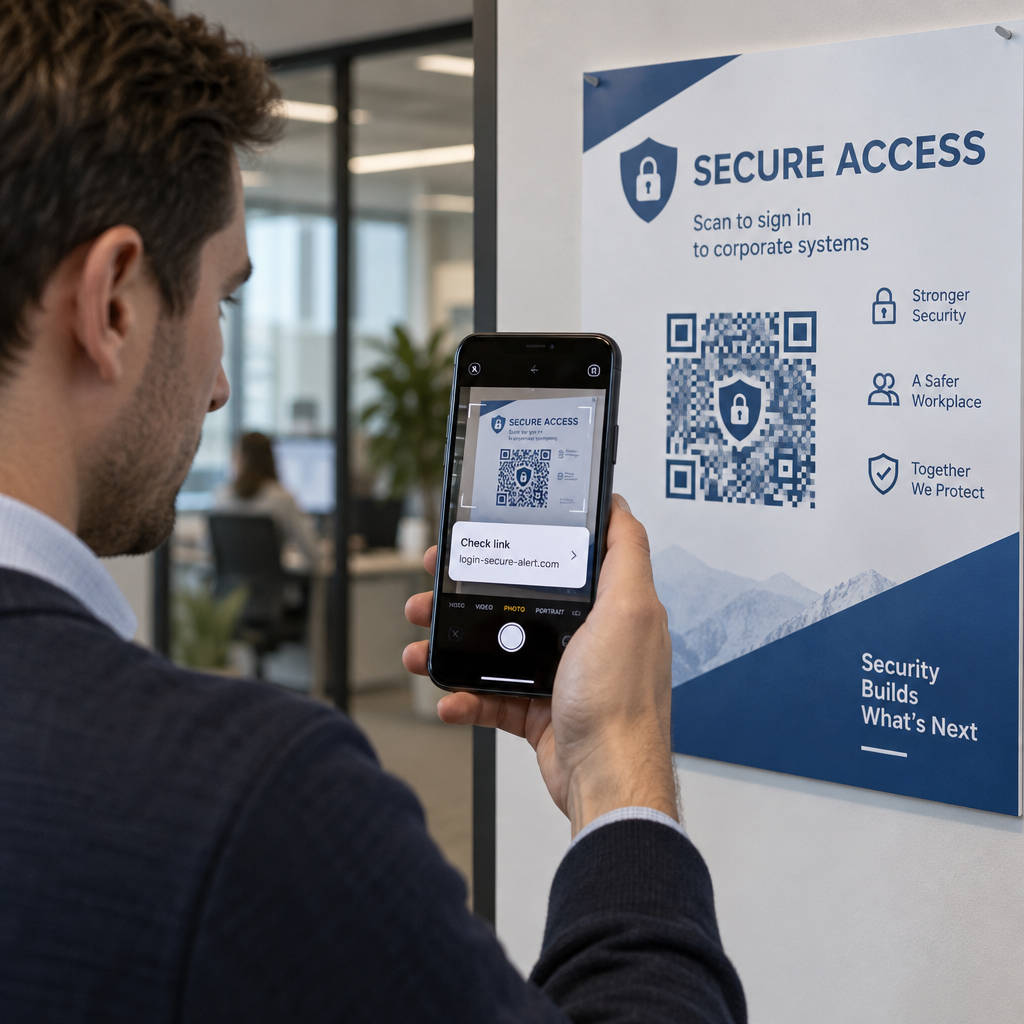
Ez egyre inkább releváns, mivel a QR-fizetések növekedése új csalási mintákat eredményezett egyes országokban. A statikus kereskedői QR-kódok különösen sebezhetőek a fizikai cseretámadásokkal szemben – ahol egy csaló hamis kódot helyez egy jogszerű kód fölé. Az útmutató a QR-kód kockázatai a fizetésekben és azok enyhítése lefedi a fő fenyegetési vektorokat, amelyekkel a vállalkozások szembesülnek.
Az elérhető szabályozási adatok korlátai
Nyilvános források magas szintű leírásokat adnak a jegybanki szerepekről és az EMV szabványokról, de a QR-kódos fizetéseket kifejezetten szabályozó részletes, országonkénti jogszabályi rendelkezések nincsenek jól dokumentálva. A konkrét piacokon átvilágítást végző befektetőknek és stratégáknak helyi jogi elemzéssel kell kiegészíteniük ezeket a keretrendszereket.
Pénzügyi inklúzió: A hosszú távú stratégiai eset
Befektetők és fejlesztésközpontú stratégák számára a QR-fizetések pénzügyi inklúziós dimenziója vitathatatlanul a legjelentősebb hosszú távú trend.
A QR-kódok alacsony költségű belépési pontot teremtenek a formális digitális gazdaságba két, történelmileg kizárt csoport számára: a kiskereskedők és az alacsony jövedelmű fogyasztók számára. Ahogy a QR-kódok elterjednek ezekben a szegmensekben, tranzakciós előzményeket generálnak, amelyek alternatív hiteladatként szolgálhatnak. Idővel ez az adatáramlás utat nyit a hitelhez, biztosításhoz és egyéb pénzügyi szolgáltatásokhoz – olyan termékekhez, amelyek önmagukban is jelentős megcélozható piacokat képviselnek.
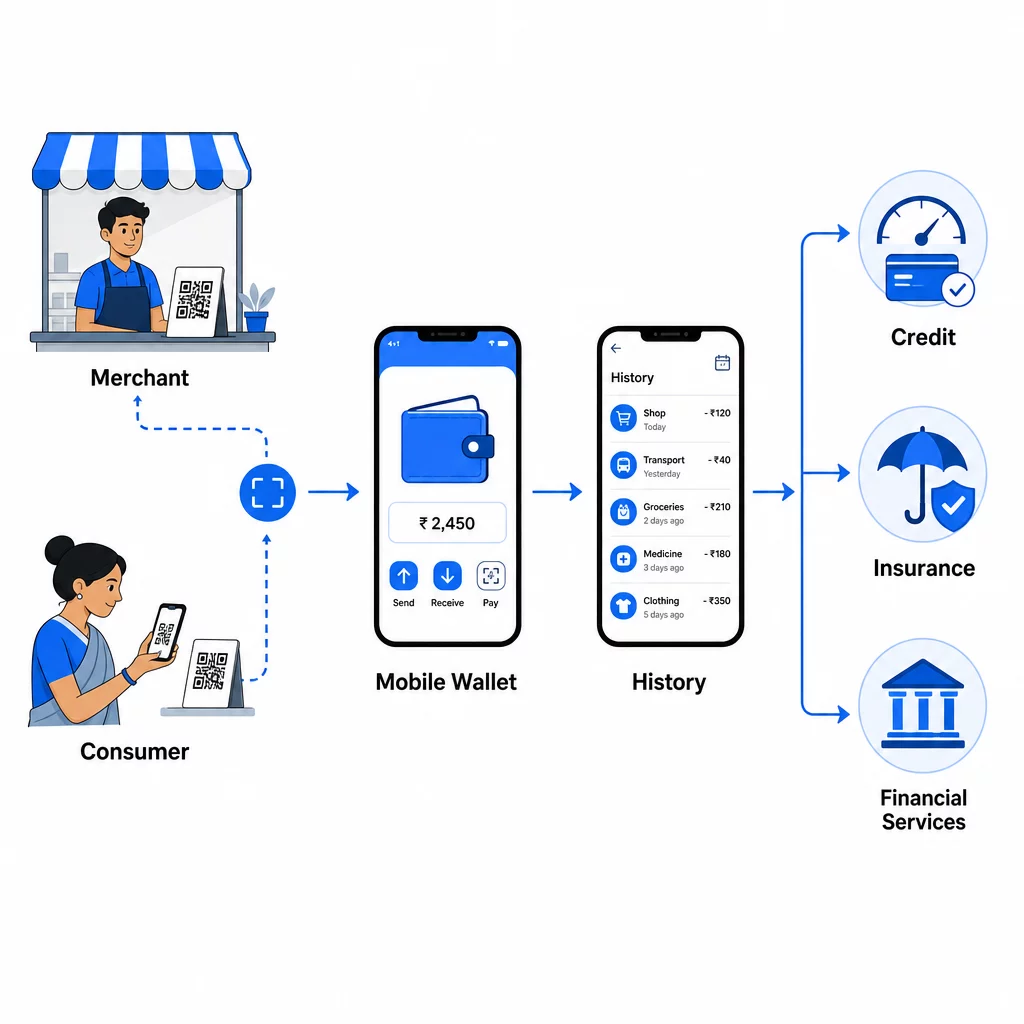
A CGAP ezt világosan megfogalmazza: a QR-kódok “ígéretes módszert jelentenek az alacsony jövedelmű kereskedőknél történő fizetések digitalizálására és az ügyfelek digitálisra való átállására”, és az általuk generált tranzakciós előzmények “hozzáférést biztosíthatnak a hitelhez és más formális pénzügyi szolgáltatásokhoz, megteremtve a pénzügyi inklúzió kapuját.”
Kelet-Ázsia tapasztalatai megerősítik ezt a pontot. Ahogy a QR-alapú mobilfizetések felváltják a készpénzt, a bankok csökkenthetik a készpénzszolgáltatásokkal kapcsolatos költségeket – tőkét szabadítva fel a hitelezésre és más értéknövelő tevékenységekre. A pénzügyi inklúzió esete nem pusztán elméleti; megfigyelhető viselkedésváltozás támasztja alá, nagy léptékben.
Figyelendő kockázatok és akadályok
A növekedési potenciál erős, de egyetlen őszinte piacelemzés sem hagyja figyelmen kívül az ellenállásokat.
Csalás és biztonsági rések
A statikus QR-kódokat fizikailag manipulálhatják, és a legtöbb felhasználó képtelensége arra, hogy beolvasás előtt ellenőrizze a kód célállomását, folyamatos csalási kockázatot teremt. Ahogy az elfogadás mértéke növekszik, a csalási minták is hajlamosak vele együtt növekedni. A QR-kódos fizetések biztonsági és sebességi előnyei valósak, de az implementációs döntésektől függenek – különösen a dinamikus kódok statikusakkal szembeni használatától –, nem csupán a technológiától.
Bizalom és digitális írástudatlansági hiányosságok
Kambodzsából és más feltörekvő piaci környezetekből származó kutatások következetesen a bizalmat azonosítják elsődleges elfogadási akadályként. Ahol a fogyasztók nem bíznak a digitális rendszerekben – vagy ahol korábbi csalási tapasztalatok károsították a bizalmat – ott az elfogadás megreked, függetlenül az infrastruktúra minőségétől. A kormány által támogatott digitális írástudási kezdeményezések részei a szakpolitikai válasznak, de a haladás egyenetlen.
Fragmentációs kockázatok
Míg az interoperábilis nemzeti szabványok csökkentik a fragmentációt az országokon belül, a határokon átnyúló interoperabilitás továbbra is hiányos. A több feltörekvő piacon működő vállalkozások gyakorlati kihívással néznek szembe, amikor különböző rendszerek, szabványok és szabályozási környezetek között kell navigálniuk. Az ASEAN integrációs erőfeszítése jelentős előrelépés, de korlátozott számú országot fed le.
Infrastrukturális függőségek
A QR-fizetések megbízható mobil internetkapcsolatot igényelnek. A vidéki területeken és az alacsonyabb jövedelmű városi övezetekben – pontosan azokon a népességeken, amelyek a leginkább relevánsak a pénzügyi inklúziós célok szempontjából – a kapcsolat inkonzisztens lehet. Ez a korlát behatárolja, hogy milyen gyorsan érheti el a QR-kódok elfogadása a leginkább alulszolgáltatott szegmenseket.
Mit jelent ez az ezeken a piacokon működő vállalkozások számára
Azoknak a vállalatoknak, amelyek már elfogadnak vagy terveznek QR-kódos fizetéseket elfogadni a feltörekvő gazdaságokban, néhány gyakorlati szempont következik ebből az elemzésből.
- A fizetés elfogadását a domináns helyi rendszer köré tervezze. A QRIS kereskedői elfogadása Indonéziában vagy az UPI-hez kapcsolt QR Indiában sokkal szélesebb ügyfélkört ér el, mint egyetlen saját pénztárca elfogadása. Az interoperábilis szabványok pontosan azért léteznek, hogy megszüntessék az ilyen típusú bezártságot.
- Használjon dinamikus QR-kódokat a statikusak helyett. A dinamikus kódok lehetővé teszik a fizetési célok frissítését, a szkennelési tevékenység anomáliáinak figyelését, és a kódok deaktiválását, ha csalást észlelnek – mindezt újranyomtatás nélkül. A több helyszínen fizetéseket kezelő vállalkozások számára ez a központosított ellenőrzés működési szempontból jelentős. A útmutató a mobil pénztárcákhoz használható QR-kódokhoz elmagyarázza a dinamikus és statikus megközelítések közötti gyakorlati különbségeket fizetési kontextusban.
- Kezelje az analitikát alapvető funkcióként, ne utólagos gondolatként. Annak megértése, hogy mikor és hol szkennelik a kódokat – és a szokatlan minták jelzése – éppúgy releváns a csalásmegelőzés szempontjából, mint a marketing optimalizálás szempontjából. Azok a vállalkozások, amelyek QR-kódokat használnak peer-to-peer fizetésekhez hatékonyan hajlamosak aktívan, nem pedig reaktívan figyelni a szkennelési adatokat.
- Építsen az interoperábilis jövőre. A határokon átnyúló QR-fizetési integráció bővül. Azok a vállalkozások, amelyek most fektetnek be rugalmas, rendszerfüggetlen elfogadási infrastruktúrába, jobban felkészültek a skálázásra, ahogy az olyan regionális keretrendszerek, mint az ASEAN rendszer, érnek.
Kezdje el elfogadni a QR-fizetéseket bonyodalmak nélkül Fizetési QR-kódokat kell létrehoznia, amelyek működnek az összes üzleti helyszínén? Használja a Pageloot QR Kód Generátor dinamikus, nyomon követhető kódok építéséhez – vagy a PayPal pénzfogadás QR kóddal közvetlenül a fizetési számlájához kapcsolódni, hardver nélkül.
Az irány tiszta, a részletek még íródnak
A QR-kódos fizetések a feltörekvő gazdaságokban nem spekulatív trendek – hanem infrastrukturális valóság, amelyet központi banki mandátumok, nagyméretű, bizonyított elfogadás és a fizetési iparág legtöbb szegmensét meghaladó növekedési ütem támaszt alá. A piac várhatóan évente körülbelül 20%-kal fog növekedni 2033-ig, az ázsiai-csendes-óceáni térség vezetésével, Latin-Amerika, Afrika és Dél-Ázsia jelentős hozzájárulásával.
A befektetők és üzleti vezetők számára a stratégiai kérdés nem az, hogy a QR-fizetések uralni fogják-e a digitális kereskedelmet a feltörekvő gazdaságokban, hanem az, hogy milyen gyorsan érik el a csaláskezelés, a határokon átnyúló interoperabilitás és a digitális írástudás azt a szintet, amely támogatja ezt az uralmat. Azok, akik értik a szabályozási architektúrát – és a központi bankok által aktívan támogatott interoperábilis nemzeti szabványok keretein belül helyezkednek el – a legjobb helyzetben vannak ahhoz, hogy megragadják a lehetőséget.
Azoknak a vállalkozásoknak, amelyek ma QR-fizetési képességeket építenek ki, fedezzék fel a QR-kód megoldásokat, amelyek iparágakon átívelően elérhetők hogy megtalálják a megfelelő megközelítést az Ön szektorához.
Gyakori kérdések
A feltörekvő piacokon kevesebb a meglévő kártyás fizetési infrastruktúra, magasabb a bankszámlával nem rendelkezők aránya, és alacsonyabbak az okostelefonok költségei a POS terminálok költségeihez képest. A QR-kódok megszüntetik a drága hardverek szükségességét, lehetővé téve, hogy bármely kereskedő, aki nyomtatott kóddal vagy okostelefonnal rendelkezik, elfogadjon digitális fizetéseket. A kormányok által támogatott készpénzmentes kezdeményezések és az interoperábilis nemzeti QR-szabványok szintén felgyorsították az elfogadást olyan módon, aminek a legtöbb fejlett piacon nincs közvetlen megfelelője.
Számos feltörekvő gazdaság központi bankjai közvetlen szerepet vállaltak az átjárható nemzeti QR-rendszerek fejlesztésében és kötelezővé tételében – példák erre a BharatQR Indiában, a QRIS Indonéziában, a LankaQR Srí Lankán és a Pix Brazíliában. Ezek a rendszerek EMVCo szabványokat használnak annak biztosítására, hogy egyetlen QR-kód több szolgáltatótól is elfogadhasson fizetéseket, csökkentve a fragmentációt és támogatva az elterjedést a kiskereskedők és az alacsony jövedelmű fogyasztók körében. Ez egy szakpolitikai alapú infrastruktúra-beruházás, nem csupán piaci eredmény.
A leggyakoribb kockázatok a fizikai QR-kód manipuláció (ahol a csalók egy jogszerű kódot egy hamisra cserélnek, amely a fizetéseket a saját számlájukra irányítja át) és az adathalász támadások, amelyek jogszerű fizetési oldalakat utánoznak. Dinamikus QR-kódok használata – amelyek szokatlan szkennelési tevékenység szempontjából monitorozhatók és kompromittálódás esetén deaktiválhatók – jelentősen csökkenti ezeket a kockázatokat a statikus kódokhoz képest. A fenyegetések és enyhítési stratégiák teljes áttekintéséért lásd a QR-kód kockázatairól szóló útmutatót a fizetésekben.