Stai cercando di valutare dove stanno andando i pagamenti con codice QR nei mercati in via di sviluppo? La risposta modella la strategia di investimento, le decisioni sui prodotti e i tempi di ingresso nel mercato. Questo articolo analizza i fattori trainanti dell'adozione, i quadri normativi e le previsioni di crescita di cui hai bisogno per comprendere questo spazio in rapida evoluzione.
Perché le economie emergenti stanno guidando l'adozione dei pagamenti QR
I pagamenti con codice QR sono cresciuti più velocemente nei mercati emergenti rispetto a quelli sviluppati – e le ragioni sono strutturali, non casuali.
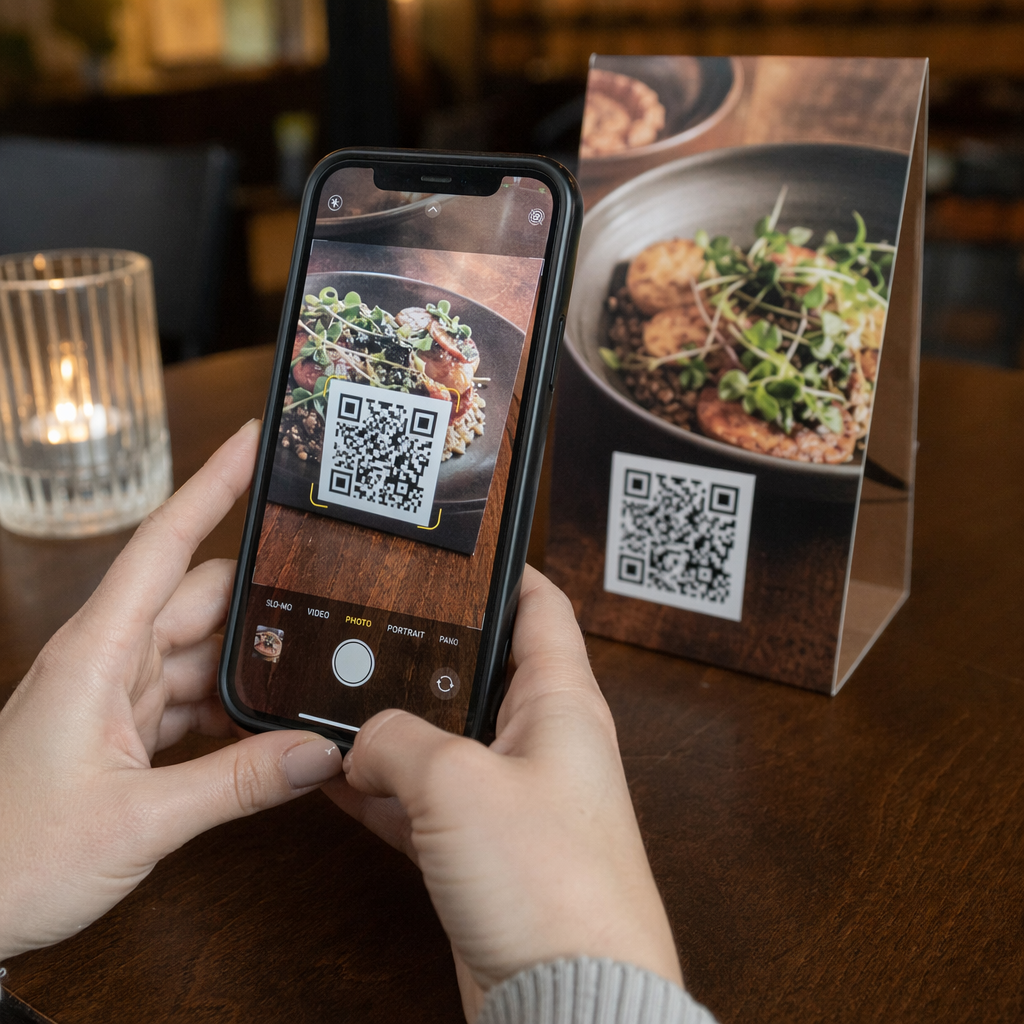
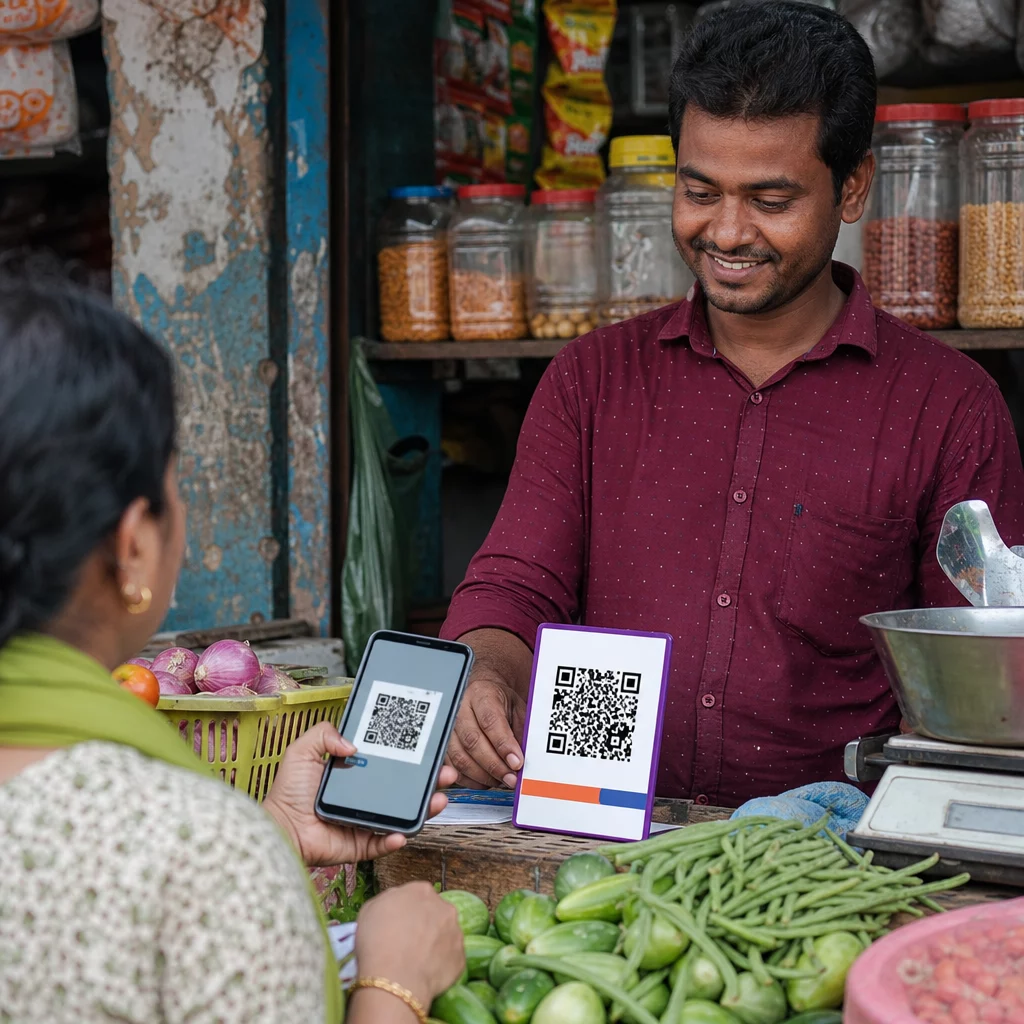
In molte economie in via di sviluppo, l'infrastruttura bancaria tradizionale è scarsa. I terminali POS sono costosi, le reti di carte hanno una portata limitata e ampie porzioni della popolazione rimangono senza conto bancario. I codici QR risolvono molti di questi problemi contemporaneamente. Un commerciante ha bisogno solo di un codice stampato o di uno schermo di smartphone per accettare pagamenti digitali – nessun lettore di carte, nessun hardware costoso, nessun onboarding complesso.
I pagamenti con codice QR sono visti come uno strumento chiave per l'inclusione finanziaria nelle economie emergenti proprio perché consentono a piccoli e micro-commercianti di accettare pagamenti digitali con infrastrutture minime, collegando al contempo le popolazioni senza conto bancario ai servizi finanziari formali tramite portafogli mobili. Puoi vedere come questo si traduce in pratica attraverso le soluzioni di codice QR disponibili per banche e istituzioni finanziarie.
La Cina offre la prova di concetto più chiara. La ricerca descrive una “adozione massiccia” dei codici QR da parte di commercianti e consumatori nelle transazioni quotidiane, guidata da smartphone a prezzi accessibili, una più ampia copertura internet mobile e un ecosistema digitale di supporto. Il modello è stato da allora replicato e adattato in Asia meridionale e sud-orientale, America Latina e Africa subsahariana.
Fattori chiave dell'adozione dei pagamenti QR
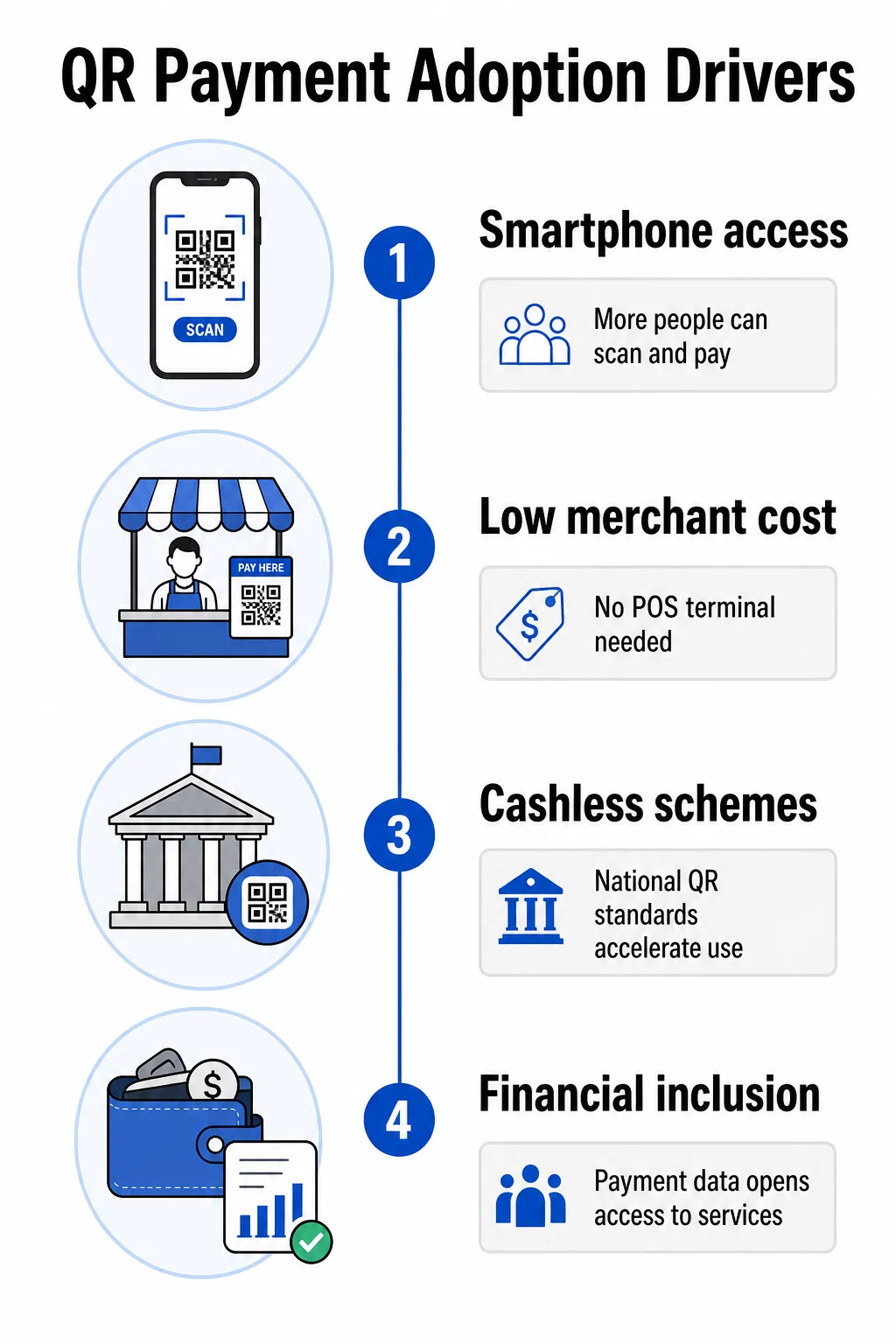
Diverse forze distinte stanno accelerando l'adozione dei pagamenti QR nei mercati emergenti. Queste non operano in isolamento – si rafforzano a vicenda.
Penetrazione degli smartphone e facilità d'uso
Man mano che i costi degli smartphone diminuiscono, più consumatori nei paesi a basso e medio reddito possiedono dispositivi in grado di scansionare codici QR senza un'app dedicata. Quando pagare richiede solo l'apertura di un'app fotocamera, l'attrito che tipicamente rallenta l'adozione della tecnologia di pagamento scompare.
Costi inferiori per i commercianti
Rispetto ai terminali POS tradizionali, l'accettazione basata su QR ha un costo di ingresso drasticamente inferiore. Per i piccoli commercianti che operano con margini sottili – venditori ambulanti, bancarelle del mercato, piccoli negozi – questa differenza di costo è decisiva. i codici QR per i pagamenti rendono possibile a qualsiasi commerciante di creare e visualizzare un codice di pagamento funzionante in pochi minuti, senza attrezzature specialistiche.
Iniziative cashless sostenute dal governo
I governi nazionali e le banche centrali in diverse economie emergenti hanno promosso attivamente i pagamenti QR come parte di più ampie agende politiche cashless. BharatQR dell'India, QRIS dell'Indonesia, LankaQR dello Sri Lanka, Bangla QR del Bangladesh, GhQR del Ghana, CoDi del Messico e Pix del Brasile sono tutti esempi di sistemi sostenuti dallo stato progettati per accelerare l'adozione su larga scala – in particolare tra i commercianti del settore informale e i consumatori a basso reddito.
Inclusione finanziaria come obiettivo politico
Oltre la comodità, i pagamenti QR creano qualcosa di prezioso nel tempo: una cronologia delle transazioni. Per gli individui e i commercianti precedentemente non bancarizzati, questa traccia di dati può eventualmente sbloccare l'accesso a credito, assicurazioni e altri servizi finanziari formali. Come osserva il CGAP, le opportunità di pagamento digitale facili e diffuse “possono portare a un cambiamento comportamentale duraturo e profondo tra clienti e commercianti a basso reddito, rendendo i pagamenti formali parte della loro vita quotidiana.”
Crescita dei portafogli mobili ed ecosistemi digitali
L'ascesa dei portafogli mobili – Alipay e WeChat Pay in Cina, Paytm in India, GoPay e OVO in Indonesia, derivati di M-Pesa in tutta l'Africa – ha creato basi di utenti già pronte per i pagamenti QR. Capire come l'integrazione dei codici QR di Alipay e WeChat Pay funziona nella pratica offre un utile punto di riferimento su come funzionano gli ecosistemi di pagamento QR maturi.
Influenza sociale e fiducia
La ricerca sull'adozione dei pagamenti QR in Cambogia ha identificato fiducia, qualità del servizio, influenza sociale e rischio percepito come driver significativi a livello utente. Nei mercati in cui il contante rimane culturalmente dominante, l'adozione visibile da parte dei pari e la credibilità istituzionale hanno più peso che nei mercati in cui i pagamenti digitali sono già la norma.
Dimensioni del mercato e previsioni di crescita
I numeri dietro la crescita dei pagamenti QR sono abbastanza sostanziosi da richiedere seria attenzione da parte di investitori e strateghi.
- Il mercato globale dei pagamenti con codice QR è stato stimato a circa 12,5 miliardi di USD nel 2024 ed è previsto che raggiunga 61,7 miliardi di USD entro il 2033, rappresentando un tasso di crescita annuale composto di circa il 20%.
- Una previsione separata proietta che la spesa totale per i pagamenti con codice QR aumenterà da 5,4 trilioni di USD nel 2025 a 8 trilioni di USD nel 2029 – un aumento del 48% in quattro anni.
- Una proiezione precedente stimava una crescita da 8,07 miliardi di USD nel 2020 a 35,07 miliardi di USD entro il 2030 con un CAGR del 16,1%.
Asia-Pacifico, che contiene molte delle più grandi economie emergenti del mondo, dovrebbe detenere la quota maggiore della crescita globale per tutto il periodo di previsione. Cina, India e le nazioni del Sud-est asiatico sono i principali contributori, supportate sia dall'espansione dei portafogli mobili guidata dal mercato sia da deliberate iniziative governative per il cashless.
Sebbene queste cifre siano globali piuttosto che specifiche per i mercati emergenti, i fattori trainanti sottostanti sono concentrati nelle economie in via di sviluppo. La crescita nei mercati maturi come gli Stati Uniti è stata relativamente più lenta. Man mano che più commercianti adottano opzioni di pagamento con codice QR per rendere le transazioni più veloci, sicure e accessibili, tale concentrazione è destinata ad approfondirsi.
Il panorama normativo: standard, interoperabilità e supervisione
La regolamentazione in questo spazio non è tanto una barriera quanto un'architettura. Il modo in cui le banche centrali e i governi strutturano gli schemi di pagamento QR determina chi può partecipare, come vengono distribuiti i costi e quanto velocemente l'adozione può scalare.
Standard QR nazionali e interoperabilità
Lo sviluppo normativo più significativo nelle economie emergenti è la proliferazione di standard QR nazionali interoperabili. Questi schemi – sviluppati e spesso di proprietà delle banche centrali o delle autorità di pagamento nazionali – utilizzano gli standard EMVCo per garantire che un singolo codice QR possa accettare pagamenti da più fornitori. Ciò è enormemente importante per l'adozione da parte dei commercianti: un piccolo commerciante che accetta uno schema QR accetta di fatto tutti i portafogli e le banche partecipanti.
| Nazione | Schema | Operatore |
|---|---|---|
| India | BharatQR | Reserve Bank of India / NPCI |
| Indonesia | QRIS | Banca d'Indonesia |
| Sri Lanka | LankaQR | Banca Centrale dello Sri Lanka |
| Bangladesh | Bangla QR | Banca del Bangladesh |
| Ghana | GhQR | Sistemi di Pagamento e Regolamento Interbancario del Ghana |
| Messico | CoDi | Banca del Messico |
| Brasile | Pix | Banco Central do Brasil |
| Kirghizistan | ELQR | Sistema di Pagamento Nazionale |
LankaQR, introdotto nel 2018, è esplicitamente richiesto di conformarsi agli standard EMV globali – una scelta di design che consente a qualsiasi banca o fornitore di servizi di pagamento di accettare pagamenti tramite un codice unificato, senza vincoli proprietari.
Interoperabilità transfrontaliera
Il Sistema di Pagamento Integrato con Codice QR dell'ASEAN collega gli schemi QR nazionali tra i paesi partecipanti nell'ambito del Quadro di Transazione in Valuta Locale dell'ASEAN. Questa iniziativa politica supporta i pagamenti QR transfrontalieri in valute locali, riducendo la dipendenza da intermediari in valuta estera per le transazioni regionali. Per le aziende e gli investitori con un focus regionale piuttosto che su un singolo paese, questa integrazione espande significativamente il mercato indirizzabile.
Protezione dei consumatori e privacy
L'OCSE raccomanda che le iniziative di alfabetizzazione finanziaria digitale siano affiancate da quadri di protezione dei consumatori finanziari. In pratica, le normative sui pagamenti QR non dovrebbero solo imporre standard di sicurezza tecnici, ma anche garantire che i consumatori abbiano accesso a informazioni trasparenti e meccanismi efficaci per segnalare le frodi. Per le aziende che operano in più giurisdizioni, capire come Leggi sulla privacy dei codici QR e regolamenti chiave si applicano ai dati di pagamento è un'importante considerazione di conformità.
Questo è sempre più rilevante perché la crescita dei pagamenti QR ha prodotto nuovi schemi di frode in alcuni paesi. I codici QR statici dei commercianti sono particolarmente vulnerabili agli attacchi di sostituzione fisica – dove un truffatore posiziona un codice falso sopra uno legittimo. La guida su i rischi dei codici QR nei pagamenti e come mitigarli copre i principali vettori di minaccia che le aziende devono affrontare.
I limiti dei dati normativi disponibili
Le fonti pubbliche forniscono descrizioni di alto livello dei ruoli delle banche centrali e degli standard EMV, ma le disposizioni statutarie granulari, paese per paese, che regolano specificamente i pagamenti con codice QR non sono ben documentate. Gli investitori e gli strateghi che conducono la due diligence in mercati specifici dovranno integrare questi quadri con un'analisi legale locale.
Inclusione Finanziaria: Il Caso Strategico a Lungo Termine
Per gli investitori e gli strateghi orientati allo sviluppo, la dimensione dell'inclusione finanziaria dei pagamenti QR è probabilmente la tendenza a lungo termine più significativa.
I codici QR creano un punto di ingresso a basso costo nell'economia digitale formale per due gruppi storicamente esclusi: piccoli commercianti e consumatori a basso reddito. Man mano che l'adozione dei QR si diffonde in questi segmenti, genera cronologie delle transazioni che possono servire come dati di credito alternativi. Nel tempo, questa traccia di dati crea percorsi verso credito, assicurazioni e altri servizi finanziari – prodotti che rappresentano mercati indirizzabili sostanziali a pieno titolo.
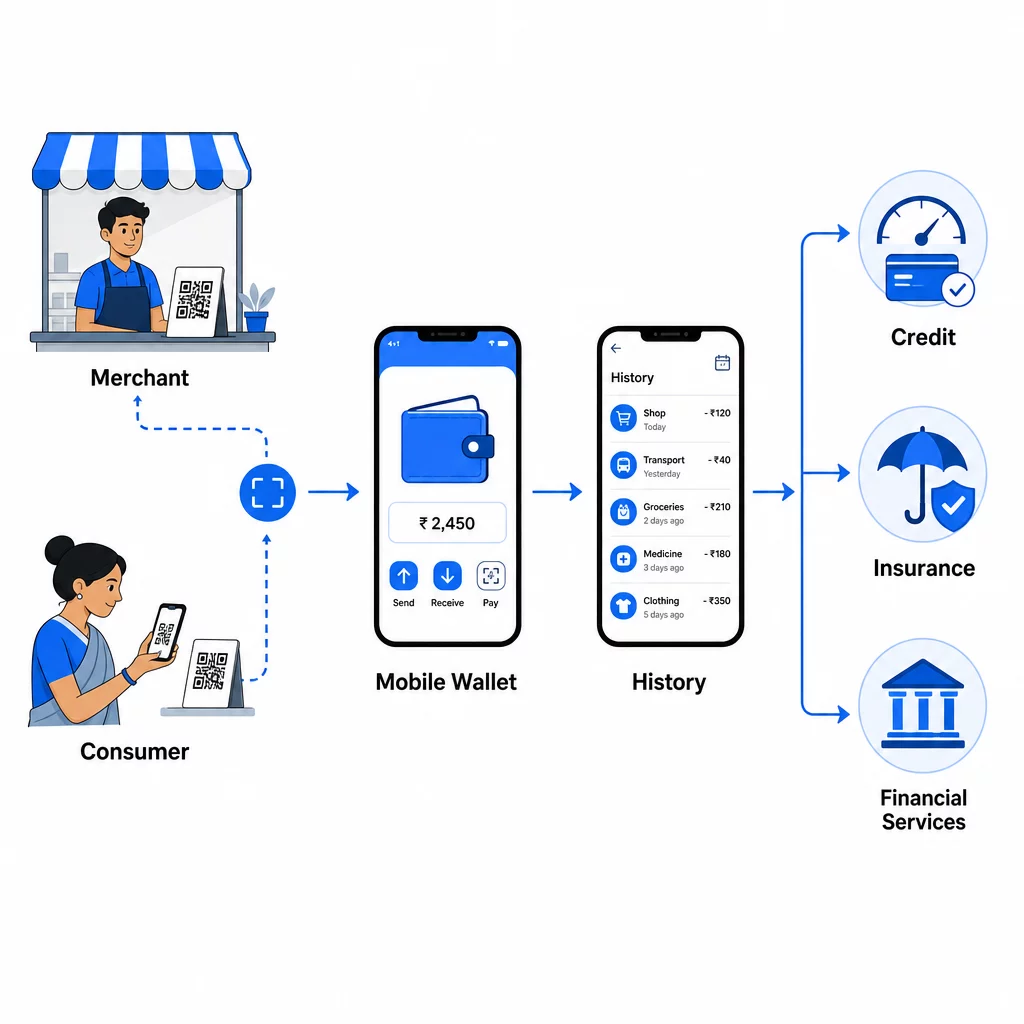
CGAP lo inquadra chiaramente: i codici QR sono “un modo promettente per digitalizzare i pagamenti presso i commercianti a basso reddito e spingere i clienti a passare al digitale,” e le cronologie delle transazioni che generano “possono portare accesso al credito e ad altri servizi finanziari formali, creando una porta verso l'inclusione finanziaria.”
L'esperienza dell'Asia orientale rafforza questo punto. Poiché i pagamenti mobili basati su QR sostituiscono il contante, le banche possono ridurre i costi associati ai servizi in contanti – liberando capitale per prestiti e altre attività a valore aggiunto. Il caso dell'inclusione finanziaria non è puramente teorico; è supportato da un cambiamento di comportamento osservabile su larga scala.
Rischi e Barriere da Monitorare
Il caso di crescita è forte, ma nessuna analisi di mercato onesta ignora i venti contrari.
Frodi e vulnerabilità di sicurezza
I codici QR statici possono essere manomessi fisicamente, e l'incapacità della maggior parte degli utenti di verificare la destinazione di un codice prima della scansione crea un rischio di frode continuo. Man mano che l'adozione si espande, i modelli di frode tendono a espandersi con essa. La sicurezza e i vantaggi di velocità dei pagamenti con codice QR sono reali, ma dipendono dalle scelte di implementazione – in particolare l'uso di codici dinamici rispetto a quelli statici – non dalla sola tecnologia.
Lacune di fiducia e alfabetizzazione digitale
La ricerca dalla Cambogia e da altri contesti di mercati emergenti identifica costantemente la fiducia come una barriera primaria all'adozione. Laddove i consumatori mancano di fiducia nei sistemi digitali – o dove precedenti esperienze di frode hanno danneggiato la fiducia – l'adozione si blocca indipendentemente dalla qualità dell'infrastruttura. Le iniziative di alfabetizzazione digitale sostenute dal governo fanno parte della risposta politica, ma i progressi sono disomogenei.
Rischi di frammentazione
Mentre gli standard nazionali interoperabili riducono la frammentazione all'interno dei paesi, l'interoperabilità transfrontaliera rimane incompleta. Le aziende che operano in più mercati emergenti affrontano la sfida pratica di navigare tra schemi, standard e ambienti normativi diversi. Lo sforzo di integrazione dell'ASEAN è un passo avanti significativo, ma copre un insieme limitato di paesi.
Dipendenze infrastrutturali
I pagamenti QR richiedono una connettività internet mobile affidabile. Nelle aree rurali e nelle zone urbane a basso reddito – precisamente le popolazioni più rilevanti per gli obiettivi di inclusione finanziaria – la connettività può essere inconsistente. Questo vincolo limita la velocità con cui l'adozione dei QR può raggiungere i segmenti più svantaggiati.
Cosa significa per le aziende che operano in questi mercati
Per le aziende che già accettano o intendono accettare pagamenti tramite codice QR nelle economie emergenti, da questa analisi derivano alcune considerazioni pratiche.
- Progettare l'accettazione dei pagamenti attorno al sistema locale dominante. L'accettazione da parte dei commercianti di QRIS in Indonesia o di QR collegati a UPI in India raggiunge una base di clienti molto più ampia rispetto all'accettazione di un solo portafoglio proprietario. Gli standard interoperabili esistono proprio per eliminare quel tipo di blocco.
- Utilizzare codici QR dinamici anziché statici. I codici dinamici consentono di aggiornare le destinazioni di pagamento, monitorare l'attività di scansione per anomalie e disattivare i codici se viene rilevata una frode, il tutto senza ristampare. Per le aziende che gestiscono pagamenti in più sedi, questo controllo centralizzato è operativamente significativo. La guida ai codici QR per i portafogli mobili spiega le differenze pratiche tra approcci dinamici e statici in un contesto di pagamento.
- Trattare l'analisi come una funzione fondamentale, non come un ripensamento. Capire quando e dove i codici vengono scansionati – e segnalare schemi insoliti – è tanto rilevante per la prevenzione delle frodi quanto lo è per l'ottimizzazione del marketing. Le aziende che utilizzano codici QR per pagamenti tra pari tendono a monitorare i dati di scansione attivamente piuttosto che reattivamente.
- Costruire per il futuro interoperabile. L'integrazione dei pagamenti QR transfrontalieri è in espansione. Le aziende che investono ora in un'infrastruttura di accettazione flessibile e indipendente dallo schema sono meglio posizionate per scalare man mano che i quadri regionali come il sistema ASEAN maturano.
Inizia ad accettare pagamenti QR senza la complessità Hai bisogno di creare codici QR di pagamento che funzionino in tutte le tue sedi aziendali? Utilizza il Generatore di codici QR di Pageloot per creare codici dinamici e tracciabili – o il Generatore di QR code PayPal per collegarsi direttamente al tuo conto di pagamento senza hardware richiesto.
La Traiettoria È Chiara, i Dettagli Sono Ancora in Fase di Scrittura
I pagamenti tramite codice QR nelle economie emergenti non sono una tendenza speculativa – sono una realtà infrastrutturale sostenuta da mandati delle banche centrali, adozione dimostrata su larga scala e un tasso di crescita che supera la maggior parte dei segmenti dell'industria dei pagamenti. Si prevede che il mercato crescerà di circa il 20% annuo fino al 2033, con l'Asia-Pacifico in testa e l'America Latina, l'Africa e l'Asia meridionale che contribuiranno in modo significativo.
La questione strategica per gli investitori e i leader aziendali non è se i pagamenti QR domineranno il commercio digitale nelle economie emergenti, ma quanto rapidamente la governance delle frodi, l'interoperabilità transfrontaliera e l'alfabetizzazione digitale matureranno per sostenere tale dominio. Coloro che comprendono l'architettura normativa – e si posizionano all'interno degli standard nazionali interoperabili che le banche centrali stanno attivamente promuovendo – sono nella posizione migliore per cogliere l'opportunità.
Per le aziende che sviluppano capacità di pagamento QR oggi, esplora le soluzioni di codice QR disponibili in tutti i settori per trovare l'approccio giusto per il tuo settore.
Domande frequenti
I mercati emergenti hanno meno infrastrutture di pagamento con carta esistenti, proporzioni più elevate di popolazioni non bancarizzate e costi degli smartphone inferiori rispetto ai costi dei terminali POS. I codici QR eliminano la necessità di hardware costoso, consentendo a qualsiasi commerciante con un codice stampato o uno smartphone di accettare pagamenti digitali. Le iniziative governative per il cashless e gli standard nazionali QR interoperabili hanno anche accelerato l'adozione in modi che non hanno un equivalente diretto nella maggior parte dei mercati sviluppati.
Le banche centrali di molte economie emergenti hanno assunto un ruolo diretto nello sviluppo e nell'imposizione di schemi QR nazionali interoperabili – esempi includono BharatQR in India, QRIS in Indonesia, LankaQR in Sri Lanka e Pix in Brasile. Questi schemi utilizzano gli standard EMVCo per garantire che un singolo codice QR possa accettare pagamenti da più fornitori, riducendo la frammentazione e supportando l'adozione tra i piccoli commercianti e i consumatori a basso reddito. Si tratta di un investimento infrastrutturale guidato dalla politica, non semplicemente di un risultato di mercato.
I rischi più comuni sono la manomissione fisica dei codici QR (dove i truffatori sostituiscono un codice legittimo con uno falso reindirizzando i pagamenti al proprio conto) e gli attacchi di phishing che imitano pagine di pagamento legittime. L'utilizzo di codici QR dinamici – che possono essere monitorati per attività di scansione insolite e disattivati se compromessi – riduce significativamente questi rischi rispetto ai codici statici. Per una panoramica completa delle minacce e delle strategie di mitigazione, consultare la guida sui rischi dei codici QR nei pagamenti.