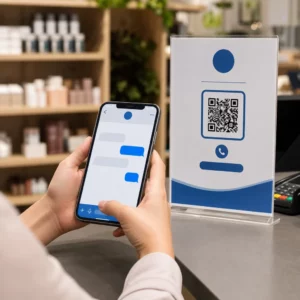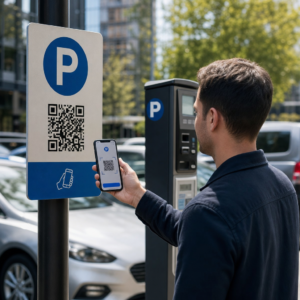
Quản lý hàng trăm – hoặc hàng nghìn – mã QR trên các chiến dịch, địa điểm và dòng sản phẩm khó hơn vẻ ngoài của nó. Nếu không có một hệ thống rõ ràng, các nhóm sẽ gặp phải các liên kết bị hỏng, thương hiệu không nhất quán và không có khả năng hiển thị thực sự về những gì đang hoạt động. Hướng dẫn này bao gồm các chiến lược và công cụ thực tế giúp triển khai mã QR quy mô lớn được tổ chức, có thể theo dõi và dễ dàng cập nhật.
Chọn loại mã QR phù hợp trước khi bạn mở rộng quy mô
Quyết định quan trọng nhất bạn sẽ đưa ra trước khi mở rộng bất kỳ chương trình mã QR nào là chọn giữa mã động và mã tĩnh – bởi vì lựa chọn đó quyết định những gì bạn có thể thay đổi, theo dõi và tự động hóa sau này.
Mã QR động sử dụng một URL chuyển hướng ngắn mà bạn kiểm soát. Bởi vì mã được in chỉ trỏ đến chuyển hướng đó, bạn có thể cập nhật đích đến, hoán đổi nội dung hoặc thay đổi các thông số theo dõi bất cứ lúc nào mà không cần in lại bất cứ thứ gì. Chúng cũng mở khóa khả năng theo dõi bao gồm số lượt quét, dấu thời gian, vị trí địa lý, loại thiết bị và hệ điều hành. Điều này làm cho chúng trở thành lựa chọn phù hợp cho các chiến dịch tiếp thị, khuyến mãi, thực đơn nhà hàng, tài liệu sự kiện và bất kỳ trường hợp sử dụng nào mà nội dung thay đổi hoặc dữ liệu hiệu suất quan trọng.
Mã QR tĩnh mã hóa một đích đến trực tiếp vào chính mẫu. Sau khi in, dữ liệu đó là vĩnh viễn – bạn không thể cập nhật liên kết hoặc theo dõi lượt quét mà không tạo mã mới. Chúng rất phù hợp cho thông tin thực sự không bao giờ thay đổi: mật khẩu Wi-Fi cố định, tài liệu quy định vĩnh viễn hoặc một triển lãm bảo tàng với nội dung ổn định.
| TÍNH NĂNG | Mã QR động | Mã QR tĩnh |
|---|---|---|
| Có thể chỉnh sửa sau khi in | ✅ Có | ❌ Không |
| Theo dõi quét | ✅ Có | ❌ Không |
| Phân tích địa lý | ✅ Có | ❌ Không |
| Thống kê theo thời gian thực | ✅ Có | ❌ Không |
| Trị giá | Yêu cầu đăng ký | Miễn phí |
| Tốt nhất cho | Chiến dịch, thực đơn, khuyến mãi | Nội dung cố định, vĩnh viễn |
Để tìm hiểu sâu hơn về cách hai tùy chọn này so sánh, hãy xem toàn bộ phân tích mã QR tĩnh so với mã QR động.
Bắt đầu quản lý mã QR động ngay hôm nay Cần mã có thể chỉnh sửa với tính năng theo dõi tích hợp và bảng điều khiển tập trung? Tạo mã QR động cho phép bạn tạo, cập nhật và giám sát tất cả các mã của mình ở một nơi.
Xây dựng hệ thống đặt tên và tổ chức có thể mở rộng quy mô
Khi bạn quản lý hàng chục mã, các quy ước đặt tên lỏng lẻo là một sự bất tiện. Ở hàng trăm hoặc hàng nghìn, chúng trở thành một vấn đề vận hành nghiêm trọng. Một cấu trúc đặt tên nhất quán, kết hợp với hệ thống phân cấp thư mục hợp lý, giúp nhóm của bạn đồng bộ và các mã của bạn có thể tìm thấy ở bất kỳ giai đoạn nào của chiến dịch.
Sử dụng Quy ước đặt tên tiêu chuẩn hóa
Một định dạng đặt tên đáng tin cậy nắm bắt mọi thứ bạn cần để xác định một mã mà không cần mở nó. Một cấu trúc thực tế:
`PhòngBan-ChiếnDịchKênh-ĐịaLýMụcTiêu-LoạiTàiSảnPhiên bảnTrạngThái`
Ví dụ: `MKT-Hè25OOH-MỹKhuyếnMãi-ÁpPhíchv2HOẠTĐỘNG`
Đặt ngày theo định dạng YYYY-MM, sử dụng số phiên bản (v1, v2) để phân biệt các lần lặp, và luôn bao gồm một chỉ báo trạng thái (HOẠT ĐỘNG, TẠM DỪNG, LƯU TRỮ). Điều này ngăn ngừa sự nhầm lẫn khi nhiều phiên bản của cùng một chiến dịch đang hoạt động đồng thời.
Ghi lại Siêu dữ liệu có cấu trúc cho mỗi mã
Ngoài tên, mỗi mã QR nên mang siêu dữ liệu có cấu trúc mà bất kỳ ai trong nhóm của bạn cũng có thể tham chiếu. Các trường cần bao gồm:
- Chủ sở hữu (người hoặc nhóm chịu trách nhiệm)
- Đơn vị kinh doanh hoặc dòng sản phẩm
- URL đích và URL dự phòng
- Loại mã (động hoặc tĩnh)
- Ngày bắt đầu và ngày kết thúc
- Nội dung kêu gọi hành động
- Cấp độ truy cập hoặc bảo mật
Ngày kết thúc và URL dự phòng đặc biệt quan trọng ở quy mô lớn – chúng ngăn chặn các lần quét không có đích đến sau khi một chiến dịch kết thúc, và một URL dự phòng đảm bảo người dùng vẫn đến được một nơi hữu ích nếu đích đến chính bị lỗi.
Sắp xếp bằng Thư mục và Thẻ
Cấu trúc thư mục hai cấp hoạt động tốt cho hầu hết các nhóm: thư mục cấp cao nhất cho các đơn vị kinh doanh hoặc dòng sản phẩm, và thư mục con cho các chiến dịch hoặc địa điểm riêng lẻ. Thẻ thêm một lớp lọc thứ hai – đánh dấu mã theo khu vực (Mỹ, EU), kênh (email, ngoài trời, bao bì), loại vị trí (áp phích, chai, màn hình) và trạng thái (hoạt động, đã lưu trữ).
Của Pageloot Tính năng thư mục mã QR hỗ trợ chia sẻ thư mục theo nhóm với quyền dựa trên vai trò, vì vậy bạn có thể cấp cho thành viên mới quyền đọc phân tích trong khi hạn chế người có thể chỉnh sửa hoặc xóa mã. Điều này đặc biệt hữu ích cho các công ty quản lý nhiều khách hàng hoặc các doanh nghiệp chạy mã trên nhiều phòng ban.
Tạo mã hàng loạt mà không mất kiểm soát
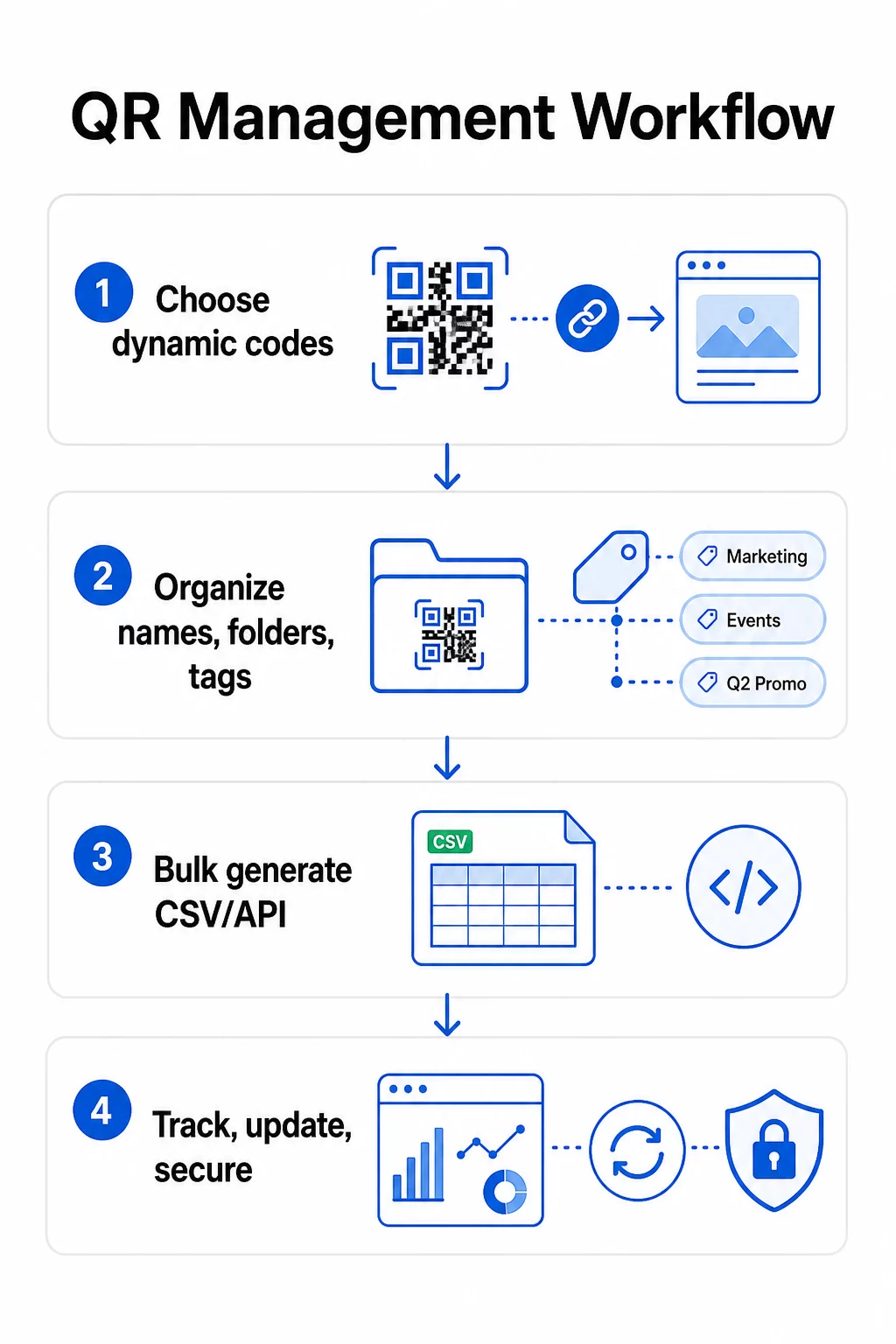
Khi cấu trúc đặt tên và thư mục của bạn đã được thiết lập, việc tạo hàng loạt trở nên đơn giản – miễn là dữ liệu đầu vào của bạn sạch và quy trình của bạn bao gồm một bước xác thực trước khi tạo với số lượng lớn.
Sử dụng tệp CSV để tạo hàng loạt
Tạo hàng loạt dựa trên CSV là phương pháp thực tế nhất để tạo số lượng lớn mã một cách hiệu quả. Một tệp CSV có cấu trúc tốt để tạo mã QR nên bao gồm:
- `unique_id` – mã định danh nội bộ của bạn
- `qr_type` – URL, PDF, vCard, biểu mẫu, v.v.
- `destination_url` – đích đến mục tiêu
- `campaign_name` – để báo cáo và lọc
- `folder` – nơi mã sẽ được lưu trữ trong bảng điều khiển của bạn
- `template_name` – thiết kế thương hiệu để áp dụng
- `utm_parameters` – source, medium, campaign, content
- `startdate` / `enddate` – khoảng thời gian chiến dịch
- `status` – đang hoạt động hoặc tạm dừng
- `owner` – thành viên nhóm chịu trách nhiệm
Trước khi tải lên, hãy xác thực CSV: xác nhận tất cả các trường bắt buộc đã được điền đầy đủ, kiểm tra xem các URL có hoạt động và được định dạng chính xác không, và chạy thử một lô từ năm đến mười mã trên các thiết bị khác nhau để phát hiện lỗi trước khi chúng lan truyền qua toàn bộ quá trình.
Để tạo hàng loạt tự động ở quy mô doanh nghiệp, quản lý mã QR dựa trên API cho phép bạn truyền tham số theo chương trình, kích hoạt tạo hàng loạt từ hệ thống của riêng bạn, và cập nhật URL đích trên hàng nghìn mã cùng lúc bằng cách sử dụng các yêu cầu PATCH hoặc PUT.
Thêm Tham số UTM một cách nhất quán
Các tham số UTM là thứ kết nối các lần quét mã QR với hệ thống phân tích rộng hơn của bạn. Nếu không có chúng, bạn có thể thấy rằng ai đó đã quét mã, nhưng bạn không thể dễ dàng gán lần quét đó cho một chiến dịch, kênh hoặc vị trí cụ thể trong Google Analytics.
Hãy tuân thủ các quy ước sau để giữ cho dữ liệu của bạn sạch sẽ:
- Sử dụng chữ thường xuyên suốt – theo dõi UTM phân biệt chữ hoa chữ thường, và việc trộn lẫn chữ hoa chữ thường sẽ tạo ra báo cáo bị phân mảnh
- Giữ các giá trị tham số mang tính mô tả nhưng ngắn gọn: `utmsource=storedisplay`, `utmphương tiện=qrcode`, `utmcampaign=summersale_2025`
- Sử dụng `utmcontent` để phân biệt giữa các vị trí trong cùng một chiến dịch (ví dụ: `windowposter` so với `checkout_counter`)
- Ghi lại hệ thống phân loại đặt tên của bạn trong một tài liệu tham khảo chung để mọi thành viên trong nhóm tuân thủ các quy tắc giống nhau
Để xem hướng dẫn đầy đủ về thiết lập UTM và báo cáo Google Analytics 4, hãy xem các thông số UTM cho mã QR.
Kết nối các lần quét mã QR của bạn với phân tích chiến dịch Của Pageloot nền tảng dành cho đại lý và nhóm hỗ trợ tự động thêm UTM, kiểm soát truy cập dựa trên vai trò và báo cáo khách hàng có thể chia sẻ – giúp việc theo dõi phân bổ dễ dàng hơn đáng kể trên các triển khai quy mô lớn.
Giữ thương hiệu nhất quán trên mọi mã
Ở quy mô lớn, tính nhất quán về mặt hình ảnh quan trọng vì hai lý do: nó xây dựng sự nhận diện và lòng tin với những người quét mã của bạn, và nó ngăn chặn một mớ hỗn độn các thiết kế không phù hợp làm loãng bản sắc thương hiệu của bạn.
Trước khi tạo một lô lớn, hãy xác định và khóa các tiêu chuẩn thiết kế của bạn:
- Vị trí logo và kích thước tối thiểu
- Bảng màu thương hiệu (nền tối trên nền sáng vẫn là mẫu đáng tin cậy nhất để quét)
- Kiểu góc và mô-đun
- Yêu cầu về vùng yên tĩnh (tối thiểu bốn mô-đun không gian trống ở tất cả các cạnh)
- Kích thước in tối thiểu (ít nhất 2 × 2 cm để quét tầm gần; tăng kích thước theo quy tắc 10:1 – chiều rộng mã phải bằng ít nhất một phần mười khoảng cách quét dự kiến)
- Định dạng tệp: SVG hoặc PDF cho tài liệu in (300+ DPI), PNG cho mục đích sử dụng kỹ thuật số
Mã QR động mang lại lợi thế thực tế ở đây: vì chúng mã hóa một URL chuyển hướng ngắn thay vì một đích đến dài, nên mẫu cơ bản ít dày đặc hơn. Điều đó để lại nhiều không gian hơn để kết hợp logo và màu sắc tùy chỉnh mà không ảnh hưởng đến khả năng quét.
Lưu các tiêu chuẩn này dưới dạng mẫu thương hiệu có thể tái sử dụng trong nền tảng mã QR của bạn. Pageloot cho phép bạn tạo các mẫu cho các ngữ cảnh khác nhau – một định dạng nhỏ gọn cho danh thiếp, một phiên bản đậm hơn cho biển báo khổ lớn – và áp dụng chúng một cách nhất quán trên mọi lần tạo hàng loạt.
Trước khi thực hiện một đợt in lớn, hãy kiểm tra một mẫu bản in vật lý trên nhiều thiết bị và điều kiện ánh sáng khác nhau. Nếu bất kỳ mã nào không quét được đáng tin cậy, hãy tăng kích thước vật lý, tăng cường độ tương phản màu sắc hoặc mở rộng vùng yên tĩnh.
Theo dõi hiệu suất với các chỉ số phù hợp
Tạo mã hiệu quả chỉ là một nửa công việc. Hiểu cách chúng hoạt động – và hành động dựa trên dữ liệu đó – là yếu tố thúc đẩy cải tiến liên tục.
Các chỉ số chính cần theo dõi cho các triển khai quy mô lớn là:
- Tổng số lượt quét và lượt quét duy nhất: Tổng số lượt quét cho thấy mức độ tương tác tổng thể; lượt quét duy nhất tiết lộ phạm vi tiếp cận thực tế của bạn. Tỷ lệ cao giữa tổng số lượt quét và lượt quét duy nhất có thể cho thấy mức độ tương tác lặp lại mạnh mẽ hoặc, trong một số trường hợp, một trang đích được tối ưu hóa kém khiến người dùng quét nhiều lần.
- Phân bố địa lý: Phân tích của Pageloot cung cấp dữ liệu quét dựa trên vị trí, chính xác đến cấp độ thành phố. Sử dụng dữ liệu này để xác định khu vực hoặc vị trí nào hoạt động tốt hơn những khu vực khác và phân bổ lại tài nguyên cho phù hợp.
- Thiết bị và hệ điều hành: Nếu phần lớn lượt quét của bạn đến từ một loại thiết bị cụ thể, hãy ưu tiên thử nghiệm các trang đích của bạn trên nền tảng đó. Tối ưu hóa ưu tiên thiết bị di động là điều cần thiết cho hầu hết các chiến dịch dựa trên mã QR.
- Xu hướng theo thời gian: Dữ liệu quét theo thời gian tiết lộ các khoảng thời gian tương tác cao điểm. Đối với các chiến dịch nhạy cảm về thời gian – khuyến mãi bán lẻ, sự kiện – dữ liệu này giúp bạn lên lịch thay đổi nội dung vào đúng thời điểm.
- Theo dõi chuyển đổi: Khối lượng quét đơn thuần không cho thấy sự thành công của chiến dịch. Đặt ra các mục tiêu rõ ràng (gửi biểu mẫu, mua hàng, tải xuống ứng dụng) và sử dụng dữ liệu UTM cùng với nền tảng phân tích của bạn để đo lường xem lượt quét có dẫn đến các hành động bạn mong muốn hay không.
Để biết cách tiếp cận chi tiết để xây dựng các chế độ xem báo cáo xung quanh các chỉ số này, hãy xem hướng dẫn về sử dụng bảng điều khiển phân tích mã QR.
Xây dựng Bảng điều khiển hiển thị Thông tin chi tiết có thể hành động
Dữ liệu quét thô trên hàng trăm mã trở nên khó quản lý nếu không có các chế độ xem có cấu trúc. Tổ chức báo cáo của bạn thành:
- Bảng điều khiển cấp chiến dịch: So sánh hiệu suất giữa các chiến dịch đang hoạt động, được lọc theo khoảng thời gian. Theo dõi chi phí mỗi lượt quét, tỷ lệ chuyển đổi và ROI so với các tiêu chuẩn của chiến dịch.
- Chế độ xem dựa trên vị trí: Phân bổ lượt quét trên bản đồ theo địa lý để xác định các vị trí hoạt động hiệu quả cao và đưa ra quyết định triển khai trong tương lai.
- Phân khúc đối tượng: Nhóm người dùng theo loại thiết bị, tần suất quét hoặc hành vi để điều chỉnh nội dung theo dõi.
Thiết lập cảnh báo tự động cho các sai lệch đáng kể – một sự tăng đột biến về lượt quét từ một nguồn địa lý bất thường có thể cho thấy một chuyển hướng bị hỏng hoặc hoạt động gian lận, trong khi một sự sụt giảm mạnh có thể báo hiệu một liên kết bị hỏng cần được chú ý ngay lập tức.
Cập nhật và Duy trì Mã mà không cần In lại
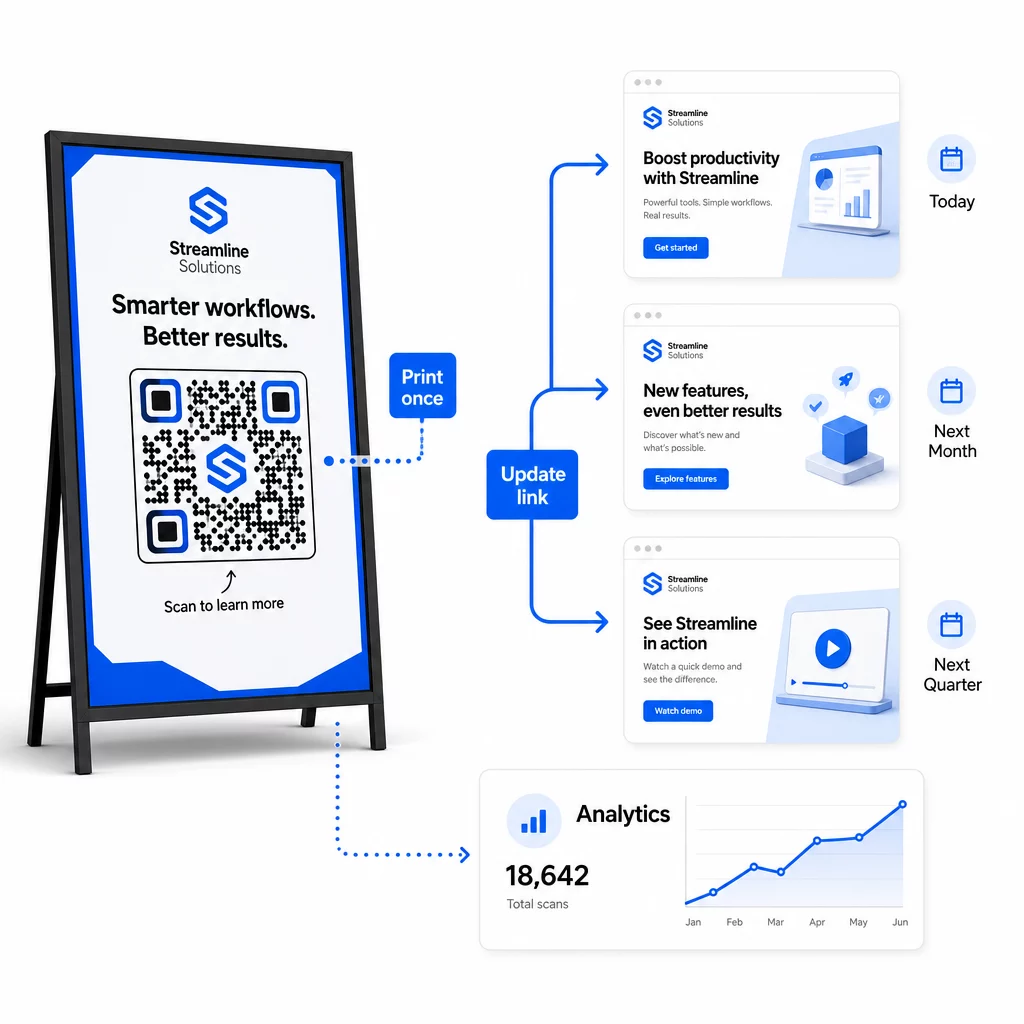
Một trong những lợi thế hoạt động cốt lõi của mã QR động là khả năng chỉnh sửa URL đích sau khi in – không có mã mới, không có đợt in mới, không làm gián đoạn các tài liệu đang hoạt động. Ở quy mô lớn, khả năng này trở nên thiết yếu.
Triển khai Kiểm soát Phiên bản cho các Thay đổi Điểm đến
Mỗi khi bạn cập nhật điểm đến của mã QR động, hãy ghi lại thay đổi với:
- Ngày và giờ cập nhật
- URL đích trước đó
- URL đích mới
- Lý do thay đổi
- Ai đã ủy quyền
Sử dụng một lược đồ phiên bản – v1.0 cho lần ra mắt ban đầu, v1.1 cho các điều chỉnh nhỏ, v2.0 cho một thay đổi đích đáng kể – để nhóm của bạn luôn biết phiên bản nào đang hoạt động và có thể khôi phục nếu có sự cố. Đối với các nhóm có nhiều người đóng góp, quyền dựa trên vai trò đảm bảo rằng chỉ những người dùng được ủy quyền mới có thể thực hiện thay đổi đối với các mã đang hoạt động.
Tự động hóa chuyển hướng dựa trên thời gian
Đối với các chiến dịch có lịch trình nội dung có thể dự đoán được, chuyển hướng theo thời gian loại bỏ nhu cầu can thiệp thủ công. Một nhà hàng có thể phục vụ thực đơn bữa sáng, bữa trưa và bữa tối từ một mã QR được in duy nhất bằng cách lên lịch thay đổi đích vào những thời điểm đã định. Một nhà bán lẻ có thể cấu hình mã để chuyển hướng đến một trang khuyến mãi trong thời gian giảm giá và tự động quay lại trang sản phẩm tiêu chuẩn khi chương trình khuyến mãi kết thúc.
Cách tiếp cận này đặc biệt có giá trị khi mã QR được in trên các vật liệu có thời gian sản xuất dài. Bạn có thể hoàn tất việc sản xuất vật lý trước rất lâu, tự tin rằng mã sẽ phục vụ đúng nội dung khi chiến dịch bắt đầu.
Giám sát liên kết tự động
Ở quy mô lớn, việc kiểm tra thủ công xem mọi URL đích có hoạt động hay không là không thực tế. Thiết lập giám sát liên kết tự động để cảnh báo nhóm của bạn khi một đích trả về lỗi, để bạn có thể chuyển hướng quét đến một URL dự phòng trước khi người dùng gặp phải trải nghiệm bị hỏng. Việc ghi lại các URL dự phòng trong siêu dữ liệu của bạn – như mô tả trong phần quy ước đặt tên ở trên – có nghĩa là nhóm của bạn luôn có sẵn một phương án dự phòng.
Bảo mật chương trình mã QR của bạn khi nó phát triển
Hiệu quả hoạt động ở quy mô lớn đòi hỏi quản trị – quyền sở hữu rõ ràng, kiểm soát truy cập phù hợp và giám sát chủ động để bảo vệ dữ liệu và người dùng của bạn.
Kiểm soát truy cập dựa trên vai trò là nền tảng của một chương trình mã QR an toàn, được quản lý tốt. Gán quyền phù hợp với trách nhiệm của từng thành viên trong nhóm: người xem phân tích có thể xem dữ liệu quét nhưng không thể chỉnh sửa mã; người quản lý chiến dịch có thể cập nhật đích nhưng không thể xóa mã; quản trị viên có toàn quyền truy cập. Cấu trúc này ngăn chặn các thay đổi ngẫu nhiên hoặc trái phép đồng thời cho phép cộng tác giữa các nhóm lớn.
Đối với các doanh nghiệp quản lý mã QR trên nhiều phòng ban, Pageloot hỗ trợ kiểm soát truy cập cấp không gian làm việc và chia sẻ thư mục nhóm, cho phép các nhóm phi tập trung quản lý mã của riêng họ mà không cần hiển thị các chiến dịch của các nhóm khác.
Ngoài kiểm soát truy cập, hãy theo dõi các mẫu quét bất thường – các đợt tăng đột biến về số lượng không mong muốn, nồng độ quét cao từ một dải IP duy nhất hoặc phân bố địa lý không nhất quán với vị trí chiến dịch của bạn. Các mẫu này có thể cho thấy hoạt động của bot hoặc các hoạt động quét gian lận khác có thể làm hỏng dữ liệu phân tích của bạn. Giám sát tự động phát hiện sớm các mẫu này bảo vệ cả tính toàn vẹn dữ liệu và thông tin chi tiết về hiệu suất chiến dịch của bạn.
Duy trì nhật ký kiểm tra tất cả các thay đổi đối với mã đang hoạt động: ai đã thay đổi gì, khi nào và tại sao. Khi một vấn đề chiến dịch xuất hiện, bản ghi này là con đường nhanh nhất để chẩn đoán và giải quyết.
Câu hỏi thường gặp
Mã QR động cho phép bạn cập nhật URL đích hoặc nội dung sau khi mã đã được in, mà không cần tạo hoặc in lại bất cứ thứ gì. Ở quy mô lớn, điều này có nghĩa là bạn có thể sửa các liên kết bị hỏng, cập nhật các chương trình khuyến mãi theo mùa hoặc chuyển hướng người dùng đến nội dung mới trên hàng nghìn mã đã được triển khai từ một bảng điều khiển duy nhất – loại bỏ chi phí in lại và thời gian ngừng hoạt động.
Sử dụng chữ thường xuyên suốt, giữ các giá trị mô tả và súc tích, và chuẩn hóa cấu trúc tham số của bạn trong một tài liệu tham khảo chung. Một mẫu đáng tin cậy là: `utmsource` cho vị trí cụ thể (ví dụ: `storedisplay`), `utmmedium=qrcode` nhất quán trên tất cả các mã, `utmcampaign` cho tên chiến dịch kèm ngày (ví dụ: `summersale2025`), và `utmcontent` để phân biệt các vị trí riêng lẻ trong cùng một chiến dịch. Tránh các liên kết UTM nội bộ, và chạy kiểm tra QA trước khi ra mắt để xác nhận tất cả các tham số đang được chuyển chính xác đến nền tảng phân tích của bạn.
Xác định các tiêu chuẩn thiết kế của bạn – vị trí logo, màu sắc thương hiệu, kích thước vùng yên tĩnh, kích thước in tối thiểu và định dạng tệp – trước khi tạo bất kỳ lô nào, sau đó lưu chúng dưới dạng các mẫu thương hiệu có thể tái sử dụng trong nền tảng mã QR của bạn. Áp dụng cùng một mẫu cho mọi mã trong một lần chạy hàng loạt. Mã QR động giúp việc này dễ dàng hơn vì dữ liệu được mã hóa ngắn hơn của chúng tạo ra các mẫu ít dày đặc hơn, để lại nhiều không gian hơn cho logo và màu sắc tùy chỉnh mà không ảnh hưởng đến khả năng quét.