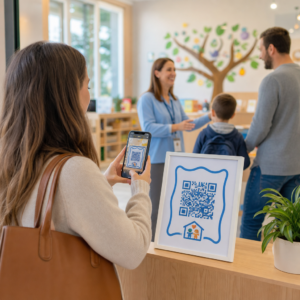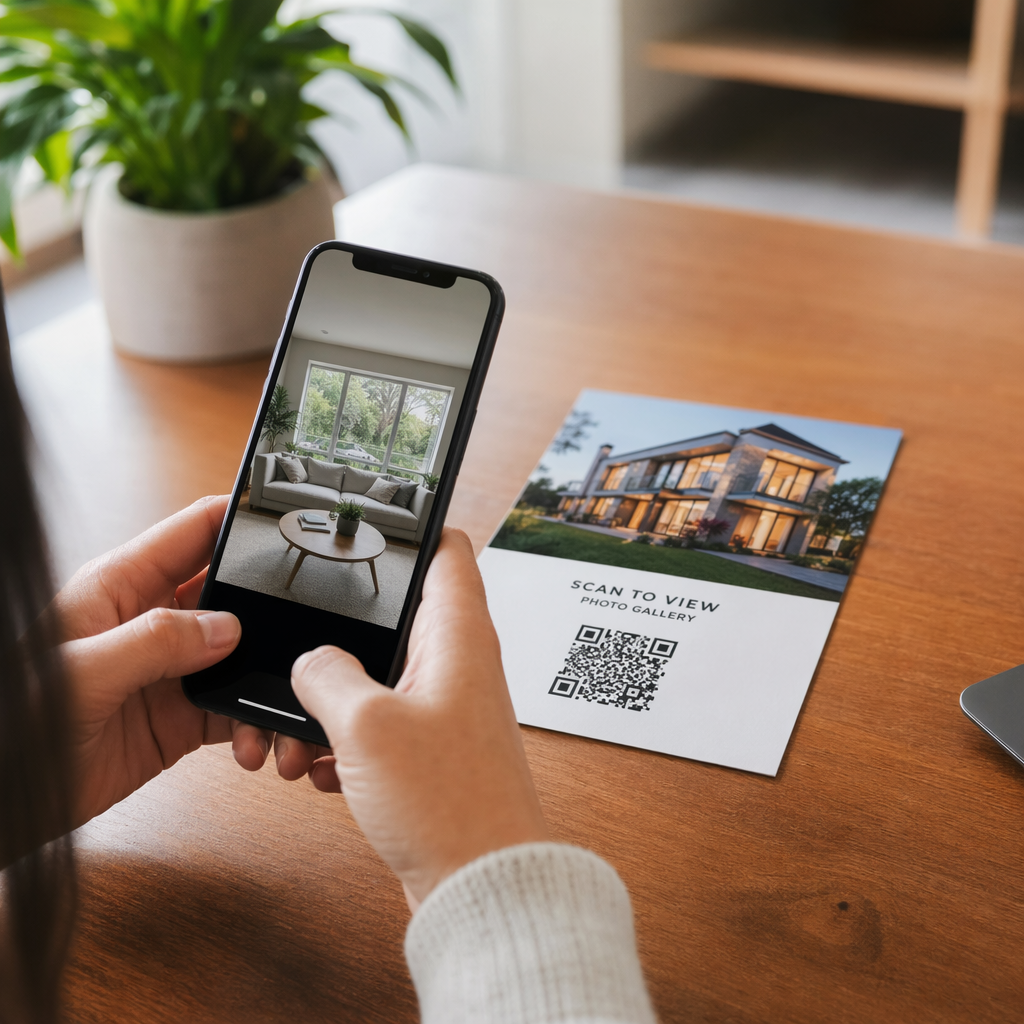
Are you looking for a faster way to share high-resolution images with your audience? Manually sending large files or expecting users to type long URLs often leads to dropped engagement and frustration. Using an image QR code allows you to convert any picture into a scannable link for instant digital access.
Why You Should Convert Images into QR Codes
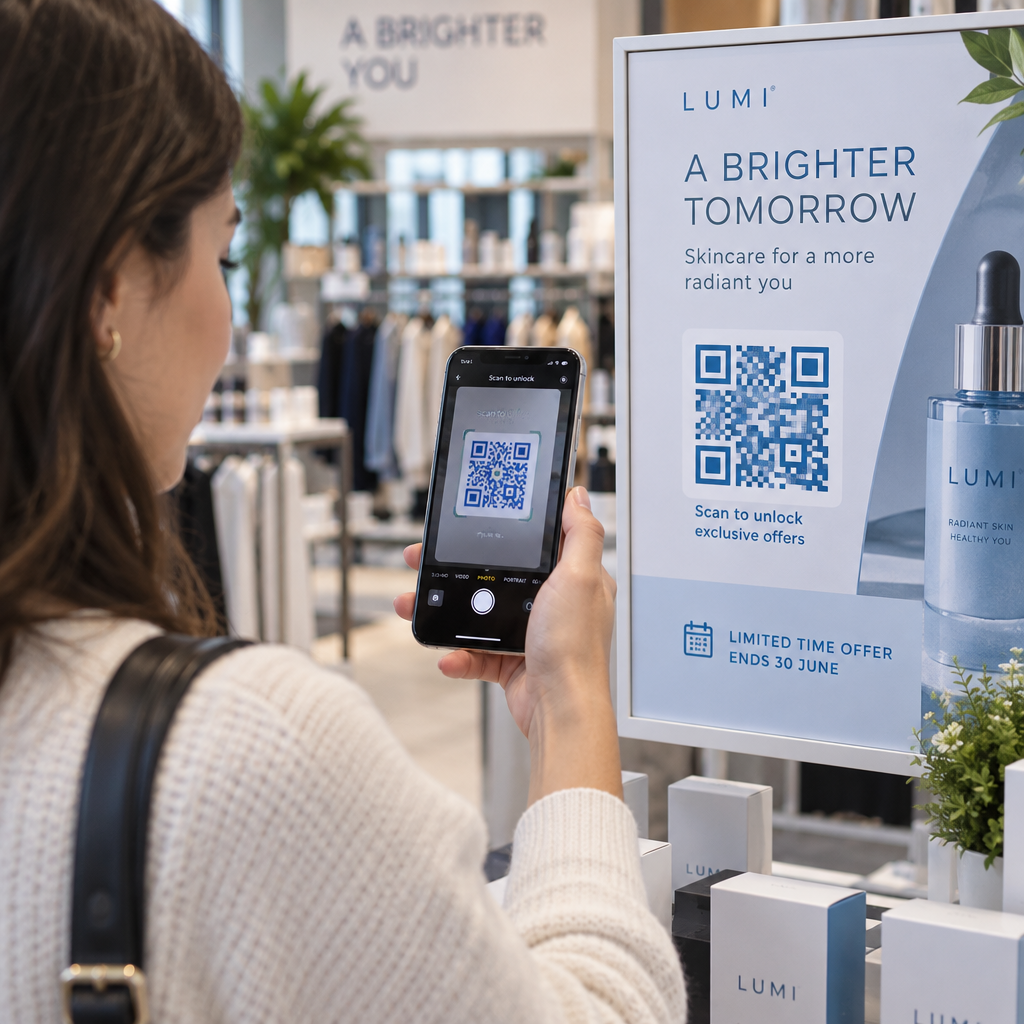
In the fast-paced digital landscape, businesses must remove friction between physical touchpoints and digital content. By using an image QR code generator, you allow users to bypass the traditional hurdles of manual file sharing. This is particularly effective in QR code marketing where you want to lead a customer from a print advertisement directly to a product gallery, a visual menu, or a digital portfolio.
Beyond just speed, these codes provide incredible flexibility for long-term campaigns. Instead of reprinting expensive marketing materials every time a visual update is needed, you can use dynamic QR codes to change the destination image while keeping the same printed pattern. This approach saves significant resources and ensures your content remains current without the cost of new physical assets.
The Process of Generating Your Image QR Code
Creating a scannable link for your photos is a straightforward process that requires no technical expertise. To start, you should select the image file you wish to share – commonly a JPEG or PNG – and upload it to the generator tool. Once the file is processed, you can choose between a static code for permanent information or a dynamic version for content that may need future updates.
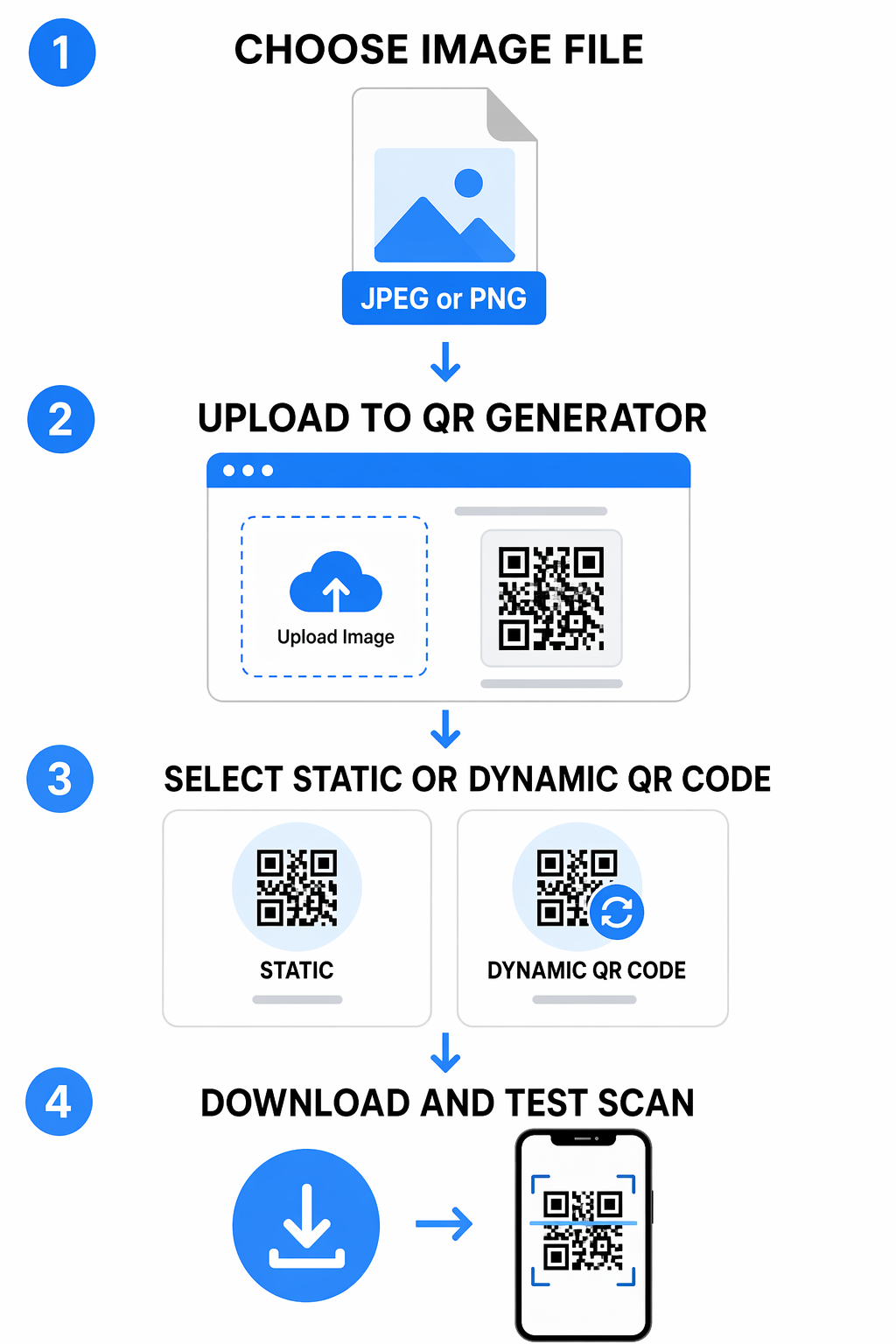
The next phase involves customizing the appearance of the code to align with your brand identity. You can adjust colors, frames, and shapes to make the code more inviting to users. The process concludes with a rigorous testing phase; always scan your code with multiple devices and under different lighting conditions before downloading the final high-resolution file for print or digital distribution.
Start Creating Your Visual QR Codes Ready to turn your photographs into interactive marketing tools? Use the Image QR Code Generator to upload files, customize designs, and track your scan analytics today.
Essential Design and Usability Standards
For a QR code to be effective, it must be easily recognizable by any smartphone camera. This reliability is built on high contrast – typically dark modules on a light background. Darker colors absorb more light, while lighter colors reflect it, allowing the scanner to easily differentiate the data pattern from the background. You should also ensure there is a “quiet zone,” which is a clear white border around the code that separates it from surrounding text or graphics.
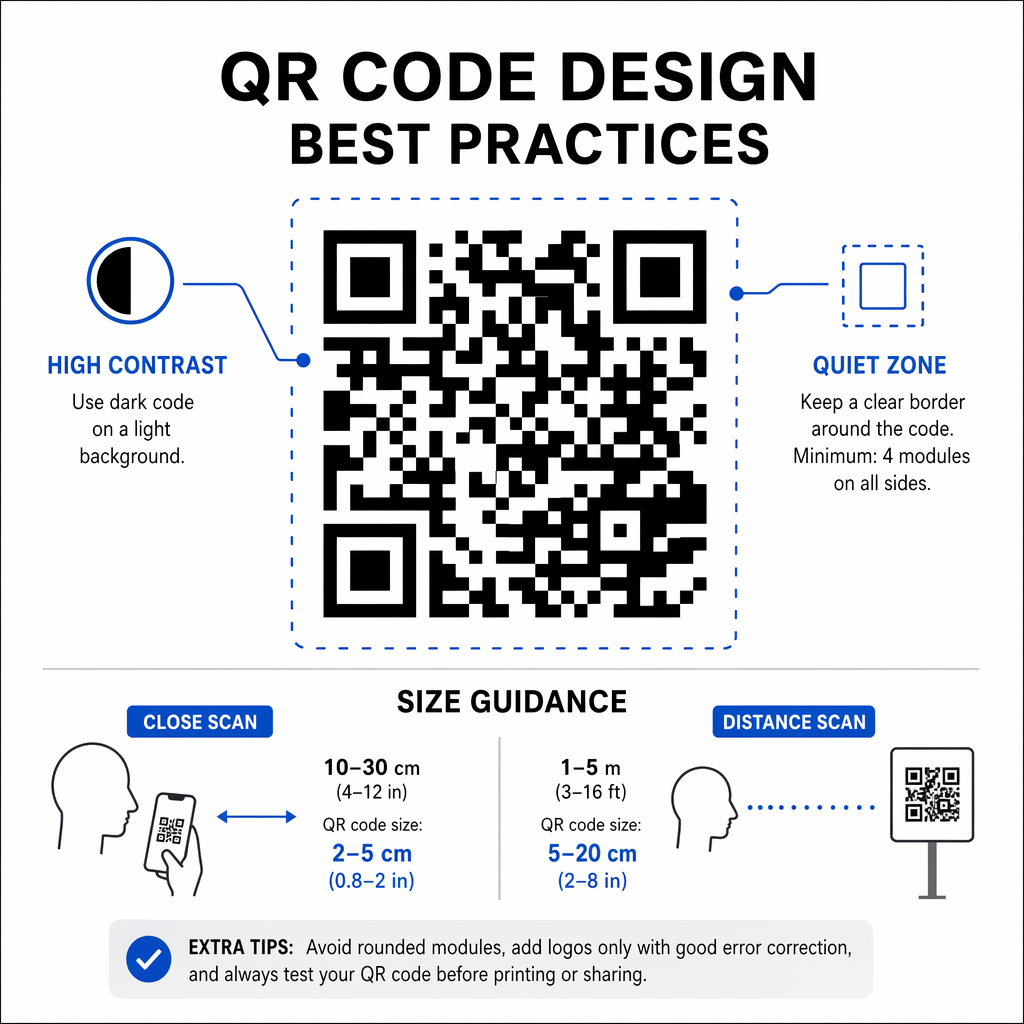
Sizing is another critical factor for success. For close-range uses like business cards or product packaging, the code should be at least 0.8 x 0.8 inches. If the code is intended for a billboard or a poster viewed from a distance, a common rule of thumb is the 10:1 ratio, meaning the code width should be approximately one-tenth of the scanning distance. Following these best practices for QR code readability ensures that your audience isn’t frustrated by failed scans.
Choosing the Right Image File Type
Different image formats serve different purposes depending on where the QR code will be displayed. While most generators support standard web formats, choosing the right one ensures the best possible experience for the end user.
| Format | Quality | Best Use Case |
|---|---|---|
| JPEG / JPG | High | General photography and social media sharing |
| PNG | High | Logos or images requiring transparent backgrounds |
| SVG | Scalable | Large-scale print marketing and signage |
| High | Multi-page menus, manuals, or documents | |
| WebP | High | High-performance web and mobile displays |
Advanced Tracking and Content Management
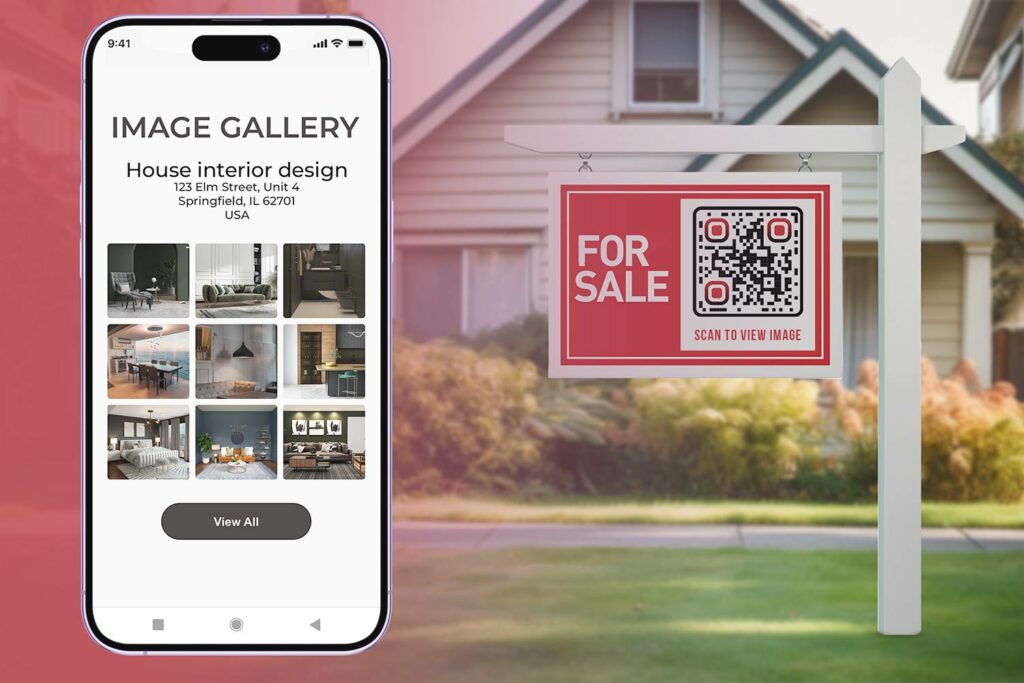
When you use a QR code generator with logo features, you are doing more than creating a visual shortcut; you are building a measurable marketing asset. Branded QR codes can receive significantly more scans than plain black-and-white versions because they signal legitimacy and trust to the user. To maintain scannability while branding, you should add logos to QR codes using high error-correction levels, which allow the code to remain functional even if a portion of the pattern is covered.
Furthermore, professional platforms provide a dashboard for real-time analytics. This allows you to edit QR codes to see how many people interacted with your content, their geographic location, and even the time of day they scanned. These insights are invaluable for optimizing campaigns, allowing you to move beyond guessing and start making data-driven decisions for your business growth.
Frequently Asked Questions
Yes, if you use a dynamic QR code. These codes point to a short URL that you can redirect to a new image at any time without needing to reprint your marketing materials.
For standard close-range scanning on items like business cards or flyers, the minimum recommended size is 0.8 x 0.8 inches (2 x 2 cm).
It can if not done correctly. To ensure scannability, you should use the highest error correction levels (Q or H) and ensure the logo does not cover more than 25-30% of the total area.
Utilizing QR codes to share images bridges the gap between physical touchpoints and digital convenience. By selecting the right format, ensuring high contrast, and utilizing dynamic features, you create a seamless experience for your users while gaining valuable insights into their behavior.
Optimize Your Image Sharing Today Join over 20,000 brands using Pageloot to create professional, branded QR codes. Generate your first image QR code and start measuring your engagement in real-time.