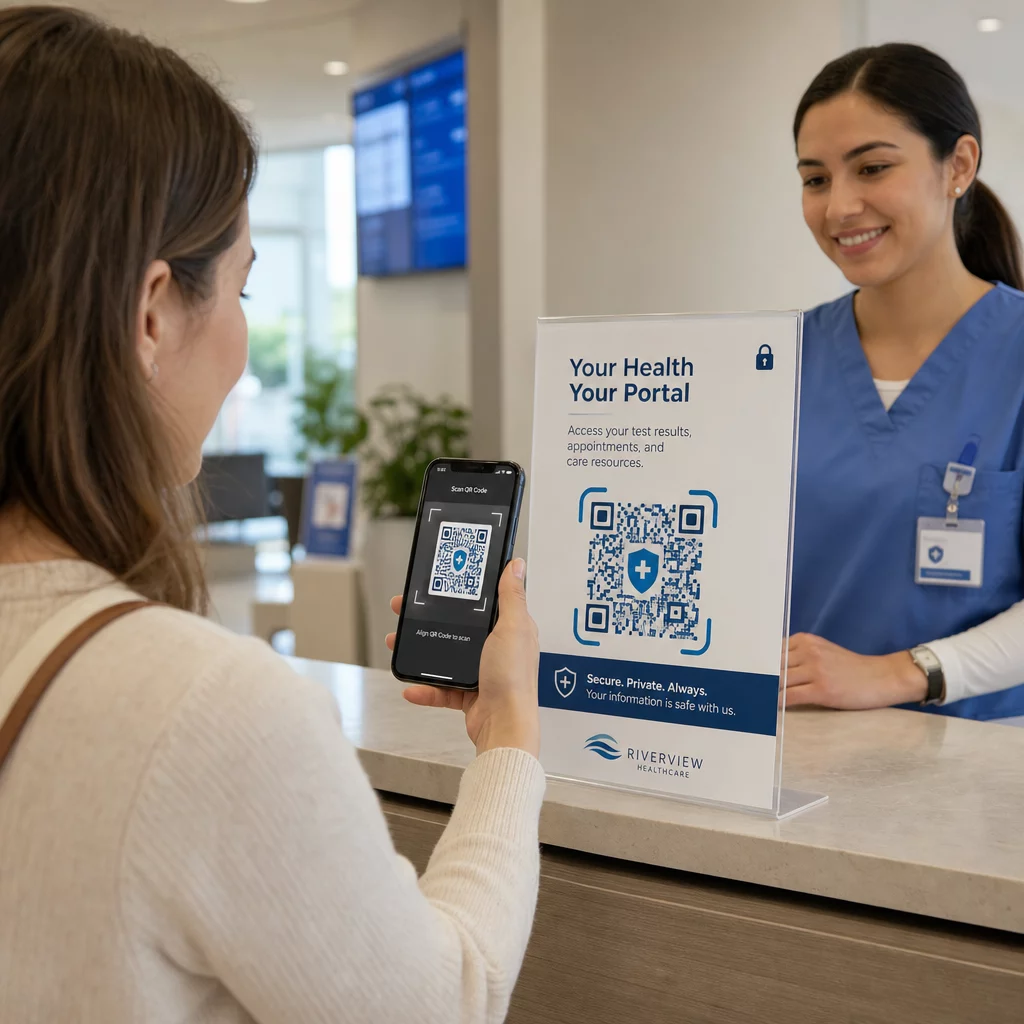
Bạn có không chắc liệu mã QR có đủ an toàn để chia sẻ thông tin sức khỏe được bảo vệ không? Việc để lộ dữ liệu bệnh nhân – ngay cả vô tình – có thể dẫn đến vi phạm HIPAA, phạt nặng và mất lòng tin của bệnh nhân. Hướng dẫn này giải thích cách triển khai mã QR một cách an toàn trong môi trường chăm sóc sức khỏe, các yêu cầu tuân thủ nào áp dụng và những thực hành nào giúp bảo vệ dữ liệu bệnh nhân ở mọi bước.
Cách mã QR hoạt động để chia sẻ dữ liệu sức khỏe
Mã QR mã hóa một liên kết hoặc mã thông báo thành một mẫu có thể quét được. Khi một nhân viên hoặc bệnh nhân quét mã, thiết bị của họ sẽ truy xuất nội dung liên quan – một biểu mẫu tiếp nhận bệnh nhân, kết quả xét nghiệm, hướng dẫn xuất viện hoặc cổng thông tin an toàn – mà không yêu cầu nhập dữ liệu thủ công hoặc phần mềm chuyên dụng.
Trong chăm sóc sức khỏe, điều này quan trọng vì giải pháp thay thế thường là sự kết hợp rời rạc của các cuộc gọi điện thoại, truyền fax, biểu mẫu in và email không được mã hóa. Mã QR hợp nhất các điểm tiếp xúc này thành một tương tác duy nhất, có thể kiểm toán được. hướng dẫn mã QR cho chăm sóc sức khỏe và bệnh viện mô tả chúng như một cách để cải thiện khả năng tiếp cận của bệnh nhân, hợp lý hóa giao tiếp và tăng cường an toàn vận hành mà không yêu cầu một đội ngũ công nghệ chuyên trách.
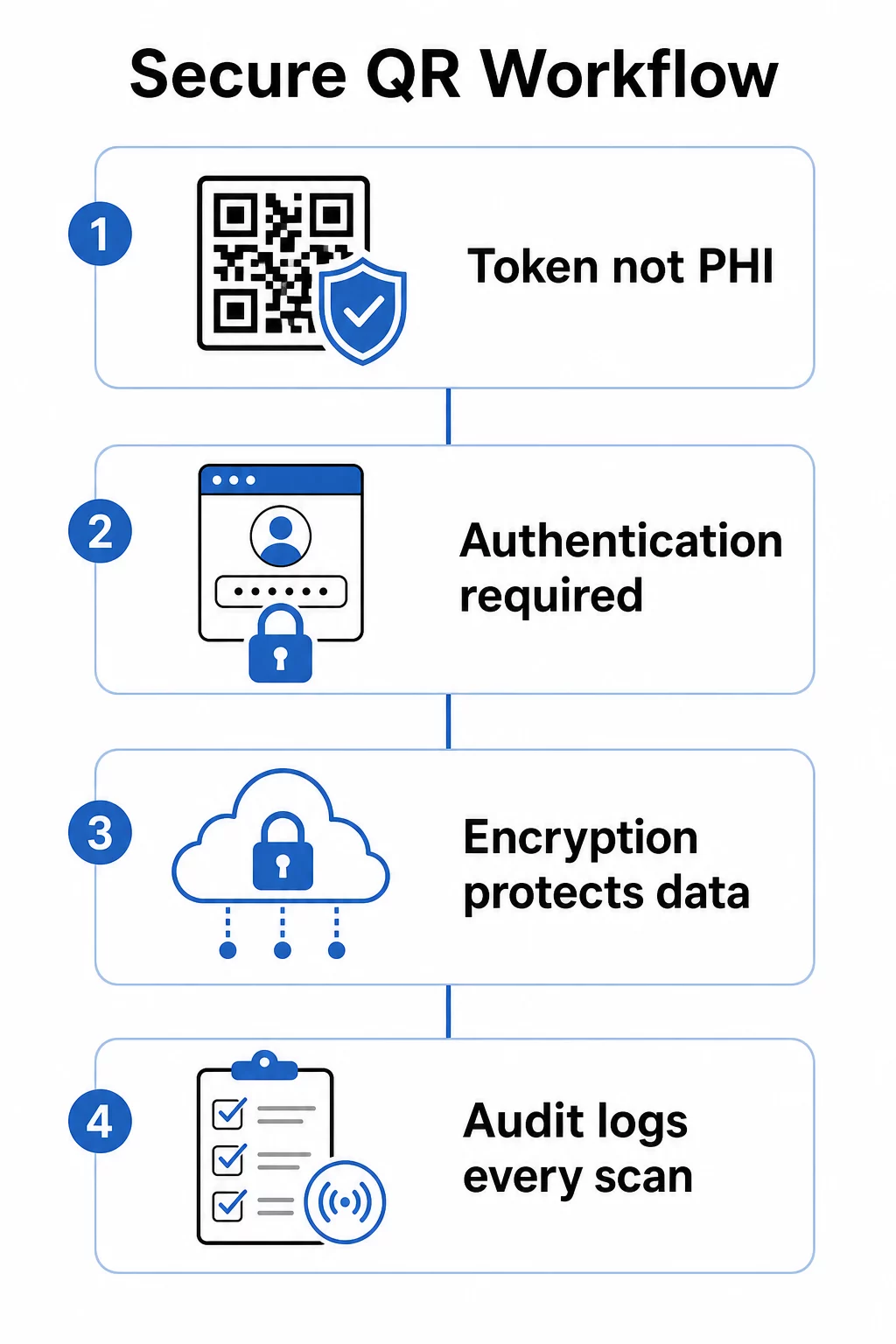
Một điểm khác biệt quan trọng: bản thân mã QR không bao giờ được chứa thông tin sức khỏe được bảo vệ (PHI). Thay vào đó, nó nên mã hóa một mã thông báo không rõ ràng hoặc URL đã ký trỏ đến một hệ thống phụ trợ nơi ePHI được lưu trữ và bảo vệ theo các biện pháp bảo vệ thích hợp. Điều này giữ cho mã vật lý an toàn để in trên vòng tay, thẻ hẹn hoặc gói xuất viện mà không làm lộ dữ liệu nhạy cảm nếu mã bị chụp ảnh hoặc chặn.
Các yêu cầu của HIPAA áp dụng cho hệ thống mã QR
Quy tắc bảo mật HIPAA thiết lập các tiêu chuẩn quốc gia để bảo vệ thông tin sức khỏe điện tử được bảo vệ (ePHI). Bất kỳ hệ thống mã QR nào tạo, nhận, duy trì hoặc truyền ePHI đều phải đáp ứng các yêu cầu này – và bất kỳ nhà cung cấp bên thứ ba nào tham gia vào quy trình làm việc đó cũng vậy.
Các biện pháp bảo vệ kỹ thuật của Quy tắc bảo mật bao gồm bốn lĩnh vực liên quan trực tiếp đến các hệ thống dựa trên QR:
- Kiểm soát truy cập: Chỉ những người hoặc chương trình phần mềm được ủy quyền mới có thể truy cập các hệ thống chứa ePHI. Điều này có nghĩa là các tài nguyên được liên kết với QR phải yêu cầu xác thực trước khi hiển thị dữ liệu bệnh nhân.
- Kiểm soát kiểm toán: Các cơ chế phải ghi lại và kiểm tra hoạt động trong các hệ thống chứa hoặc sử dụng ePHI. Mọi lần quét, cố gắng truy cập và truy xuất dữ liệu cần được ghi lại với dấu thời gian và định danh người dùng.
- Bảo mật truyền dẫn: Các biện pháp kỹ thuật phải bảo vệ chống lại việc truy cập trái phép vào ePHI được truyền qua mạng điện tử, bao gồm mã hóa và kiểm soát tính toàn vẹn.
- Xác thực: Các hệ thống phải xác minh người dùng là ai như họ tuyên bố trước khi cấp quyền truy cập.
Quy tắc Quyền riêng tư bổ sung tiêu chuẩn tối thiểu cần thiết: chỉ thông tin cần thiết cho một mục đích cụ thể mới được chia sẻ. Mã QR động hỗ trợ trực tiếp điều này – bạn có thể cấu hình mã để hiển thị chỉ phần liên quan của hồ sơ bệnh nhân, chứ không phải toàn bộ tệp.
Khi bạn sử dụng nền tảng mã QR của bên thứ ba xử lý ePHI, HIPAA yêu cầu một bản ký kết Thỏa thuận Đối tác Kinh doanh (BAA). Thỏa thuận này ràng buộc pháp lý nhà cung cấp với các tiêu chuẩn bảo vệ dữ liệu và thông báo vi phạm tương tự áp dụng cho tổ chức của bạn. Luôn xác minh rằng nhà cung cấp sẽ ký BAA và các biện pháp kiểm soát bảo mật được ghi lại của họ – tiêu chuẩn mã hóa, ghi nhật ký truy cập, quy trình ứng phó sự cố – đáp ứng các yêu cầu của HIPAA trước khi triển khai công cụ của họ vào quy trình làm việc lâm sàng.
Chia sẻ Tài liệu Y tế một cách An toàn Cần cung cấp cho bệnh nhân quyền truy cập tức thì vào các mẫu chấp thuận, hướng dẫn xuất viện hoặc kết quả xét nghiệm? Sử dụng Chuyển PDF sang QR để tải lên tệp và tạo mã QR an toàn, có thể theo dõi mà không cần tệp đính kèm email hoặc chuyển giao bằng giấy.
Mã QR tĩnh so với Mã QR động trong Chăm sóc sức khỏe
Không phải tất cả các mã QR đều cung cấp cùng mức độ kiểm soát, và đối với việc sử dụng trong chăm sóc sức khỏe, sự khác biệt này có ý nghĩa quan trọng.
Mã QR tĩnh mã hóa dữ liệu cố định trực tiếp vào mã. Sau khi in, chúng không thể được cập nhật, thu hồi hoặc giám sát. Nếu một mã tĩnh liên kết đến một tài nguyên sau này trở nên lỗi thời hoặc bị xâm phạm, bạn không có cách nào để vô hiệu hóa nó mà không in lại. Đối với các ứng dụng chăm sóc sức khỏe liên quan đến bất kỳ thông tin cụ thể nào của bệnh nhân, mã tĩnh gây ra rủi ro không cần thiết.
Mã QR động liên kết đến một đích đến phía máy chủ mà bạn kiểm soát. Điều này có nghĩa là bạn có thể:
- Cập nhật nội dung được liên kết mà không cần in lại mã
- Đặt ngày hết hạn hoặc quy tắc truy cập một lần trên URL
- Thu hồi quyền truy cập ngay lập tức nếu mã bị mất, bị giả mạo hoặc không còn cần thiết
- Giám sát hoạt động quét trong thời gian thực – ai đã truy cập tài nguyên, khi nào và từ thiết bị nào
Ví dụ, một bác sĩ chia sẻ kết quả xét nghiệm với một chuyên gia để tư vấn một lần có thể cấu hình liên kết tự động hết hạn sau phiên. Nếu danh sách thuốc của bệnh nhân thay đổi, mã QR trên thẻ ID y tế của họ vẫn tiếp tục hoạt động trong khi nội dung được liên kết cập nhật ngay lập tức. Sự linh hoạt này là điều khiến mã động trở thành lựa chọn phù hợp cho các quy trình làm việc chăm sóc sức khỏe nhạy cảm.
Các hướng dẫn tối ưu về mã QR cho chăm sóc sức khỏe khuyến nghị mã tĩnh chỉ dành cho thông tin cố định, không nhạy cảm – hướng dẫn vệ sinh, truy cập Wi-Fi trong phòng chờ hoặc chi tiết liên hệ cố định – và mã động cho bất kỳ thứ gì yêu cầu cập nhật, theo dõi hoặc kiểm soát bảo mật.
Tạo mã QR y tế có thể theo dõi, chỉnh sửa Quản lý tất cả mã QR y tế của bạn từ một bảng điều khiển, cập nhật đích đến mà không cần in lại và giám sát hoạt động quét trong thời gian thực với giải pháp mã QR y tế của Pageloot.
Các biện pháp kiểm soát bảo mật cần triển khai
Việc đáp ứng các yêu cầu bảo vệ kỹ thuật của HIPAA trong quy trình làm việc mã QR đòi hỏi cấu hình có chủ ý. Đây là những biện pháp kiểm soát quan trọng nhất:
Mã hóa khi truyền và khi lưu trữ
Tất cả các tài nguyên được liên kết với QR xử lý ePHI phải sử dụng kết nối chỉ TLS với chứng chỉ hợp lệ. Dữ liệu được lưu trữ trên máy chủ cũng phải được mã hóa khi lưu trữ. AES-256 là tiêu chuẩn được các tổ chức tài chính và cơ quan chính phủ sử dụng, và nó đáp ứng các thông số kỹ thuật triển khai mã hóa của HIPAA. Cách mã hóa bảo mật dữ liệu mã QR giải thích cách mã hóa đối xứng như AES hoạt động tốt cho các ứng dụng QR do những hạn chế về lưu trữ của định dạng mã.
Xác thực và kiểm soát truy cập
Yêu cầu người dùng xác minh danh tính của họ trước khi xem ePHI được truy xuất thông qua mã QR. Điều này có thể bao gồm đăng nhập một lần (SSO), xác thực đa yếu tố (MFA) hoặc mã thông báo phiên dựa trên thời gian. Kiểm soát truy cập dựa trên vai trò đảm bảo rằng một quản trị viên lễ tân và một bác sĩ điều trị chỉ xem dữ liệu mà vai trò của họ yêu cầu. Pageloot hỗ trợ kiểm soát truy cập dựa trên vai trò cho người dùng doanh nghiệp, cho phép các tổ chức ngăn chặn các chỉnh sửa trái phép và tập trung quản trị trên các nhóm.
Mã được bảo vệ bằng mật khẩu
Đối với mã QR được chia sẻ trong các ngữ cảnh bán công khai – in trên giấy tờ xuất viện, dán vào thiết bị hoặc bao gồm trong tài liệu gửi qua thư – bảo vệ bằng mật khẩu sẽ thêm một lớp phòng thủ. Ngay cả khi ai đó chụp ảnh mã, họ cũng không thể truy cập tài nguyên được liên kết nếu không có thông tin đăng nhập.
URL có chữ ký, tồn tại trong thời gian ngắn
Thay vì cấp các liên kết vĩnh viễn, hãy tạo các mã thông báo hết hạn sau một khoảng thời gian nhất định hoặc sau một lần sử dụng. Điều này giới hạn thời gian phơi nhiễm nếu mã bị chặn hoặc chia sẻ vượt quá người nhận dự định.
Ghi nhật ký kiểm tra toàn diện
Mọi nỗ lực quét, truy cập thành công và tương tác dữ liệu nên được ghi lại tự động. Nhật ký phải ghi lại dấu thời gian, định danh người dùng và các tài nguyên cụ thể được truy cập. Những hồ sơ này hỗ trợ cả việc xem xét tuân thủ HIPAA định kỳ và ứng phó sự cố nếu nghi ngờ có vi phạm. Các tổ chức cũng có thể sử dụng phần mềm chuyên dụng phần mềm bảo vệ dữ liệu để giám sát thông tin nhạy cảm, xác định khả năng phơi nhiễm tiềm ẩn và hỗ trợ phản ứng nhanh hơn khi các vấn đề bảo mật phát sinh.
Tránh các công cụ rút gọn URL công khai và trình theo dõi của bên thứ ba
Các trang ePHI được liên kết với QR nên được lưu trữ dưới các tên miền chăm sóc sức khỏe đáng tin cậy, của bên thứ nhất. Các công cụ rút gọn URL công khai làm che khuất đích đến và có thể định tuyến lưu lượng truy cập qua cơ sở hạ tầng của bên thứ ba không đáp ứng các tiêu chuẩn HIPAA. Sử dụng phân tích bảo vệ quyền riêng tư thay vì các tập lệnh theo dõi của bên thứ ba thu thập siêu dữ liệu không cần thiết.
Để có cái nhìn rộng hơn về các thực hành tạo mã QR an toàn, hướng dẫn các thực hành tốt nhất về tạo mã QR an toàn và hướng dẫn bảo mật mã QR trong phòng thủ mạng đề cập chi tiết về mã hóa, phát hiện giả mạo và giám sát.
Bảo mật vật lý: Rủi ro giả mạo và lừa đảo (phishing)
Các biện pháp kiểm soát kỹ thuật số bảo vệ dữ liệu đang truyền tải, nhưng mã QR trong môi trường lâm sàng cũng phải đối mặt với các mối đe dọa vật lý. Lừa đảo bằng mã QR (QR code phishing) – đôi khi được gọi là “quishing” – xảy ra khi kẻ tấn công đặt một mã QR giả mạo lên trên một mã hợp pháp, chuyển hướng các lần quét đến một trang web độc hại được thiết kế để thu thập thông tin đăng nhập hoặc cài đặt phần mềm độc hại. Rủi ro này là có thật trong các cơ sở chăm sóc sức khỏe nơi mã QR xuất hiện trên bảng hiệu phòng chờ, nhãn thiết bị và tài liệu bệnh nhân in sẵn.
Giảm thiểu giả mạo vật lý bằng cách:
- Sử dụng vật liệu chống giả mạo cho các mã được dán lên bề mặt vật lý
- Nhúng logo và thương hiệu của tổ chức bạn trực tiếp vào thiết kế mã QR để các mã bị thay đổi trông không nhất quán về mặt hình ảnh
- Thiết lập lịch kiểm tra định kỳ cho tất cả các mã QR đã đặt, kèm theo ảnh tham chiếu để so sánh
- Đào tạo nhân viên xác minh rằng đích đến của mã QR khớp với URL dự kiến trước khi nhập bất kỳ thông tin đăng nhập nào
Giáo dục bệnh nhân và nhân viên cũng quan trọng không kém. Đào tạo nhóm của bạn nhận biết các phân phối QR đáng ngờ, sử dụng ứng dụng quét xem trước URL đích trước khi mở và không bao giờ nhập thông tin đăng nhập vào một trang được truy cập bằng cách quét một mã không quen thuộc. Luật riêng tư mã QR và các quy định chính phác thảo bối cảnh pháp lý cho những rủi ro này chi tiết hơn.
Các trường hợp sử dụng trong chăm sóc sức khỏe
Các biện pháp kiểm soát bảo mật trên cho phép một loạt các ứng dụng thực tế trong toàn bộ quá trình chăm sóc:
Đăng ký và làm thủ tục cho bệnh nhân
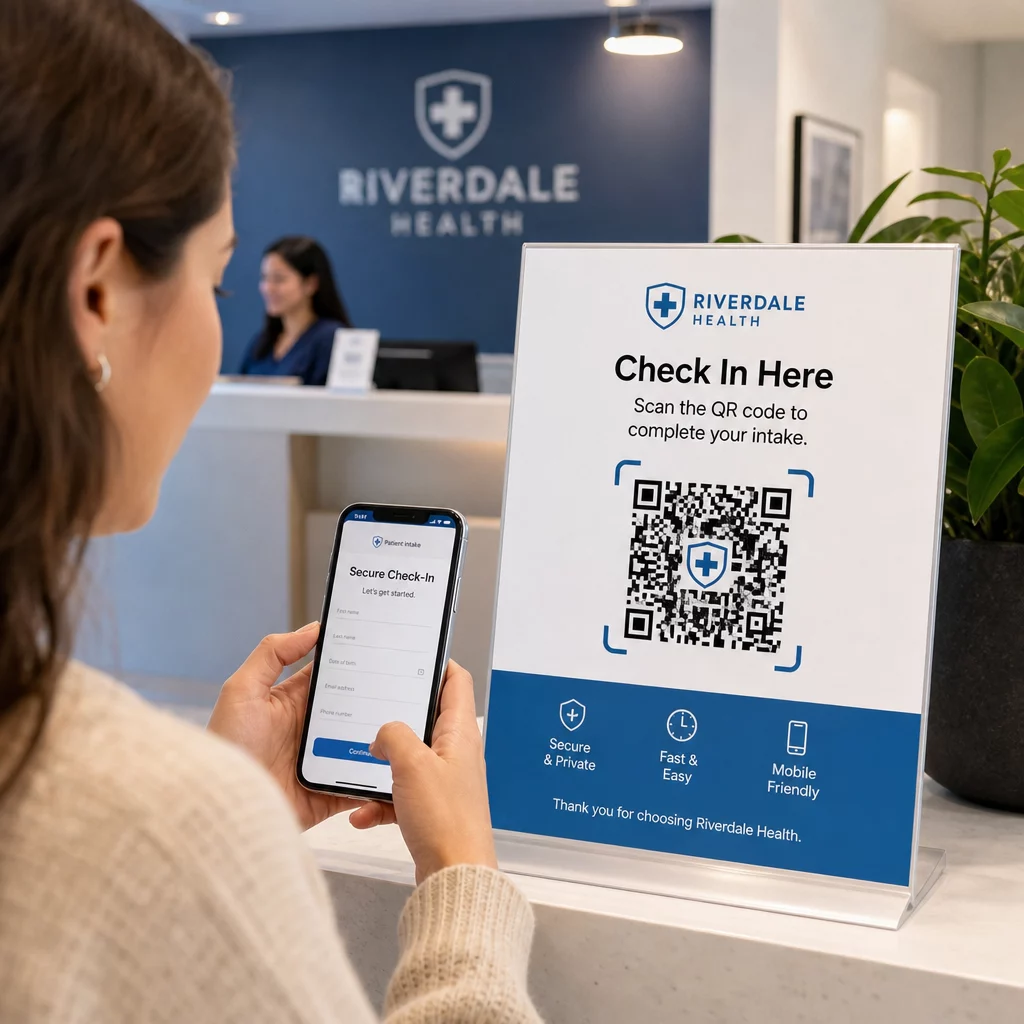
Bệnh nhân quét mã QR khi đến để truy cập biểu mẫu tiếp nhận an toàn, cập nhật chi tiết bảo hiểm hoặc hoàn thành tài liệu đồng ý trên thiết bị của riêng họ. Điều này loại bỏ các biểu mẫu giấy, giảm tải cho quầy lễ tân và tạo ra hồ sơ kỹ thuật số về các hồ sơ đã nộp. Quy trình làm thủ tục không tiếp xúc đã được áp dụng rộng rãi trong COVID-19 và tiếp tục giảm thời gian chờ đợi và nguy cơ lây nhiễm.
Phân phối tài liệu an toàn
Kết quả xét nghiệm, báo cáo hình ảnh, kế hoạch điều trị và hướng dẫn chăm sóc sau điều trị có thể được phân phối dưới dạng mã QR PDF. Bệnh nhân truy cập tài liệu trực tiếp trên thiết bị của họ mà không cần đăng nhập cổng thông tin hoặc tài liệu in. Khi kết quả được sửa đổi, mã động sẽ tự động phản ánh nội dung cập nhật. tính năng tải tệp lên trên Pageloot hỗ trợ lưu trữ PDF an toàn chính xác cho trường hợp sử dụng này.
Truy cập khẩn cấp thông tin sức khỏe quan trọng
Bệnh nhân có thể mang mã QR trên thẻ hoặc vòng tay cảnh báo y tế liên kết với các chi tiết quan trọng – dị ứng, thuốc hiện tại, thiết bị cấy ghép, liên hệ khẩn cấp. Người phản ứng đầu tiên quét mã để truy xuất thông tin cứu sống khi bệnh nhân không thể giao tiếp. Mã động đảm bảo dữ liệu này luôn cập nhật mà không yêu cầu thẻ mới mỗi khi thuốc thay đổi.
Chia sẻ dữ liệu giữa các nhà cung cấp
Khi chuyển giao chăm sóc giữa các cơ sở hoặc tham vấn chuyên gia, nhà cung cấp gửi tạo mã QR có giới hạn thời gian liên kết với phần liên quan trong hồ sơ bệnh nhân. Nhà cung cấp nhận quét để truy cập dữ liệu một cách an toàn. Quyền truy cập tự động hết hạn sau thời gian tư vấn, giảm nguy cơ truy cập trái phép trong tương lai.
Quản lý thuốc
Mã QR trên bao bì thuốc kê đơn liên kết bệnh nhân với hướng dẫn liều lượng, tài nguyên đa ngôn ngữ, công cụ nhắc nhở và chương trình hỗ trợ. Đối với chăm sóc tại nhà, mã QR có thể liên kết với các kế hoạch chăm sóc và lịch trình dùng thuốc cập nhật phản ánh các đơn thuốc mới nhất mà không yêu cầu in lại mới.
Theo dõi và bảo trì thiết bị
Mã QR trên thiết bị y tế cung cấp cho nhân viên lâm sàng quyền truy cập tức thì vào thông số kỹ thuật thiết bị, lịch trình bảo trì, hồ sơ hiệu chuẩn và cảnh báo an toàn – giảm chi phí hành chính và hỗ trợ tuân thủ các yêu cầu an toàn thiết bị.
So sánh mã QR với các phương pháp chia sẻ khác
| Phương pháp | Quyền riêng tư & Bảo mật | Khả năng sử dụng | Cập nhật theo thời gian thực | Nhật ký kiểm toán |
|---|---|---|---|---|
| Mã QR động | Cao (mã hóa, kiểm soát truy cập) | Tuyệt vời (quét tức thì) | Đúng | Có (ghi nhật ký tự động) |
| Mã QR tĩnh | Trung bình (không có thu hồi) | Tuyệt vời (quét tức thì) | KHÔNG | Giới hạn |
| Cổng thông tin bệnh nhân | Cao (hỗ trợ MFA) | Kém (khó khăn khi đăng nhập) | Đúng | Đúng |
| Email/Fax | Thấp (thường không được mã hóa) | Trung bình | KHÔNG | KHÔNG |
| Mã vạch truyền thống | Trung bình (mã hóa hạn chế) | Tốt (yêu cầu máy quét) | KHÔNG | KHÔNG |
Mã QR động chiếm một vị trí trung gian thực tế: chúng cung cấp các biện pháp kiểm soát bảo mật của một cổng thông tin bệnh nhân mà không gây khó khăn khi đăng nhập, điều này thường làm giảm sự tương tác của bệnh nhân. Chúng vượt trội hơn fax và email về mọi khía cạnh bảo mật, và chúng cung cấp các dấu vết kiểm toán mà HIPAA yêu cầu – mà không tốn chi phí cơ sở hạ tầng để xây dựng hoặc duy trì một hệ thống cổng thông tin chuyên dụng.
Danh sách kiểm tra triển khai
Trước khi triển khai mã QR trong bất kỳ quy trình làm việc nào liên quan đến dữ liệu bệnh nhân, hãy xác minh rằng các biện pháp kiểm soát này đã được áp dụng:
- Mã QR mã hóa các mã thông báo không rõ ràng, không phải PHI trực tiếp
- Tất cả các tài nguyên được liên kết đều sử dụng HTTPS với chứng chỉ hợp lệ
- ePHI được mã hóa khi truyền và khi lưu trữ
- Xác thực (MFA hoặc SSO) là bắt buộc trước khi hiển thị dữ liệu bệnh nhân
- Quyền truy cập được giới hạn theo vai trò sử dụng các nguyên tắc đặc quyền tối thiểu
- Các URL có giới hạn thời gian hoặc dùng một lần cho các giao dịch nhạy cảm
- Mọi sự kiện quét và truy cập được ghi lại tự động
- Nhật ký được xem xét thường xuyên và lưu giữ theo chính sách của tổ chức bạn
- Một BAA đã ký đã được thiết lập với nhà cung cấp nền tảng mã QR của bạn
- Các mã vật lý được gắn thương hiệu, kiểm tra thường xuyên và sử dụng vật liệu chống giả mạo
- Nhân viên đã được đào tạo về rủi ro quishing và hành vi quét an toàn
- Các mã dành cho bệnh nhân chỉ liên kết đến thông tin tối thiểu cần thiết
Để tìm hiểu sâu hơn về các ứng dụng mã QR trong các môi trường lâm sàng, hãy xem trang Mã QR cho bệnh viện và chăm sóc sức khỏe bao gồm nhận dạng bệnh nhân, theo dõi thiết bị, minh bạch thuốc và nhiều hơn nữa. Bạn cũng có thể khám phá các giải pháp mã QR theo ngành để xem cách cùng một công nghệ thích ứng trong các bối cảnh hoạt động khác nhau.
Mã QR hoạt động hiệu quả trong chăm sóc sức khỏe khi việc triển khai coi chúng như một giao diện an toàn cho các hệ thống được bảo vệ đúng cách – không phải là cơ chế lưu trữ dữ liệu nhạy cảm. Xây dựng kiến trúc đúng đắn, thực thi xác thực và ghi nhật ký, và mã QR trở thành một trong những cách thuận tiện nhất để cung cấp cho bệnh nhân và nhà cung cấp quyền truy cập nhanh chóng, tuân thủ vào thông tin họ cần.
Xây dựng quy trình làm việc mã QR sẵn sàng tuân thủ HIPAA Tạo mã QR động, có thương hiệu với tính năng theo dõi quét tích hợp, kiểm soát truy cập và phân tích thời gian thực. Nền tảng Trình tạo mã QR liên kết Pageloot cho phép bạn tạo và quản lý mọi mã từ một bảng điều khiển duy nhất – và cập nhật điểm đến bất cứ lúc nào mà không cần in lại.
Câu hỏi thường gặp
Không. Mã QR chỉ nên mã hóa một mã thông báo mờ hoặc một URL đã ký trỏ đến một hệ thống phụ trợ an toàn. PHI được lưu trữ và bảo vệ phía máy chủ theo các biện pháp bảo vệ HIPAA phù hợp. Bằng cách này, việc chụp ảnh hoặc chặn mã không làm lộ bất kỳ dữ liệu bệnh nhân nào – quyền truy cập vẫn yêu cầu xác thực tại đích đến được liên kết.
Mã QR động cho phép bạn cập nhật nội dung được liên kết, đặt ngày hết hạn, thu hồi quyền truy cập ngay lập tức và giám sát mọi nỗ lực quét trong thời gian thực. Mã tĩnh là vĩnh viễn và không thể thu hồi – nếu một tài nguyên được liên kết thay đổi hoặc một vấn đề bảo mật phát sinh, bạn không thể vô hiệu hóa mã mà không in lại. Đối với bất kỳ quy trình làm việc nào liên quan đến thông tin cụ thể của bệnh nhân hoặc dữ liệu nhạy cảm về thời gian, mã động là lựa chọn phù hợp.
Có, nếu nền tảng của nhà cung cấp tạo, nhận, duy trì hoặc truyền ePHI như một phần trong quy trình làm việc của bạn. HIPAA yêu cầu một BAA đã ký với bất kỳ đối tác kinh doanh nào liên quan đến việc xử lý thông tin sức khỏe được bảo vệ. Trước khi chọn một nền tảng, hãy xác nhận rằng nhà cung cấp sẽ ký BAA và các biện pháp kiểm soát bảo mật của họ – tiêu chuẩn mã hóa, ghi nhật ký truy cập, quy trình thông báo vi phạm – đáp ứng các yêu cầu của HIPAA.