Ești nesigur dacă codurile QR sunt suficient de sigure pentru partajarea informațiilor medicale protejate? Expunerea datelor pacienților – chiar și accidental – poate însemna încălcări HIPAA, amenzi mari și încredere pierdută a pacienților. Acest ghid explică cum să implementezi codurile QR în siguranță în mediile medicale, ce cerințe de conformitate se aplică și ce practici mențin datele pacienților protejate la fiecare pas.
Cum funcționează codurile QR pentru partajarea datelor medicale
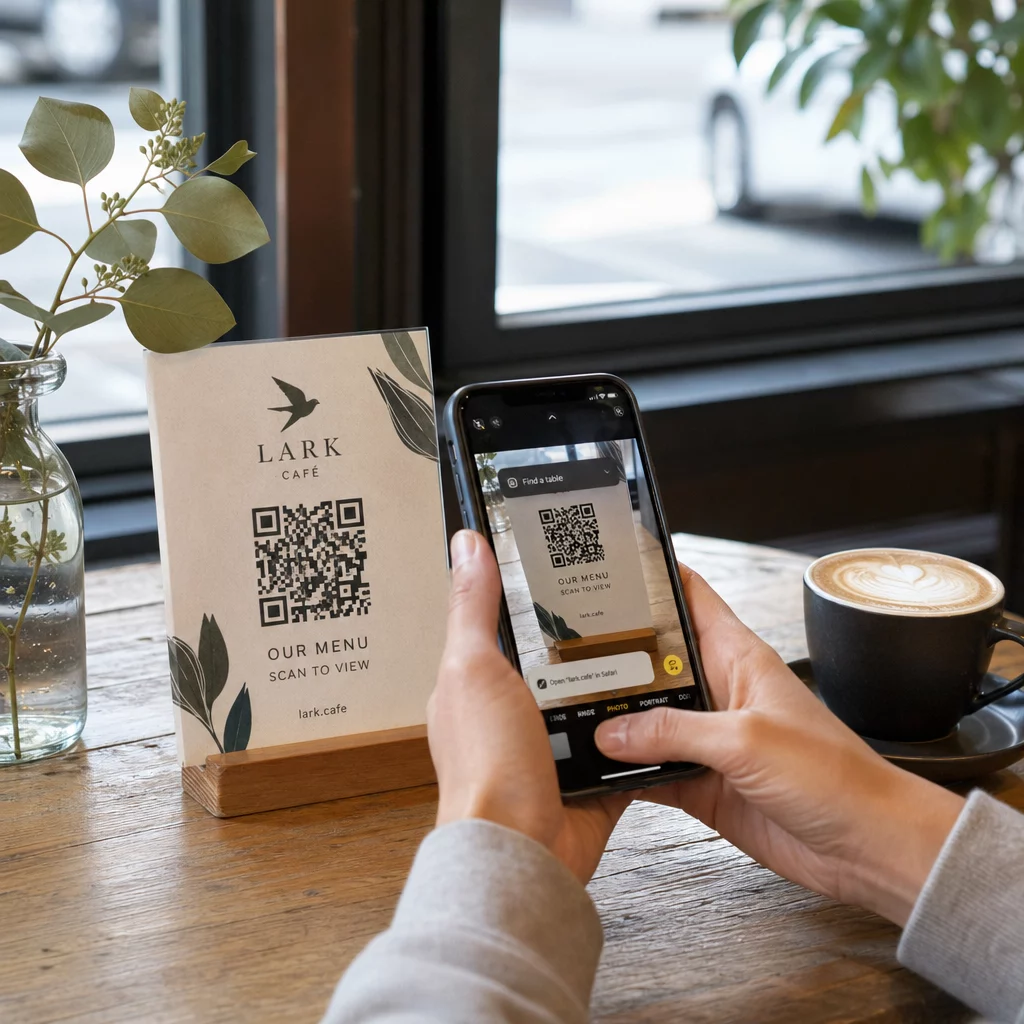
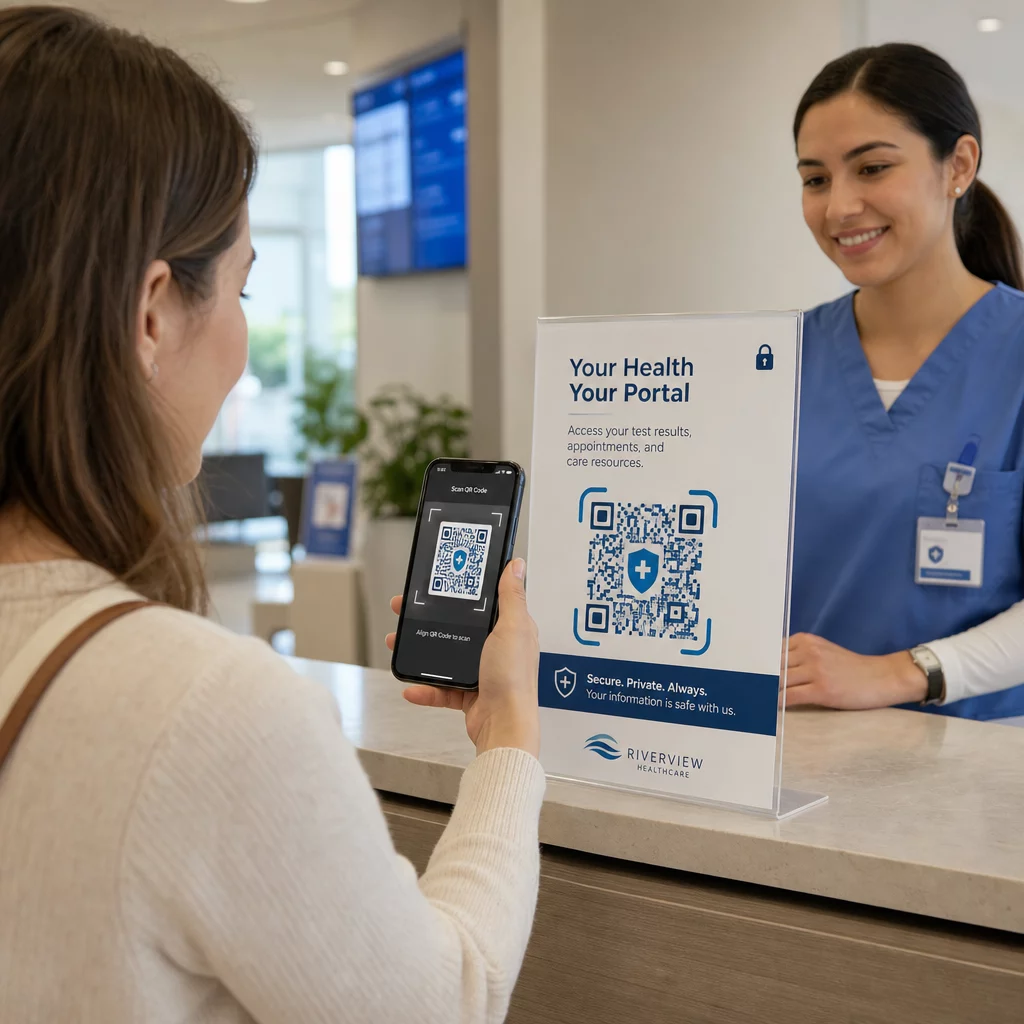
Codurile QR codifică un link sau un token într-un model scanabil. Atunci când un membru al personalului sau un pacient scanează codul, dispozitivul lor preia conținutul asociat – un formular de internare a pacientului, un rezultat de laborator, o instrucțiune de externare sau un portal securizat – fără a necesita introducerea manuală a datelor sau software specializat.
În domeniul sănătății, acest lucru contează deoarece alternativa este adesea un amestec fragmentat de apeluri telefonice, transmisii fax, formulare tipărite și e-mail necriptat. Codurile QR consolidează aceste puncte de contact într-o singură interacțiune, auditabilă. Ghidul codurilor QR pentru sănătate și spitale le descrie ca o modalitate de a îmbunătăți accesul pacienților, de a simplifica comunicarea și de a crește siguranța operațională fără a necesita o echipă tehnică dedicată.
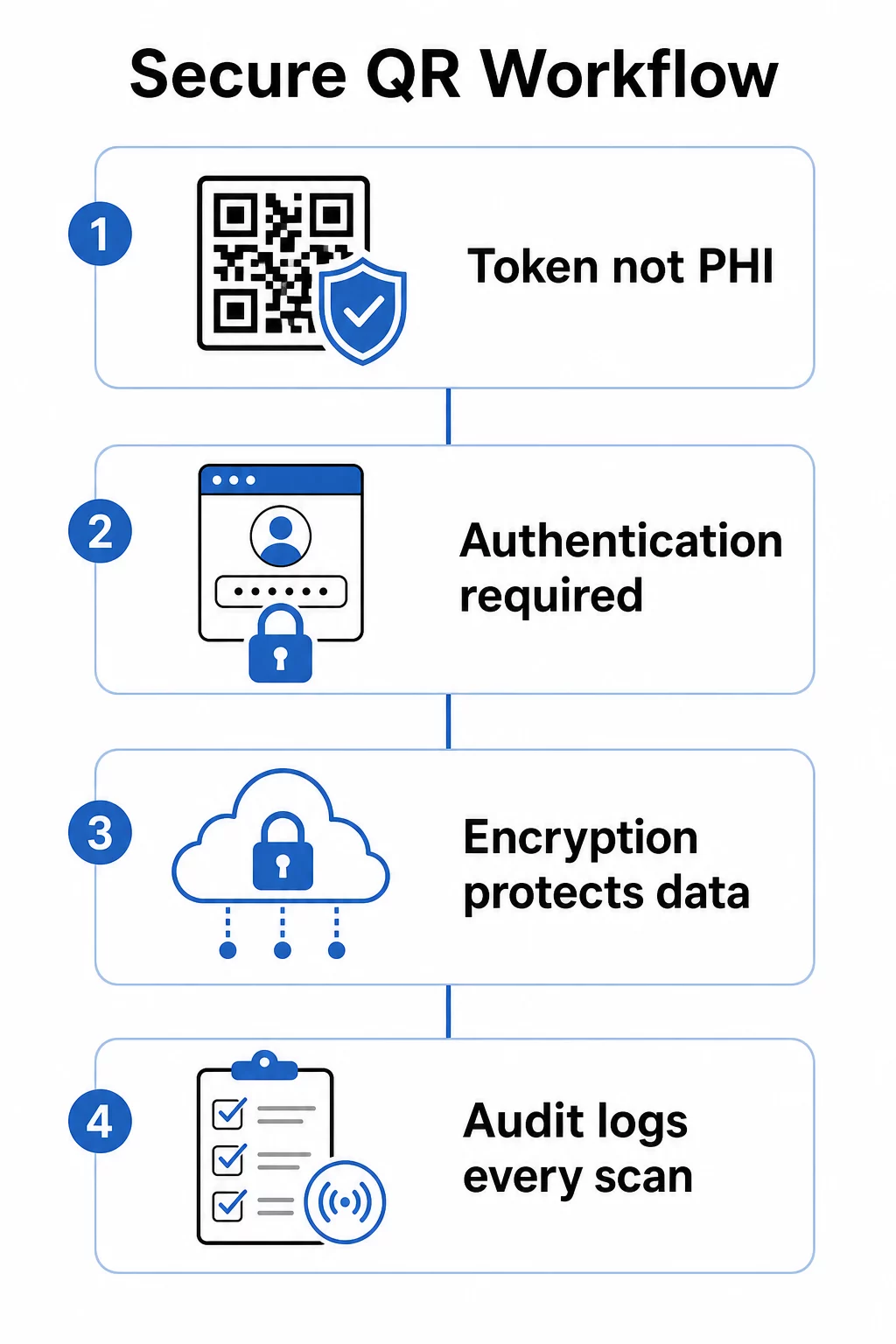
O distincție critică: codul QR în sine nu ar trebui să conțină niciodată informații medicale protejate (PHI). În schimb, ar trebui să codifice un token opac sau un URL semnat care indică un sistem backend unde ePHI este stocat și protejat sub măsuri de siguranță adecvate. Acest lucru menține codul fizic sigur pentru a fi imprimat pe brățări, carduri de programare sau pachete de externare fără a expune date sensibile dacă codul este fotografiat sau interceptat.
Cerințe HIPAA care se aplică sistemelor cu coduri QR
Regula de Securitate HIPAA stabilește standarde naționale pentru protejarea informațiilor medicale electronice protejate (ePHI). Orice sistem cu coduri QR care creează, primește, menține sau transmite ePHI trebuie să îndeplinească aceste cerințe – la fel și orice furnizor terț implicat în acel flux de lucru.
Măsurile de siguranță tehnice ale Regulii de Securitate acoperă patru domenii direct relevante pentru sistemele bazate pe QR:
- Controlul accesului: Doar persoanele sau programele software autorizate pot accesa sistemele care conțin ePHI. Acest lucru înseamnă că resursele legate de QR trebuie să necesite autentificare înainte de a afișa datele pacienților.
- Controale de audit: Mecanismele trebuie să înregistreze și să examineze activitatea în sistemele care conțin sau utilizează ePHI. Fiecare scanare, tentativă de acces și preluare de date trebuie să fie înregistrată cu marcaje temporale și identificatori de utilizator.
- Securitatea transmisiei: Măsurile tehnice trebuie să protejeze împotriva accesului neautorizat la ePHI transmis prin rețele electronice, inclusiv criptarea și controalele de integritate.
- Autentificare: Sistemele trebuie să verifice că utilizatorii sunt cine pretind a fi înainte de a acorda acces.
Regula de confidențialitate adaugă standardul minim necesar: doar informațiile necesare unui scop specific ar trebui partajate. Codurile QR dinamice susțin acest lucru direct – puteți configura un cod pentru a afișa doar porțiunea relevantă dintr-un dosar al pacientului, nu întregul fișier.
Atunci când utilizați o platformă de coduri QR terță parte care gestionează ePHI, HIPAA necesită un acord semnat Acord de Asociere Comercială (BAA). Acest acord obligă legal furnizorul la aceleași standarde de protecție a datelor și de notificare a încălcărilor care se aplică organizației dumneavoastră. Verificați întotdeauna dacă un furnizor va semna un BAA și dacă controalele lor de securitate documentate – standarde de criptare, înregistrarea accesului, proceduri de răspuns la incidente – îndeplinesc cerințele HIPAA înainte de a implementa instrumentele lor într-un flux de lucru clinic.
Partajați documente medicale în siguranță Trebuie să oferiți pacienților acces instantaneu la formulare de consimțământ, instrucțiuni de externare sau rezultate de laborator? Utilizați Generator cod QR PDF pentru a încărca fișiere și a genera coduri QR securizate, urmăribile, fără atașamente de e-mail sau predări pe hârtie.
Coduri QR statice vs. dinamice pentru asistența medicală
Nu toate codurile QR oferă același nivel de control, iar pentru utilizarea în asistența medicală, diferența contează semnificativ.
Coduri QR statice codifică date fixe direct în cod. Odată imprimate, acestea nu pot fi actualizate, revocate sau monitorizate. Dacă un cod static se leagă la o resursă care ulterior devine depășită sau compromisă, nu aveți nicio modalitate de a o dezactiva fără a o reimprima. Pentru aplicațiile de asistență medicală care implică orice informații specifice pacientului, codurile statice introduc un risc inutil.
Coduri QR dinamice se leagă la o destinație pe partea de server pe care o controlați. Aceasta înseamnă că puteți:
- Actualizați conținutul legat fără a reimprima codul
- Setați date de expirare sau reguli de acces unic pe URL
- Revocați accesul imediat dacă un cod este pierdut, modificat sau nu mai este necesar
- Monitorizați activitatea de scanare în timp real – cine a accesat resursa, când și de pe ce dispozitiv
De exemplu, un medic care partajează rezultatele testelor cu un specialist pentru o singură consultație poate configura linkul să expire automat după sesiune. Dacă lista de medicamente a unui pacient se modifică, codul QR de pe cardul său de identitate medicală continuă să funcționeze în timp ce conținutul legat se actualizează instantaneu. Această flexibilitate este ceea ce face ca codurile dinamice să fie alegerea potrivită pentru fluxurile de lucru sensibile din domeniul sănătății.
Cel ghid suprem pentru codurile QR în domeniul sănătății recomandă coduri statice doar pentru informații permanente, nesensibile – instrucțiuni de igienă, acces Wi-Fi în sălile de așteptare sau detalii de contact fixe – și coduri dinamice pentru orice necesită actualizări, urmărire sau controale de securitate.
Creați coduri QR pentru sănătate urmăribile și editabile Gestionați toate codurile QR pentru sănătate dintr-un singur tablou de bord, actualizați destinațiile fără a retipări și monitorizați activitatea de scanare în timp real cu soluția Pageloot de coduri QR pentru sănătate.
Controale de securitate de implementat
Îndeplinirea cerințelor de salvgardare tehnică ale HIPAA într-un flux de lucru cu coduri QR necesită o configurare deliberată. Acestea sunt controalele care contează cel mai mult:
Criptare în tranzit și în repaus
Toate resursele legate de QR care gestionează ePHI trebuie să utilizeze conexiuni numai TLS cu certificate valide. Datele stocate pe server trebuie, de asemenea, să fie criptate în repaus. AES-256 este standardul utilizat de instituțiile financiare și agențiile guvernamentale și satisface specificațiile de implementare a criptării HIPAA. Cum securizează criptarea datele codurilor QR explică cum criptarea simetrică, cum ar fi AES, funcționează bine pentru aplicațiile QR, având în vedere constrângerile de stocare ale formatului codului în sine.
Autentificare și control al accesului
Solicitați utilizatorilor să-și verifice identitatea înainte de a vizualiza ePHI recuperate printr-un cod QR. Aceasta poate include autentificare unică (SSO), autentificare multi-factor (MFA) sau token-uri de sesiune bazate pe timp. Controlul accesului bazat pe roluri asigură că un administrator de recepție și un medic curant văd doar datele pe care le cere rolul lor. Pageloot sprijină controlul accesului bazat pe roluri pentru utilizatorii enterprise, permițând organizațiilor să prevină editările neautorizate și să centralizeze guvernanța în cadrul echipelor.
Coduri protejate cu parolă
Pentru codurile QR partajate în contexte semi-publice – imprimate pe documente de externare, atașate echipamentelor sau incluse în materiale trimise prin poștă – protecția cu parolă adaugă un strat de apărare. Chiar dacă cineva fotografiază codul, nu poate accesa resursa legată fără credențiale.
URL-uri semnate, cu durată scurtă de viață
În loc să emiteți linkuri permanente, generați tokenuri care expiră după o perioadă stabilită sau după o singură utilizare. Acest lucru limitează fereastra de expunere dacă un cod este interceptat sau partajat dincolo de destinatarul său intenționat.
Jurnalizare completă a auditului
Fiecare tentativă de scanare, acces reușit și interacțiune cu datele ar trebui înregistrată automat. Jurnalele trebuie să înregistreze marcaje temporale, identificatori de utilizator și resursele specifice accesate. Aceste înregistrări susțin atât revizuirile de conformitate HIPAA de rutină, cât și răspunsul la incidente dacă este suspectată o încălcare. Organizațiile pot utiliza, de asemenea, software dedicat software de protecție a datelor pentru a monitoriza informațiile sensibile, a identifica expunerea potențială și a susține un răspuns mai rapid atunci când apar probleme de securitate.
Evitați scurtătoarele de URL publice și instrumentele de urmărire terțe
Paginile ePHI legate de coduri QR ar trebui să fie găzduite sub domenii de încredere, de primă parte, din domeniul sănătății. Scurtătoarele de URL publice ascund destinația și pot direcționa traficul prin infrastructura terță care nu respectă standardele HIPAA. Utilizați analize care păstrează confidențialitatea, în loc de scripturi de urmărire terțe care colectează metadate inutile.
Pentru o privire mai amplă asupra practicilor sigure de generare a codurilor QR, ghidul de bune practici pentru generarea sigură a codurilor QR și ghidul de securitate a codurilor QR în apărarea cibernetică acoperă în detaliu criptarea, detectarea manipulării și monitorizarea.
Securitate fizică: Riscuri de manipulare și phishing
Controalele digitale protejează datele în tranzit, dar codurile QR din mediile clinice se confruntă și cu amenințări fizice. Phishing cu coduri QR – uneori numit “quishing” – apare atunci când un atacator plasează un cod QR fraudulos peste unul legitim, redirecționând scanările către un site malițios conceput pentru a colecta credențiale sau a instala malware. Acest risc este real în mediile de asistență medicală unde codurile QR apar pe indicatoarele din sălile de așteptare, etichetele echipamentelor și materialele tipărite pentru pacienți.
Atenuați manipularea fizică prin:
- Utilizarea de materiale cu dovezi de manipulare pentru codurile aplicate pe suprafețe fizice
- Încorporarea logo-ului și a branding-ului organizației dvs. direct în designul codului QR, astfel încât codurile modificate să pară vizual inconsistente
- Stabilirea unui program de inspecție de rutină pentru toate codurile QR plasate, cu fotografii de referință pentru comparație
- Instruirea personalului pentru a verifica dacă destinațiile codurilor QR corespund URL-urilor așteptate înainte de a introduce orice credențiale
Educația pacienților și a personalului este la fel de importantă. Instruiți-vă echipa să recunoască distribuțiile suspecte de coduri QR, să utilizeze aplicații de scanare care previzualizează URL-ul destinației înainte de a-l deschide și să nu introducă niciodată credențiale de conectare într-o pagină accesată prin scanarea unui cod necunoscut. Legile privind confidențialitatea codurilor QR și reglementările cheie prezintă contextul de reglementare pentru aceste riscuri în mai multe detalii.
Cazuri de utilizare în domeniul sănătății
Controalele de securitate de mai sus permit o serie de aplicații practice pe întregul continuum de îngrijire:
Înregistrarea și check-in-ul pacienților
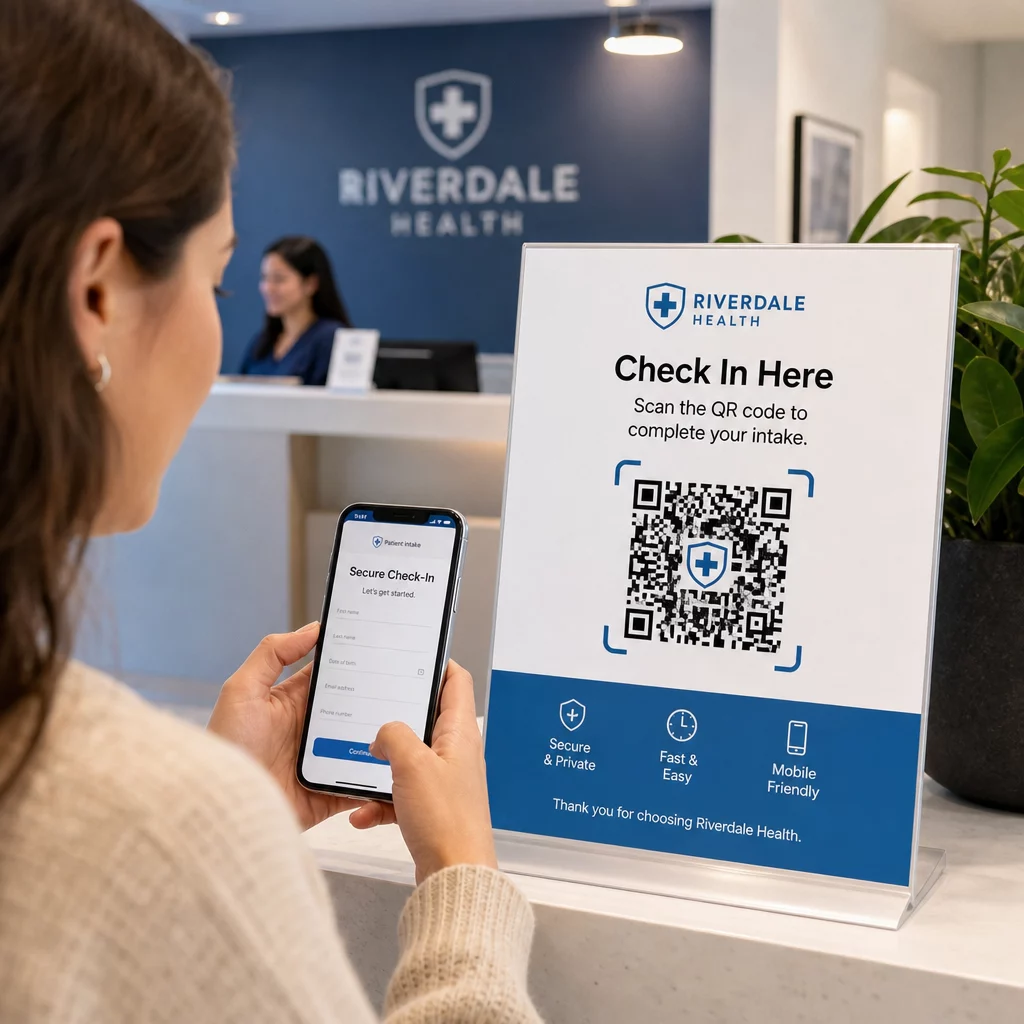
Pacienții scanează un cod QR la sosire pentru a accesa un formular de înregistrare securizat, a actualiza detaliile asigurării sau a completa documente de consimțământ pe propriul dispozitiv. Acest lucru elimină formularele pe hârtie, reduce volumul de muncă al recepției și creează o înregistrare digitală a trimiterilor. Fluxurile de lucru de check-in fără contact au fost adoptate pe scară largă în timpul COVID-19 și continuă să reducă timpii de așteptare și riscul de infecție.
Distribuția securizată a documentelor
Rezultatele de laborator, rapoartele de imagistică, planurile de tratament și instrucțiunile post-îngrijire pot fi distribuite ca coduri QR PDF. Pacienții accesează documentele direct pe dispozitivele lor fără a necesita o autentificare pe portal sau o broșură tipărită. Atunci când rezultatele sunt modificate, codul dinamic reflectă automat conținutul actualizat. Funcția de încărcare fișiere de pe Pageloot acceptă găzduirea securizată de PDF-uri exact pentru acest caz de utilizare.
Acces de urgență la informații critice de sănătate
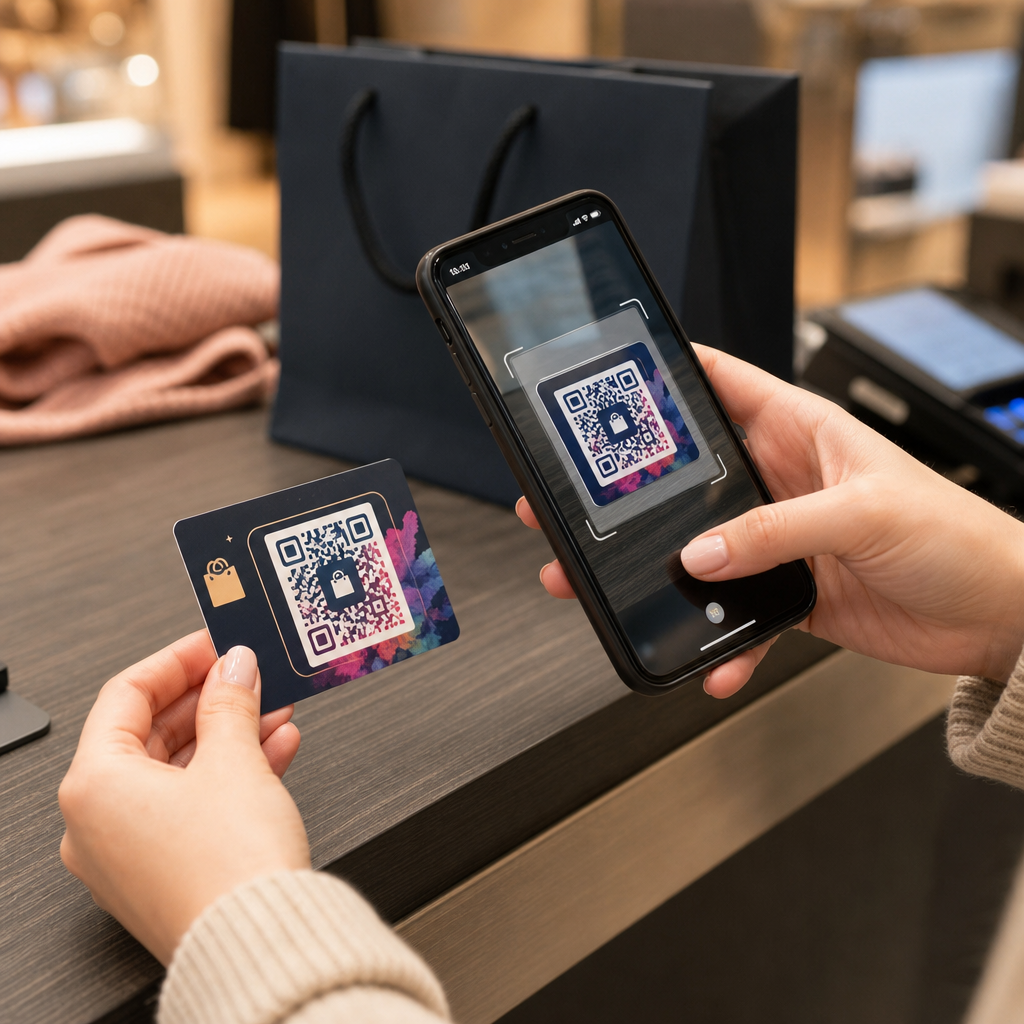
Pacienții pot purta coduri QR pe carduri sau brățări de alertă medicală care fac legătura cu detalii critice – alergii, medicamente curente, dispozitive implantate, contacte de urgență. Primii respondenți scanează codul pentru a recupera informații salvatoare de vieți atunci când pacientul nu poate comunica. Codurile dinamice asigură că aceste date rămân actuale fără a necesita un nou card de fiecare dată când se schimbă medicamentele.
Partajarea datelor între furnizori
La transferul îngrijirii între facilități sau la consultarea specialiștilor, un furnizor expeditor generează un cod QR cu durată limitată, legat de porțiunea relevantă a dosarului pacientului. Furnizorul primitor scanează pentru a accesa datele în siguranță. Accesul expiră automat după perioada de consultare, reducând riscul de acces neautorizat în viitor.
Gestionarea medicamentelor
Codurile QR de pe ambalajul rețetelor leagă pacienții de instrucțiuni de dozare, resurse multilingve, instrumente de reamintire și programe de suport. Pentru îngrijirea la domiciliu, codurile QR pot face legătura cu planuri de îngrijire actualizate și programe de medicație care reflectă cele mai recente rețete fără a necesita o nouă imprimare.
Urmărirea și întreținerea echipamentelor
Codurile QR de pe dispozitivele medicale oferă personalului clinic acces instantaneu la specificațiile dispozitivului, programele de întreținere, înregistrările de calibrare și alertele de siguranță – reducând costurile administrative și susținând conformitatea cu cerințele de siguranță ale echipamentelor.
Compararea codurilor QR cu alte metode de partajare
| Metoda | Confidențialitate și Securitate | Utilizabilitate | Actualizări în timp real | Jurnal de audit |
|---|---|---|---|---|
| Coduri QR dinamice | Ridicat (criptat, controlat prin acces) | Excelent (scanare instantanee) | Da | Da (înregistrare automată) |
| Coduri QR statice | Mediu (fără revocare) | Excelent (scanare instantanee) | Nu | limitată |
| Portaluri pentru pacienți | Ridicat (MFA suportat) | Slab (fricțiune la autentificare) | Da | Da |
| E-mail/Fax | Scăzut (adesea necriptat) | Mediu | Nu | Nu |
| Coduri de bare tradiționale | Mediu (criptare limitată) | Bun (necesită scaner) | Nu | Nu |
Codurile QR dinamice ocupă o poziție de mijloc practică: ele oferă controalele de securitate ale unui portal pentru pacienți fără fricțiunea de autentificare care descurajează implicarea pacienților. Ele depășesc faxul și e-mailul în fiecare dimensiune de securitate și oferă jurnalele de audit pe care HIPAA le cere – fără costurile de infrastructură pentru construirea sau menținerea unui sistem de portal dedicat.
Listă de verificare a implementării
Înainte de a implementa coduri QR în orice flux de lucru care implică date ale pacienților, verificați dacă aceste controale sunt în vigoare:
- Codurile QR codifică token-uri opace, nu direct PHI
- Toate resursele legate utilizează HTTPS cu certificate valide
- ePHI este criptat în tranzit și în repaus
- Autentificarea (MFA sau SSO) este necesară înainte de afișarea datelor pacientului
- Accesul este limitat pe rol, utilizând principii de cel mai mic privilegiu
- URL-urile sunt limitate în timp sau de unică folosință pentru schimburi sensibile
- Fiecare eveniment de scanare și acces este înregistrat automat
- Jurnalele sunt revizuite regulat și păstrate conform politicilor organizației dumneavoastră
- Un BAA semnat este în vigoare cu furnizorul platformei dumneavoastră de coduri QR
- Codurile fizice sunt personalizate, inspectate regulat și utilizează materiale evidente la manipulare
- Personalul a primit instruire privind riscurile de quishing și comportamentul sigur de scanare
- Codurile destinate pacienților se leagă doar la informațiile minime necesare
Pentru o privire mai aprofundată asupra aplicațiilor codurilor QR în mediile clinice, pagina Coduri QR pentru spitale și asistență medicală acoperă identificarea pacienților, urmărirea echipamentelor, transparența medicamentelor și multe altele. Puteți explora, de asemenea, soluții de coduri QR pe industrie pentru a vedea cum aceeași tehnologie se adaptează în diferite contexte operaționale.
Codurile QR funcționează în asistența medicală atunci când implementarea le tratează ca pe o interfață securizată către sisteme protejate corespunzător – nu ca pe un mecanism de stocare pentru date sensibile. Stabiliți arhitectura corectă, impuneți autentificarea și înregistrarea, iar codurile QR devin una dintre cele mai simple modalități de a oferi pacienților și furnizorilor acces rapid și conform la informațiile de care au nevoie.
Construiți un flux de lucru cu coduri QR compatibil HIPAA Generați coduri QR dinamice, personalizate, cu urmărire a scanărilor încorporată, controale de acces și analize în timp real. Generatorul de coduri QR Pageloot Link vă permite să creați și să gestionați fiecare cod dintr-un singur tablou de bord – și să actualizați destinațiile oricând fără a retipări.
Întrebări frecvente
Nu. Codul QR ar trebui să codifice doar un token opac sau o adresă URL semnată care indică un sistem backend securizat. PHI este stocat și protejat pe partea de server sub măsuri de siguranță HIPAA adecvate. În acest fel, fotografierea sau interceptarea codului nu expune date ale pacienților – accesul necesită în continuare autentificare la destinația legată.
Codurile QR dinamice vă permit să actualizați conținutul legat, să setați date de expirare, să revocați accesul instantaneu și să monitorizați fiecare încercare de scanare în timp real. Codurile statice sunt permanente și irevocabile – dacă o resursă legată se modifică sau apare o problemă de securitate, nu puteți dezactiva codul fără a-l reimprima. Pentru orice flux de lucru care implică informații specifice pacienților sau date sensibile la timp, codurile dinamice sunt alegerea potrivită.
Da, dacă platforma furnizorului creează, primește, menține sau transmite ePHI ca parte a fluxului dumneavoastră de lucru. HIPAA necesită un BAA semnat cu orice partener de afaceri implicat în gestionarea informațiilor protejate de sănătate. Înainte de a selecta o platformă, confirmați că furnizorul va semna un BAA și că controalele lor de securitate – standarde de criptare, înregistrarea accesului, proceduri de notificare a încălcărilor – îndeplinesc cerințele HIPAA.