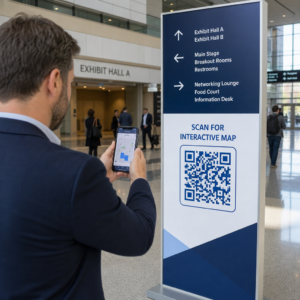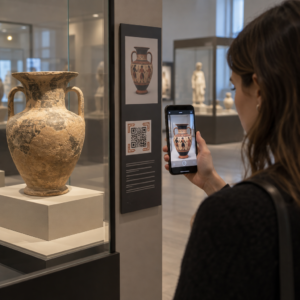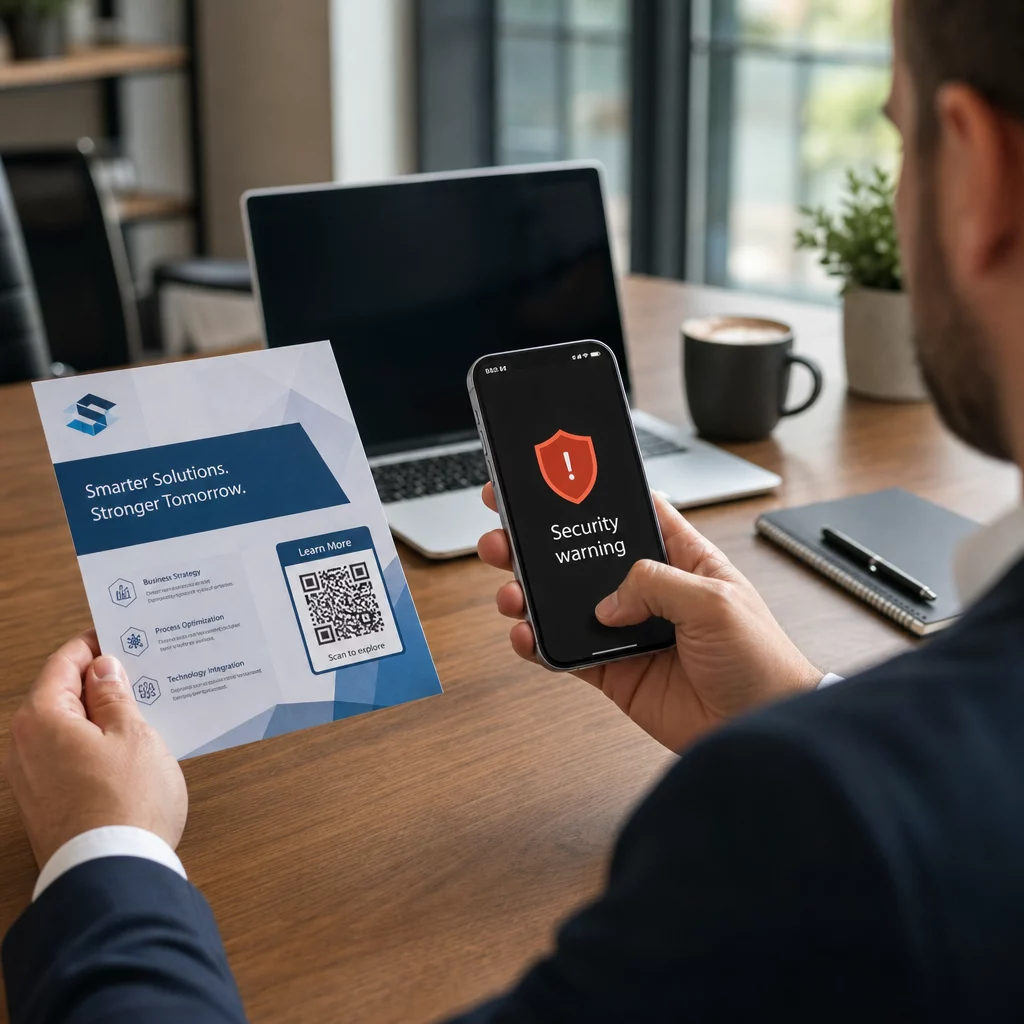
O seu negócio está a usar códigos QR sem saber quais foram adulterados? O phishing de código QR – comummente chamado de “quishing” – transforma uma conveniência diária numa armadilha de roubo de credenciais, e os filtros de segurança tradicionais muitas vezes falham completamente em detetá-lo. Este guia aborda como estes ataques funcionam, o que custam às empresas e os controlos específicos que pode implementar para os impedir.
Como Funciona o Phishing de Código QR
O phishing de código QR explora uma fraqueza fundamental: os códigos QR não são legíveis por humanos. Com um URL tradicional, um olho treinado pode muitas vezes detetar um domínio falsificado ou uma sequência suspeita. Um código QR oculta tudo isso. Como explica Alex Mosher, vice-presidente global da MobileIron:
“Os códigos QR ocultam inerentemente o seu destino. Portanto, a capacidade de alterar um código QR para apontar para um recurso alternativo sem ser detetado é simples e altamente eficaz.”
Os atacantes incorporam URLs maliciosos dentro de códigos QR que redirecionam as vítimas para páginas de login falsas concebidas para recolher credenciais, ou para sites que desencadeiam downloads de malware. Agravando o problema, muitos sistemas de segurança de e-mail não conseguem descodificar imagens de códigos QR – eles veem uma imagem, não um link – por isso a carga útil passa pelos filtros que apanhariam um URL de phishing simples.
Em 2023, o phishing de código QR representou 22% de todos os ataques de phishing. Uma campanha de quishing em larga escala cresceu 2.400% em questão de meses, e a análise de uma operação direcionada a empresas descobriu que aproximadamente 29% dos e-mails maliciosos continham códigos QR.
Onde os Atacantes Plantam Códigos QR Maliciosos
Ataques por e-mail e documentos são o método de entrega mais comum. Os atacantes incorporam códigos QR dentro de anexos PDF ou Word para contornar os filtros de segurança de e-mail. Em 2023, 82% dos ataques de quishing personificaram marcas de confiança – a Microsoft foi alvo em 51% dos casos observados, seguida pela DocuSign com 31% e pela Adobe com 15%. Entre meados de 2024 e o final de 2024, investigadores descobriram mais de 500.000 e-mails de phishing contendo códigos QR incorporados em PDFs.
Adulteração física é igualmente perigosa. Os atacantes colocam autocolantes fraudulentos de códigos QR sobre códigos legítimos em locais de alto tráfego – restaurantes, parquímetros, aeroportos e espaços comerciais. Em São Francisco, criminosos colocaram códigos QR falsificados em multas de estacionamento que direcionavam os utilizadores para uma página de trânsito falsa concebida para roubar detalhes de cartões de crédito. A Administração da Segurança Social adverte especificamente que os códigos QR legítimos em sinalização oficial geralmente não são autocolantes; um código aplicado como autocolante deve ser tratado como suspeito.
Iscos de engenharia social completam o quadro. As vítimas são solicitadas a digitalizar um código QR para reivindicar um desconto, conectar-se a Wi-Fi gratuito ou preencher um inquérito. Num caso documentado em Singapura, uma mulher digitalizou um código numa loja de bubble tea esperando uma recompensa de fidelidade. Em vez disso, uma aplicação maliciosa foi descarregada para o seu telemóvel, e os atacantes drenaram 2.000 dólares da sua conta bancária.
O Que Estes Ataques Custam às Empresas
Roubo de Credenciais e Dados
Quase 90% dos ataques de quishing são concebidos especificamente para roubar credenciais de login e dados sensíveis. Os atacantes redirecionam as vítimas para réplicas convincentes de portais do Microsoft 365, SharePoint ou bancários. Os executivos são desproporcionalmente visados porque as suas credenciais desbloqueiam sistemas críticos e dados privilegiados.
Dispositivos pessoais pioram a situação. Quando os funcionários escaneiam códigos QR em telefones não registrados no gerenciamento empresarial, as equipes de TI não têm visibilidade do que aconteceu ou do que foi acessado.
Perdas Financeiras
O custo médio de uma violação de dados atingiu $4,45 milhões em 2023, com os golpes de Comprometimento de E-mail Comercial (BEC) custando em média $4,89 milhões – antes de considerar multas regulatórias e despesas legais. As perdas diretas por phishing aumentaram 76% ano a ano. Incidentes individuais ilustram a escala: um golpe em uma estação ferroviária do Reino Unido deixou uma vítima com £13.000 em dívidas; uma família de Calgary perdeu $10.000 para um golpe de código QR no Facebook Marketplace.
Pequenas empresas absorvem uma parcela desproporcional dos danos. No Reino Unido, pequenas empresas enfrentam cerca de 65.000 ciberataques diariamente, com o custo médio para resolver um ataque bem-sucedido em torno de $33.700.
Interrupção Operacional e Dano à Reputação
Credenciais roubadas frequentemente servem como ponto de entrada para a implantação de ransomware. Em 2023, as organizações gastaram em média $1,82 milhão na recuperação de incidentes de ransomware. Empresas de construção e engenharia enfrentam um risco de ataque por código QR 19,2 vezes maior que a média; empresas de serviços profissionais enfrentam um risco 18,5 vezes maior.
Além do tempo de inatividade operacional, as empresas enfrentam rotatividade de clientes, prêmios de seguro cibernético mais altos e escrutínio regulatório quando os dados dos clientes são expostos. Reconstruir a confiança após uma violação leva muito mais tempo do que resolver o incidente técnico em si.
Como Prevenir o Phishing de Código QR: Uma Abordagem em Camadas
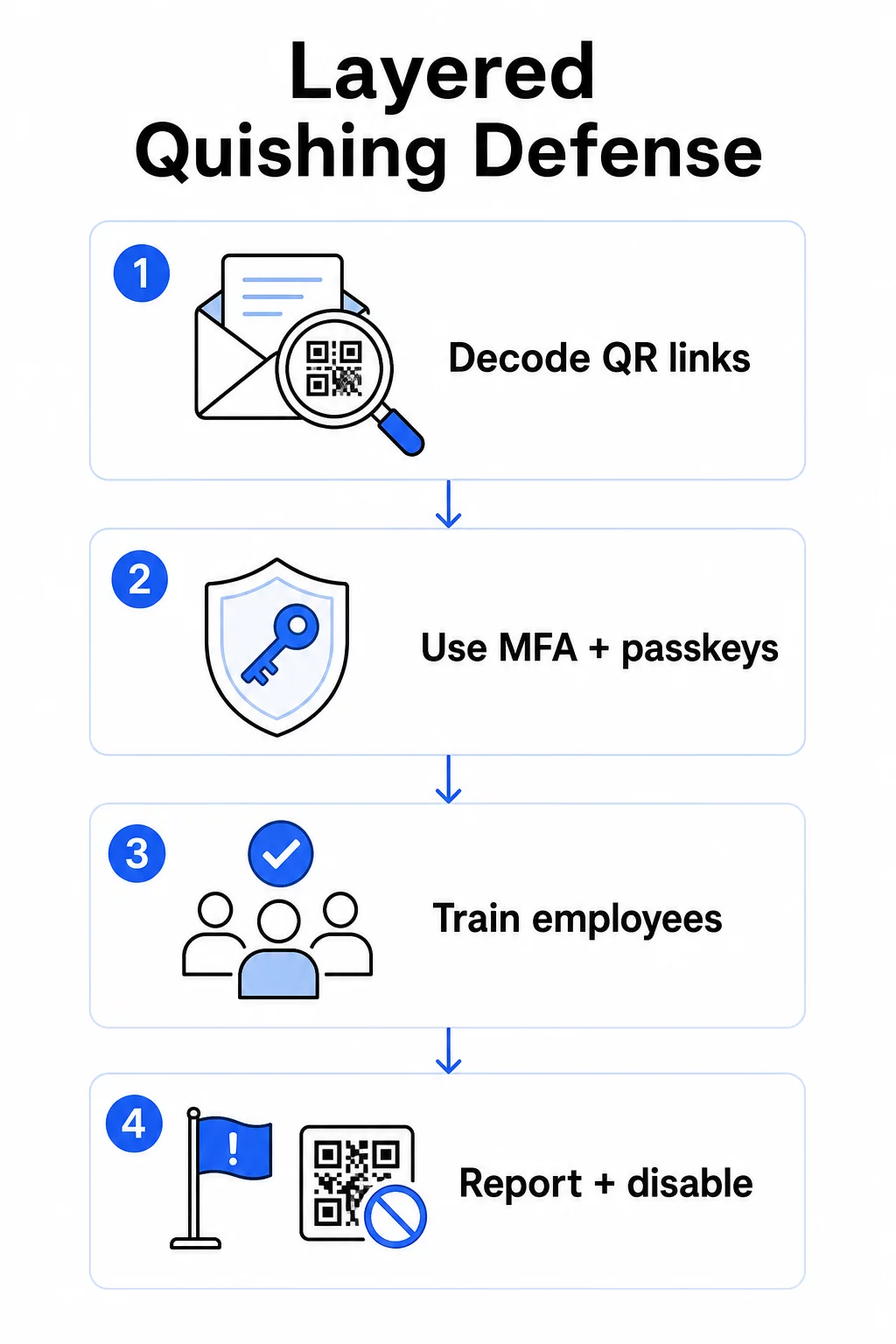
Nenhum controle único elimina o quishing. A recomendação consistente de pesquisadores de segurança, agências federais e equipes de segurança empresarial é uma defesa em camadas que combina filtragem de e-mail, controles de identidade, proteção de endpoint, treinamento de funcionários e fluxos de trabalho de relatórios.
Controles de Segurança de E-mail
Configure sistemas de segurança de e-mail com recursos que vão além da varredura de links padrão. Controles eficazes incluem:
- Filtragem com capacidade OCR que decodifica imagens de código QR dentro de e-mails e analisa a URL incorporada em relação à inteligência de ameaças
- Políticas anti-phishing ajustadas para sinalizar cargas úteis baseadas em imagem, especialmente códigos QR incorporados em anexos de documentos PDF ou Office
- Regras rigorosas de gateway de spam que tratam códigos QR não solicitados em e-mail como de alto risco por padrão
Para ambientes Microsoft 365 especificamente, o Microsoft Defender para Office 365 inclui decodificação de imagem de código QR para exibir URLs incorporadas para verificação de reputação e avaliação de Links Seguros.
Controles de Identidade e Acesso
Credenciais roubadas só são úteis se puderem ser usadas. Controles de identidade em camadas reduzem esse risco significativamente:
- Autenticação multifator (MFA) em todas as contas, com requisitos de autenticação mais fortes para usuários com altos privilégios e executivos
- Métodos de MFA resistentes a phishing como chaves de segurança de hardware ou passkeys, que estão vinculadas ao domínio legítimo e não podem ser interceptadas por um site fraudulento
- Bloqueio de protocolos de autenticação legados que não suportam MFA, eliminando uma rota de bypass comum
- Políticas de acesso condicional que sinalizam ou bloqueiam tentativas de login de dispositivos não gerenciados
Para um contexto mais aprofundado sobre como os códigos QR se cruzam com os fluxos de trabalho de autenticação, consulte como os códigos QR simplificam a autenticação multifator.
Proteção de Endpoint e Dispositivo
Dispositivos gerenciados com segurança de endpoint atualizada fornecem uma rede de segurança crítica:
- Implementar detecção e resposta de endpoint (EDR) em todos os dispositivos gerenciados
- Ativar verificações de reputação do navegador (como Microsoft SmartScreen) que alertam os usuários antes que eles cheguem a um domínio de phishing conhecido
- Aplicar políticas de Gerenciamento de Dispositivos Móveis (MDM) que impõem linhas de base de segurança em telefones usados para escanear códigos QR para o trabalho
- Restringir downloads de dispositivos não gerenciados em redes corporativas
A FTC aconselha manter os sistemas operacionais dos dispositivos atualizados e usar senhas fortes e exclusivas em todas as contas como higiene fundamental que reduz o impacto de qualquer tentativa de phishing bem-sucedida.
Treinamento e Conscientização de Funcionários
Seus funcionários são a linha de defesa mais direta contra o quishing, e o treinamento deve ser explícito – a conscientização geral sobre phishing não se transfere automaticamente para ameaças de código QR.
Programas de treinamento eficazes cobrem:
- Por que os códigos QR são perigosos: o destino fica oculto até depois da leitura
- Sinais de alerta em e-mails contendo códigos QR: urgência, saudações genéricas, mensagens não solicitadas de marcas conhecidas e solicitações de credenciais de login
- Sinais de adulteração física: códigos aplicados como adesivos sobre materiais impressos, códigos em sinalização não oficial
- Hábitos de verificação: se um código QR chegar em um e-mail inesperado, entre em contato com o remetente por meio de um número de telefone conhecido ou site oficial em vez de escanear o código
- Inspeção de URL: após a leitura, verifique a URL na barra do navegador antes de inserir quaisquer credenciais – procure por erros de digitação, letras trocadas ou domínios desconhecidos
O Departamento de Saúde e Serviços Humanos dos EUA recomenda treinar os usuários finais para manter um grau saudável de ceticismo e reconhecer indicadores como endereços de remetentes suspeitos, links falsificados e gramática inadequada – todos os quais aparecem em campanhas de phishing baseadas em QR, assim como nas baseadas em texto.
Realize exercícios simulados de quishing juntamente com simulações de phishing padrão. Direcione grupos de alto risco – executivos, equipes financeiras e qualquer pessoa com privilégios administrativos – com cenários mais frequentes e realistas.
Para uma visão mais ampla de melhores práticas de segurança de código QR em defesa cibernética, incluindo criptografia e emparelhamento de autenticação, esse guia aborda os controles técnicos com mais profundidade.
Relatórios e Resposta a Incidentes
Os funcionários precisam de uma maneira clara e de baixa fricção para relatar códigos QR suspeitos – tanto em e-mails quanto em espaços físicos. Um botão de "relatar phishing" em clientes de e-mail remove a fricção para relatórios digitais. Para códigos físicos, forneça orientação sobre como sinalizar e fotografar adesivos suspeitos ou materiais adulterados.
Seu plano de resposta a incidentes deve abordar especificamente cenários de "quishing" com etapas definidas:
- Isole qualquer conta que possa ter enviado credenciais através de um código QR malicioso
- Revogue sessões ativas e redefina senhas imediatamente
- Verifique se há acesso não autorizado ou movimentação de dados no período entre a leitura e a resposta
- Notifique os indivíduos afetados de acordo com sua política de notificação de violação
- Conduza uma revisão pós-incidente para identificar como o código QR contornou os controles existentes
Realize testes de penetração que incluam cenários de "quishing" para encontrar falhas antes que os atacantes o façam.
Códigos QR que sua empresa implanta: Protegendo seus próprios códigos
Prevenir o "quishing" também significa garantir que os códigos QR que sua empresa publica não possam ser usados como arma contra seus clientes ou funcionários.
Use códigos QR dinâmicos em vez de estáticos. Códigos estáticos codificam permanentemente um URL de destino. Se esse destino for comprometido, o código se torna uma responsabilidade que você não pode corrigir sem reimprimir. Códigos QR dinâmicos apontam para um URL de redirecionamento curto que você controla – você pode atualizar o destino, redirecionar para uma nova página ou desativar o código completamente a partir de um painel de gerenciamento sem tocar no material impresso.
Mantenha Seus Códigos QR Publicados Sob Controle Se você suspeitar que um de seus códigos implantados foi adulterado ou está apontando para um local inseguro, você pode atualizá-lo ou desativá-lo instantaneamente. Use o Gerador de QR Code Dinâmico para gerenciar todos os seus códigos a partir de um painel centralizado com análises de leitura em tempo real.
Aplique uma marca consistente aos seus códigos. Setenta e um por cento das pessoas não conseguem distinguir de forma confiável um código QR falso de um legítimo. Códigos QR de marca – com seu logotipo, cores da empresa e um domínio personalizado no URL de destino – dão aos usuários um sinal visual de que o código é autêntico. Códigos QR genéricos em preto e branco com URLs curtos opacos não oferecem tal garantia.
Monitorize as análises de digitalização para anomalias. Códigos QR dinâmicos recolhem dados de digitalização, incluindo carimbos de data/hora, tipos de dispositivo e localizações geográficas. Um pico repentino de digitalizações de regiões inesperadas, ou atividade de digitalização fora do horário comercial normal, pode indicar que um dos seus códigos foi copiado e redistribuído maliciosamente. O painel de análise da Pageloot revela estes padrões para que possa investigar e responder rapidamente.
Para uma análise detalhada dos dados de digitalização que os seus códigos recolhem e como interpretá-los de forma responsável, consulte compreender que dados os seus códigos QR dinâmicos rastreiam.
Realize auditorias físicas regulares. Para quaisquer códigos QR exibidos em espaços públicos ou semipúblicos – mesas de restaurante, sinalização de eventos, expositores de veículos ou montras de retalho – inspecione fisicamente os códigos numa base regular. Procure autocolantes colocados sobre o código original e teste o destino de cada código antes que os clientes o encontrem.
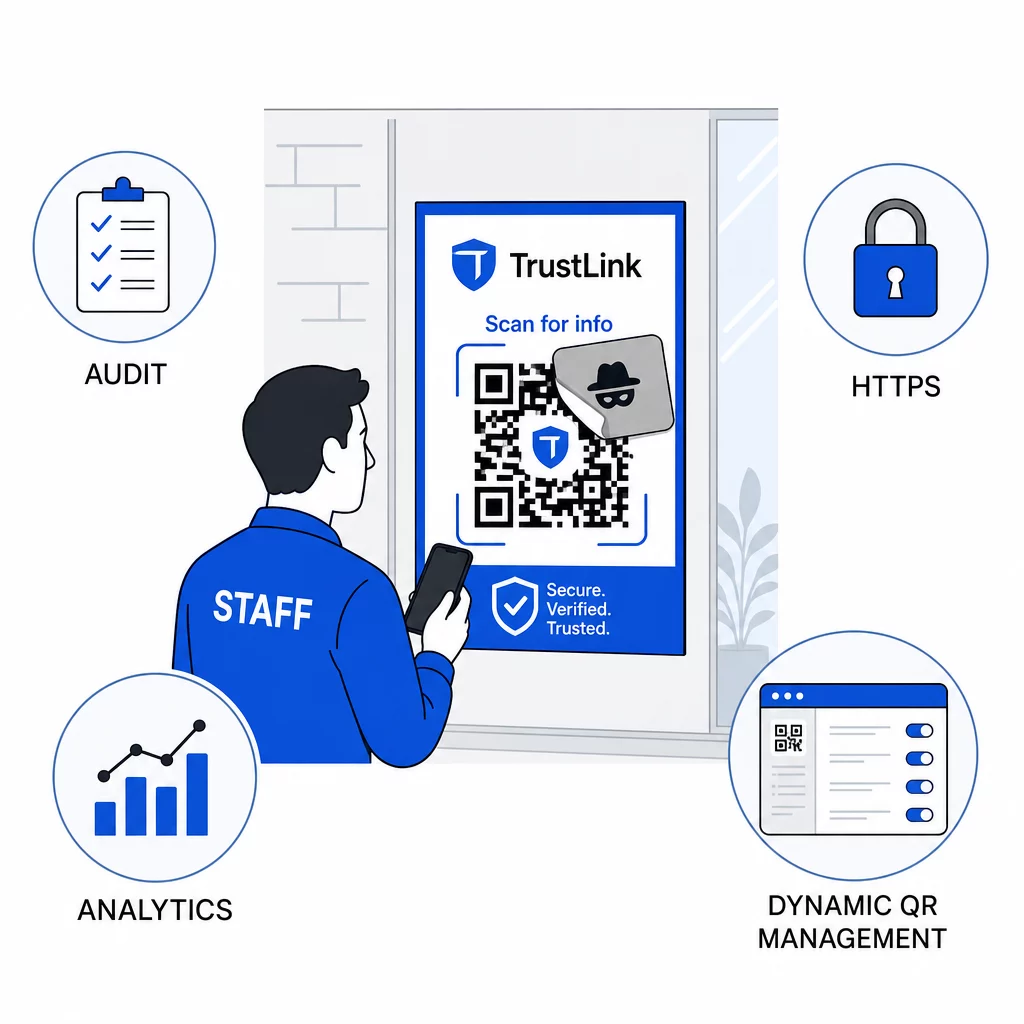
Utilize destinos HTTPS exclusivamente. Cada URL para o qual os seus códigos QR apontam deve usar HTTPS. Enviar utilizadores para um destino HTTP não encriptado mina a confiança e expõe dados em trânsito.
Para orientação adicional sobre riscos de privacidade do código QR e como evitá-los, incluindo como equilibrar a análise com a privacidade do utilizador, esse recurso aborda as considerações de dados que as empresas frequentemente ignoram.
Avaliar Ferramentas de Deteção
A formação de funcionários e os controlos de plataforma abordam uma parte significativa do risco, mas as ferramentas de deteção dedicadas adicionam outra camada – particularmente para organizações com alto volume de e-mail ou implementações complexas de códigos QR. Se estiver a avaliar opções, ferramentas concebidas para detetar phishing de códigos QR variam desde plataformas de análise comportamental empresarial a complementos de gateway de e-mail e aplicações de digitalização móvel com verificações de reputação incorporadas.
A combinação certa depende da sua pilha de segurança existente, do volume de códigos QR que recebe versus implementa, e se a adulteração física é uma preocupação significativa para as suas localizações. O quishing não é uma ameaça hipotética. Representa uma parte significativa da atividade de phishing no mundo real, contorna os controlos que a maioria das organizações já tem em vigor e visa desproporcionalmente as empresas e os utilizadores menos equipados para o reconhecer. Fechar esta lacuna requer uma ação deliberada em segurança de e-mail, controlos de identidade, formação de funcionários e os códigos QR que publica.
Comece com os controlos que pode implementar imediatamente – MFA, consciencialização dos funcionários e a mudança dos seus códigos publicados para gestão dinâmica – e depois construa em direção à defesa em camadas que torna os ataques de quishing consistentemente malsucedidos contra a sua organização.
Perguntas frequentes
O phishing regular tipicamente usa URLs visíveis no texto do e-mail ou em hiperlinks que um usuário treinado pode inspecionar antes de clicar. O phishing por código QR oculta o destino inteiramente – a URL maliciosa é codificada dentro da imagem, invisível até depois da digitalização. Isso também torna mais difícil para os filtros de segurança de e-mail detectarem, já que eles veem uma imagem em vez de um link. O resultado é que o phishing por código QR ignora muitos controles que efetivamente capturam o phishing baseado em texto.
Concentre-se primeiro nos controles de maior impacto: habilite a autenticação multifator em todas as contas, treine os funcionários para tratar códigos QR inesperados como suspeitos e verificar através de canais independentes, e mude quaisquer códigos QR publicados de estáticos para dinâmicos para que você possa atualizá-los ou desativá-los se um problema for detectado. Essas etapas custam pouco e eliminam os caminhos de ataque mais comuns. Use um leitor de código QR com capacidade de visualização de URL antes de escanear códigos desconhecidos, e estabeleça um processo claro para os funcionários relatarem códigos suspeitos à TI.
Códigos QR estáticos codificam permanentemente um URL de destino. Se esse URL for comprometido – ou se um atacante copiar o seu código e o redistribuir apontando para um site malicioso – não há como corrigir o código impresso original sem reimprimir tudo. Códigos QR dinâmicos redirecionam através de um URL de redirecionamento curto que você controla centralmente. Você pode alterar o destino, adicionar proteção por senha, definir datas de expiração e monitorar a atividade de leitura em tempo real. Se algo parecer errado, você pode desativar o código imediatamente. Essa combinação de flexibilidade e visibilidade torna os códigos dinâmicos significativamente mais seguros para qualquer código QR usado em contextos de negócios públicos ou contínuos.