> 블로그 > Proximity Technologies for Event Check-In: QR Codes, RFID, and NFC Compared
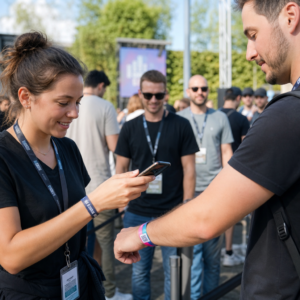
Event check-in scan

Proximity Technologies for Event Check-In: QR Codes, RFID, and NFC Compared

Compare proximity QR codes, RFID, and NFC for event check-in. Find the best fit for your budget and attendance with our setup and real-time tracking guide.
Updated on 6월 10, 2026
목차

Which check-in technology is right for your event – and what happens when you pick the wrong one? Entry bottlenecks, credential sharing, and real-time tracking gaps cost organizers time and attendee trust. This guide breaks down how QR codes, RFID, and NFC compare for event check-in, and how to implement whichever approach fits your setup.

How QR Codes, RFID, and NFC Work Differently

Before choosing a check-in system, it helps to understand what each technology actually does – and where each one breaks down.

QR 코드 are visual, camera-based codes. A scanner or smartphone camera reads the pattern, decodes the information, and looks up the attendee record. They require line-of-sight and work best when the code is clean, well-lit, and undamaged. QR code check-in is the lowest-cost option to implement: attendees receive a code by email or SMS, and staff scan it with any camera-equipped device.

RFID (Radio Frequency Identification) uses radio waves between a tag embedded in a badge or wristband and a reader device. Attendees don’t need to do anything – they just walk near a reader and the system logs their entry. RFID is fully passive on the attendee’s side, which makes it extremely fast at high volumes. Readers can detect tags across a few feet, meaning entry can be completely unmanned at the gate.

NFC (Near Field Communication) is a short-range subset of RFID technology, requiring the badge or wristband to be within about 1–4 centimeters of the reader – essentially a tap. The short range is intentional: NFC offers encrypted, two-way communication that’s hard to clone, making it the strongest choice for secure access control, cashless payments, and VIP zone management.

Comparing the Three Technologies Side by Side

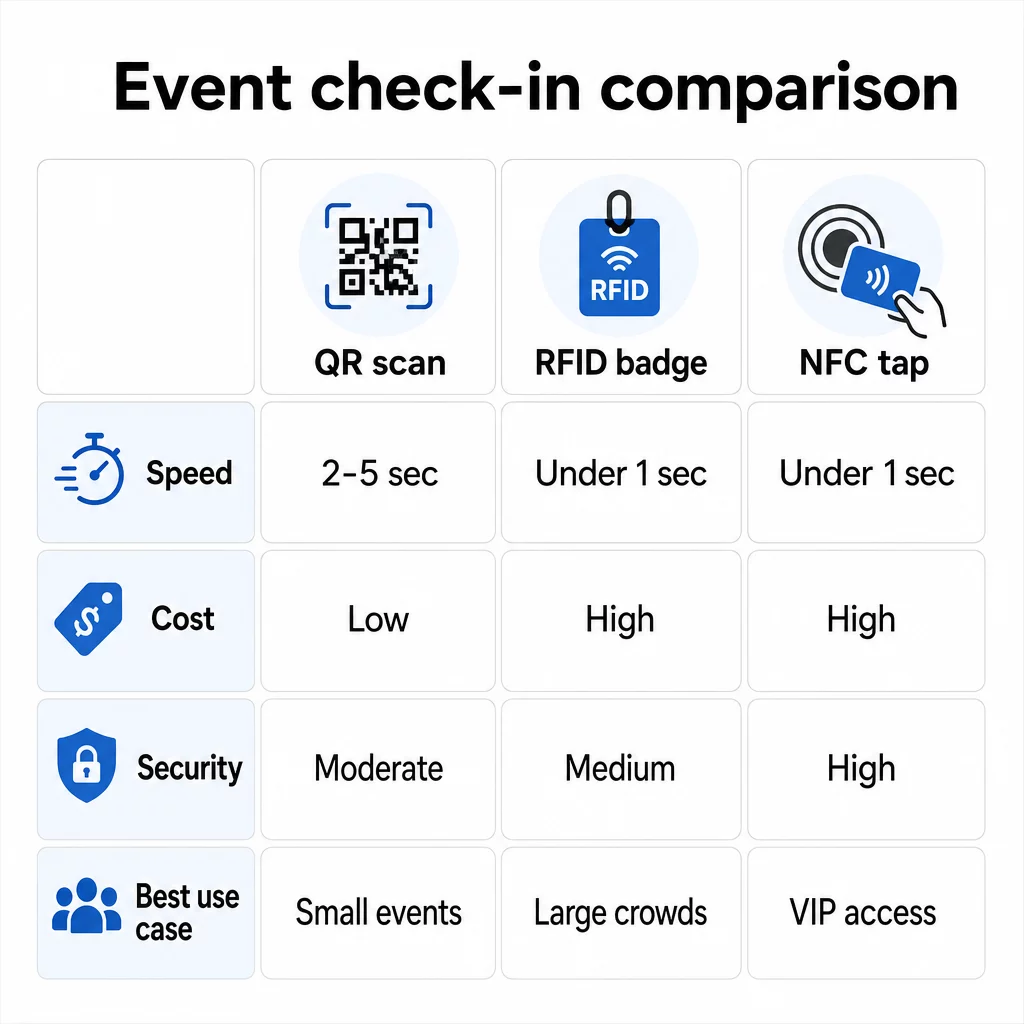
기능 QR 코드 RFID NFC
How it works Camera scans visual code Radio waves, no line-of-sight Short-range tap (1–4 cm)
Speed per entry 2–5 seconds Under 1 second, hands-free Under 1 second
Infrastructure cost Low (any camera device) High (readers + encoded badges) High (readers + encoded badges)
보안 Moderate (easily shared via screenshot) Variable High (encrypted, hard to clone)
Offline capability Depends on platform Generally yes Generally yes
Reusability Single-use or single-print Reusable across days or events Reusable across days or events
Real-time movement tracking Only at scan points Across the full venue Across defined zones
가장 적합한 대상 Small to mid-size events, low budget High-volume events, festivals Secure access, VIP zones, payments

QR codes are fast but fragile. They work well under ideal conditions but become bottlenecks when attendee batteries die, screens are cracked, or network connectivity drops. RFID handles large crowds with minimal friction. NFC offers the strongest security profile but requires the closest physical proximity.

Check-in technology comparison

When to Use QR Codes for Check-In

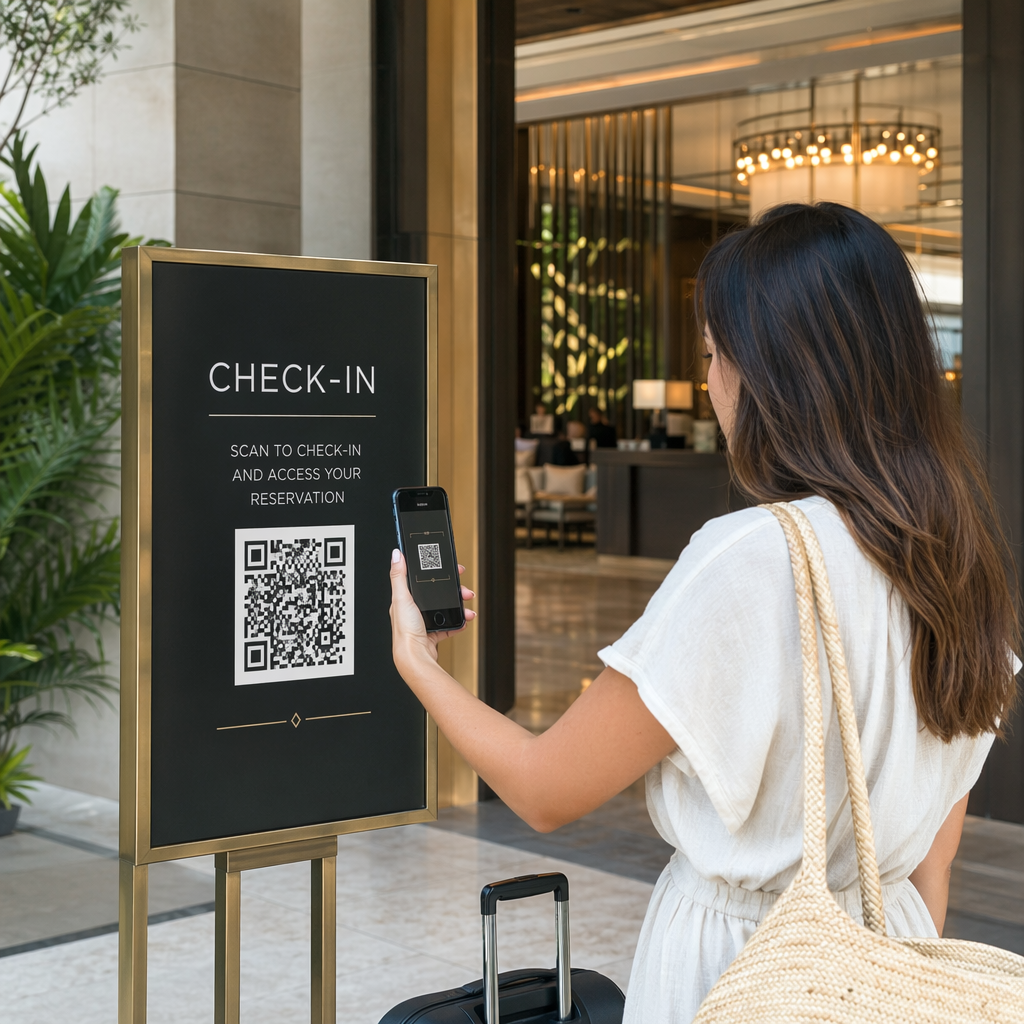
QR codes are the right choice for most small to mid-size events, one-day conferences, and any situation where budget or setup time is limited. You can implement a full QR check-in system with no specialist hardware – just a reliable QR code platform and a camera-equipped device at each entry point.

The practical advantages of QR codes include:

  • No attendee hardware required – codes live on a phone screen or printed ticket
  • Easy distribution – send via email, SMS, or messaging apps before the event
  • Dynamic updating – if your venue changes or your check-in flow shifts, you can update where a dynamic QR code points without reprinting anything
  • 스캔 분석 – track check-in times, device types, and entry volume in real time

The main weaknesses to plan around: QR codes don’t inherently verify identity, only possession of a code. They’re easy to screenshot and share. And they don’t passively track where attendees go between scan points.

To close some of these gaps, assign each registrant a unique, single-use QR code that’s marked as used on first scan. This prevents duplicates and credential sharing without adding hardware overhead. You can learn how this works in practice in the 이벤트 체크인을 위한 QR 코드 궁극 가이드.

Set Up Trackable Event Check-In Codes Create personalized, dynamic QR codes for every attendee and monitor real-time scan data from a single dashboard. Start with the Pageloot 이벤트 QR 코드 생성기.

When to Use RFID or NFC Instead

For large festivals, multi-day conferences, or any event with 1,000+ attendees moving through multiple access zones, RFID and NFC offer meaningfully better throughput and tracking depth.

RFID makes sense when:

  • You need fully automated, unmanned entry gates
  • Attendees are moving through multiple sessions or areas and you need passive venue tracking
  • Credential sharing is a material fraud risk
  • You’re issuing physical wristbands or badges anyway

NFC makes sense when:

  • You need zone-based access control with encrypted credentials (VIP, backstage, press)
  • You’re running cashless payments alongside entry management
  • You want two-way data exchange between badges and readers
  • Maximum clone-resistance is a security requirement

The tradeoff is infrastructure. RFID and NFC both require upfront investment in readers, encoded badges or wristbands, and software integration with your event management platform. You also need to issue credentials in advance, which adds a pre-event logistics step that QR code systems skip entirely.

Setting Up QR Code Check-In: A Step-by-Step Approach

If you’ve decided QR codes are the right fit, here’s how to implement them properly.

Choose Dynamic Over Static Codes

Static QR codes lock in a fixed destination at the time of creation. If your check-in form URL changes, or your event platform goes down and you need to redirect attendees, you have to reprint. Dynamic QR codes let you update the destination at any point – even during the event – without issuing new codes.

For events where any detail might shift, dynamic codes are the practical default. Platforms like Pageloot’s QR 코드 생성기 let you create editable codes and track every scan in real time.

Assign Individual Codes to Each Attendee

One code per attendee prevents sharing, creates an auditable check-in record, and lets your system mark each code as used on first scan. Distribute codes by email (embedded as an image with a downloadable PDF backup) and by SMS for attendees who may not check email reliably. Send reminder messages 48 and 24 hours before the event to reduce the number of people who arrive without their code.

If you’re building a more integrated setup – where QR codes pre-populate attendee data into a CRM or form on scan – the guide on building dynamic QR codes for CRM check-ins walks through the technical implementation.

Set Up Your Attendance Tracking Form

A simple and effective approach: create a check-in form on Google Forms or a similar tool, then generate a QR code that links directly to it. When attendees scan, they submit their information, and the data feeds into your tracking dashboard. The attendance tracking QR code setup on Pageloot supports exactly this workflow – organizers can view all submitted data in the generator after attendees scan and submit.

For events using QR codes on tickets, link the code to a secure validation endpoint so staff can confirm attendee identity in real time rather than relying on a passive form submission.

Plan Placement Carefully

Where you put QR codes matters as much as how you create them. Key placement principles:

  • Position scanning stations at about 4 feet high to accommodate all users comfortably
  • Set up multiple check-in points for events over 200 attendees to prevent lane bottlenecks
  • Ensure strong, even lighting at every station – especially for evening or indoor events
  • Place exit-point QR codes linked to a feedback form so guests can share thoughts as they leave
  • For session-based events, place individual QR codes at each session entrance to track participation

Walk the venue before the event as if you’re an attendee. Verify that codes scan cleanly from multiple angles and under the actual lighting conditions of the space.

Design Codes That Scan Reliably

A QR code’s visual design directly affects whether it scans consistently across devices and environments.

  • Minimum size: 0.8 × 0.8 inches (2 × 2 cm) for close-range scanning; larger for displays or signage
  • Contrast: dark modules on a light background, with at least a 4:1 contrast ratio
  • Error correction: use level H when adding a logo to the center of the code, as it allows up to 30% of the code to be obscured while remaining readable
  • For printed tickets that may bend or crease, use flat matte printing rather than glossy finishes to reduce glare
  • Add a short call-to-action below the code: “Scan to check in” removes ambiguity for attendees

You can add brand colors and your event logo while maintaining scannability – tools like Pageloot’s generator apply error correction automatically when logos are embedded. Test every code across multiple phone models and lighting conditions before distributing.

For a deeper look at making codes accessible to all attendees, including those with visual impairments or without smartphones, the RSVP QR codes guide covers accessibility best practices in detail.

Monitoring Check-Ins in Real Time

One of the practical advantages QR-based systems have over many RFID implementations is accessible, real-time analytics without specialist software.

Metrics worth tracking during the event:

  • Total check-ins at any given time
  • Average scan processing time per attendee
  • Queue length and peak arrival windows
  • Session-specific scan counts (if using session QR codes)

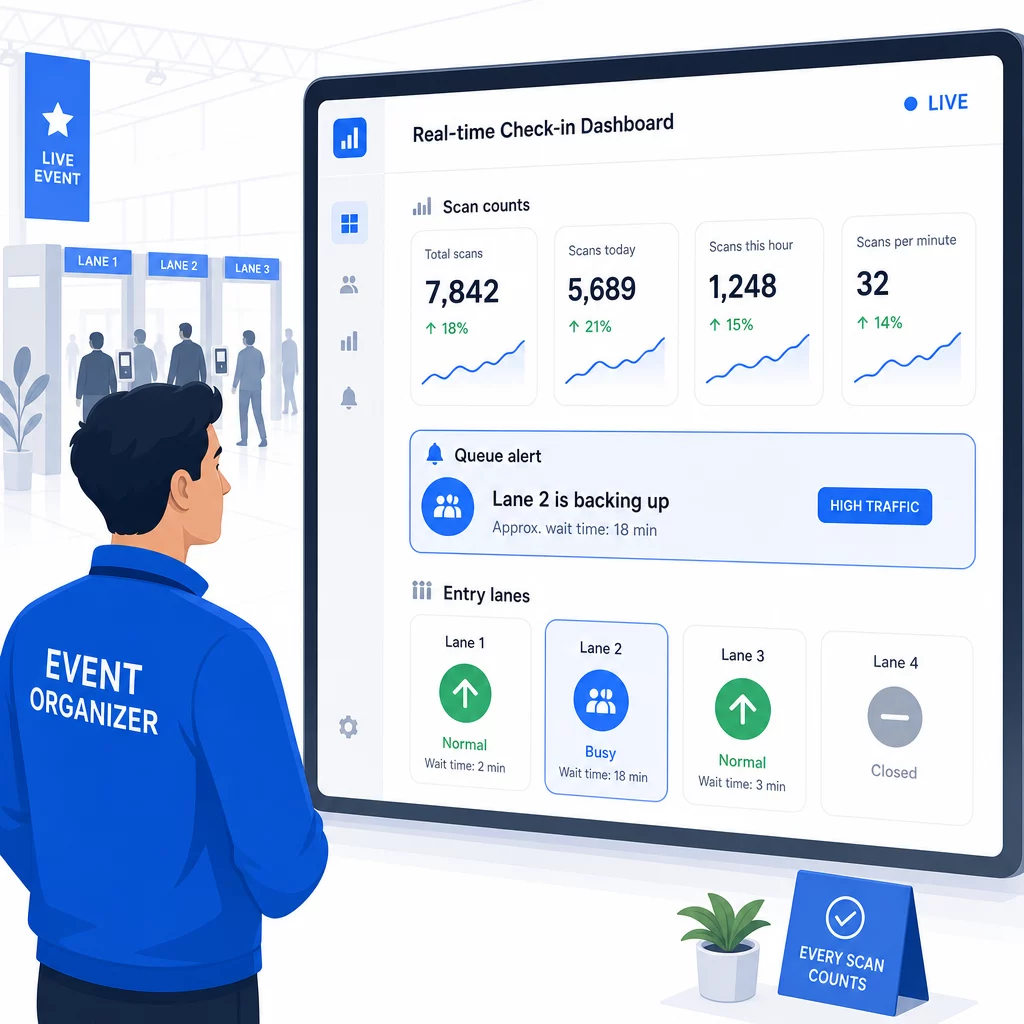
QR 코드 추적 on a platform like Pageloot, each scan logs the timestamp, device type, and location, giving you a live picture of where crowds are building. If one entry lane is backing up, you can redirect staff immediately. If a session QR code shows unexpectedly high attendance, you can adjust room capacity before it becomes a problem.

Real-time check-in dashboard

After the event, this data informs decisions for next time: when to open doors, how many entry lanes you need, and which sessions drew the most engagement. Tools for QR code event tracking offer post-event reporting exports that feed directly into planning workflows.

Security and Data Privacy

Check-in systems handle personal data, which creates both legal and reputational obligations.

For QR code systems specifically:

  • Use single-use codes that deactivate after first scan to prevent credential sharing
  • Encrypt all data in transit and at rest – confirm your QR platform supports this before committing
  • Collect only what you need: name, ticket type, and check-in timestamp are usually sufficient; home addresses and phone numbers rarely are
  • Apply access controls so only staff who need attendee data can see it
  • Include a clear privacy notice on your registration form explaining what you collect, why, and how long you retain it

For events with California attendees, CCPA compliance is required regardless of where your event is held. Attendees have the right to know what data you’ve collected and to request its deletion. For guidance on building these protections into your ticketing workflow from the start, the secure QR code event tickets guide covers encryption, tokenization, and one-time-use validation in detail.

When evaluating QR code platforms, look for SOC 2 compliance, data stored on U.S. servers if your event is domestic, audit logs for data access, and a clear policy stating that you retain full ownership of your attendee data.

Backup Plans for When Technology Fails

Even well-tested systems encounter problems on event day. Build your fallback before you need it.

Common scanning issues and quick fixes:

  • Poor lighting: add LED task lighting at each station
  • Damaged or unreadable codes: keep a tablet at each station so staff can pull up a digital version from the attendee record
  • Device incompatibility: ask attendees to hold their phone 6–8 inches from the scanner; if the native camera app fails, a dedicated QR scanner app usually resolves it

For network failures:

  • Use a platform that stores check-in data locally and syncs when connectivity returns
  • Keep two backup scanning devices at each entry point

If all digital systems fail:

  • Have an alphabetized printed attendee list at each entry point
  • Brief staff on how to search by name, handle lost codes, and issue temporary badges
  • Use color-coded stamps or stickers to mark manual check-ins and prevent duplicate entries

For events with VIP tiers or restricted zones, pre-print color-coded temporary badges before the event so staff can manage access levels without relying on the digital system. Communicate any delays clearly: “We’re using our backup system to get you in as quickly as possible” is enough to preserve a positive attendee experience during technical difficulties.

Automating Follow-Up After Check-In

The check-in data you collect becomes more valuable after the event ends. By connecting your QR scanning system to your email or marketing platform, you can send segmented follow-ups based on what each attendee actually did.

Practical post-event automation:

  • Send thank-you emails within 2 hours of the event’s close, including links to slides or resources
  • For multi-session events, use session-specific QR scan data to send only the content relevant to what each attendee attended
  • Share feedback surveys 24–48 hours after the event – keep them to five questions or fewer and offer a small incentive for completion
  • For networking events, compile a connection summary email from scan data so attendees have a record of who they met

Track open rates and click-through rates on follow-up messages to calibrate timing and content for future events.

자주 묻는 질문

Should I use QR codes, RFID, or NFC for my event check-in?

It depends on your event size, budget, and security requirements. QR codes are the lowest-cost option and work well for small to mid-size events where attendees bring their own devices. RFID suits high-volume events where you need passive, hands-free entry across thousands of attendees. NFC is the strongest choice when you need encrypted zone-based access control, cashless payments, or multi-day credential reuse. Most events under 500 attendees can run a smooth check-in entirely with QR codes and a reliable platform.

How do I stop attendees from sharing QR codes with people who didn’t register?

Assign a unique QR code to each registrant and configure your system to mark each code as used immediately after the first scan. Once scanned, the code cannot be used again. Dynamic QR codes paired with a real-time validation backend catch duplicate scan attempts instantly. For events where identity verification matters, train staff to cross-check a photo ID against the registration name when the code is scanned.

What should I do if my QR scanning system stops working mid-event?

Have a printed, alphabetized attendee list at every entry point and train staff to check in attendees manually using name and ticket number. Keep at least two backup scanning devices per lane with charged batteries or portable power packs. Use a platform that stores check-ins locally and syncs when internet connectivity returns so no data is lost. Brief your team on the manual process before the event starts so the transition is seamless if needed.

작성자 정보

시임 코스타비는 페이지루트의 콘텐츠 책임자입니다. 그는 페이지루트의 혁신적인 QR 코드 생성 서비스에 대한 글을 쓰고 있습니다. 5년 이상 QR 코드 분야에서 쌓아온 깊이 있는 전문 지식을 바탕으로, 시임은 이 분야의 전문가로 인정받고 있습니다. 그는 QR 기술을 활용하여 디지털 상호작용을 간소화하고 향상시키는 데 크게 기여하고 있습니다.

범주
에 대해 자세히 알아보기
QR table tent
QR 코드 사용 테이블 텐트

온라인으로 QR 코드를 생성해야하는 경우 QR 코드 만들기 무료로 여기!
Pageloot는 #1 Go-To 솔루션 QR 코드를 만들고 스캔합니다.

20,000개 이상의 브랜드로부터 신뢰를 받아 더 많은 매출, 리뷰, 팔로워를 확보했습니다.

클라이언트 로고
최고 브랜드의 신뢰
5 중 4.8 평가

4.86 / 5 별점

휴고 로랑
휴고 로랑
레스토랑 주인
가장 쉽고 안정적인 QR 코드 생성기. PDF 파일을 즉시 업로드할 수 있습니다. 이제 레스토랑 메뉴가 디지털화되었습니다.
루카스 얀센
루카스 얀센
부동산 개발사
이것은 훌륭한 도구이며 QR 코드를 사용하면 원하는 곳으로 이동할 수 있습니다. 우리는 위치 QR 코드만 사용하지만 유용한 기능이 너무 많습니다.
엠마 모레티
엠마 모레티
소매 제품
사용하기 쉽고 빠릅니다. 그것은 훌륭하게 작동하고 완벽한 이미지를 생성하므로 직원들이 내 vCard를 다운로드할 수 있습니다.
휴고 로랑
휴고 로랑
레스토랑 주인
가장 쉽고 안정적인 QR 코드 생성기. PDF 파일을 즉시 업로드할 수 있습니다. 이제 레스토랑 메뉴가 디지털화되었습니다.
루카스 얀센
루카스 얀센
부동산 개발사
이것은 훌륭한 도구이며 QR 코드를 사용하면 원하는 곳으로 이동할 수 있습니다. 우리는 위치 QR 코드만 사용하지만 유용한 기능이 너무 많습니다.
엠마 모레티
엠마 모레티
소매 제품
사용하기 쉽고 빠릅니다. 그것은 훌륭하게 작동하고 완벽한 이미지를 생성하므로 직원들이 내 vCard를 다운로드할 수 있습니다.
더 많은 QR 코드보기
QR 셔츠 스캔
QR 코드 사용 의류
무엇이든 디지털 경험으로 전환하세요 3분 이내에.

14일 무료 체험.

신용카드는 필요 없습니다.

첫 구매 시 30% 할인

코드를 사용하세요:

MP3 파일 공유

PDF QR 코드를 생성하려면 가입하세요

필요한 모든 것을 업로드하고 표시합니다.

  • 오디오 파일
  • 팟캐스트
  • 음악

가입 시 14일 무료 체험.
체험 기간 후 QR 코드 만료.

오디오 mp3 QR 코드를 생성하려면 가입하세요

프레임으로 더 많은 스캔 확보

QR 코드에 더 많은 프레임을 추가하려면 가입하세요

클릭 유도 문안 프레임은 고객이 QR 코드와 쉽게 상호 작용할 수 있도록 도와줍니다. 사용해 보세요!

가입 시 14일 무료 체험.
체험 기간 후 QR 코드 만료.

QR 코드에 더 많은 프레임을 추가하려면 가입하세요

도형으로 더 많은 스타일 추가

더 많은 도형을 만들려면 가입하세요

QR 코드는 정사각형일 필요가 없습니다. 브랜드 이미지에 맞게 전환해 보세요.

가입 시 14일 무료 체험.
체험 기간 후 QR 코드 만료.

더 많은 도형을 만들려면 가입하세요

QR 코드에 로고 추가

QR 코드에 로고를 추가하려면 가입하세요

로고와 브랜드를 추가하여 QR 코드를 돋보이게 만드세요.

가입 시 14일 무료 체험.
체험 기간 후 QR 코드 만료.

QR 코드에 로고를 추가하려면 가입하세요

스마트 앱 스토어 리디렉션

앱 스토어 QR 코드를 생성하려면 가입하세요

스마트 앱 스토어 QR 코드에 앱 링크를 추가하세요. 사용자는 장치에 따라 리디렉션됩니다.

가입 시 14일 무료 체험.
체험 기간 후 QR 코드 만료.

앱 스토어 QR 코드를 생성하려면 가입하세요

QR 코드에 이미지 업로드

이미지 QR 코드를 생성하려면 가입하세요

이미지를 쉽게 공유하세요. 몇 초 안에 동적으로 이미지를 변경하십시오.

가입 시 14일 무료 체험.
체험 기간 후 QR 코드 만료.

이미지 QR 코드를 생성하려면 가입하세요

PDF 파일 공유

PDF QR 코드를 생성하려면 가입하세요

필요한 모든 것을 업로드하고 표시합니다.

  • 메뉴 및 가격표
  • 명령
  • 모든 문서

가입 시 14일 무료 체험.
체험 기간 후 QR 코드 만료.

PDF QR 코드를 생성하려면 가입하세요

인쇄 없이 나중에 편집

다시 인쇄하지 않고 QR 코드를 편집하려면 가입하세요

동적 QR 코드를 사용하면 새 QR 코드를 인쇄하지 않고도 QR 코드의 내용을 변경할 수 있습니다.

가입 시 14일 무료 체험.
체험 기간 후 QR 코드 만료.

다시 인쇄하지 않고 QR 코드를 편집하려면 가입하세요

언제? 어디서? QR 코드 스캔 추적

QR 코드를 추적하려면 가입하세요

어떤 QR 코드가 가장 많이 스캔되고 무엇이 고객을 가장 흥분시키는지 알아보십시오.

가입 시 14일 무료 체험.
체험 기간 후 QR 코드 만료.

QR 코드를 추적하려면 가입하세요

인쇄 준비 파일 제공

PDF 및 SVG와 같은 벡터 QR 코드를 생성하려면 가입하세요.

.EPS, .PDF, .SVG

HD 해상도로 QR 코드를 다운로드하고 싶으신가요? 인쇄할 준비가 된 벡터 또는 픽셀 형식을 가져옵니다.

가입 시 14일 무료 체험.
체험 기간 후 QR 코드 만료.

PDF 및 SVG와 같은 벡터 QR 코드를 생성하려면 가입하세요.

기다리세요. 귀하의 QR 코드는 로드 중... 로드 중...

나만의 것으로 만들기

나중을 위해 QR 코드를 저장하려면 가입하세요.

다양한 색상, 로고 및 클릭 유도문안 프레임으로 멋진 QR 코드를 만들어 더 많은 스캔을 받으세요.

가입 시 14일 무료 체험.
체험 기간 후 QR 코드 만료.

나중을 위해 QR 코드를 저장하려면 가입하세요.